
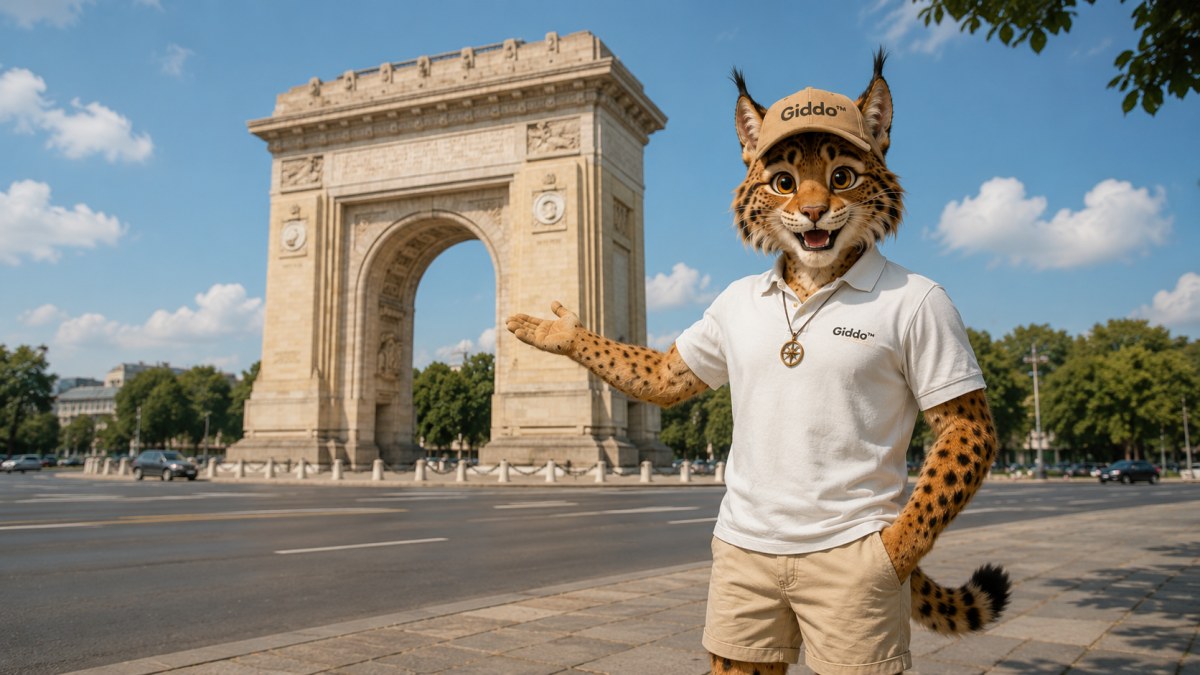
Where to stay in Romania
See the hotels and apartments available on Booking.com · This is an affiliate link with our partner. Europe by Giddo may earn a commission from a purchase made through it, at no extra cost to you.
Romania sits where central Europe, the Balkans and the Black Sea meet, and it has never quite belonged to only one of them. The Carpathian mountains sweep through the country in a long arc, wrapping around the Transylvanian plateau and separating it from the plains of the south and the hills of the east. That single geographic fact explains most of the rest: the regions on either side of the mountains developed under different rulers, built differently, worshipped differently, and in places still speak differently.
Our partner
Travel insurance · 5% off for our readers
Get a quoteRegions that stayed distinct
Transylvania spent centuries under Hungarian and then Habsburg rule, and its towns were founded by German-speaking settlers whose fortified churches and guild squares survive in Brașov, Sibiu and Sighișoara. To the south and east, Wallachia and Moldavia remained principalities under Ottoman suzerainty, orthodox in faith and Byzantine in artistic tradition, which is why the painted monasteries of Bucovina look nothing like the Lutheran halls a few hundred kilometres west. Banat, in the far west, was resettled by the Habsburgs with a deliberate mixture of peoples and planned in straight lines. Dobrogea, between the Danube and the sea, carries Greek, Roman and Ottoman layers. Maramureș, in the north, kept its wooden churches and its habits of rural life longer than almost anywhere else in Europe.
What travellers come for
The mountains are the obvious draw. The Carpathians hold some of the largest remaining areas of old-growth forest on the continent and one of Europe's most significant populations of brown bear, lynx and wolf. Marked trails run for days along the ridges, and mountain roads such as the Transfăgărășan cross from one historical region to another in a single afternoon.
The built heritage is the other. Romania has fortified Saxon churches, Dacian hill forts, a Roman frontier, Gothic castles, wooden churches with shingled spires, and painted monasteries whose exterior frescoes have survived five centuries of weather. Several of these are inscribed on the UNESCO World Heritage list.
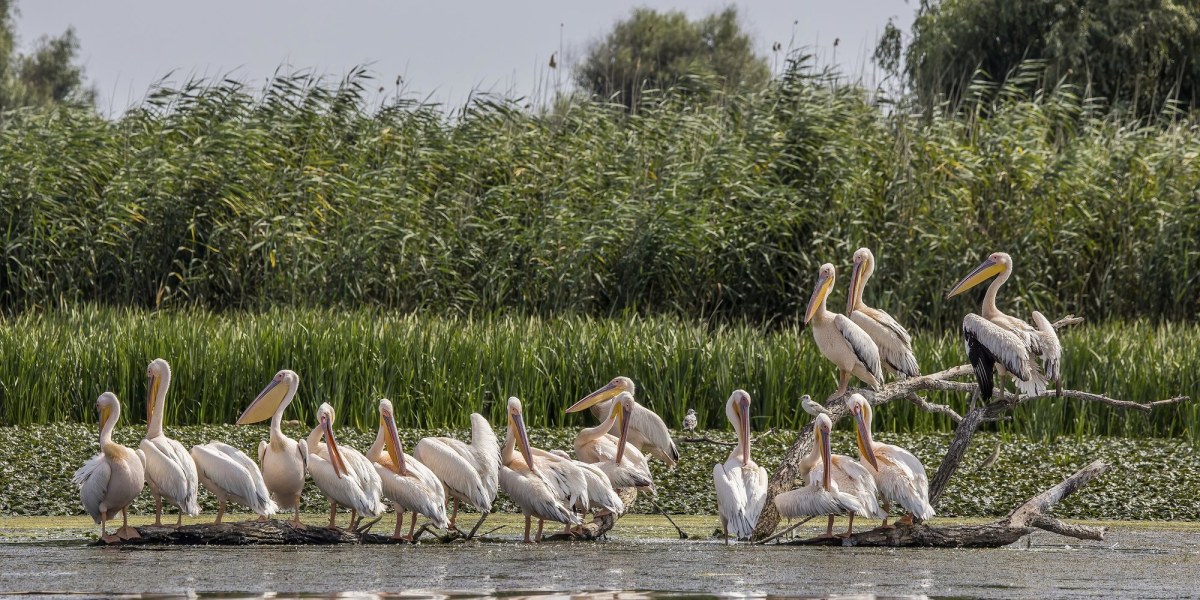
Then there is the Danube. The river forms much of the southern border before turning north and breaking into the delta, a shifting expanse of channels, reed beds and floating islands that is one of the great bird habitats of Europe.
Getting around
Distances are moderate but travel is slower than a map suggests. Roads through the mountains are winding and often shared with slow traffic; rail is comfortable between the larger cities and patchy elsewhere. Most travellers pick one or two regions rather than attempting the whole country, and the regions reward that approach.
Common questions
- What is the capital of Romania?
- The capital of Romania is Bucharest.
- What currency is used in Romania?
- Romania uses the Romanian leu (RON).
- What language is spoken in Romania?
- The official language is Romanian.
- When is the best time to visit Romania?
- Hot summers on the plains, cold snowy winters; high mountain roads close through the winter.
- Which side of the road do you drive on in Romania?
- In Romania you drive on the right.
- What plug sockets are used in Romania?
- Romania uses type C, F sockets.
- What is the dialling code for Romania?
- The international dialling code for Romania is +40.
Partner
Inside Romania
Regions
8 to explore
Banat
Region
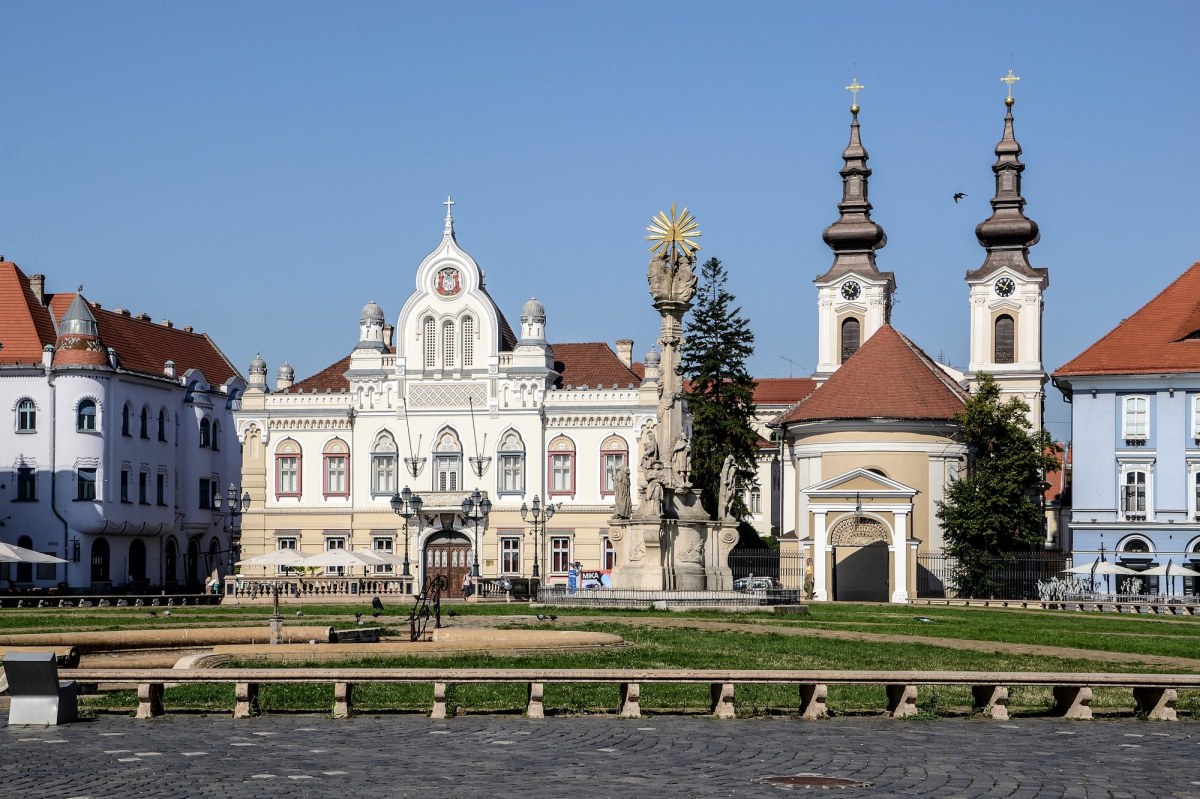
A planned, multi-ethnic region in the west, where Habsburg administration laid out towns and drained the plain.
Bucovina
Region
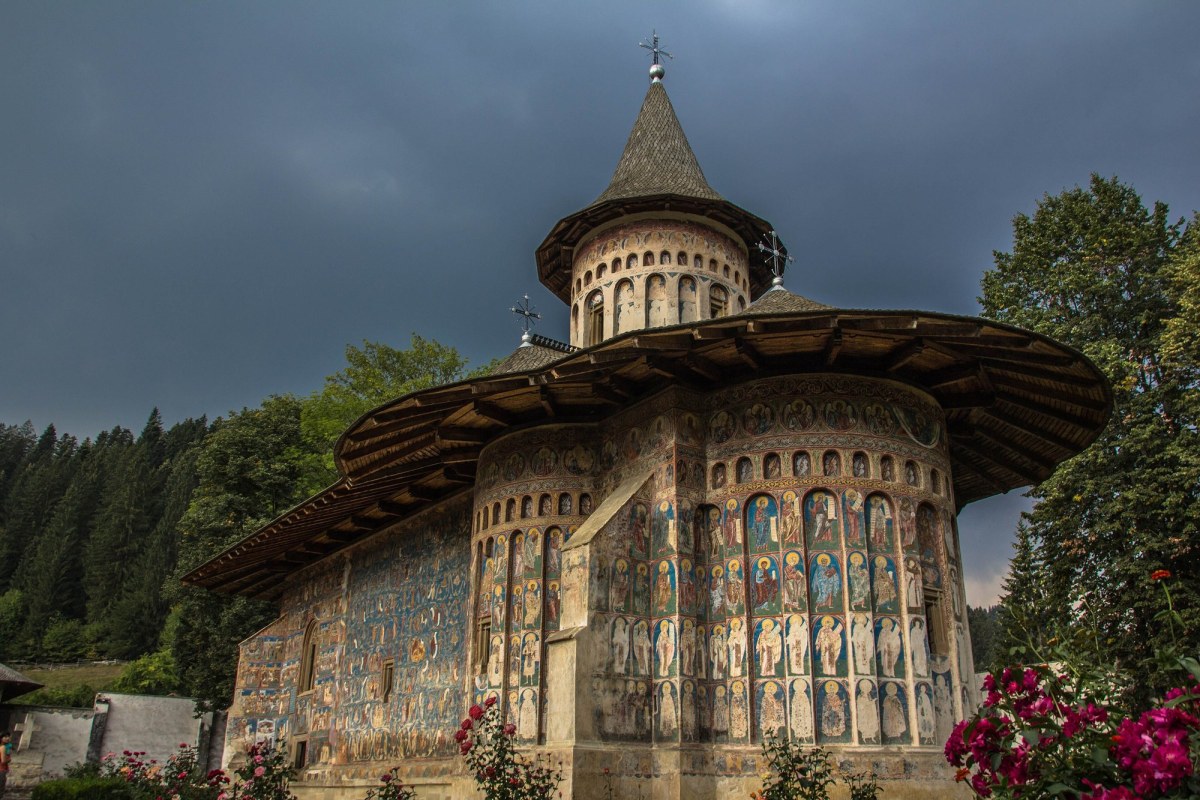
Wooded hill country in the north-east, known above all for the painted monasteries whose exterior frescoes have survived five centuries outdoors.
Dobrogea
Region
The land between the lower Danube and the Black Sea, layered with Greek, Roman and Ottoman remains and ending in the Danube Delta.
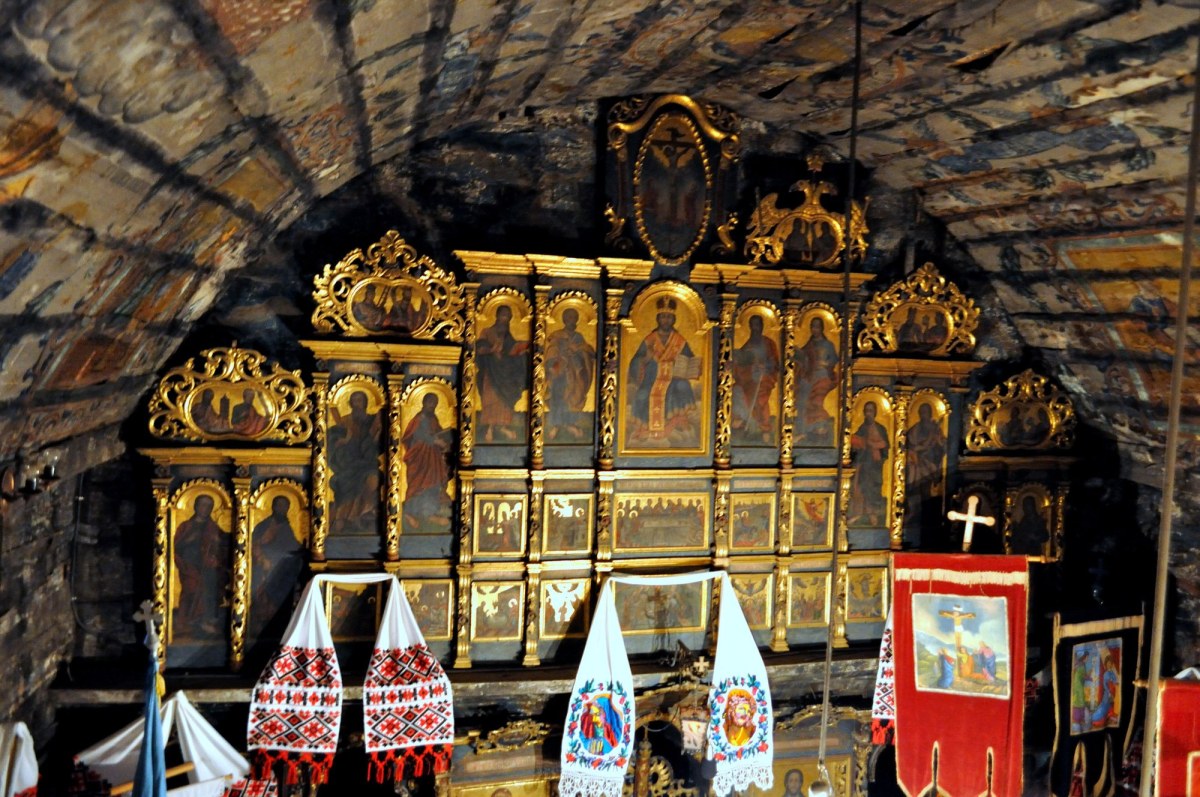
Maramureș
Region
A northern valley region of wooden churches, carved gates and rural habits that outlasted collectivisation.
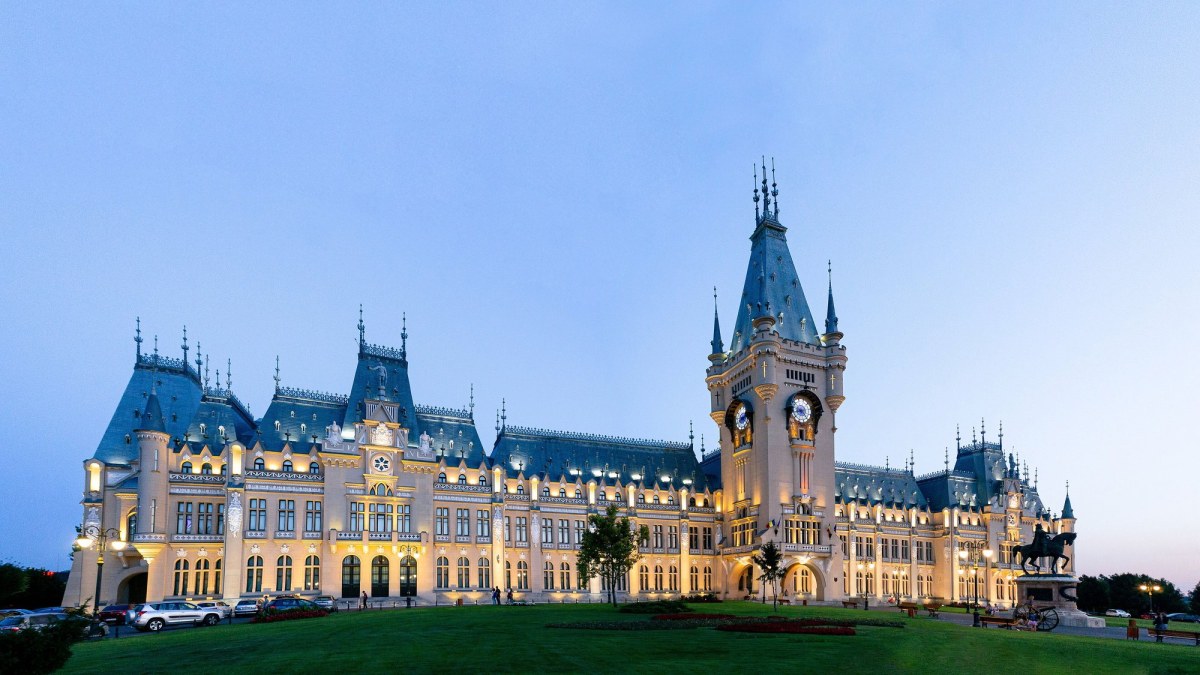
Moldavia
Region
The eastern region of rolling hills, vineyards and old princely towns, distinct from the neighbouring Republic of Moldova.
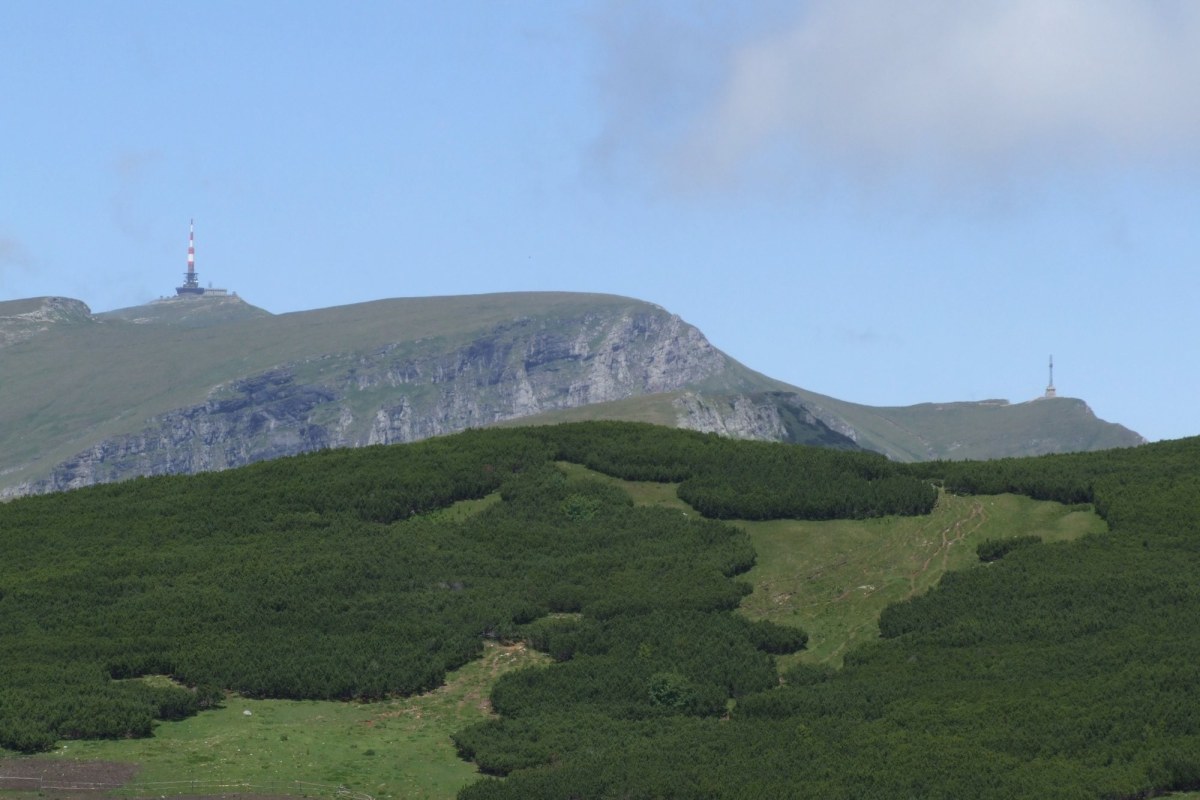
Muntenia
Region
The southern region between the Carpathians and the Danube, holding the capital and the mountain resorts of the Prahova Valley.
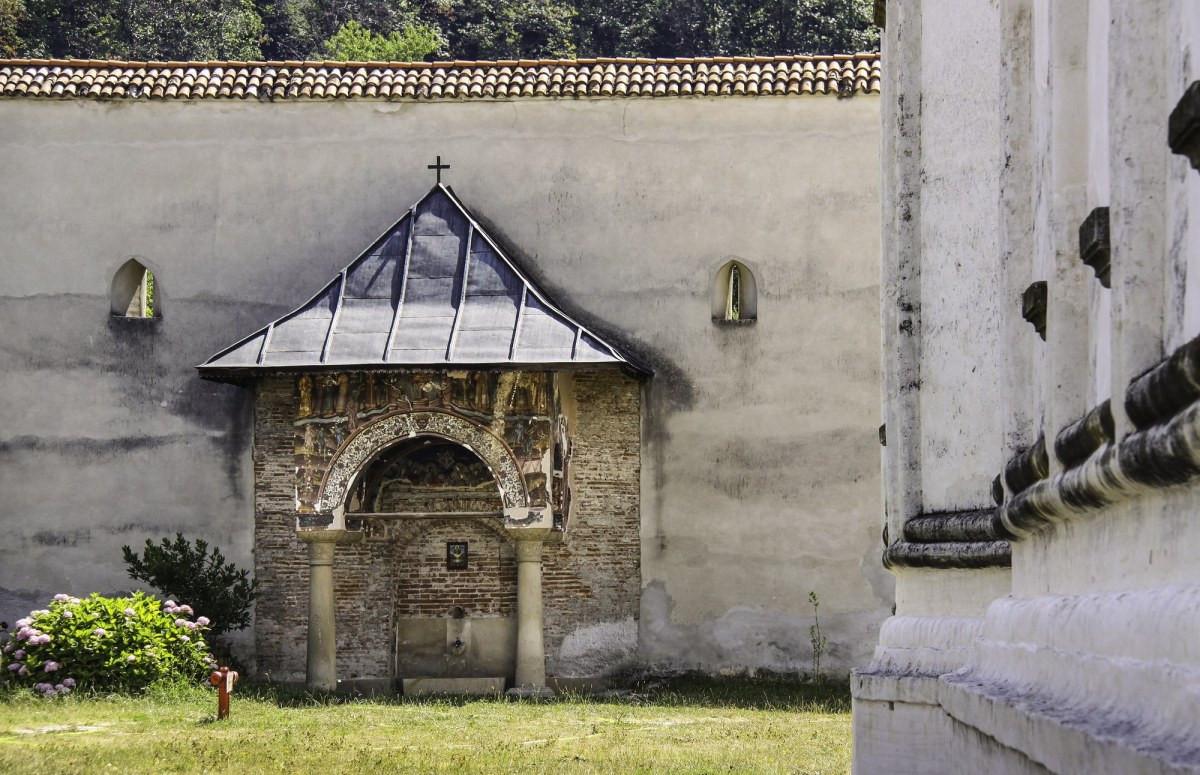
Oltenia
Region
The south-western region between the Danube, the Olt and the mountains, with a strong tradition of pottery and wooden architecture.
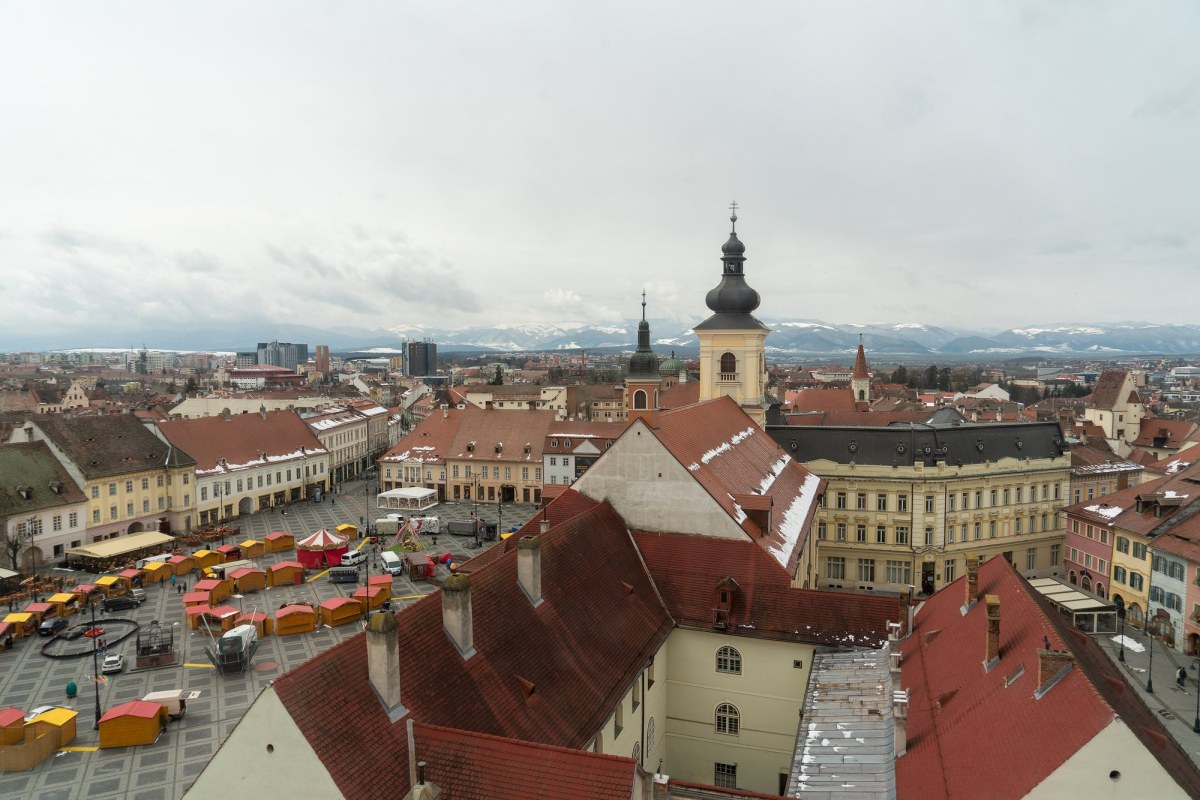
Transylvania
Region
The plateau inside the Carpathian arc, where Saxon and Hungarian settlement left fortified churches, guild squares and a building tradition unlike the rest of the country.
Inside Romania
Towns and cities
10 to explore
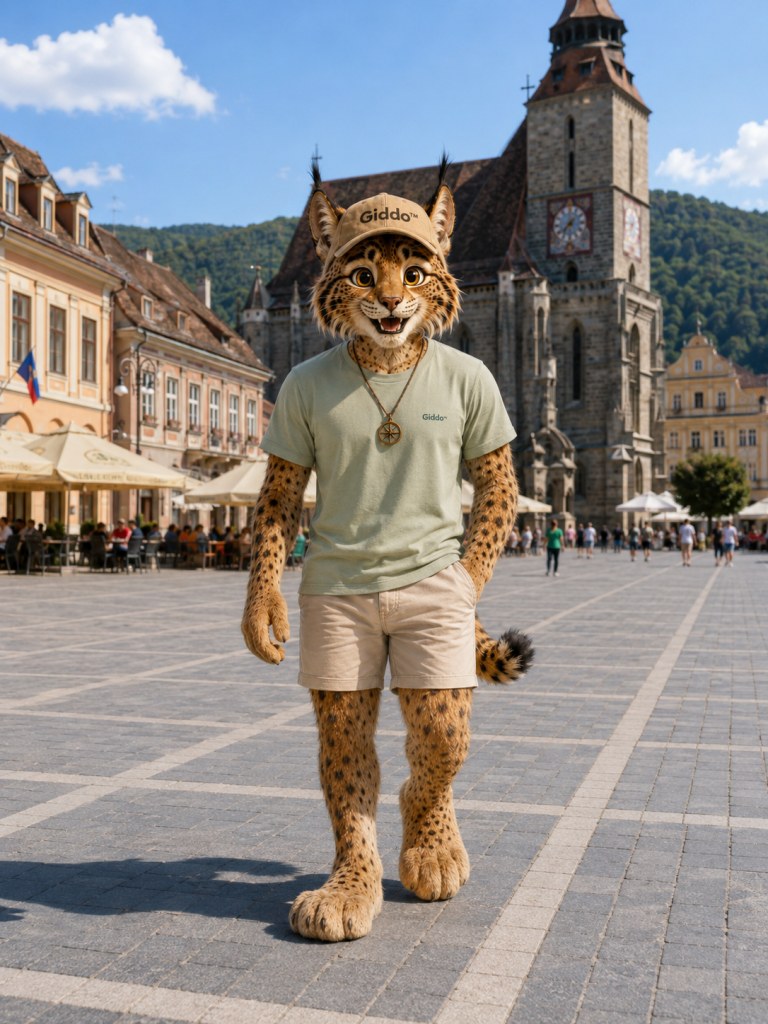
Brașov
Town or city
A Saxon city in a bowl of forested hills, with the largest gothic church east of Vienna and a wide medieval square beneath Tâmpa mountain.
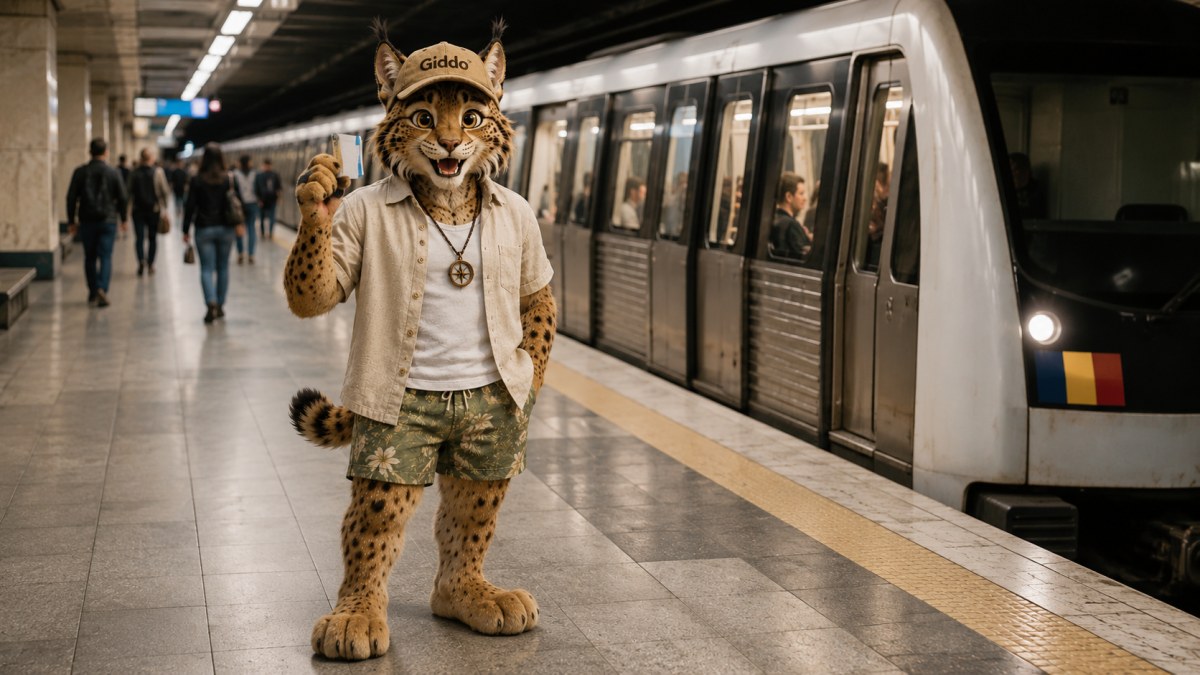
Bucharest
Town or city
The capital: French-influenced boulevards and villas standing alongside the vast building projects of the communist decades.
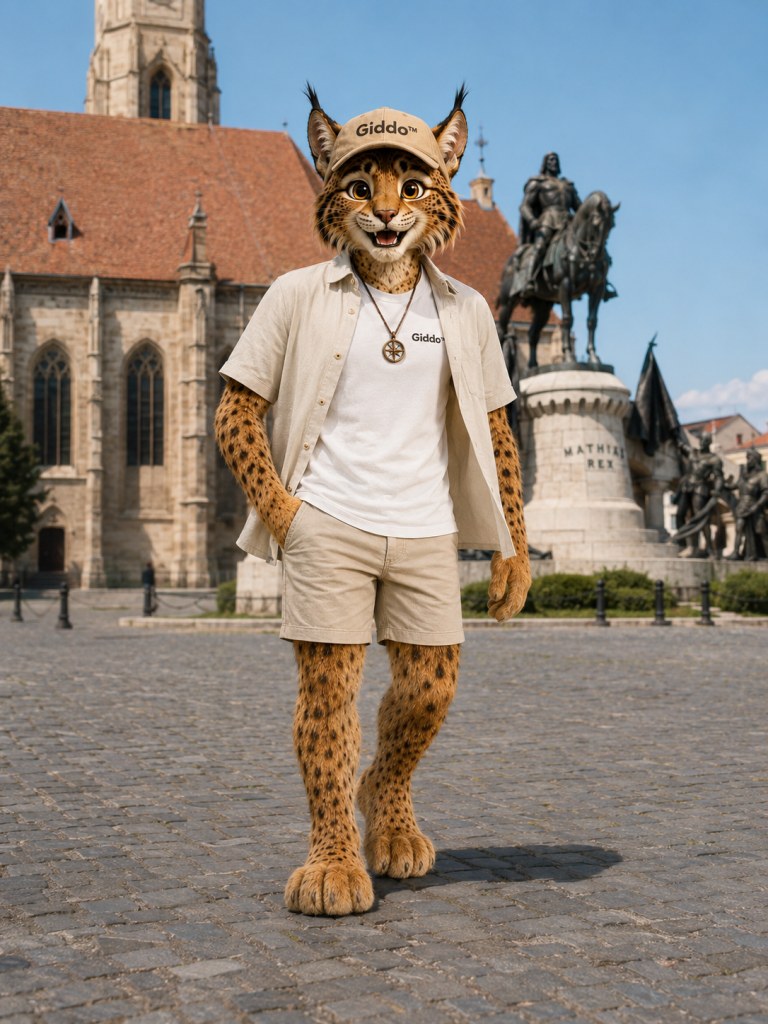
Cluj-Napoca
Town or city
The largest city in Transylvania, a university centre with a gothic hall church, Roman foundations and an unusually young population.
Constanța
Town or city
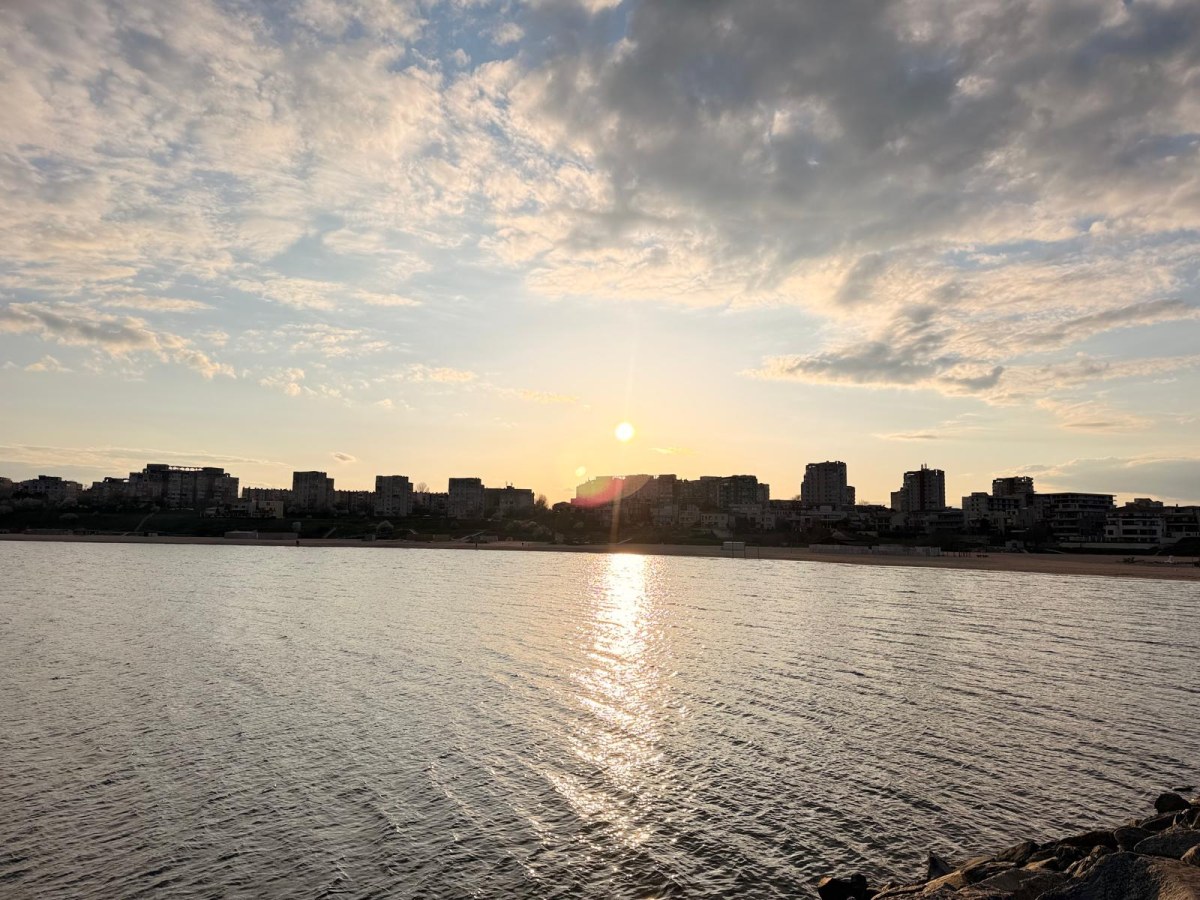
Romania's main Black Sea port, built over a Greek and Roman city, with a celebrated Roman mosaic and a landmark casino on the seafront.
Iași
Town or city
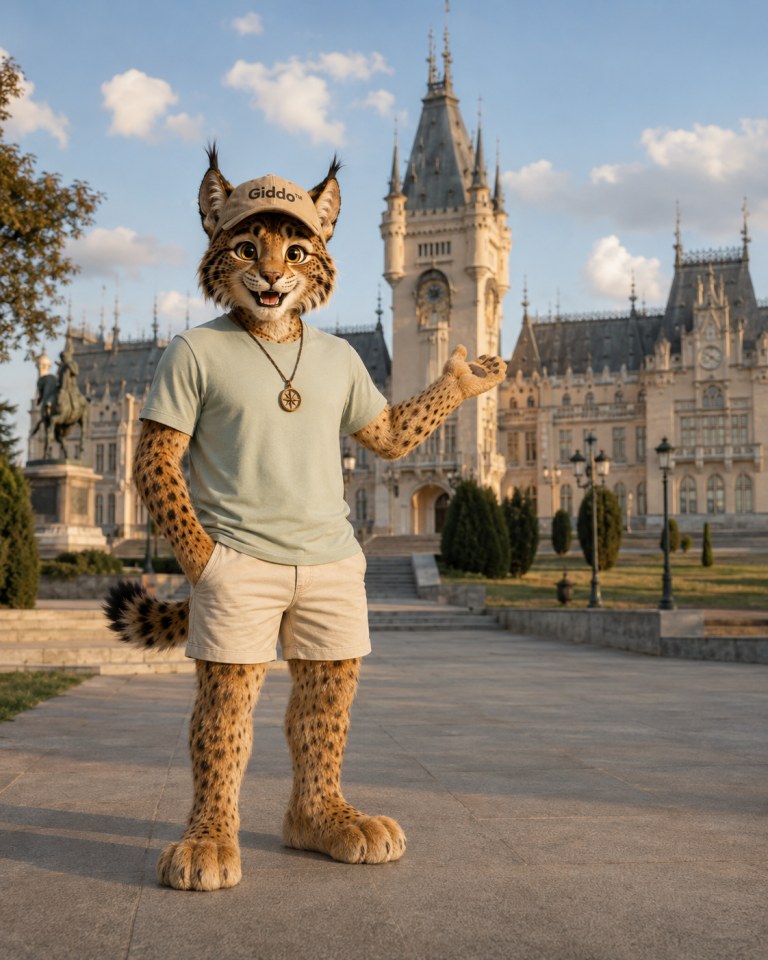
The historical capital of Moldavia, a university city with an enormous neo-gothic palace and a dense concentration of old churches.
Sibiu
Town or city
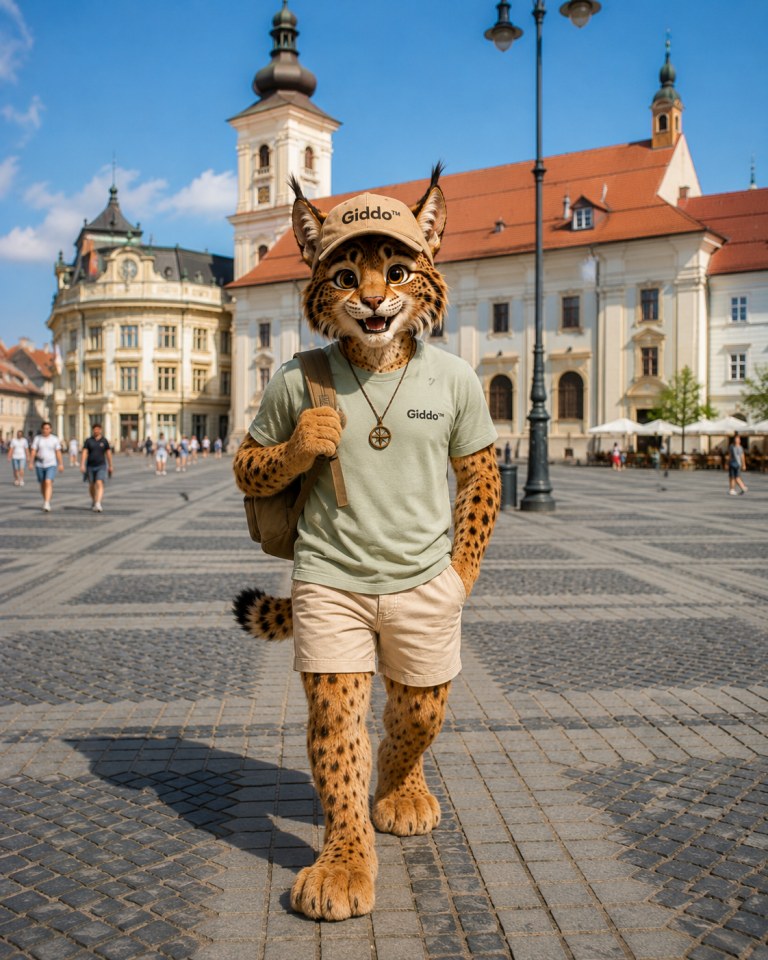
A Saxon town of linked squares, pastel façades and eyelid dormer windows, with one of the best open-air museums in the country on its edge.
Sighișoara
Town or city
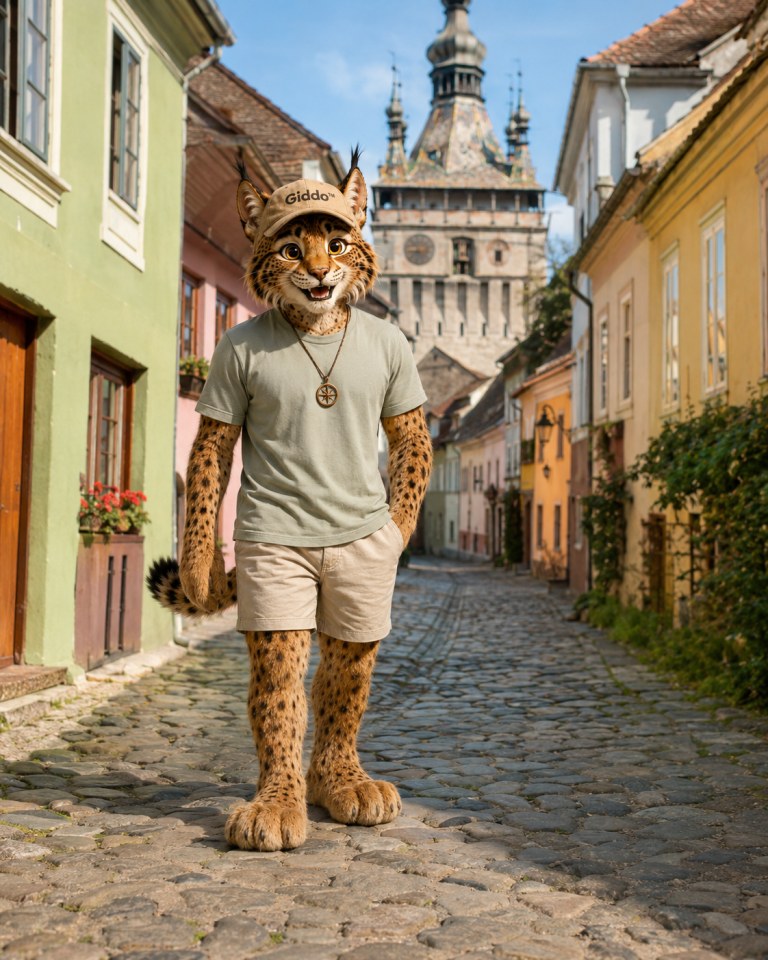
A hill citadel that people still live in, with a painted clock tower, steep covered stairway and a compact grid of Saxon houses.
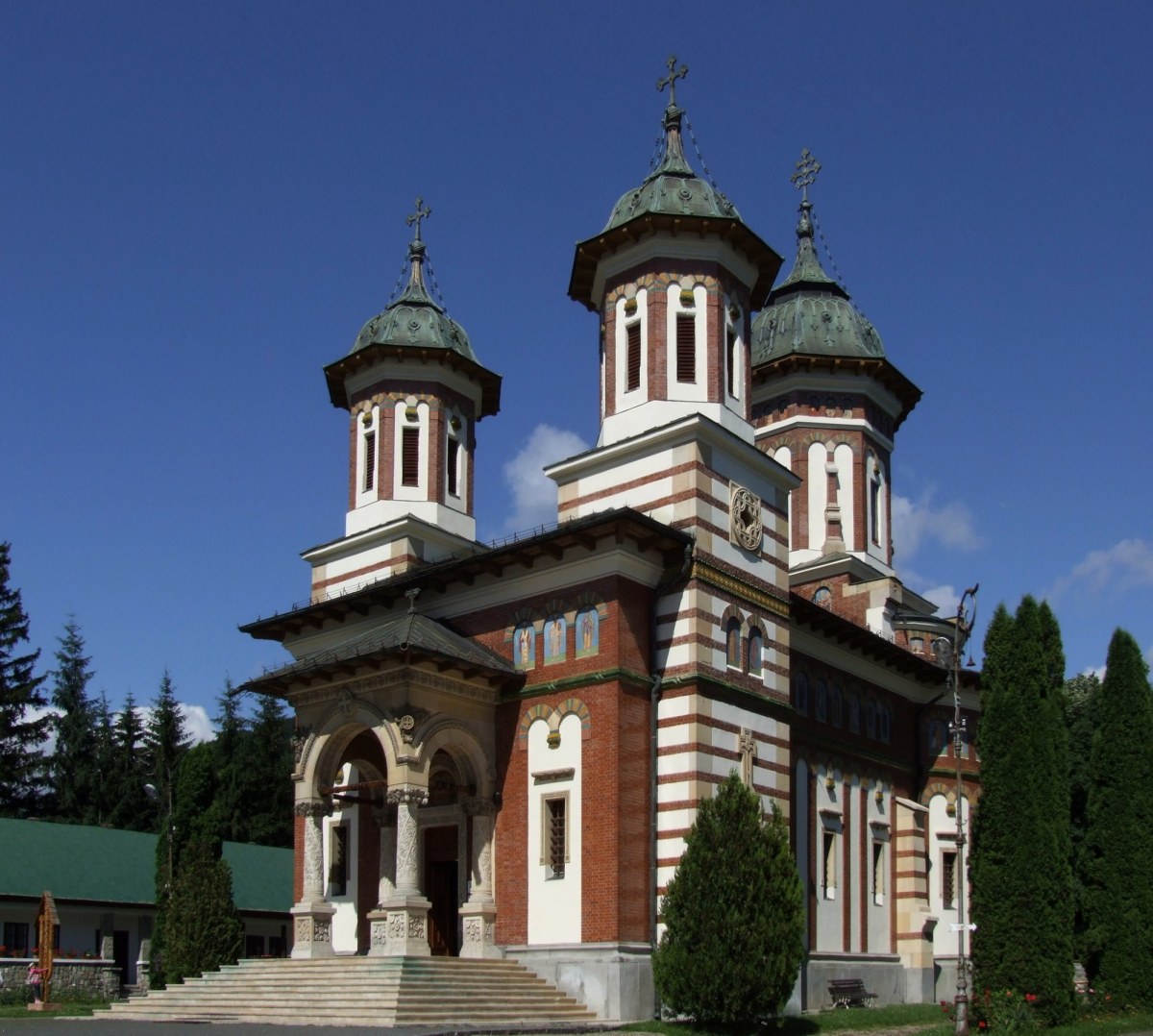
Sinaia
Town or city
A mountain resort town in the Prahova Valley, built around a monastery and the royal summer palace of Peleș.
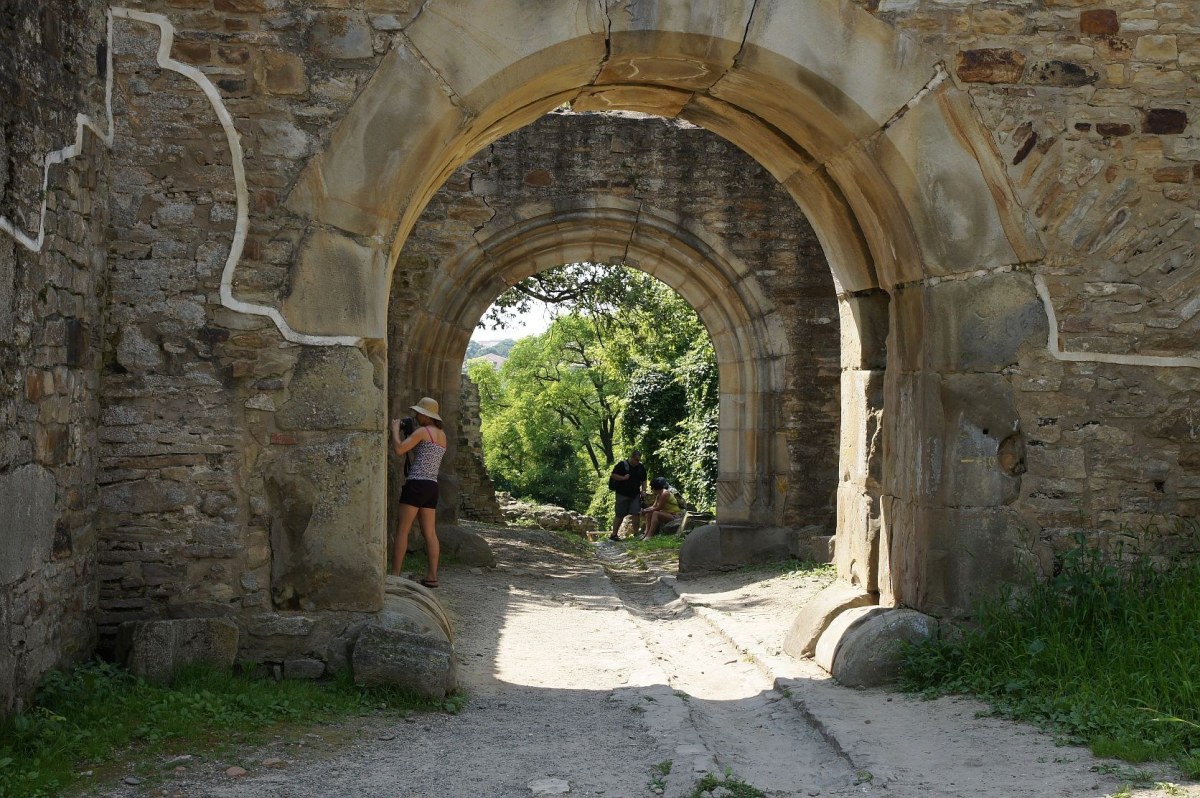
Suceava
Town or city
The old princely seat of Moldavia and the practical base for visiting the painted monasteries of Bucovina.
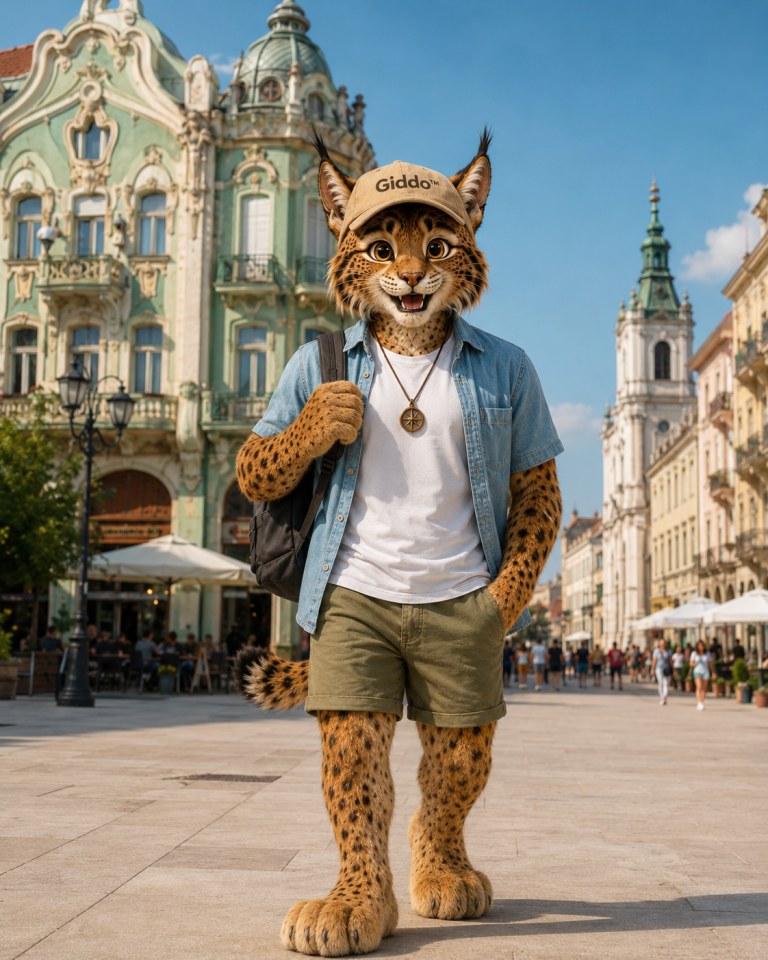
Timișoara
Town or city
The main city of Banat, laid out in large baroque and secession-era squares, and the place where the 1989 revolution began.
Inside Romania
Landmarks
10 to explore
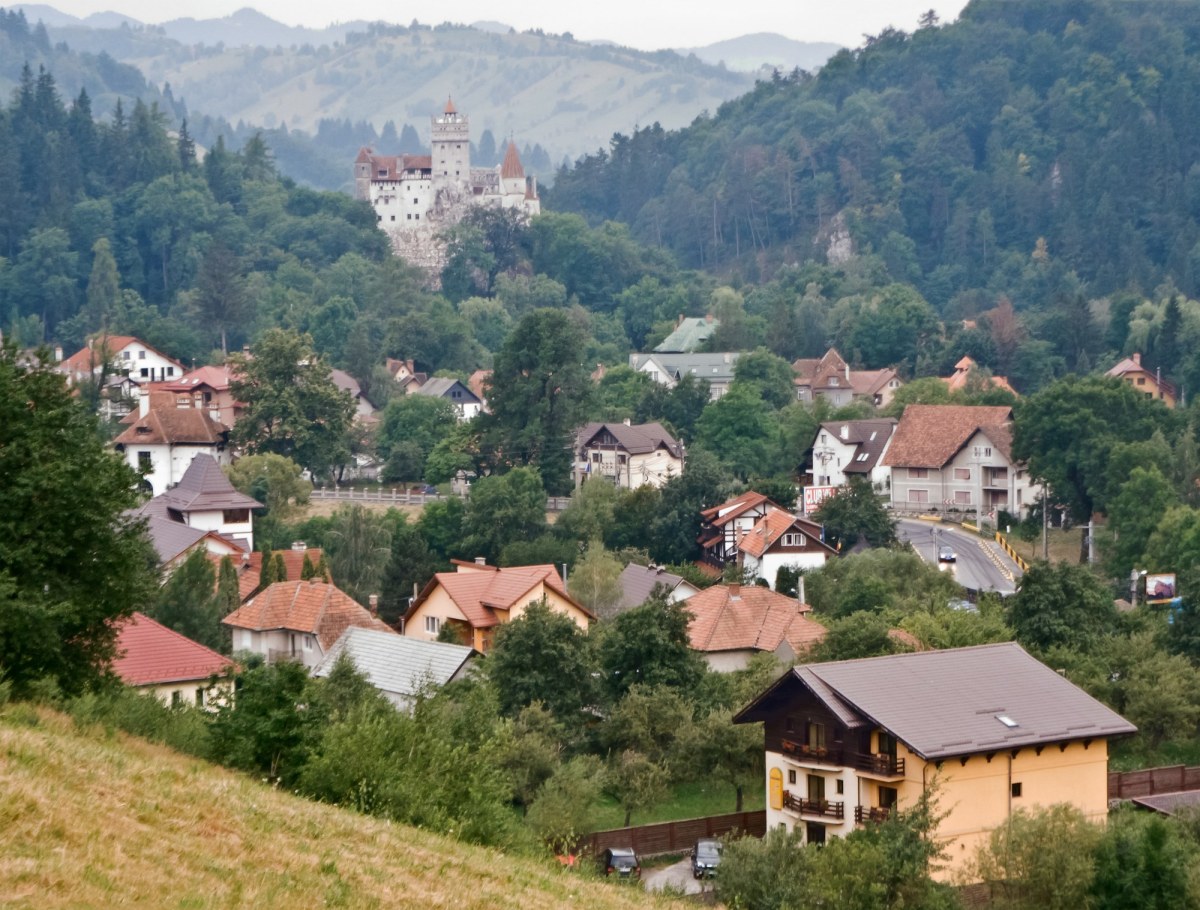
Bran Castle
Landmark
A fortified castle above the pass between Transylvania and Wallachia, widely marketed on a Dracula association that history does not support.
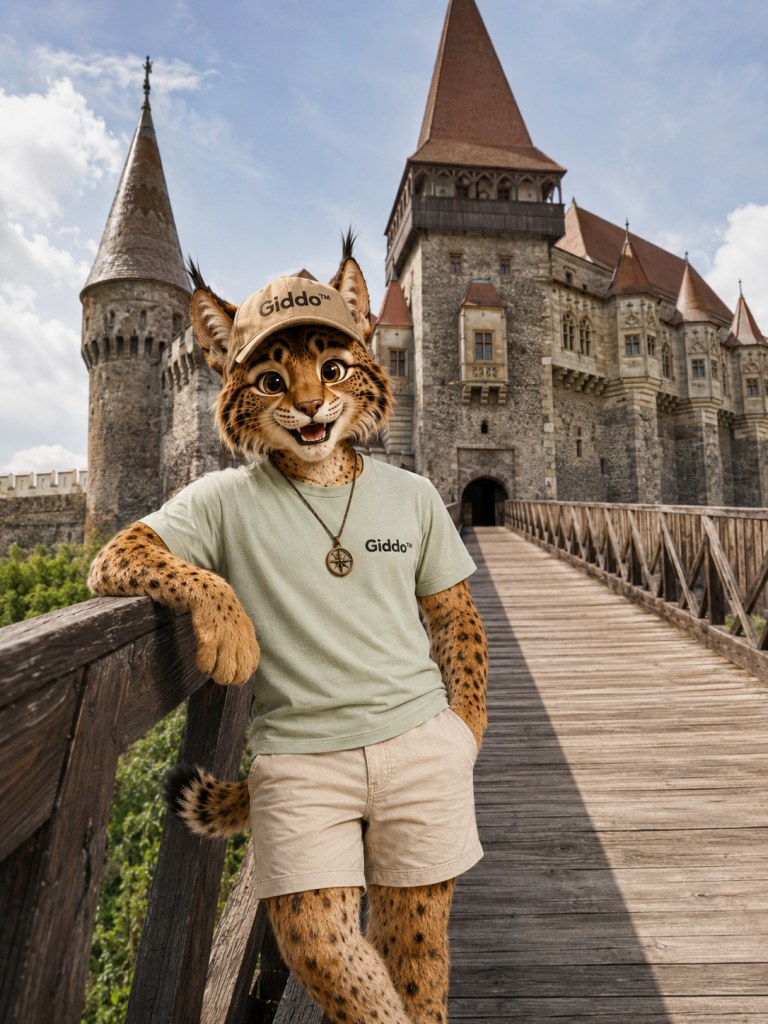
Corvin Castle
Landmark
A large Gothic and Renaissance castle at Hunedoara, with a long wooden bridge, tall buttressed hall and a dramatic silhouette of towers.

Danube Delta
Landmark
The wetland where the Danube divides and reaches the Black Sea: channels, reed beds and lakes forming one of Europe's great bird habitats.
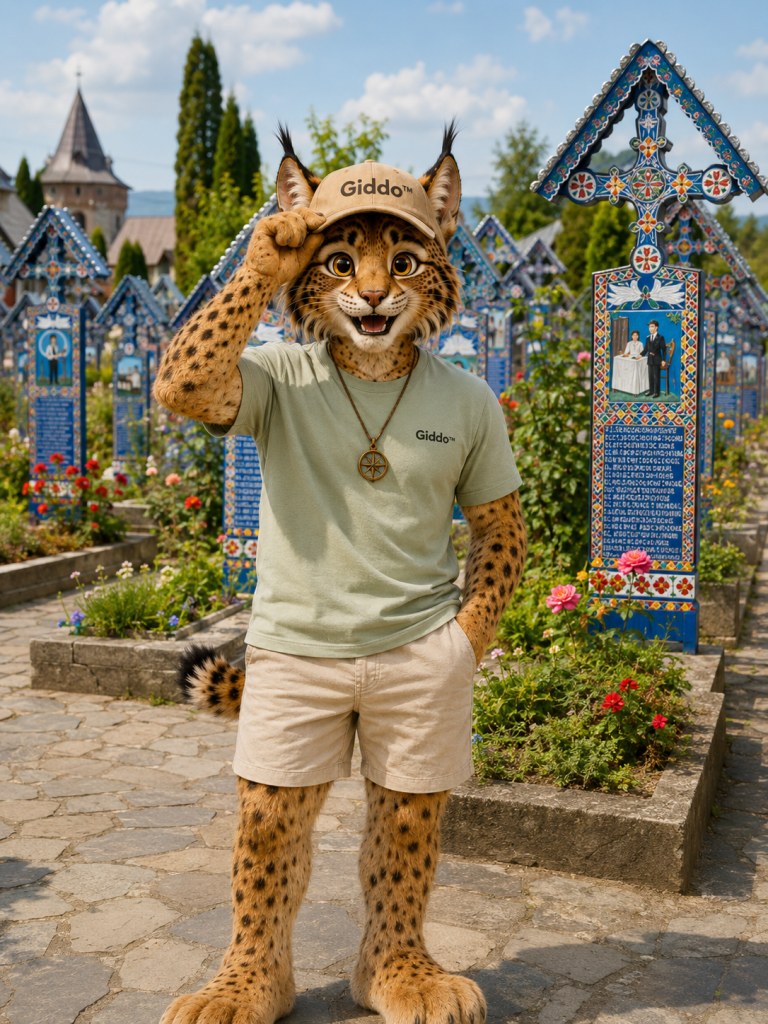
Merry Cemetery of Săpânța
Landmark
A village cemetery in Maramureș where carved wooden crosses are painted in bright colours and inscribed with frank verse about the dead.
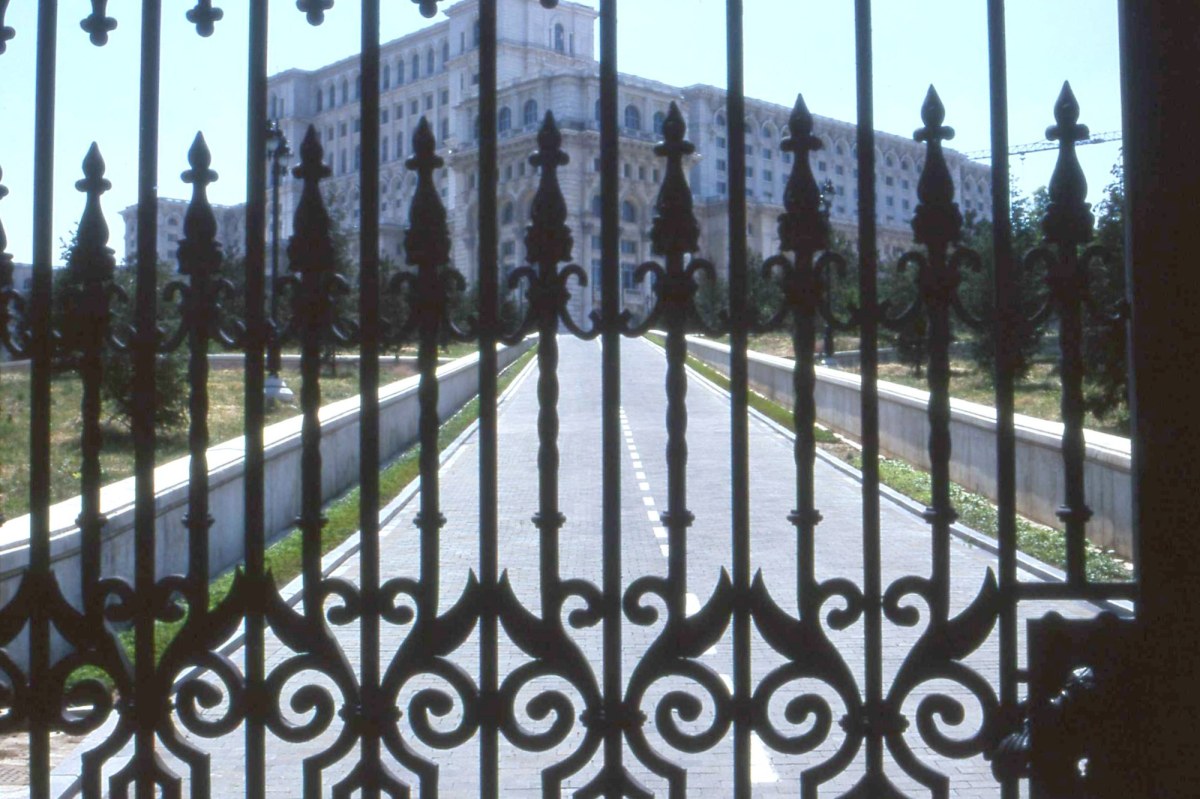
Palace of the Parliament
Landmark
The vast government building raised in Bucharest in the 1980s, among the largest and heaviest administrative buildings in the world.
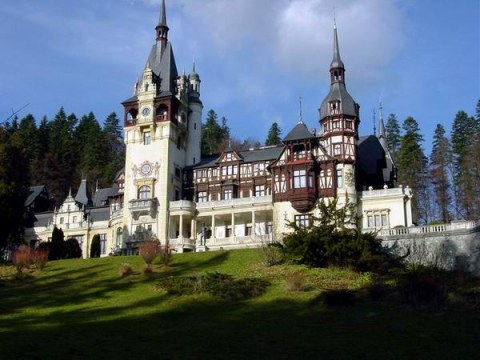
Peleș Castle
Landmark
The Neo-Renaissance summer palace built for Carol I above Sinaia, elaborately furnished and technically advanced for its time.
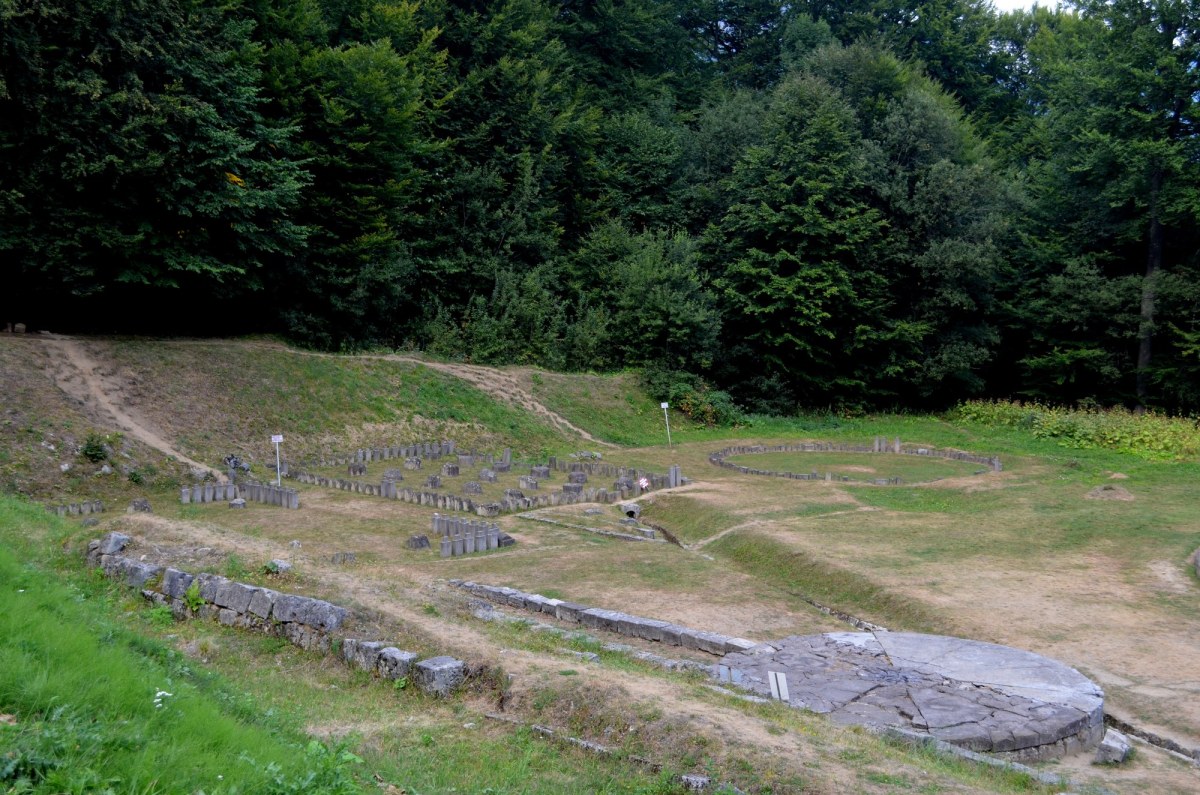
Sarmizegetusa Regia
Landmark
The capital of the Dacian kingdom, high in the Orăștie mountains, with fortifications and a precinct of stone and timber sanctuaries.
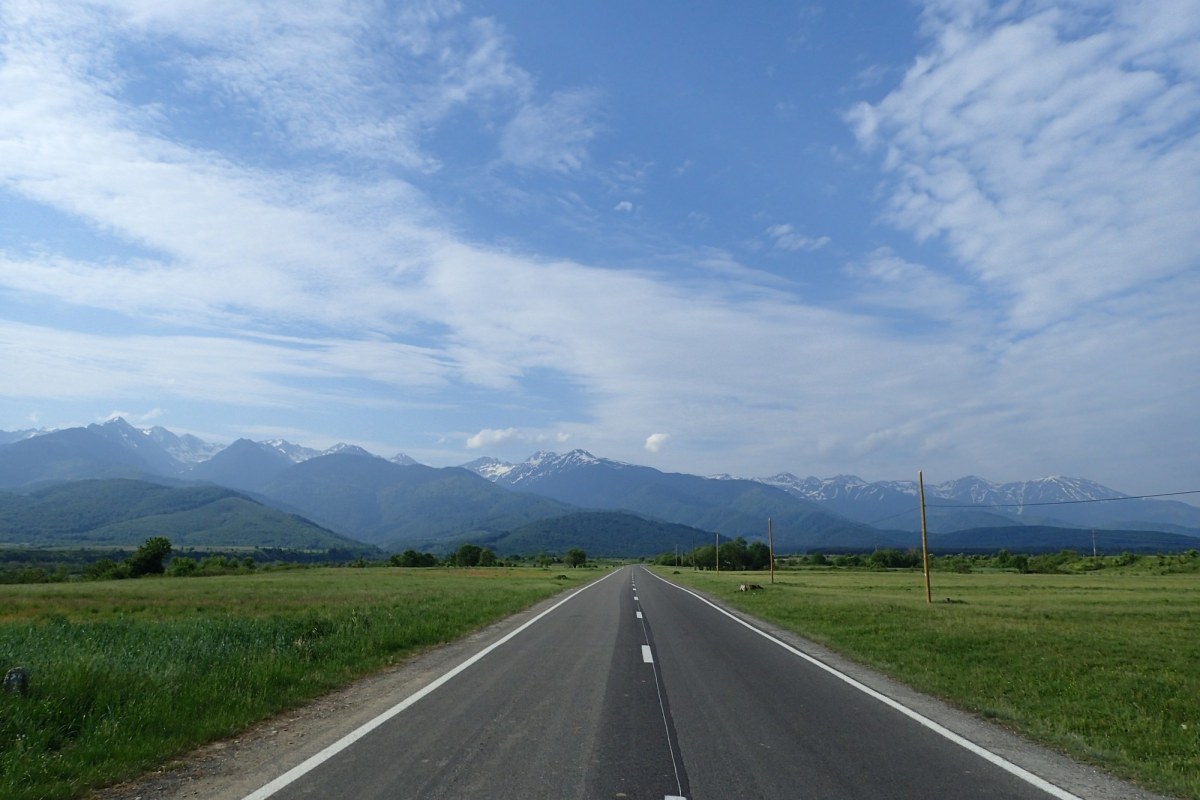
Transfăgărășan
Landmark
A mountain road built across the Făgăraș range in the 1970s, climbing in tight hairpins to a glacial lake near its highest point.
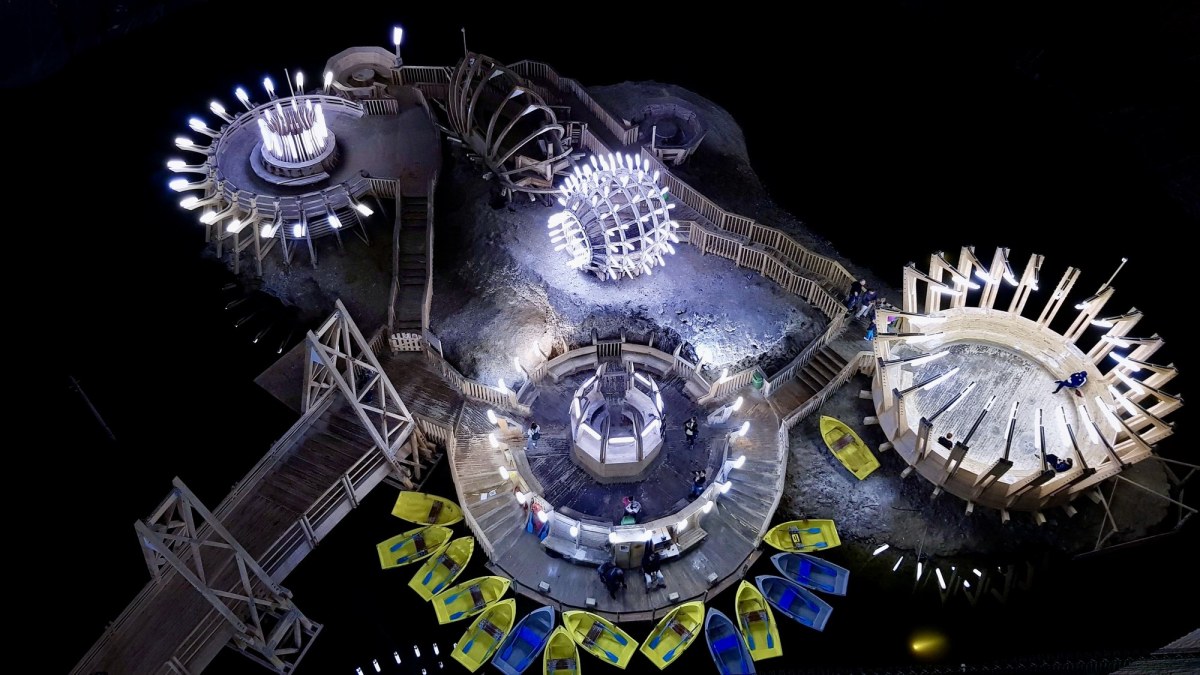
Turda Salt Mine
Landmark
A former salt mine near Cluj, where enormous excavated chambers deep underground now hold a visitor complex.
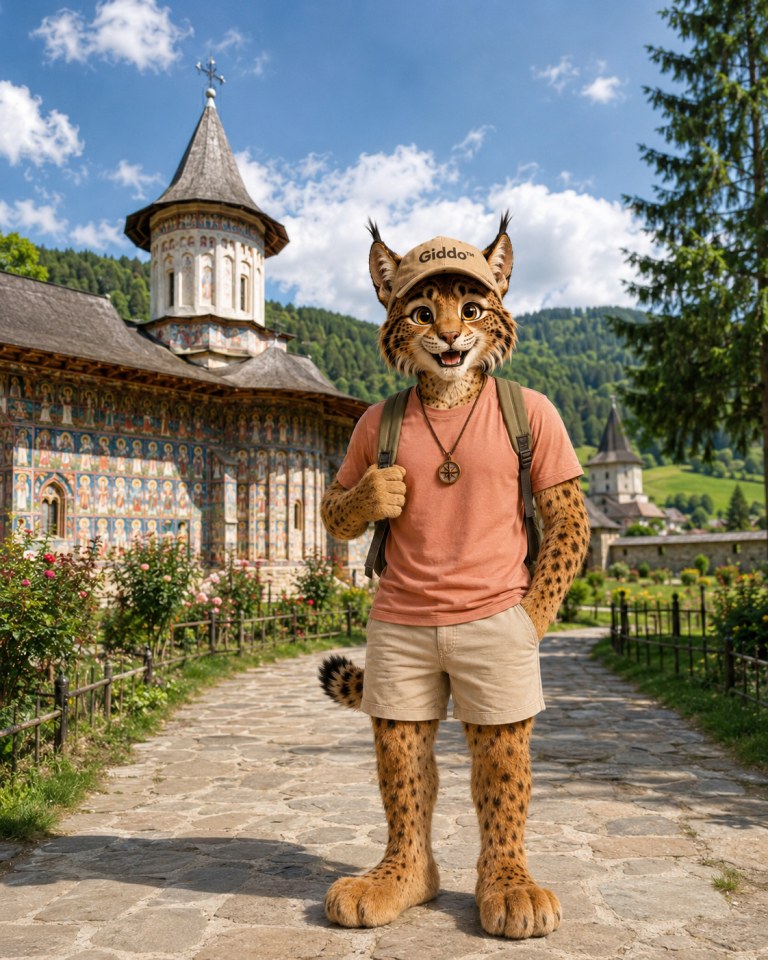
Voroneț Monastery
Landmark
The best known of the painted monasteries of Bucovina, whose exterior frescoes are dominated by an intense blue and a vast Last Judgement.

Plan the trip
Explore Romania
Start with the regions, then the towns, then the sights worth a detour — each with its own page and its own pin on the map.
Start anywhere and follow the links. The guides and itineraries join these places into routes you can actually travel.
Credit: Europe by Giddo
On the spot
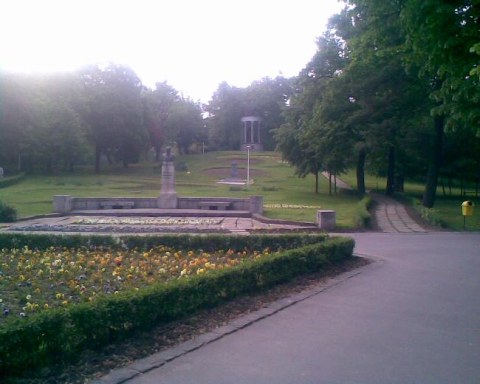
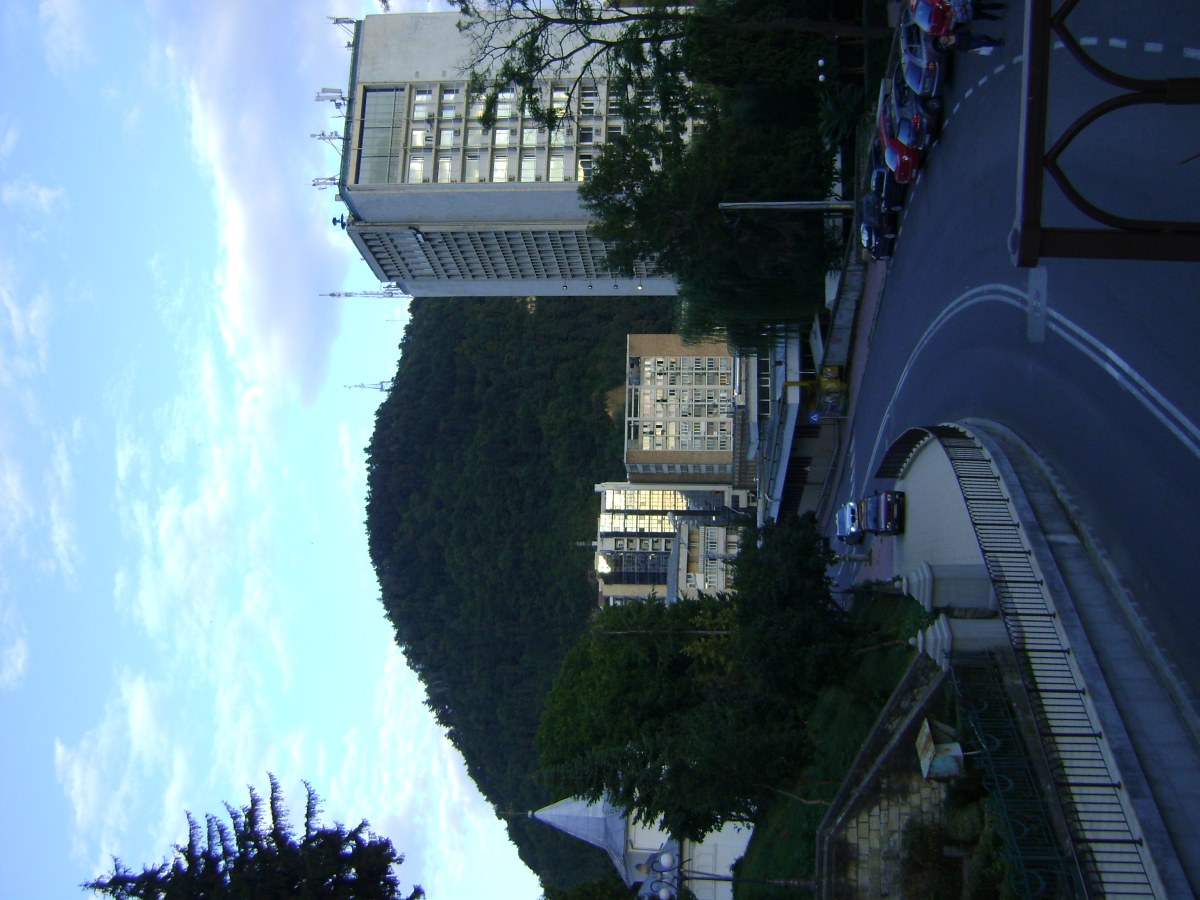
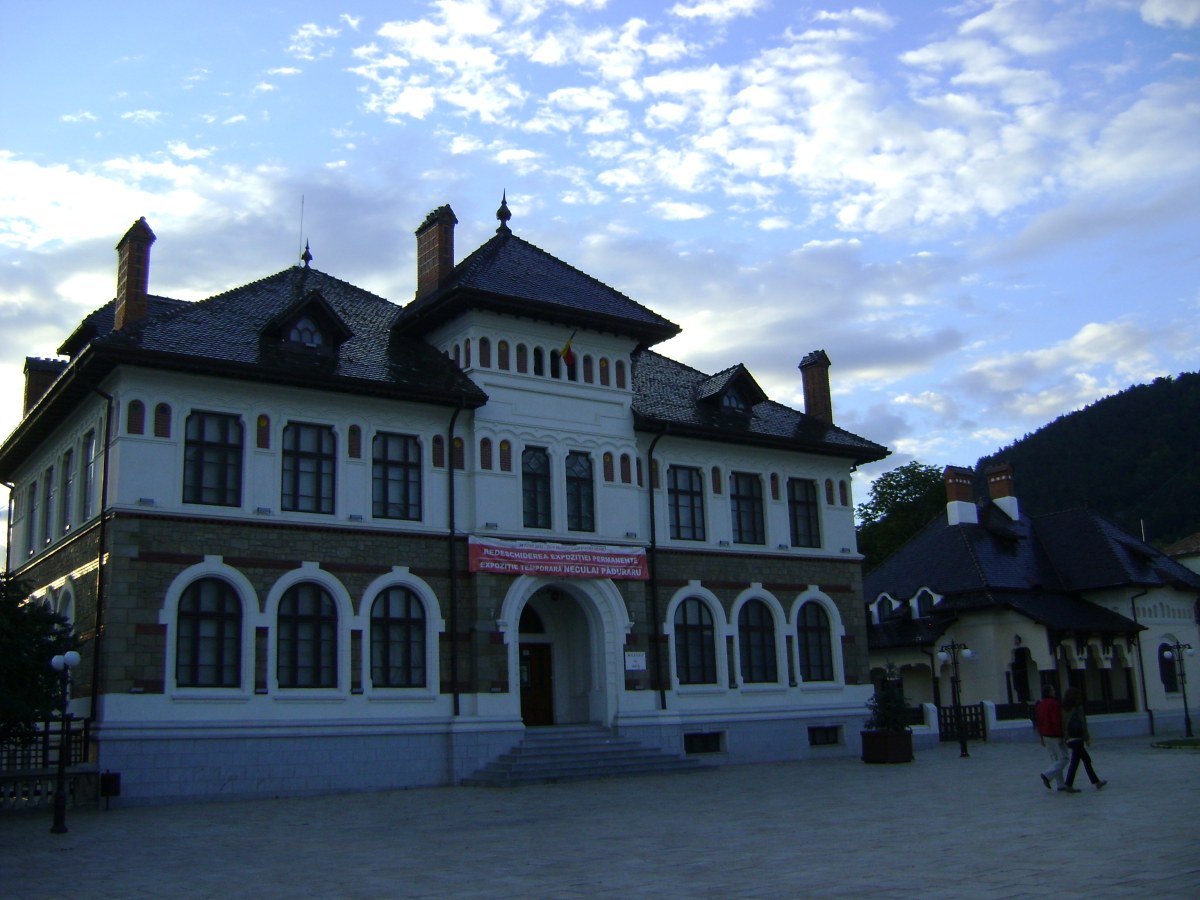
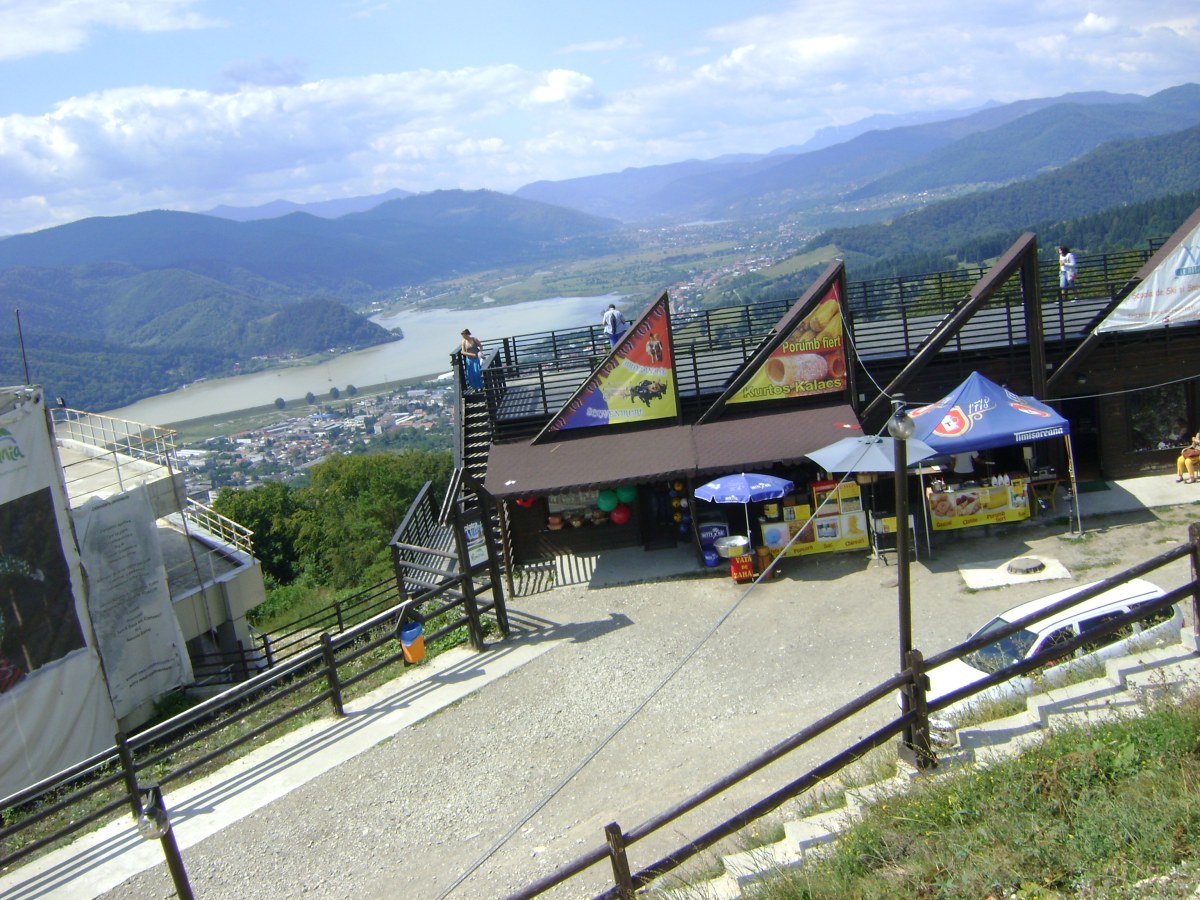
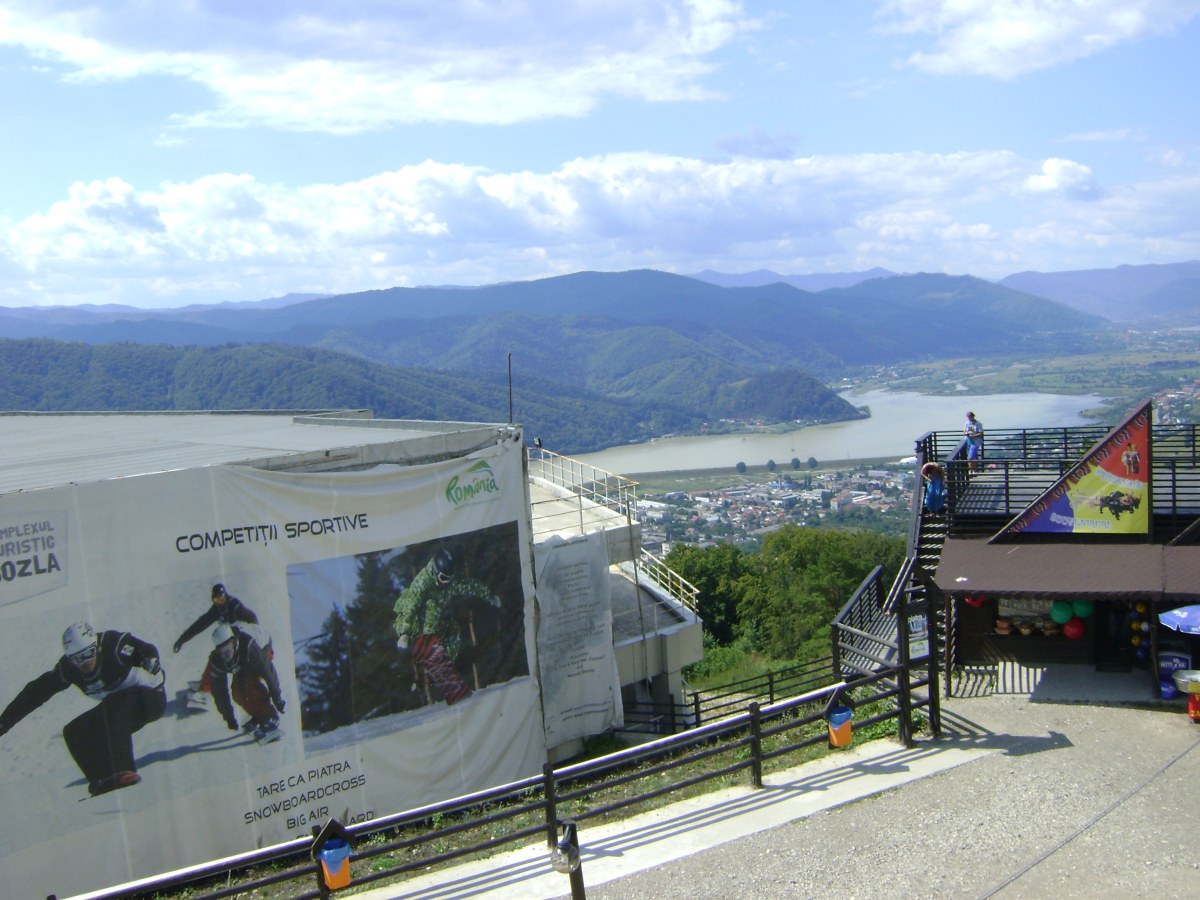
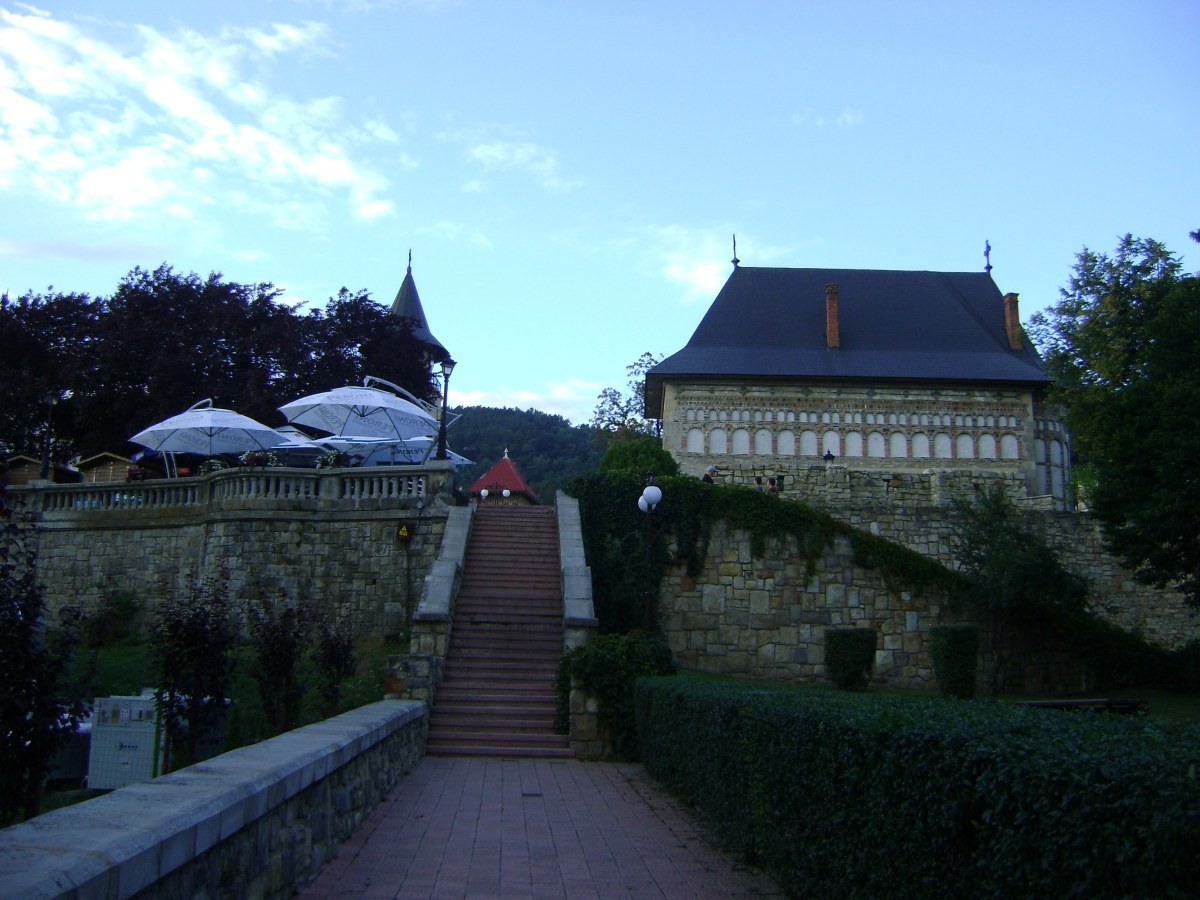
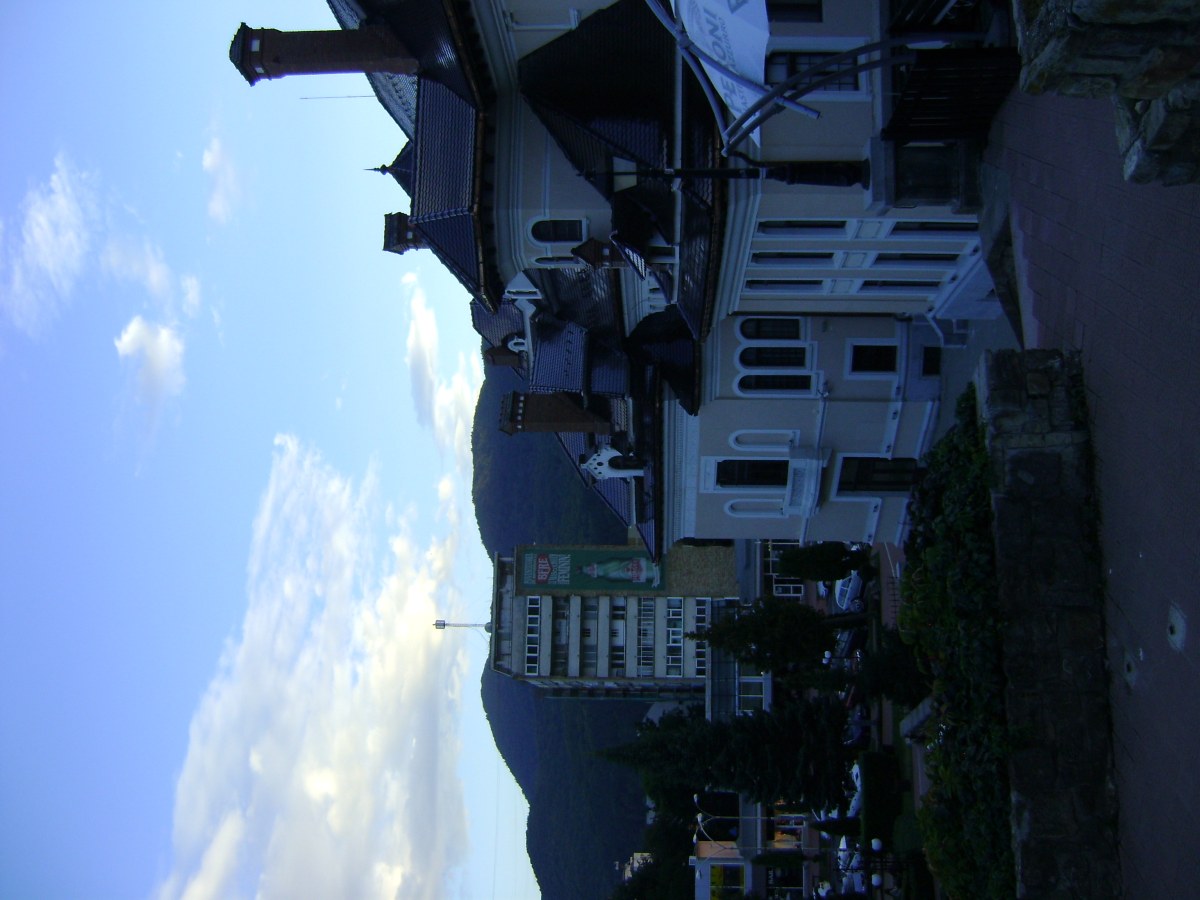
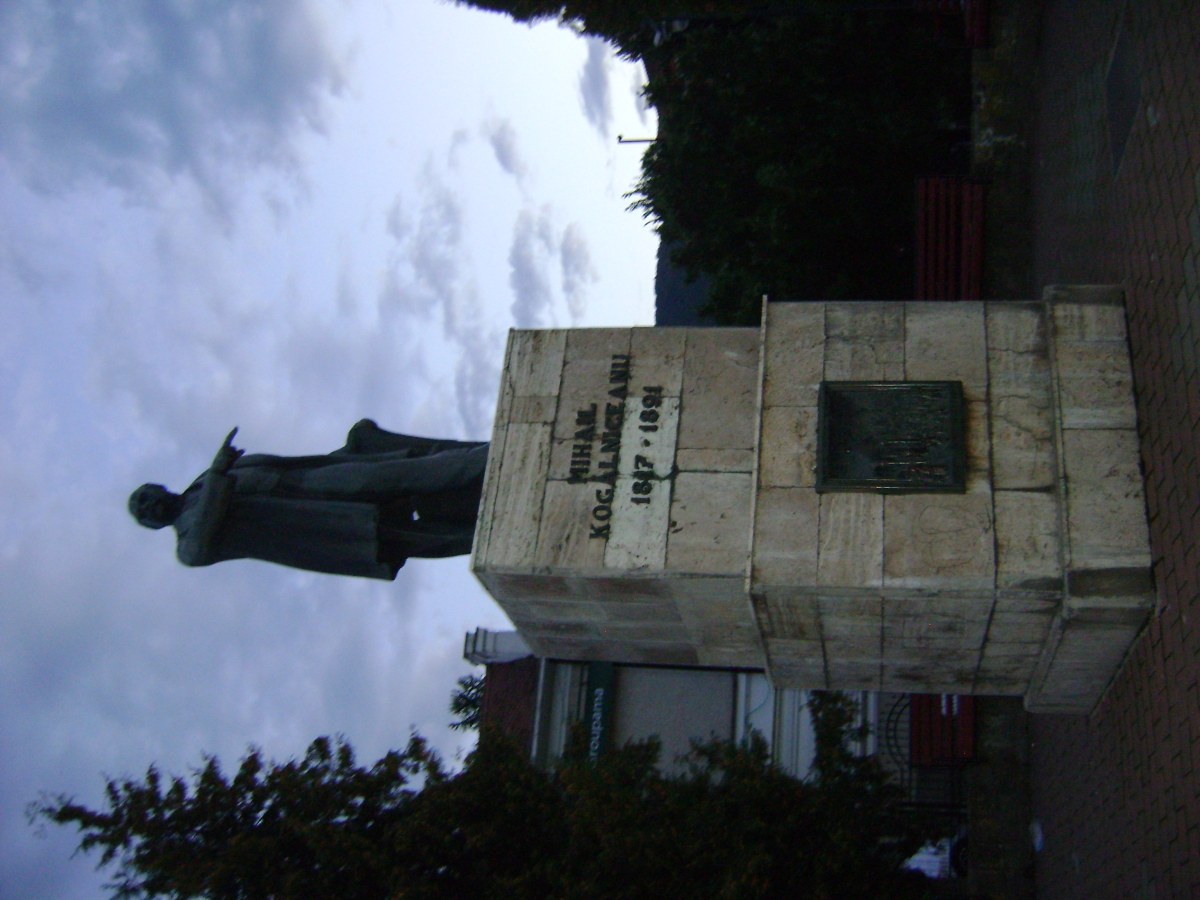
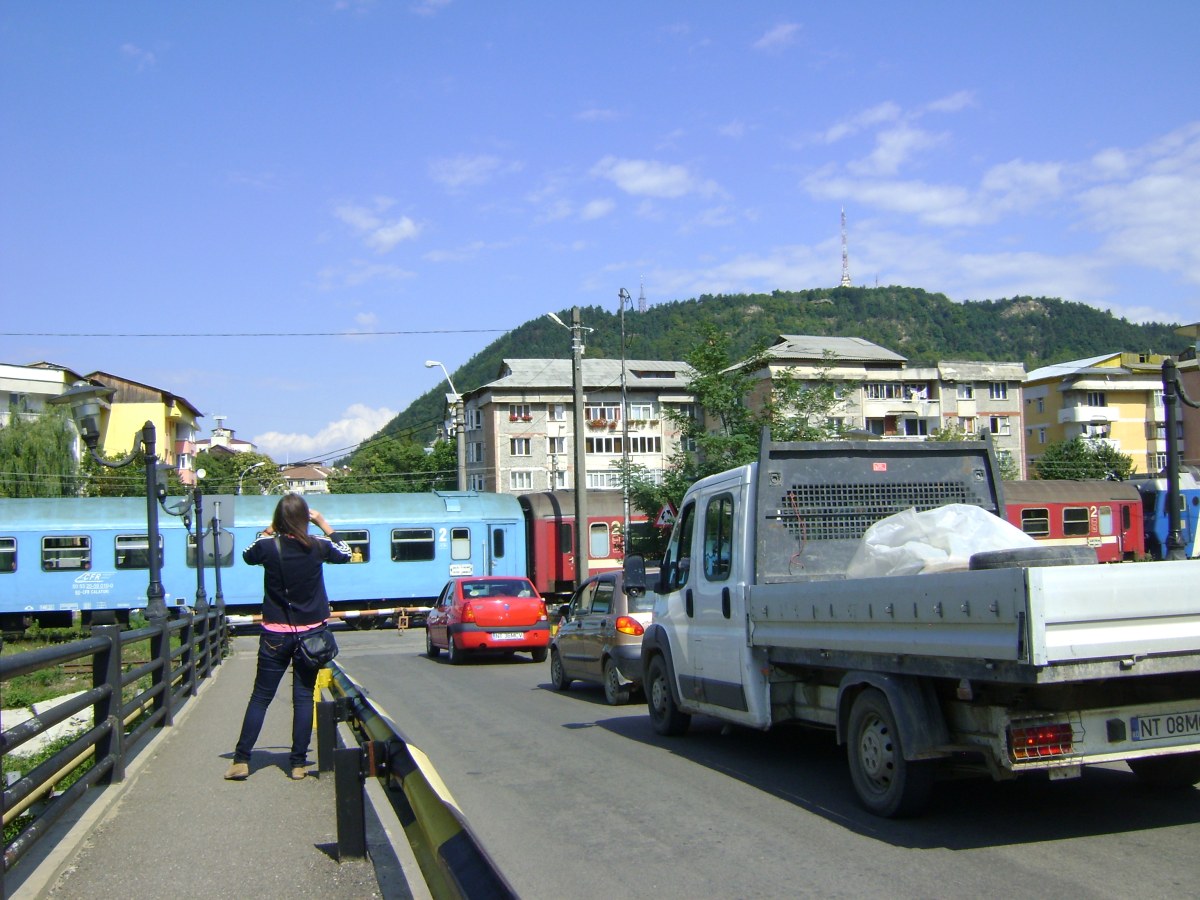
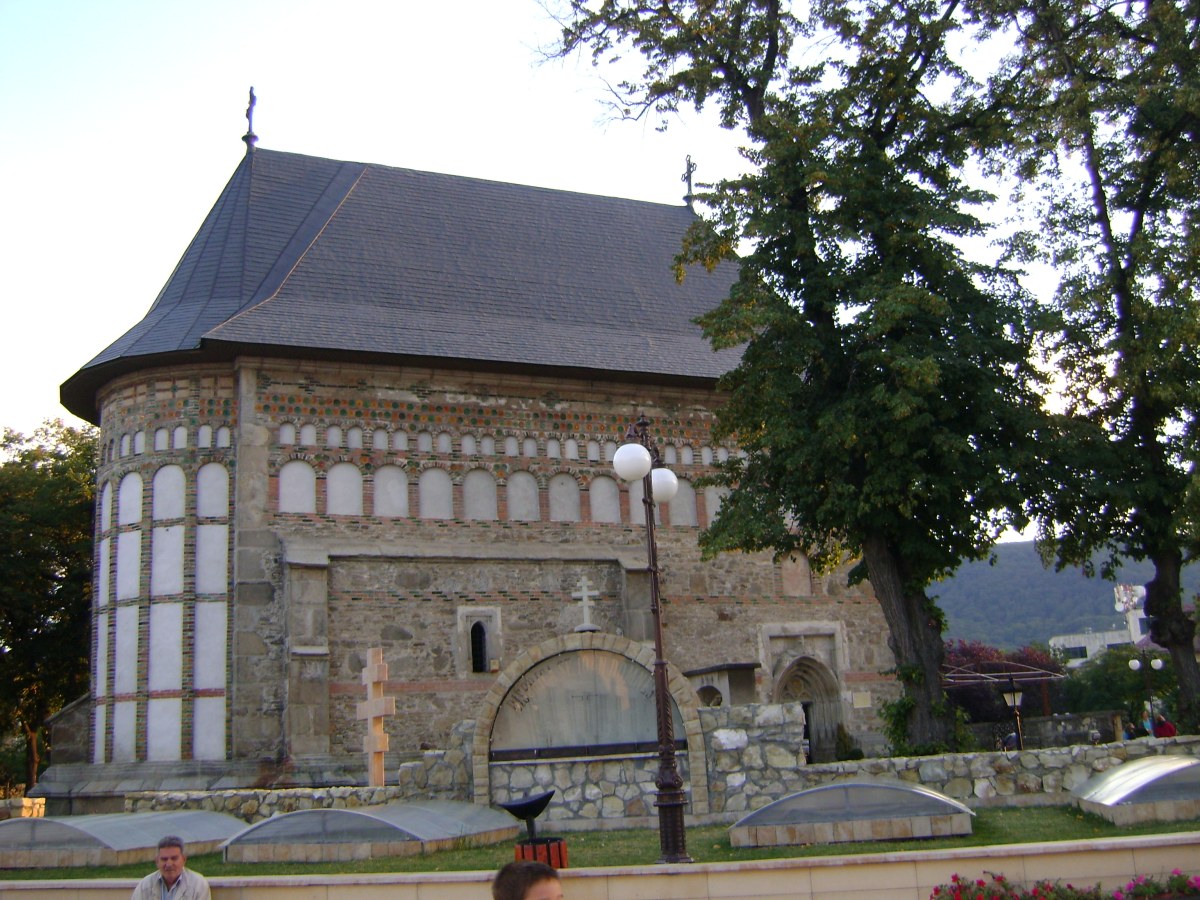
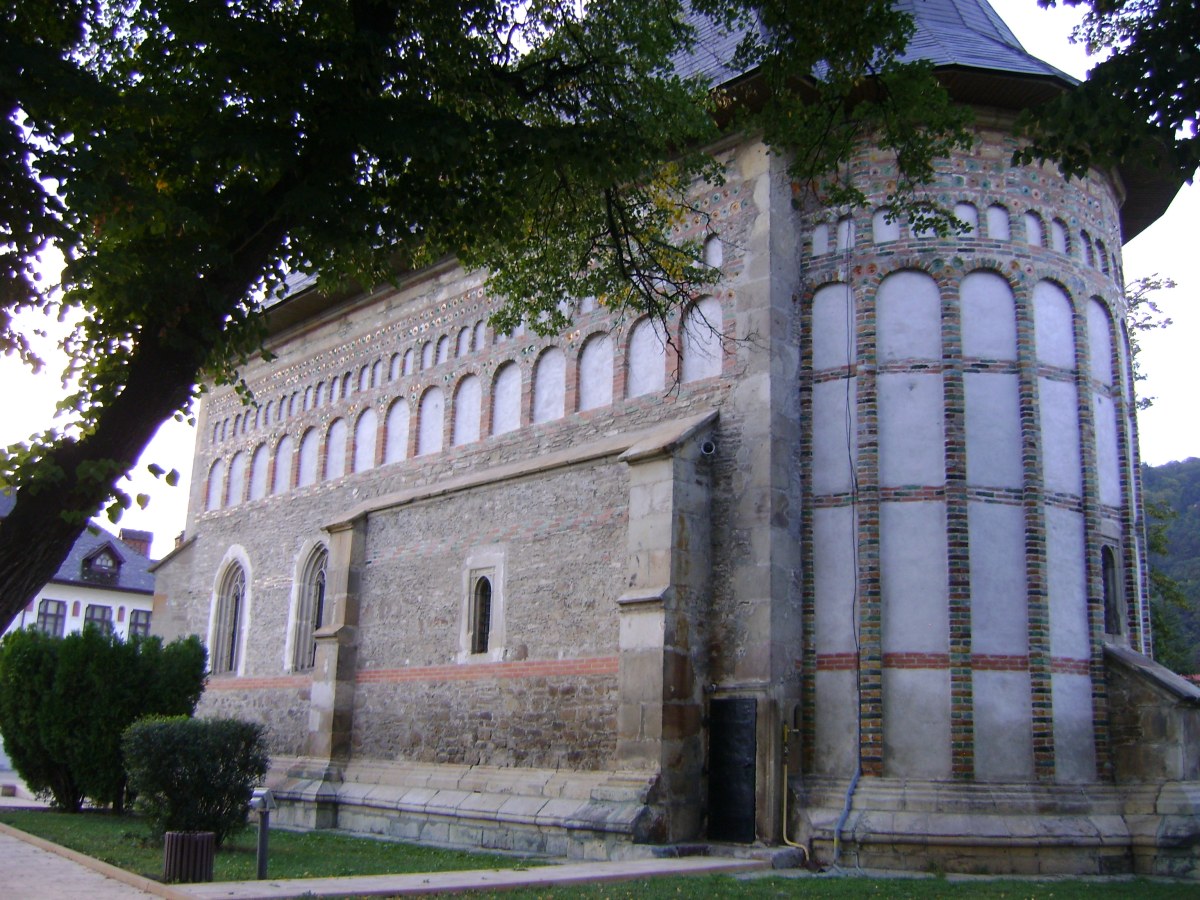
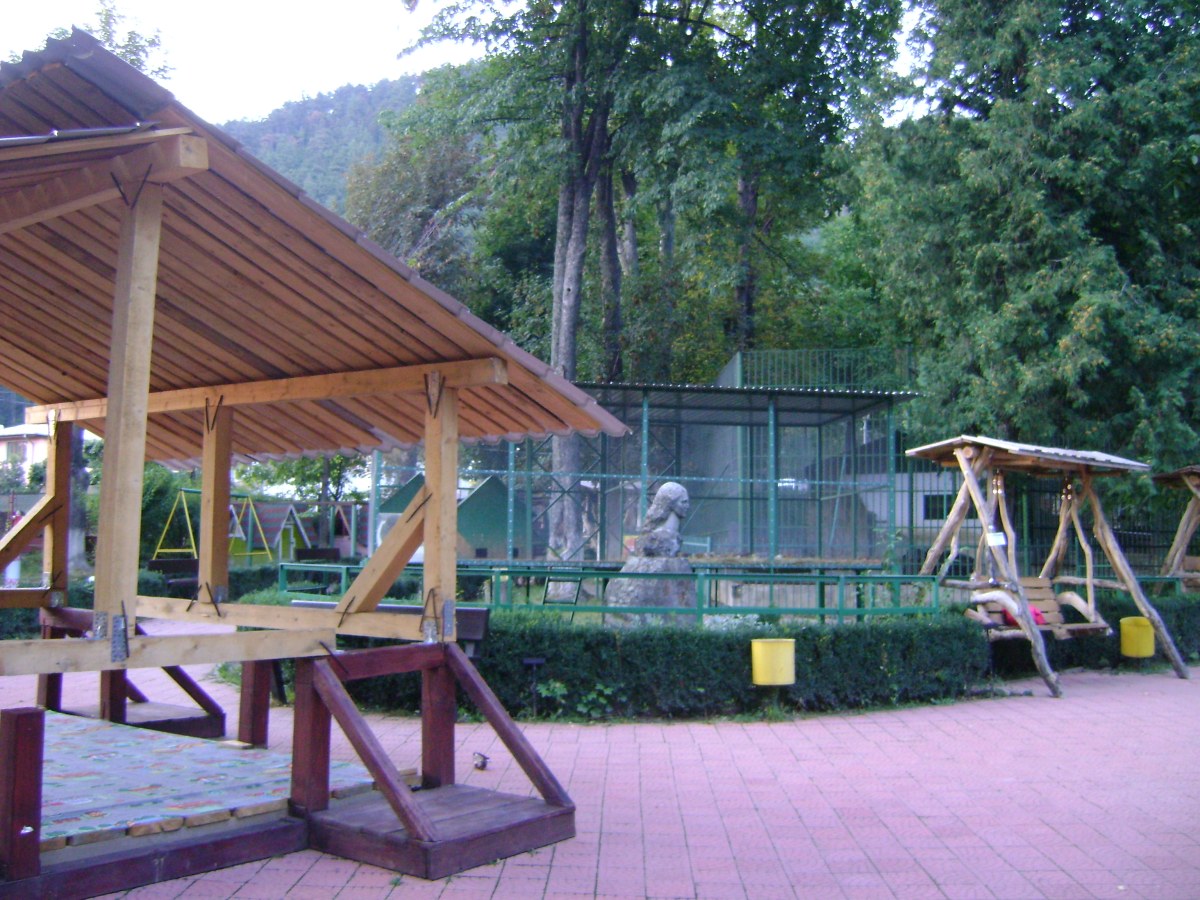
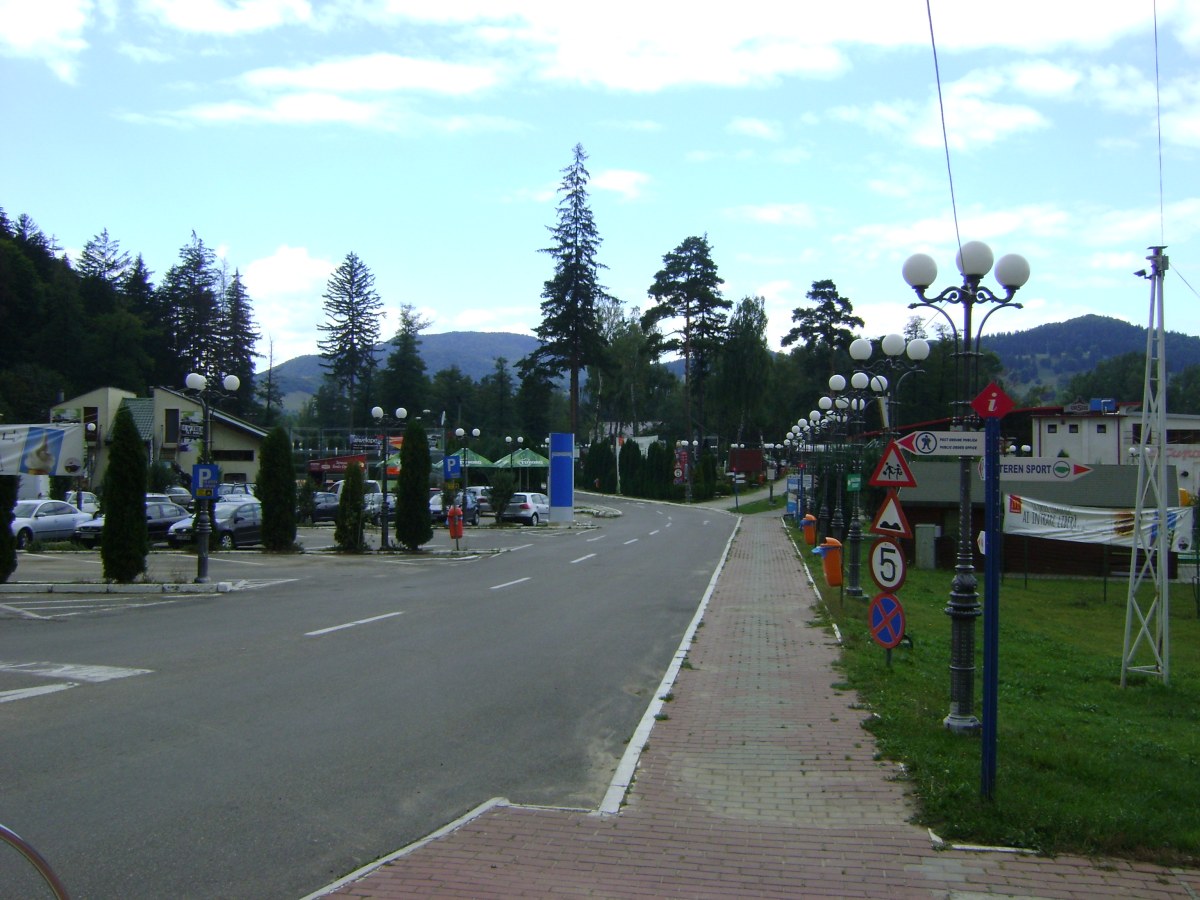
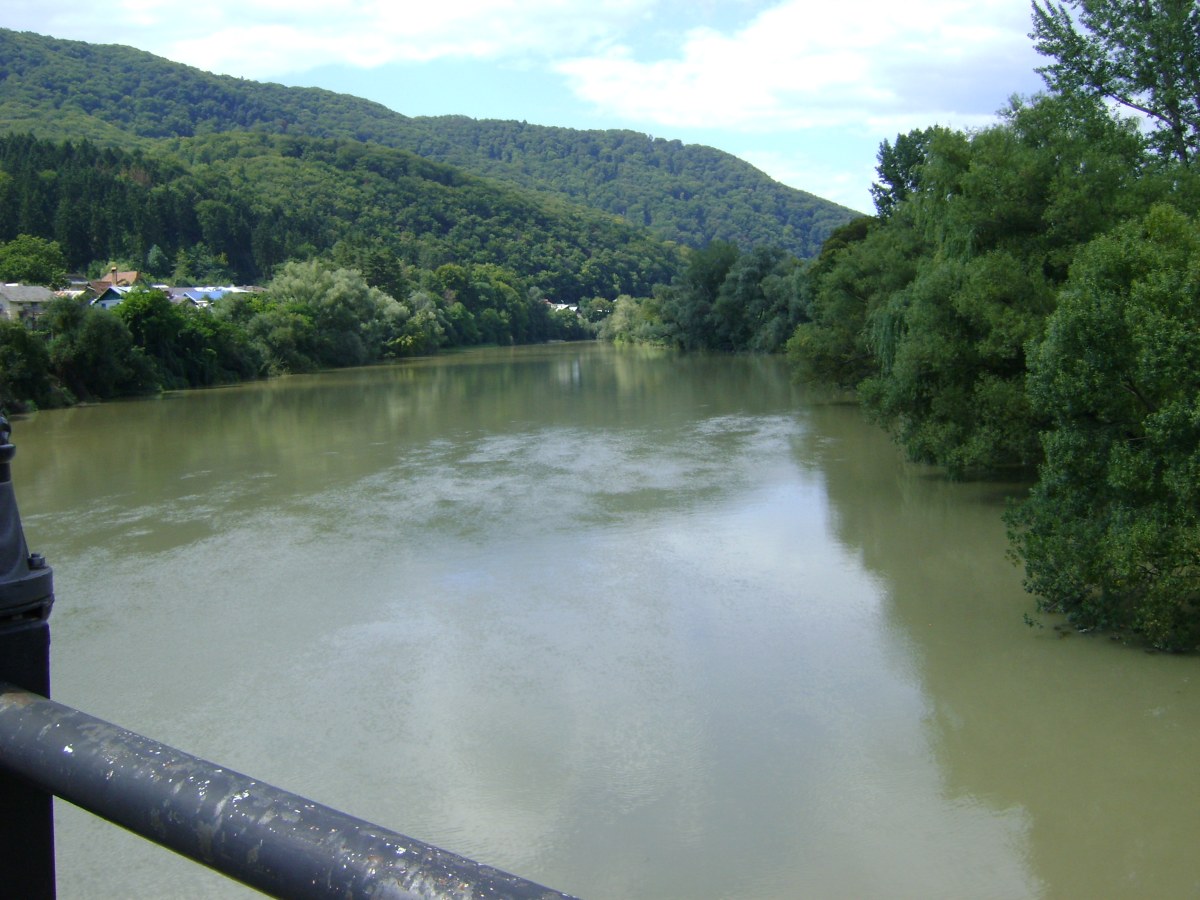
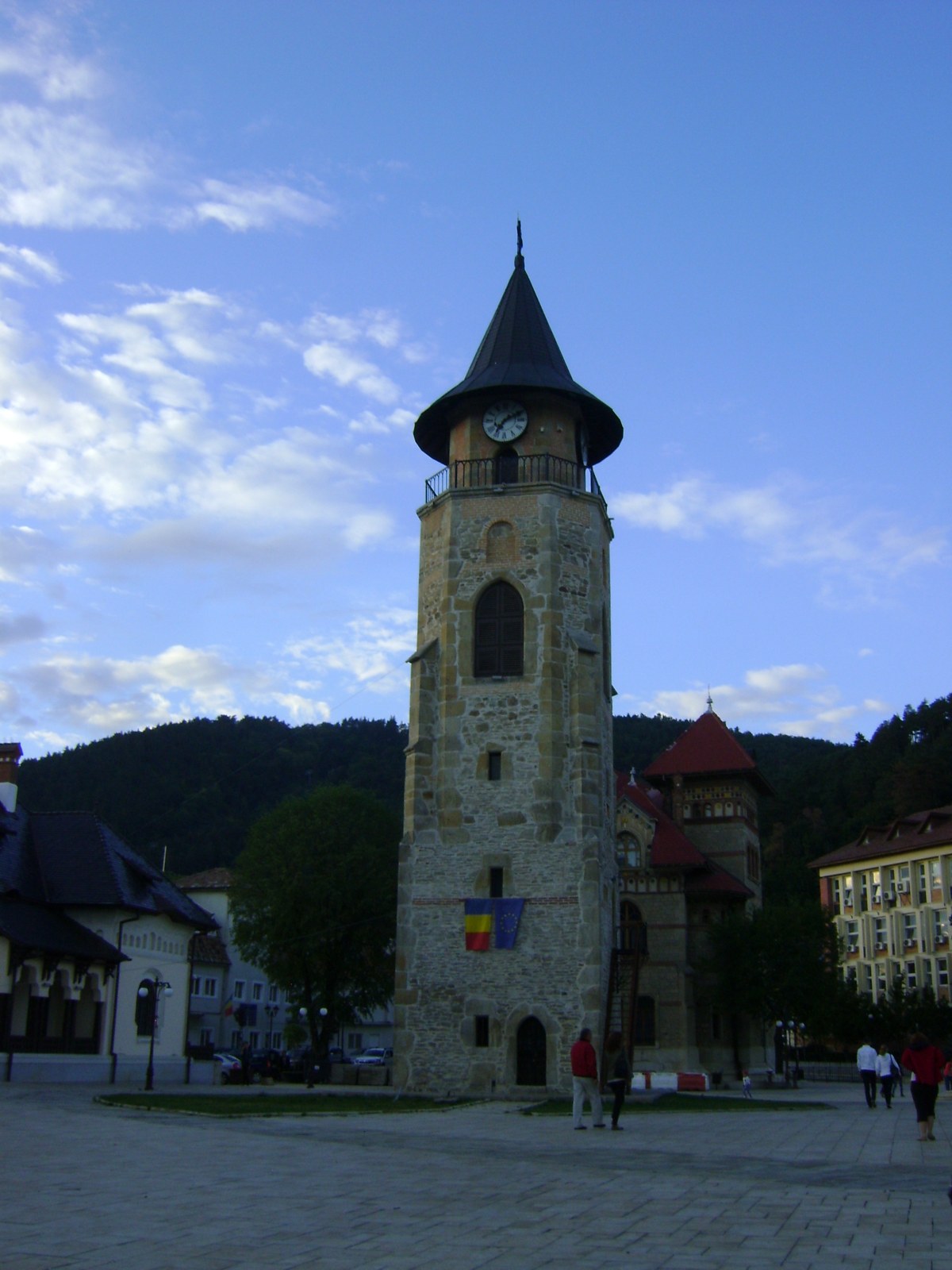
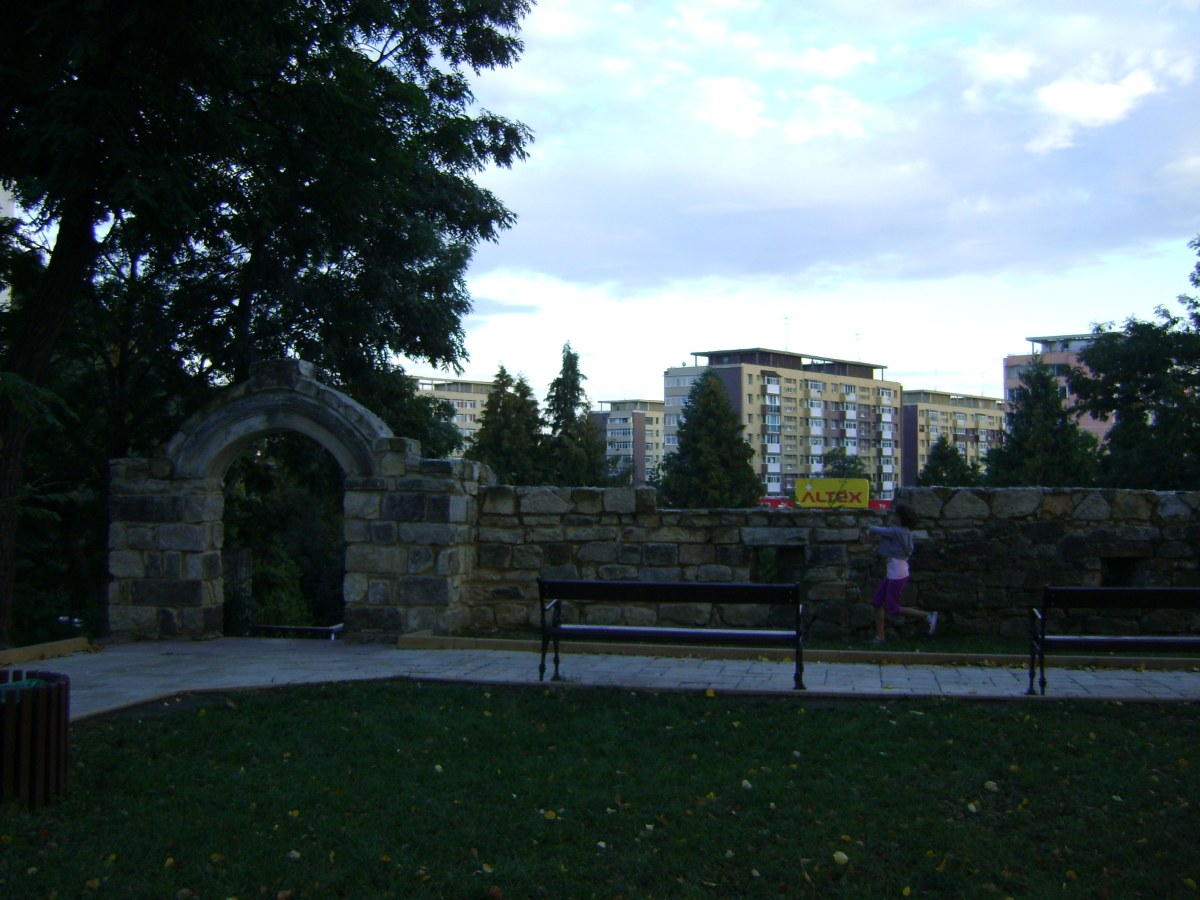
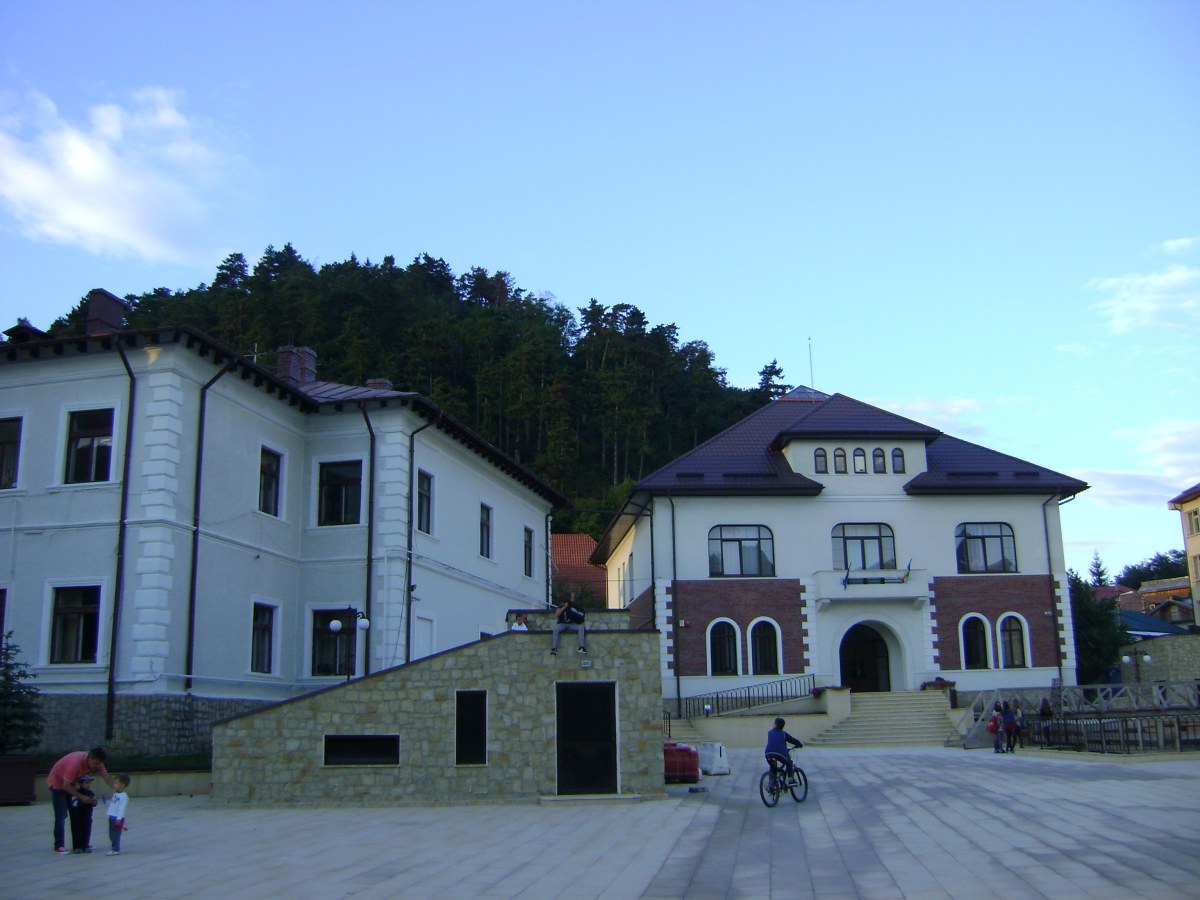
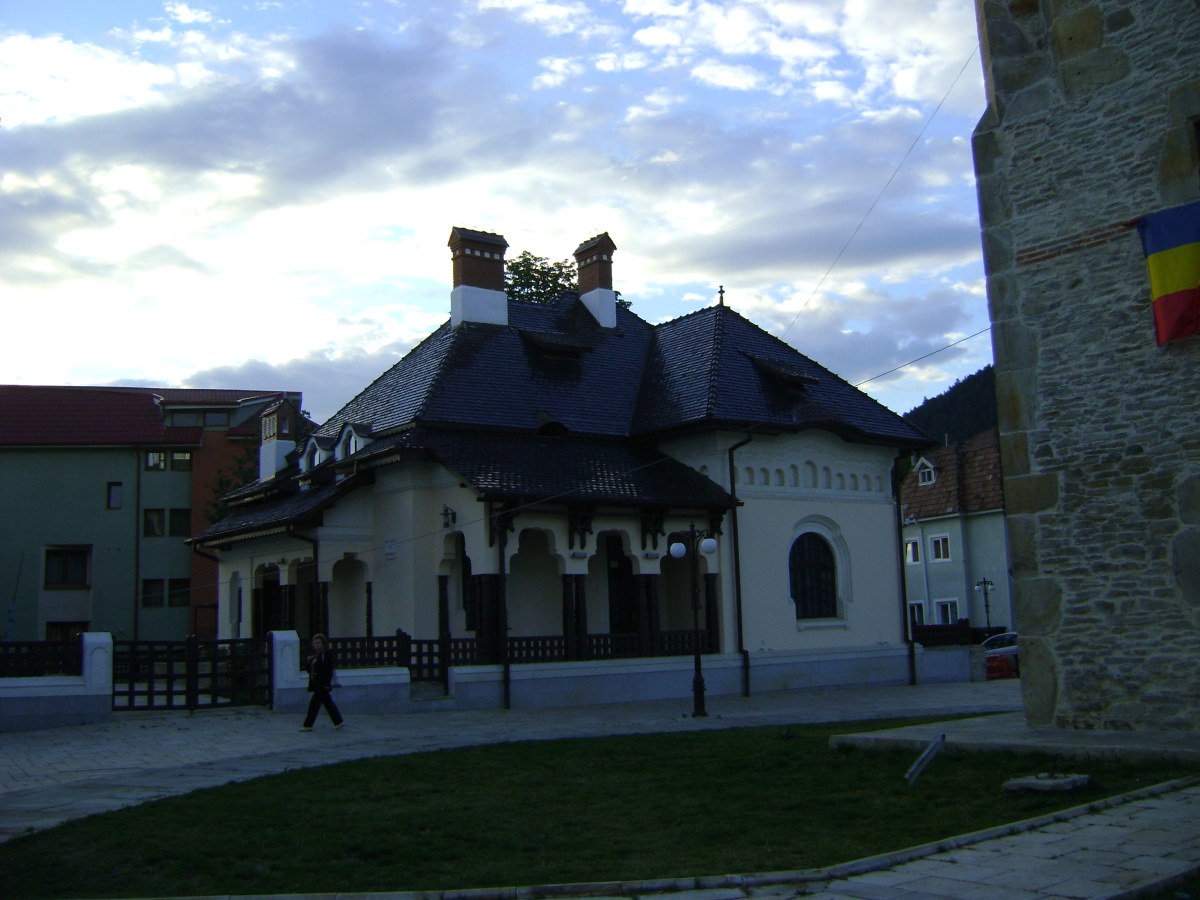
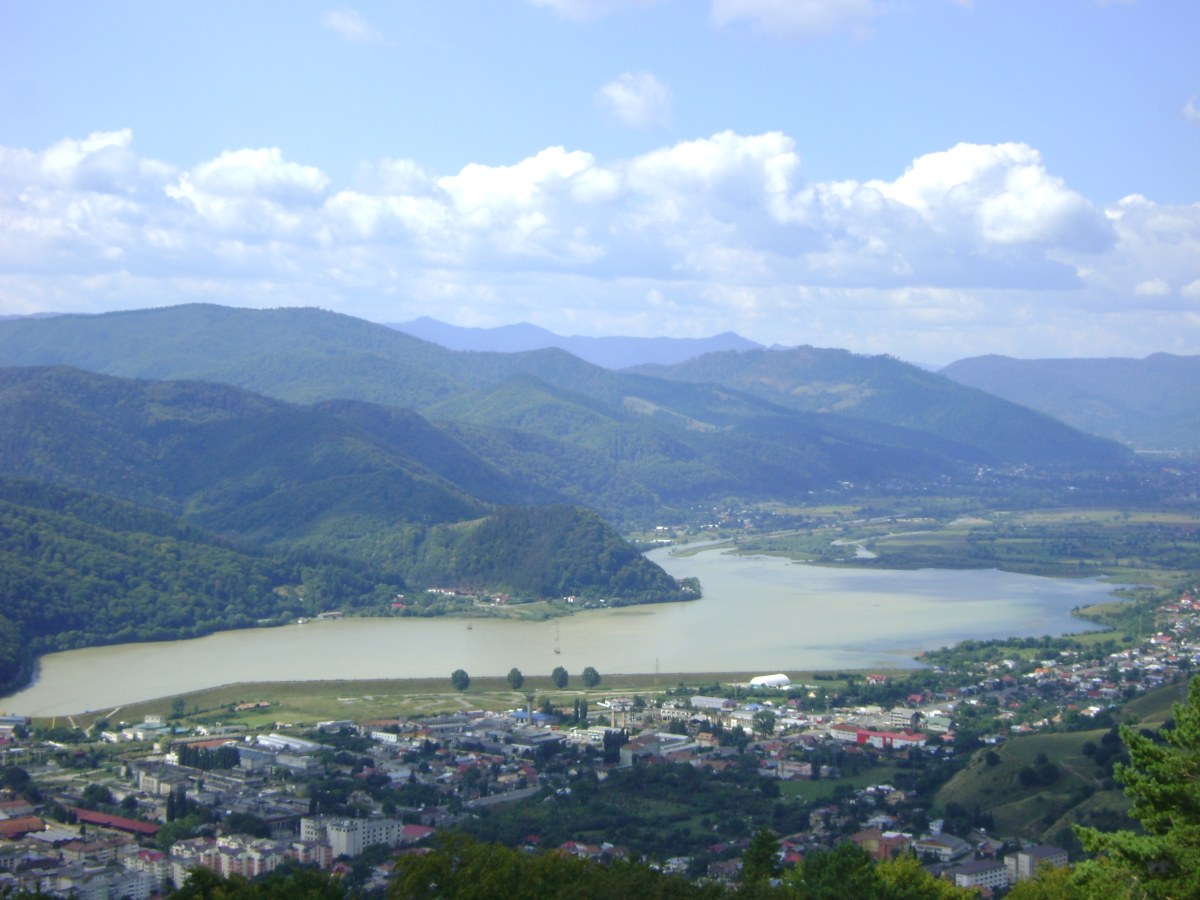
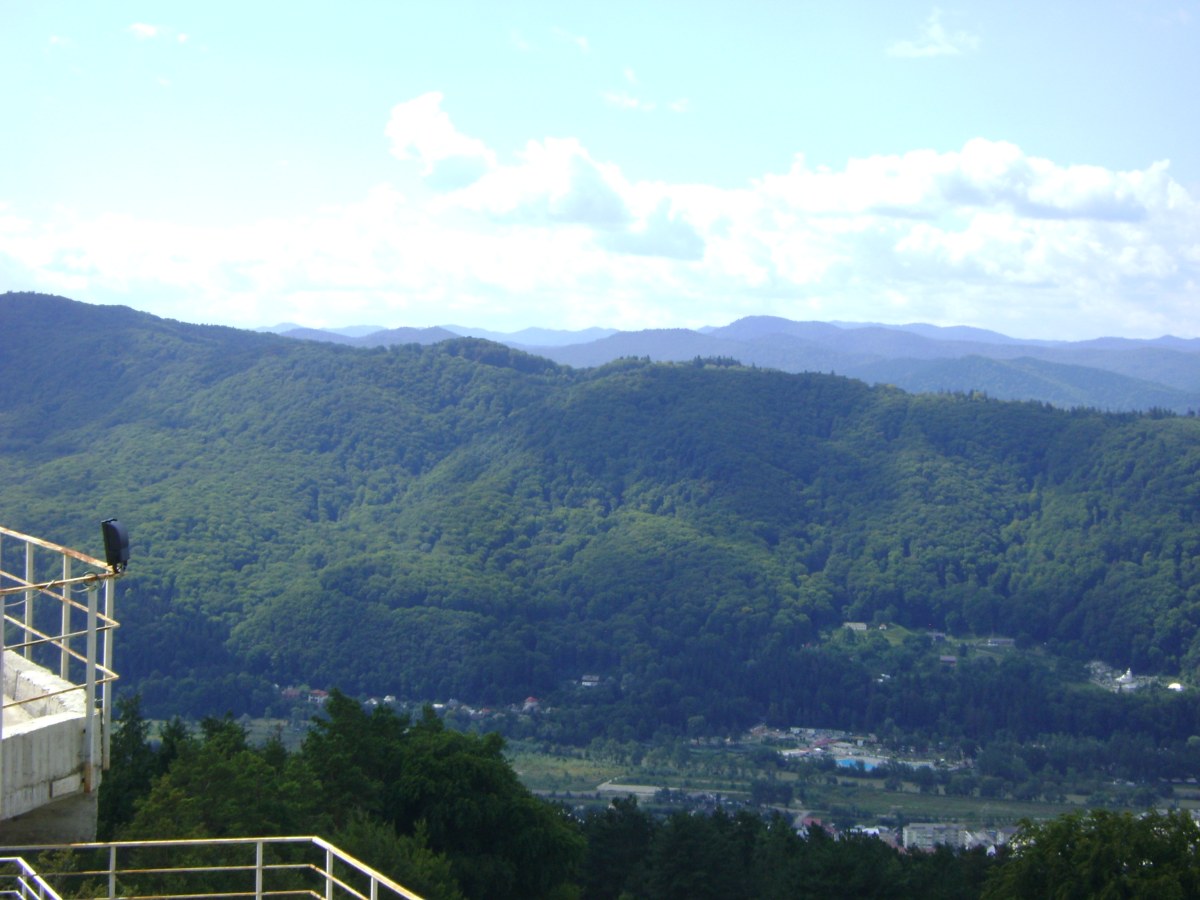
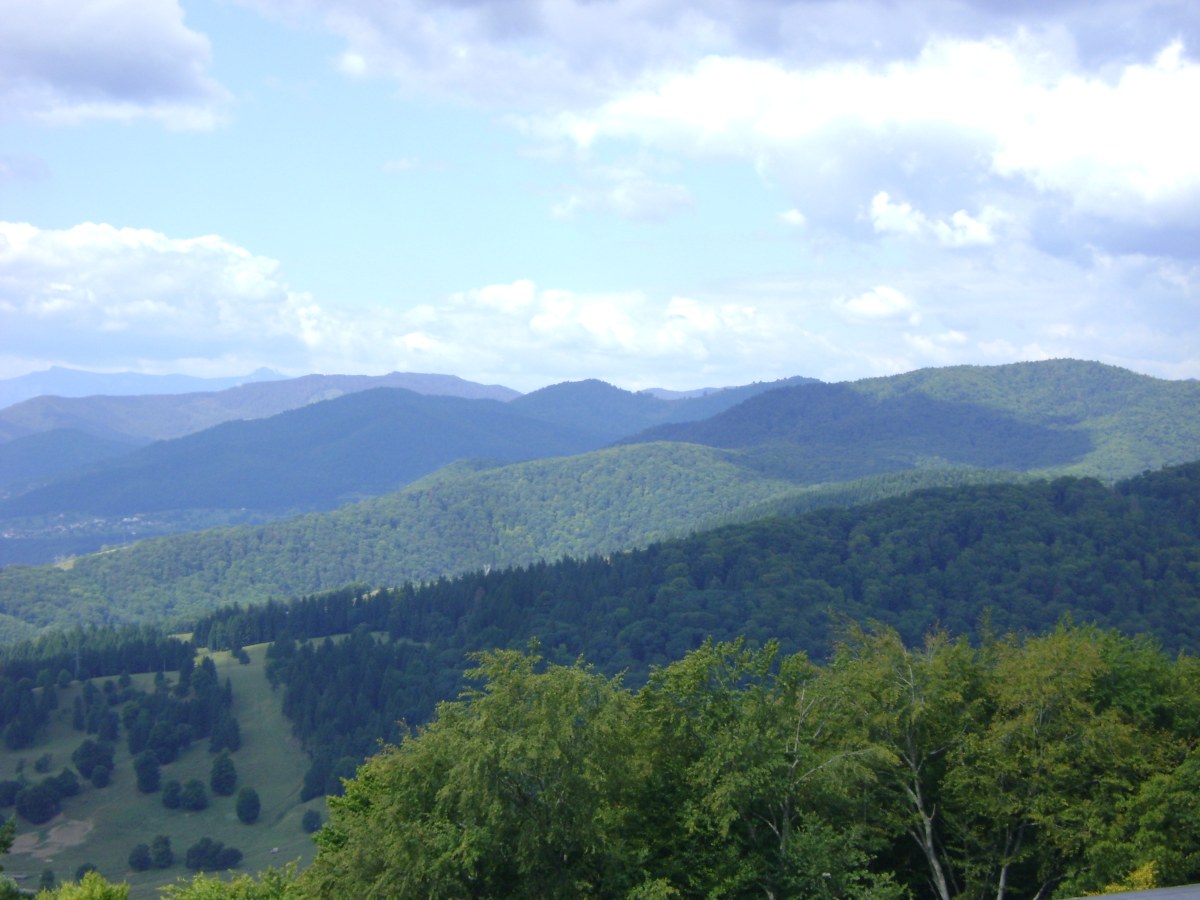
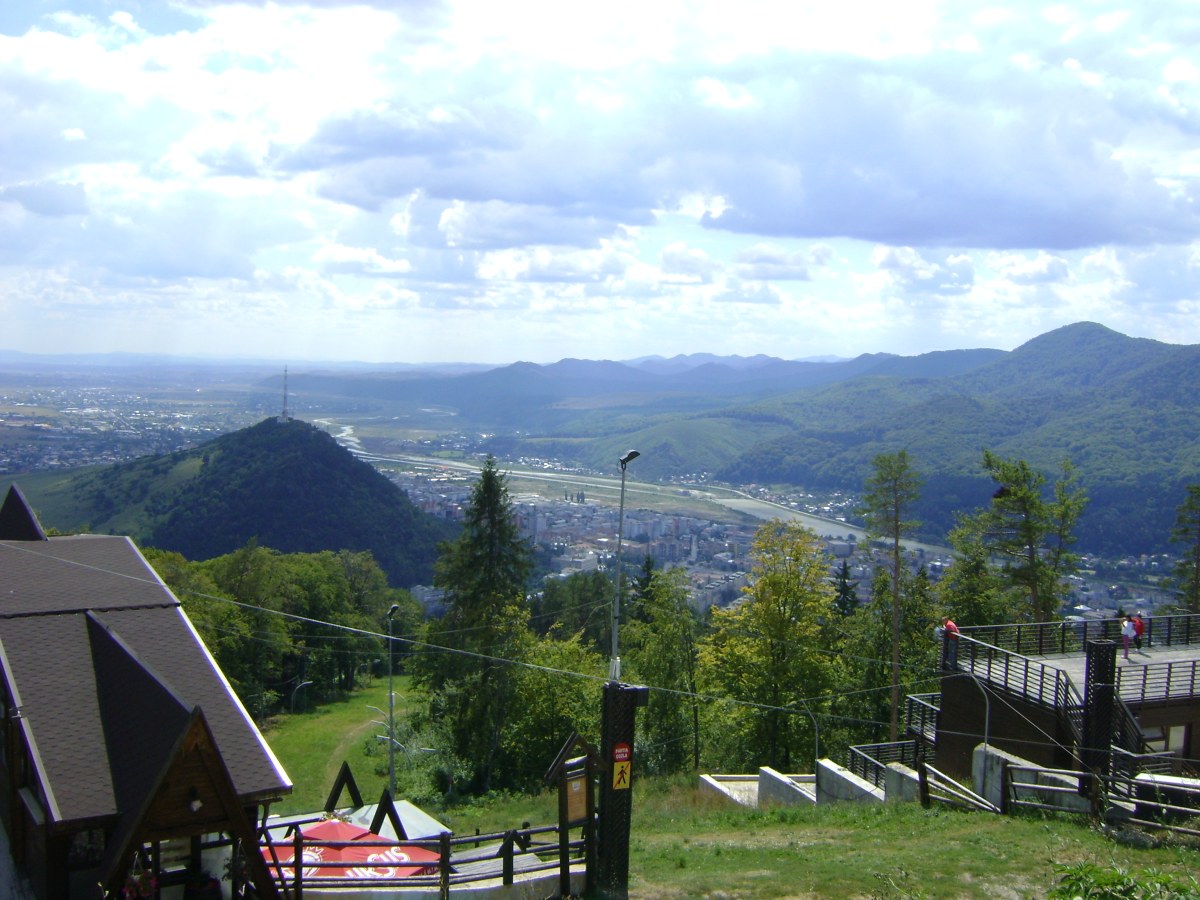
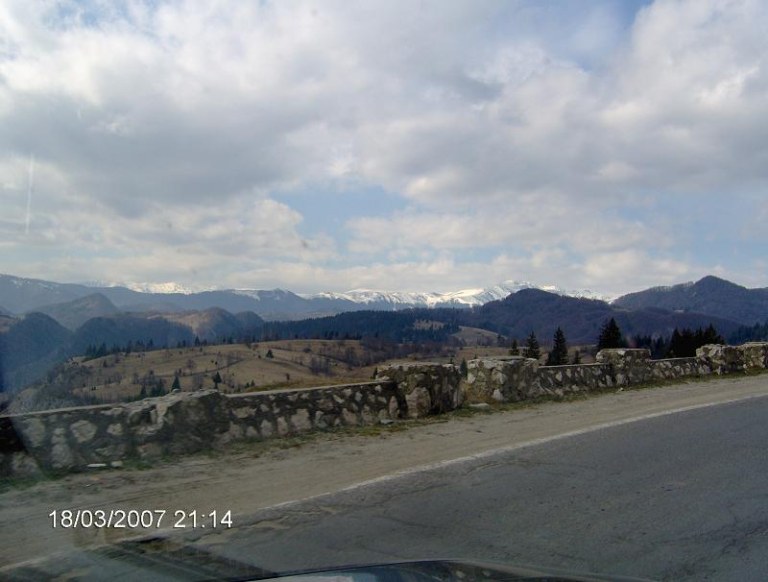
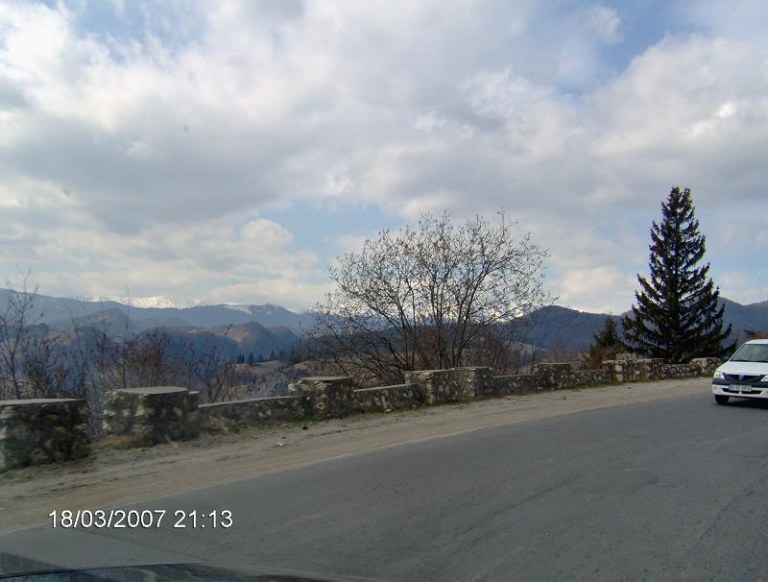
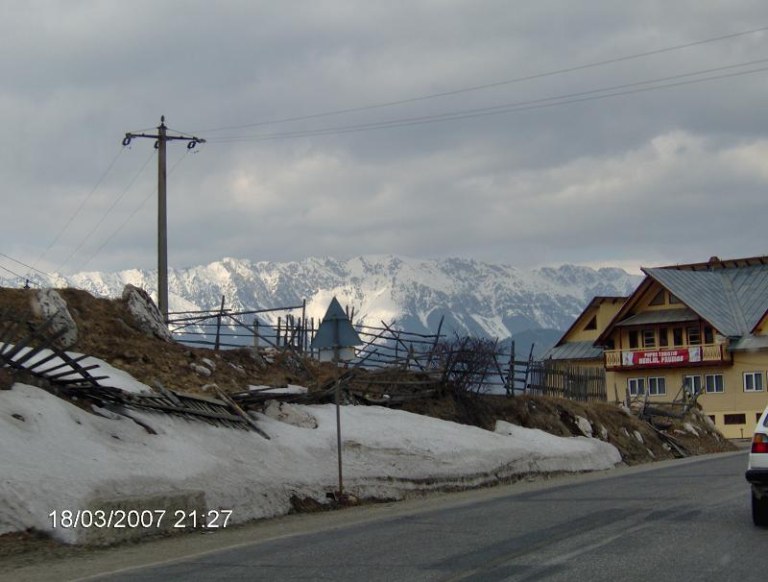
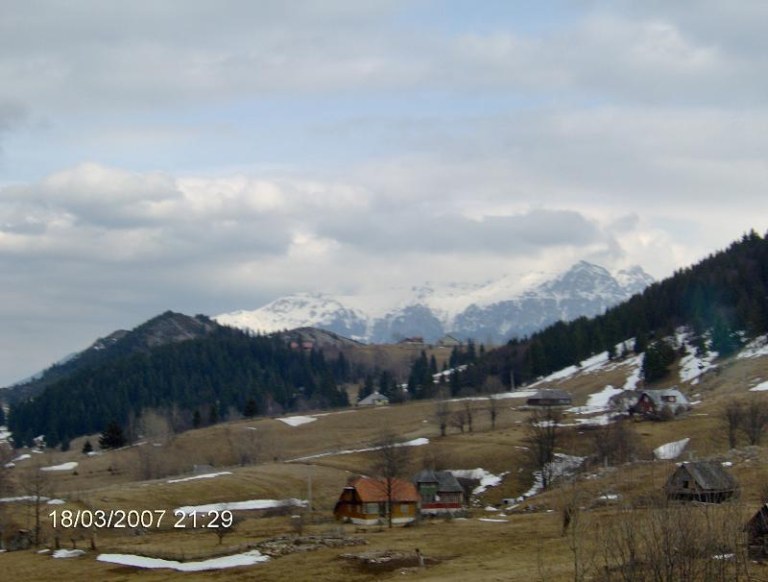
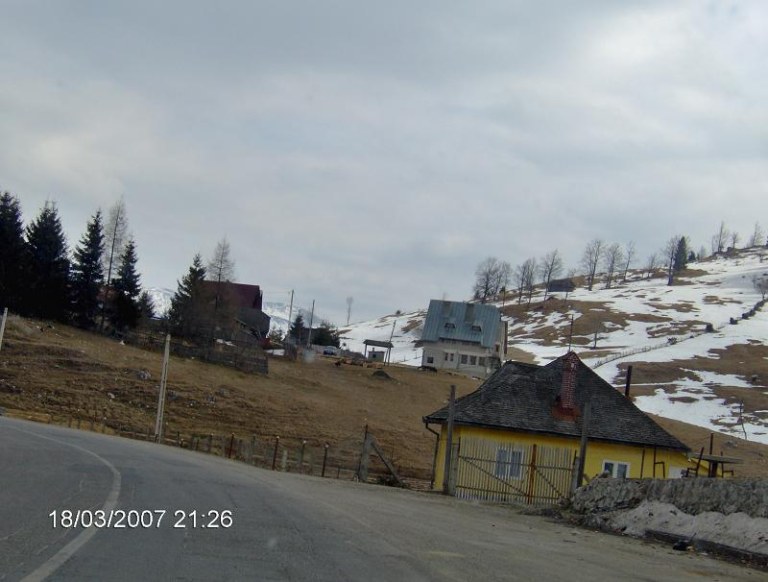
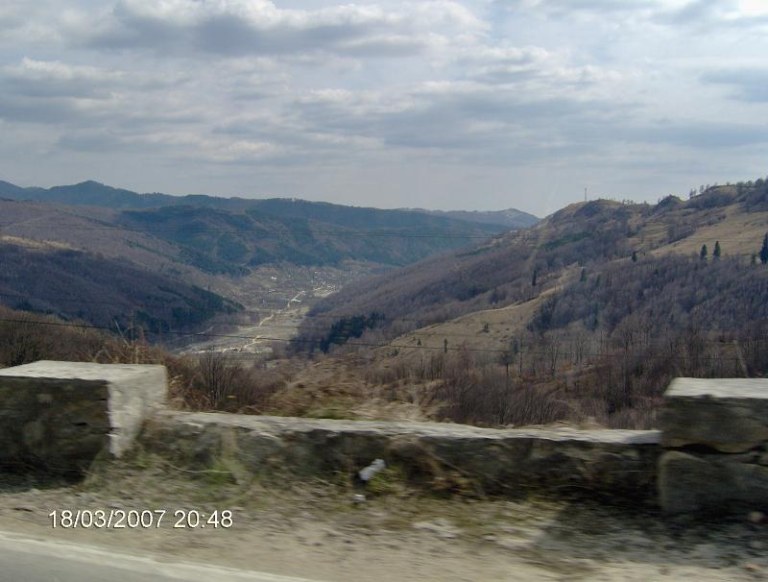
Photographs of Romania
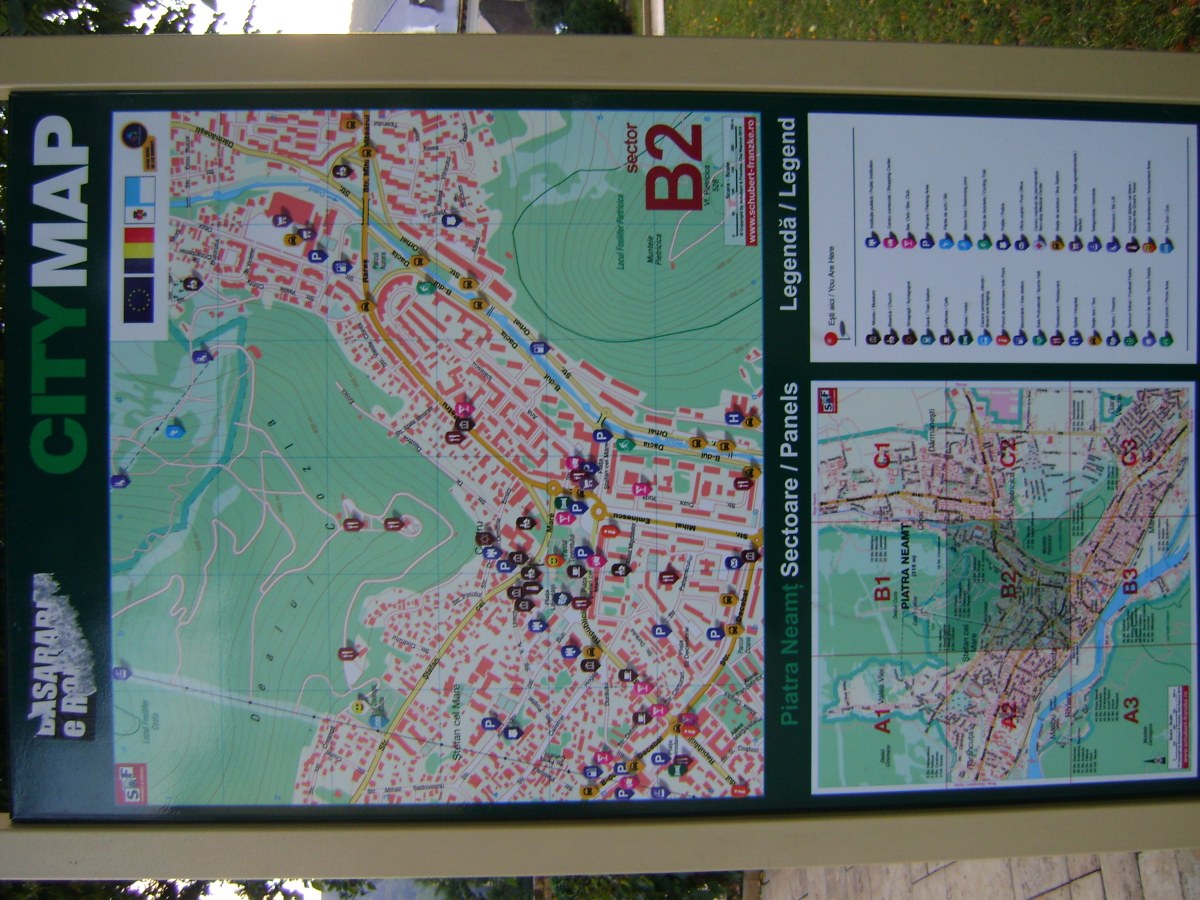
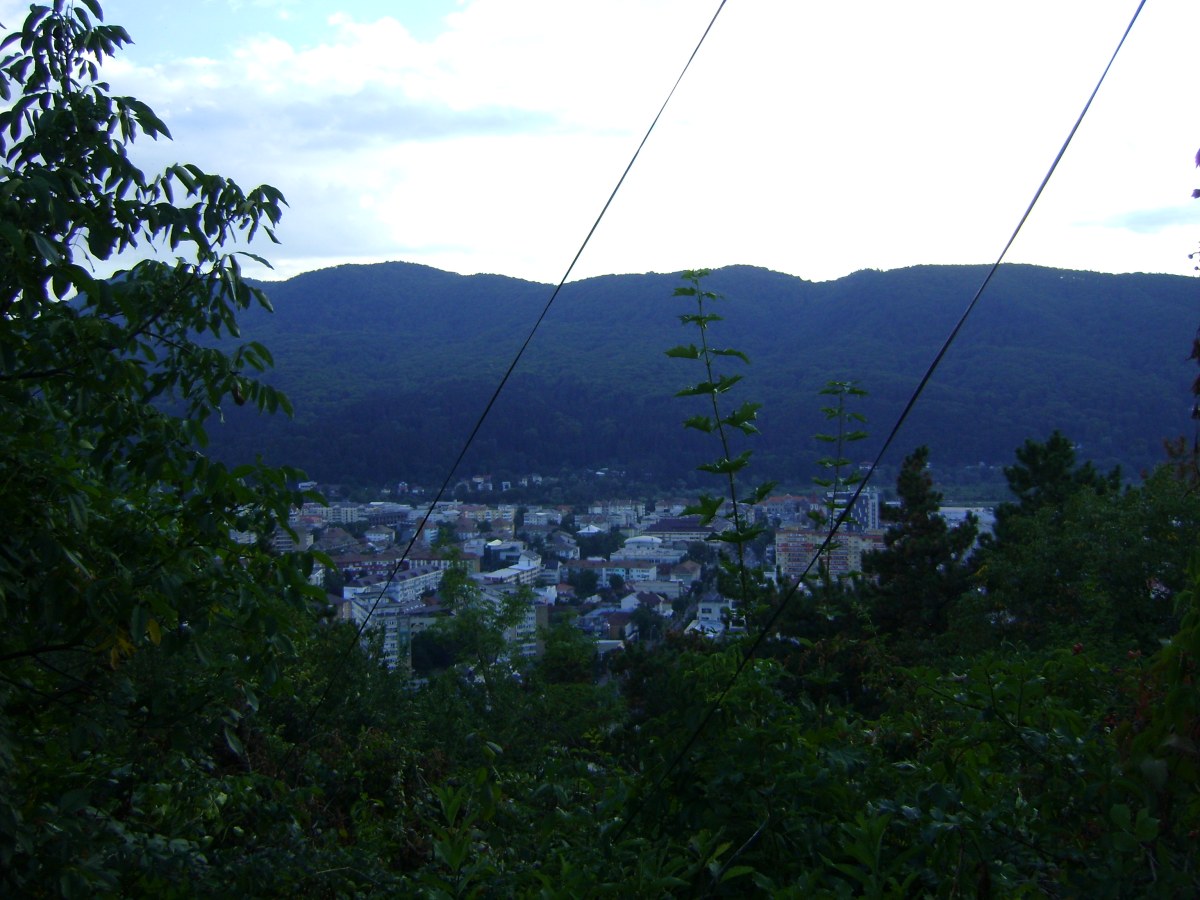
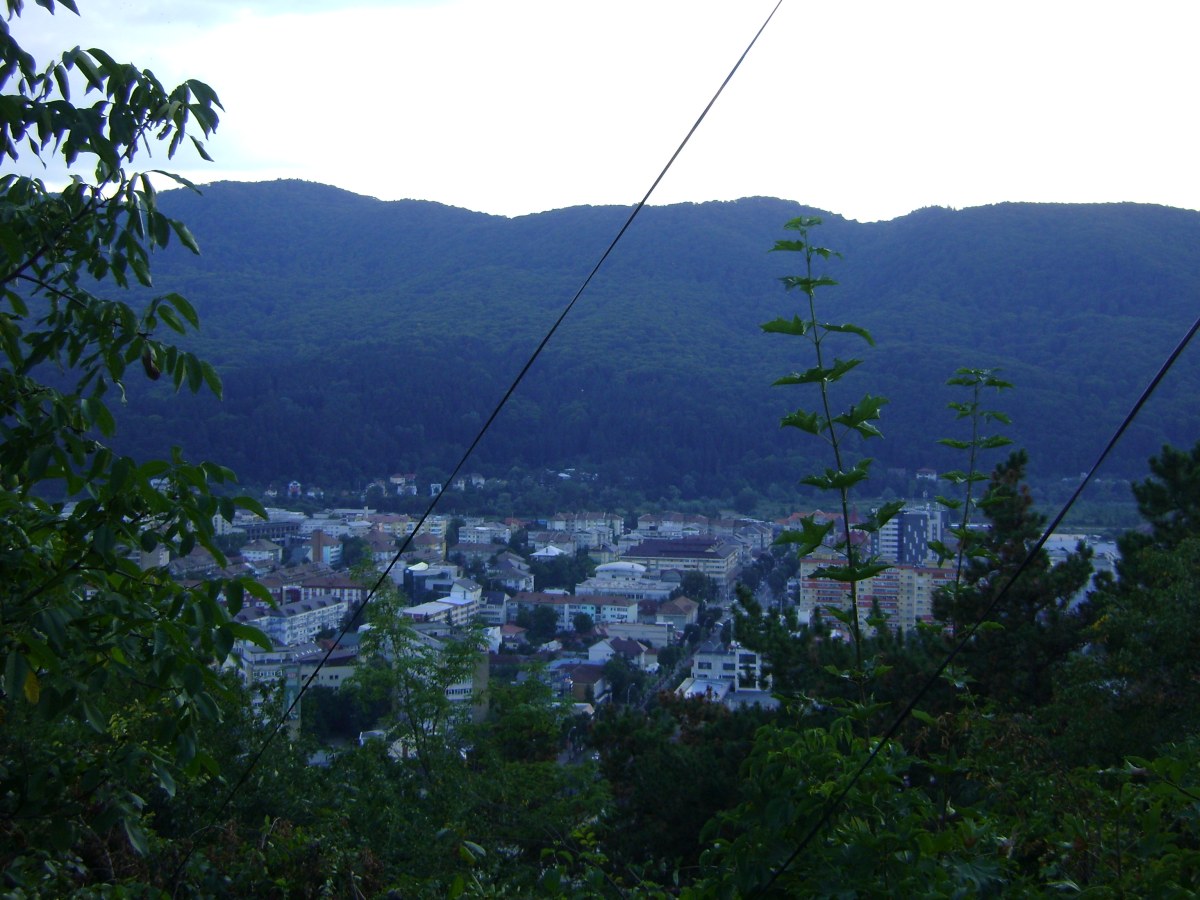
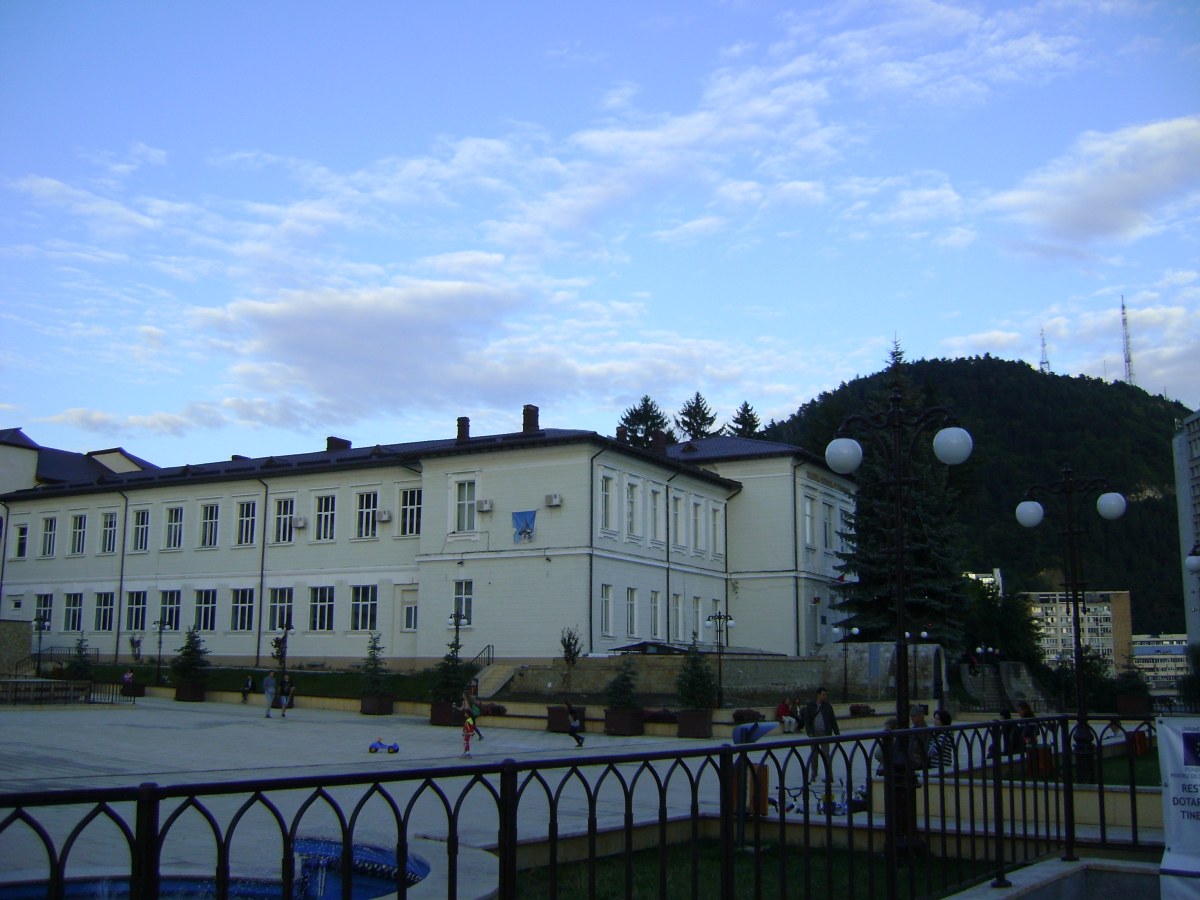
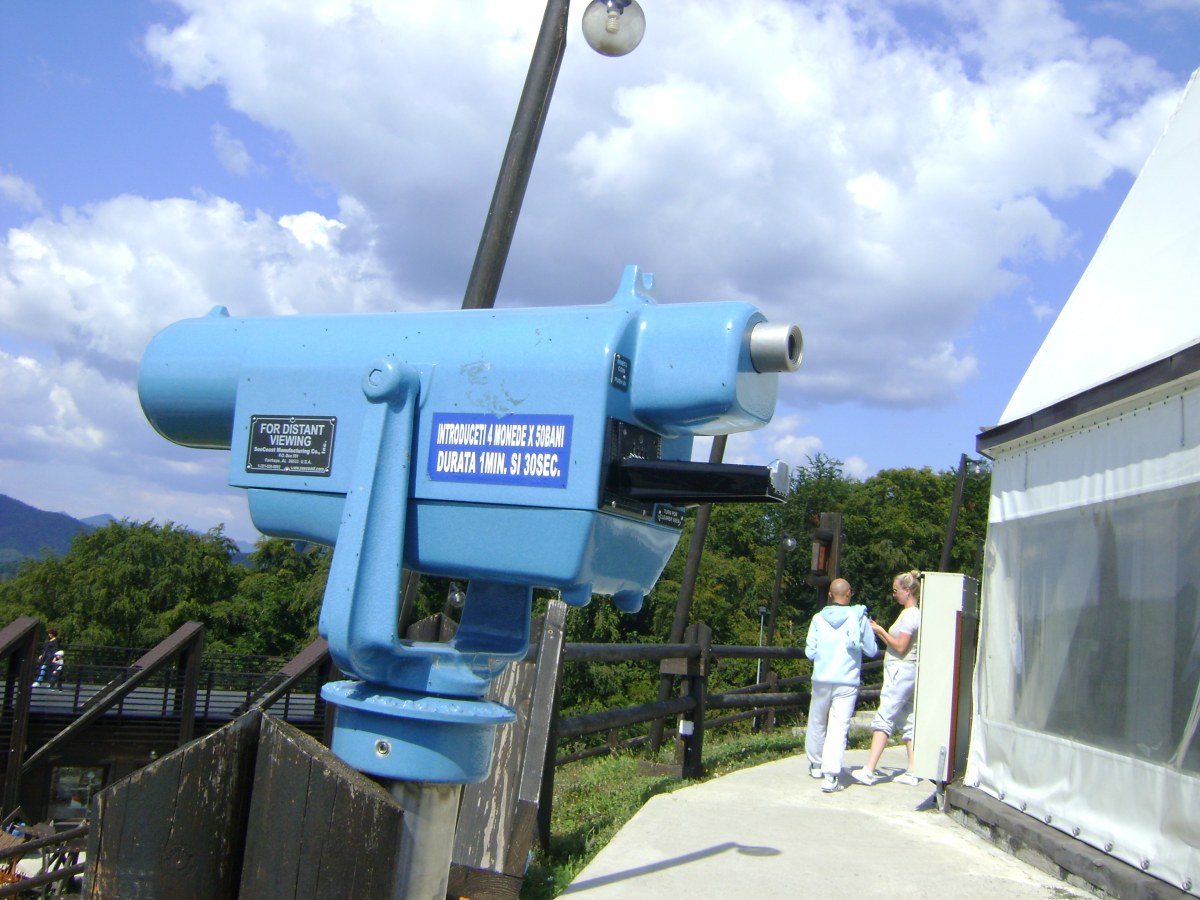
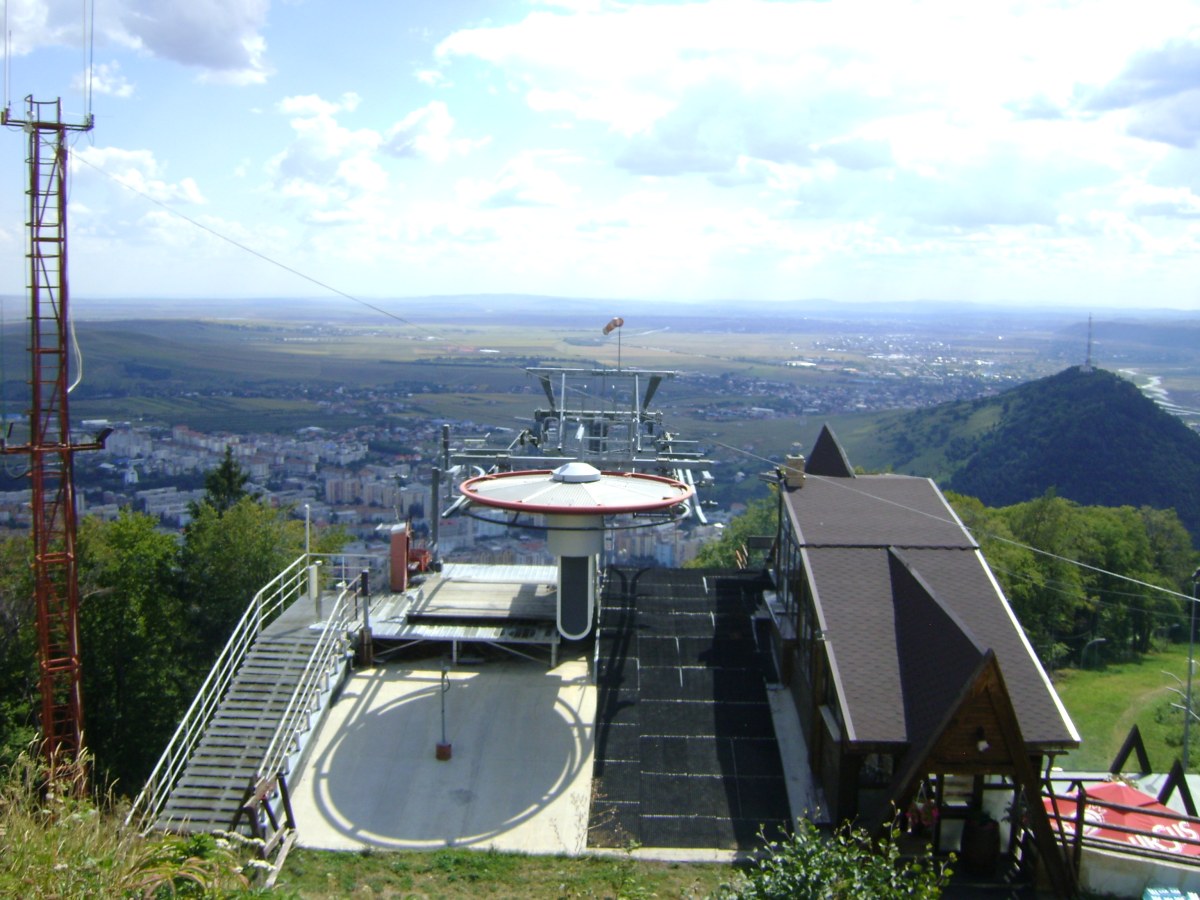
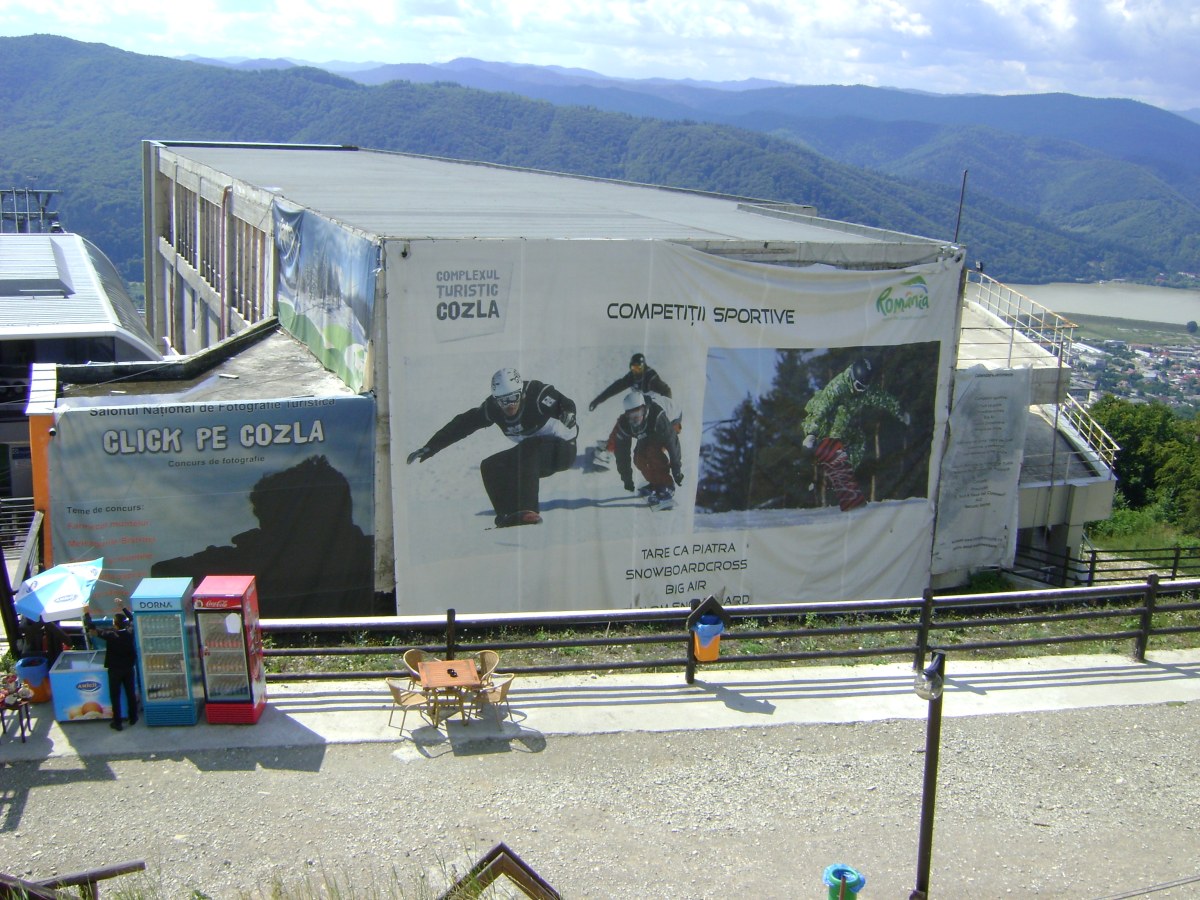
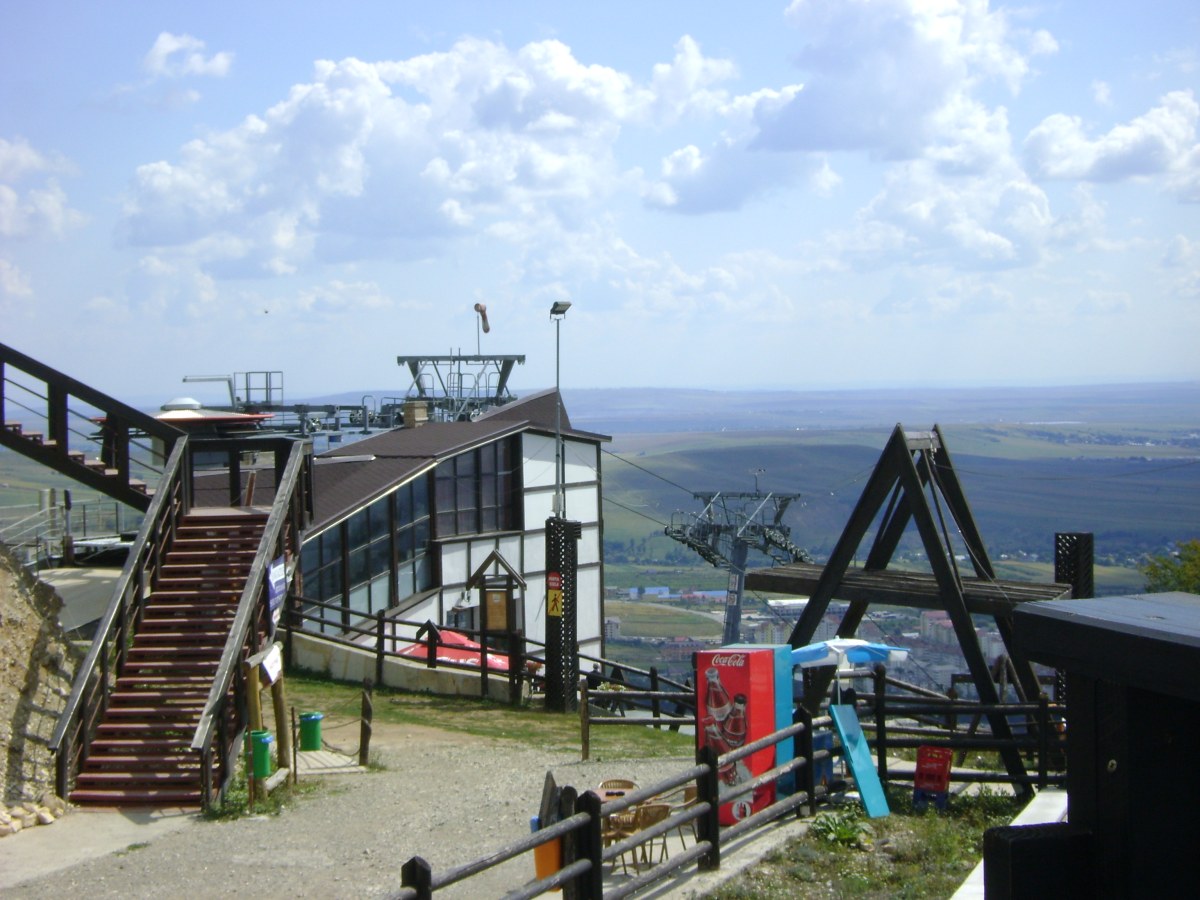
46 real photos, none made with AI
Seven days in Romania
Itinerary
Bucharest to Cluj-Napoca in a week: the Prahova valley, three castles, two Saxon citadels, a mountain road and a salt mine.
Giddo in Brașov
Story
A portrait of the Saxon town under Mount Tâmpa — the square, the Black Church, one of the narrowest streets in Europe, and the quarter outside the walls.
Road trip through Transylvania
Guide
Ten days of Saxon citadels, Gothic churches, a Dacian capital and one of the great mountain roads — driven as a loop from Brașov.
Every place above is on this map. The lists on this page are the same content in the same order.