

Where to stay in Bucharest
See the hotels and apartments available on Booking.com · This is an affiliate link with our partner. Europe by Giddo may earn a commission from a purchase made through it, at no extra cost to you.
Bucharest grew from a princely residence on the Wallachian plain into the capital of modern Romania, and its centre still shows the ambitions of the period when it acquired that role. From the late nineteenth century the city built boulevards, arcades and ornate villas with a deliberate eye on Paris, which earned it a nickname it has never entirely shaken off.
Our partner
Travel insurance · 5% off for our readers
Get a quoteThe other Bucharest arrived in the 1980s. A large district of the old city was demolished to build a new civic centre along an enormous boulevard, terminating in the Palace of the Parliament — a building of such scale that it dominates any view along that axis. The two cities exist on the same streets, and moving between them takes minutes.
Where to look
Calea Victoriei is the historical spine, running past the former royal palace, the Athenaeum concert hall and a series of nineteenth-century façades. The Lipscani district behind it keeps the narrow street pattern of the old merchant quarter, with churches and inns tucked into courtyards. North of the centre, the city opens into large parks around Herăstrău lake, where the Village Museum assembles relocated rural houses and churches from every region of the country — a useful primer before travelling further.
Bucharest also holds the national collections: art, history and natural history museums that hold material gathered from across Romania. Most visitors treat the city as a point of arrival, but it repays a couple of days on its own terms.
On the spot
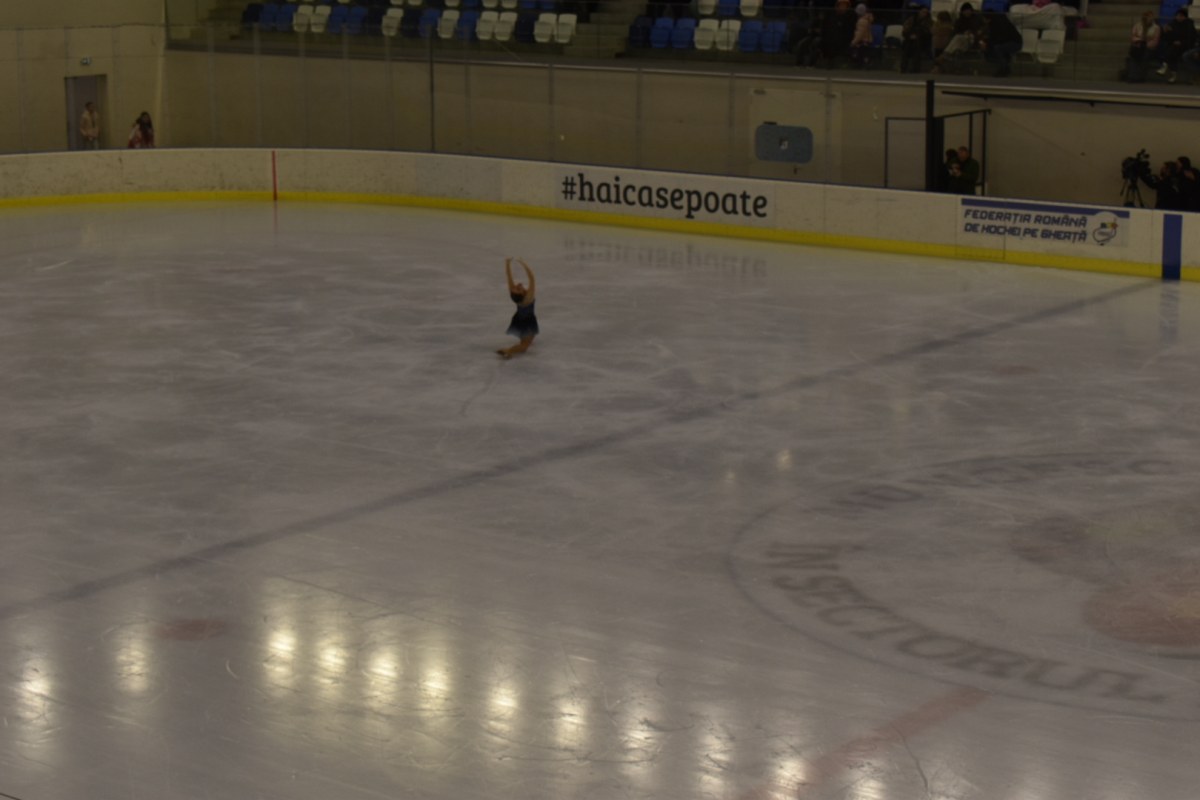
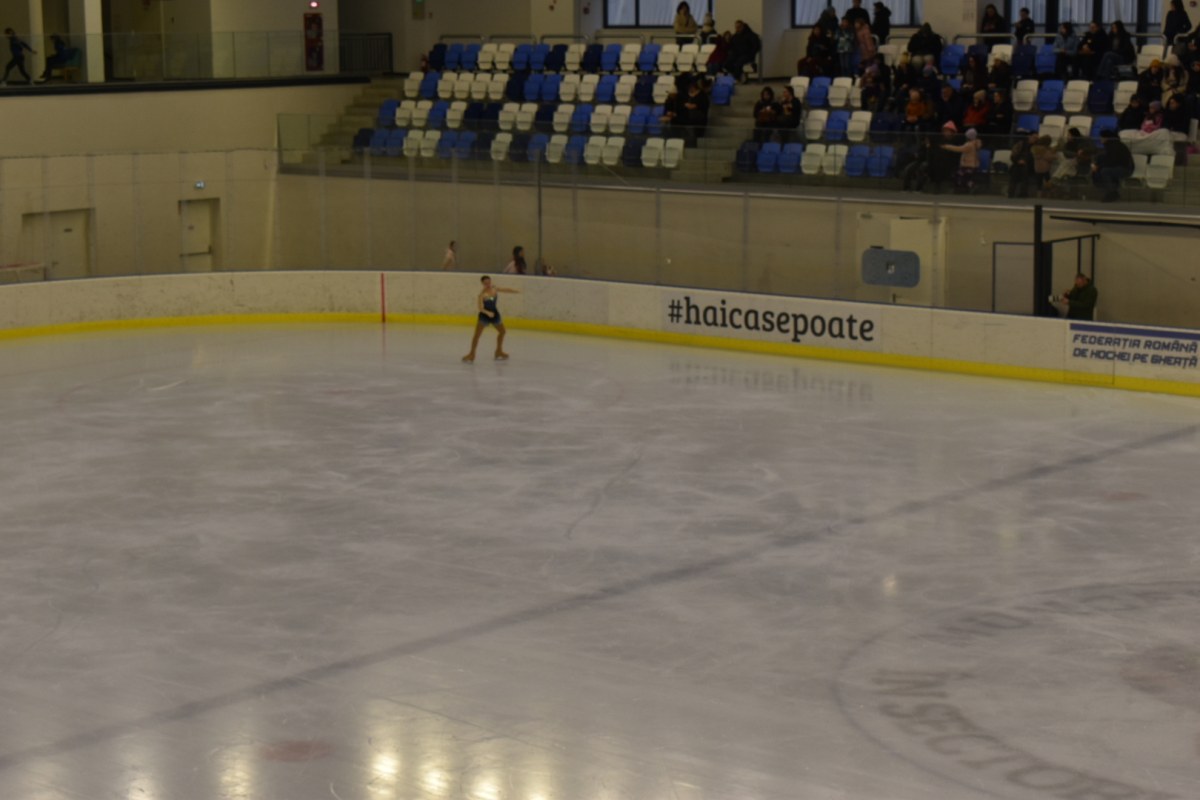
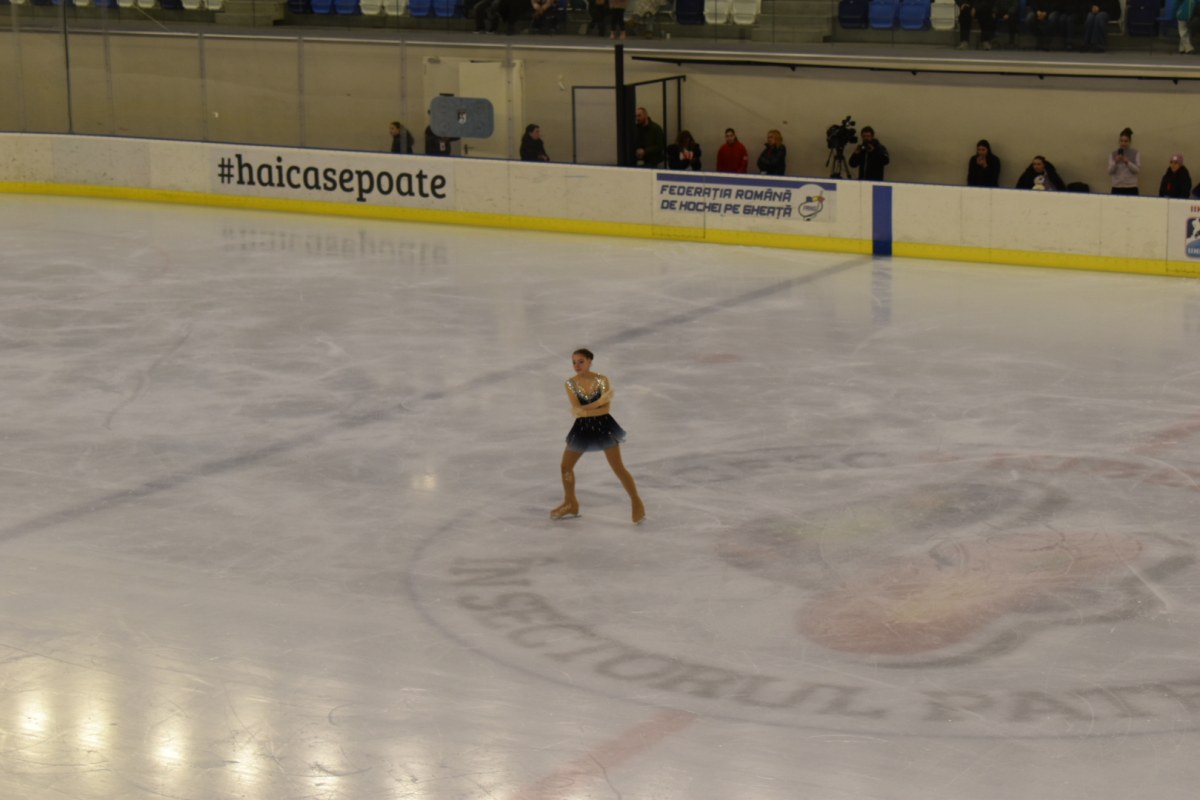
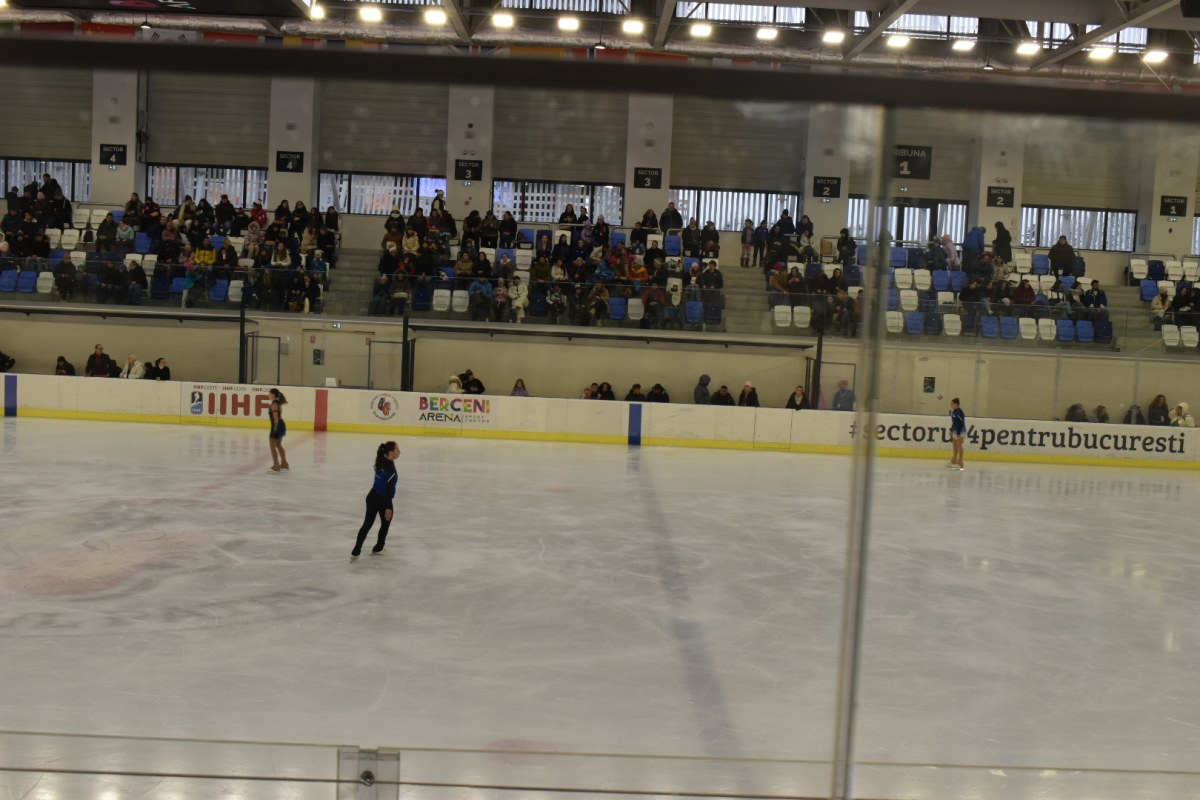
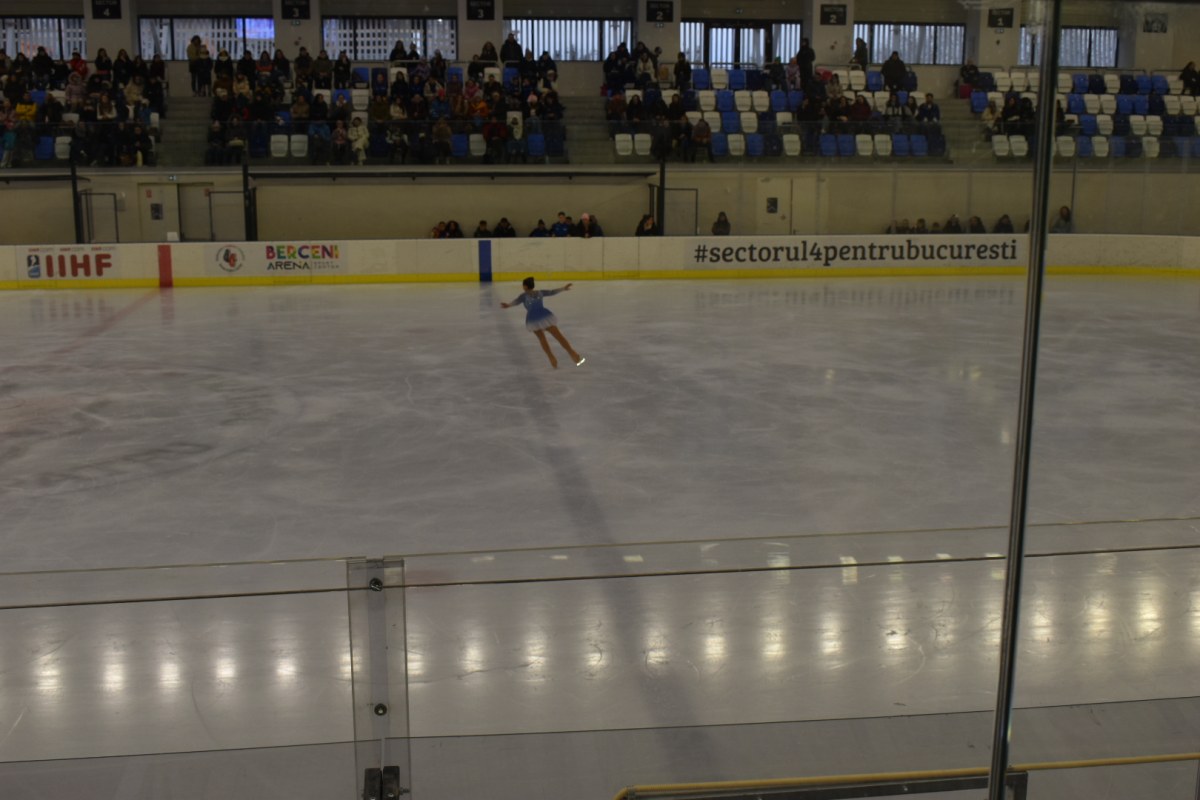
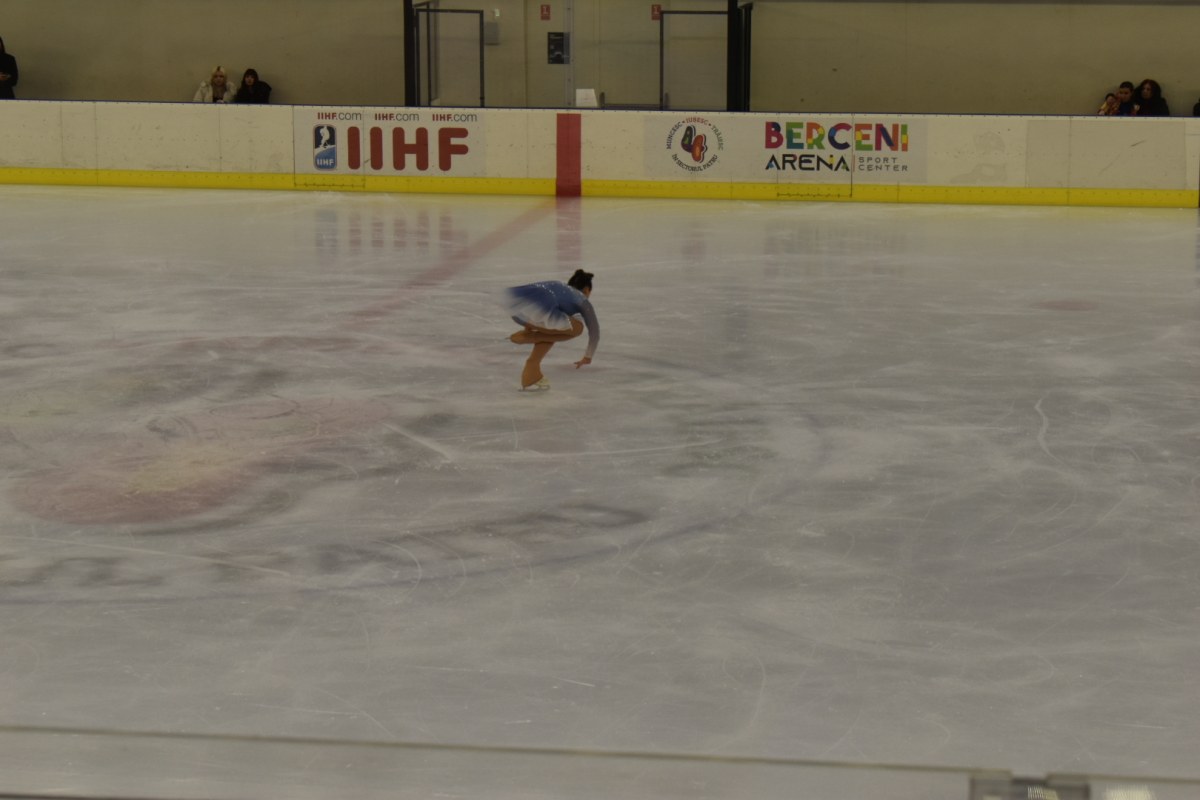
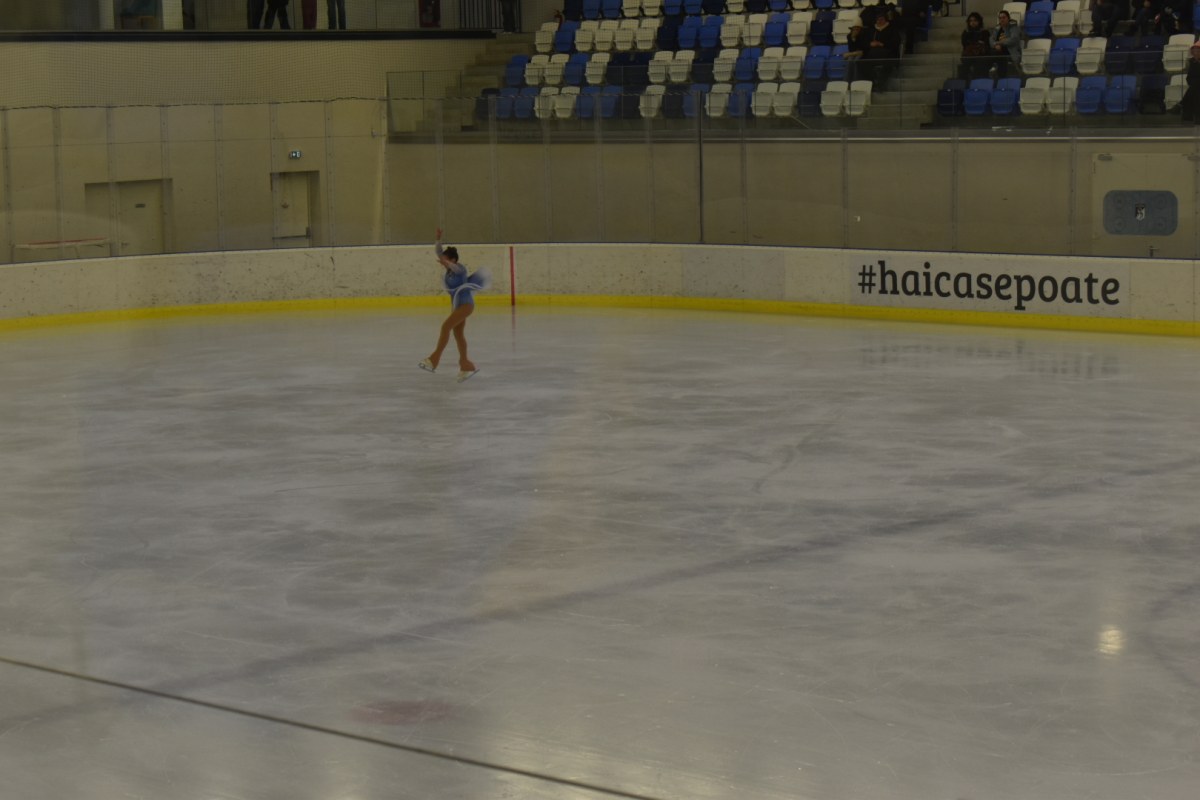
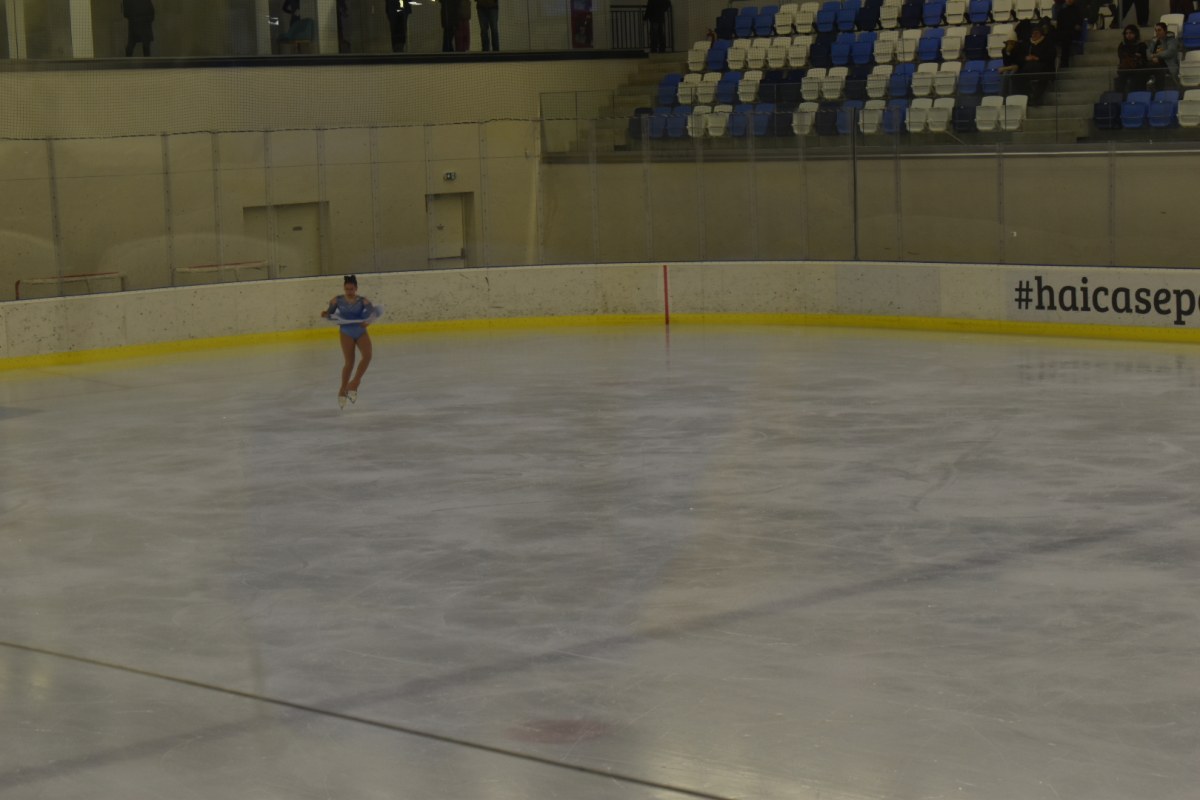
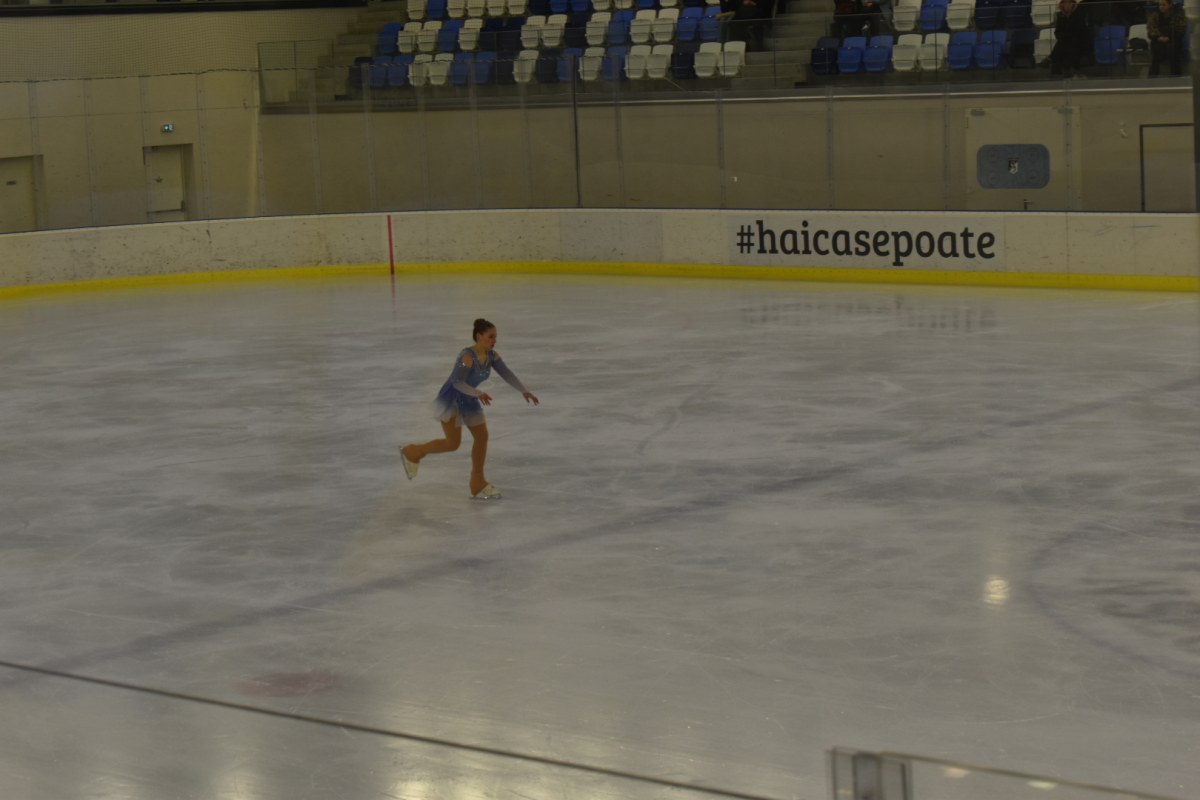
Photographs of Bucharest
42 real photos, none made with AI





Seven days in Romania
Itinerary · Romania
Bucharest to Cluj-Napoca in a week: the Prahova valley, three castles, two Saxon citadels, a mountain road and a salt mine.