
Where to stay in Sighișoara
See the hotels and apartments available on Booking.com · This is an affiliate link with our partner. Europe by Giddo may earn a commission from a purchase made through it, at no extra cost to you.
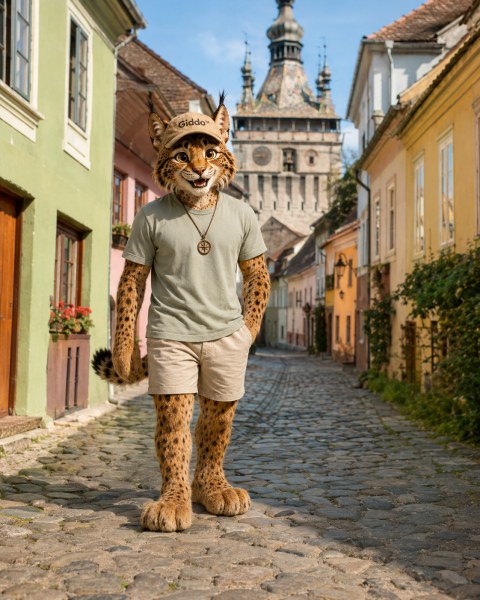
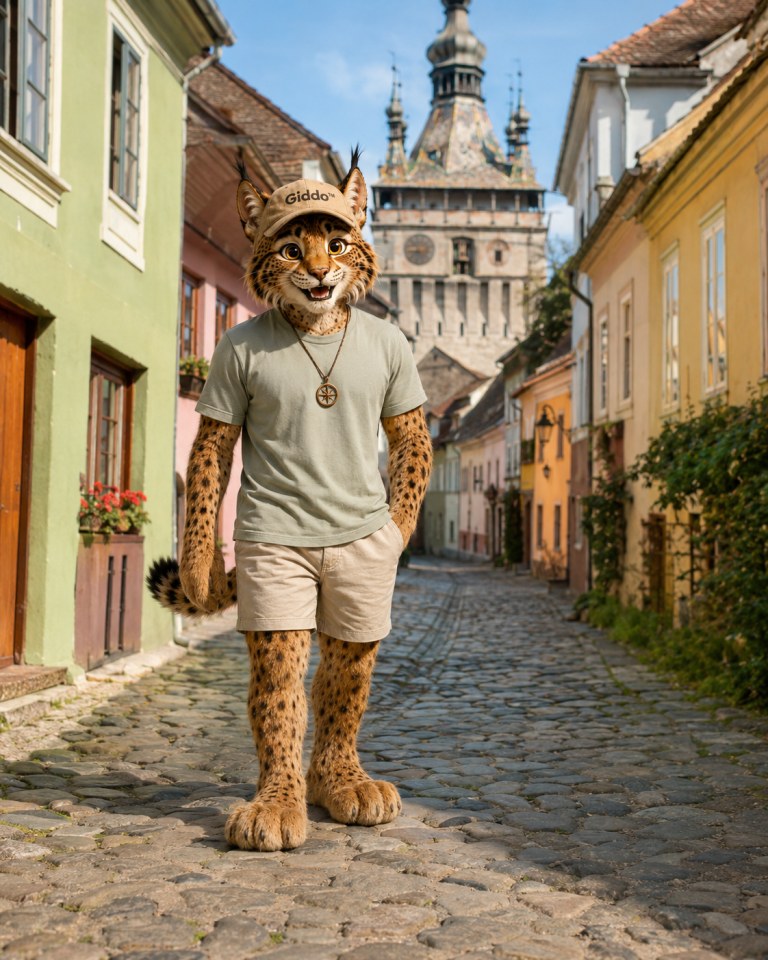
Sighișoara is the smallest of the main Saxon towns and the one that best keeps its shape. The citadel sits on a hill above the Târnava Mare river, still enclosed by walls and towers, each of which was once maintained by a particular craft guild. It remains inhabited — a working town rather than a preserved shell — and that is the reason it is inscribed on the UNESCO World Heritage list.
Our partner
Travel insurance · 5% off for our readers
Get a quoteThe clock tower is the landmark and the entrance. Its figures mark the days, and the rooms inside it now hold the town museum, with a viewing gallery at the top looking over the tiled roofs. From the small square behind it, a long covered wooden stairway climbs to the church on the hill and the school beside it, built so that pupils could reach the top in winter without slipping.
The lanes inside the walls are short and steep, lined with houses in ochre, green and faded rose. One of them is traditionally identified as the birthplace of Vlad III, the Wallachian ruler whose name was later borrowed for Dracula; the association draws a steady trade, though the historical link to the novel is essentially nil.
The town is small enough to see in a day and pleasant enough to stay in longer, particularly in the evening after the coach parties have left.
Road trip through Transylvania
Guide · Romania
Ten days of Saxon citadels, Gothic churches, a Dacian capital and one of the great mountain roads — driven as a loop from Brașov.
Seven days in Romania
Itinerary · Romania
Bucharest to Cluj-Napoca in a week: the Prahova valley, three castles, two Saxon citadels, a mountain road and a salt mine.