
Travel guide
Road trip through Transylvania
Ten days of Saxon citadels, Gothic churches, a Dacian capital and one of the great mountain roads — driven as a loop from Brașov.
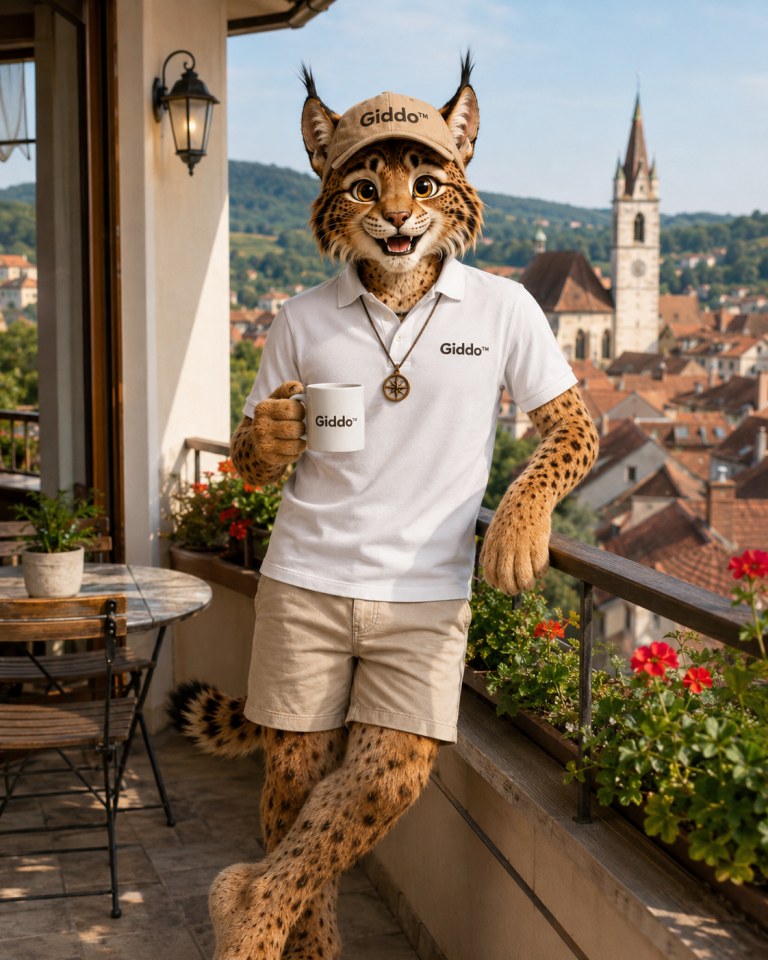
Where to stay in Brașov
See the hotels and apartments available on Booking.com · This is an affiliate link with our partner. Europe by Giddo may earn a commission from a purchase made through it, at no extra cost to you.
Transylvania is the part of Romania everyone thinks they already know, and almost nobody knows the shape of. It is not a town or a valley: it is a plateau the size of a small country, ringed on three sides by the Carpathians, that has been Hungarian, Saxon, Habsburg and Romanian in turn and kept something of all four.
Our partner
Travel insurance · 5% off for our readers
Get a quoteThat layering is what makes it good driving country. Within an afternoon you can cross from a German-speaking fortified town to a Hungarian university city to a Romanian mountain village, and the churches, the street plans and the cooking change with each. The roads are mostly two lanes and mostly slow, which sounds like a complaint and is actually the point.
This guide follows a loop from Brașov: four towns, two castles that are nothing like each other, a salt mine you go down into, and the mountain road Romania is proudest of. Ten days is comfortable; seven works if you skip the far north.
Where Transylvania begins and ends
The historical region sits inside the arc of the Carpathians, bounded by the Southern Carpathians below, the Eastern Carpathians on the right and the Apuseni mountains on the left. Coming from Bucharest you climb through the Prahova Valley and over a pass; the moment the land opens out into rolling hills and you start seeing fortified church towers, you are in it.
The distances are small on paper and long in practice. Two hundred kilometres here is a half-day, not two hours, because the roads wind, the villages have speed limits, and there is always a horse cart. Plan fewer stops than you think you can manage.
Brașov and the mountain edge
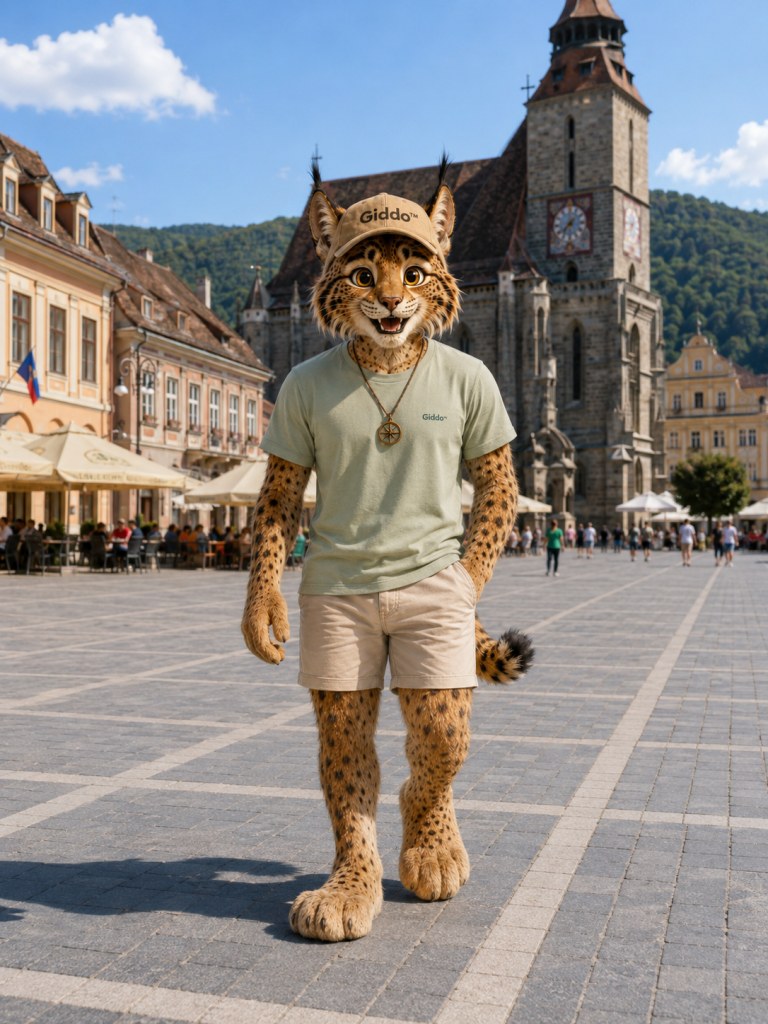
Brașov is the obvious base and the obvious start. It was Kronstadt, one of the seven fortified Saxon towns that gave the region its German name of Siebenbürgen, and the medieval core is still legible: a long triangular main square, remains of the walls with the White and Black towers above them, and Catherine's Gate, the only original town gate left standing.
The Black Church dominates everything: a Gothic hall church that took the better part of a century to finish, named for a fire that blackened the walls in 1689, holding a large collection of Anatolian carpets given by merchants over the centuries. It is generally described as the largest Gothic church between Vienna and Istanbul.
Behind the town, Mount Tâmpa rises almost vertically, with a cable car and a zigzag path to the top and a view down onto the whole roof plan. On the other side of the old walls, the Șchei quarter is where the Romanian population lived when they were not permitted inside them, with its own church and its own atmosphere.
Bran, and the castle question
Half an hour south-west of Brașov, Bran Castle sits on a rock above the road through the pass. It is genuinely handsome — white walls, stacked wooden galleries, narrow stairs, a courtyard well — and it was genuinely a customs post guarding a route between Transylvania and Wallachia.
What it was not is Dracula's castle. The association is a marketing invention: Bram Stoker never visited Romania, his description does not match the building, and Vlad III's documented connection to it is at best a brief and disputed passage through the area. The castle's more interesting real history is as a royal residence in the twentieth century, when Queen Marie was given it and had it comfortably remodelled.
Go for the building and the setting rather than the legend, and go early or late — the coaches arrive in the middle of the day.
Sighișoara: a citadel that is still a town
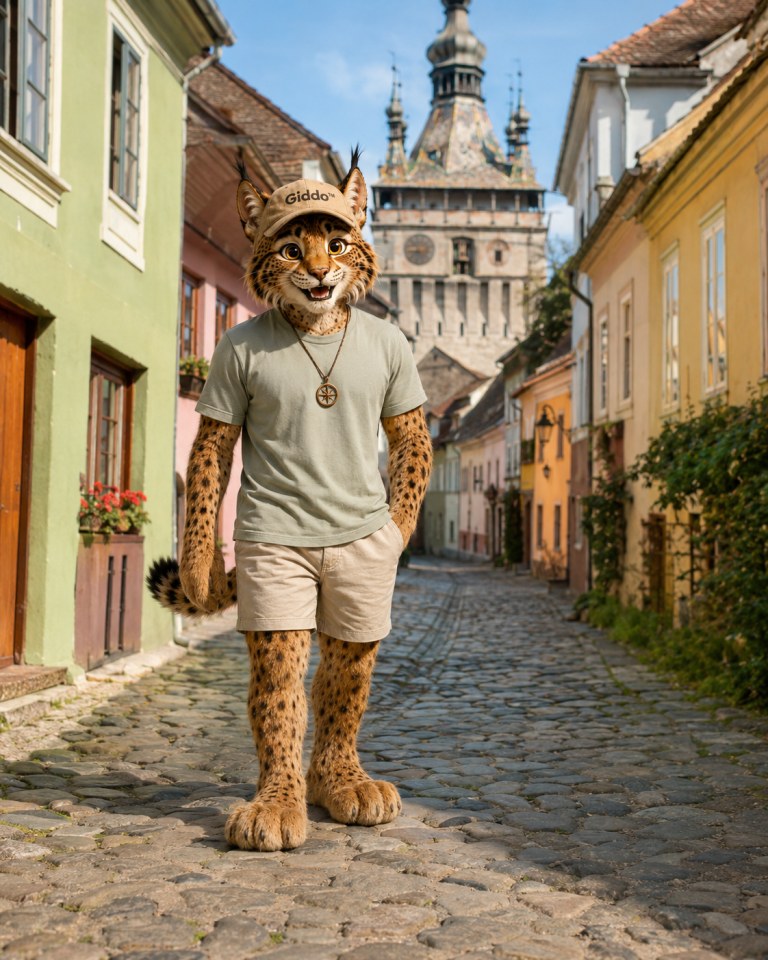
Two hours north-west of Brașov, Sighișoara is the one that surprises people. Most preserved citadels in Europe are museums with a gift shop; this one is a walled hill town where people still live, hang washing and drive to work. It is on the UNESCO list precisely for that — an inhabited medieval Saxon citadel rather than a reconstructed one.
The Clock Tower is the centrepiece, with figures that turn on the hour and the best view of the tiled roofs. Nine defensive towers survive, each historically maintained by a different craft guild, and their names are still attached.
The covered wooden staircase, the Scholars' Stairs, climbs to the church on the hill and the German cemetery behind it. A house on the main square is traditionally identified as the birthplace of Vlad III; the identification is not firmly documented, and the town is worth the trip with or without it.
Sibiu and the Saxon south
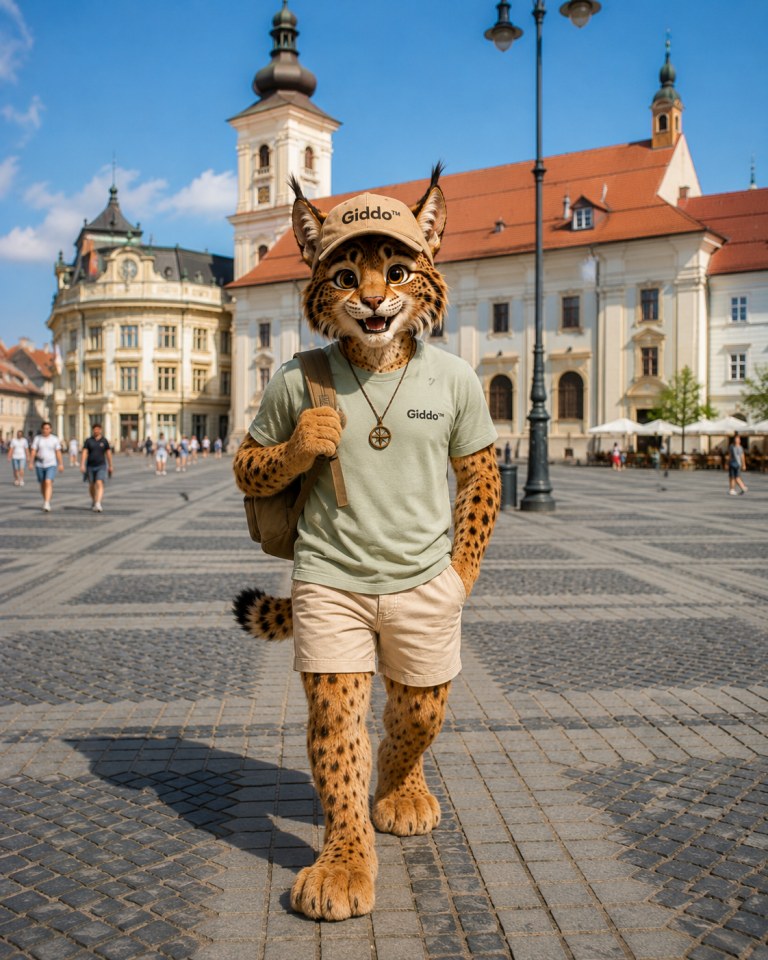
Sibiu, Hermannstadt to the Saxons, is the most polished town in the region and wears it well. It was European Capital of Culture in 2007 and used the money on the squares, which are now among the most attractive in Romania: the Large Square, the Small Square beside it, and the Huet Square around the Gothic Lutheran cathedral.
The Small Square and the Huet Square are linked by the Bridge of Lies, a cast-iron footbridge from 1859 with a name that has attracted a dozen competing explanations. Look up while you are on it: the older houses in Sibiu have narrow eyelid-shaped attic vents that make the roofs appear to be watching the street, which is the town's most photographed quirk and entirely accidental.
The Brukenthal, a Baroque palace holding the collection of a Habsburg governor, is one of the oldest public museums in this part of Europe; on the edge of town the ASTRA open-air museum spreads reconstructed rural buildings around a lake.
Sibiu is also the base for the fortified churches: dozens of Saxon villages built theirs into small fortresses, and seven are jointly UNESCO-listed. Biertan and Viscri are the most visited, and both need a detour down a minor road that is part of the pleasure.
The Transfăgărășan, and when it is open
The Transfăgărășan crosses the Făgăraș mountains between Transylvania and Wallachia, climbing to above two thousand metres in a series of hairpins that photograph better than almost any road in Europe. It was built between 1970 and 1974 on Ceaușescu's orders, at considerable human cost, as a strategic military route.
It runs past the Bâlea waterfall and the glacial Bâlea lake at the top, through a long tunnel under the ridge, and down the southern side past the Vidraru dam and the ruins at Poenari — which has a far better claim to being Vlad III's actual fortress than Bran does.
The essential practical fact: the high section is closed by snow for much of the year and normally opens only for the summer months. The exact dates are set each year by the road authority and announced in advance, so check the current status before building a day around it. Outside that window the road is still driveable from either end up to the barrier, which is a good half-day in itself.
Corvin Castle and the Dacian capital
In the south-west corner, Corvin Castle at Hunedoara is the castle that actually looks the way people imagine Transylvanian castles look: a Gothic fortress on a rock, entered by a long wooden bridge on stone piers, bristling with towers and a hall of knights. It was rebuilt in the fifteenth century by John Hunyadi and is one of the largest castles in Europe.
An hour or so away, in the Orăștie mountains, Sarmizegetusa Regia is something else entirely: the capital of the Dacian kingdom before the Roman conquest, a sanctuary and fortress site set in forest at over a thousand metres. What survives is the plan — terraces, column bases, a circular sanctuary of andesite and limestone — rather than standing buildings, and it is on the UNESCO list along with the other Dacian fortresses of the range.
The pairing works: a medieval military palace and the capital of the kingdom Rome had to destroy first. Both need most of a day.
Turda: going down into the salt
Between Alba Iulia and Cluj, the Turda salt mine has been worked since antiquity and industrially until 1932. What makes it unusual is what was done with it afterwards: the enormous chambers were fitted out as an underground complex, with a lift shaft, walkways along the galleries and a lake at the bottom of one chamber with rowing boats on it.
The scale is the thing. The main chamber is deep enough to hold a small building, the walls carry the marks of centuries of hand extraction, and the air is cold and completely still. It is one of the few genuinely strange places in Romania that is also easy to visit.
Nearby, the Turda Gorge cuts a limestone canyon with a marked path along the bottom — a good short walk to pair with the mine.
Cluj-Napoca and the north
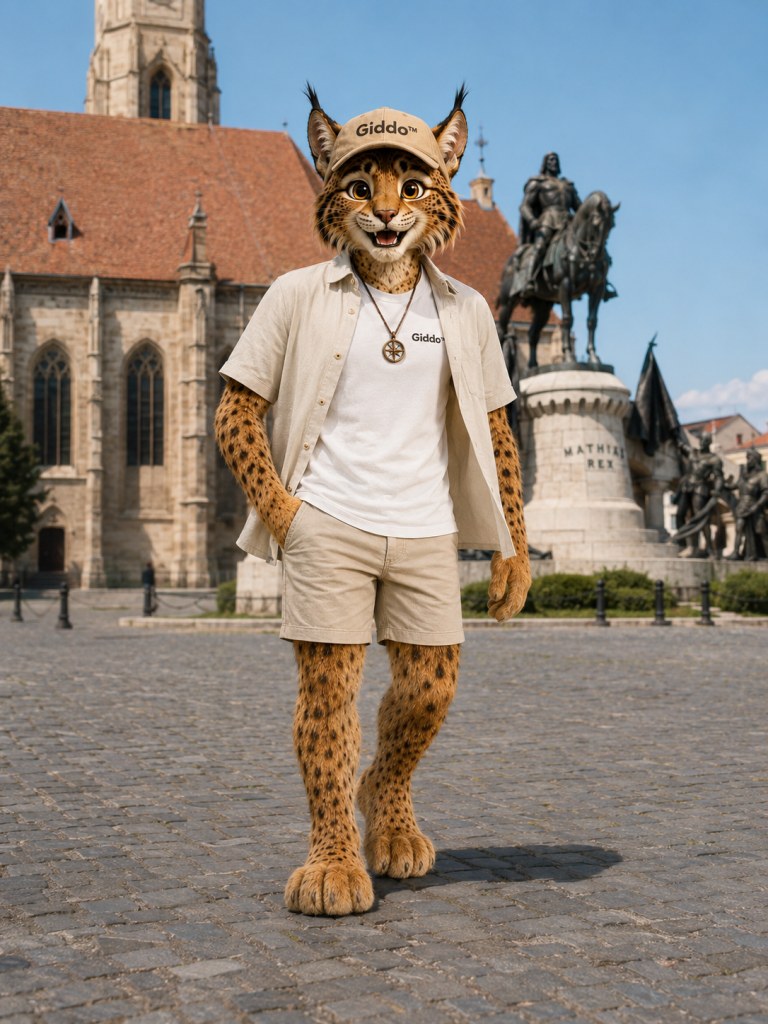
Cluj-Napoca is the largest city in the region and the least medieval in feel — it is a university city with a young population, a strong music and festival scene, and a café culture that runs late. St Michael's Church, a tall Gothic hall church, stands in the main square with an equestrian statue of Matthias Corvinus, unveiled in 1902, in front of it; he was born in the town.
It works as the northern anchor of the loop and as a jumping-off point if you want to go further: Maramureș with its wooden churches and the Merry Cemetery is a few hours north, and the Apuseni mountains west of the city are limestone caves, gorges and villages that few outsiders reach.
From Cluj the loop closes back to Brașov through the middle of the plateau, or, in season, the long way round over the Transfăgărășan a second time, when it is a completely different road.
Driving in Transylvania
A car is not optional here. The train network reaches the main towns and is slow but pleasant; everything else — the fortified churches, the gorges, the mountain roads — needs your own vehicle.
Roads are mostly single carriageway and shared with agricultural traffic, cyclists and animals, so journey times run to roughly double what a map suggests. Overtaking on blind bends is a national sport and not one to join. Fuel is easy to find on main routes and sparse in the mountains.
Romania requires a road tax vignette for national roads, bought online or at the border; check the hire company has covered it. Winter in the mountains is serious and some passes close entirely.
Accommodation in the villages is usually a guesthouse — a pensiune — rather than a hotel, and outside the main towns it is worth arranging in advance.

When to go
Late spring and early autumn are the most comfortable. May and June give long days, green hills and the fortified churches without crowds; September and early October give the harvest, the colour and the quietest roads of the year.
High summer is warm and busy in the main towns, and it is the only reliable window for the high mountain roads. Winter is a different destination entirely: Christmas markets, skiing at Poiana Brașov, and a great many minor roads simply shut.