

Where to stay near Danube Delta
See the hotels and apartments available on Booking.com · This is an affiliate link with our partner. Europe by Giddo may earn a commission from a purchase made through it, at no extra cost to you.
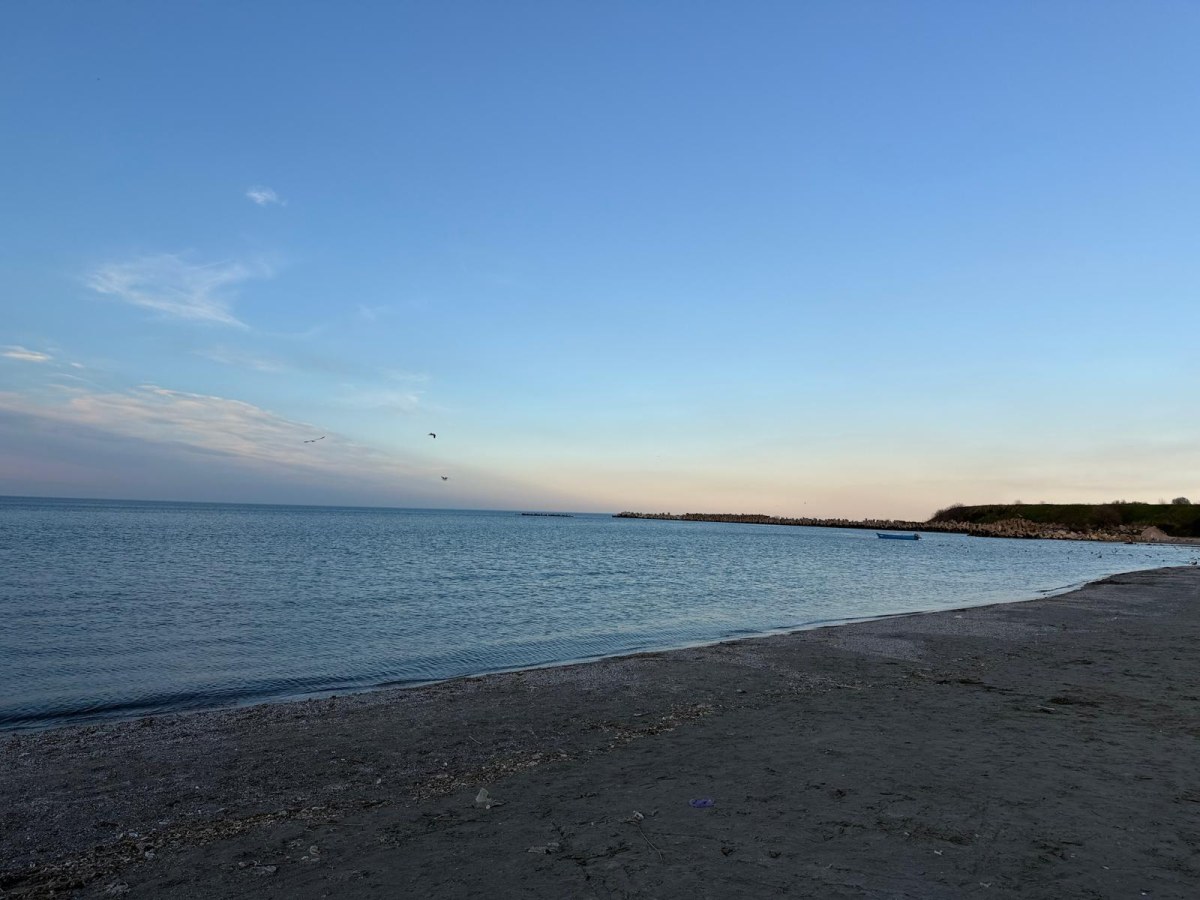
The Danube Delta begins where the river splits near Tulcea into three main arms — Chilia, Sulina and Sfântu Gheorghe — and spreads eastwards to the Black Sea across an enormous area of channels, lakes, reed beds and low wooded islands. It is one of the largest and best preserved deltas in Europe, still actively building outwards as the river deposits sediment.
Our partner
Travel insurance · 5% off for our readers
Get a quoteMost of it is reed. The floating reed islands of the delta form a habitat of a kind that is now rare, and the whole area is a UNESCO biosphere reserve. Its reputation rests mainly on birds: very large numbers pass through on migration, and the delta holds significant breeding populations of pelicans, herons, egrets, cormorants and many others. Otters, wild boar and a rich fish population share the water.
People live here too, in villages built along the channels, where fishing has been the main occupation for generations and some communities descend from Russian Old Believers who settled in the delta centuries ago.
The delta is reached by boat rather than by road, generally from Tulcea, and travel within it follows the water. It operates on entirely different terms from the rest of the country and is best given several unhurried days.