
Where to stay in Iași
See the hotels and apartments available on Booking.com · This is an affiliate link with our partner. Europe by Giddo may earn a commission from a purchase made through it, at no extra cost to you.
Iași was the capital of the principality of Moldavia and, during the First World War, of a much reduced Romania. It remains the largest city in the east of the country and its academic centre, with the oldest university in Romania.
Our partner
Travel insurance · 5% off for our readers
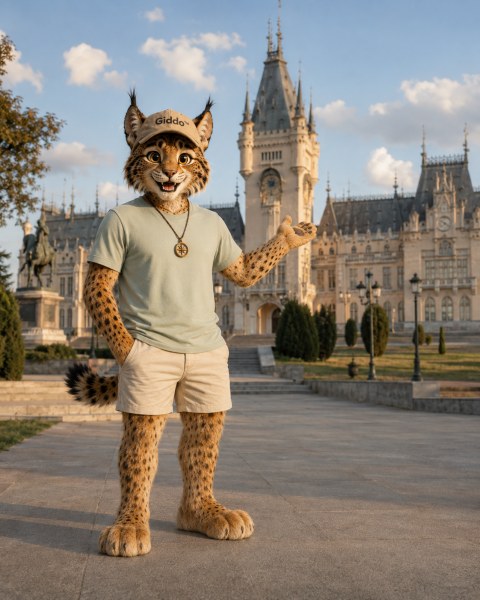
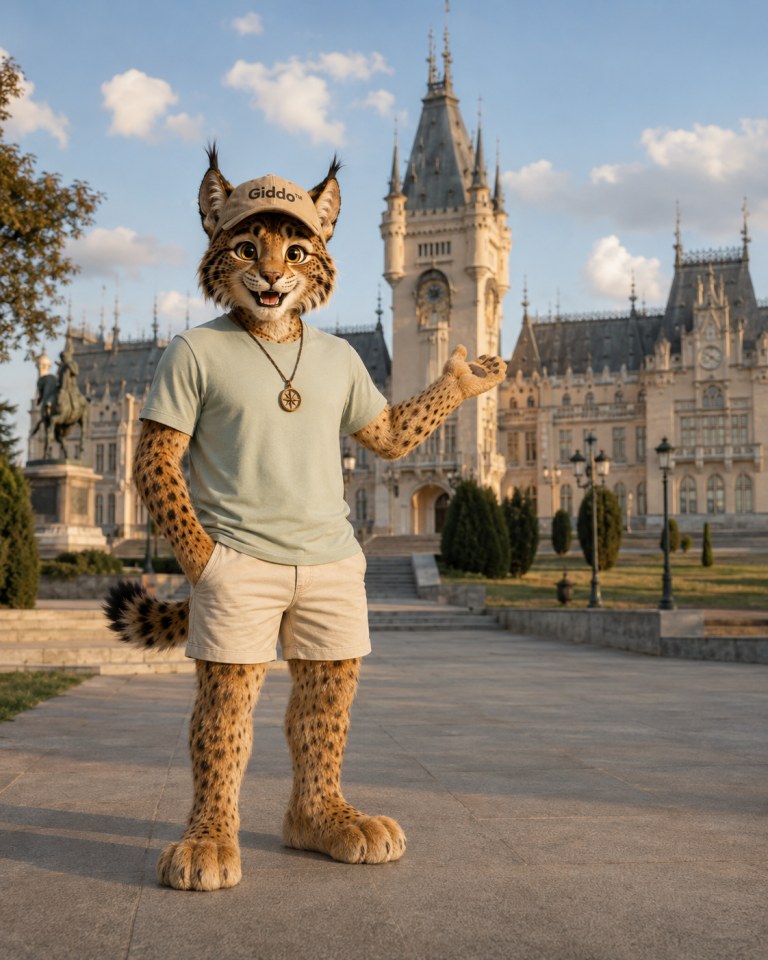
Get a quoteThe landmark is the Palace of Culture, a very large neo-gothic building raised in the early twentieth century on the site of the old princely court. It houses several museums under one roof, and its clock tower closes the view down the main boulevard.
The city's churches are its other distinction. The Church of the Three Hierarchs is covered externally with carved stone ornament worked over the entire façade, an unusual and much-copied piece of seventeenth-century decoration. The cathedral, the monastery churches and a scattering of smaller foundations give the centre a density of ecclesiastical building that few Romanian cities match.
Copou Park, north of the centre, is among the oldest public parks in the country and is closely associated with the poet Mihai Eminescu, who studied and worked in the city; the botanical garden nearby is the largest in Romania. Golia Monastery, enclosed by high walls with a tower that can be climbed, sits in the middle of the city and gives a view across the rooftops.
Iași sits among vineyard hills close to the border with the Republic of Moldova, and it makes a reasonable base for the monasteries of the region and for the wine country to the south.