

Where to stay in Spain
See the hotels and apartments available on Booking.com · This is an affiliate link with our partner. Europe by Giddo may earn a commission from a purchase made through it, at no extra cost to you.
Spain rewards travellers who resist the temptation to stay on the coast. It is a big, high, varied country — the second most mountainous in Europe — with distinct regions that have their own languages, cooking and festivals.
Our partner
Travel insurance · 5% off for our readers
Get a quoteBarcelona is Catalonia's capital and the city of Antoni Gaudí: the Sagrada Família, Park Güell, Casa Batlló, plus a Gothic quarter, a working port and beaches inside the city. Madrid, in the centre of the country, holds the Prado, the Reina Sofía and the Thyssen-Bornemisza within a short walk of each other, and keeps some of the latest nights in Europe.
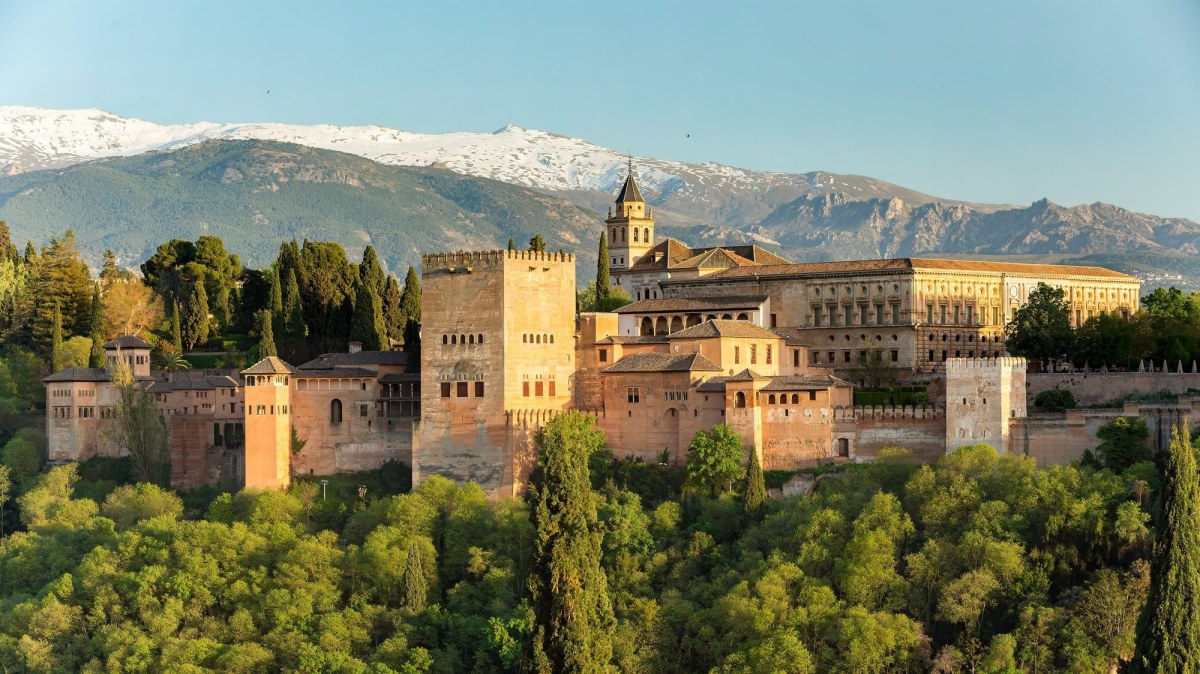
Andalusia in the south carries the deepest mark of eight centuries of Al-Andalus. The Alhambra above Granada, the Mezquita of Córdoba and the Real Alcázar of Seville are among the finest buildings anywhere in Europe. This is also the home of flamenco, of whitewashed hill villages, and of long hot summers.
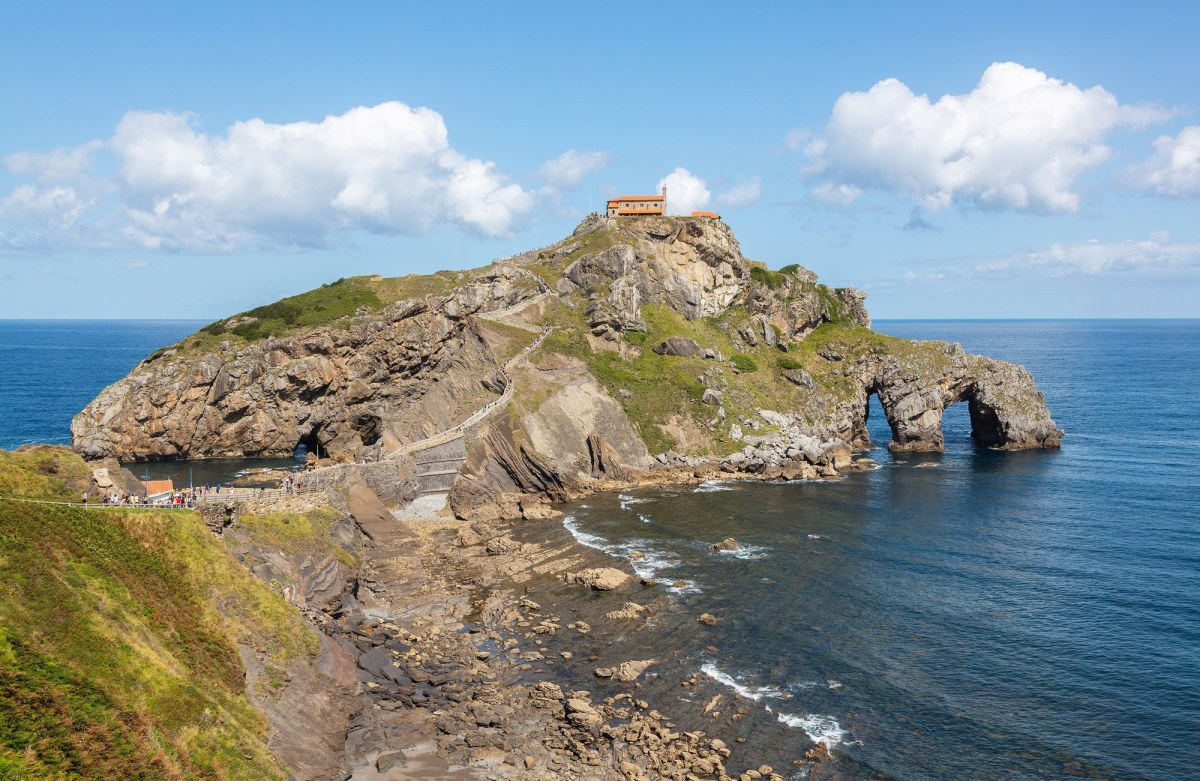
The north is a different country in feel. Galicia is Atlantic, green and rainy, with the pilgrimage city of Santiago de Compostela at the end of the Camino. The Basque Country has San Sebastián, one of Europe's great eating cities, and Bilbao with its Guggenheim. Asturias and Cantabria have the Picos de Europa, prehistoric cave art and a rugged coastline.
In the centre, Castile keeps walled Ávila, the aqueduct of Segovia, the medieval layers of Toledo and Salamanca's golden sandstone university. Valencia gave the world paella and holds a striking modern arts complex; further south the Costa Blanca and Costa del Sol have made beach holidays a national industry.
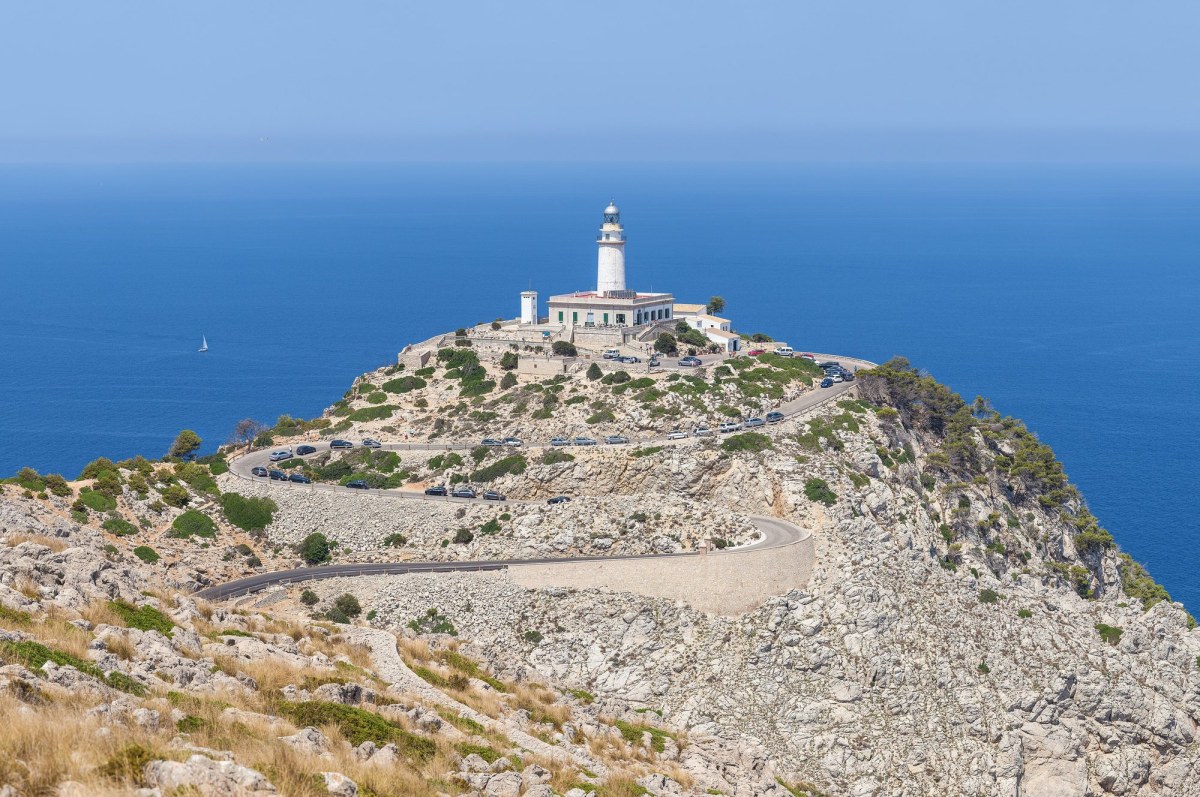
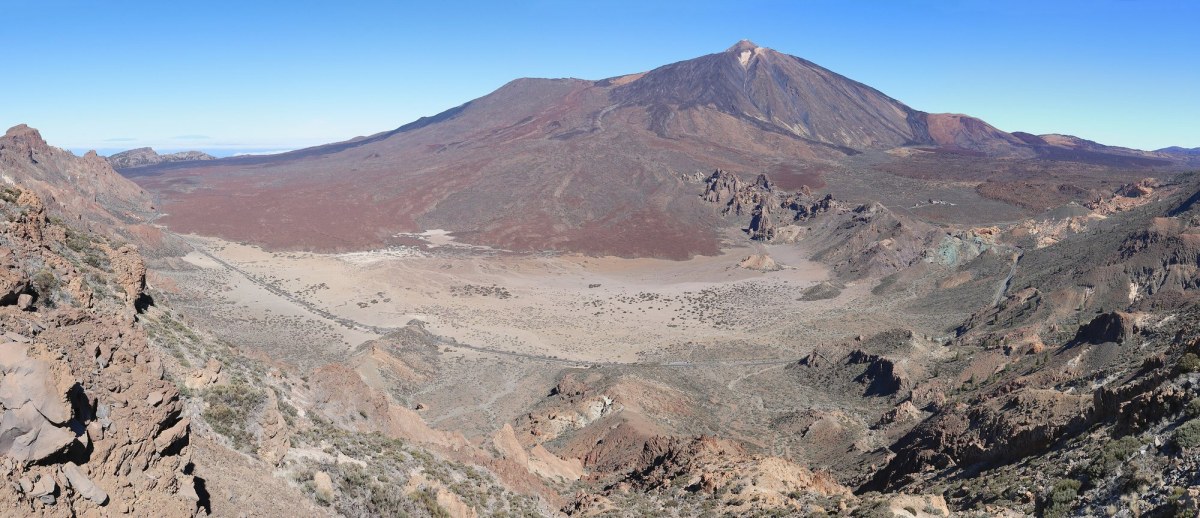
The islands split into two sets: the Balearics — Mallorca, Menorca, Ibiza and Formentera — in the Mediterranean, and the volcanic Canary Islands in the Atlantic off Africa, which are warm all year. Spanish is the shared language, alongside Catalan, Galician and Basque in their own regions.
Spain has one of the best high-speed rail networks in the world, with Madrid at the centre and lines out to Barcelona, Seville, Valencia and Málaga. The north coast and the inland villages are better by car. The Balearics and Canaries are short flights or, for the Balearics, an overnight ferry. Summer inland can be extremely hot; spring and autumn are the kinder seasons for the cities.
Common questions
- What is the capital of Spain?
- The capital of Spain is Madrid.
- What currency is used in Spain?
- Spain uses the Euro (EUR).
- What language is spoken in Spain?
- The official language is Spanish.
- When is the best time to visit Spain?
- Very hot inland summers, mild winters in the south, wet and green along the north coast.
- Which side of the road do you drive on in Spain?
- In Spain you drive on the right.
- What plug sockets are used in Spain?
- Spain uses type C, F sockets.
- What is the dialling code for Spain?
- The international dialling code for Spain is +34.
Partner
Inside Spain
Regions
11 to explore
Andalusia
Region
The southern eighth of Spain, where eight centuries of Muslim rule left the Alhambra, the Mezquita and a way of building around courtyards and water.
Balearic Islands
Region
Four inhabited islands off the Mediterranean coast, each with a character the others do not share.
Basque Country
Region
A green, wet corner of the north coast with its own language, a serious food culture and two cities that could not be less alike.
Canary Islands
Region
Eight volcanic islands off the African coast, closer to the Sahara than to Spain, with the country’s highest mountain among them.
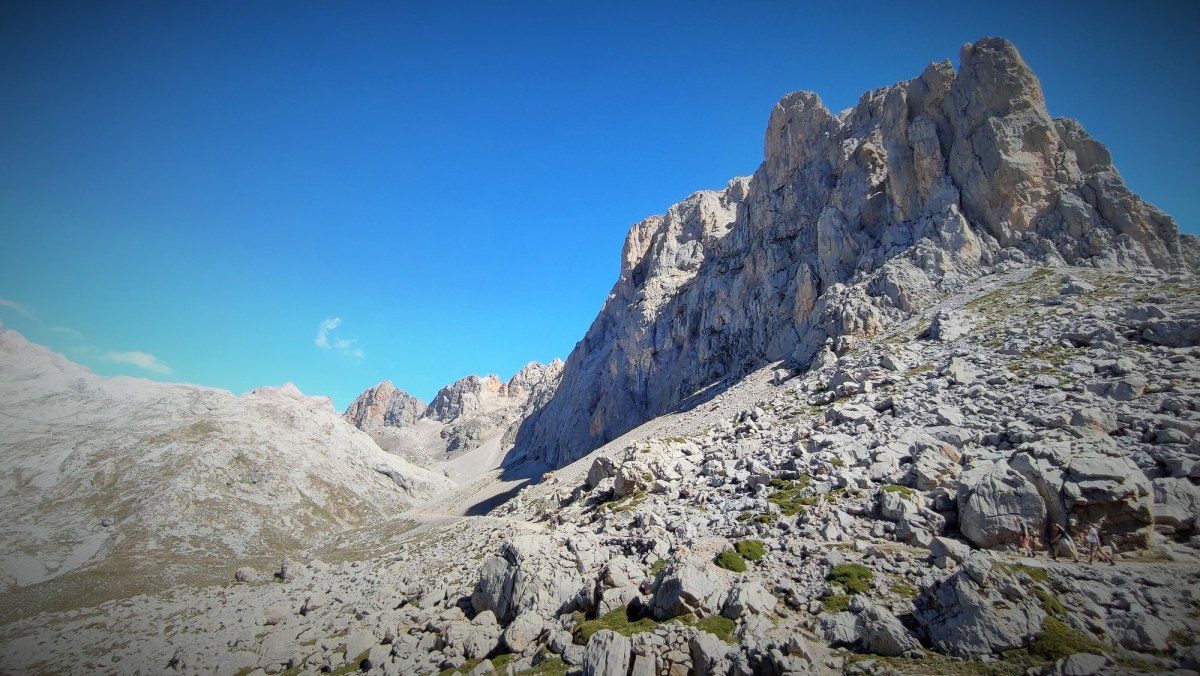
Cantabria
Region
A short green coast between the Basque Country and Asturias, with mountains directly behind it.
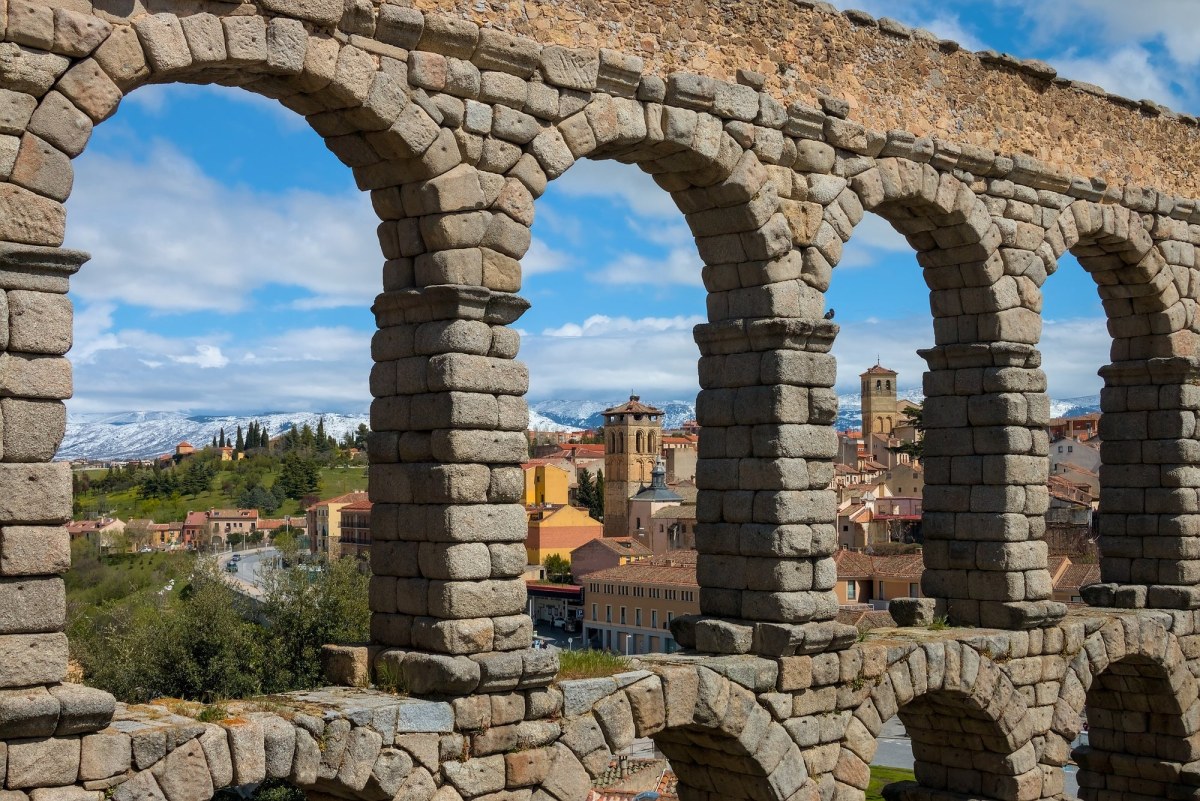
Castile and León
Region
The high tableland north-west of Madrid, holding more Gothic cathedrals, walled towns and Romanesque churches than any comparable stretch of Europe.
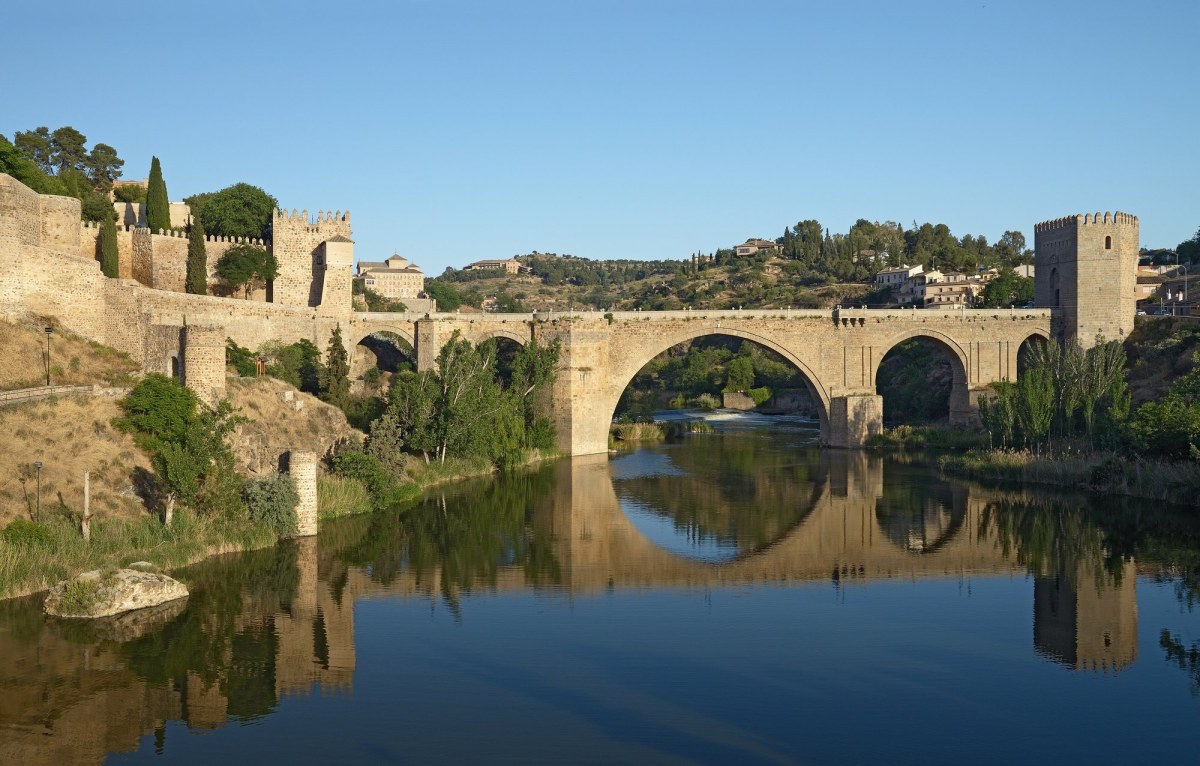
Castilla-La Mancha
Region
The plain south of Madrid that Cervantes gave to Don Quixote, with Toledo standing on a rock above the Tagus at its northern edge.
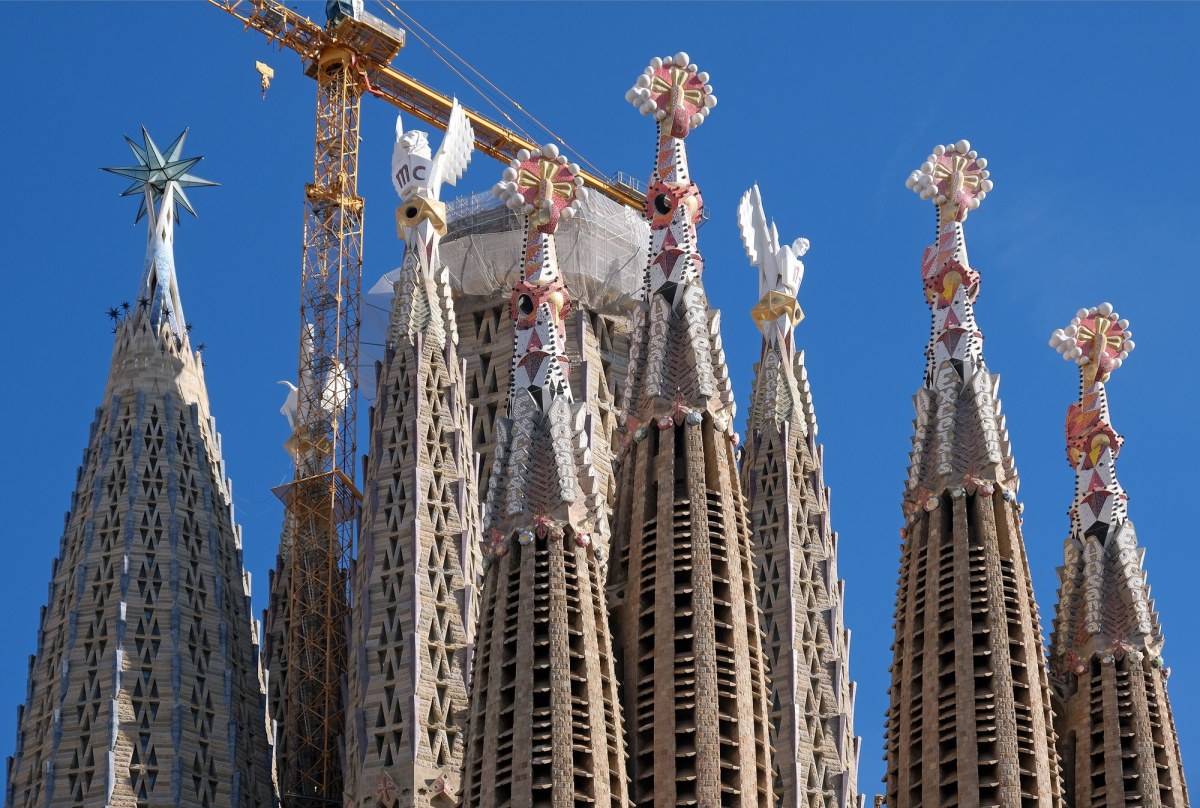
Catalonia
Region
Barcelona, the Pyrenees and a rocky Mediterranean coast, in a region with its own language and an architecture found nowhere else.
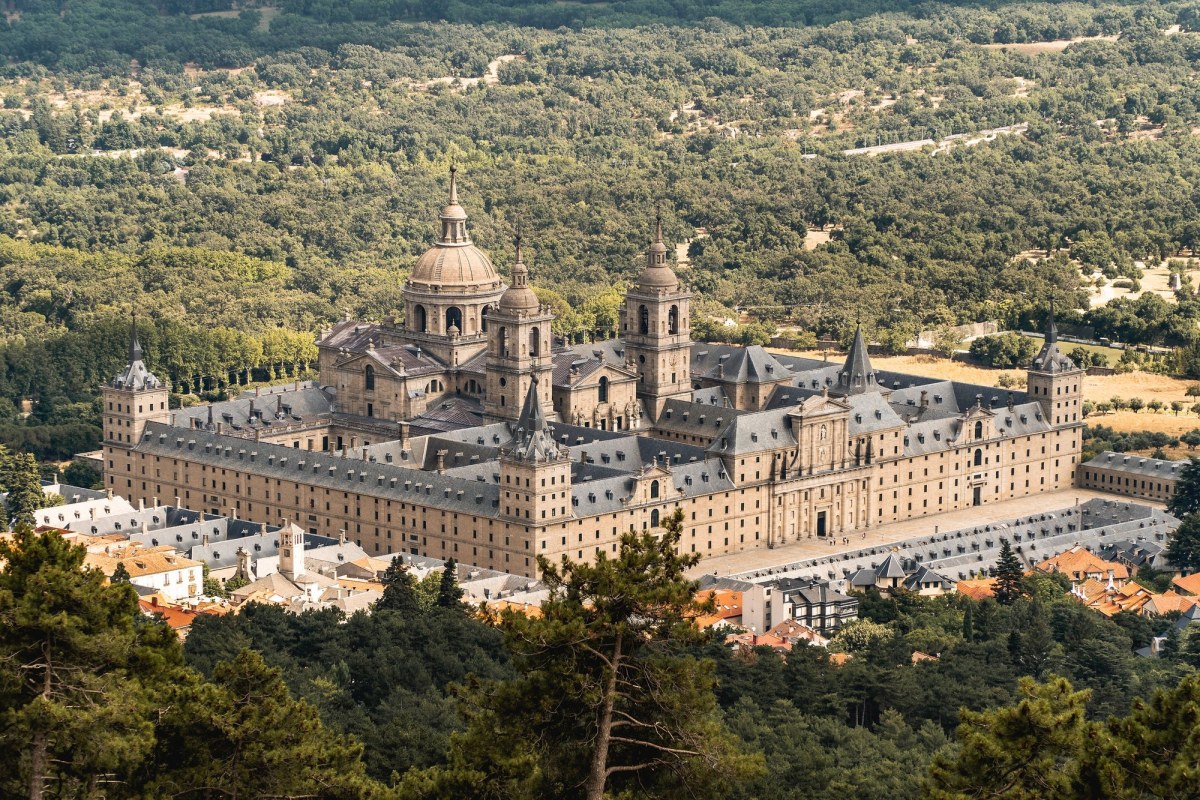
Community of Madrid
Region
The capital and its hinterland, holding three of Spain’s great art collections and a run of royal towns within an hour by train.
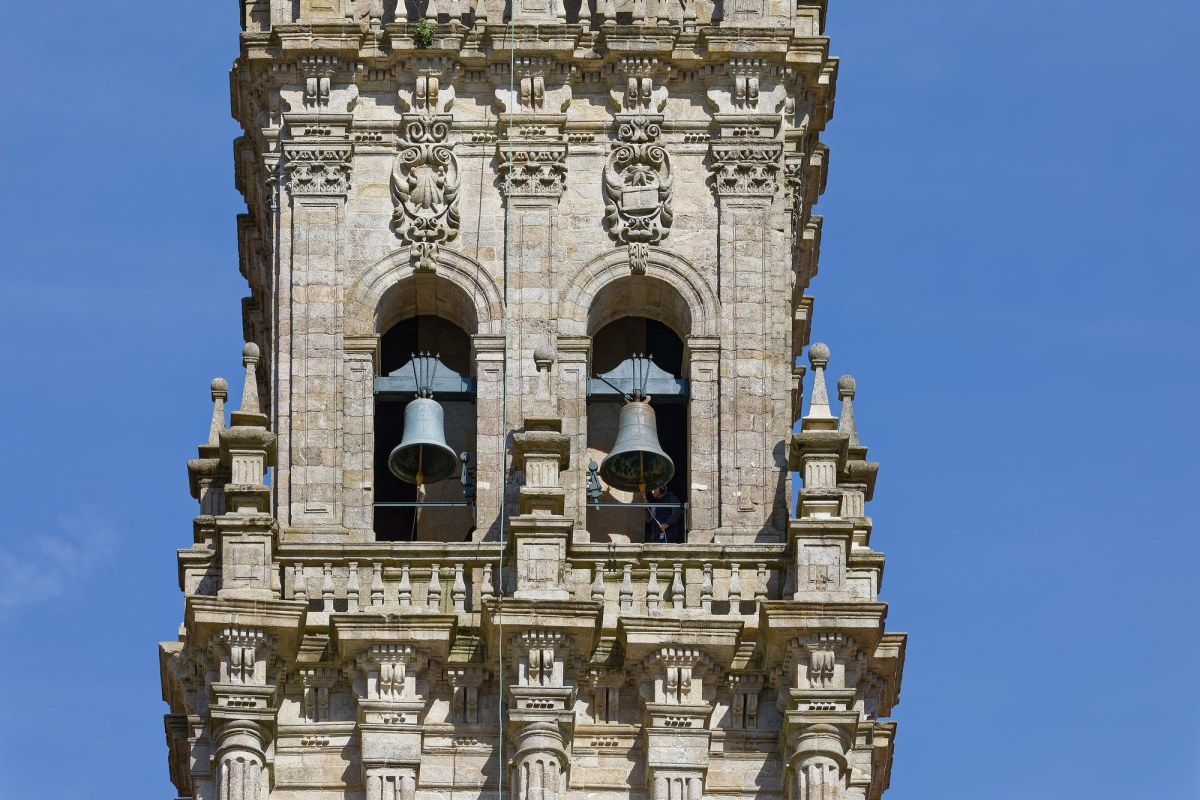
Galicia
Region
The wet green north-west, where the pilgrim roads end at Santiago and the coast is cut into deep sea inlets.
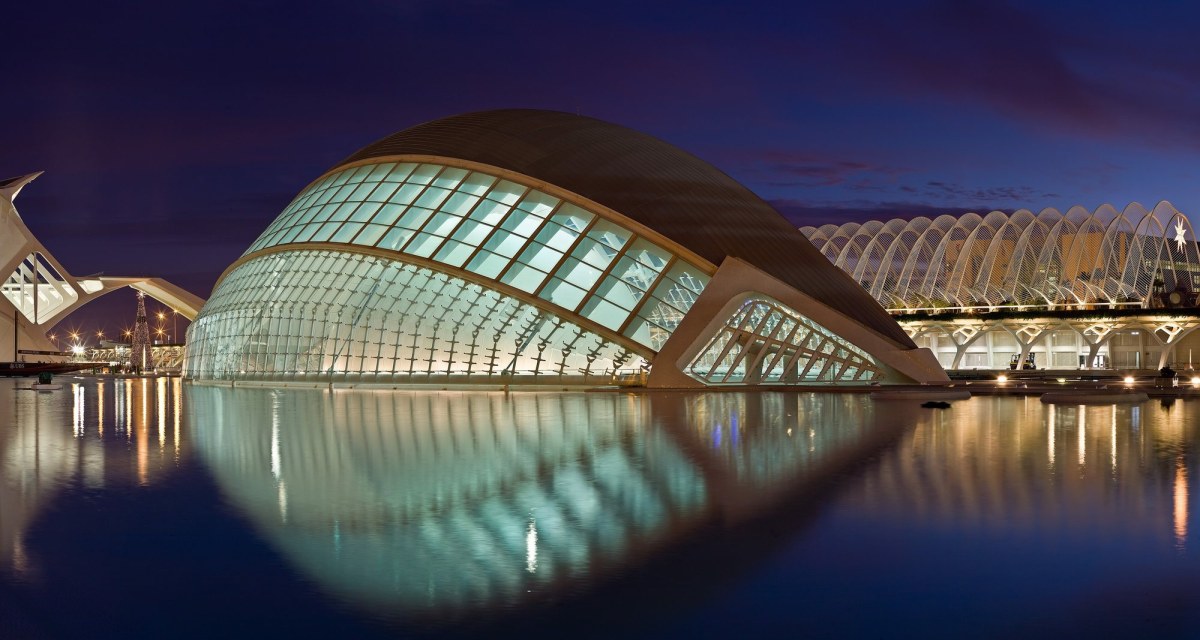
Valencian Community
Region
A long Mediterranean coast behind which sit rice fields, orange groves and the city where paella was invented.
Inside Spain
Towns and cities
13 to explore
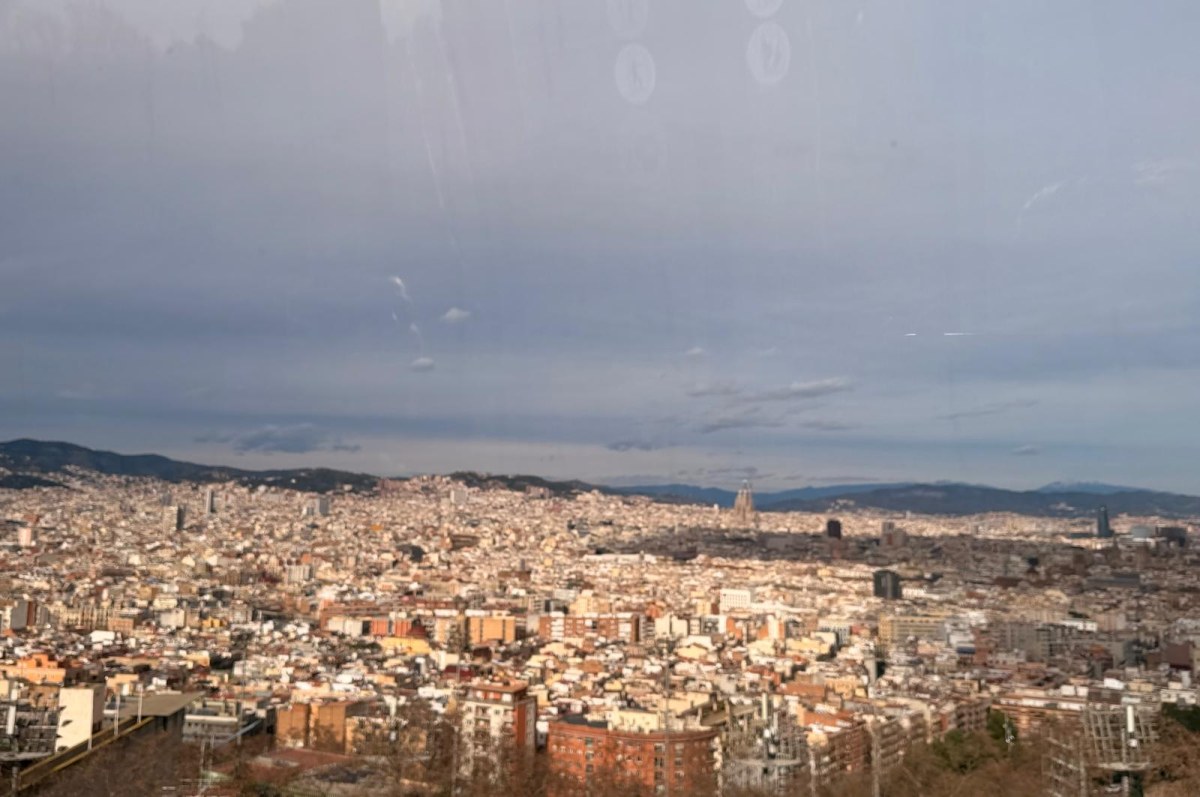
Barcelona
Town or city
A Mediterranean city with a grid of nineteenth-century blocks, a medieval core inside it, and more Gaudí than anywhere else on earth.
Bilbao
Town or city
An industrial port that rebuilt itself around a titanium museum and became the standard example of how a city can change its mind.
Córdoba
Town or city
Once the largest city in western Europe, and still holding the mosque that was the centre of it.
Granada
Town or city
A university city under the Sierra Nevada, holding the best-preserved Islamic palace complex in Europe.
Madrid
Town or city
The capital: three world-class art museums within a few streets of each other, and a city that genuinely comes alive after dark.
Palma
Town or city
Mallorca’s capital, with a Gothic cathedral standing directly above the sea wall and an old town that has little to do with the resorts.
San Sebastián
Town or city
A belle-époque resort on a shell-shaped bay, with an old quarter that is essentially one long row of pintxo bars.
Santander
Town or city
A northern port on one of the great bays, rebuilt after a fire, with beaches at one end and a palace on the point.
Santiago de Compostela
Town or city
The end of the pilgrim roads: a granite city built around the cathedral that has drawn walkers across Europe for a thousand years.
Segovia
Town or city
A Roman aqueduct running through the middle of town, and a castle on a rock at the end of it.
Seville
Town or city
The Andalusian capital: an enormous Gothic cathedral, a Moorish palace still in royal use, and the city where flamenco is least of all a performance for visitors.
Toledo
Town or city
A walled city on a granite spur inside a bend of the Tagus, where three religions built alongside one another for centuries.
Valencia
Town or city
Spain’s third city: a Gothic core, a nine-kilometre park where a river used to be, and the birthplace of paella.
Inside Spain
Landmarks
12 to explore
Alhambra
Landmark
The palace and fortress of the last Muslim dynasty in Spain, and the best-preserved Islamic palace complex in Europe.
Aqueduct of Segovia
Landmark
A Roman aqueduct crossing the middle of a working town, built without mortar and standing on the fit of its stones.
Camino de Santiago
Landmark
A network of pilgrim routes converging on Santiago, walked continuously for more than a thousand years.
Guggenheim Museum Bilbao
Landmark
The titanium building that changed how cities think about museums.
Park Güell
Landmark
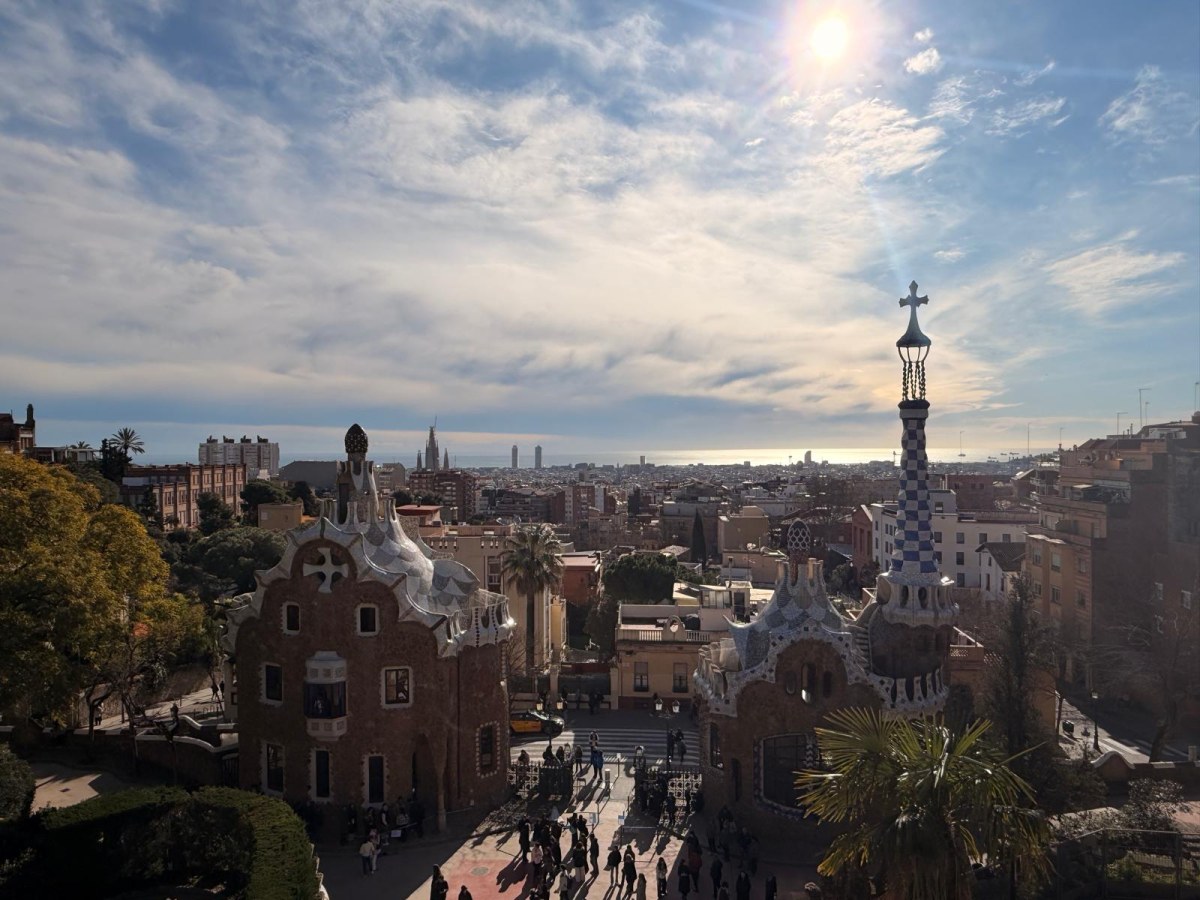
A failed housing development on a hill above Barcelona that became Gaudí’s most playful public space.
Plaza de España, Seville
Landmark
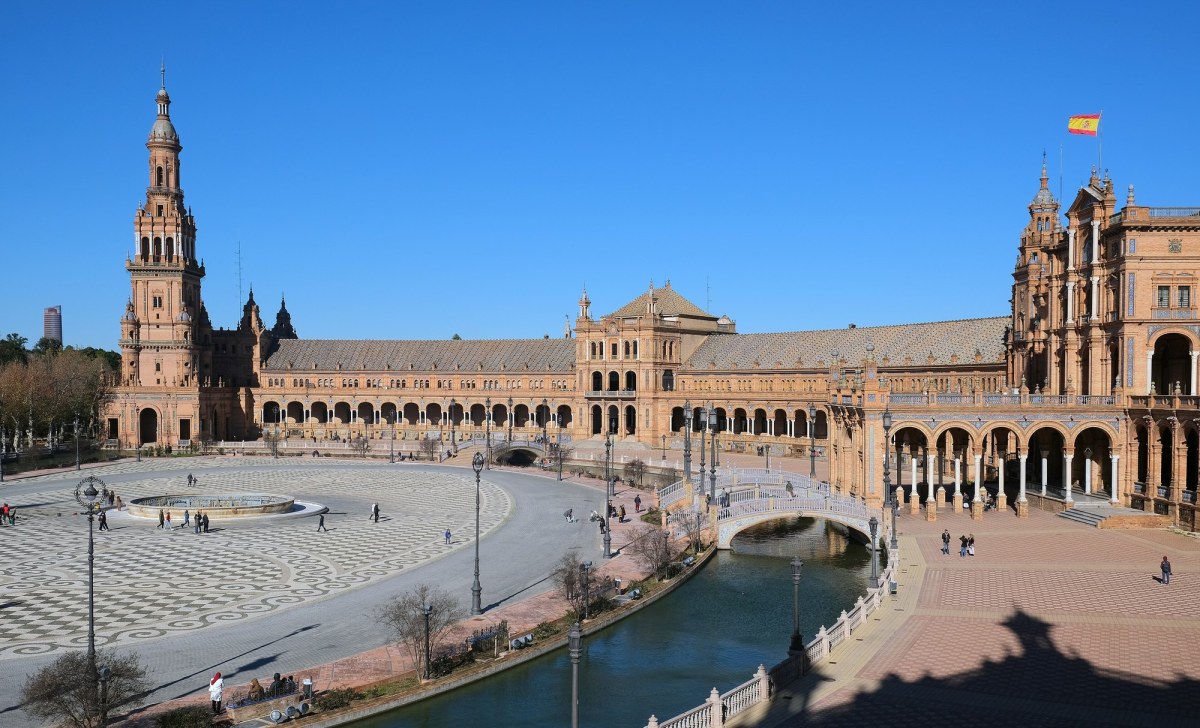
A vast tiled semicircle built for a 1929 exposition, with a canal running round it.
Prado Museum
Landmark
The Spanish royal collection, and one of the few galleries where the holdings of a single painter can be seen almost whole.
Royal Alcázar of Seville
Landmark
The oldest royal palace still in use in Europe, built by Christian kings in a Muslim style.
Sagrada Família
Landmark
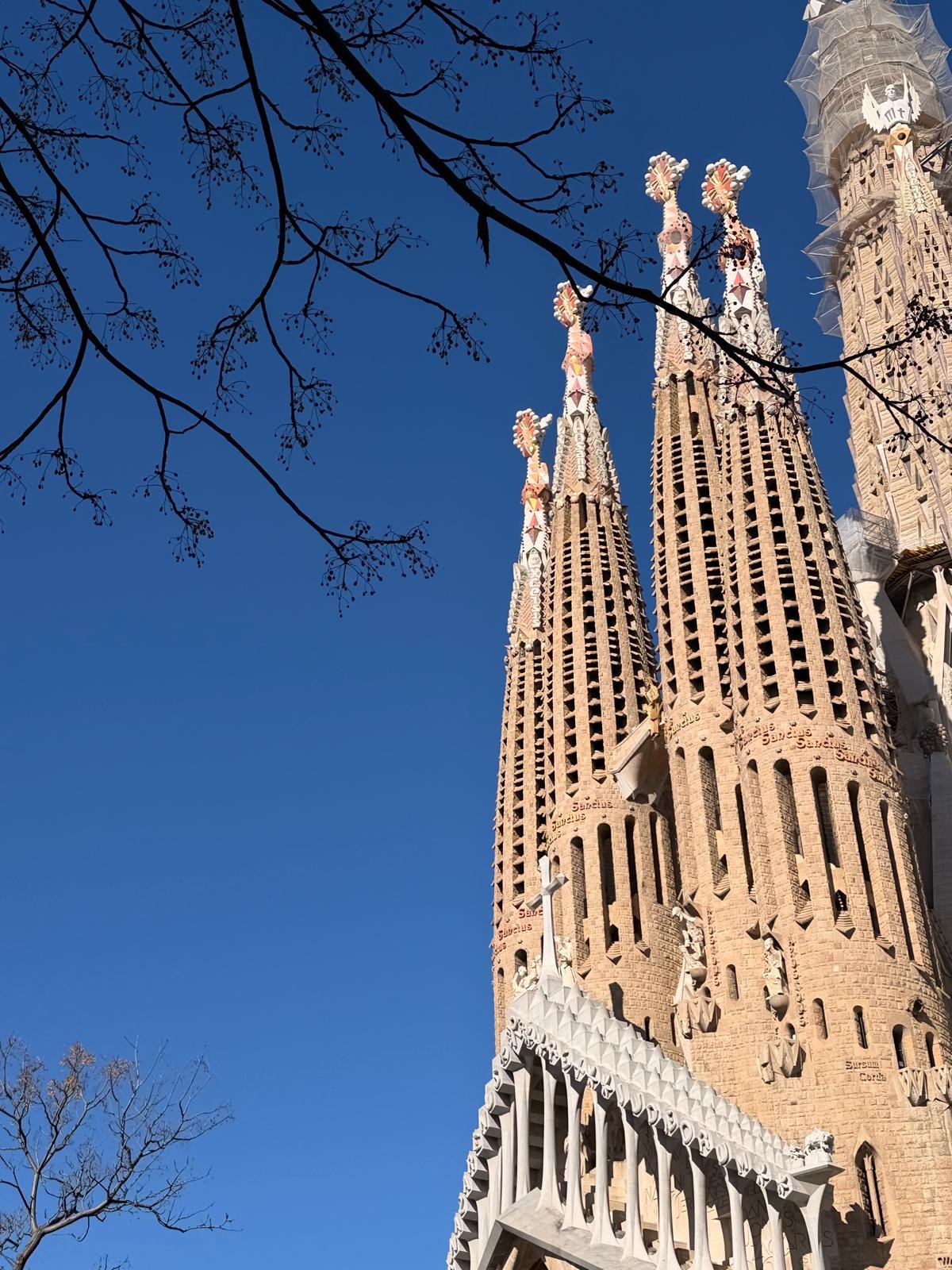
Gaudí’s unfinished basilica, under construction since 1882 and still being built to his design.
Teide National Park
Landmark
A volcanic caldera on Tenerife, with the highest mountain in Spain rising out of it.
Toledo Cathedral
Landmark
A High Gothic cathedral built on the site of a mosque, and one of the richest church interiors in Spain.
Plan the trip
Explore Spain
Start with the regions, then the towns, then the sights worth a detour — each with its own page and its own pin on the map.
Start anywhere and follow the links. The guides and itineraries join these places into routes you can actually travel.
Credit: Europe by Giddo
Giddo in Santander
Story
A grey-green bay in the north of Spain, the beaches at El Sardinero, and the evening the city carried a sardine through the streets in a coffin and set it on fire.
Every place above is on this map. The lists on this page are the same content in the same order.