

Where to stay in Norway
See the hotels and apartments available on Booking.com · This is an affiliate link with our partner. Europe by Giddo may earn a commission from a purchase made through it, at no extra cost to you.
Norway is long, narrow and almost entirely mountainous, with a coastline so folded by fjords and islands that it runs to tens of thousands of kilometres. A third of the country lies above the Arctic Circle.
Our partner
Travel insurance · 5% off for our readers
Get a quoteThe western fjords are the classic destination. The Geirangerfjord and Nærøyfjord are World Heritage sites, walled by cliffs with farms improbably perched on ledges and waterfalls dropping straight into the water. Bergen, the old Hanseatic port, is the usual gateway, with the wooden Bryggen wharf and a funicular to the hills behind it.
The great walks are here too: Preikestolen, the flat rock platform six hundred metres above Lysefjord; Trolltunga, a longer and harder day; and Kjeragbolten, a boulder wedged in a chasm. Jotunheimen national park inland holds the country's highest peaks and the Besseggen ridge.
Oslo, at the head of its own fjord, has the Viking ship finds, the Munch collection, the Fram polar exploration museum and a modern waterfront with an opera house you can walk on the roof of. The Oslo-to-Bergen railway crossing the Hardangervidda plateau, and the Flåm branch line dropping into the fjord, are among the most scenic rail journeys anywhere.
The far north changes the terms. Lofoten's peaks rise straight from the sea above fishing villages and white beaches; Tromsø is the Arctic city and a northern lights base; the North Cape is the mainland's northern edge. The Hurtigruten coastal ferry has connected these places daily for over a century.
Norway is expensive, and self-catering and hut-to-hut walking are how many people manage it. The right of public access allows wild camping on uncultivated land. Summer brings the midnight sun and open mountain roads; winter brings the aurora, and much of the high country closes.
Distances are long and the terrain slows everything, so plan fewer places than you think. Trains, coastal ferries and the Hurtigruten cover the country well, and domestic flights save days when heading north. Oslo and Bergen are the main gateways. Summer opens the mountain roads and brings near-continuous daylight; winter is for the Arctic north and the northern lights.
Common questions
- What is the capital of Norway?
- The capital of Norway is Oslo.
- What currency is used in Norway?
- Norway uses the Norwegian krone (NOK).
- What language is spoken in Norway?
- The official language is Norwegian.
- When is the best time to visit Norway?
- Milder on the coast than the latitude suggests; midnight sun in the far north in summer, polar night in winter.
- Which side of the road do you drive on in Norway?
- In Norway you drive on the right.
- What plug sockets are used in Norway?
- Norway uses type C, F sockets.
- What is the dialling code for Norway?
- The international dialling code for Norway is +47.
Partner
Inside Norway
Regions
10 to explore
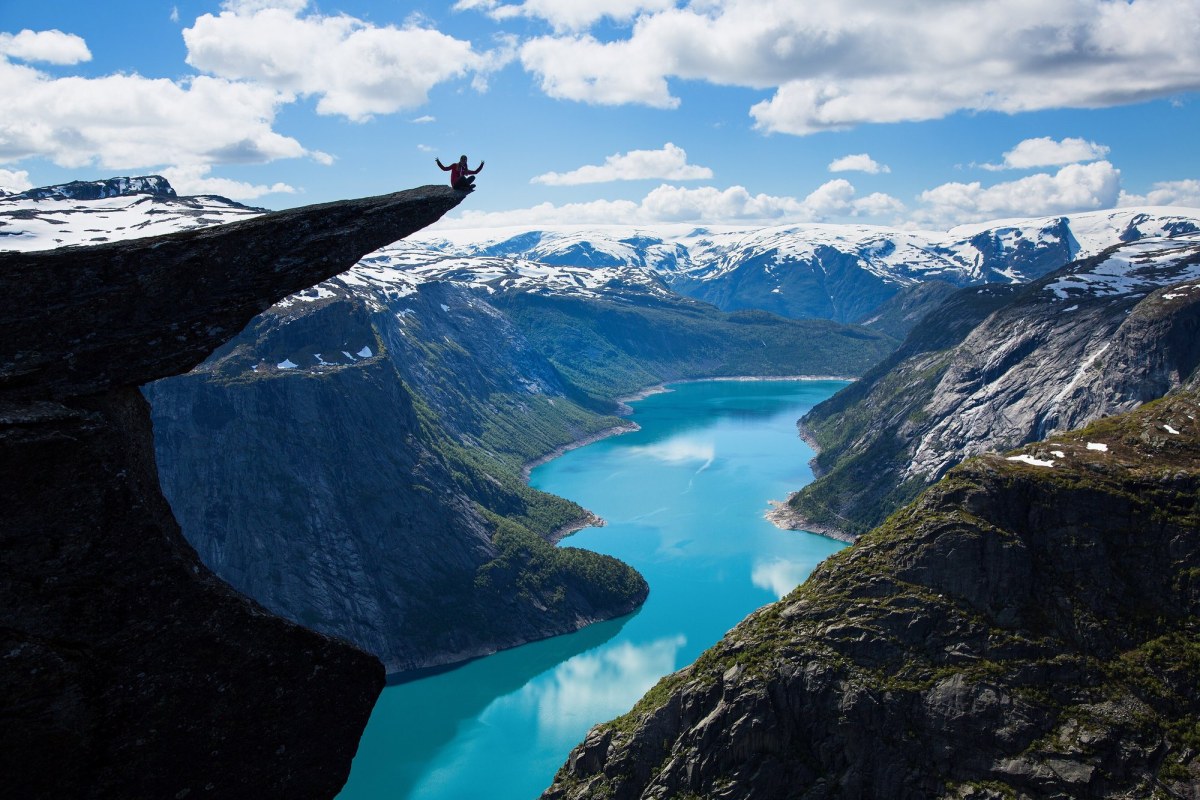
Hardanger
Region
A fjord lined with orchards, with a glacier plateau above and a rock shelf everyone photographs.
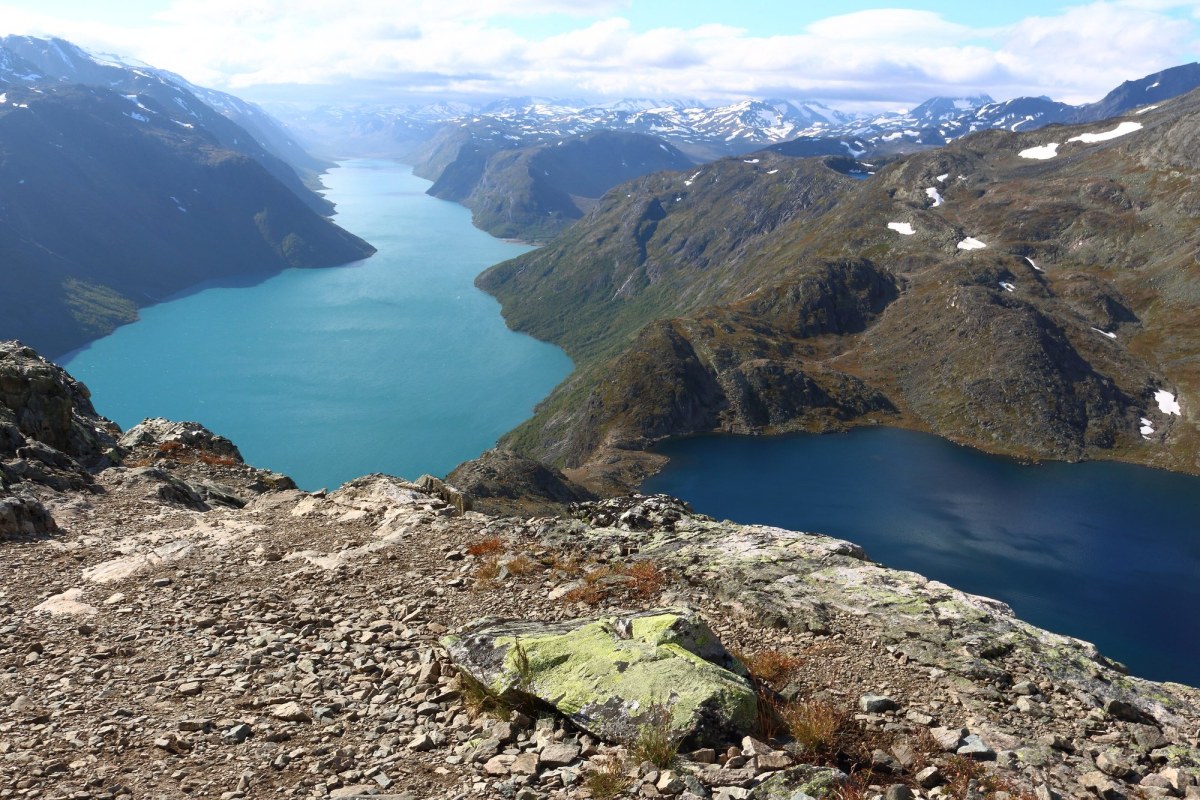
Jotunheimen
Region
The home of the giants: the highest mountains in northern Europe, and the best-known ridge walk in the country.
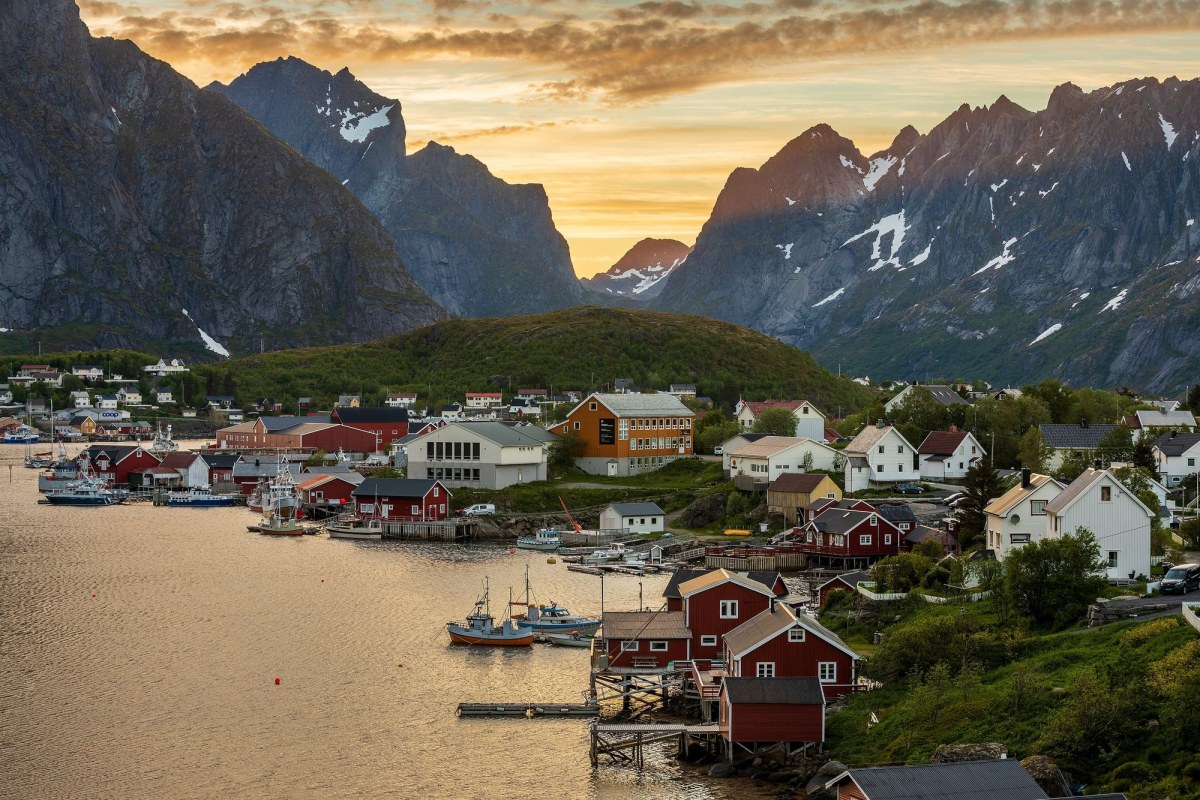
Lofoten
Region
A chain of sharp granite islands above the Arctic Circle, joined by bridges and built on cod.
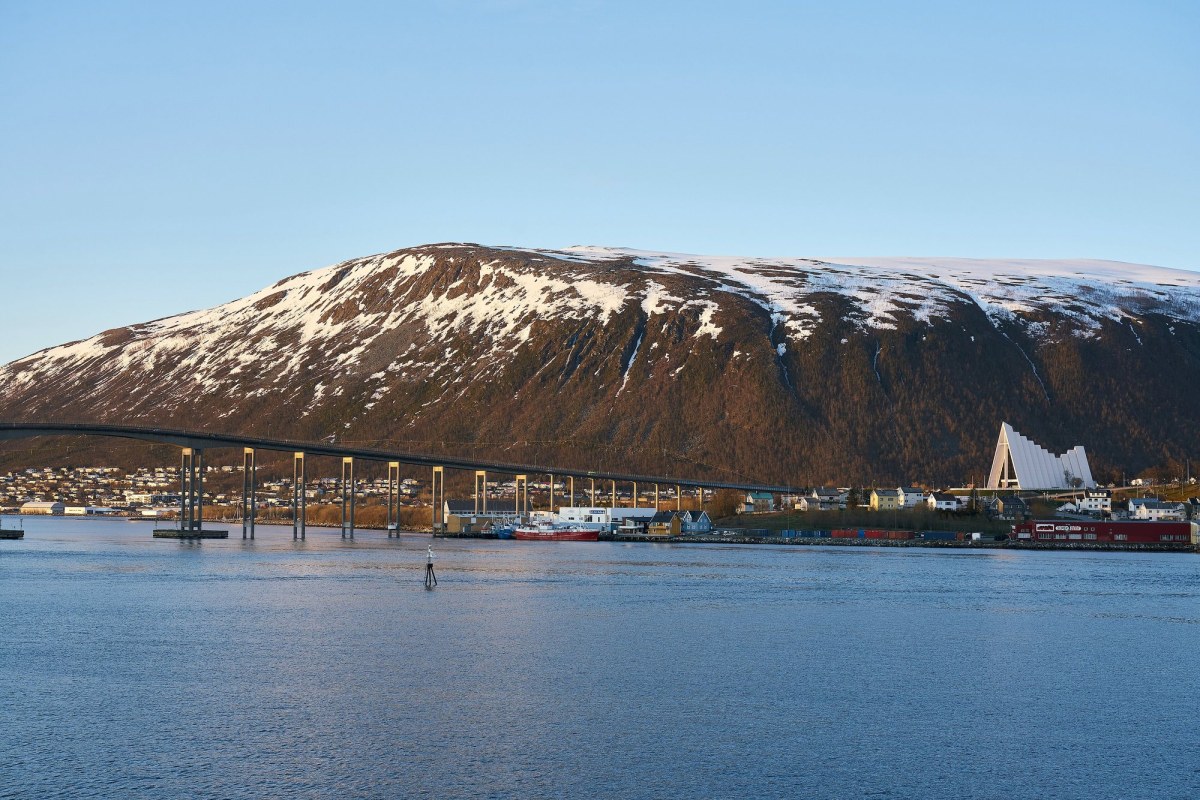
Northern Norway
Region
The Arctic third of the country: Sámi land, the aurora, and a coast served by working ships.
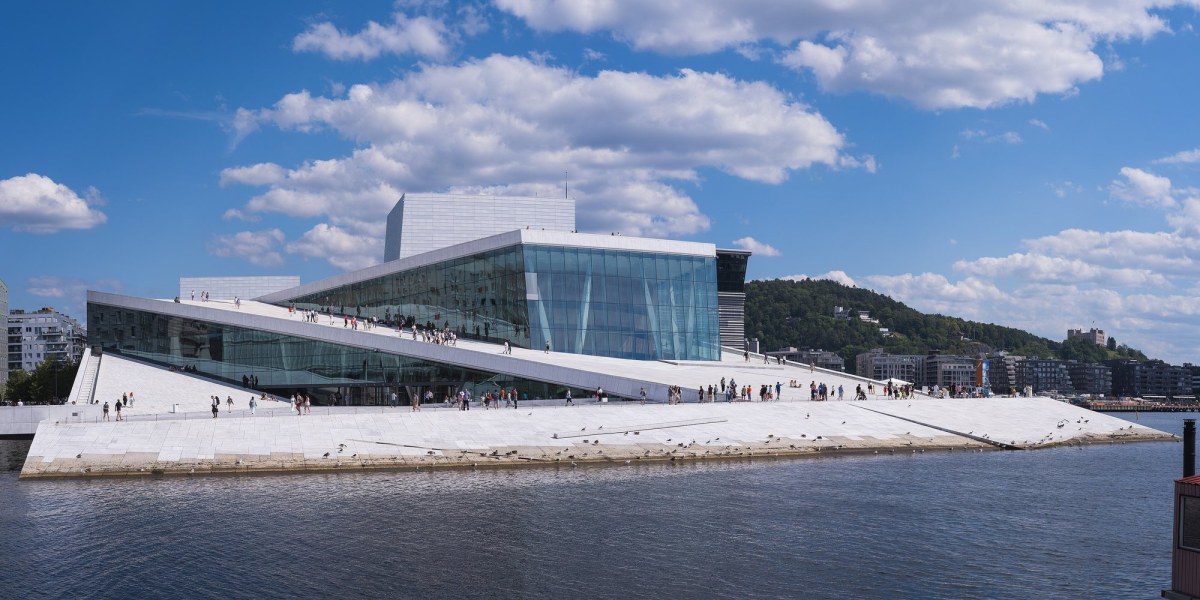
Oslo and the East
Region
The populous inland third: the capital, long lakes, forests and the ski country.
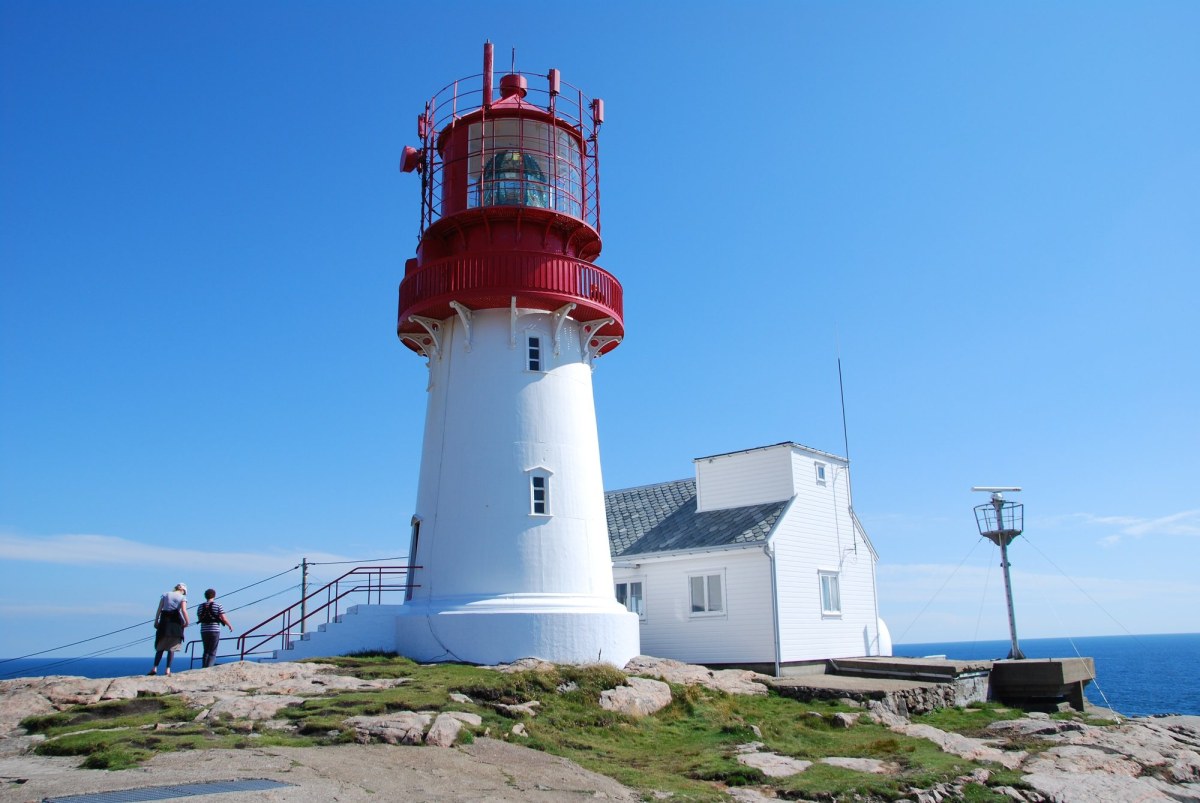
Sørlandet
Region
The south coast: white wooden towns, sheltered skerries and the country’s summer holiday.
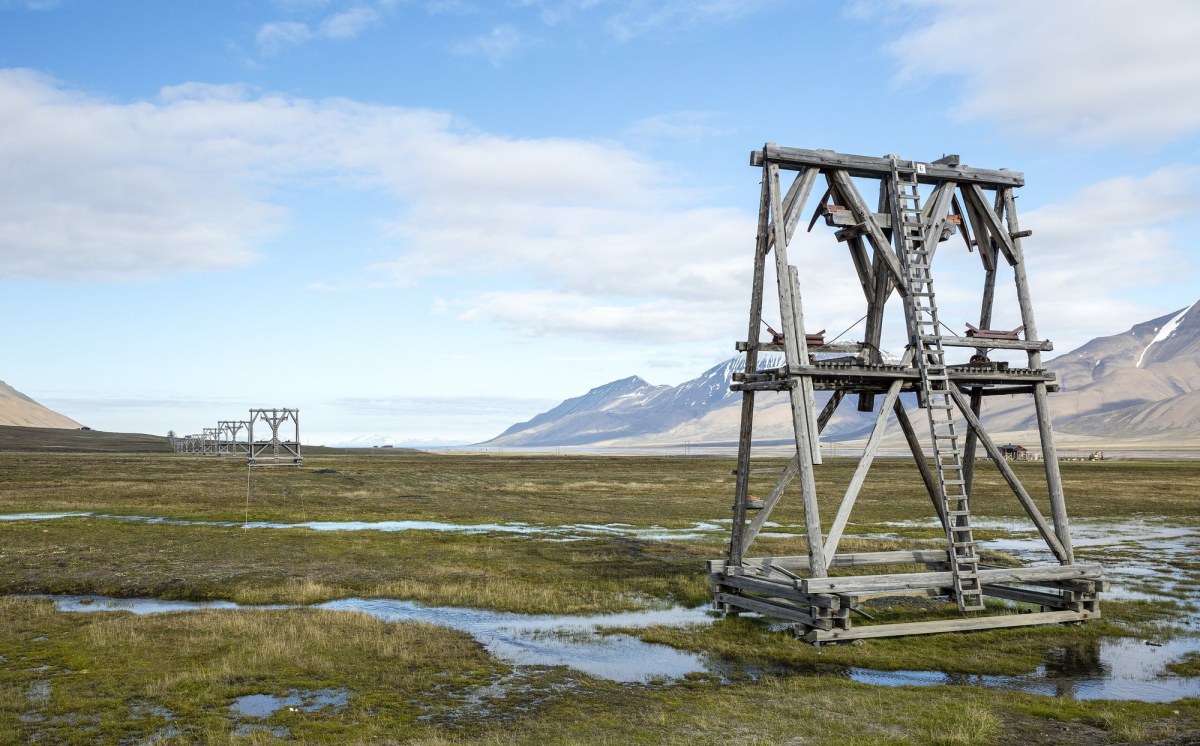
Svalbard
Region
A high Arctic archipelago under Norwegian sovereignty with an unusual treaty and more polar bears than people.
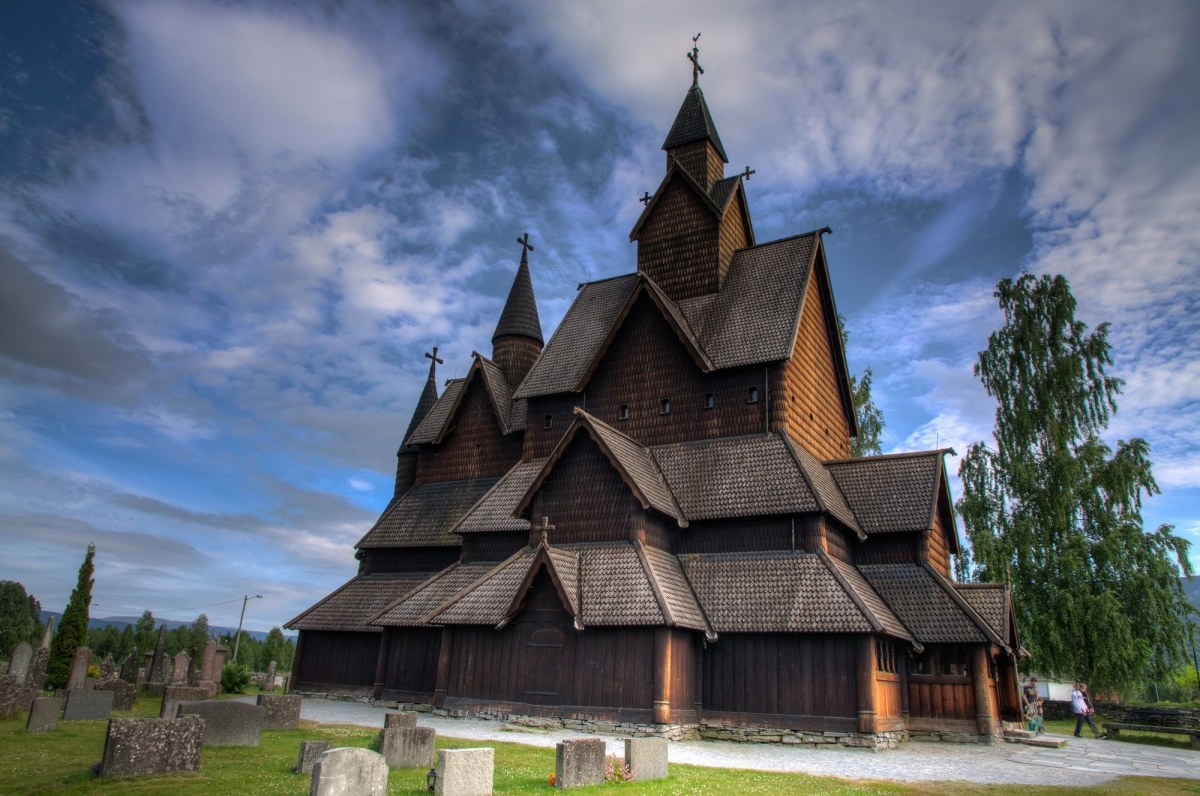
Telemark
Region
Inland valleys where skiing was invented, with a canal of stair-step locks and a great stave church.
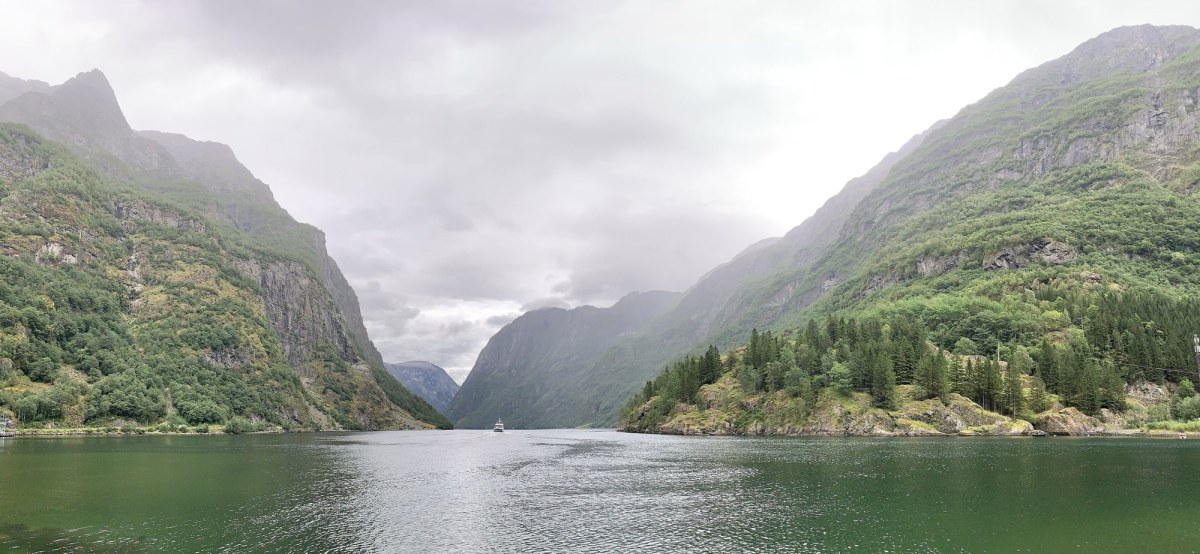
The Western Fjords
Region
Sea inlets cut deep into the mountains, with waterfalls, ferries and roads that climb in loops.
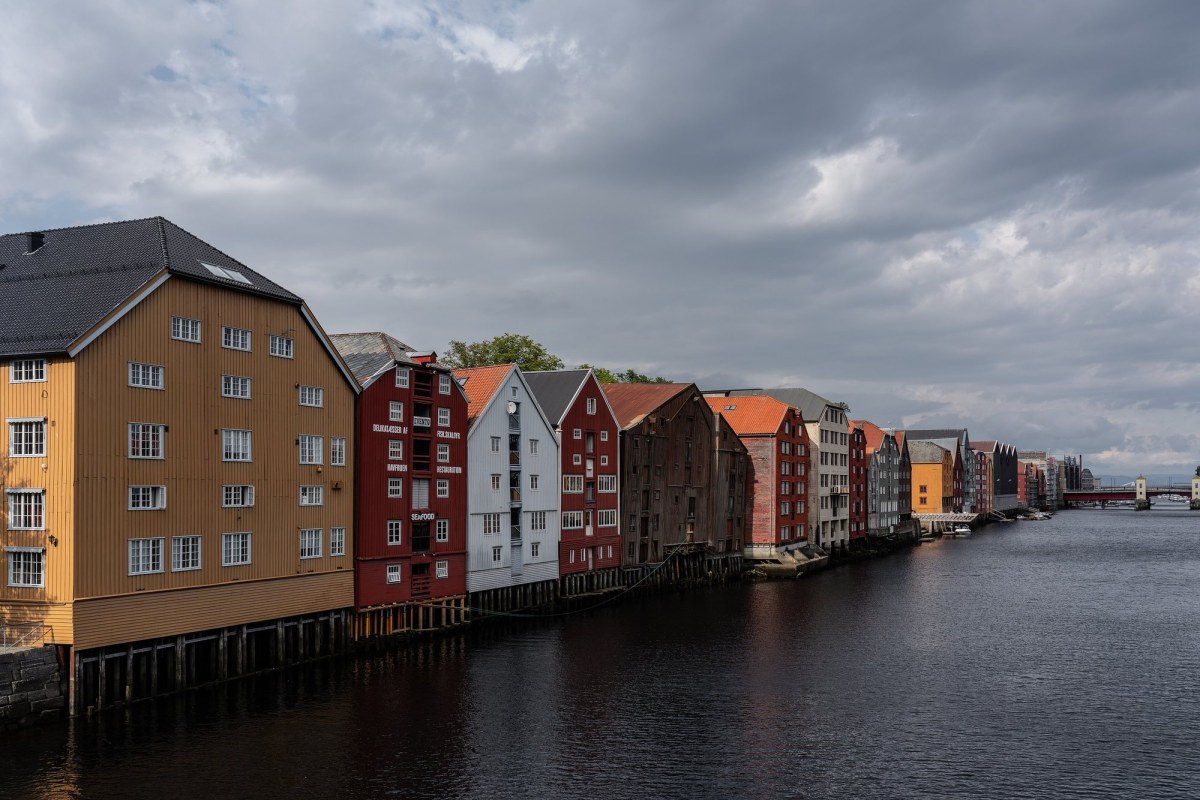
Trøndelag
Region
The old heart of the kingdom: a cathedral city, farm country and a coast of small islands.
Inside Norway
Towns and cities
12 to explore
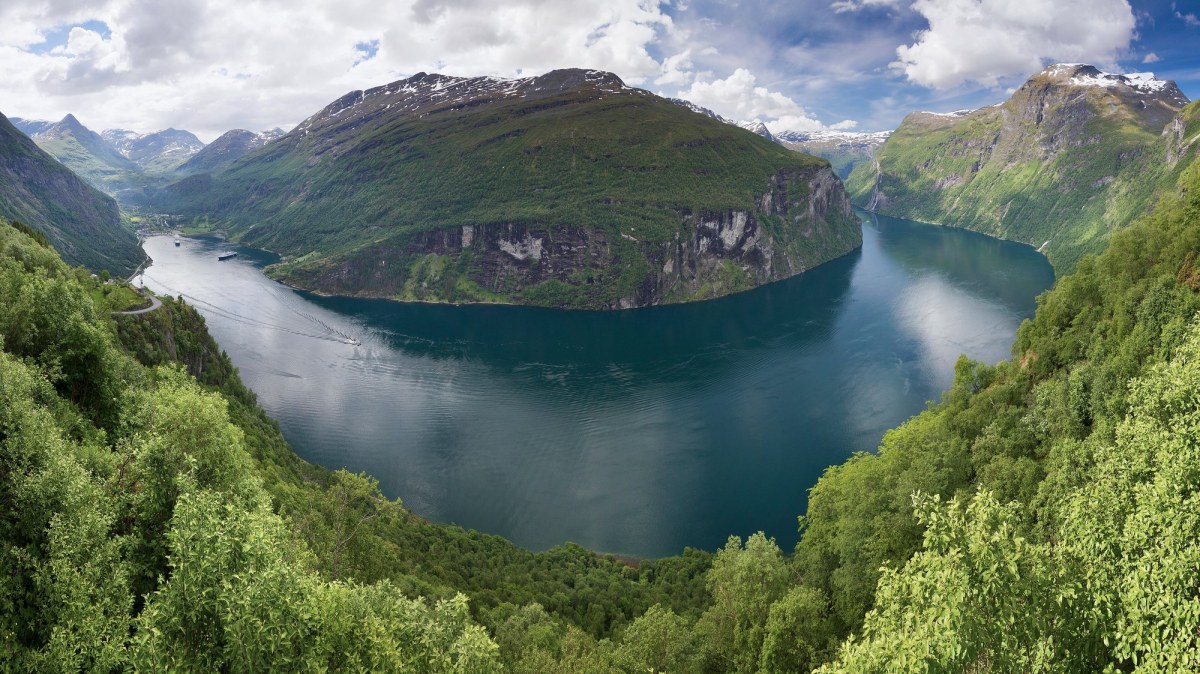
Ålesund
Town or city
A fishing town rebuilt entirely in art nouveau after a fire, spread over islands between the sea and the fjords.
Bergen
Town or city
A Hanseatic port between seven mountains, with a wooden wharf and a great deal of rain.
Bodø
Town or city
An Arctic town rebuilt after wartime bombing, beside one of the strongest tidal currents in the world.
Flåm
Town or city
A village at the end of a narrow fjord arm, and the bottom of one of the steepest railways in the world.
Kristiansand
Town or city
The town on the south coast where Norwegians take their summer holiday, with ferries to Denmark.
Lillehammer
Town or city
A winter-sports town at the head of the country’s largest lake, with a great open-air museum.
Longyearbyen
Town or city
The main settlement on Svalbard: a former coal town in the high Arctic where leaving the edge of town means carrying a rifle.
Oslo
Town or city
A capital at the head of its fjord with forest at its back and a great deal of new architecture on the water.
Stavanger
Town or city
An oil capital with a preserved quarter of white wooden houses and a fjord with a famous cliff.
Tromsø
Town or city
The largest town in the Arctic north, with a university, a cathedral of concrete triangles and the aurora overhead.
Inside Norway
Landmarks
12 to explore
Atlantic Road
Landmark
A road that hops between skerries on eight bridges, taking the weather head-on.
Borgund Stave Church
Landmark
The best-preserved stave church in Norway, timber-built and shingled, with dragon heads on the gables.
Bryggen
Landmark
The Hanseatic wharf at Bergen, burned and rebuilt on the same plan for six centuries.
Flåm Railway
Landmark
A branch line that climbs from a fjord to a mountain plateau on friction alone.
Geirangerfjord
Landmark
A narrow World Heritage fjord with waterfalls off both walls and abandoned farms on the ledges.
Holmenkollen
Landmark
A ski jump above Oslo that has been rebuilt many times and is visible from most of the city.
Lofotr Viking Museum
Landmark
A reconstructed chieftain’s longhouse on the site where the largest one yet found was excavated.
Nidaros Cathedral
Landmark
The northernmost medieval cathedral in the world, built over the grave of St Olav.
Nordkapp
Landmark
The cliff traditionally treated as the top of Europe, with a globe on the plateau and an argument about the geography.
Preikestolen
Landmark
A flat rock platform standing clear above the Lysefjord, reached on foot in a few hours.
Vigeland Sculpture Park
Landmark
A public park filled with the work of one sculptor, all of it human figures.
Plan the trip
Explore Norway
Start with the regions, then the towns, then the sights worth a detour — each with its own page and its own pin on the map.
Start anywhere and follow the links. The guides and itineraries join these places into routes you can actually travel.
Credit: Europe by Giddo
Six days in Norway
Itinerary
Oslo to Bergen in six days: Vigeland’s sculptures, the Holmenkollen ski jump, a stave church on the old road west, the railway down to Flåm, and a day out to Trolltunga.
Giddo in Bergen
Story
A portrait of the Hanseatic port between seven mountains — the wharf that keeps rebuilding itself after fire, the harbour market, Grieg’s house outside town, and the gateway to Norway’s fjords.
Every place above is on this map. The lists on this page are the same content in the same order.