

Where to stay in Italy
See the hotels and apartments available on Booking.com · This is an affiliate link with our partner. Europe by Giddo may earn a commission from a purchase made through it, at no extra cost to you.
Italy is the country most first-time visitors to Europe want to see, and it earns that. The layers here are extraordinary: Greek temples in Sicily, Roman roads and forums, Byzantine mosaics, Renaissance painting, Baroque churches and modern design, often within a few streets of one another.
Our partner
Travel insurance · 5% off for our readers
Get a quoteRome holds the Colosseum, the Roman Forum, the Pantheon and, inside it, the separate state of Vatican City with St Peter's Basilica and the Sistine Chapel. Florence is the compact heart of the Renaissance — the Uffizi, the Duomo, the Ponte Vecchio — and the gateway to the hill towns of Tuscany, among them Siena and San Gimignano. Venice is built on a lagoon and has no equivalent anywhere: the Grand Canal, St Mark's Basilica, and a hundred quieter islands and back canals.
The north is greener and more Alpine than people expect. Lakes Como, Garda and Maggiore sit under mountains; the Dolomites give some of the most dramatic rock scenery in Europe; Milan is the design and fashion capital; Bologna, Parma and Modena form a stretch of Emilia-Romagna that Italians themselves travel to for the food.
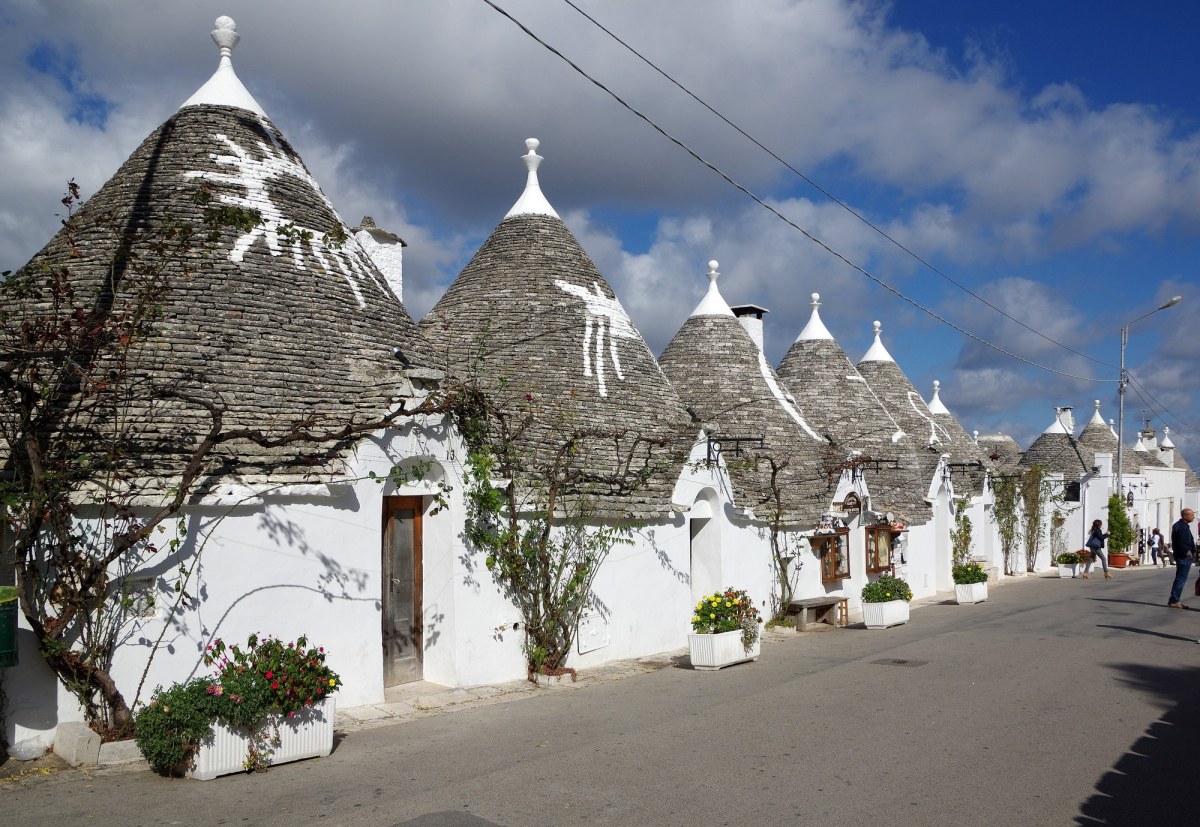
South of Naples the country changes again. Pompeii and Herculaneum were preserved by Vesuvius. The Amalfi Coast stacks pastel towns above the sea. Puglia, in the heel, has whitewashed towns, olive groves and the conical trulli houses of Alberobello. Matera in Basilicata is a city carved into a ravine.
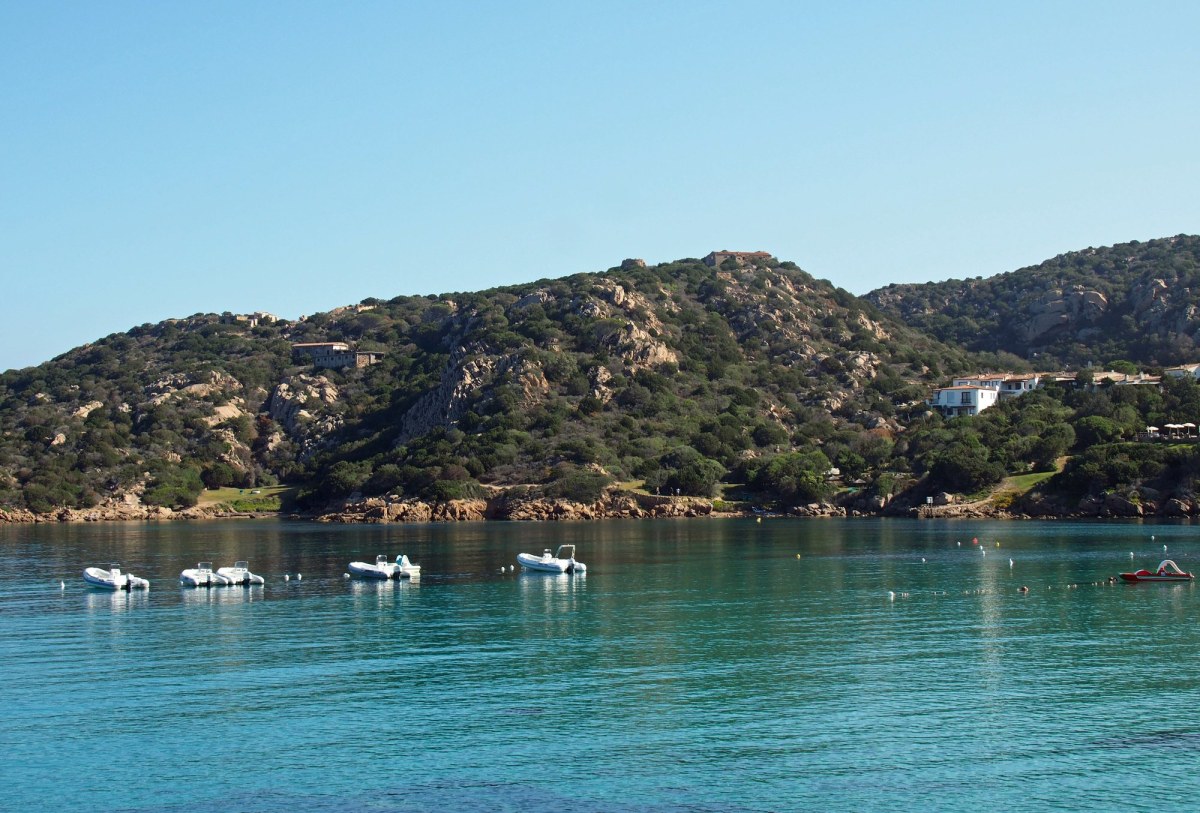
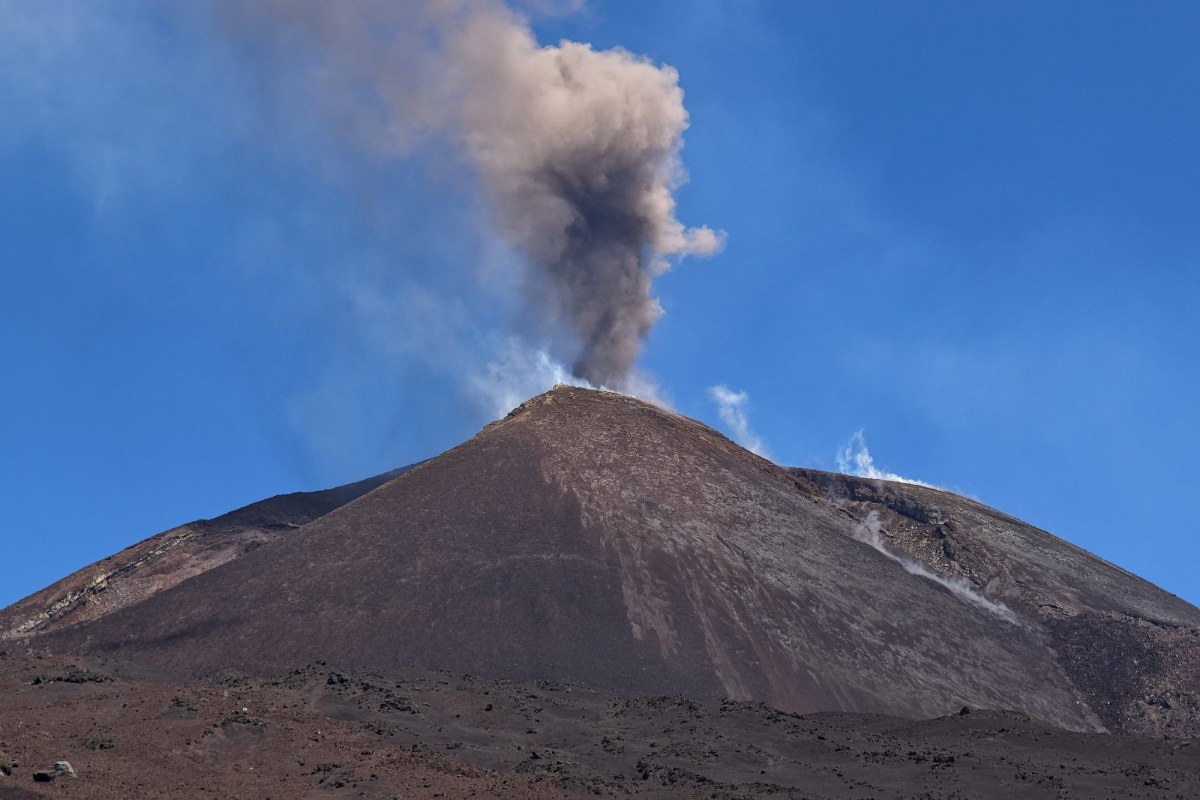
The islands are countries of their own. Sicily combines Greek temples at Agrigento, Norman-Arab architecture in Palermo and the active volcano of Etna. Sardinia has some of the clearest water in the Mediterranean and an interior of stone-age towers.
Italian is the language, regional identity is strong, and the food changes every hundred kilometres. Spring and autumn are the most comfortable seasons for the cities; summer belongs to the coasts and the mountains.
Fast trains link Turin, Milan, Venice, Florence, Rome and Naples efficiently, and regional lines fill in most of the rest; the hill towns, Puglia and the islands are much easier with a car. Ferries reach Sardinia, Sicily and Greece. Italy is busy: booking the major museums and the Amalfi and Cinque Terre accommodation well ahead makes a real difference in summer.
Common questions
- What is the capital of Italy?
- The capital of Italy is Rome.
- What currency is used in Italy?
- Italy uses the Euro (EUR).
- What language is spoken in Italy?
- The official language is Italian.
- When is the best time to visit Italy?
- Mediterranean in the south and on the coasts; alpine winters in the north.
- Which side of the road do you drive on in Italy?
- In Italy you drive on the right.
- What plug sockets are used in Italy?
- Italy uses type C, F, L sockets.
- What is the dialling code for Italy?
- The international dialling code for Italy is +39.
Partner
Inside Italy
Regions
9 to explore
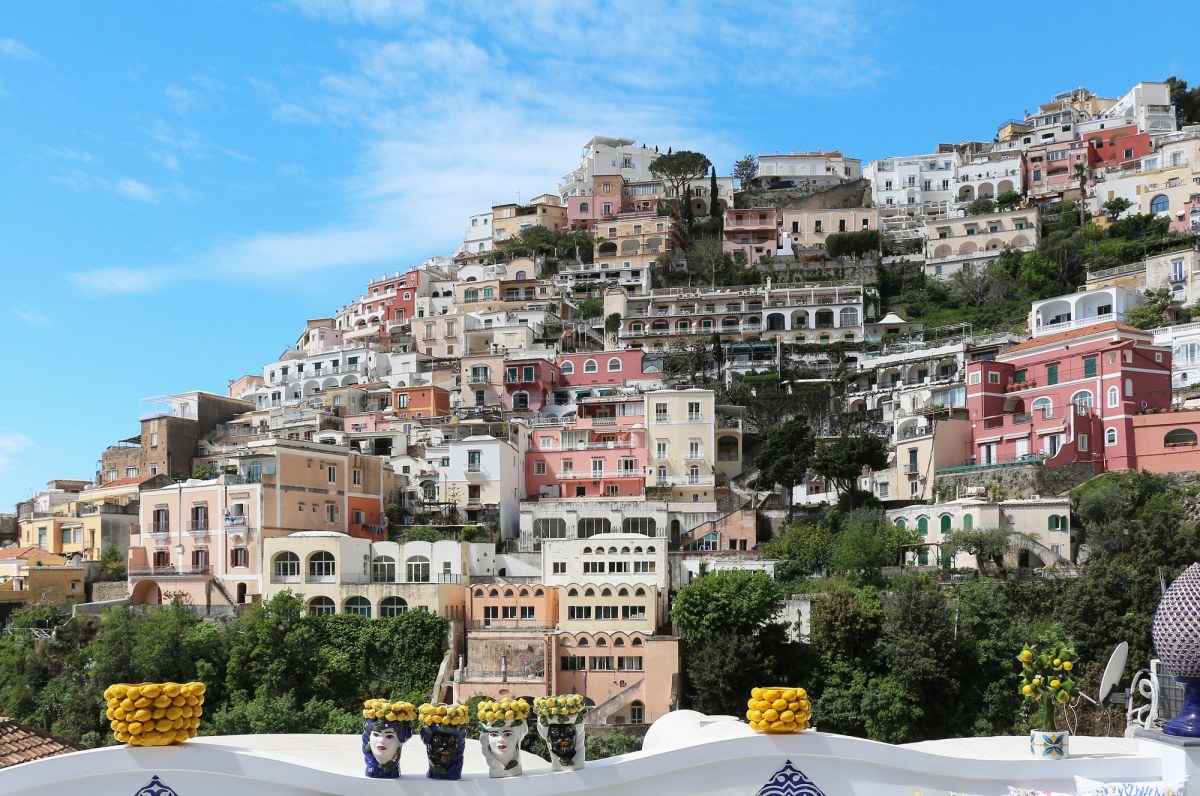
Campania
Region
Naples, a live volcano, the cities it buried, and a coastline of cliffs and terraced villages.
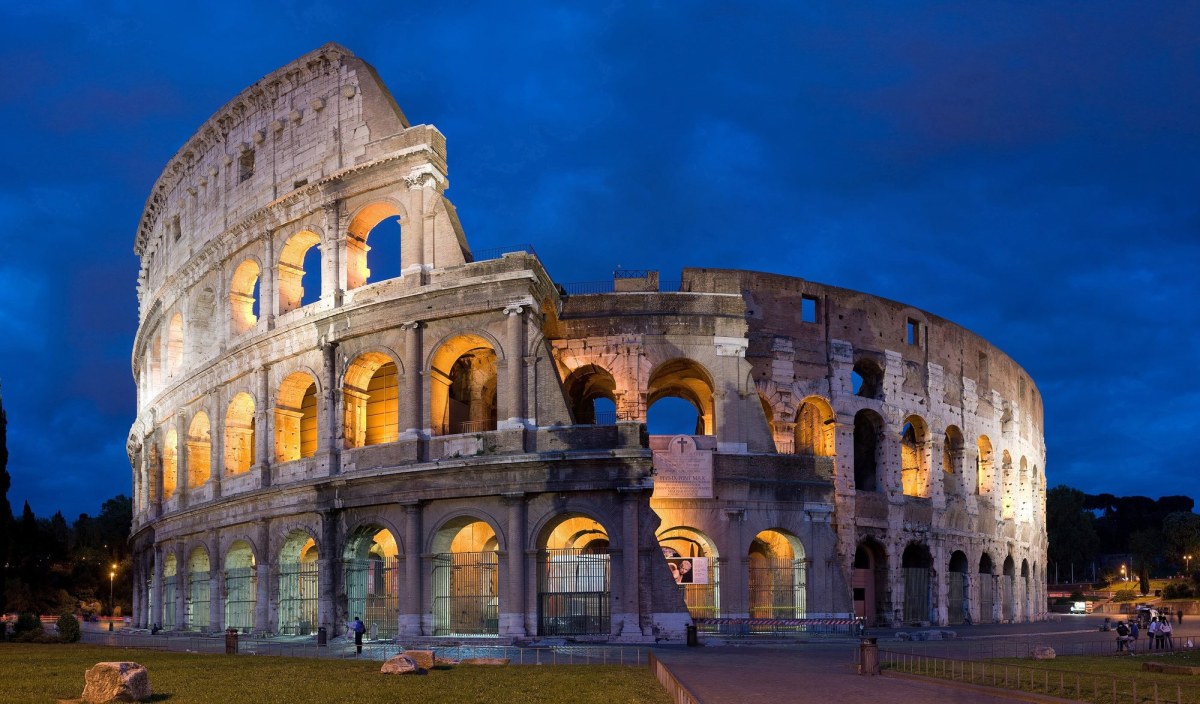
Lazio
Region
The region around Rome, where the city’s aqueducts, ports and hill retreats are still standing in the countryside.
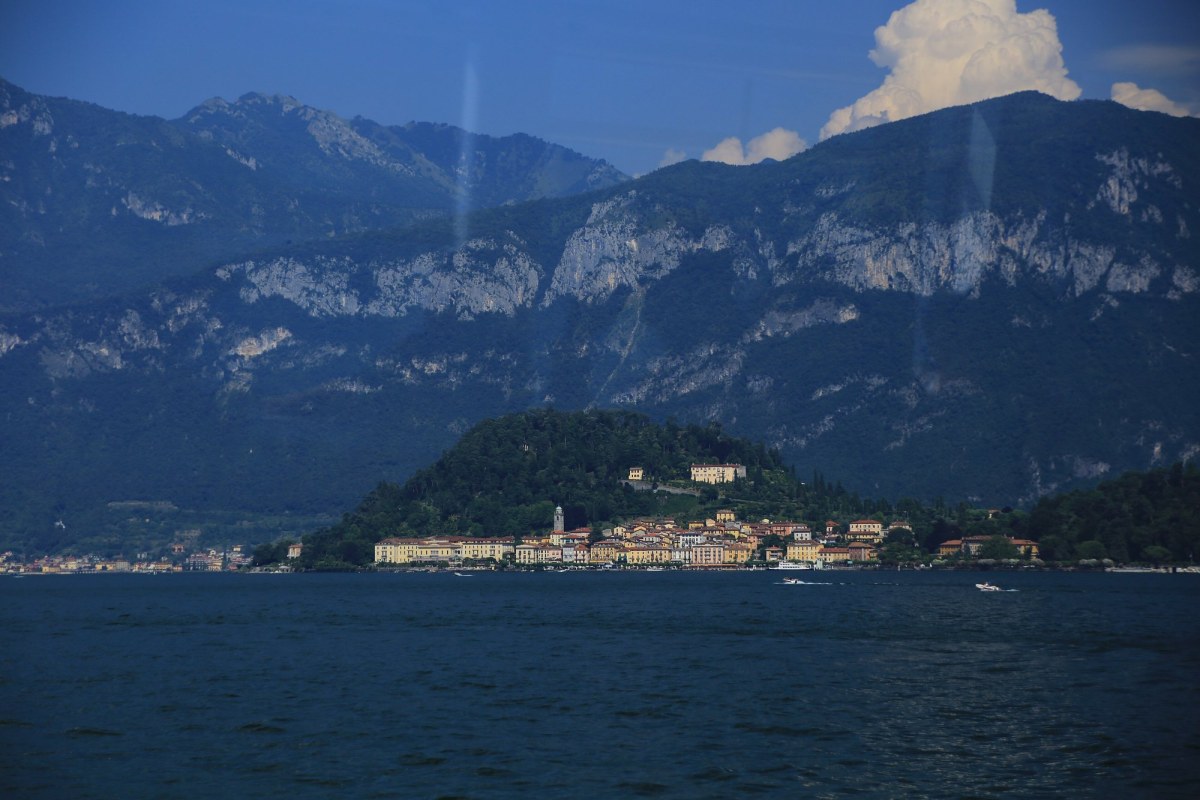
Lombardy
Region
Italy’s industrial and financial engine in the north, with alpine lakes along its upper edge and art cities on the plain.
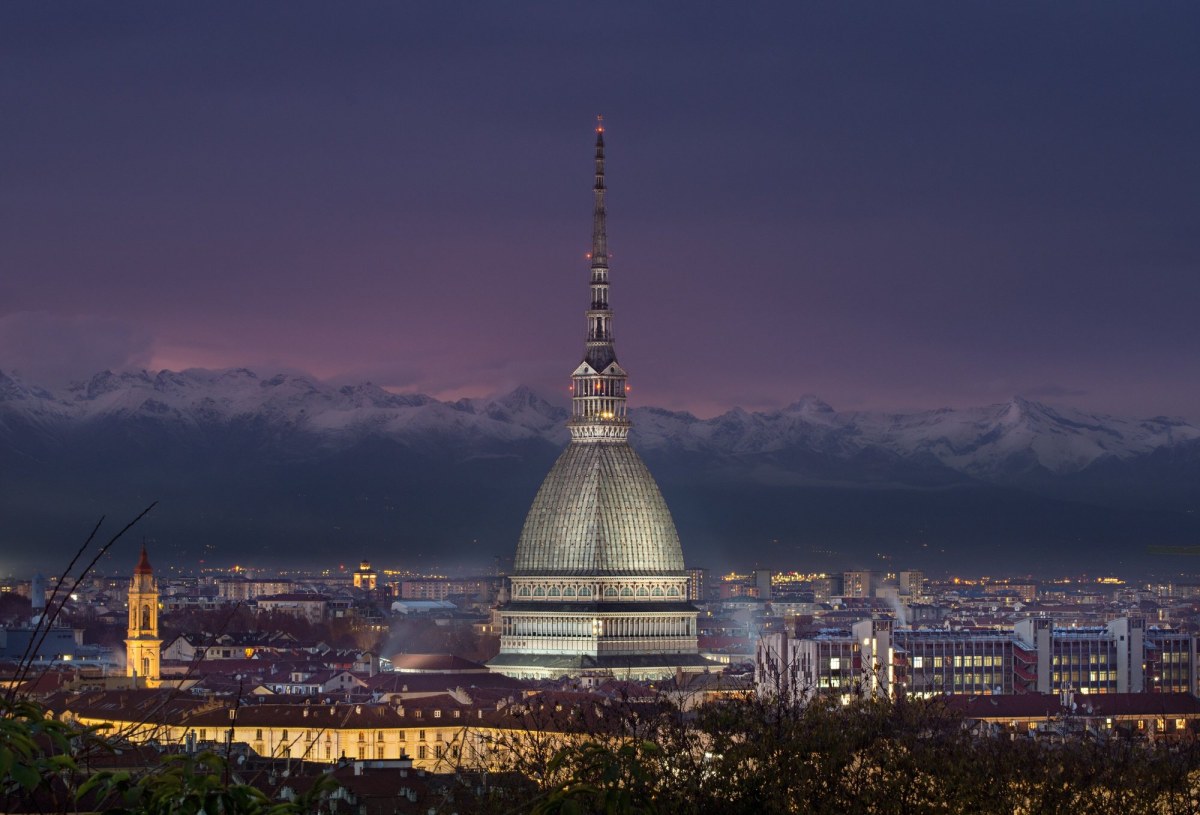
Piedmont
Region
At the foot of the Alps in the north-west: Turin, the Barolo hills, white truffles and Italy’s slow-food movement.
Puglia
Region
The heel of Italy: whitewashed towns, olive groves, two coasts and the conical stone houses that exist only here.
Sardinia
Region
An island with clear water and empty beaches on the edges, and a stone-age civilisation in the interior that exists nowhere else.
Sicily
Region
The largest island in the Mediterranean, layered with Greek, Arab, Norman and Spanish building, under an active volcano.
Tuscany
Region
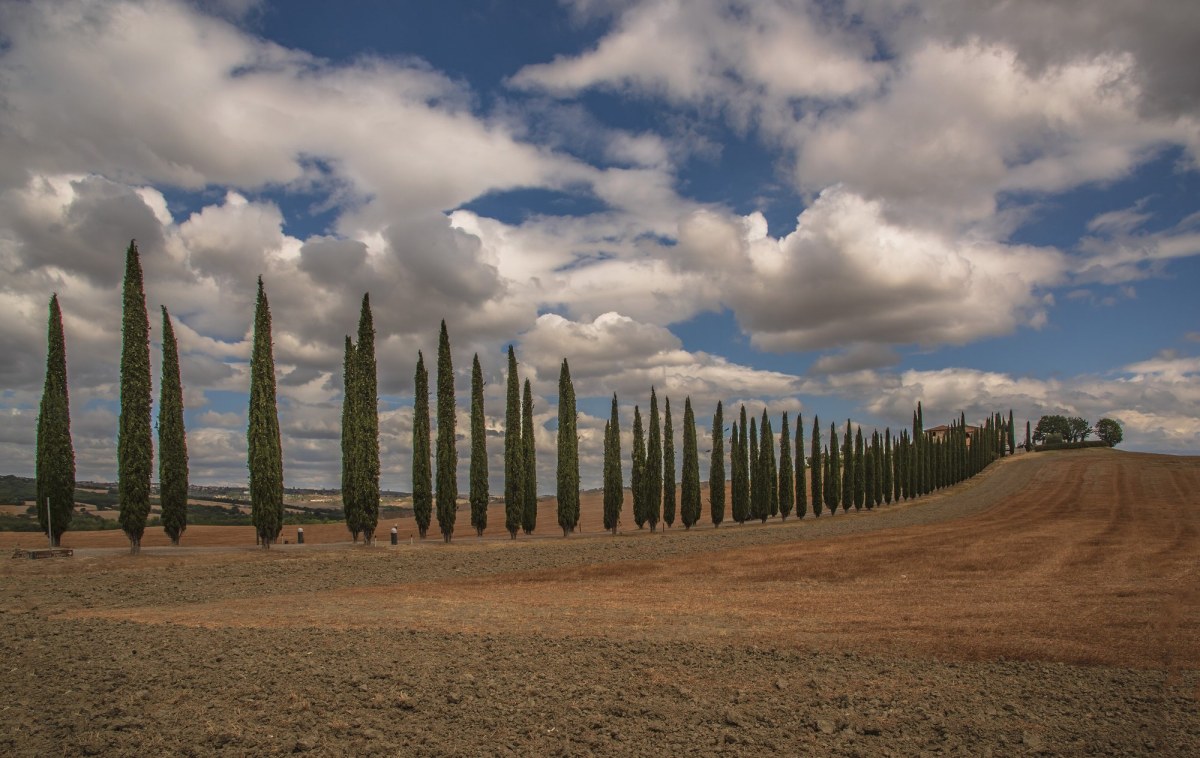
Hill towns, cypress ridges and the cities where the Renaissance was paid for, in the middle of the Italian peninsula.
Veneto
Region
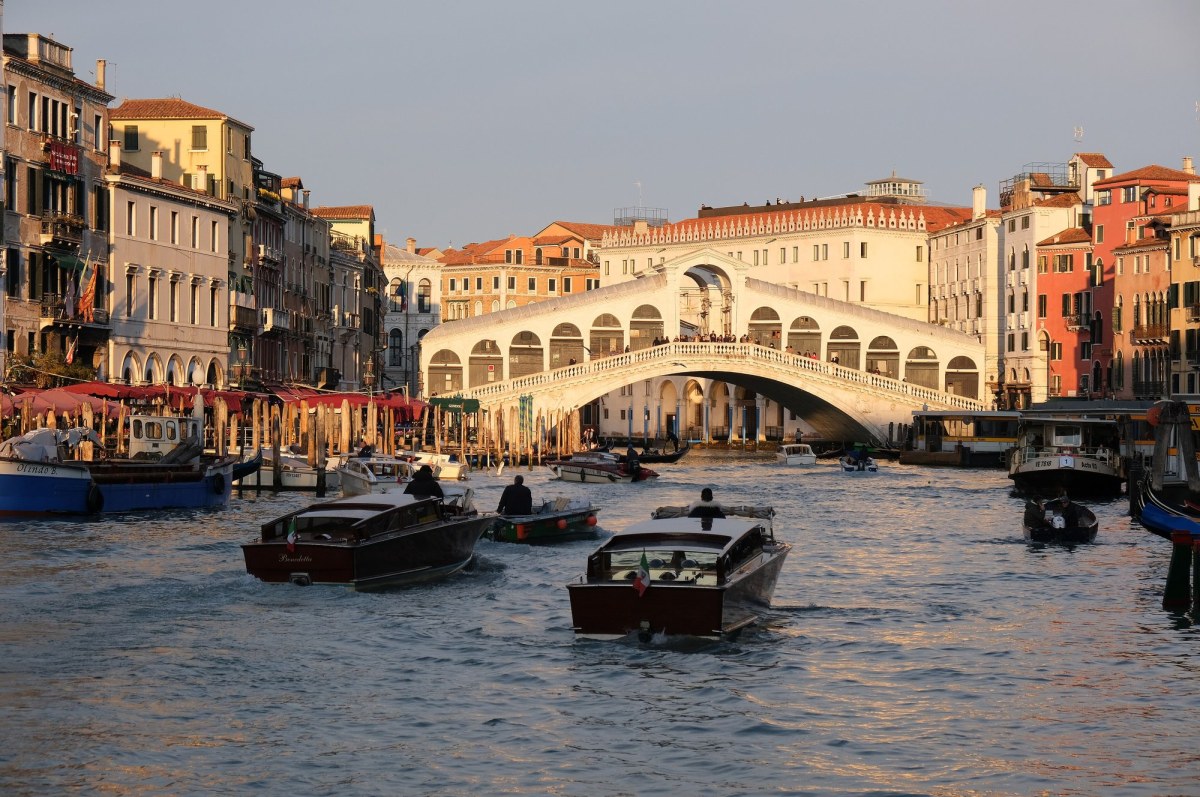
From the lagoon at Venice across the plain to the Dolomites, with Palladio’s villas and Verona in between.
Inside Italy
Towns and cities
11 to explore
Amalfi
Town or city
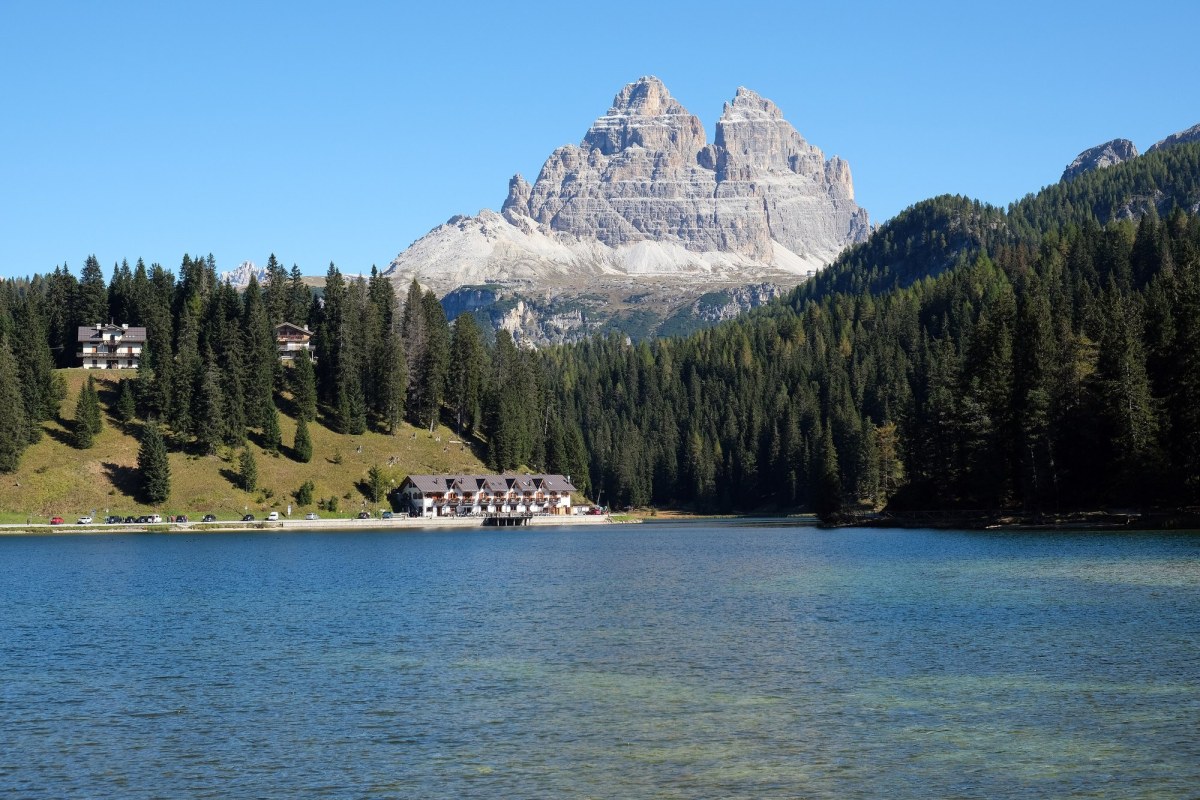
A small town wedged into a ravine on the coast that carries its name, and once the seat of a serious maritime republic.
Bologna
Town or city
Forty kilometres of arcades, the oldest university in the western world, and a food tradition that defines much of what people mean by Italian cooking.
Florence
Town or city
A compact city that holds an improbable share of Renaissance art, walkable end to end in half an hour.
Milan
Town or city
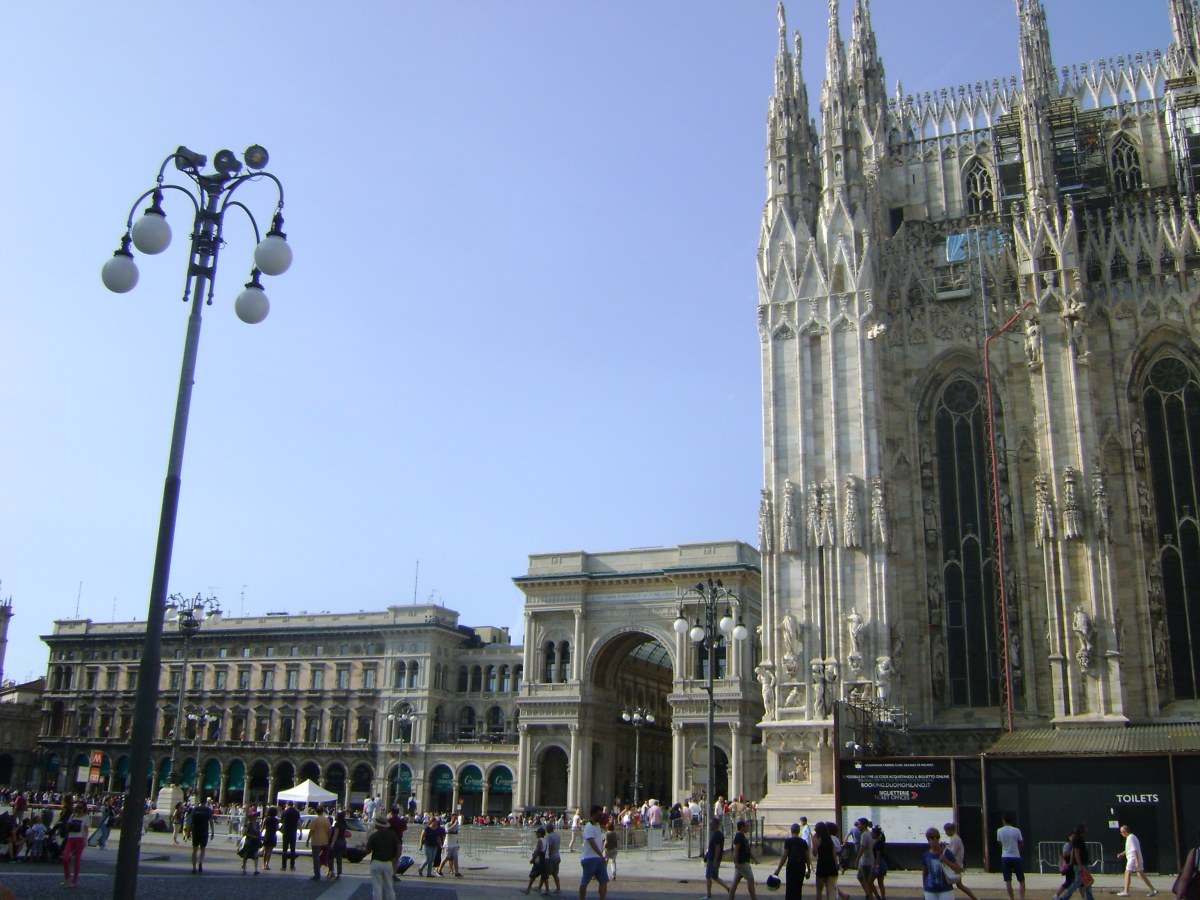
Italy’s business and design capital, with a marble cathedral of extraordinary intricacy at its centre.
Naples
Town or city
Dense, loud and Greek in origin, with the best archaeological museum in Italy and the pizza everywhere else is copying.
Palermo
Town or city
Sicily’s capital, where Norman kings built churches with Arab arches and Byzantine mosaics in the same room.
Rome
Town or city
A capital where three thousand years of building sit on top of one another, and the ordinary streets are as layered as the monuments.
Siena
Town or city
A medieval hill town almost unchanged since the fourteenth century, built around a sloping shell-shaped square.
Turin
Town or city
Italy’s first capital, laid out in arcaded avenues under the Alps, with an Egyptian collection second only to Cairo.
Venice
Town or city
A city built on wooden piles across a lagoon, with canals instead of roads and no cars at all.
Verona
Town or city
A Roman city on a bend of the Adige, with an arena still used for opera and a balcony that has nothing to do with Shakespeare.
Inside Italy
Landmarks
11 to explore
Amalfi Coast
Landmark
Forty kilometres of cliff road with villages stacked above and below it, between Sorrento and Salerno.
Cinque Terre
Landmark
Five villages on a steep stretch of Ligurian coast, linked by footpaths, a railway and terraces cut into the cliffs.
Colosseum
Landmark
The largest amphitheatre ever built by the Romans, opened in AD 80 and still the model for how a stadium works.
Grand Canal
Landmark
The main waterway through Venice, lined with several hundred palaces and crossed by four bridges.
Lake Como
Landmark
A Y-shaped glacial lake under the Alps, with villa gardens along the shore and mountains dropping straight into deep water.
Leaning Tower of Pisa
Landmark
A bell tower that began to lean while it was being built, on a green beside a cathedral and a baptistery.
Milan Cathedral
Landmark
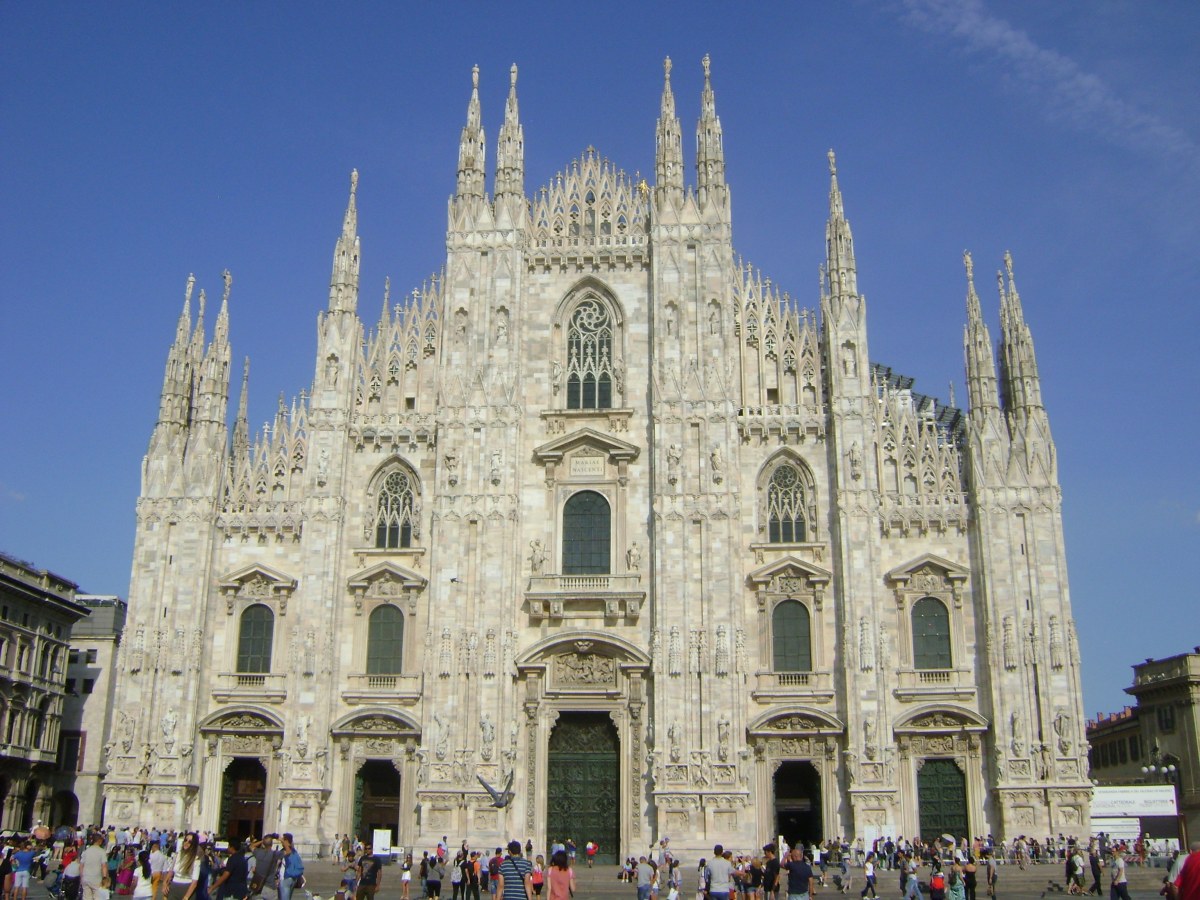
A Gothic cathedral in white marble that took most of six centuries, with roof terraces open to walk among the spires.
Pantheon
Landmark
A Roman temple with the largest unreinforced concrete dome ever built, open to the sky at its centre and standing complete.
Pompeii
Landmark
A Roman town buried by Vesuvius in AD 79 and dug out largely intact, street plan and all.
St Peter's Basilica
Landmark
The church at the centre of Vatican City, with a dome by Michelangelo and a square by Bernini.
Uffizi Gallery
Landmark
The Medici collection in a purpose-built sixteenth-century office block, holding the core of Renaissance painting.
Plan the trip
Explore Italy
Start with the regions, then the towns, then the sights worth a detour — each with its own page and its own pin on the map.
Start anywhere and follow the links. The guides and itineraries join these places into routes you can actually travel.
Credit: Europe by Giddo
Seven days in Italy
Itinerary
Rome to Venice in a week: the ancient centre and the Vatican, Naples and Pompeii, the Amalfi Coast, Florence and Siena, and the tower at Pisa before the road turns north-east to the lagoon.
Giddo in Rome
Story
A portrait of the capital where ancient temples, a concrete dome open to the sky, and a basilica across the river sit inside one ordinary, still-working city.
Every place above is on this map. The lists on this page are the same content in the same order.