

Where to stay in Hungary
See the hotels and apartments available on Booking.com · This is an affiliate link with our partner. Europe by Giddo may earn a commission from a purchase made through it, at no extra cost to you.
Hungary sits in the Carpathian basin, flat in the centre and east, hilly in the north and west, with the Danube cutting through the middle and the largest lake in Central Europe on its western side.
Our partner
Travel insurance · 5% off for our readers
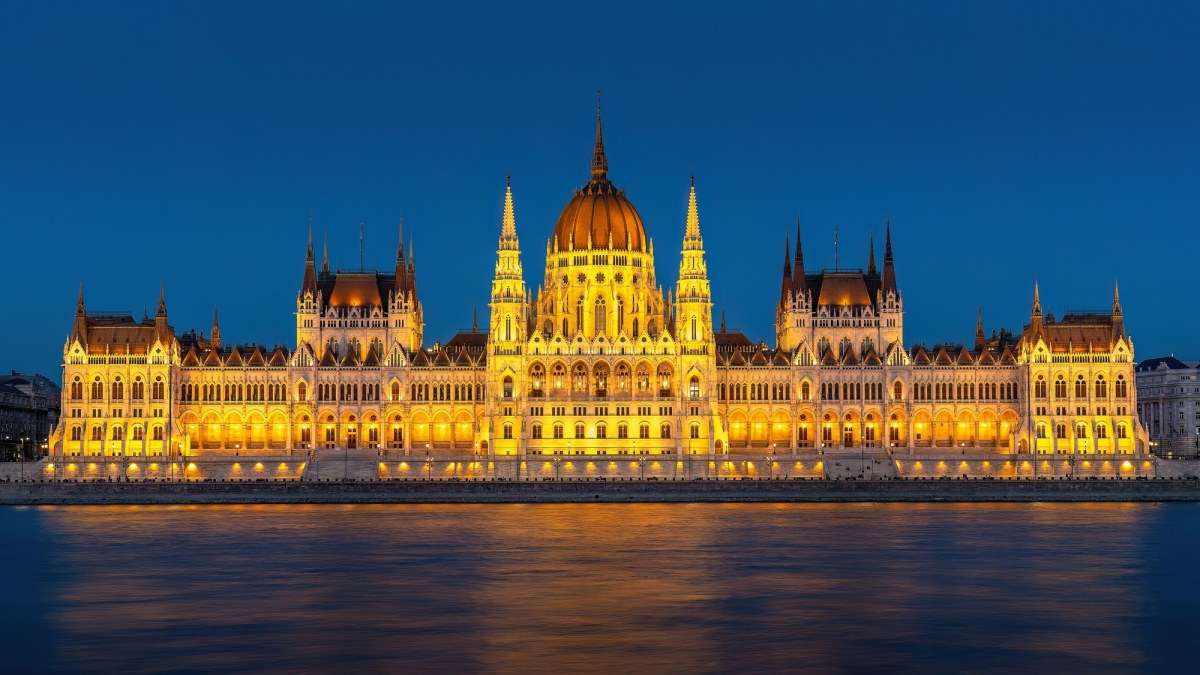
Get a quoteBudapest is really two cities joined by bridges. Buda on the west bank is hilly, with the castle district, the Fisherman's Bastion and Matthias Church looking across the water. Pest on the east is flat and grand, with the Parliament building along the river, Andrássy Avenue, the Great Synagogue and Heroes' Square. The Danube panorama is a World Heritage site.
Thermal water is a national resource. Budapest alone has dozens of baths, from the Ottoman-era Rudas and Király to the enormous neo-Baroque Széchenyi complex where people play chess in the steam. Hévíz, in the west, is a thermal lake warm enough to swim in through winter.
Lake Balaton is the summer destination for much of the country: shallow, warm, with resorts on the south shore, vineyards and the Tihany peninsula on the north. Around it lie the Badacsony volcanic hills and the Balaton Uplands.
The Danube Bend north of Budapest holds Szentendre's artists' colony, Visegrád's citadel and the enormous basilica at Esztergom. In the north-east, Eger has a fortress that held off an Ottoman siege and a valley of wine cellars; Tokaj, further east, has made sweet aszú wine since the seventeenth century and its landscape is World Heritage listed.
The Great Plain in the south-east is a different Hungary: Hortobágy's grassland with its shepherds and grey cattle, Kecskemét, Szeged and the paprika that defines the cooking. Hungarian is unrelated to its neighbours' languages, which surprises most visitors; English is common in Budapest and less so beyond it.
Budapest has the main airport and the country is small enough that most of it is a day trip from the capital by train or bus; a car helps around Balaton and in the wine regions. Hungary borders seven countries and sits on the Vienna-Bratislava-Budapest corridor, which makes it easy to combine. Summer is hot on the plain, and the baths are best in the cold months.
Common questions
- What is the capital of Hungary?
- The capital of Hungary is Budapest.
- What currency is used in Hungary?
- Hungary uses the Hungarian forint (HUF).
- What language is spoken in Hungary?
- The official language is Hungarian.
- When is the best time to visit Hungary?
- Continental: hot summers on the plain, cold winters, pleasant spring and autumn.
- Which side of the road do you drive on in Hungary?
- In Hungary you drive on the right.
- What plug sockets are used in Hungary?
- Hungary uses type C, F sockets.
- What is the dialling code for Hungary?
- The international dialling code for Hungary is +36.
Partner
Inside Hungary
Regions
10 to explore
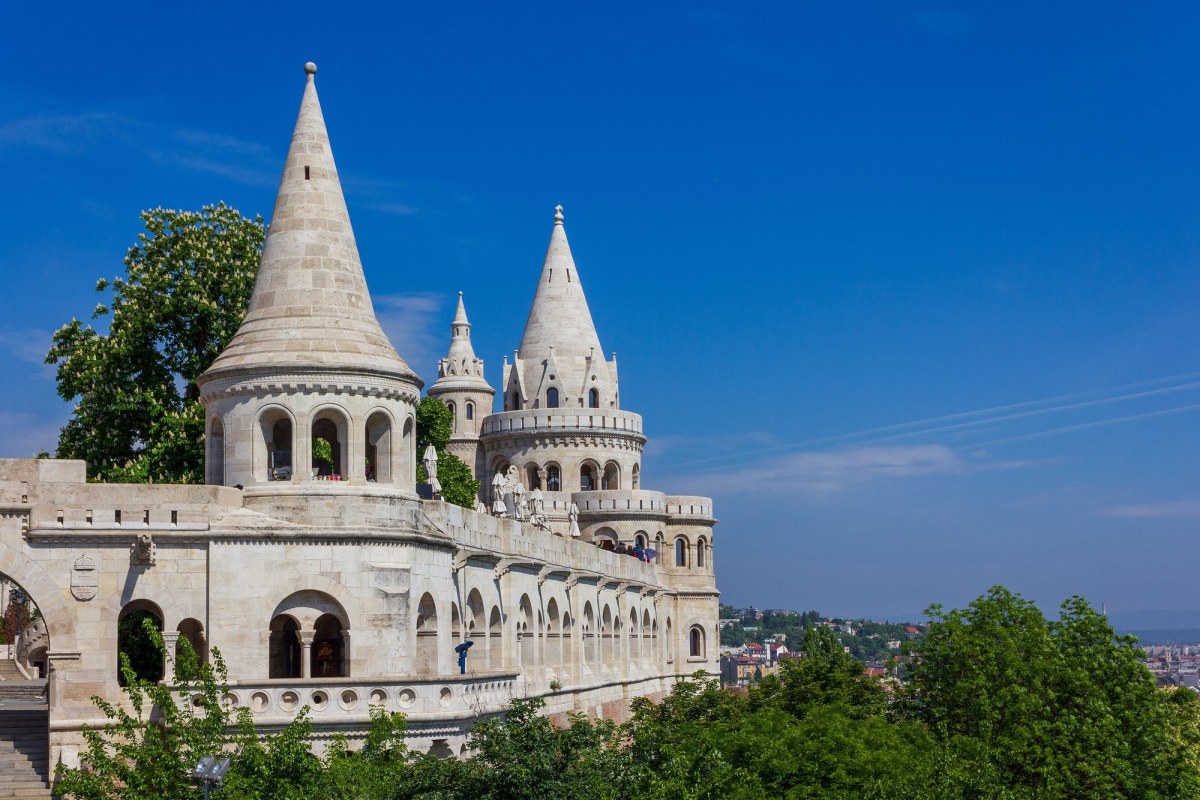
Budapest
Region
Two cities on opposite banks of the Danube, joined in the nineteenth century and full of hot water.
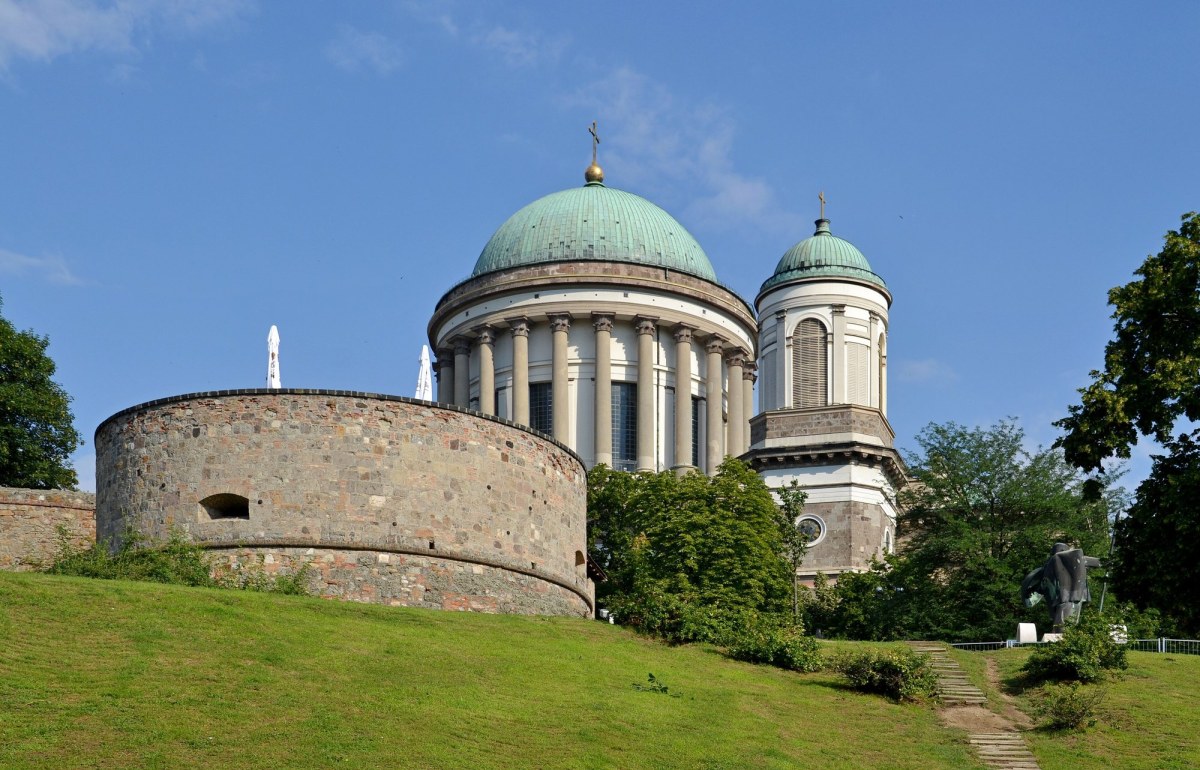
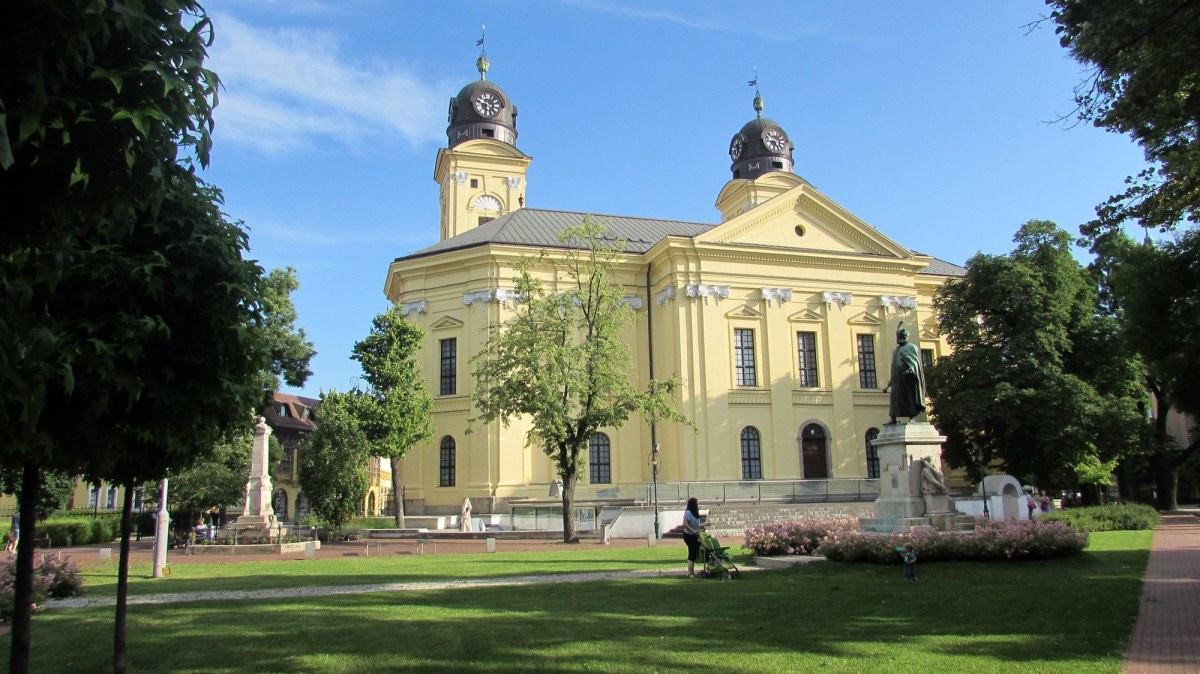
Great Hungarian Plain
Region
The puszta: a flat grassland of horsemen, grey cattle and mirages, east of the Danube.
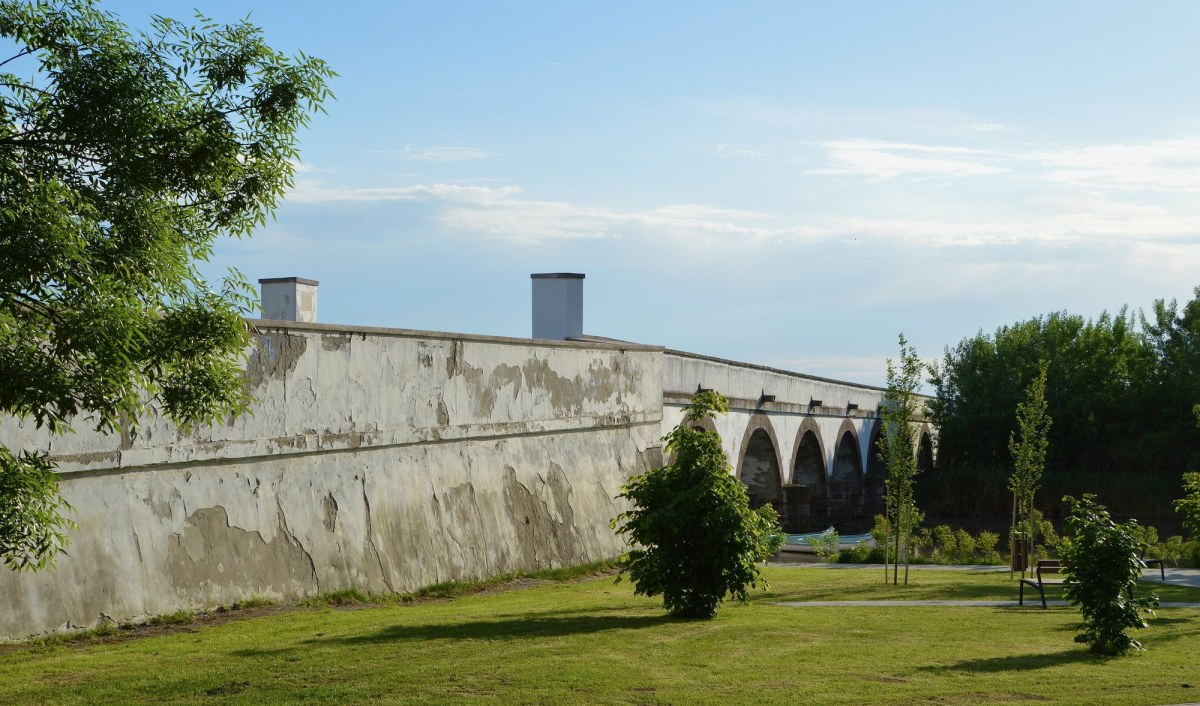
Hortobágy
Region
The largest continuous natural grassland in Europe, and a working herding landscape.
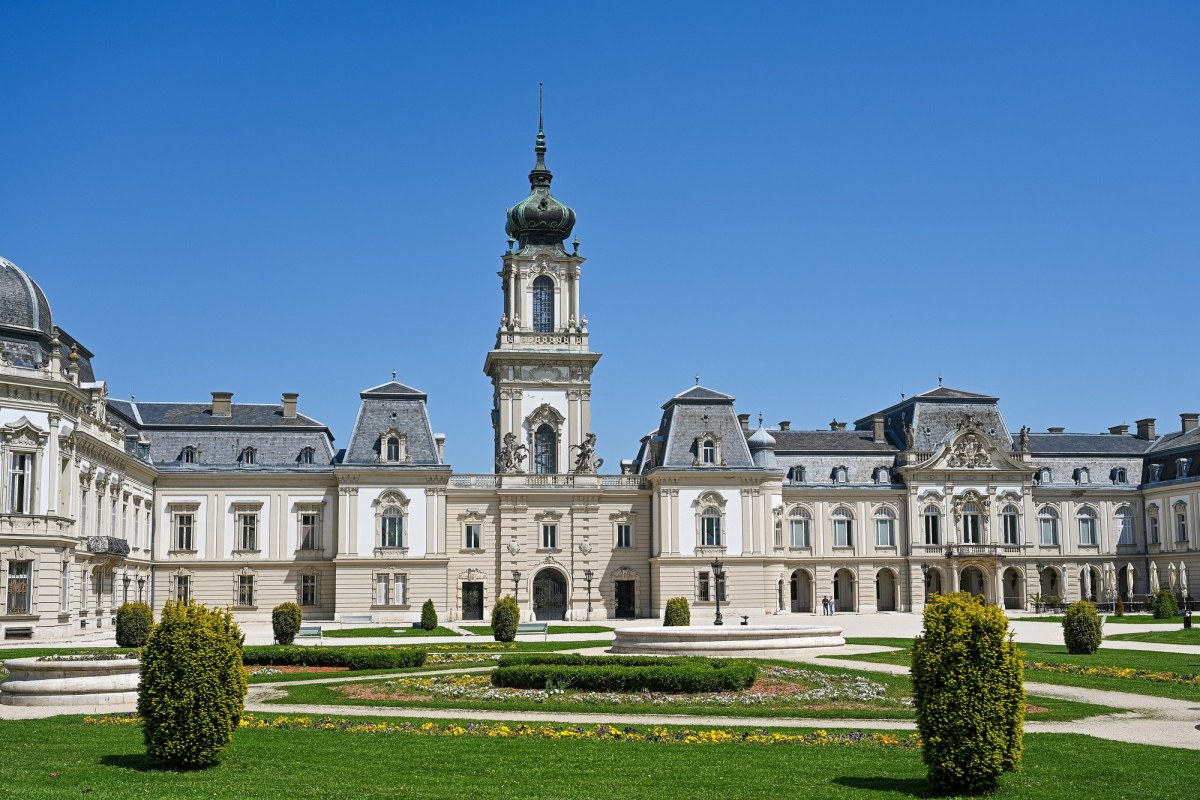
Lake Balaton
Region
The largest lake in central Europe, shallow and warm, with vineyards on one shore.
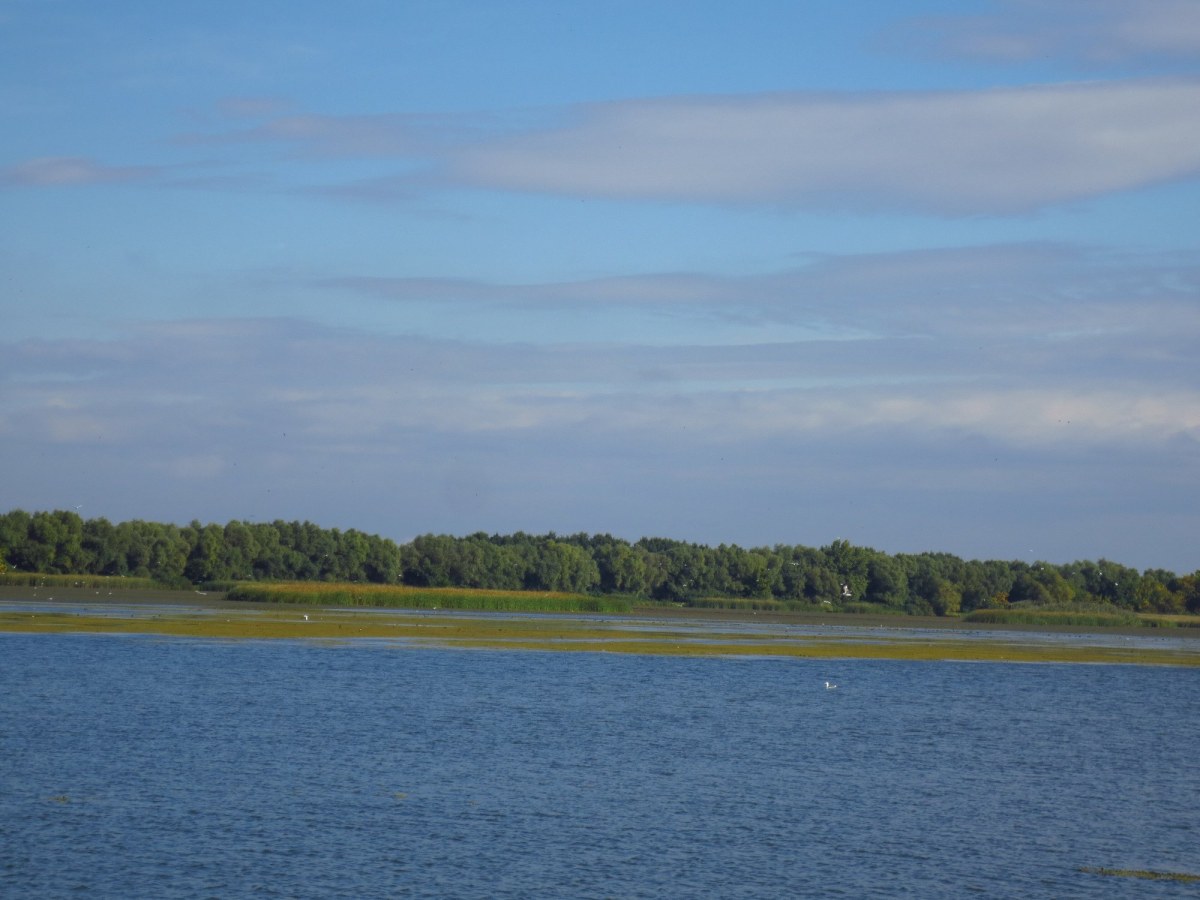
Lake Tisza
Region
A shallow artificial lake on the Tisza that became one of the best bird habitats in the country.
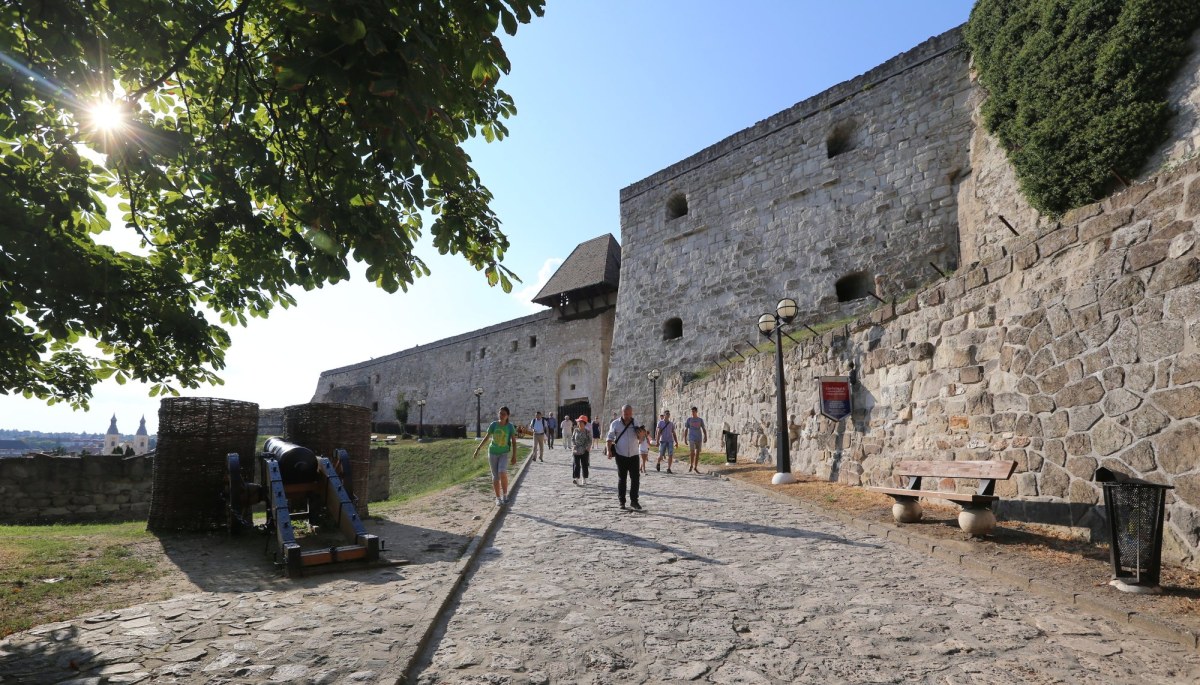
Northern Hungary
Region
Wooded hills along the Slovak border, with a wine region and a cave system in them.
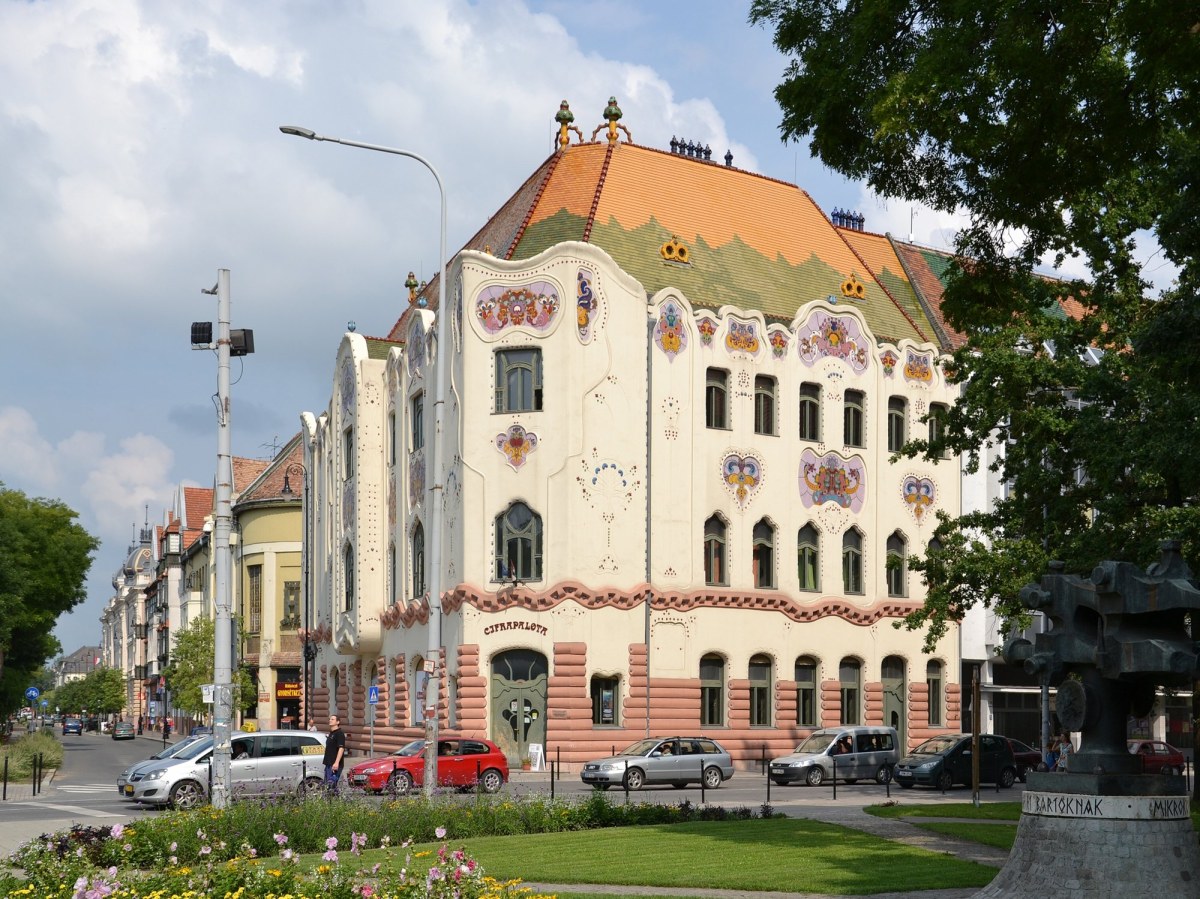
Southern Great Plain
Region
Paprika, sunshine and two rebuilt cities in the country’s south-east corner.
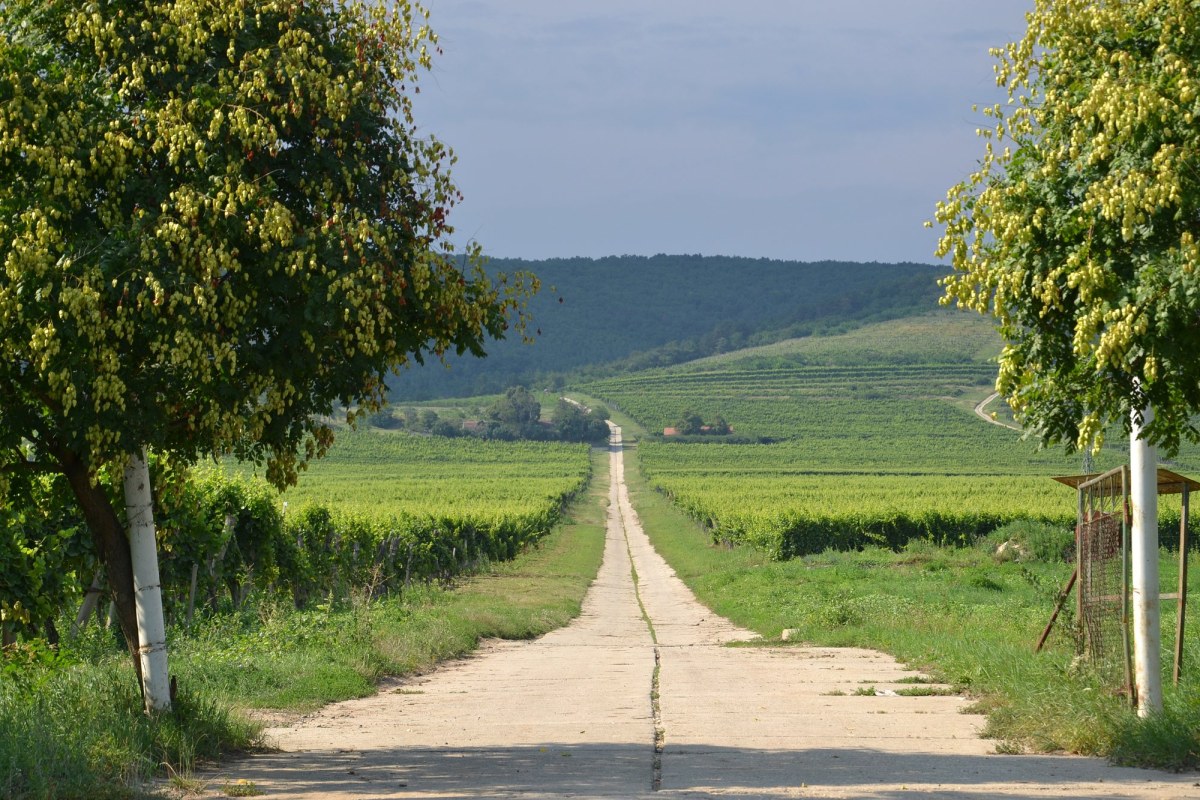
Tokaj Wine Region
Region
Volcanic slopes in the north-east where a sweet wine was made long before anyone else made one.
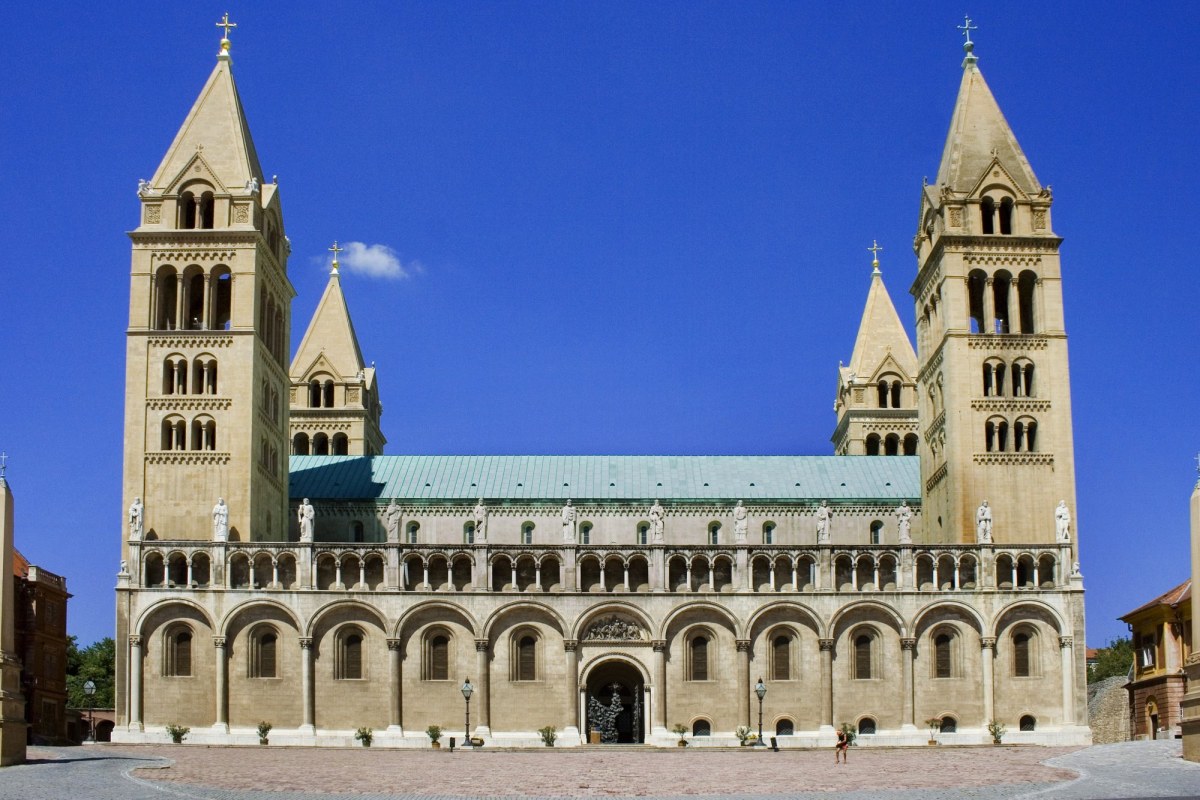
Transdanubia
Region
The rolling country west of the Danube: Roman remains, Habsburg towns and Mediterranean weather in the south.
Inside Hungary
Towns and cities
12 to explore
Eger
Town or city
A Baroque town with a castle that held out, a minaret, and a valley of wine cellars.
Pécs
Town or city
A southern city with Roman burial chambers, an Ottoman mosque and a Mediterranean climate.
Szentendre
Town or city
A small Baroque town on the Danube north of Budapest, founded by Serbian refugees.
Tokaj
Town or city
A small town where two rivers meet, at the foot of the vineyard that named a wine.
Veszprém
Town or city
A castle town on a rock above the Balaton uplands, and a European Capital of Culture.
Inside Hungary
Landmarks
12 to explore
Aggtelek Caves
Landmark
A long dripstone cave system on the Slovak border, shared between two countries.
Chain Bridge
Landmark
The first permanent bridge between Buda and Pest, with stone lions at each end.
Esztergom Basilica
Landmark
The largest church in Hungary, on a hill above the Danube at the Slovak border.
Fisherman’s Bastion
Landmark
A white stone terrace of towers on Castle Hill, built as a viewing platform.
Hortobágy Nine-Arch Bridge
Landmark
A long stone road bridge over a puszta river, and the emblem of the plain.
Hungarian Parliament Building
Landmark
A vast neo-Gothic parliament on the Danube, holding the Holy Crown.
Hungarian State Opera House
Landmark
A neo-Renaissance opera house on Andrássy Avenue, built to be acoustically excellent.
Pannonhalma Archabbey
Landmark
A Benedictine abbey founded in 996, still working, on a hill above the plain.
Széchenyi Thermal Bath
Landmark
One of the largest bath complexes in Europe, fed by a hot spring under a park.
Plan the trip
Explore Hungary
Start with the regions, then the towns, then the sights worth a detour — each with its own page and its own pin on the map.
Start anywhere and follow the links. The guides and itineraries join these places into routes you can actually travel.
Credit: Europe by Giddo
Every place above is on this map. The lists on this page are the same content in the same order.