

Where to stay in Bulgaria
See the hotels and apartments available on Booking.com · This is an affiliate link with our partner. Europe by Giddo may earn a commission from a purchase made through it, at no extra cost to you.
Bulgaria sits between the Danube and the Aegean watershed, with mountains down the middle and the Black Sea on its eastern edge. It is one of the oldest states in Europe by name, and the archaeology in its soil goes back a great deal further than that.
Our partner
Travel insurance · 5% off for our readers
Get a quoteSofia, the capital, sits under Vitosha mountain and layers Roman streets, a Byzantine church, an Ottoman mosque, a synagogue and the gold-domed Alexander Nevsky Cathedral within a few hundred metres. The remains of Serdica are visible under the modern pavements around the metro.
The mountains define the country. The Rila range holds Musala, the highest peak in the Balkans, the glacial Seven Rila Lakes and the Rila Monastery, a World Heritage site of striped arcades and painted porches in a forested valley. Pirin next door is sharper and wilder, and Bansko below it is the main winter resort. The Rhodopes in the south are gentler, with gorges, caves and a strong folk music tradition.
Plovdiv is one of the oldest continuously inhabited cities in Europe, with a Roman theatre still in use, an Ottoman old town of merchant houses and a lively arts district. Veliko Tarnovo, the medieval capital, climbs a river gorge under the Tsarevets fortress. Nesebar on the coast is a World Heritage peninsula of Byzantine churches.
The Black Sea coast runs from the Romanian border to Turkey, with long sandy beaches, the resorts of Golden Sands and Sunny Beach, and quieter stretches around Sozopol and the Strandzha nature park in the far south. Inland, the Valley of the Roses produces attar for the perfume industry and the Thracian tombs at Kazanlak and Sveshtari are World Heritage listed.
Bulgarian is written in Cyrillic, which was developed here. Sofia has the main airport with Varna and Burgas serving the coast in summer; buses and a slow but scenic rail network cover the rest. Skiing runs from December to March, the coast from June to September, and the mountains are best walked in late summer.
Common questions
- What is the capital of Bulgaria?
- The capital of Bulgaria is Sofia.
- What currency is used in Bulgaria?
- Bulgaria uses the Bulgarian lev (BGN).
- What language is spoken in Bulgaria?
- The official language is Bulgarian.
- When is the best time to visit Bulgaria?
- Hot summers, cold snowy winters inland; the Black Sea coast is milder.
- Which side of the road do you drive on in Bulgaria?
- In Bulgaria you drive on the right.
- What plug sockets are used in Bulgaria?
- Bulgaria uses type C, F sockets.
- What is the dialling code for Bulgaria?
- The international dialling code for Bulgaria is +359.
Partner
Inside Bulgaria
Regions
10 to explore
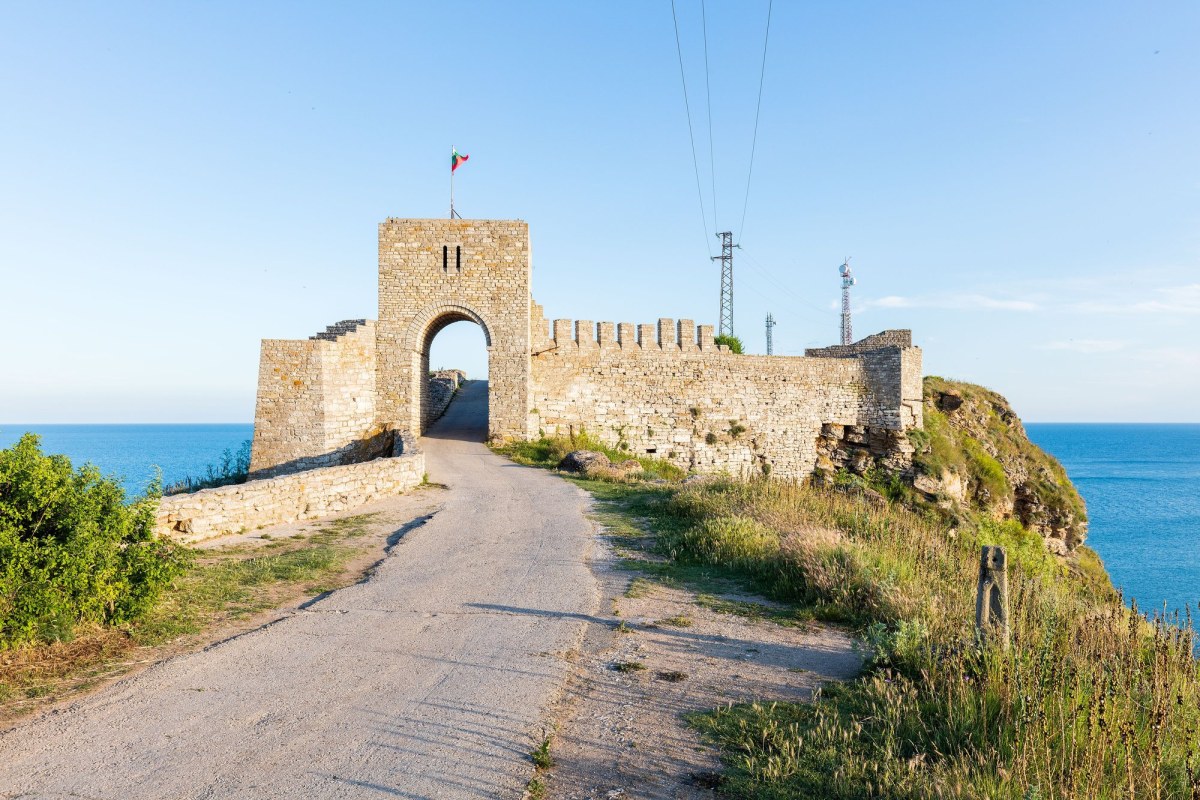
Dobrudzha
Region
The flat grain country of the north-east, with a cape, a drowned river mouth and enormous skies.
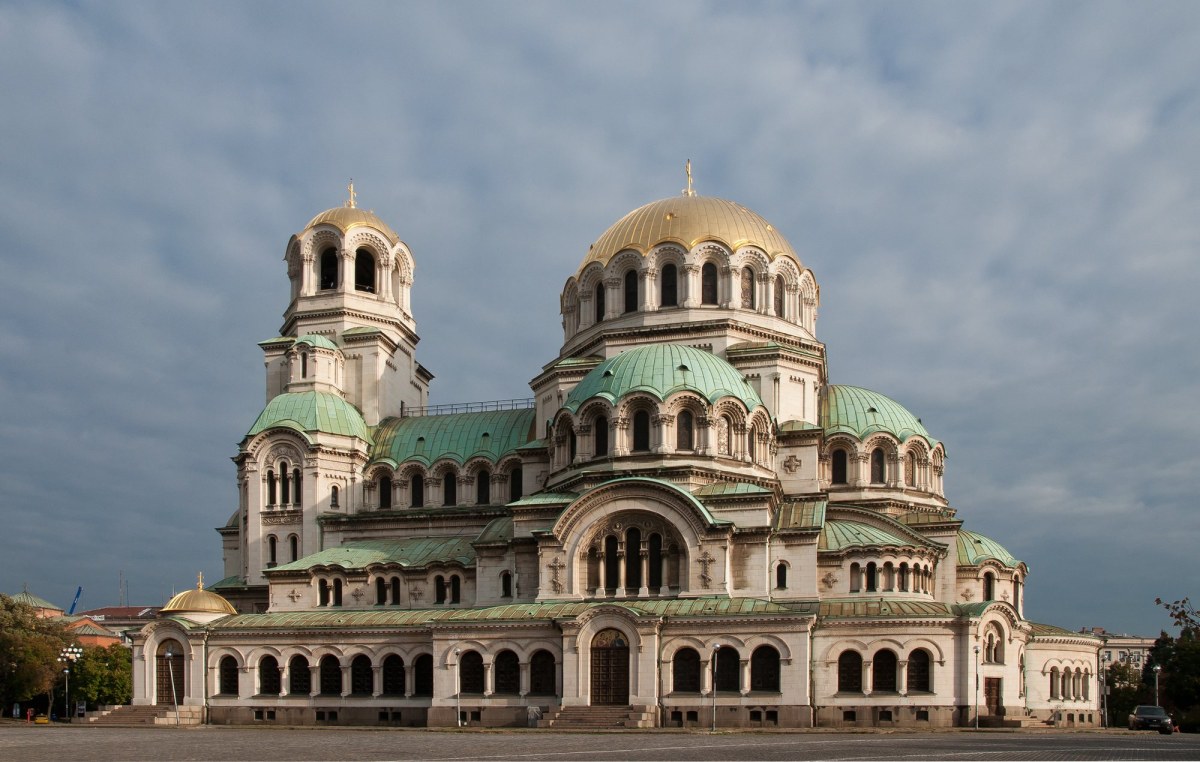
Sofia and the West
Region
The capital in a high basin, with mountains on the doorstep and Roman streets under the pavement.
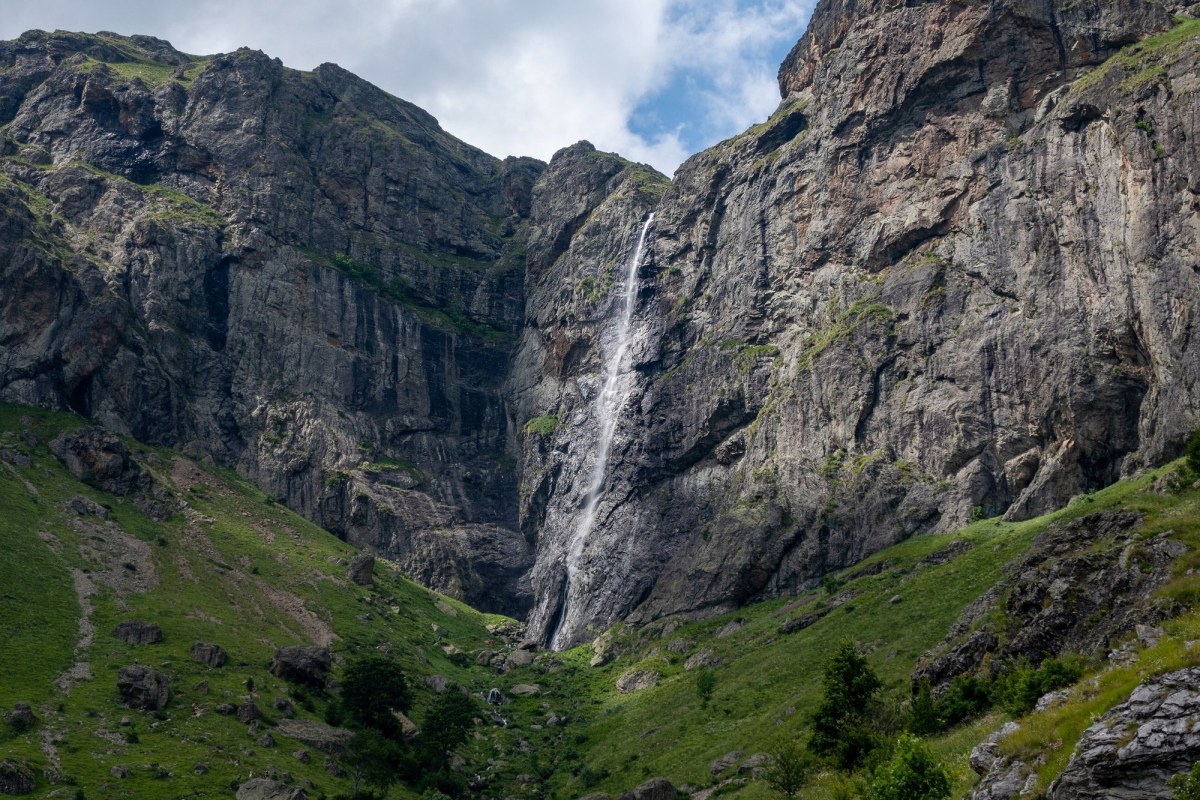
The Balkan Range
Region
The mountain wall that runs the width of the country and gave the peninsula its name.
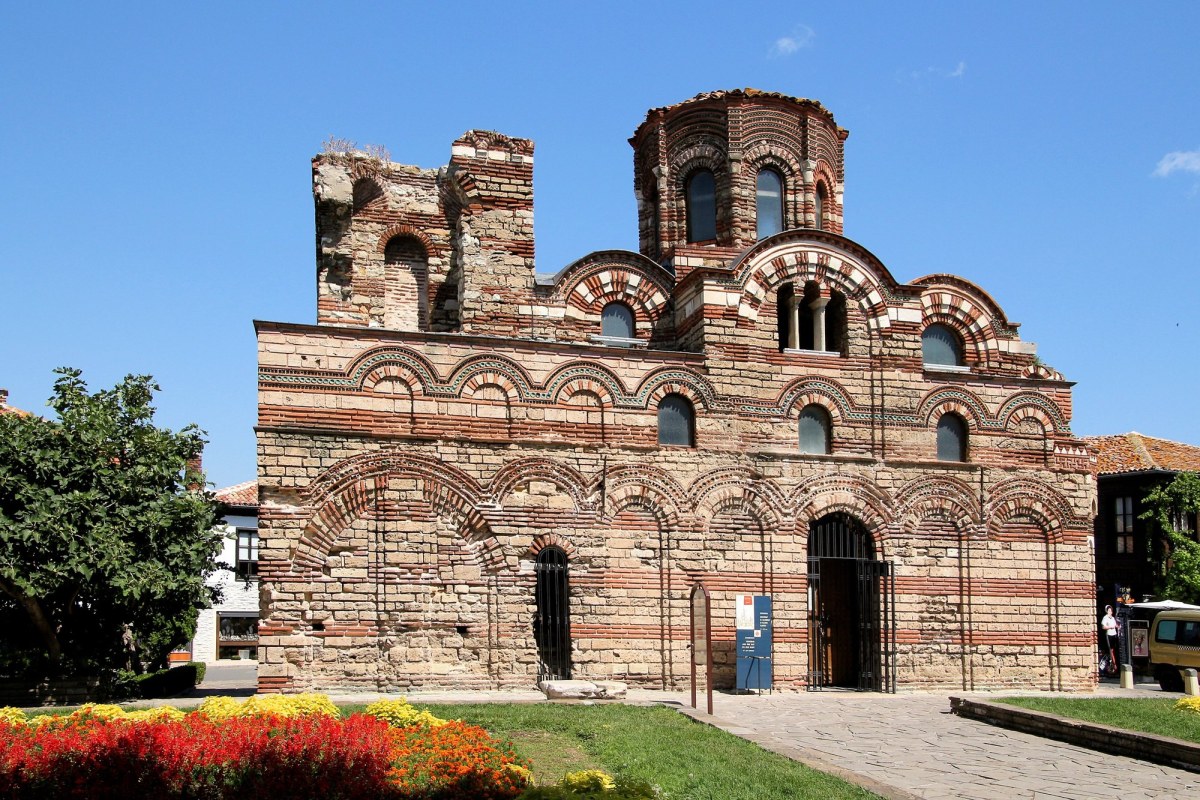
The Black Sea Coast
Region
A long shore of wide sandy bays and small stone towns, busy in July and empty in October.
The Danube Plain
Region
The northern farming country between the Balkan Range and the river, with Roman forts along the water.
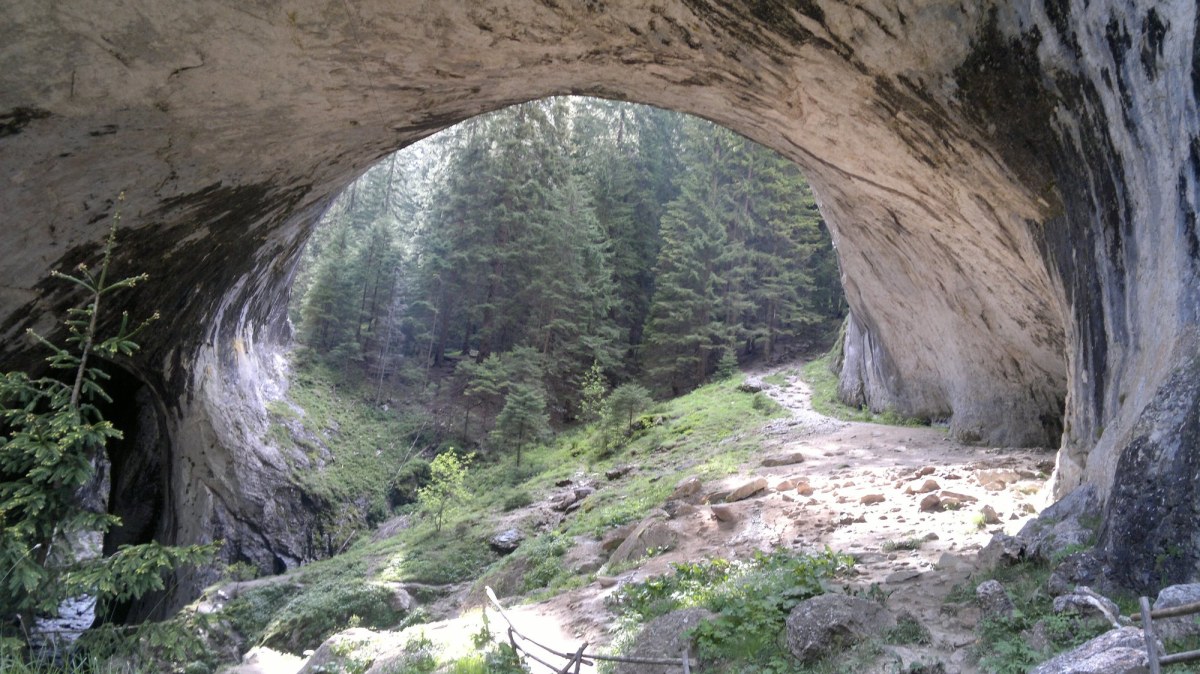
The Rhodope Mountains
Region
Forested ridges along the Greek border, with gorges, caves, and a musical tradition of its own.
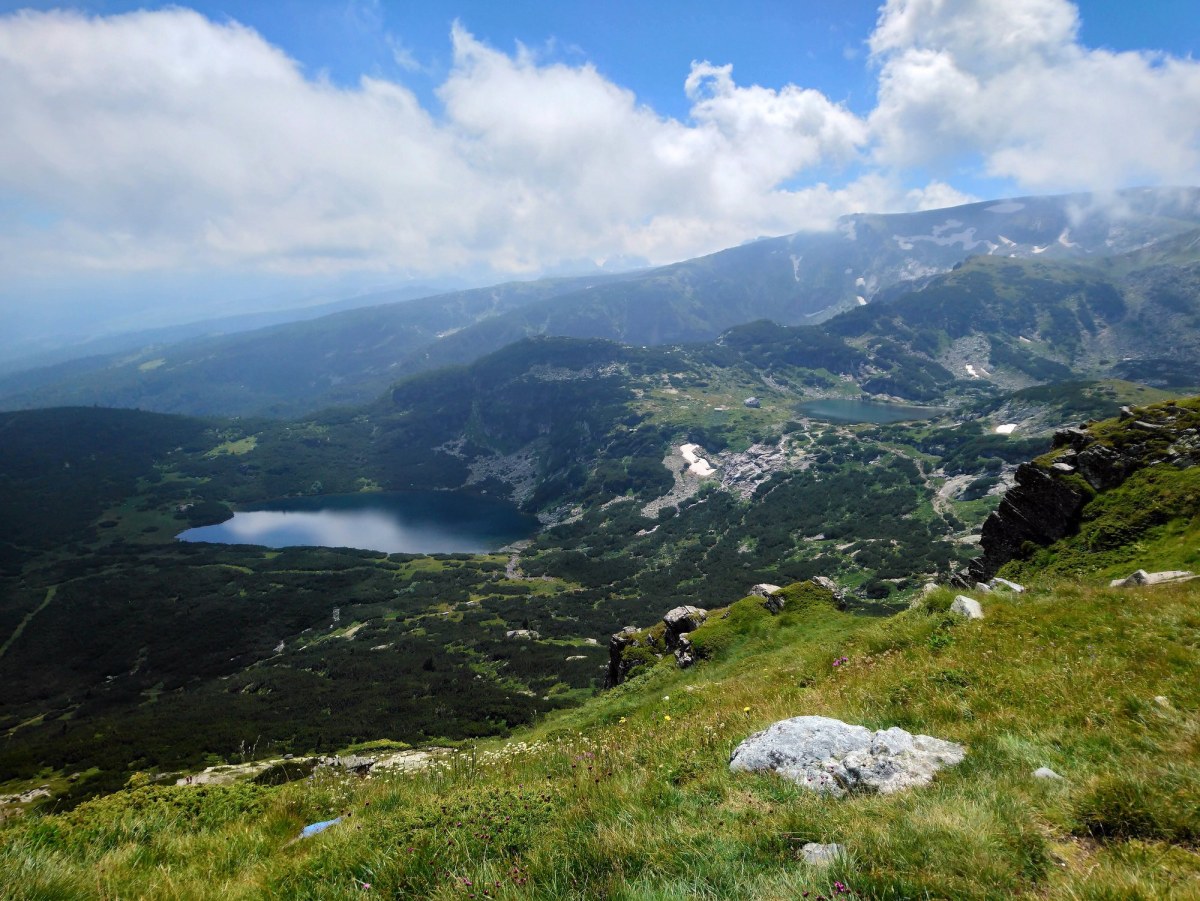
The Rila and Pirin Mountains
Region
The highest ground in the Balkans: granite peaks, glacial lakes, a great monastery and the ski towns.
The Struma Valley
Region
A warm corridor running south to Greece between two mountain ranges, with the country’s oldest tree.
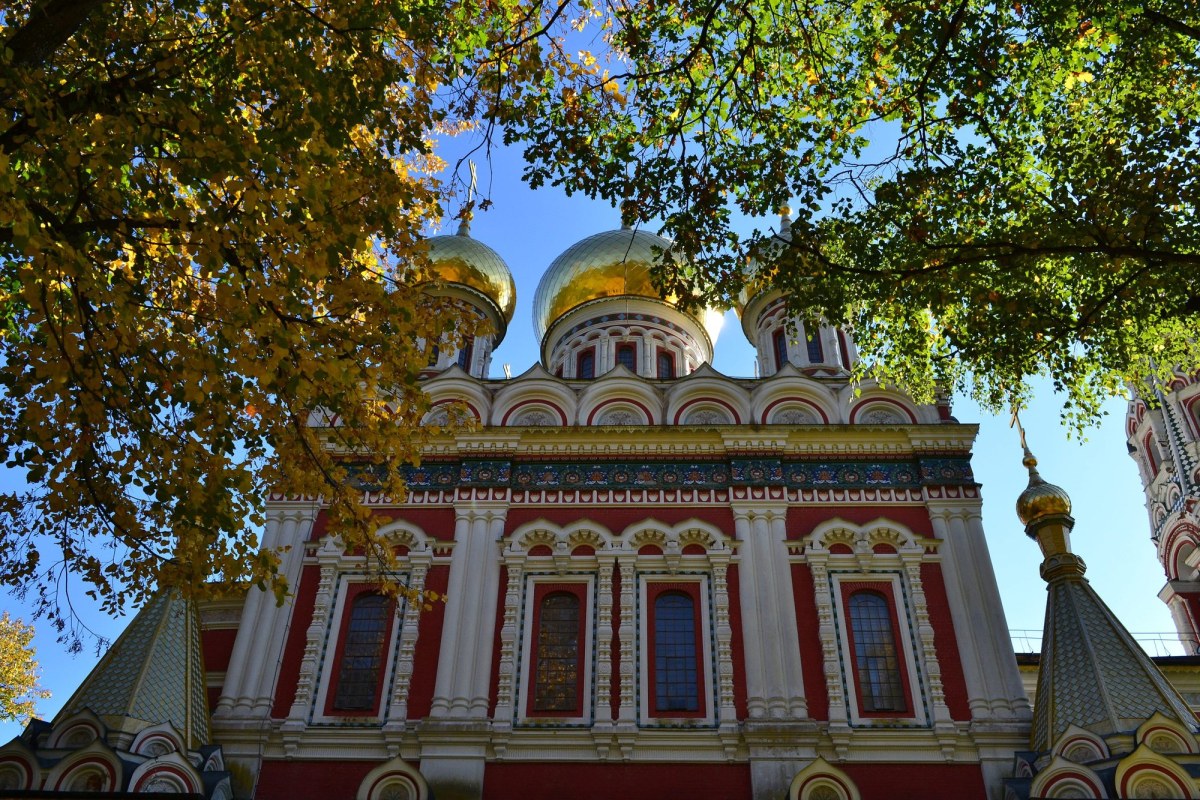
The Valley of the Roses
Region
A valley between two ranges where the oil-bearing rose is grown, picked before dawn in May and June.
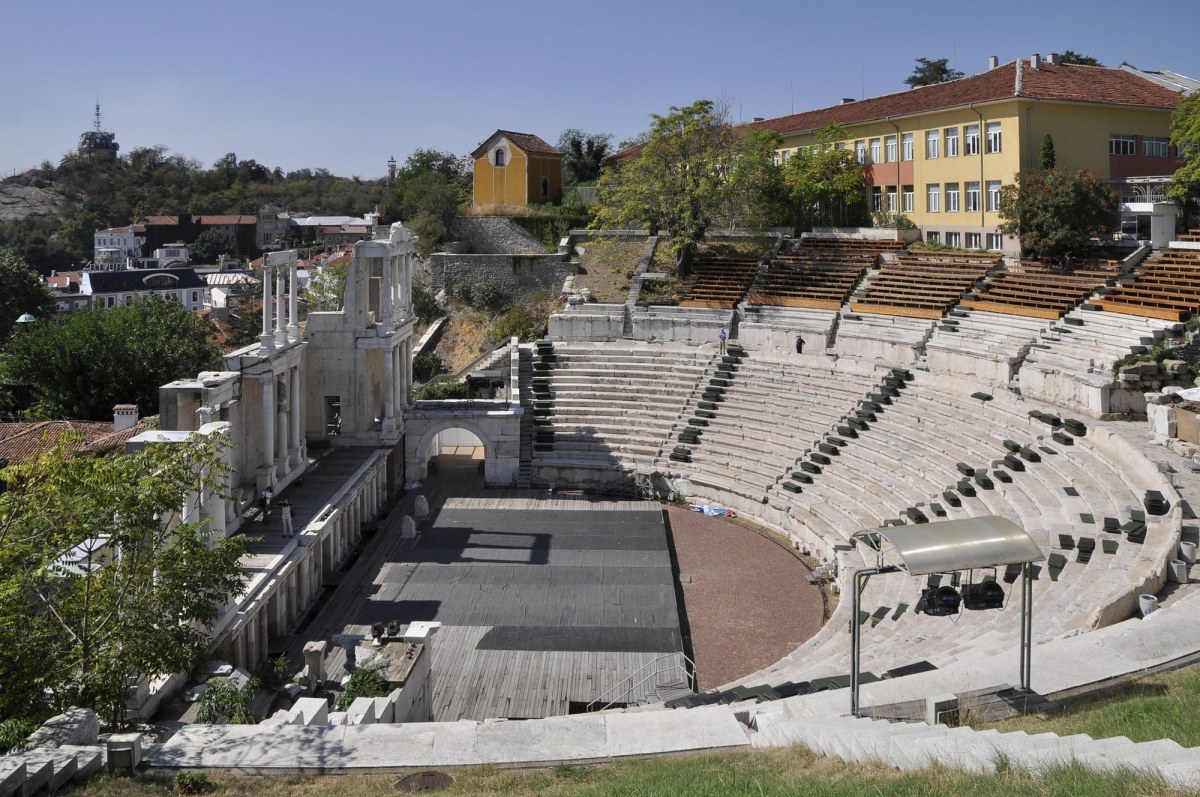
Thrace
Region
The wide southern plain: Roman cities, Thracian mounds, vineyards, and the country’s second city.
Inside Bulgaria
Towns and cities
12 to explore
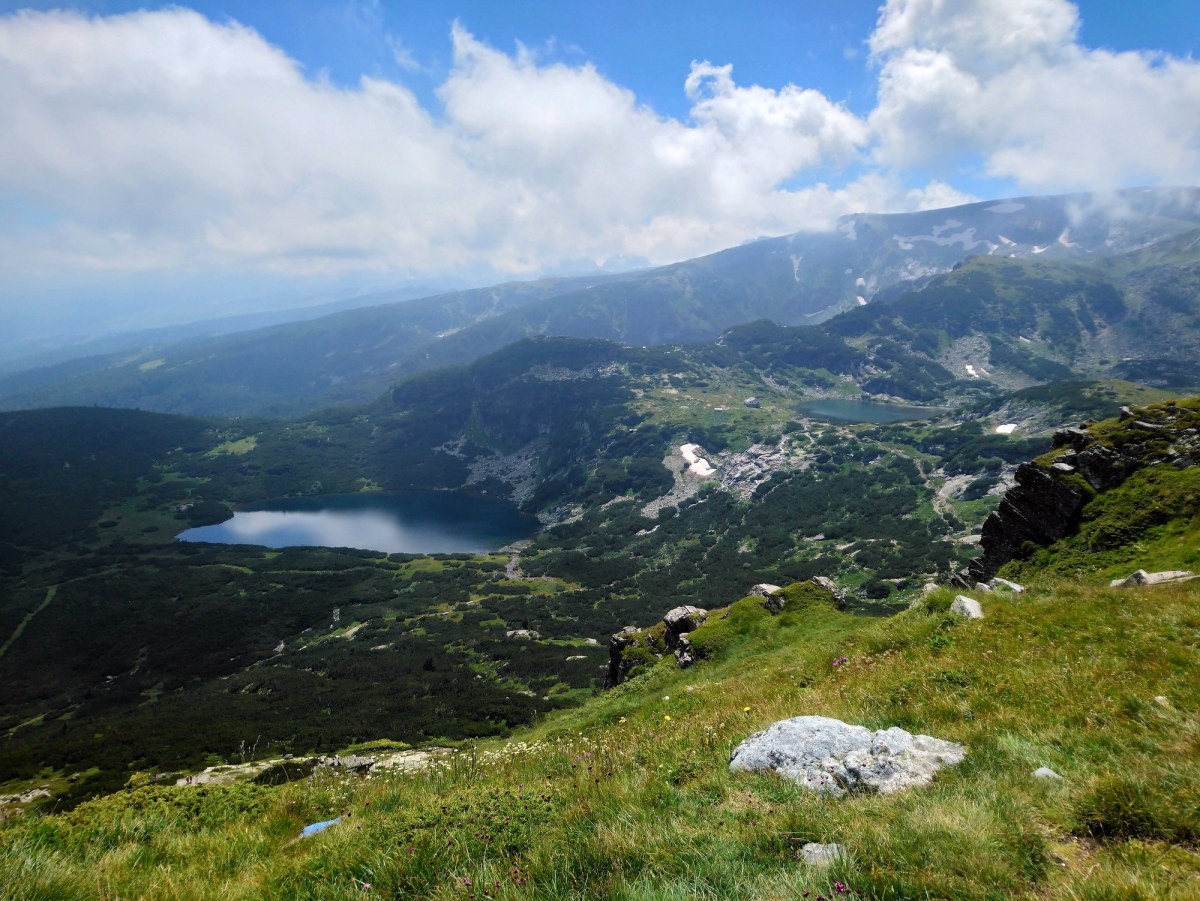
Burgas
Town or city
A working port on a bay ringed by salt lakes, and the best base for the southern coast.
Kazanlak
Town or city
The rose town, in a valley of Thracian burial mounds, with a painted tomb at the edge of it.
Koprivshtitsa
Town or city
A mountain village of painted merchant houses where the 1876 uprising was declared.
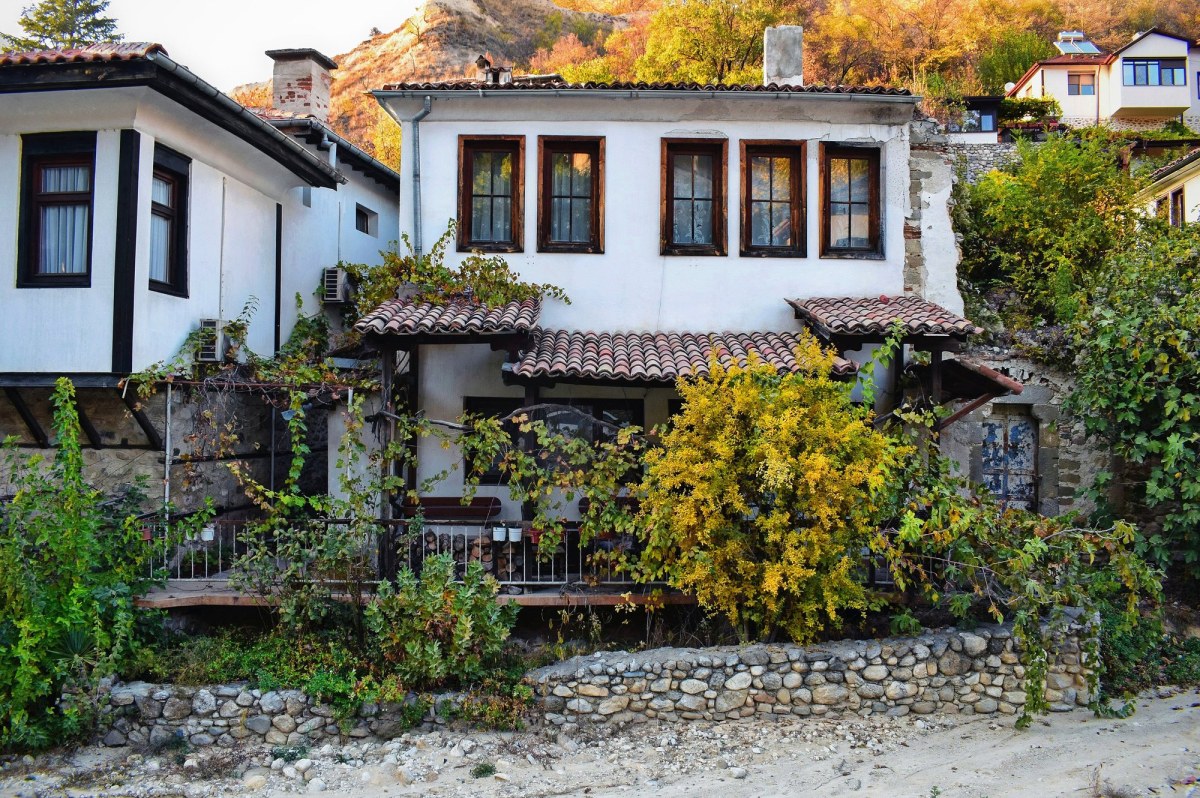
Melnik
Town or city
The smallest town in the country, under eroded sandstone pyramids, making its own wine.
Nessebar
Town or city
A small stone town on a rock in the sea, with more Byzantine churches than streets.
Plovdiv
Town or city
A city on seven hills with a Roman theatre still in use and the country’s best old town.
Ruse
Town or city
The Danube city, built in neo-baroque and secession when it was the empire’s window on Europe.
Sozopol
Town or city
A Greek colony turned fishing town turned summer town, on a peninsula of wooden houses.
Varna
Town or city
The sea capital, with Roman baths in the middle of it and the oldest worked gold in the world in its museum.
Veliko Tarnovo
Town or city
The medieval capital, built in tiers on the loops of a river gorge under a fortress hill.
Inside Bulgaria
Landmarks
12 to explore
Alexander Nevsky Cathedral
Landmark
A very large gold-domed cathedral built as a memorial to the soldiers of the war of liberation.
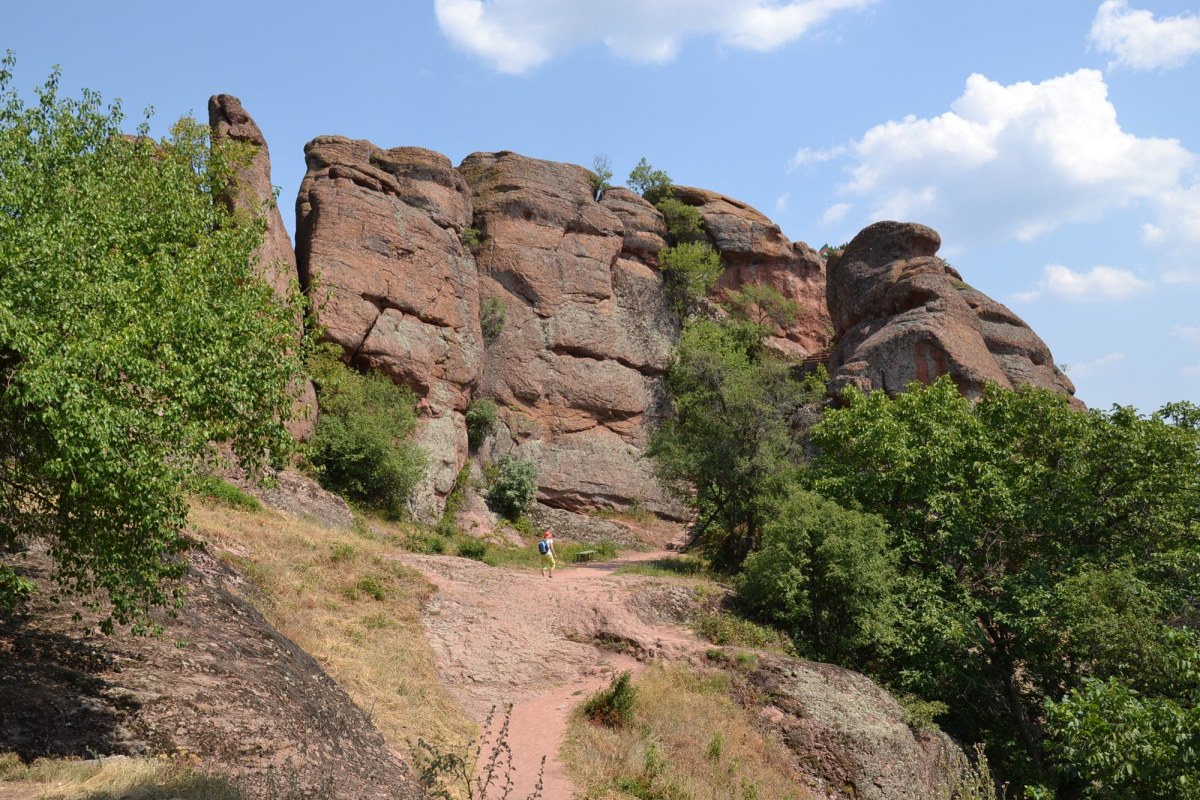
Belogradchik Rocks
Landmark
Red sandstone towers standing out of the hillside, with a fortress built in among them.
Boyana Church
Landmark
A small church on the edge of Sofia whose 1259 paintings are among the most important in Europe.
Buzludzha Monument
Landmark
A concrete flying saucer on a Balkan summit, built by the communist party and abandoned since.
Ivanovo Rock-Hewn Churches
Landmark
Chapels cut into a river canyon and painted in the fourteenth century, high above the water.
Madara Rider
Landmark
A relief of a horseman cut high on a limestone cliff, and the only one of its kind in Europe.
Old Nessebar
Landmark
A World Heritage town on a rock, with the remains of a dozen Byzantine churches in it.
Rila Monastery
Landmark
The largest monastery in Bulgaria, striped in black and white, in a forested mountain valley.
Roman Theatre of Plovdiv
Landmark
A second-century theatre found by a landslide, restored, and used for opera ever since.
Seven Rila Lakes
Landmark
A chain of glacial lakes in a high cirque, walked as a loop from a chairlift.
Thracian Tomb of Kazanlak
Landmark
A painted burial chamber of the fourth century BC, sealed, with a full replica beside it.
Tsarevets Fortress
Landmark
The citadel of the medieval Bulgarian capital, on a hill inside a loop of the river.
Plan the trip
Explore Bulgaria
Start with the regions, then the towns, then the sights worth a detour — each with its own page and its own pin on the map.
Start anywhere and follow the links. The guides and itineraries join these places into routes you can actually travel.
Credit: Europe by Giddo
Six days in Bulgaria
Itinerary
Sofia to the Black Sea coast in a week: a mountain monastery, a Roman theatre, a rose valley of Thracian tombs, a medieval capital in a gorge, and a stone town on a rock in the sea.
Giddo in Plovdiv
Story
A portrait of the city built across seven hills — the Roman theatre found by a landslide, the painted revival old town, and the craftsmen’s quarter remade for a Capital of Culture year.
Every place above is on this map. The lists on this page are the same content in the same order.