

Where to stay in Switzerland
See the hotels and apartments available on Booking.com · This is an affiliate link with our partner. Europe by Giddo may earn a commission from a purchase made through it, at no extra cost to you.
Switzerland is where the Alps are at their most concentrated and best served. Mountain railways, cable cars and postbuses reach places that would be a serious expedition elsewhere, and they run to a timetable that other countries study.
Our partner
Travel insurance · 5% off for our readers
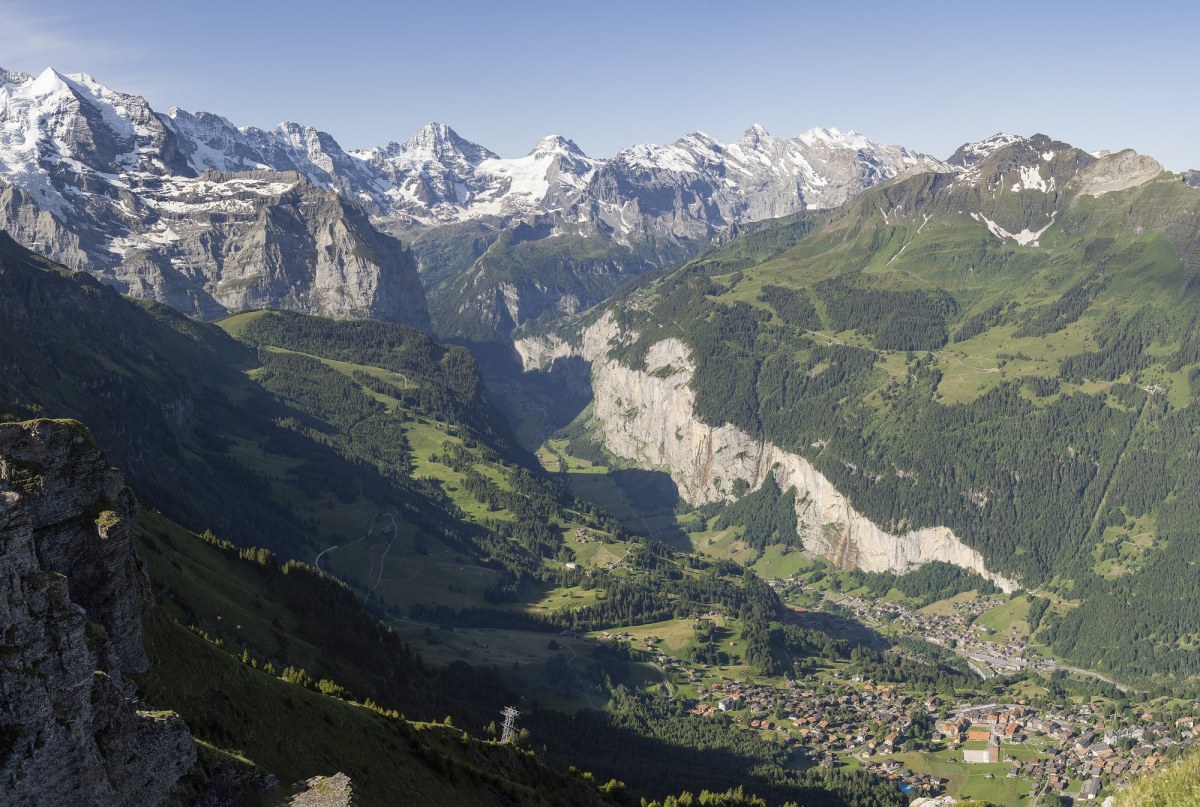
Get a quoteThe Bernese Oberland is the classic introduction: Interlaken between two lakes, the villages of Grindelwald, Wengen and Mürren, and the Jungfrau, Eiger and Mönch above them. A railway climbs inside the Eiger to the Jungfraujoch, the highest station in Europe. Nearby, Lauterbrunnen's valley is walled with waterfalls.
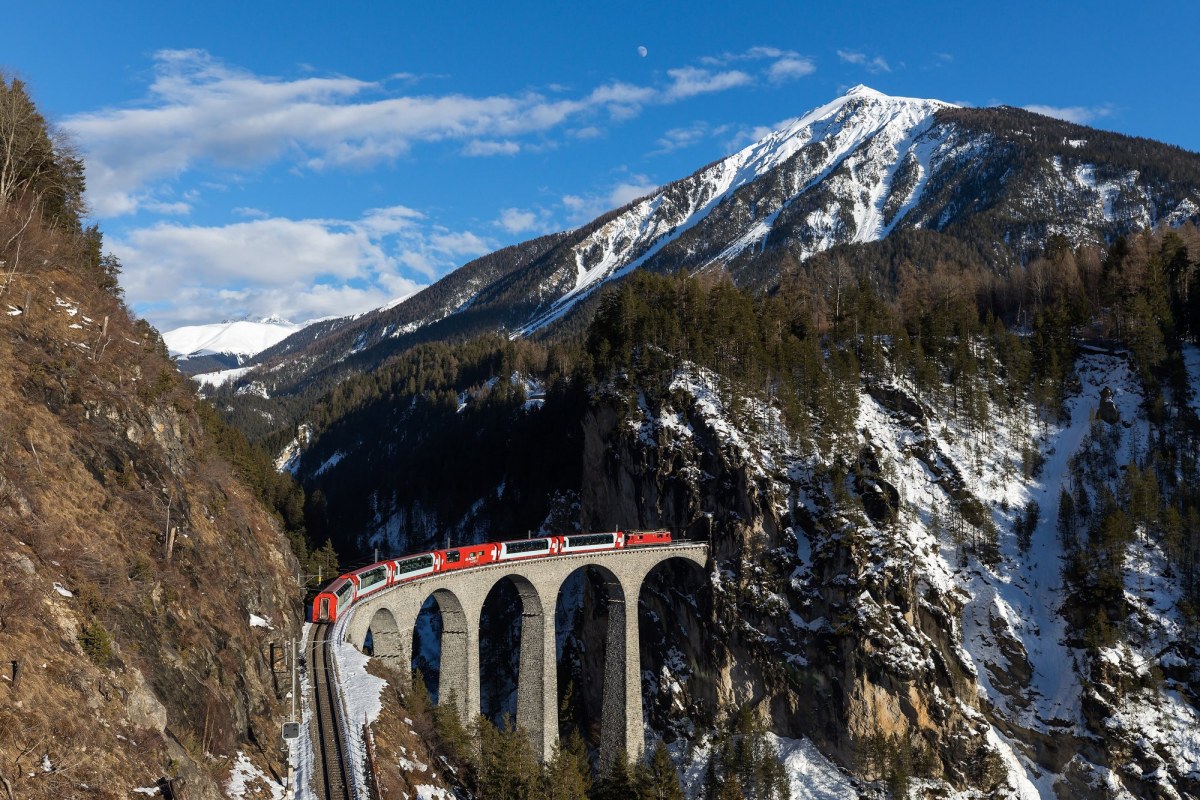
In the south, Zermatt sits under the Matterhorn, the most recognisable mountain on the continent, and is car-free. The Valais around it is the driest and sunniest part of the country, with vineyards on terraces. Further east, the Engadine holds St Moritz and the Bernina and Glacier Express railway lines, both spectacular in their own right.
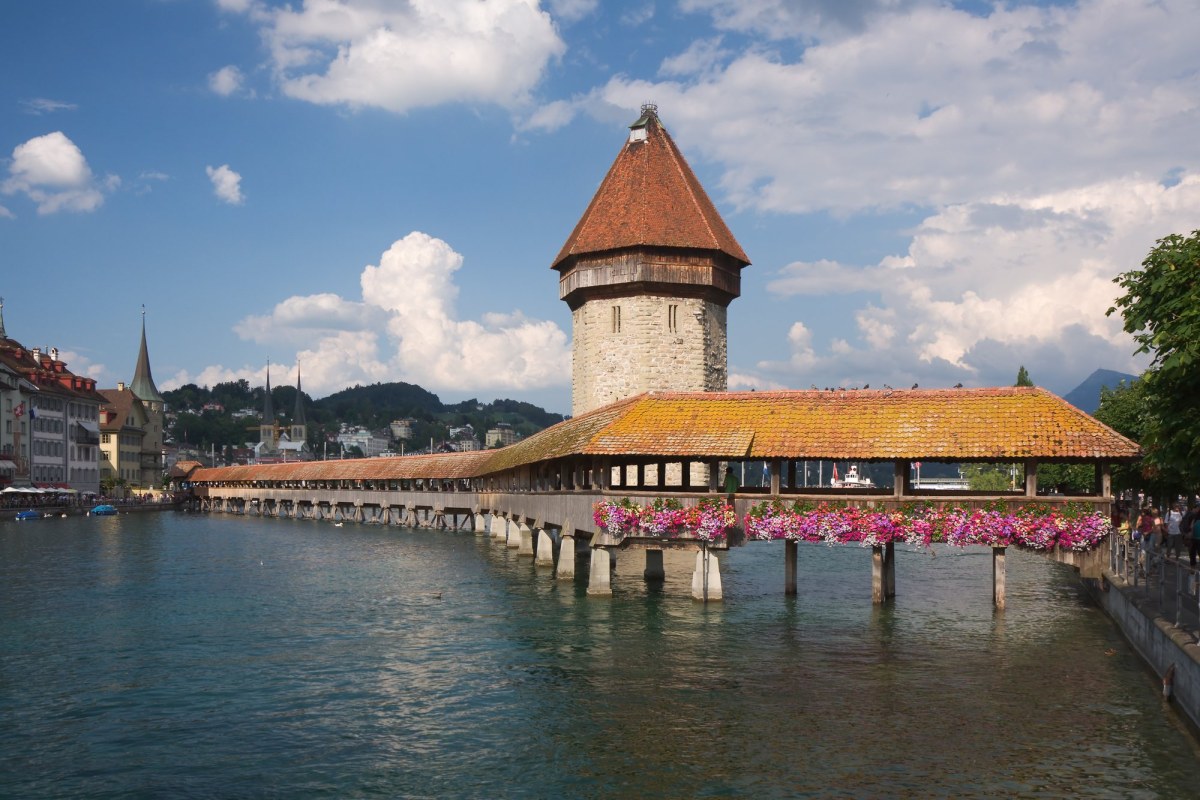
The cities are small but distinct. Zurich sits on its lake with a well-preserved old town and strong museums. Geneva, French-speaking, faces Mont Blanc across the water and houses a cluster of international institutions. Bern, the capital, has a medieval centre inside a loop of river. Lucerne has a covered wooden bridge and a lake with steamers. Lugano and the Ticino are Italian-speaking and feel it.
Four national languages — German, French, Italian and Romansh — divide the country into regions that cook and sound quite differently. Cheese and chocolate deserve their reputation; so does the walking, with tens of thousands of kilometres of signed paths.
Switzerland is expensive by European standards, which is worth planning for. Summer for hiking and the passes, winter for skiing, and the shoulder seasons for lakes and cities without crowds.
The Swiss Travel System covers trains, buses, boats and many mountain railways on a single pass, and the timetable is genuinely integrated — connections are built to work. The country borders France, Germany, Austria, Liechtenstein and Italy, and crossing any of those frontiers takes minutes. Book mountain accommodation early for both peak seasons; the good weather windows are short and well known.
Common questions
- What is the capital of Switzerland?
- The capital of Switzerland is Bern.
- What currency is used in Switzerland?
- Switzerland uses the Swiss franc (CHF).
- What language is spoken in Switzerland?
- The official languages are German, French, Italian, Romansh.
- When is the best time to visit Switzerland?
- Alpine: deep snow and a full winter season in the mountains, warm summers in the valleys.
- Which side of the road do you drive on in Switzerland?
- In Switzerland you drive on the right.
- What plug sockets are used in Switzerland?
- Switzerland uses type C, J sockets.
- What is the dialling code for Switzerland?
- The international dialling code for Switzerland is +41.
Partner
Inside Switzerland
Regions
10 to explore
Bernese Oberland
Region
The mountains above Bern: three famous north faces, lakes below them, and a railway that climbs inside the rock.
Central Switzerland
Region
The lake where the confederation began, ringed by the first mountains that were climbed for pleasure.
Graubünden
Region
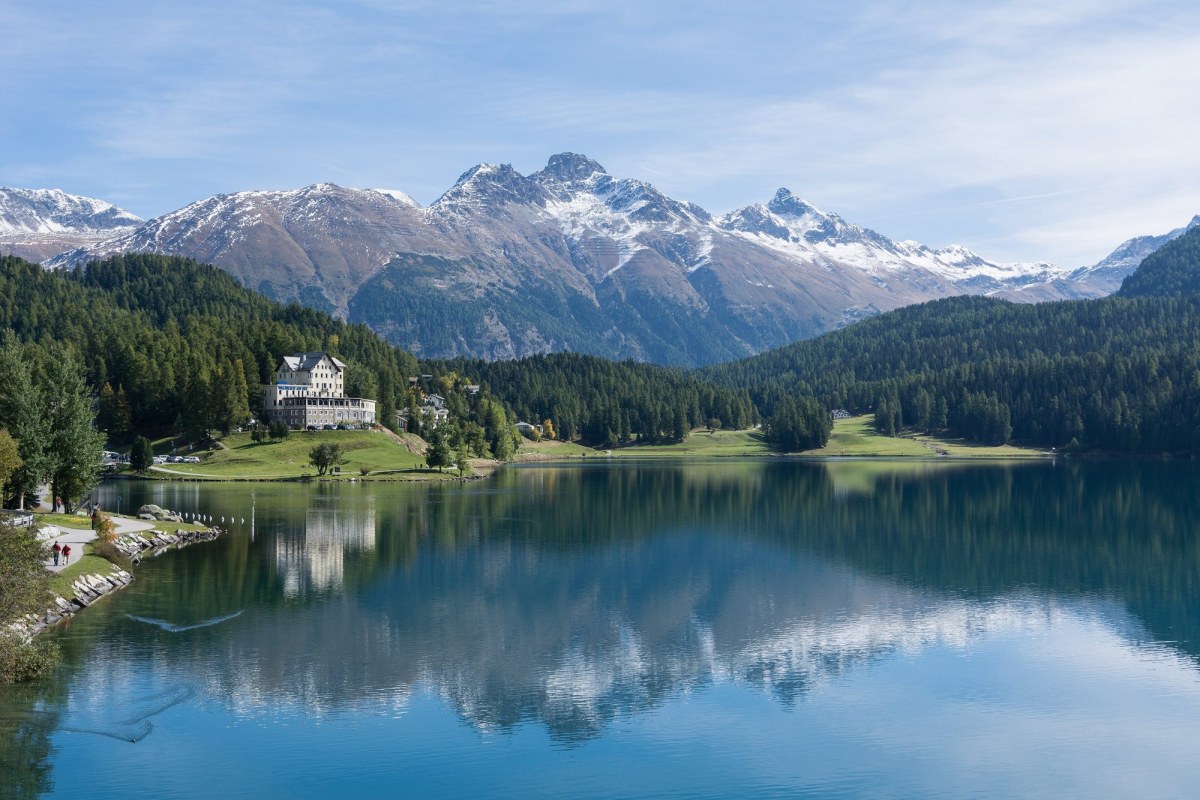
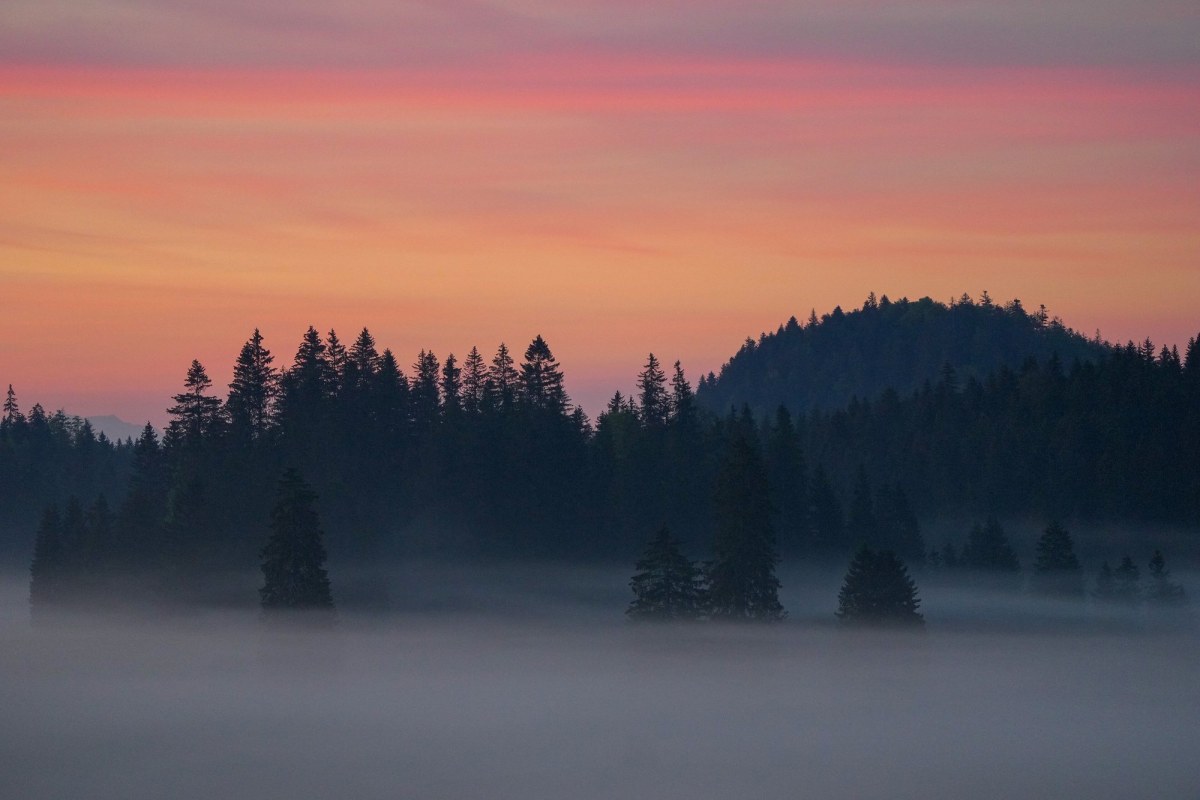
The largest and emptiest canton: three languages, deep side valleys and the country’s only national park.
Lake Geneva Region
Region
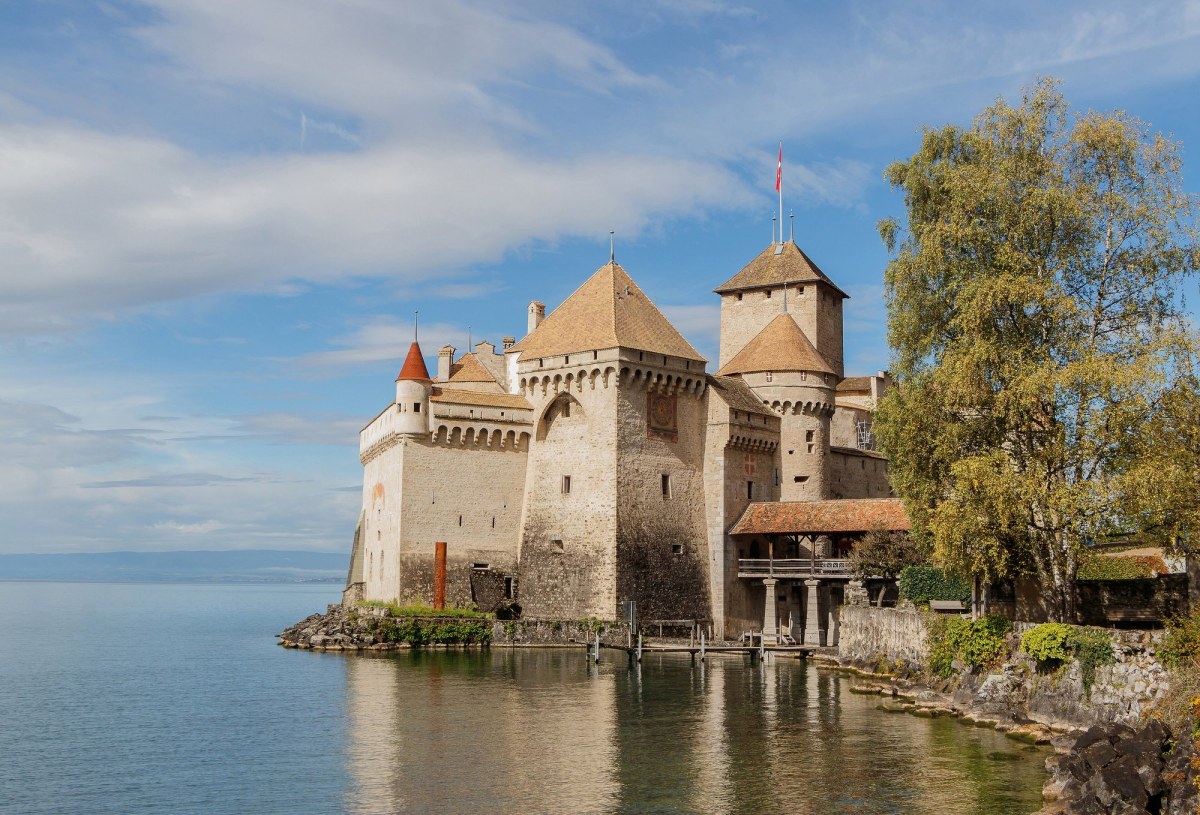
The north shore of the lake: terraced vineyards, a castle on the water and the towns that grew rich beside it.
Schaffhausen
Region
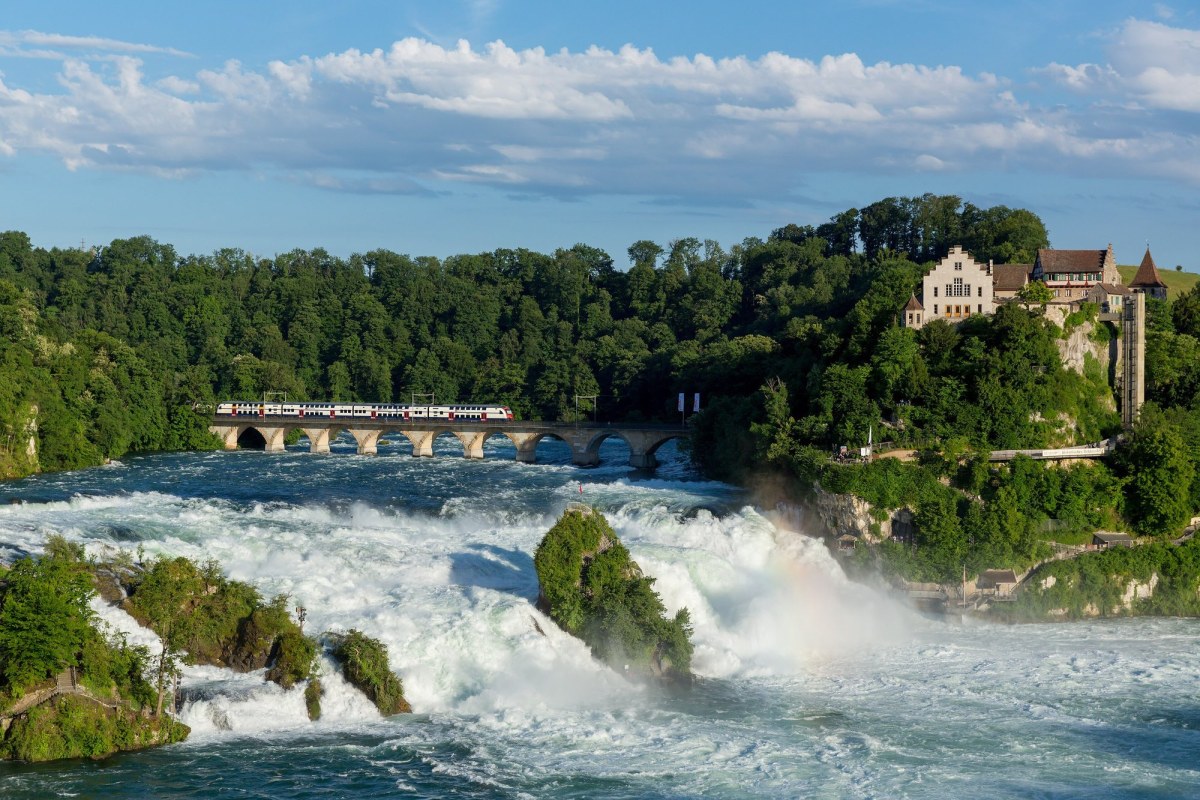
The canton north of the Rhine, with a painted old town and the largest waterfall in Europe by volume.
Ticino
Region
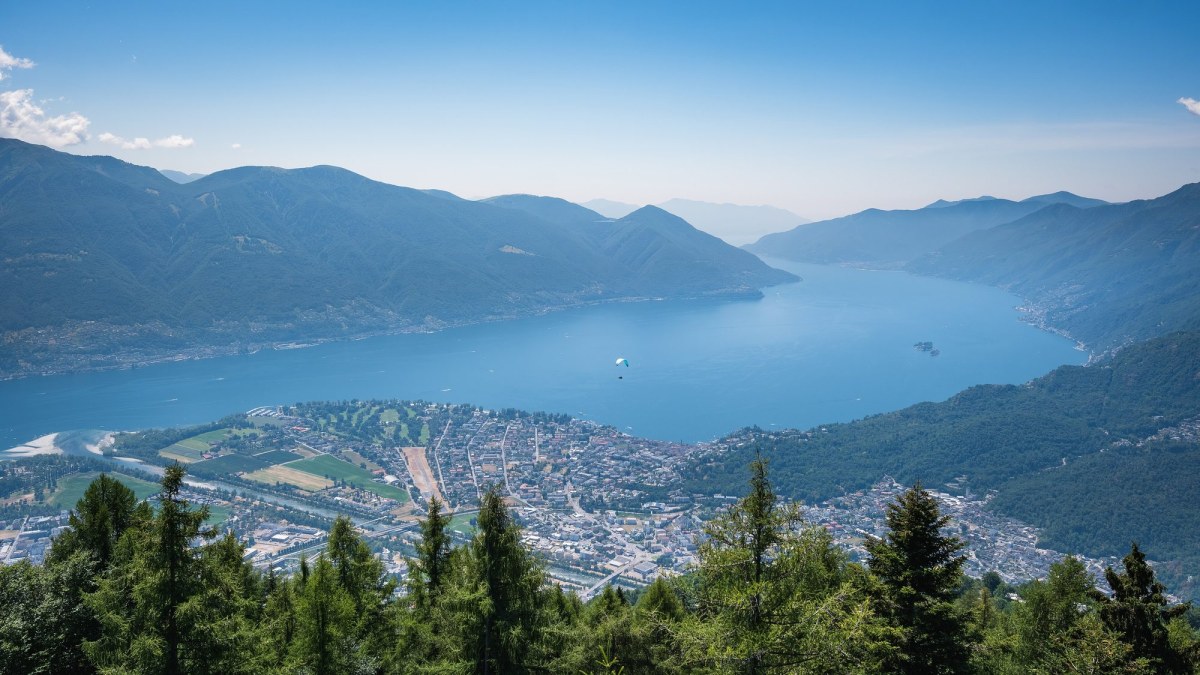
The Italian-speaking south: palm trees on lake shores, stone villages in the valleys above.
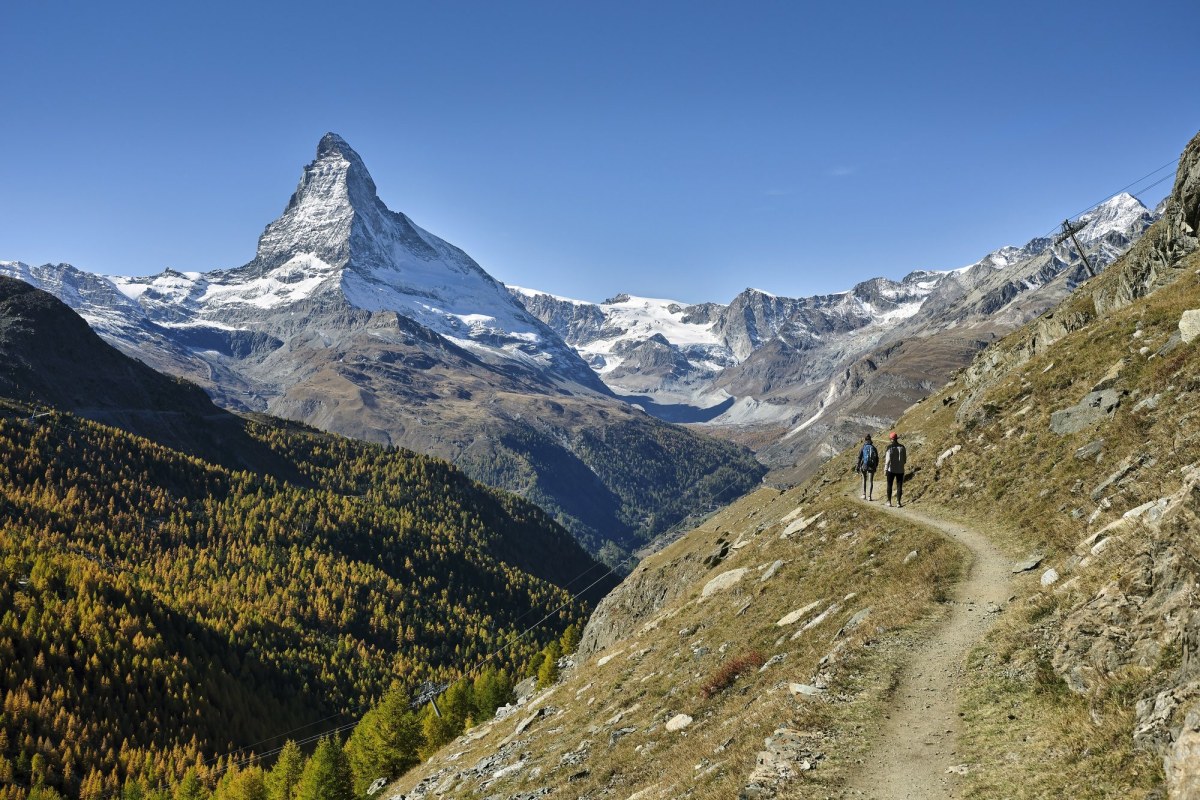
Valais
Region
A deep Rhône valley walled by the highest Alps in the country, dry at the bottom and glaciated above.
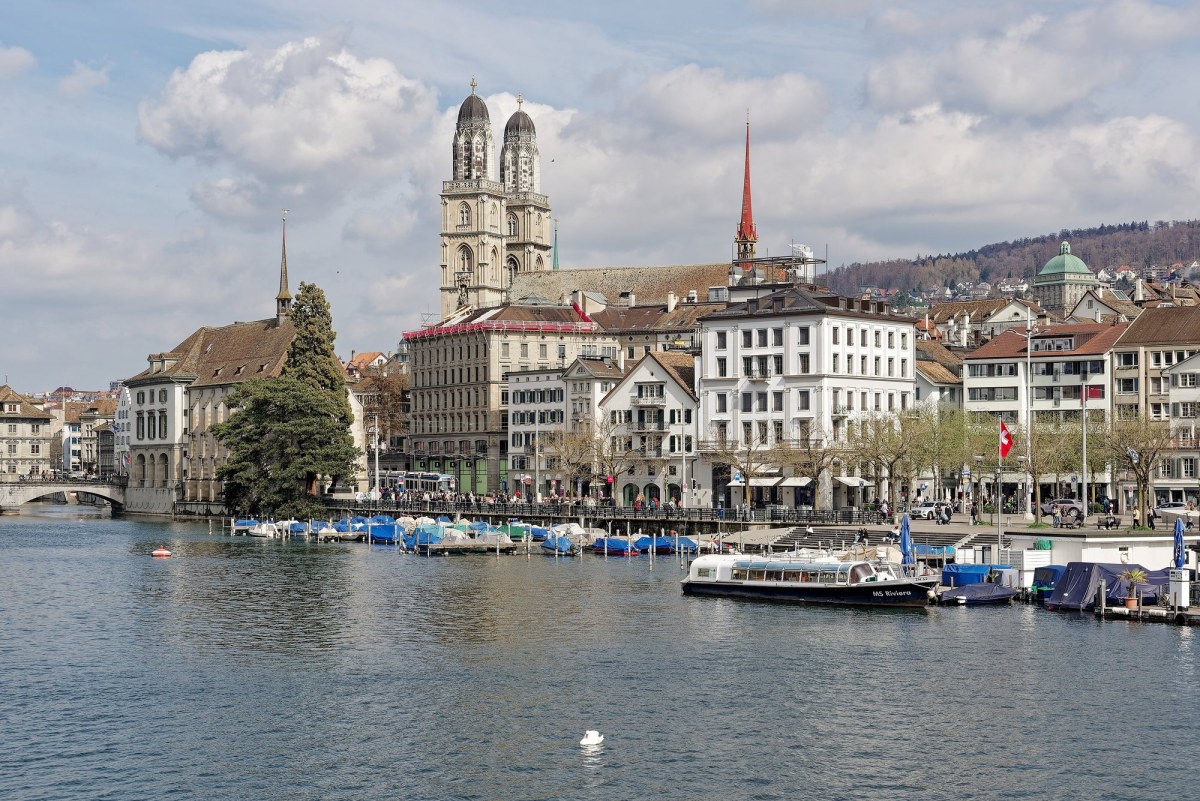
Zurich Region
Region
The largest city, its lake, and the hills and wine country immediately behind it.
Inside Switzerland
Towns and cities
12 to explore
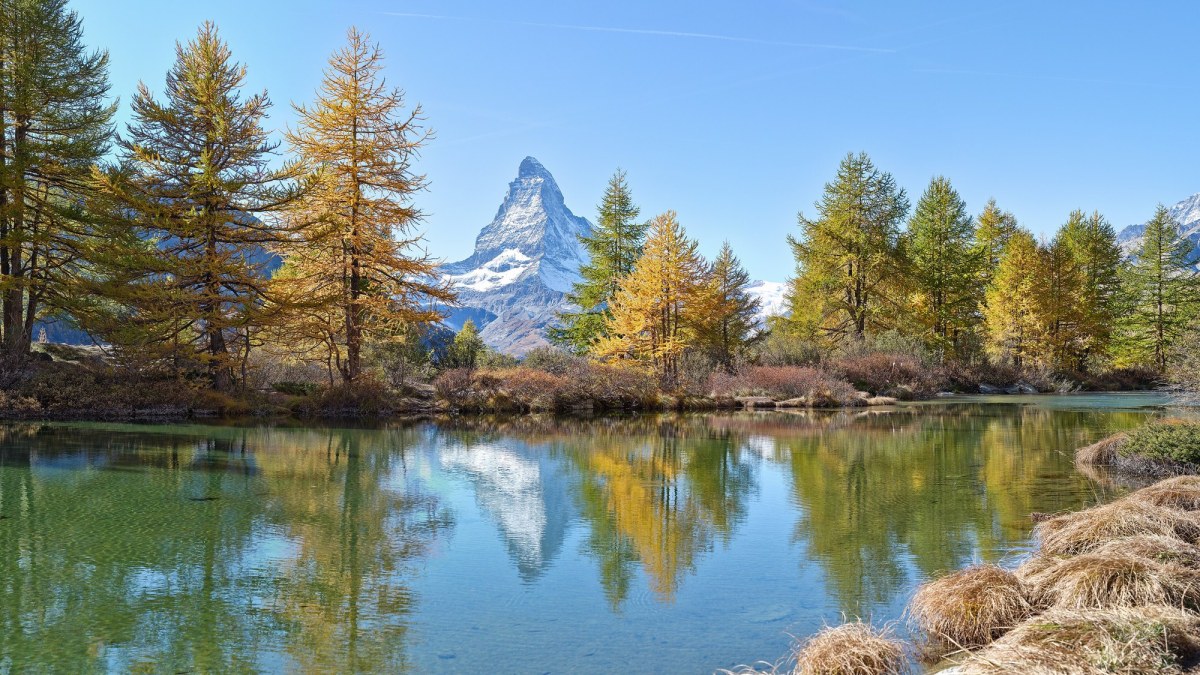
Basel
Town or city
A Rhine city on three borders, with more art per square kilometre than anywhere else in the country.
Bern
Town or city
The federal capital: a sandstone old town inside a river loop, with arcades along most of its streets.
Geneva
Town or city
A French-speaking city at the end of the lake, and the European seat of a great deal of international machinery.
Interlaken
Town or city
A town on the flat between two lakes, and the way in to the Jungfrau mountains.
Lausanne
Town or city
A city stacked up a steep slope above Lake Geneva, with a Gothic cathedral at the top.
Lucerne
Town or city
A lake town with a covered wooden bridge, wall towers and two mountains behind it.
Lugano
Town or city
An Italian-speaking lake city under two steep mountains, with palms on the promenade.
Montreux
Town or city
A lakeside resort with a mild microclimate, a famous jazz festival and a castle on a rock nearby.
St. Moritz
Town or city
A high Engadine resort with a lake, a mineral spring and a claim to have invented winter tourism.
Zermatt
Town or city
A car-free village at the head of a Valais valley, under the most recognisable mountain in the Alps.
Zurich
Town or city
The largest Swiss city, on a river between a lake and the hills, and considerably less buttoned-up than its reputation.
Inside Switzerland
Landmarks
12 to explore
Bernina Railway
Landmark
A narrow-gauge line that climbs from glaciers to palm trees without a rack.
Chapel Bridge
Landmark
A roofed wooden bridge across the Reuss, rebuilt after a fire that destroyed most of its paintings.
Château de Chillon
Landmark
An island castle on Lake Geneva, and the most visited historic building in Switzerland.
Gornergrat
Landmark
A ridge above Zermatt reached by rack railway, looking across at the Matterhorn and down onto a glacier system.
Jungfraujoch
Landmark
The highest railway station in Europe, reached through a tunnel bored inside the Eiger.
Lion Monument
Landmark
A dying lion carved into a rock face, in memory of Swiss Guards killed in Paris.
Matterhorn
Landmark
A four-sided pyramid on the Italian border, and the most drawn mountain in the world.
Old Town of Bern
Landmark
A medieval city inside a river loop, with arcades along most of its length.
Rhine Falls
Landmark
The largest waterfall in Europe by volume, with a rock in the middle that can be stood on.
Plan the trip
Explore Switzerland
Start with the regions, then the towns, then the sights worth a detour — each with its own page and its own pin on the map.
Start anywhere and follow the links. The guides and itineraries join these places into routes you can actually travel.
Credit: Europe by Giddo
Every place above is on this map. The lists on this page are the same content in the same order.