

Where to stay in Sweden
See the hotels and apartments available on Booking.com · This is an affiliate link with our partner. Europe by Giddo may earn a commission from a purchase made through it, at no extra cost to you.
Sweden is long. From the Danish border to the Arctic north is further than from London to Rome, and the country changes completely along the way: farmland and beech woods in the south, endless conifer forest and lakes in the middle, tundra and mountains at the top.
Our partner
Travel insurance · 5% off for our readers
Get a quoteStockholm is built across fourteen islands where a lake meets the Baltic. Gamla Stan is the medieval core; the Vasa Museum holds a warship raised almost intact after three hundred years underwater; Skansen is the world's oldest open-air museum. Beyond the city, an archipelago of some thirty thousand islands is served by ferries all summer.
Gothenburg on the west coast is the second city, with canals, a strong seafood tradition and a rockier archipelago of its own. Malmö in the far south sits opposite Copenhagen. The southern provinces of Skåne and Österlen are gentler, with castles, sandy beaches and apple orchards.
Central Sweden holds the great lakes Vänern and Vättern, the copper-red cottages of Dalarna, and the Göta Canal, which crosses the country from sea to sea. Gotland, out in the Baltic, has the walled Hanseatic town of Visby and limestone sea stacks.
The north is why many people come. Swedish Lapland has the Kungsleden long-distance trail, Abisko for northern lights in winter, Jokkmokk's Sámi market, and the ICEHOTEL at Jukkasjärvi, rebuilt from river ice each winter. In summer the sun does not set above the Arctic Circle.
The right of public access — allemansrätten — lets you walk and camp on most uncultivated land, which shapes how Swedes use their country. Swedish is the language, English is close to universal, and the summer is short, bright and taken very seriously.
The distances are the thing to plan for: an overnight train or a domestic flight is often the sensible way north. The south and the middle are well covered by rail, and the archipelagos run on summer ferry timetables that shrink sharply out of season. Sweden combines easily with Denmark, Norway and Finland, and the right of public access makes wild camping a genuine option.
Common questions
- What is the capital of Sweden?
- The capital of Sweden is Stockholm.
- What currency is used in Sweden?
- Sweden uses the Swedish krona (SEK).
- What language is spoken in Sweden?
- The official language is Swedish.
- When is the best time to visit Sweden?
- Cold snowy winters, especially in the north; long light summer days countrywide.
- Which side of the road do you drive on in Sweden?
- In Sweden you drive on the right.
- What plug sockets are used in Sweden?
- Sweden uses type C, F sockets.
- What is the dialling code for Sweden?
- The international dialling code for Sweden is +46.
Partner
Inside Sweden
Regions
10 to explore
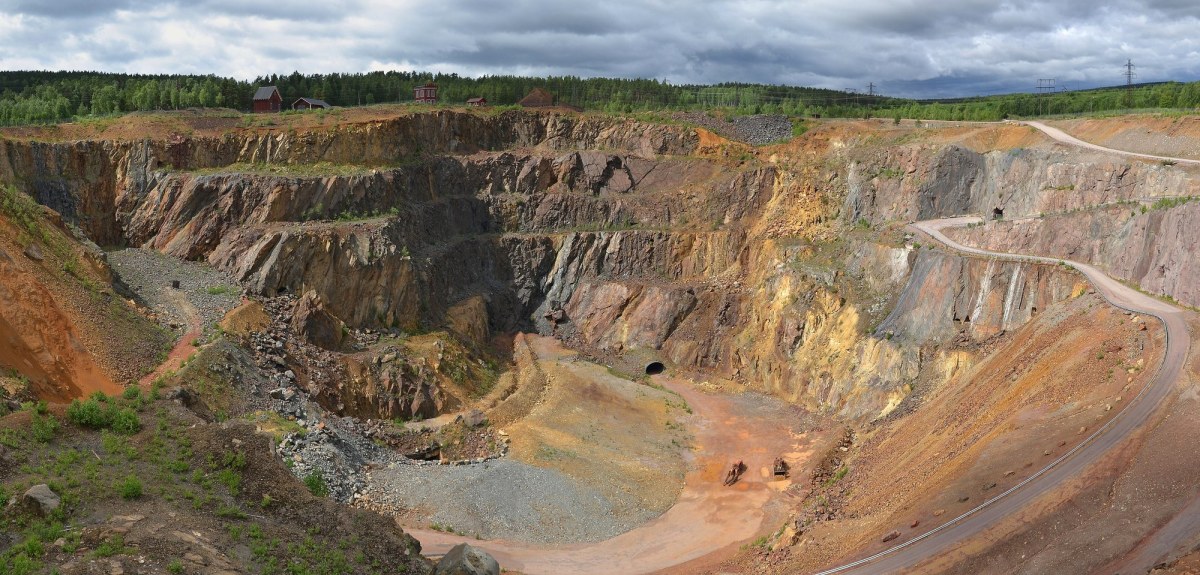
Dalarna
Region
Red cottages, a painted horse and the folk traditions the rest of the country borrowed.
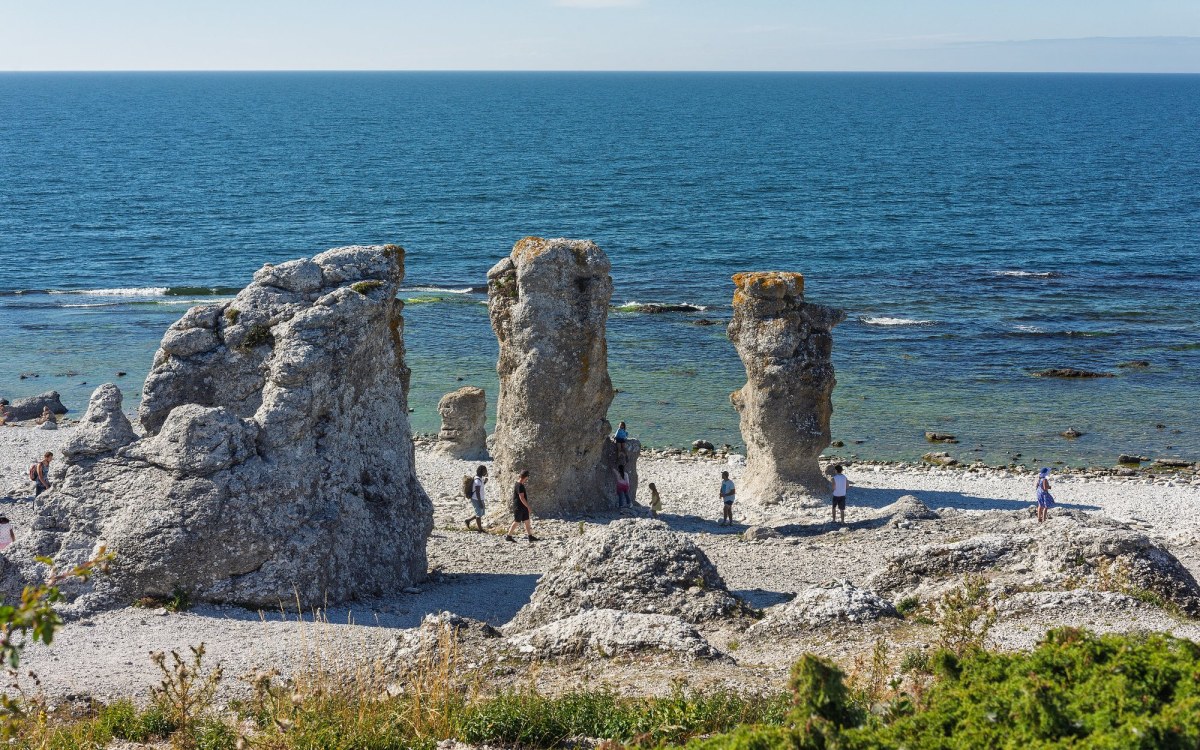
Gotland
Region
A limestone island in the middle of the Baltic with a walled Hanseatic town and a hundred medieval churches.
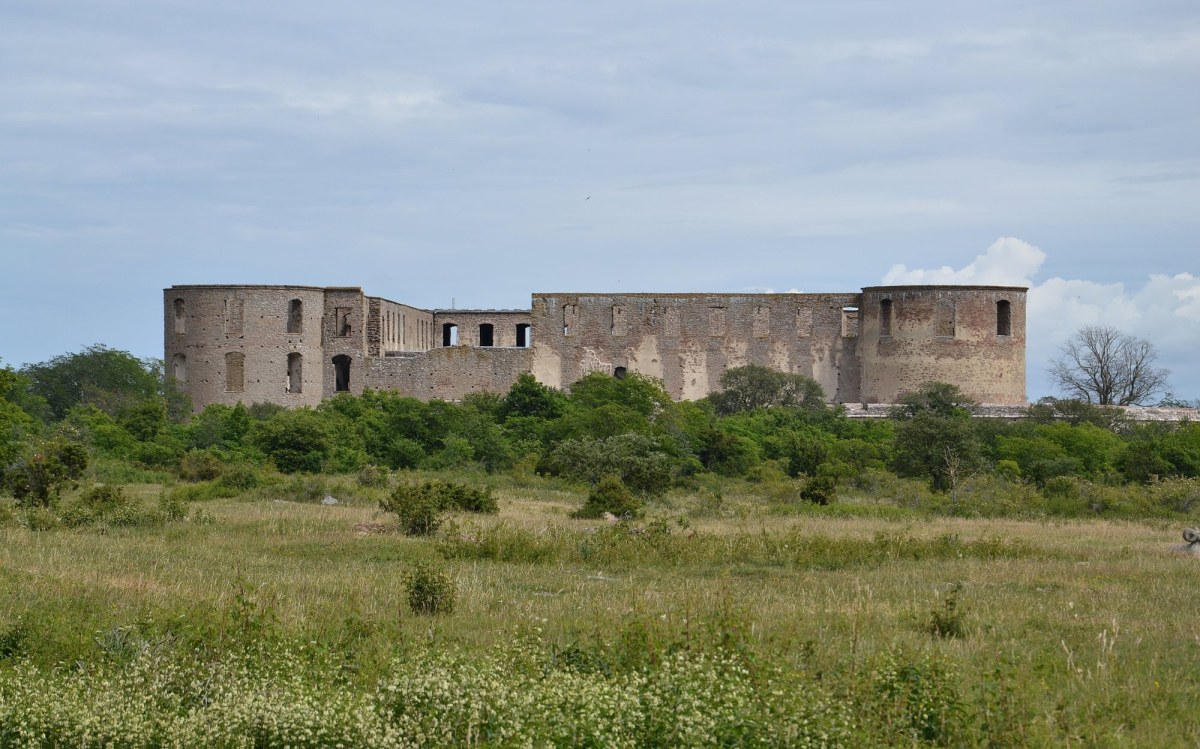
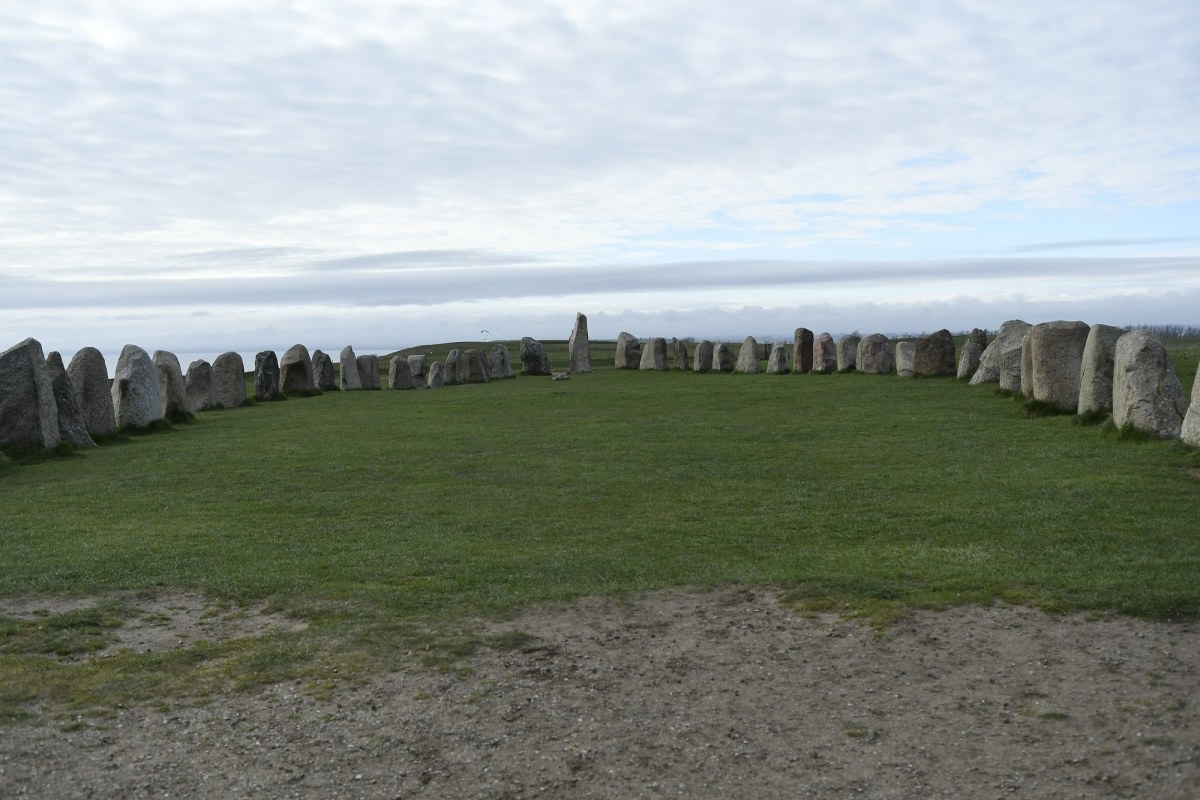
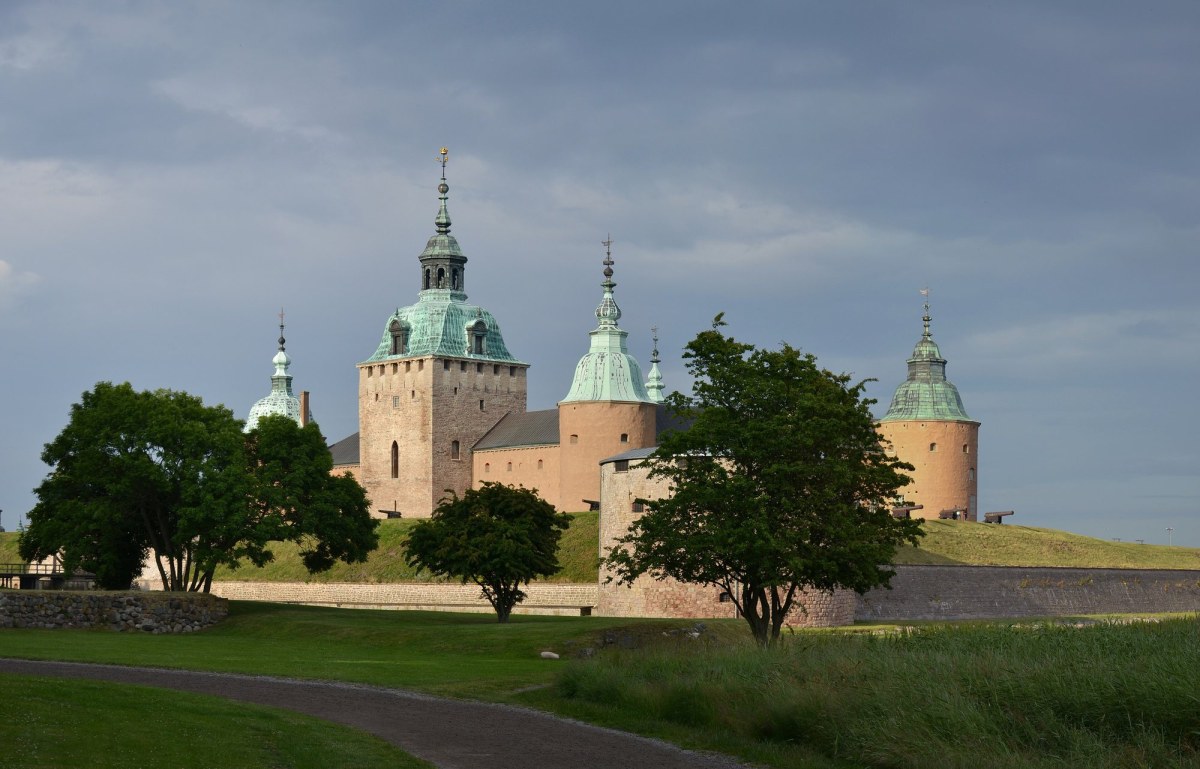
Småland
Region
Forest, lakes and stone walls, glassworks in the woods and the emigration that emptied it.
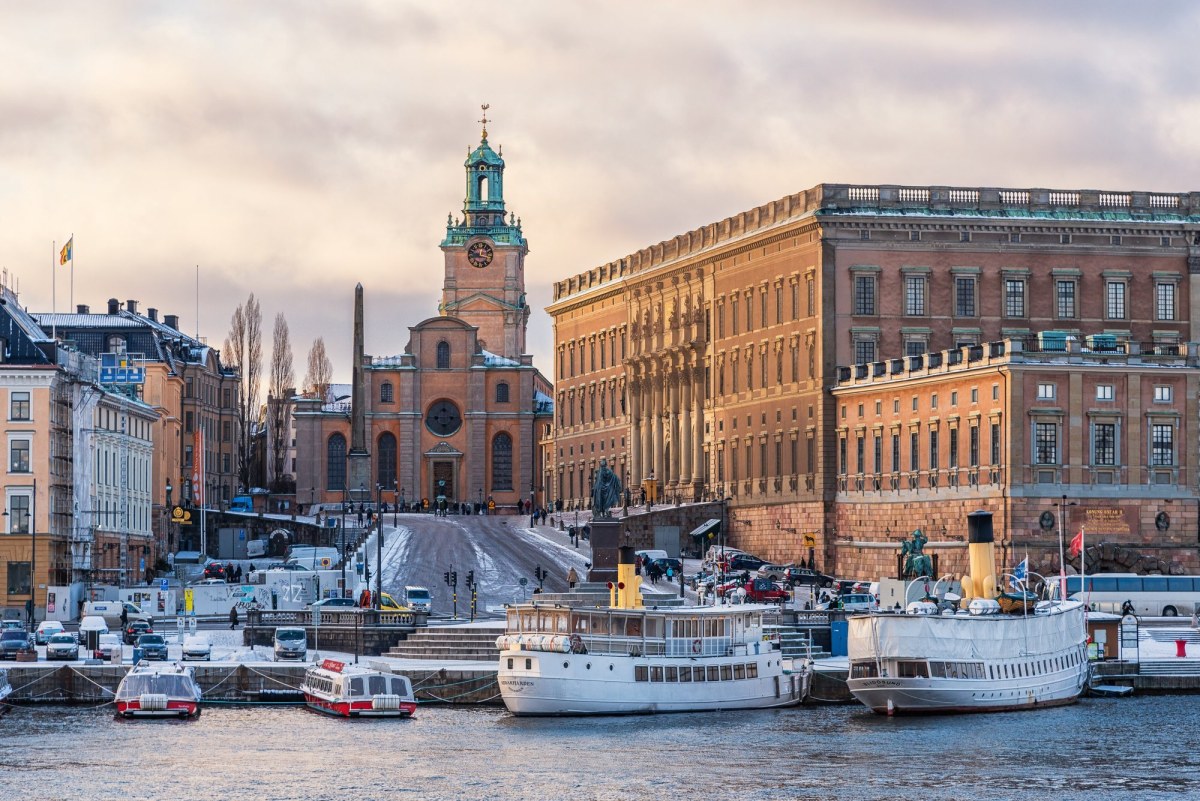
Stockholm and the Archipelago
Region
A capital built across islands, with thousands more scattered east of it into the Baltic.
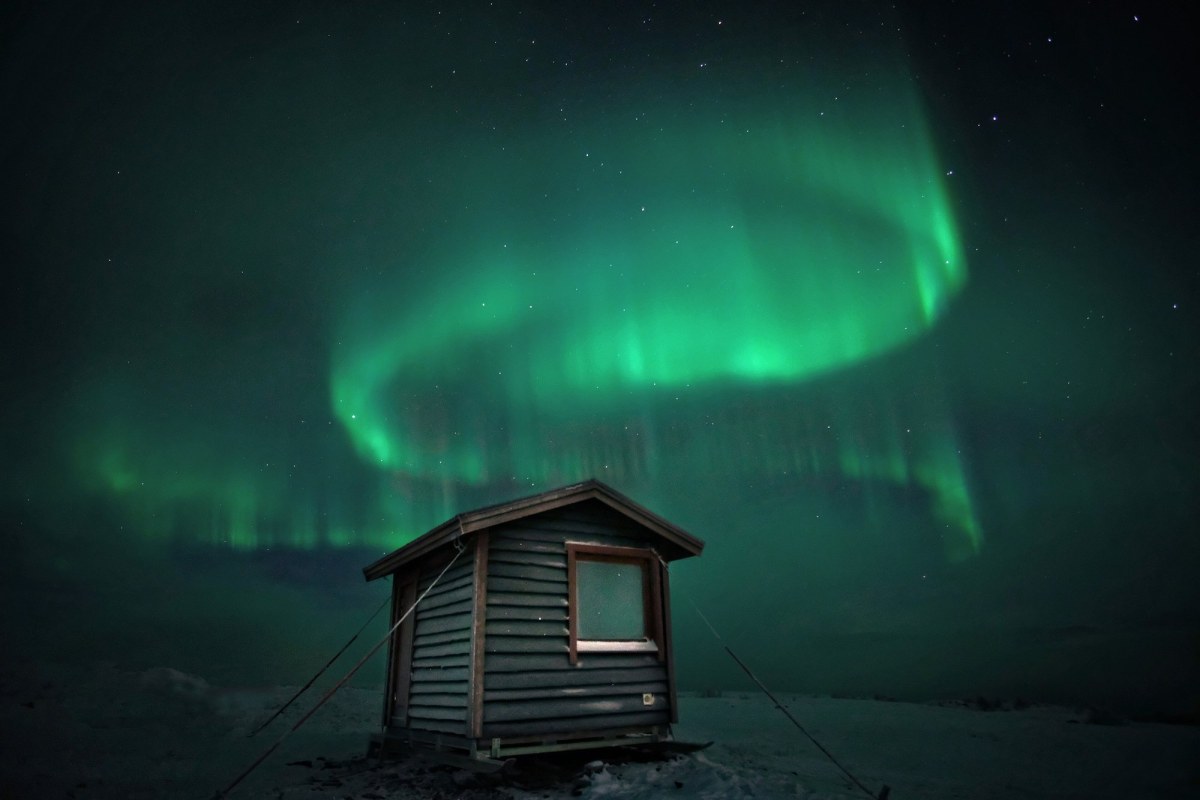
Swedish Lapland
Region
The far north: Sámi country, mountains, iron ore, and a winter that runs for half the year.
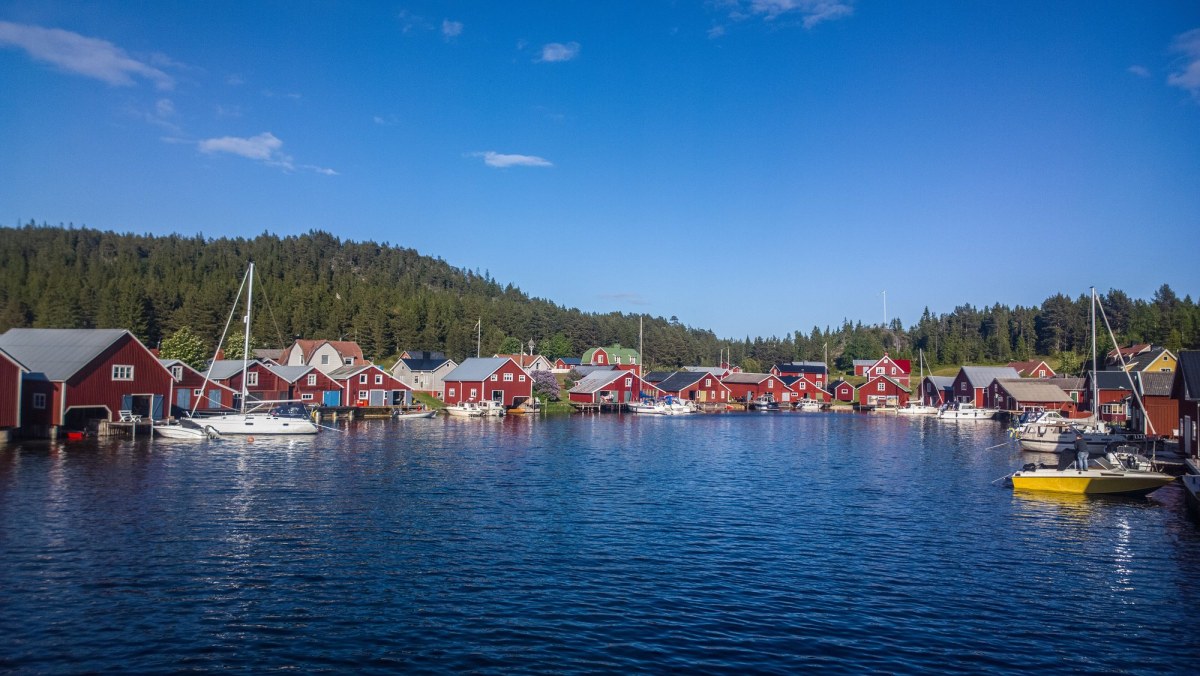
The High Coast
Region
A shore that is still rising out of the sea, faster than anywhere else on earth.
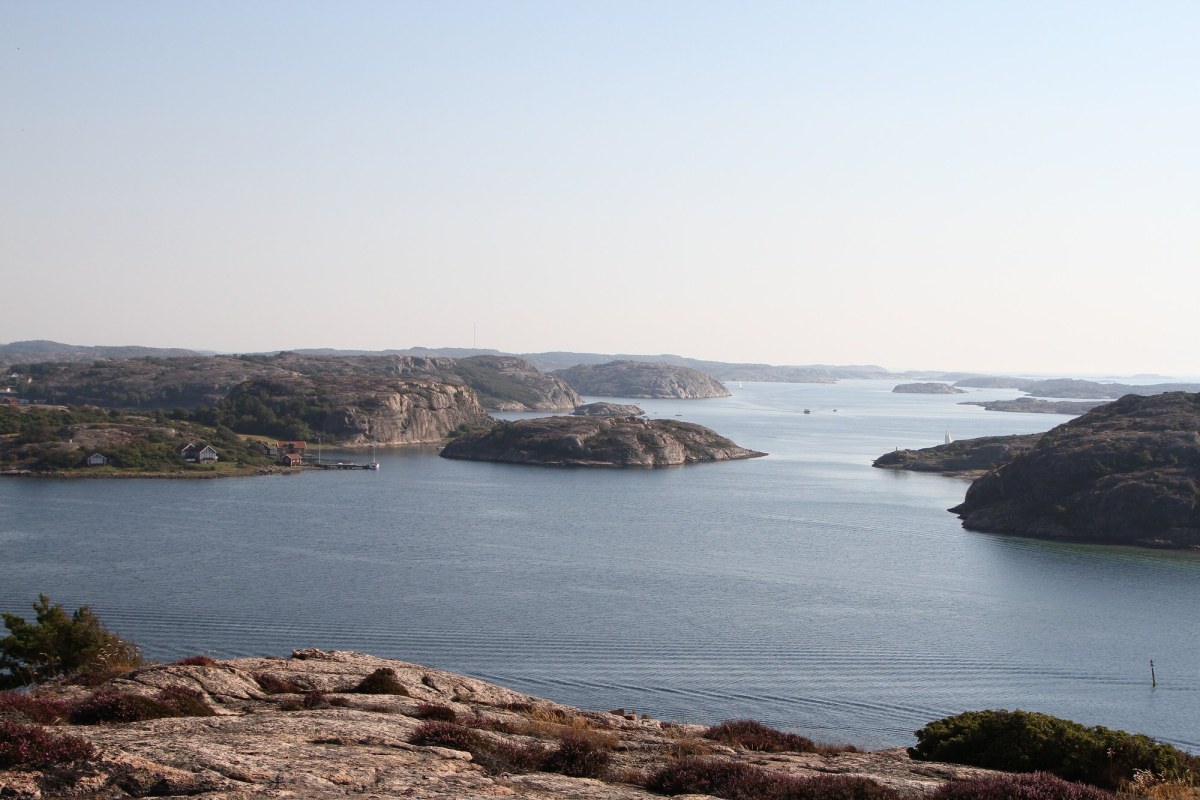
The West Coast
Region
Granite skerries, seafood and the country’s second city, facing the North Sea.
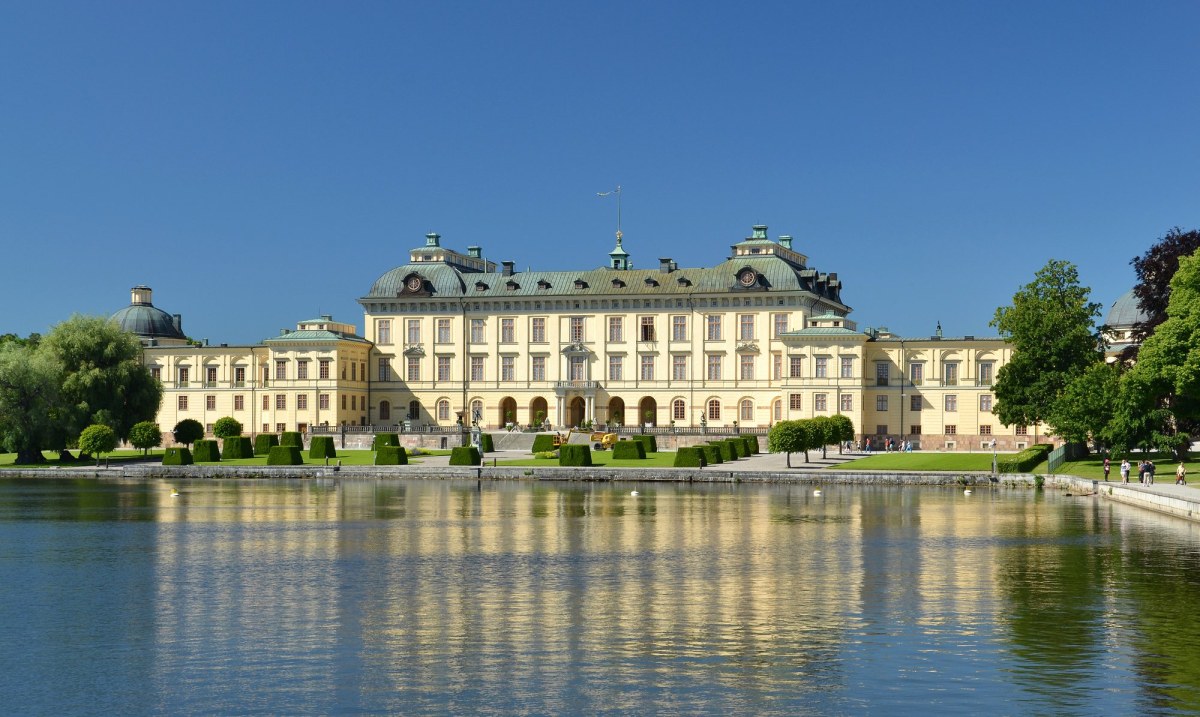
Uppland and the Mälaren Valley
Region
The oldest settled part of Sweden: rune stones, a cathedral city and the lake that carried the trade.
Inside Sweden
Towns and cities
12 to explore
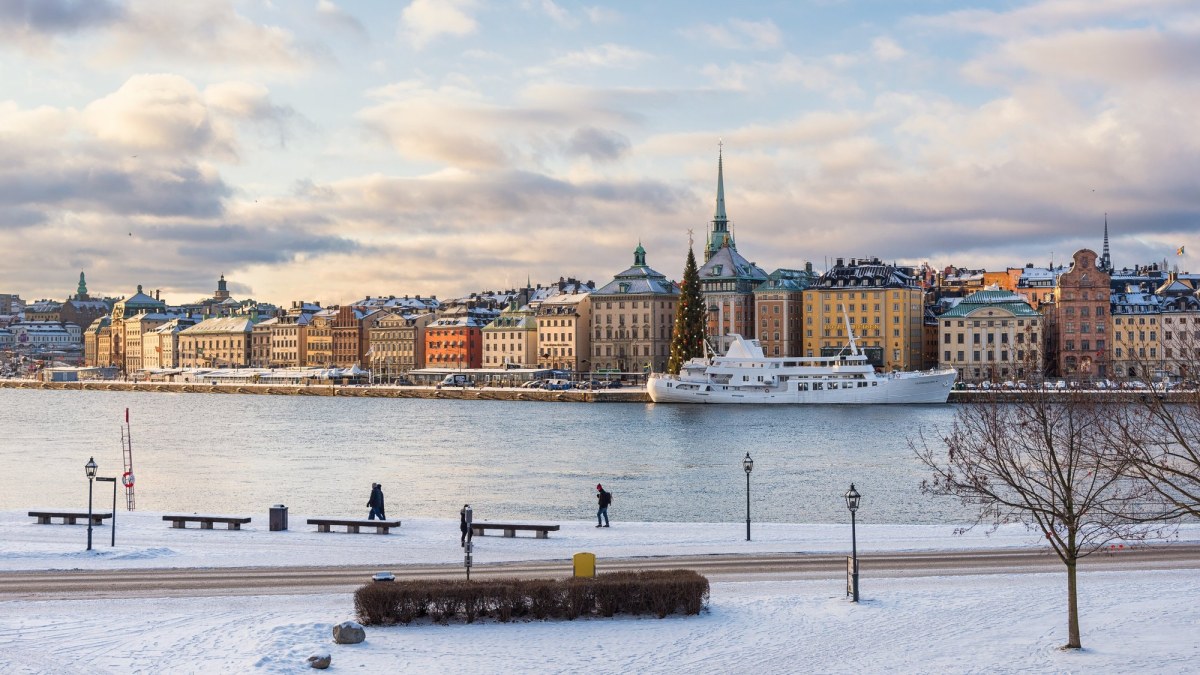
Gothenburg
Town or city
A canal-laid port city with an amusement park, a seafood market and a fondness for its own dialect.
Jokkmokk
Town or city
A Sámi town on the Arctic Circle with a winter market that has run for four centuries.
Kiruna
Town or city
An Arctic mining town that is being moved, building by building, because the ore runs under it.
Mora
Town or city
A lakeside town at the finish of the country’s great ski race, and the home of the Dala horse.
Stockholm
Town or city
A capital on fourteen islands, with a preserved medieval core and a warship raised from the harbour.
Uppsala
Town or city
The university city and the seat of the Swedish church, with burial mounds on its edge.
Ystad
Town or city
A half-timbered market town on the Scanian coast, and the setting for a great many crime novels.
Inside Sweden
Landmarks
12 to explore
Abisko National Park
Landmark
A mountain park in the far north known for clear skies and the start of the Kungsleden.
Drottningholm Palace
Landmark
The royal family’s home, a baroque palace on an island with an eighteenth-century theatre still in use.
Gamla Stan
Landmark
The medieval island at the middle of Stockholm, with the Royal Palace at one end.
Icehotel
Landmark
A hotel built from river ice each winter that melts back into the river each spring.
Kalmar Castle
Landmark
A medieval fortress rebuilt as a Renaissance palace, moated and remarkably complete.
Öresund Bridge
Landmark
A crossing to Denmark that starts as a bridge, becomes an island and finishes as a tunnel.
Skansen
Landmark
The first open-air museum in the world: a country reassembled on a hill in the capital.
Turning Torso
Landmark
A twisting residential tower on the old shipyard, and the landmark of Malmö’s rebuilt harbour.
Uppsala Cathedral
Landmark
The largest church in Scandinavia and the seat of the Swedish archbishop.
Vasa Museum
Landmark
A warship that sank on her maiden voyage in 1628, raised whole and housed in a purpose-built hall.
Visby City Wall
Landmark
A medieval town wall standing almost the whole way round, with most of its towers.
Plan the trip
Explore Sweden
Start with the regions, then the towns, then the sights worth a detour — each with its own page and its own pin on the map.
Start anywhere and follow the links. The guides and itineraries join these places into routes you can actually travel.
Credit: Europe by Giddo
Every place above is on this map. The lists on this page are the same content in the same order.