

Where to stay in Slovakia
See the hotels and apartments available on Booking.com · This is an affiliate link with our partner. Europe by Giddo may earn a commission from a purchase made through it, at no extra cost to you.
Slovakia is small, mountainous and consistently overlooked by travellers heading between Vienna, Prague and Budapest. That is its advantage: the same landscapes cost less and hold fewer people than in the countries around it.
Our partner
Travel insurance · 5% off for our readers
Get a quoteBratislava sits on the Danube within sight of Austria, close enough to Vienna to be reached in an hour. The old town is compact and pastel, under a rebuilt white castle, and the Blue Church is a small Art Nouveau surprise. It is a half-day city that makes a good starting point rather than a destination in itself.
The High Tatras are the reason to come. They are the smallest high-alpine range in the world, packed into about twenty-five kilometres, with sharp granite peaks, glacial lakes called plesa, and a good network of huts and marked trails. Štrbské Pleso and Starý Smokovec are the usual bases, and a funicular and cable cars save a lot of climbing.
The country claims more castles and châteaux per head than any other, and the best of them are worth the detour: Spiš Castle, one of the largest castle complexes in Central Europe, spread across a ridge in the east; Orava Castle on a rock above a river; Bojnice, which looks like a fairy tale.
Underground, the Slovak Karst and Aggtelek caves are World Heritage listed, and the Dobšinská ice cave keeps its ice through summer. In the east, a set of wooden churches built without a single nail, some Catholic, some Orthodox, some Protestant, are also listed.
Levoča, Bardejov and Banská Štiavnica are preserved old mining and merchant towns. Slovak is close to Czech and both are widely understood; English is normal in the cities and patchier in the mountains.
Bratislava is an hour from Vienna by train or boat, so Slovakia is easy to add to a Central European route. Trains and buses reach the main valleys, but the smaller villages and the castle country in the east really want a car. The High Tatras have a full winter season and a summer walking season, with the huts and lifts running to fixed dates worth checking before you plan a traverse.
Common questions
- What is the capital of Slovakia?
- The capital of Slovakia is Bratislava.
- What currency is used in Slovakia?
- Slovakia uses the Euro (EUR).
- What language is spoken in Slovakia?
- The official language is Slovak.
- When is the best time to visit Slovakia?
- Continental: warm summers, cold winters, reliable snow in the High Tatras.
- Which side of the road do you drive on in Slovakia?
- In Slovakia you drive on the right.
- What plug sockets are used in Slovakia?
- Slovakia uses type C, E sockets.
- What is the dialling code for Slovakia?
- The international dialling code for Slovakia is +421.
Partner
Inside Slovakia
Regions
10 to explore
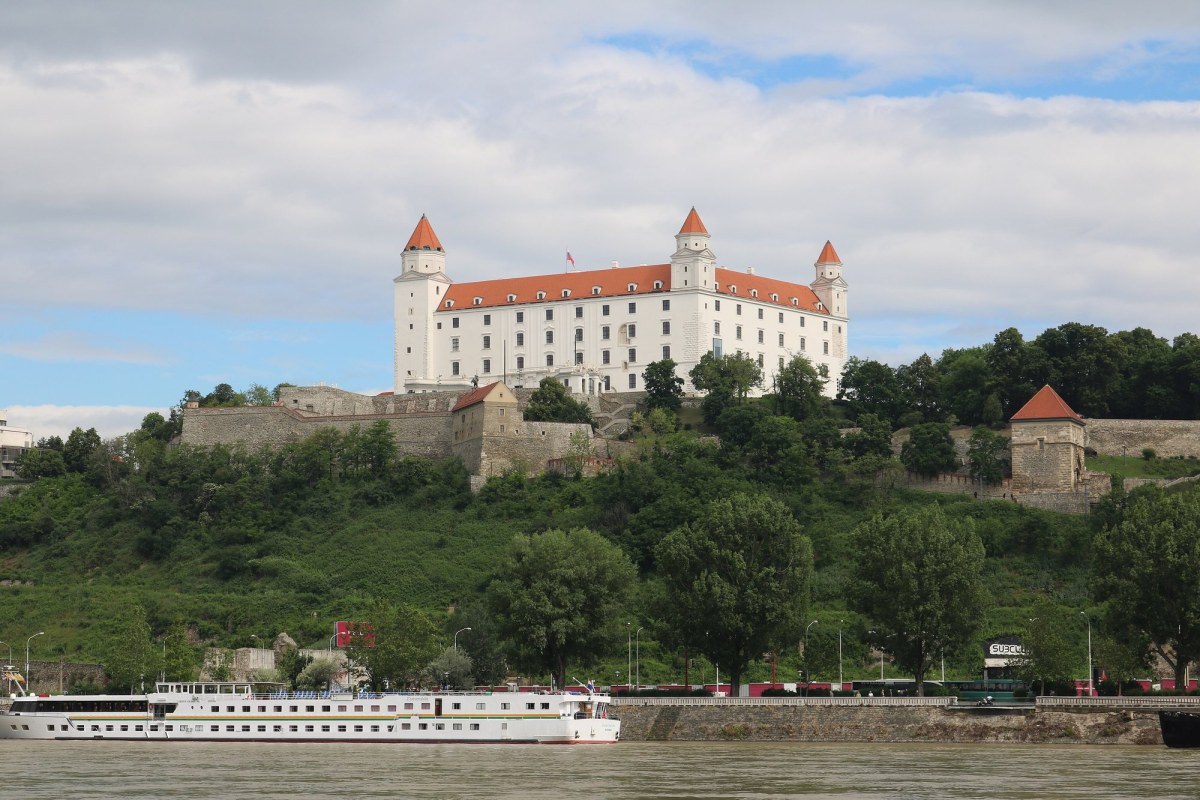
Bratislava and the West
Region
The Danube corner: the capital, vineyards on the Small Carpathians and a plain of villages.
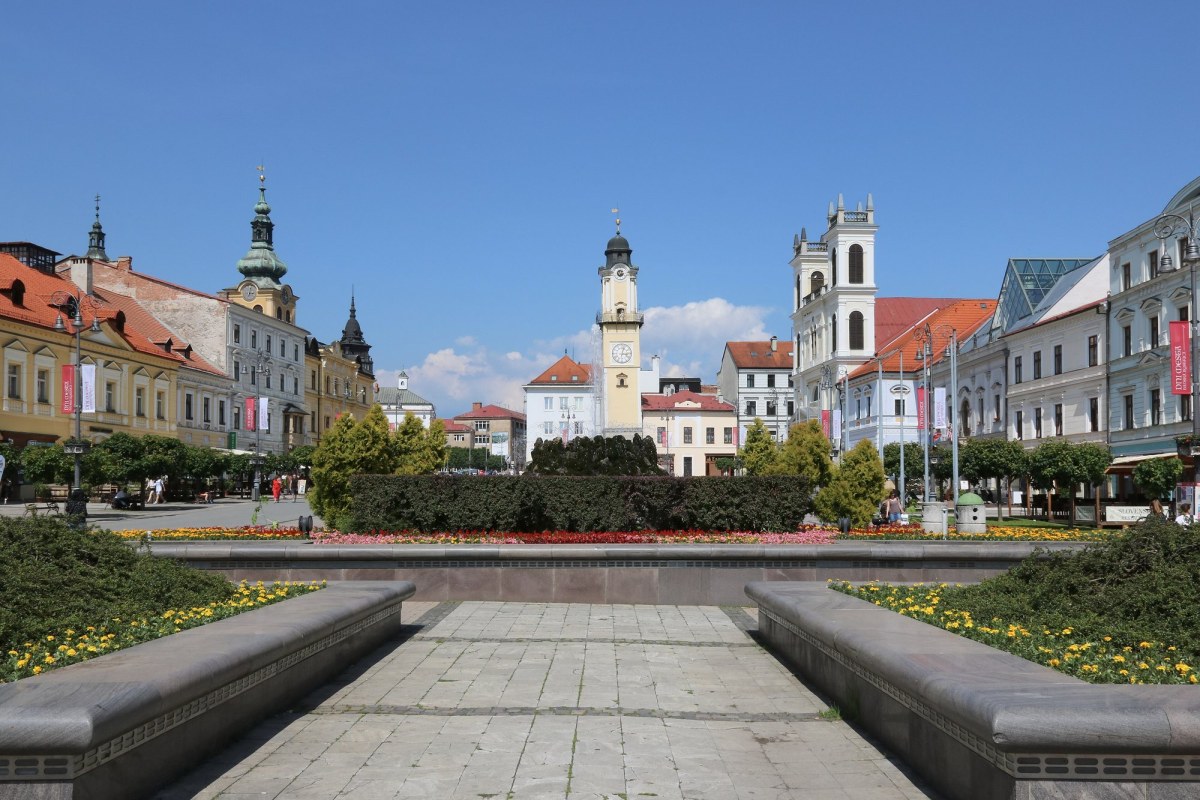
Central Slovakia and the Mining Towns
Region
Gold and silver towns in volcanic hills, with a spa in a gorge and a castle on a rock.
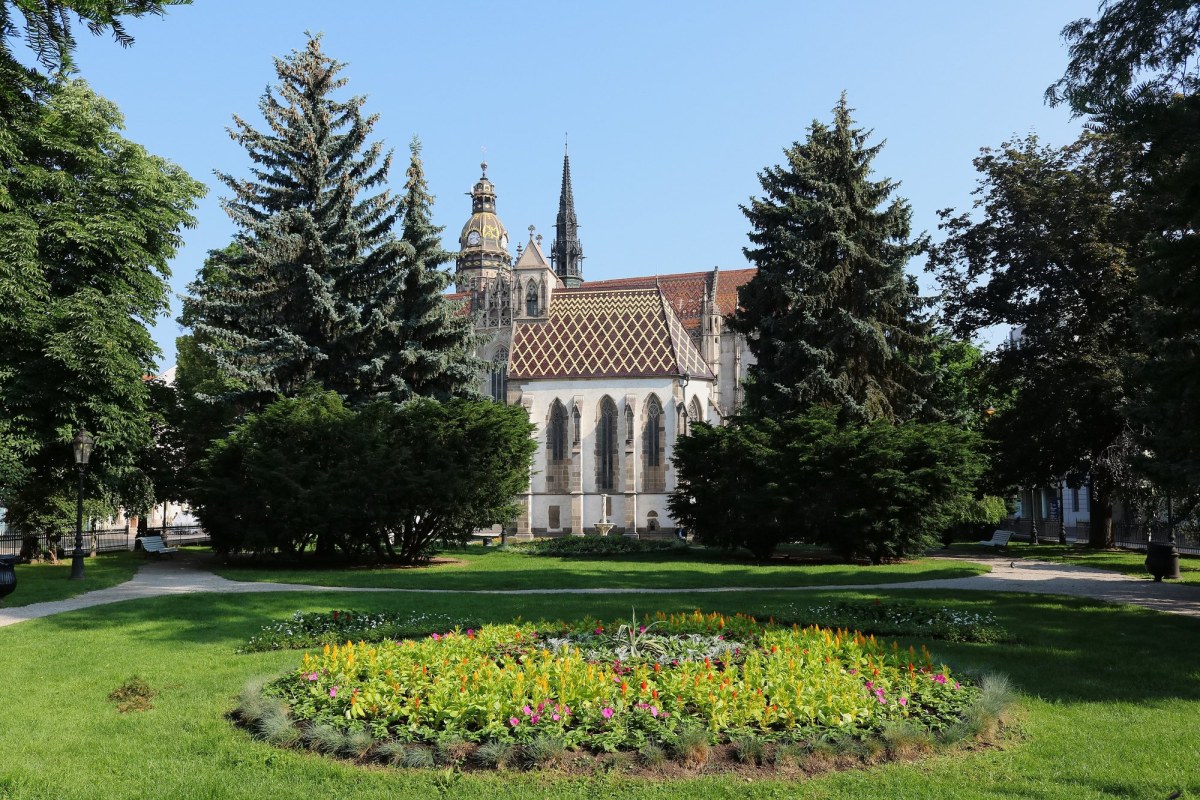
Eastern Slovakia
Region
A borderland of Gothic towns, wooden churches and the country’s second city.
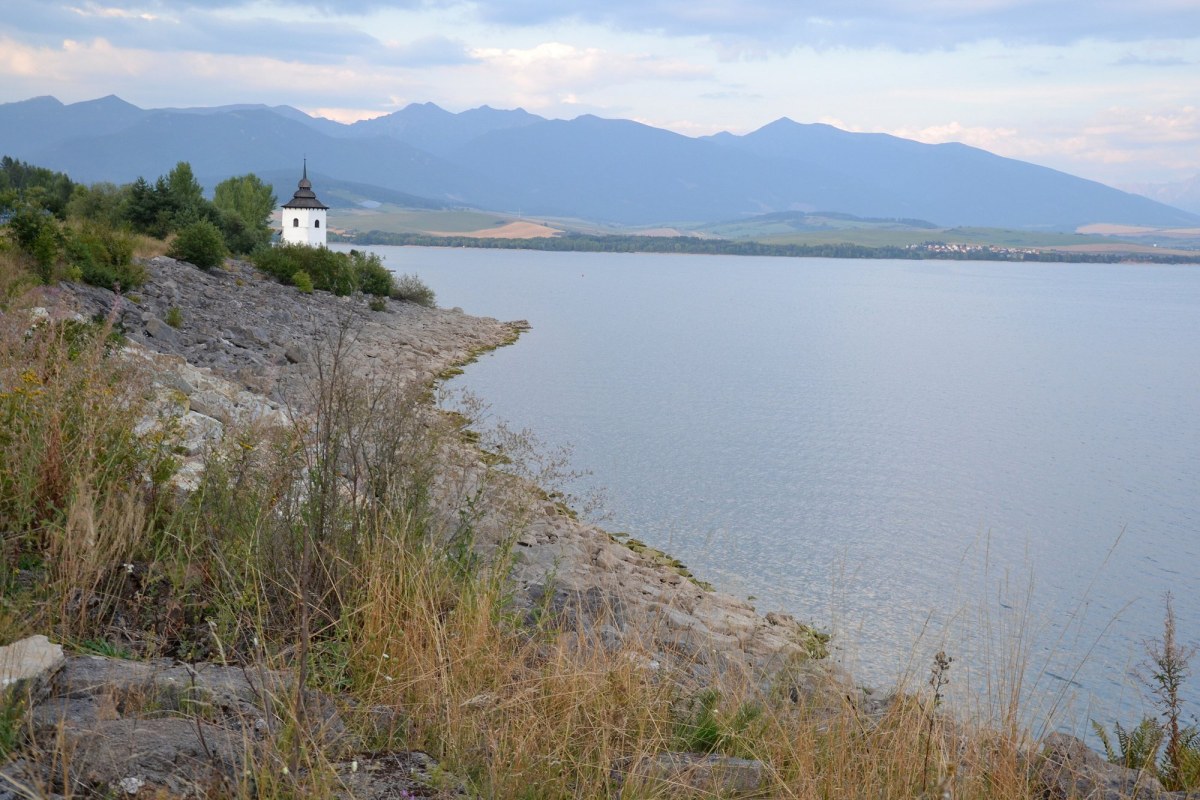
Liptov
Region
A broad valley between two mountain ranges, with thermal water, a drowned village and a listed hamlet.
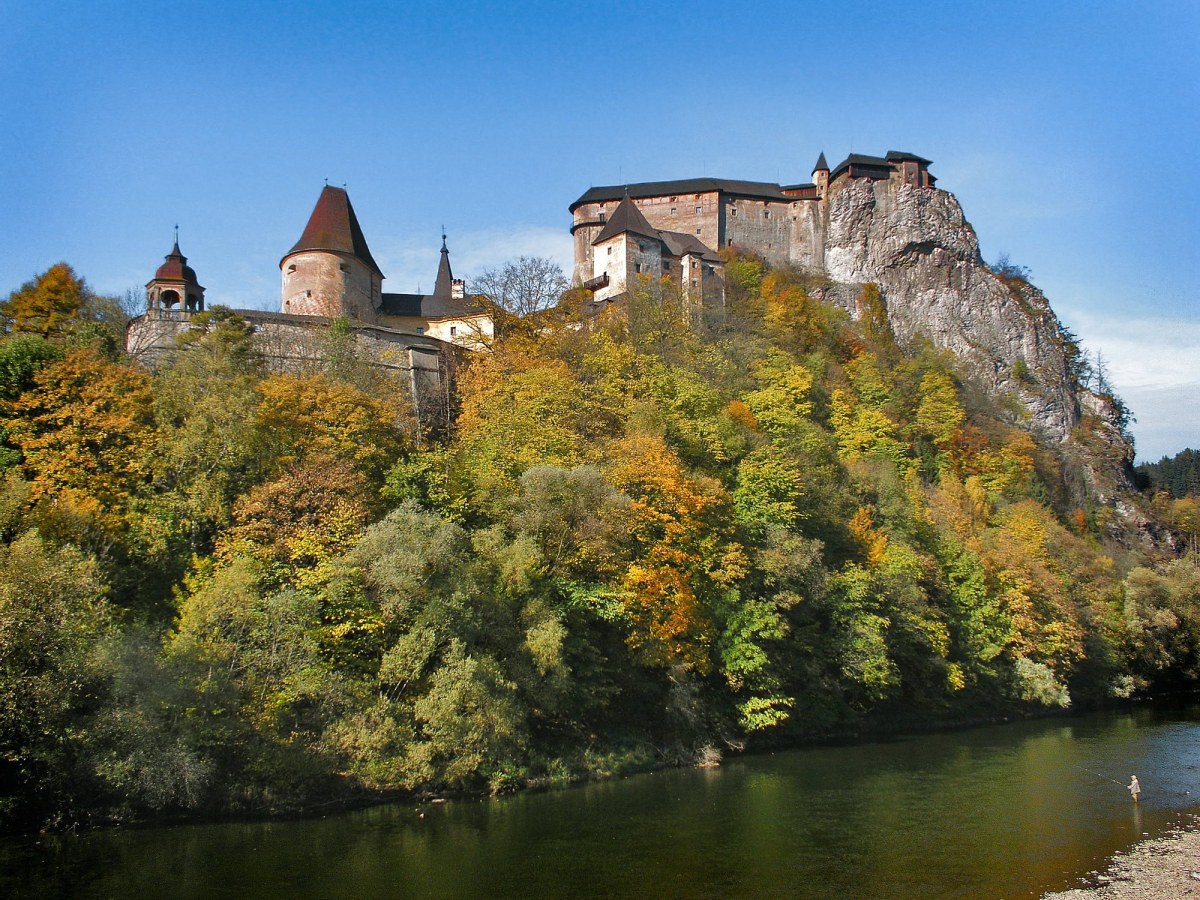
Orava
Region
A cold northern valley of timber villages under a castle on a rock, on the Polish border.
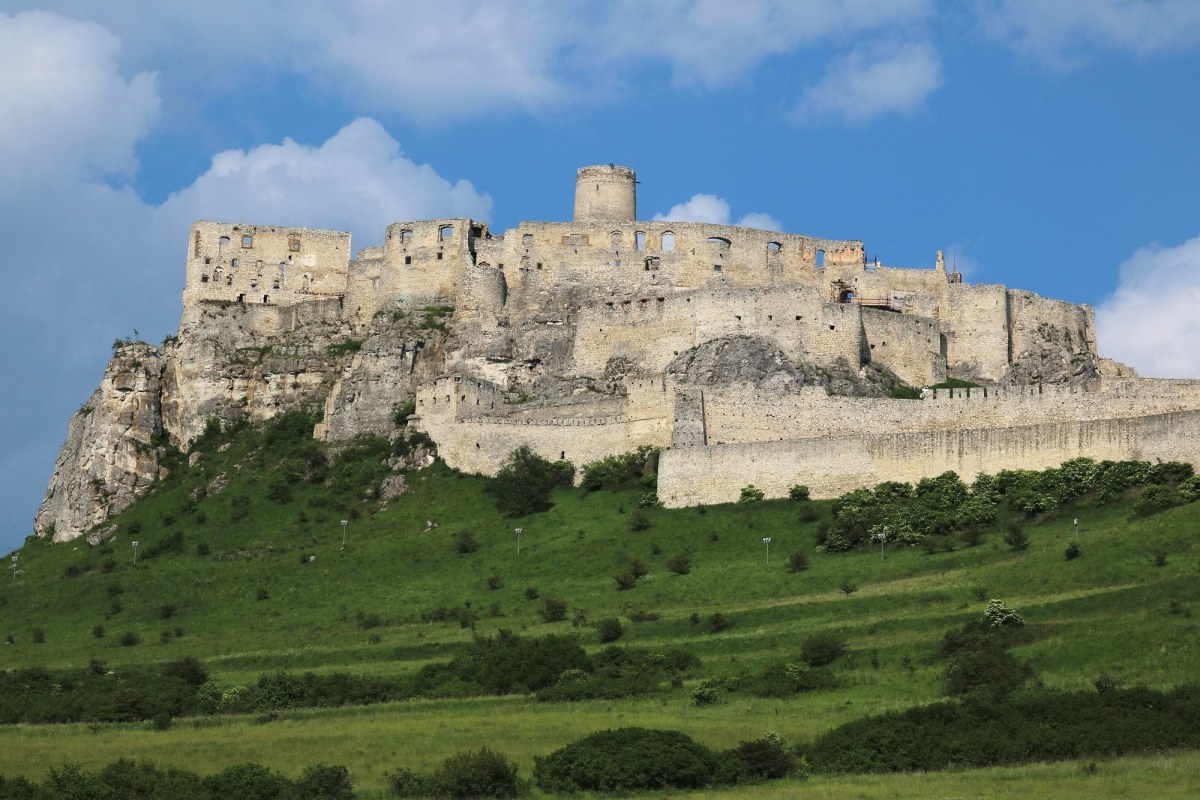
Spiš
Region
A historic region of Saxon towns, Gothic altarpieces and the largest castle ruin in central Europe.
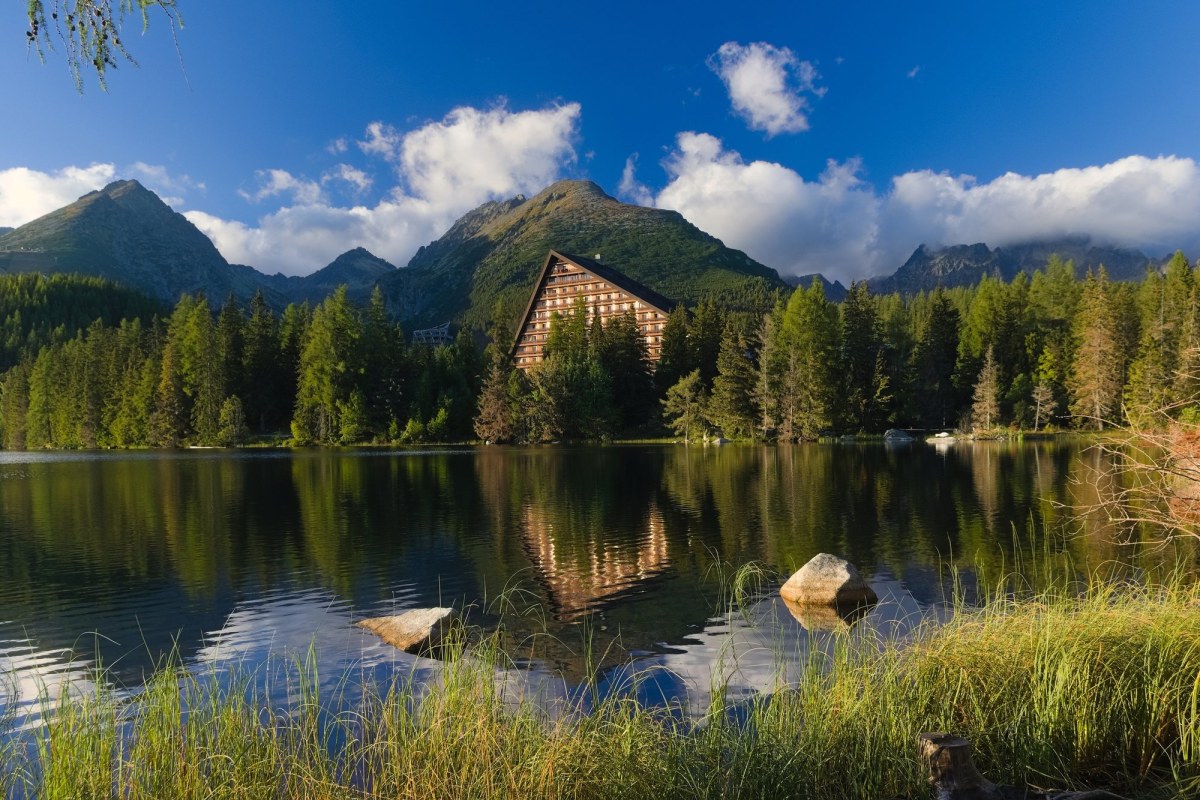
The High Tatras
Region
The smallest high mountain range in the world: alpine peaks, tarns and a hard climate, packed into a short ridge.
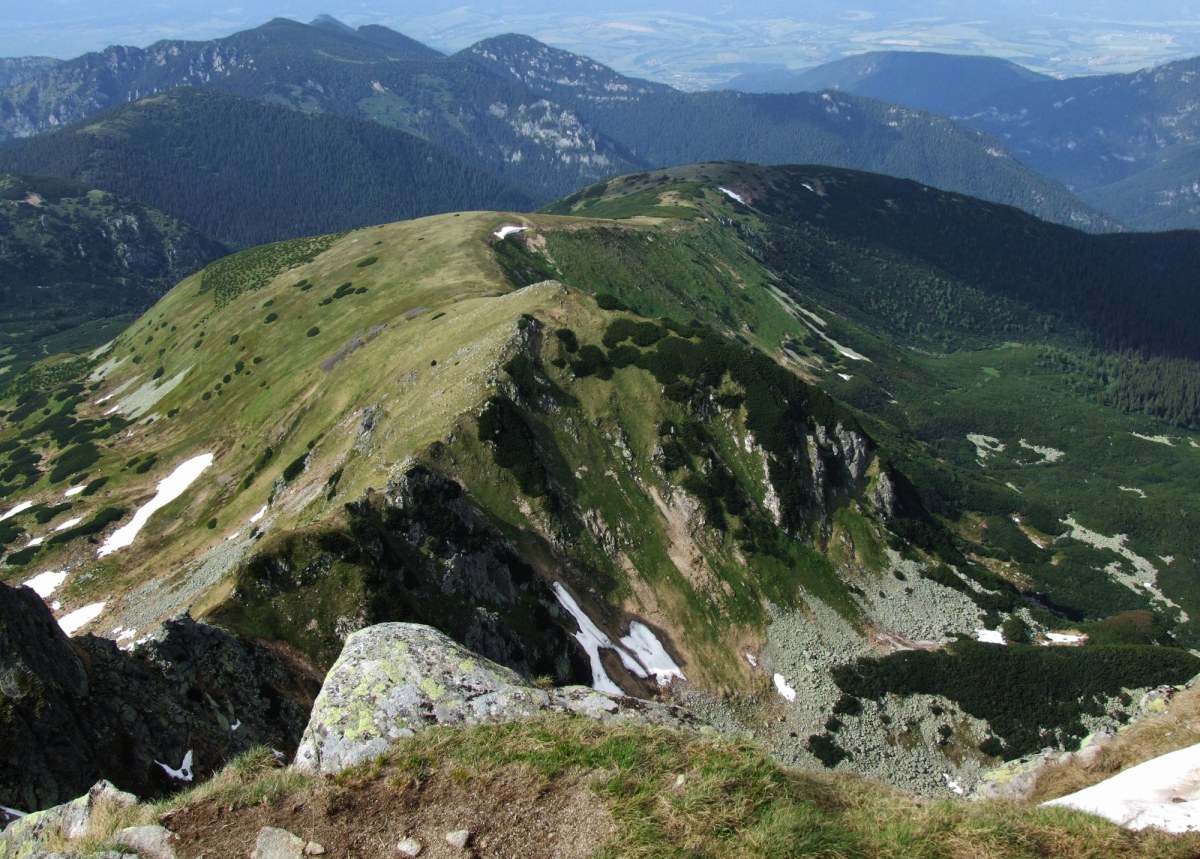
The Low Tatras
Region
A long forested ridge with caves beneath it and the best ski slopes in the country on its flanks.
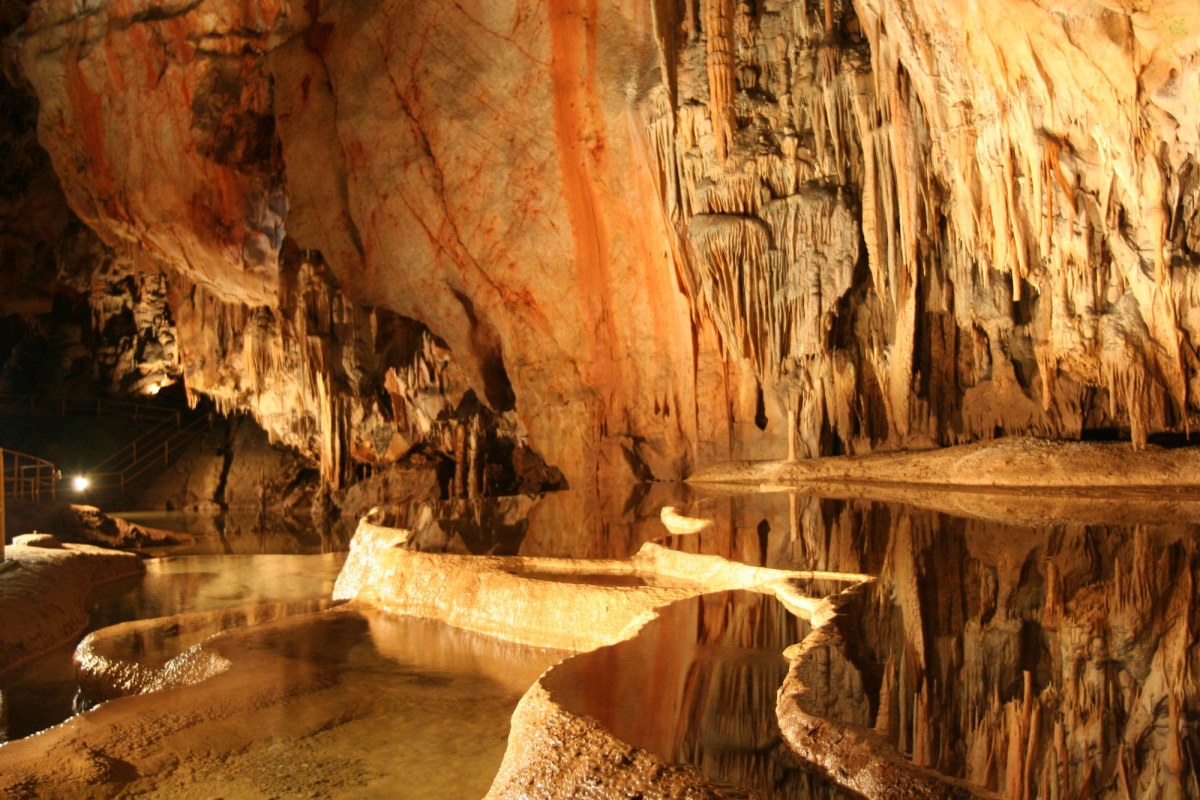
The Slovak Karst
Region
A limestone plateau on the Hungarian border with a World Heritage cave system beneath it.
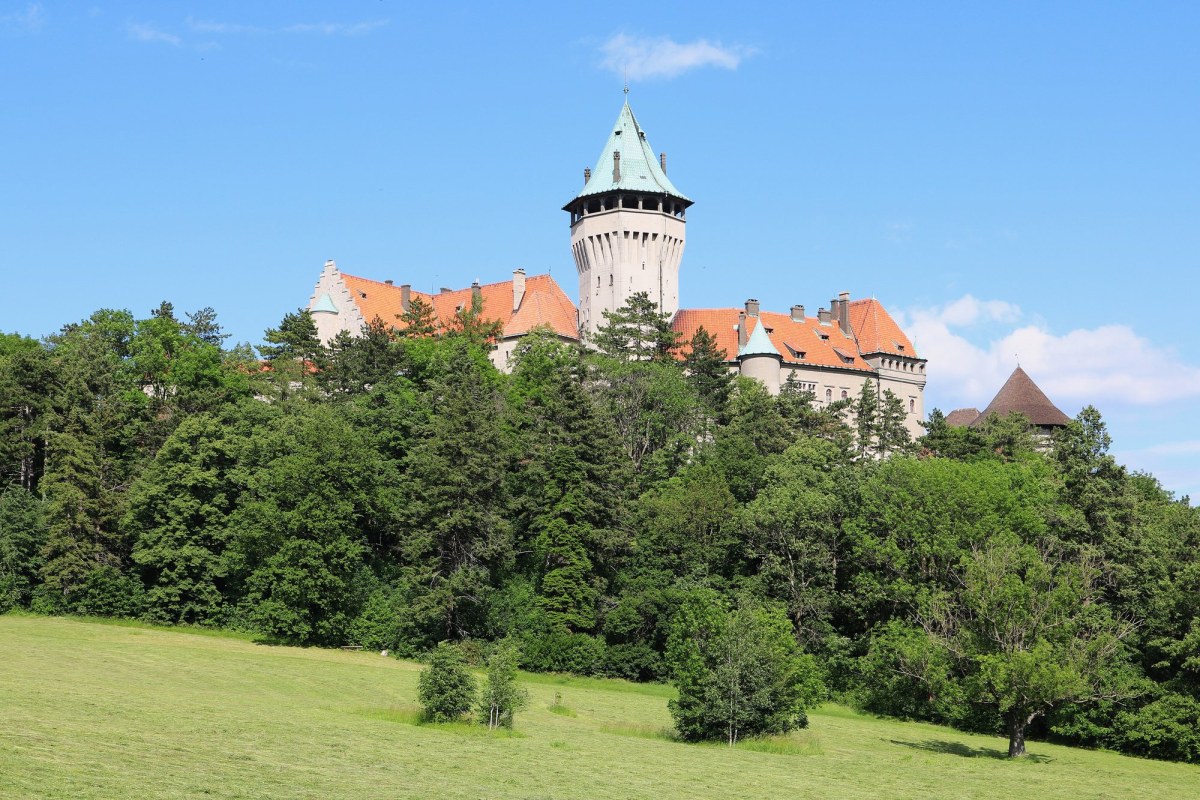
The Small Carpathians
Region
A low wooded ridge just outside the capital, terraced with vineyards and topped with ruins.
Inside Slovakia
Towns and cities
12 to explore
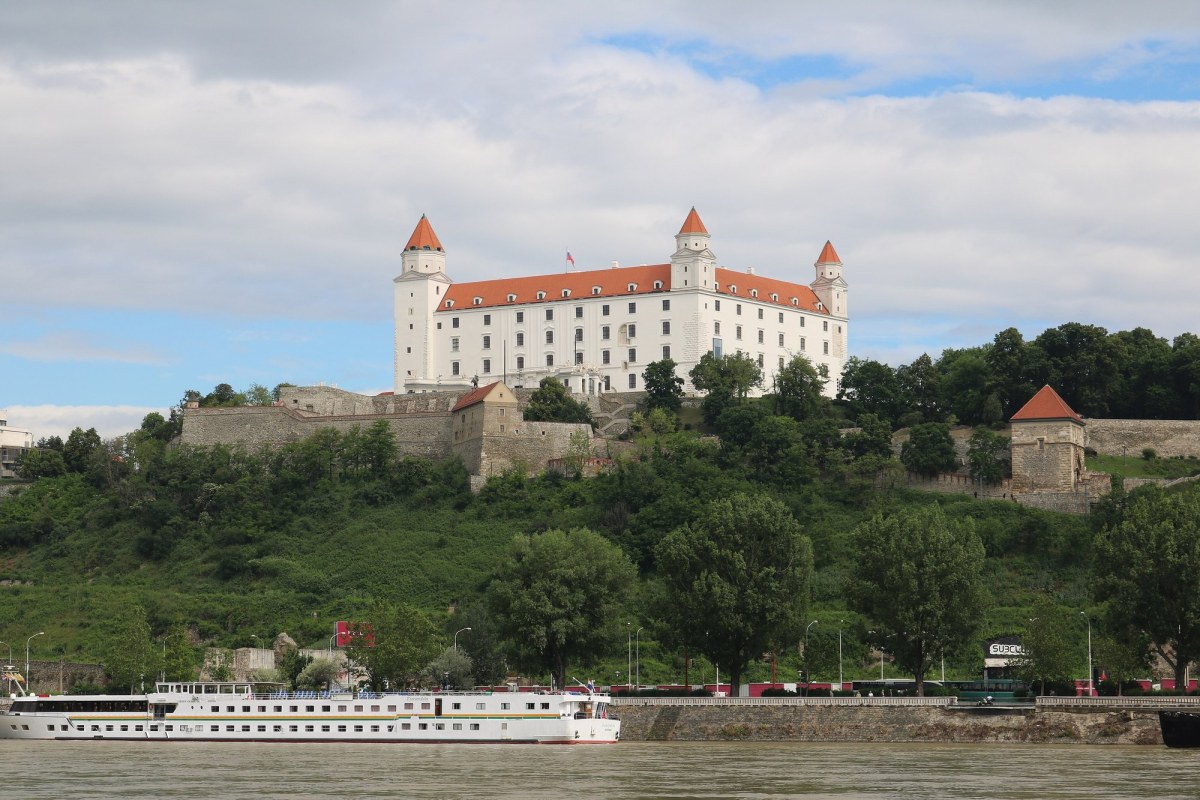
Banská Bystrica
Town or city
A copper town in a mountain basin, where the 1944 uprising was declared.
Banská Štiavnica
Town or city
A silver-mining town in a collapsed volcano, with the world’s first mining academy and a system of lakes.
Bojnice
Town or city
A small spa town under a castle rebuilt as a fairy-tale château by a count who loved the Loire.
Bratislava
Town or city
A Danube capital under a white castle, the only one in the world bordering two countries.
Kežmarok
Town or city
A Spiš town with a castle in the middle of it and a wooden church built without a nail.
Košice
Town or city
The second city, built along one very wide main square, with the easternmost Gothic cathedral in Europe.
Nitra
Town or city
The oldest town in Slovakia, on a hill under a castle, where the first church in the region was consecrated.
Poprad
Town or city
The gateway town to the High Tatras, with a preserved Saxon quarter and hot water under it.
Trenčín
Town or city
A castle town on the Váh with a Roman inscription cut into the rock beneath it.
Trnava
Town or city
A walled town of many churches, called little Rome, and the first free royal town in Slovakia.
Inside Slovakia
Landmarks
12 to explore
Bardejov Town Centre
Landmark
A medieval square that has barely changed, listed together with the Jewish suburb outside its walls.
Bojnice Castle
Landmark
A romantic château of turrets and gilding, rebuilt from a medieval castle by a count who admired France.
Bratislava Castle
Landmark
A white four-towered block on a rock over the Danube, burned out in 1811 and rebuilt from ruins.
Devín Castle
Landmark
A ruin on a crag where the Morava joins the Danube, blown up by Napoleon and later the Iron Curtain.
Dobšinská Ice Cave
Landmark
A cave holding permanent ice in floors, columns and falls, and one of the first anywhere lit by electricity.
Gerlachovský štít
Landmark
The highest summit in Slovakia and in the whole Carpathian arc, climbed only with a guide.
Orava Castle
Landmark
A castle stacked up a limestone rock above the Orava river, used as a location for the first Dracula film.
Slovak Paradise National Park
Landmark
A plateau cut by gorges, climbed on ladders and chains bolted into the rock beside waterfalls.
Spiš Castle
Landmark
A vast ruined castle on a limestone ridge, among the largest castle sites in central Europe.
Štrbské Pleso
Landmark
A glacial tarn high in the Tatras with a resort around it, reached by rack railway.
Vlkolínec
Landmark
A World Heritage hamlet of log houses on a hillside, still lived in and never modernised.
Wooden Churches of the Slovak Carpathians
Landmark
Timber churches of three traditions along the northern ridge, built under restriction or in the Byzantine rite.
Plan the trip
Explore Slovakia
Start with the regions, then the towns, then the sights worth a detour — each with its own page and its own pin on the map.
Start anywhere and follow the links. The guides and itineraries join these places into routes you can actually travel.
Credit: Europe by Giddo
Every place above is on this map. The lists on this page are the same content in the same order.