

Where to stay in Serbia
See the hotels and apartments available on Booking.com · This is an affiliate link with our partner. Europe by Giddo may earn a commission from a purchase made through it, at no extra cost to you.
Serbia is landlocked, mountainous in the south and flat in the north, and has been a crossroads between Central Europe and the Balkans for as long as either has been named. It is one of the less visited countries in Europe and one of the more hospitable.
Our partner
Travel insurance · 5% off for our readers
Get a quoteBelgrade sits where the Sava meets the Danube, under the Kalemegdan fortress that has been fought over by everyone from Celts to Ottomans to the Habsburgs. Skadarlija is the old bohemian quarter, the Nikola Tesla Museum holds his archive and ashes, and the city's nightlife — much of it on barges moored along the rivers — has a serious reputation.
Novi Sad in the north is calmer and Habsburg in feel, with the Petrovaradin fortress across the Danube that hosts the EXIT music festival each summer. Around it, Vojvodina is flat, multi-ethnic farmland, and the Fruška Gora hills hold a cluster of Orthodox monasteries and vineyards.
Medieval monasteries are Serbia's deepest heritage. Studenica, a World Heritage site, has white marble churches and thirteenth-century frescoes; Sopoćani and Žiča are nearby in the Raška valley where the state began.
The south and west are mountain country. Tara and Zlatibor are walking and skiing regions; the Drina and Uvac gorges cut deep meanders that are best seen from above; the Đavolja Varoš rock formations stand in eroded columns. The narrow-gauge Šargan Eight railway loops through the hills near Mokra Gora.
Guča's trumpet festival each August is one of the loudest gatherings in Europe. Serbian is written in both Cyrillic and Latin script, and English is widely spoken by younger people. Belgrade has the main airport, and buses reach almost everywhere the trains do not.
Belgrade's airport is the main entry, and long-distance buses are the practical way to move around; the southern mountains really want a car. Serbia sits on the overland route between Hungary and Greece and combines easily with Bosnia, Montenegro, Bulgaria and North Macedonia. Summer festivals are the peak; spring and autumn are pleasant and much quieter.
Common questions
- What is the capital of Serbia?
- The capital of Serbia is Belgrade.
- What currency is used in Serbia?
- Serbia uses the Serbian dinar (RSD).
- What language is spoken in Serbia?
- The official language is Serbian.
- When is the best time to visit Serbia?
- Continental: hot summers in the north, colder and snowier in the southern hills.
- Which side of the road do you drive on in Serbia?
- In Serbia you drive on the right.
- What plug sockets are used in Serbia?
- Serbia uses type C, F sockets.
- What is the dialling code for Serbia?
- The international dialling code for Serbia is +381.
Partner
Inside Serbia
Regions
10 to explore
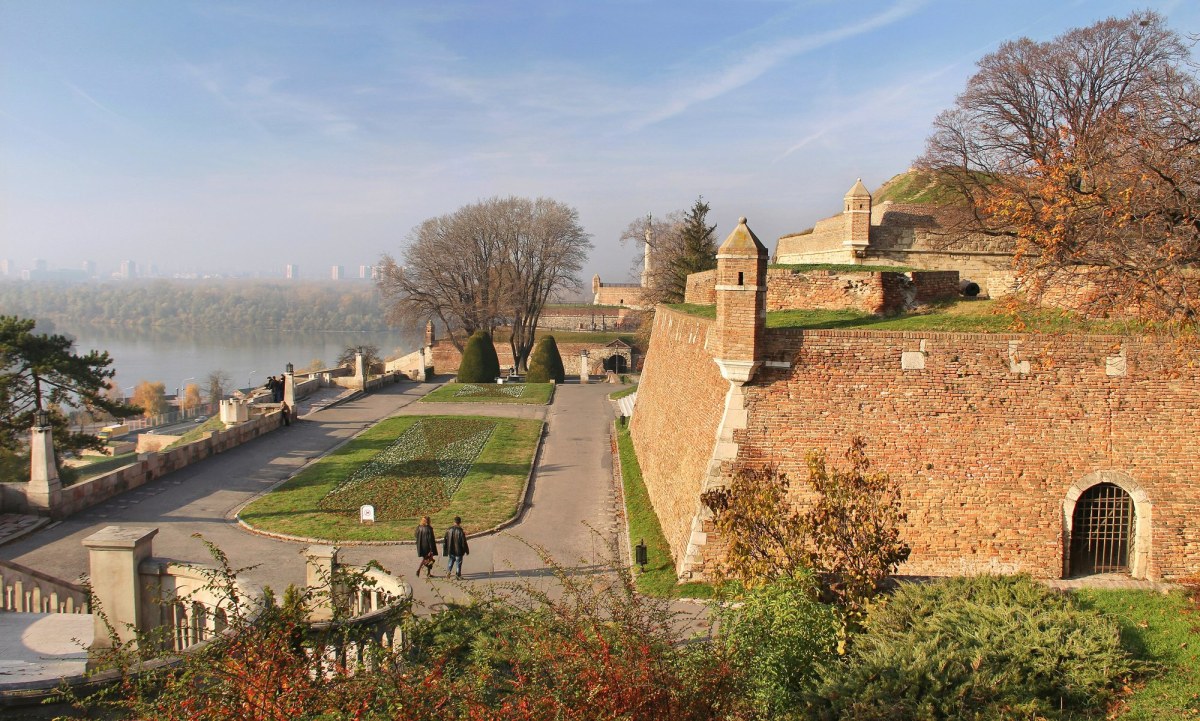
Belgrade and the Danube
Region
The capital where the Sava meets the Danube, with a fortress on the point and the river everywhere.
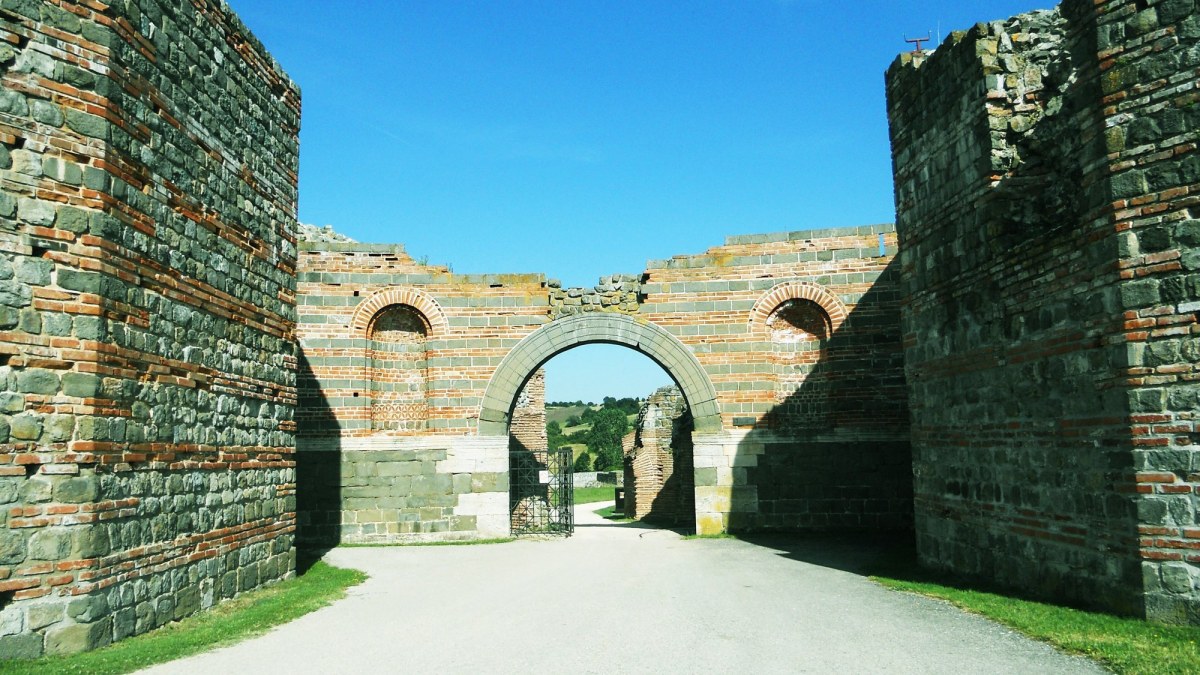
Eastern Serbia
Region
Karst mountains and the Danube gorge, with a Roman palace, copper mines and a Vlach population.
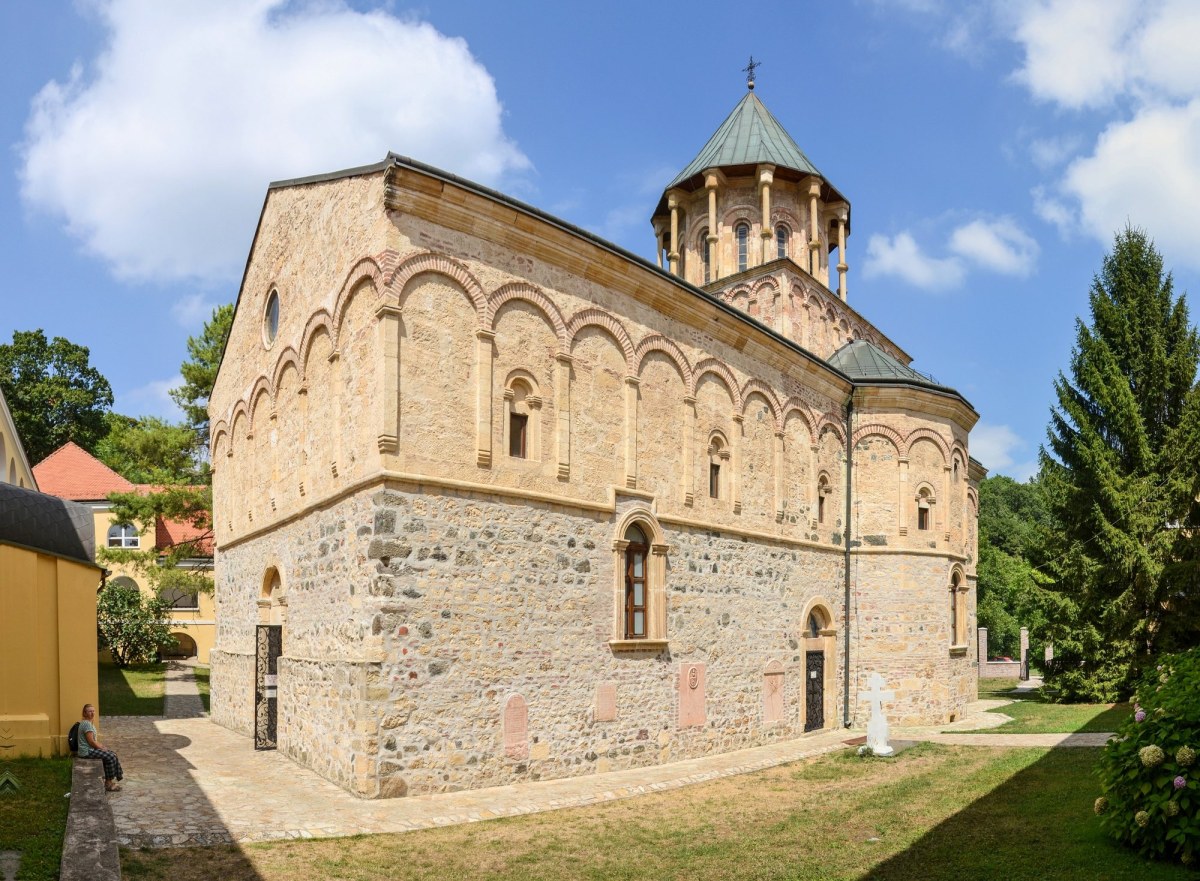
Fruška Gora
Region
A low wooded ridge above the Danube, with sixteen monasteries in its folds and vineyards on its slopes.
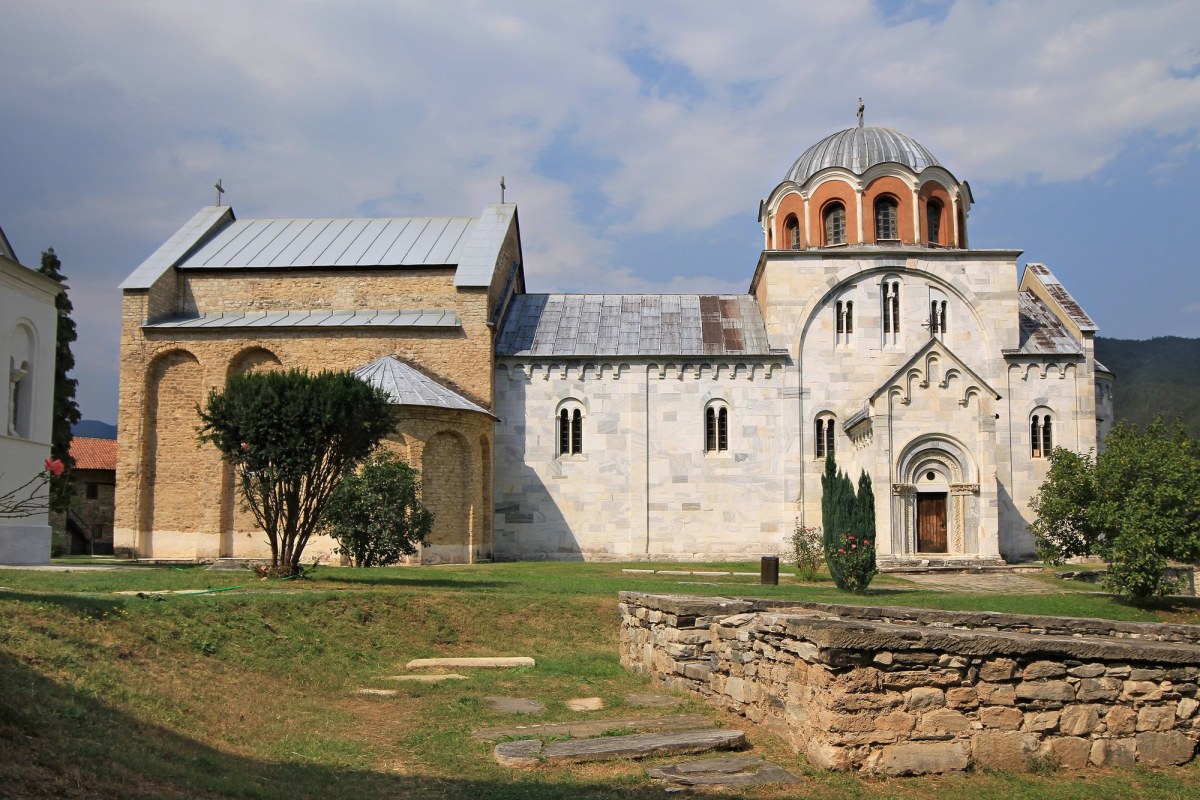
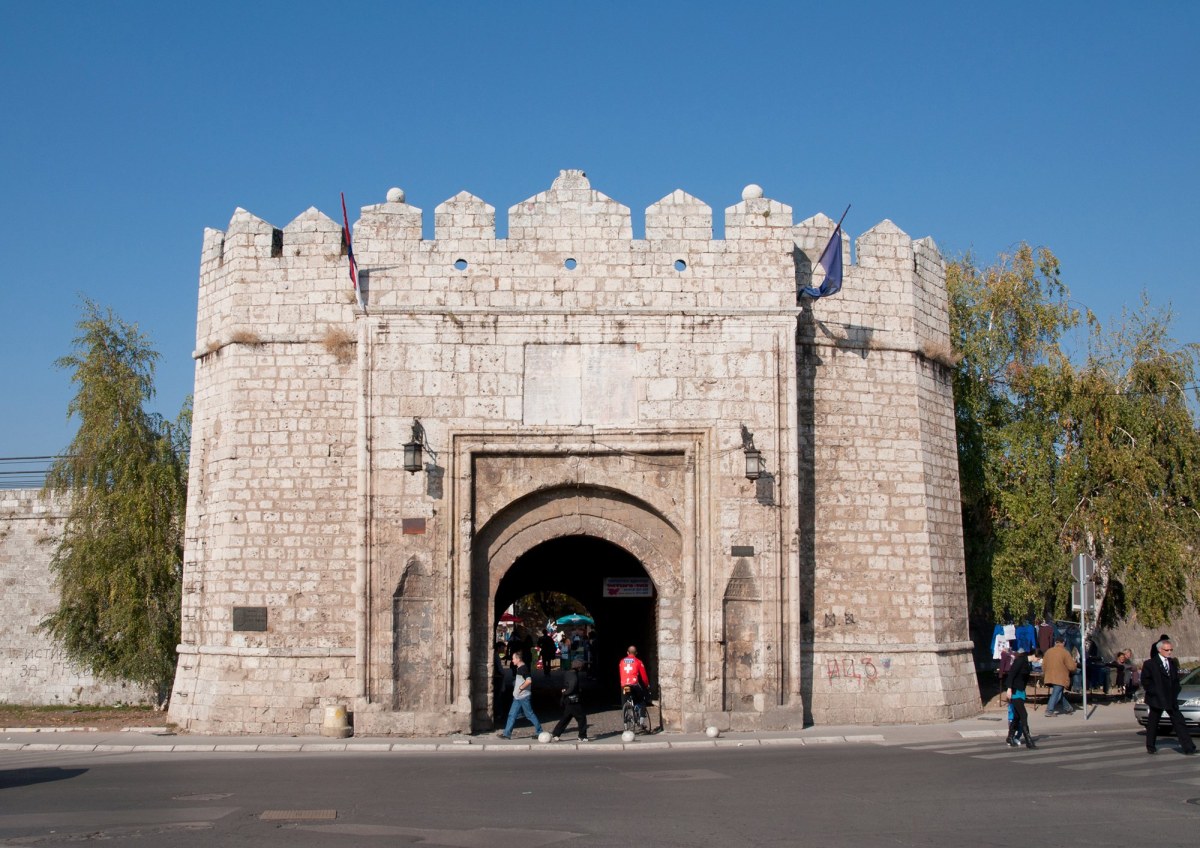
Southern Serbia
Region
The valleys and mountains of the south, with Roman emperors, hot springs and the Devil’s Town.
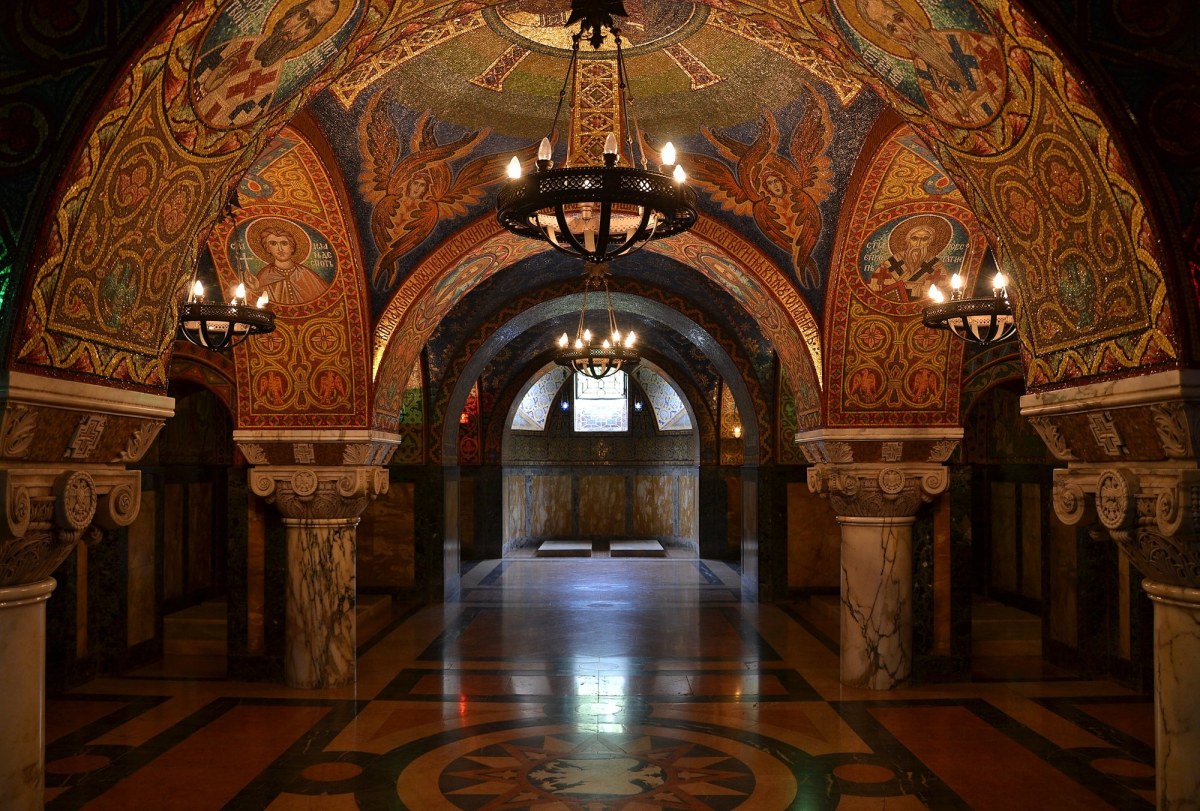
Šumadija
Region
The wooded hill country at the centre of the country, where the modern Serbian state began.
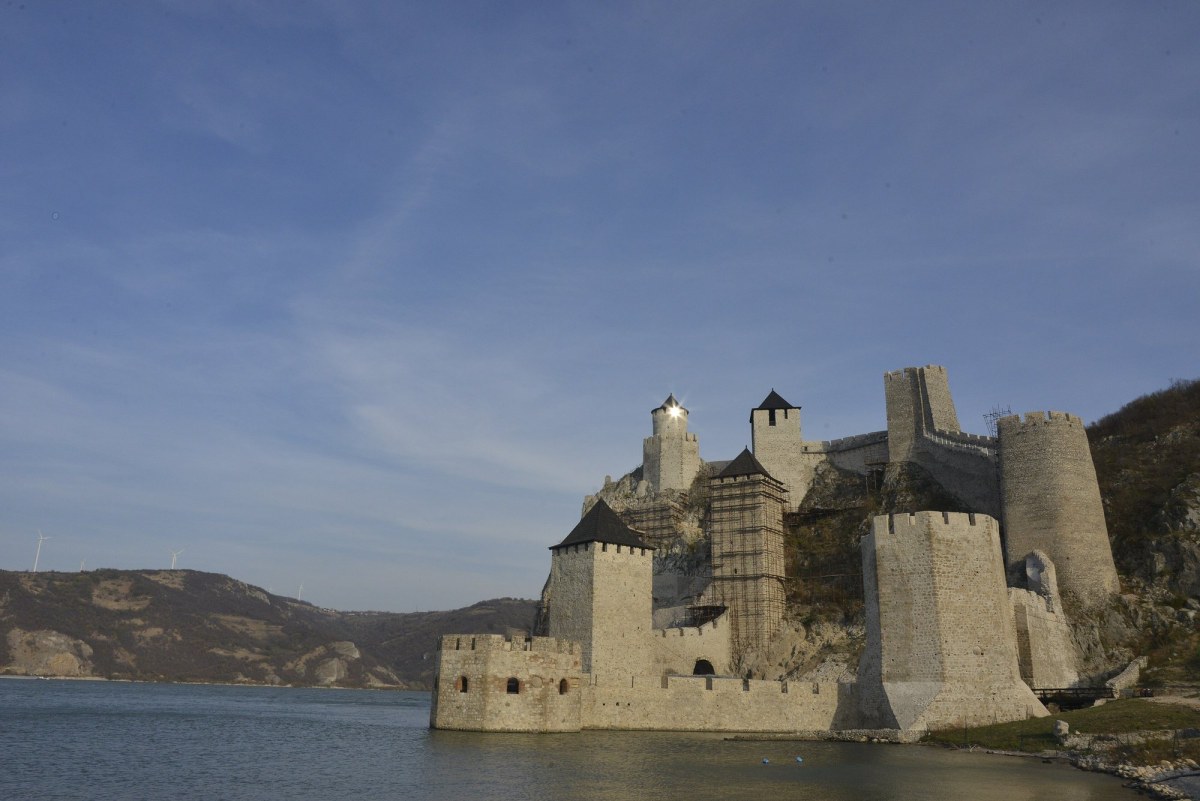
The Iron Gates
Region
The Danube’s greatest gorge, where the river narrows between cliffs on the Romanian border.
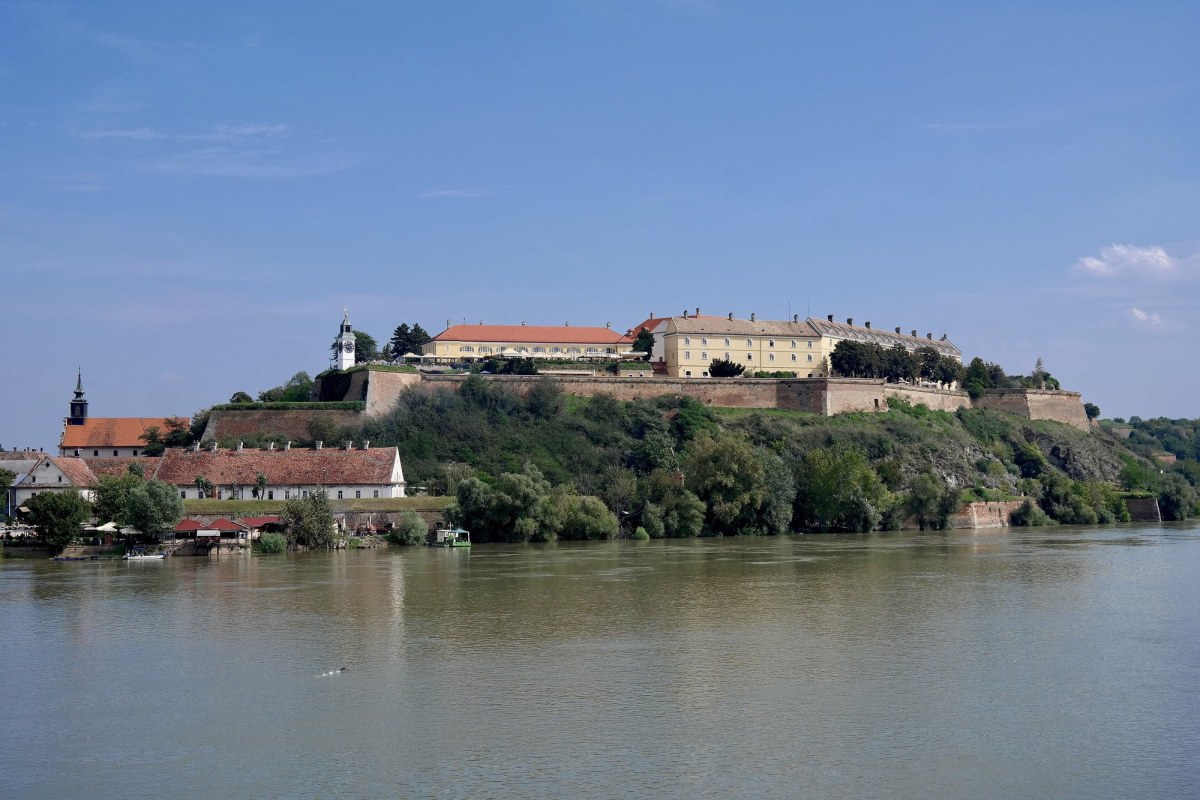
Vojvodina
Region
Flat Pannonian farmland north of the Danube, Habsburg in its towns and mixed in its languages.
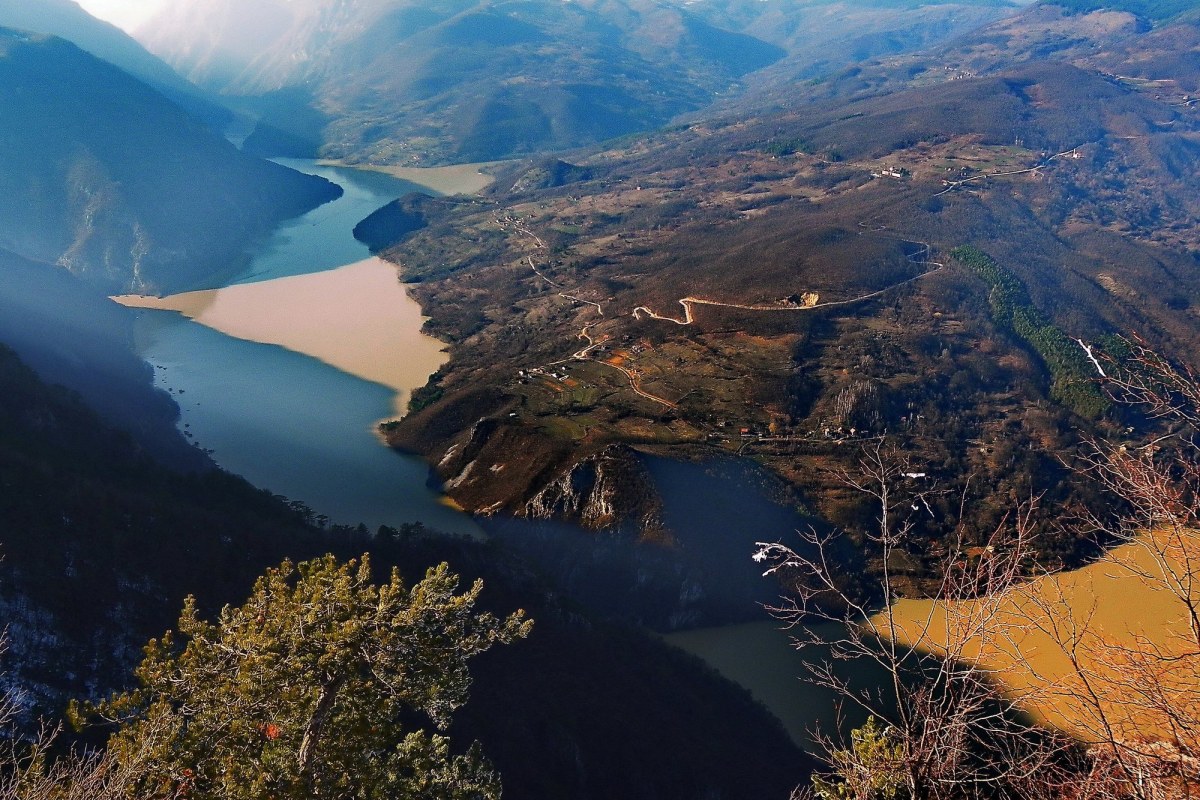
Western Serbia
Region
Mountains, gorges and narrow-gauge railways, with the Drina running along the Bosnian border.
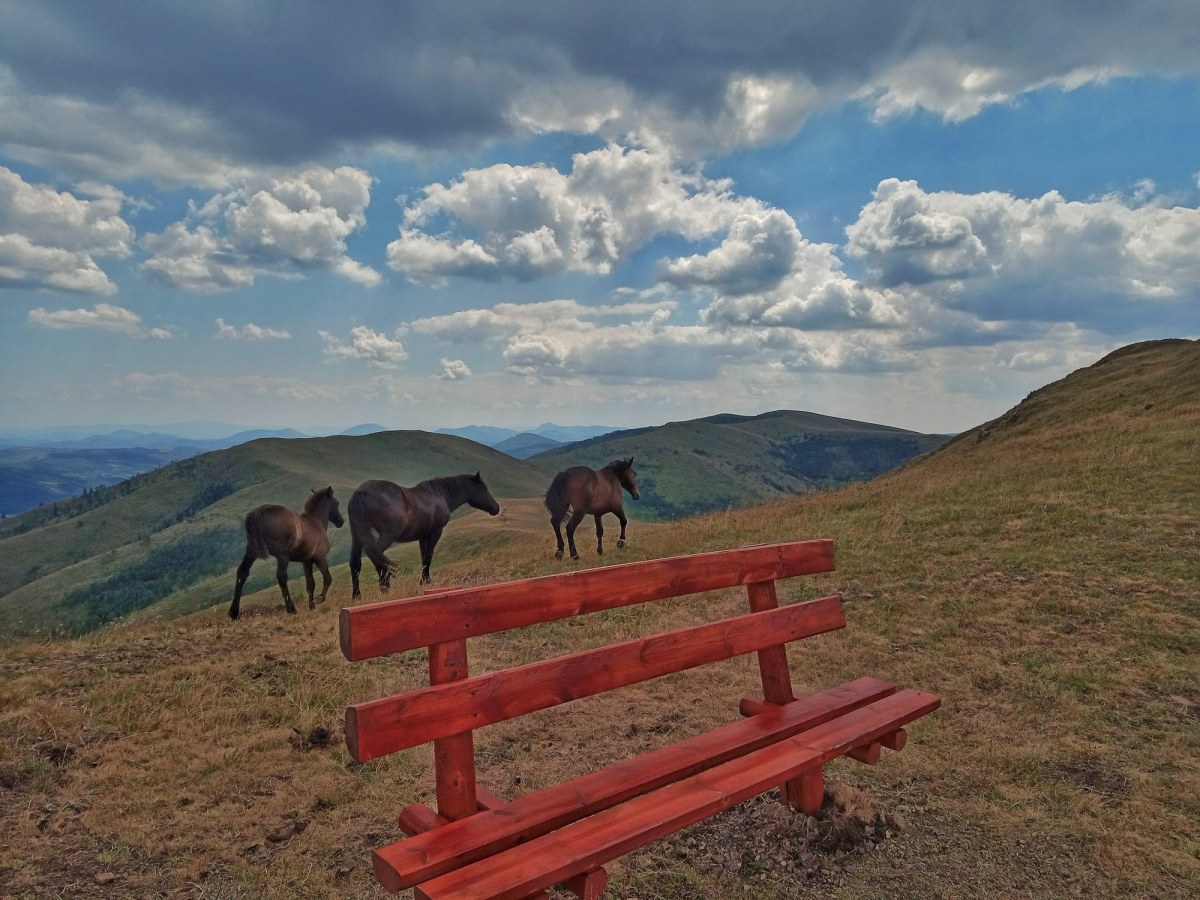
Zlatibor
Region
A high open plateau of pasture and pine, a summer and winter resort for a century and a half.
Inside Serbia
Towns and cities
12 to explore
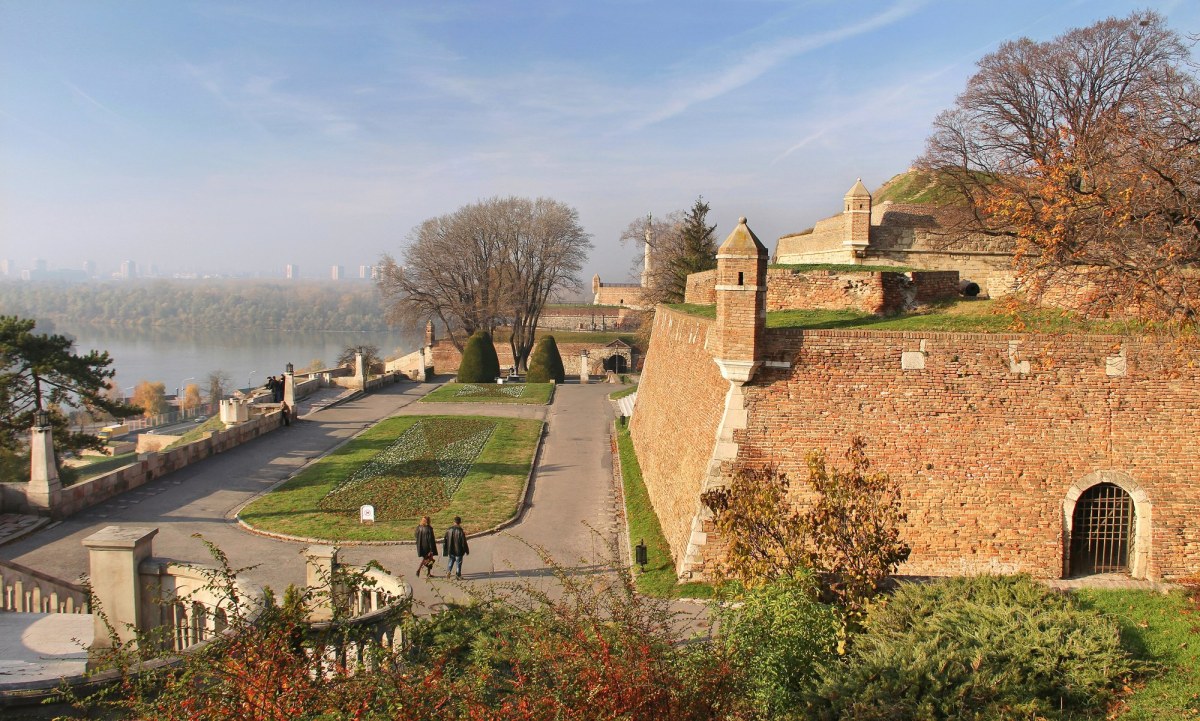
Belgrade
Town or city
A capital on a ridge above two rivers, destroyed and rebuilt more often than almost any city in Europe.
Kragujevac
Town or city
The first capital of modern Serbia, an arms and car town, with a memorial park in the woods.
Niš
Town or city
The southern city, Roman Naissus, birthplace of Constantine, with an Ottoman fortress and a grim tower.
Novi Pazar
Town or city
An Ottoman town in the middle of the medieval Serbian monasteries, and the centre of the Sandžak.
Novi Sad
Town or city
The Vojvodina capital, with a baroque centre and a fortress across the river holding a music festival.
Sombor
Town or city
A quiet green town in the far north-west, full of trees and a very large painting.
Subotica
Town or city
A Hungarian secession town in the far north, all coloured tile and stained glass.
Užice
Town or city
A mountain town in a gorge, with a fortress above it and a short-lived republic behind it.
Valjevo
Town or city
A town on the Kolubara under the western hills, with an Ottoman quarter and canyons behind it.
Vrnjačka Banja
Town or city
The best-known spa town in the country, built around warm springs the Romans used.
Inside Serbia
Landmarks
12 to explore
Church of Saint Sava
Landmark
One of the largest Orthodox churches in the world, a century in the building, finished in mosaic.
Drvengrad
Landmark
A wooden village built as a film set and kept as a working one, on a hill in western Serbia.
Đavolja Varoš
Landmark
A field of earth pillars with stones balanced on top, formed by erosion and explained by folklore.
Golubac Fortress
Landmark
A fortress of nine towers on the water at the entrance to the Danube gorge.
Kalemegdan Fortress
Landmark
The fortress on the point where the Sava meets the Danube, rebuilt by everyone who ever held it.
Lepenski Vir
Landmark
A Mesolithic settlement on the Danube whose carved boulders have faces between fish and human.
Petrovaradin Fortress
Landmark
An Austrian bastioned fortress on the Danube with a clock that tells the time backwards.
Sopoćani Monastery
Landmark
A thirteenth-century monastery whose Dormition fresco is reckoned among the finest in Europe.
Studenica Monastery
Landmark
The mother house of the Serbian church, in white marble, with frescoes of the twelfth century.
The Šargan Eight
Landmark
A narrow-gauge railway that climbs a mountain by looping over itself in a figure of eight.
Plan the trip
Explore Serbia
Start with the regions, then the towns, then the sights worth a detour — each with its own page and its own pin on the map.
Start anywhere and follow the links. The guides and itineraries join these places into routes you can actually travel.
Credit: Europe by Giddo
Every place above is on this map. The lists on this page are the same content in the same order.