

Where to stay in Portugal
See the hotels and apartments available on Booking.com · This is an affiliate link with our partner. Europe by Giddo may earn a commission from a purchase made through it, at no extra cost to you.
Portugal occupies the western edge of Europe and looks out at the Atlantic, which explains almost everything about it: the seafood, the tiles, the age of exploration, and the light that painters keep trying to describe.
Our partner
Travel insurance · 5% off for our readers
Get a quoteLisbon is built over seven hills above the Tagus, with yellow trams, viewpoints called miradouros, the Jerónimos Monastery and the Belém Tower marking the point ships left from. Just west, Sintra hides romantic palaces in a green microclimate, and the coast runs on to Cascais and Cabo da Roca, the westernmost point of mainland Europe.
Porto in the north is smaller, steeper and grittier, stacked above the Douro with the port lodges of Vila Nova de Gaia on the far bank. Behind it the Douro Valley is a terraced wine landscape that has been shaped by hand for centuries and is best seen from the river or the slow train that follows it.
The centre of the country holds Coimbra with its historic university, the monasteries of Batalha and Alcobaça, the walled town of Óbidos and the Templar complex at Tomar. Inland Alentejo is wide, hot and quiet: cork oaks, wheat, whitewashed villages and the museum-city of Évora.
The Algarve at the southern tip is what many people picture first — ochre cliffs, sea caves and sheltered coves — though the western Atlantic coast beyond Sagres is wilder and a magnet for surfers, as is Nazaré further north with its very large winter waves.
Two Atlantic archipelagos belong to Portugal. Madeira is subtropical, mountainous and laced with levada irrigation walks. The Azores, further out, are nine volcanic islands with crater lakes, hot springs and some of the best whale watching in Europe. The language is Portuguese, and it is worth knowing that it sounds nothing like Spanish.
Getting around is straightforward. A fast train links Lisbon and Porto in under three hours, and regional lines reach Coimbra, Braga and the Algarve. The interior and the Alentejo really need a car. Portugal combines naturally with western Spain — Galicia and Extremadura are just over the border — and the Atlantic archipelagos are a short flight from either mainland city.
Common questions
- What is the capital of Portugal?
- The capital of Portugal is Lisbon.
- What currency is used in Portugal?
- Portugal uses the Euro (EUR).
- What language is spoken in Portugal?
- The official language is Portuguese.
- When is the best time to visit Portugal?
- Mild wet winters and hot dry summers; the north is greener and rainier than the south.
- Which side of the road do you drive on in Portugal?
- In Portugal you drive on the right.
- What plug sockets are used in Portugal?
- Portugal uses type C, F sockets.
- What is the dialling code for Portugal?
- The international dialling code for Portugal is +351.
Partner
Inside Portugal
Regions
10 to explore
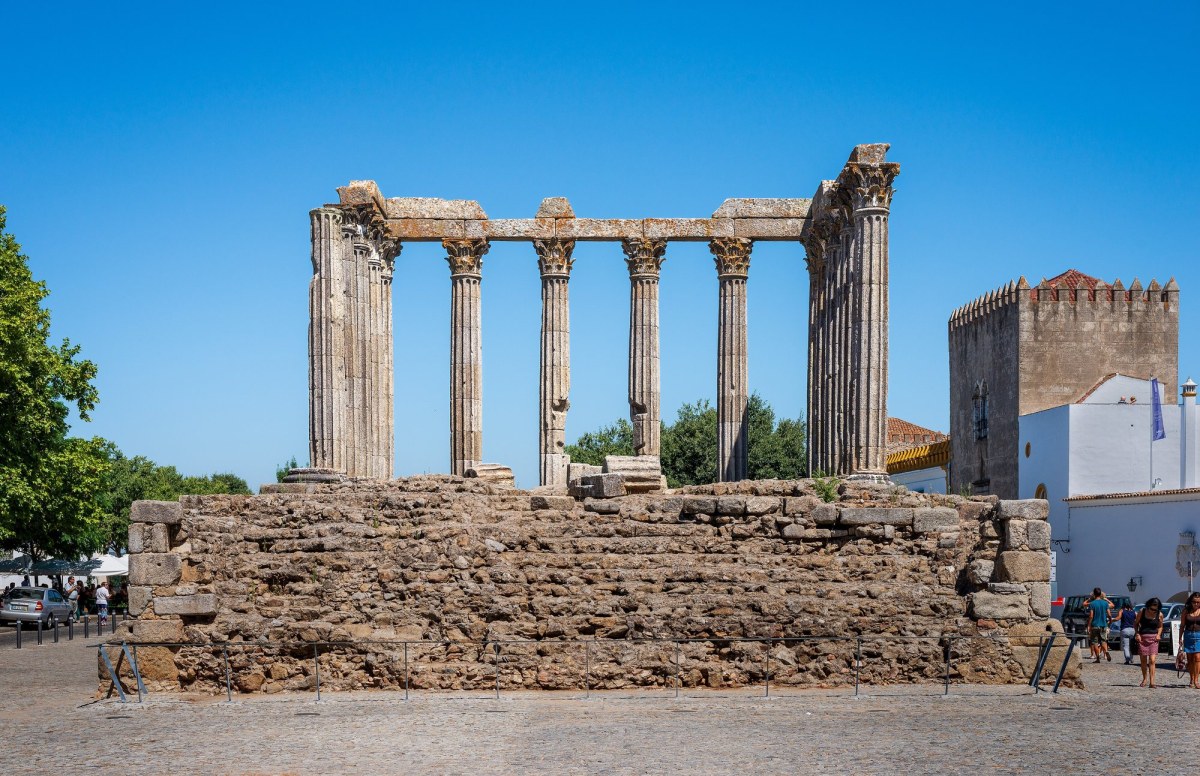
Alentejo
Region
The great plain south of the Tagus: cork oaks, whitewashed hill towns and very few people.
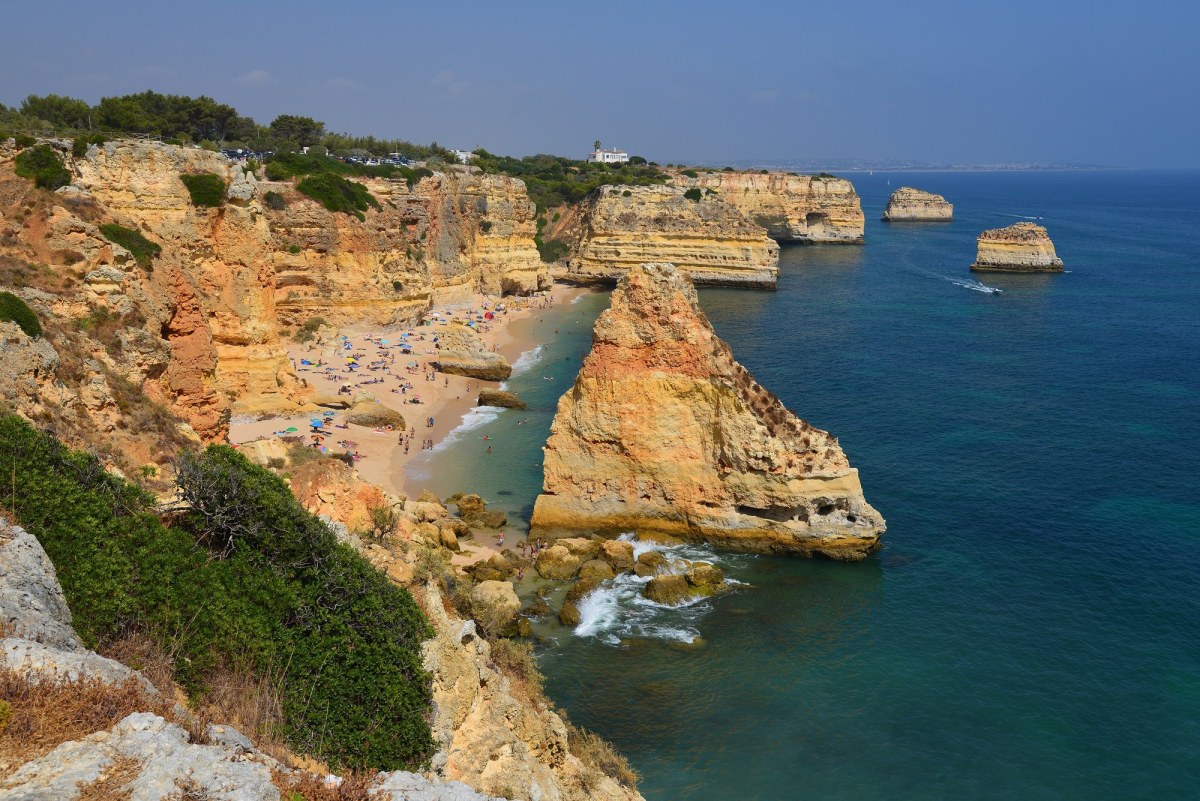
Algarve
Region
The southern coast: ochre cliffs cut into arches and caves in the west, long flat sands in the east.
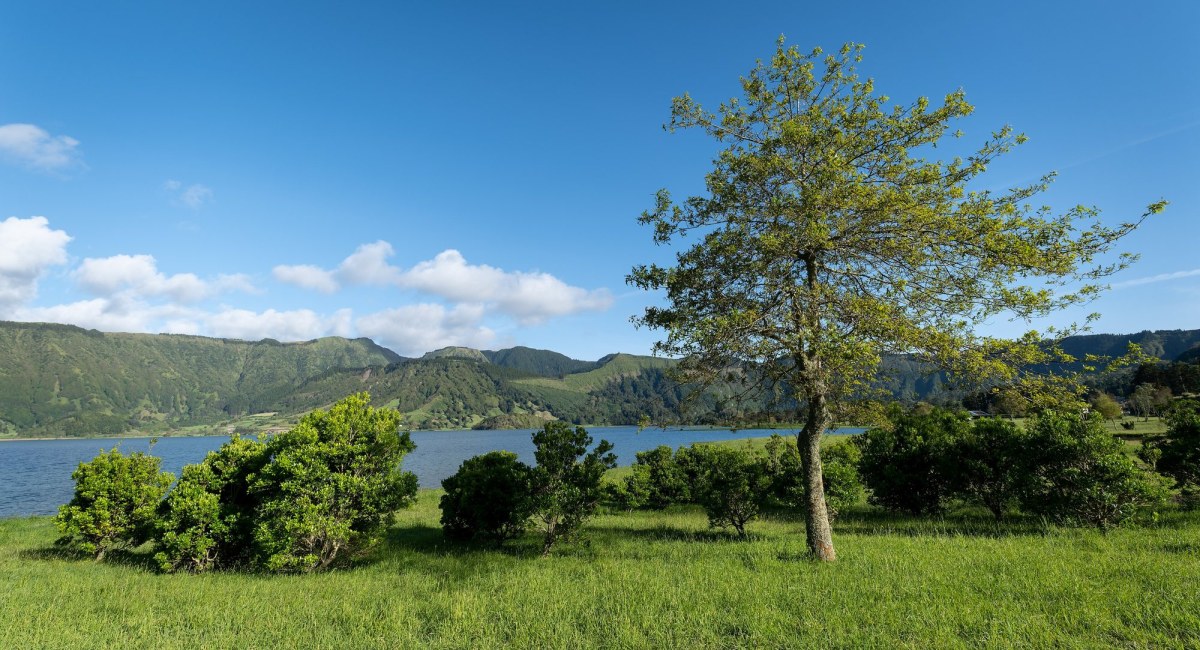
Azores
Region
Nine volcanic islands in the middle of the Atlantic, green, wet and very thinly visited.
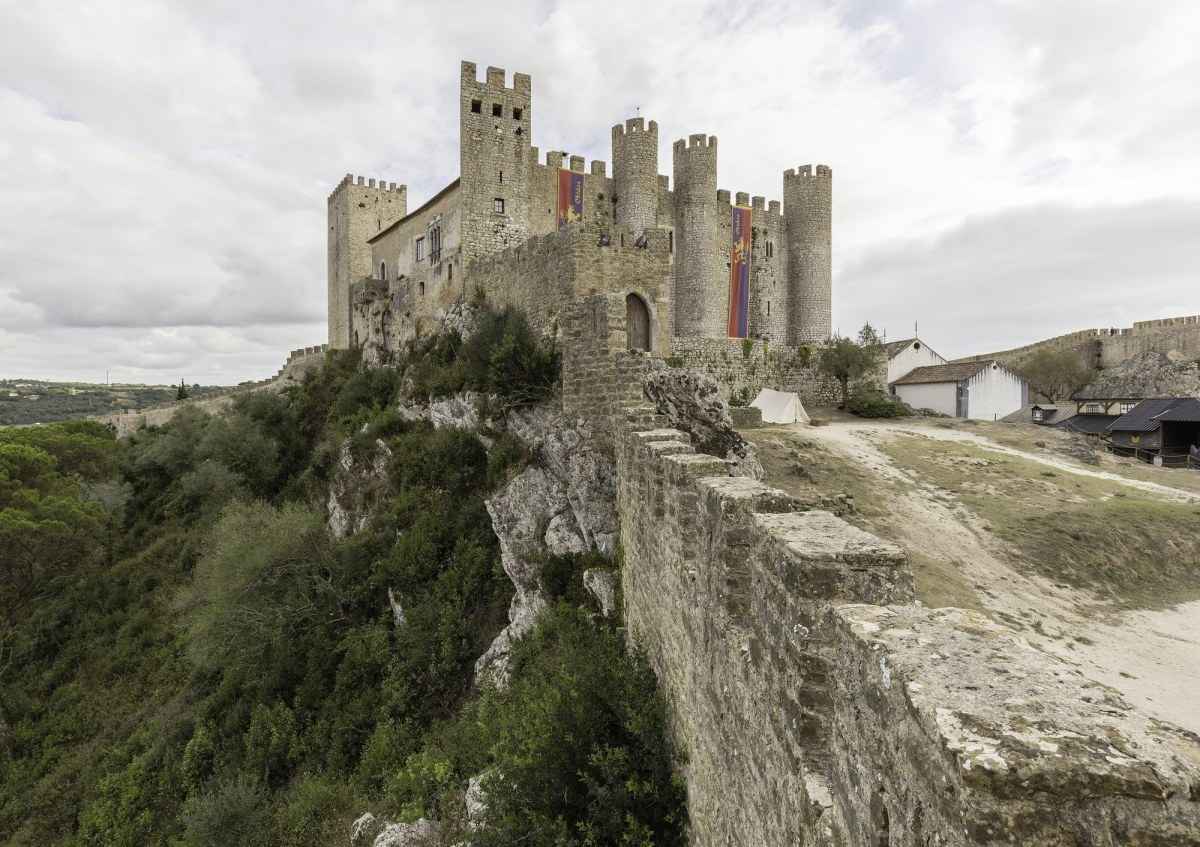
Centro
Region
The middle of the country: a university city, three great monasteries and the highest mountains on the mainland.
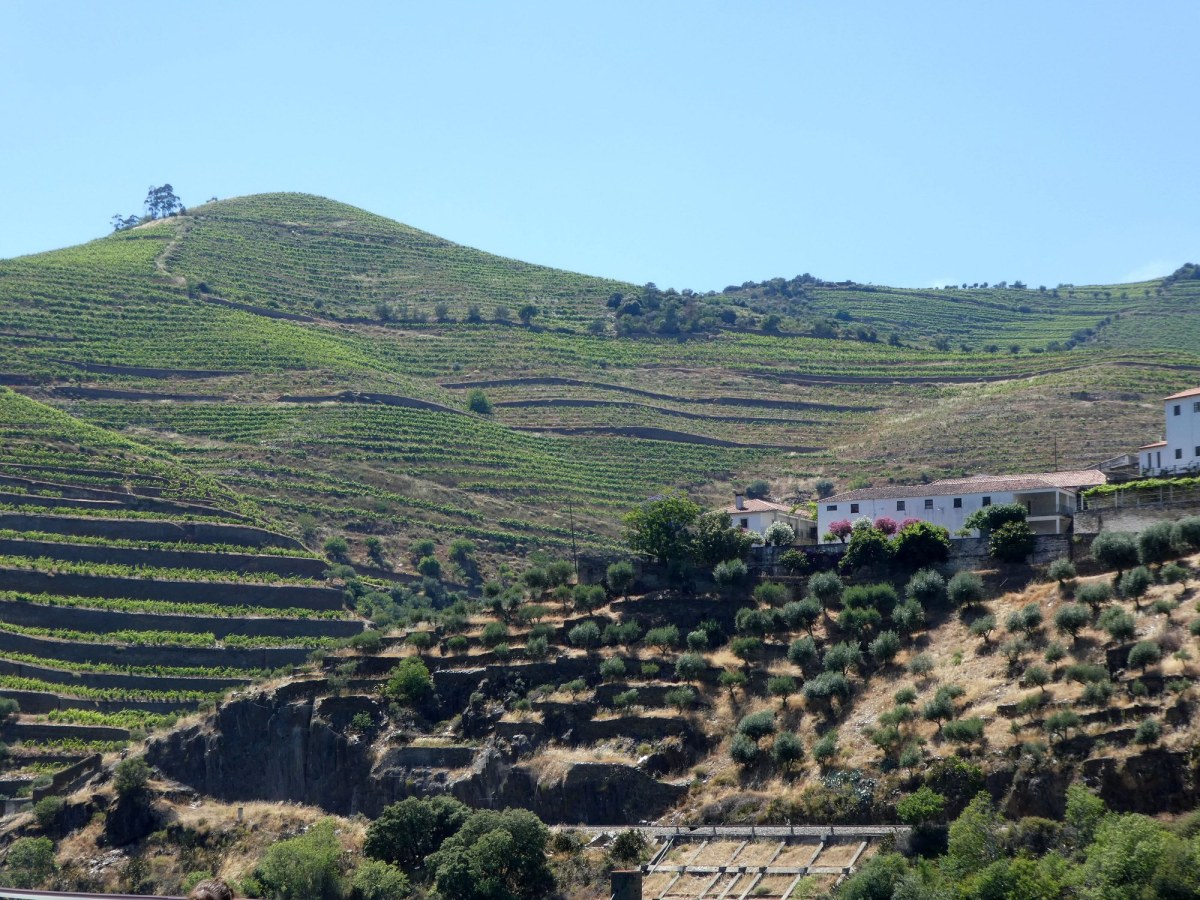
Douro Valley
Region
A river valley terraced for wine since the eighteenth century, and one of the oldest demarcated wine regions in the world.
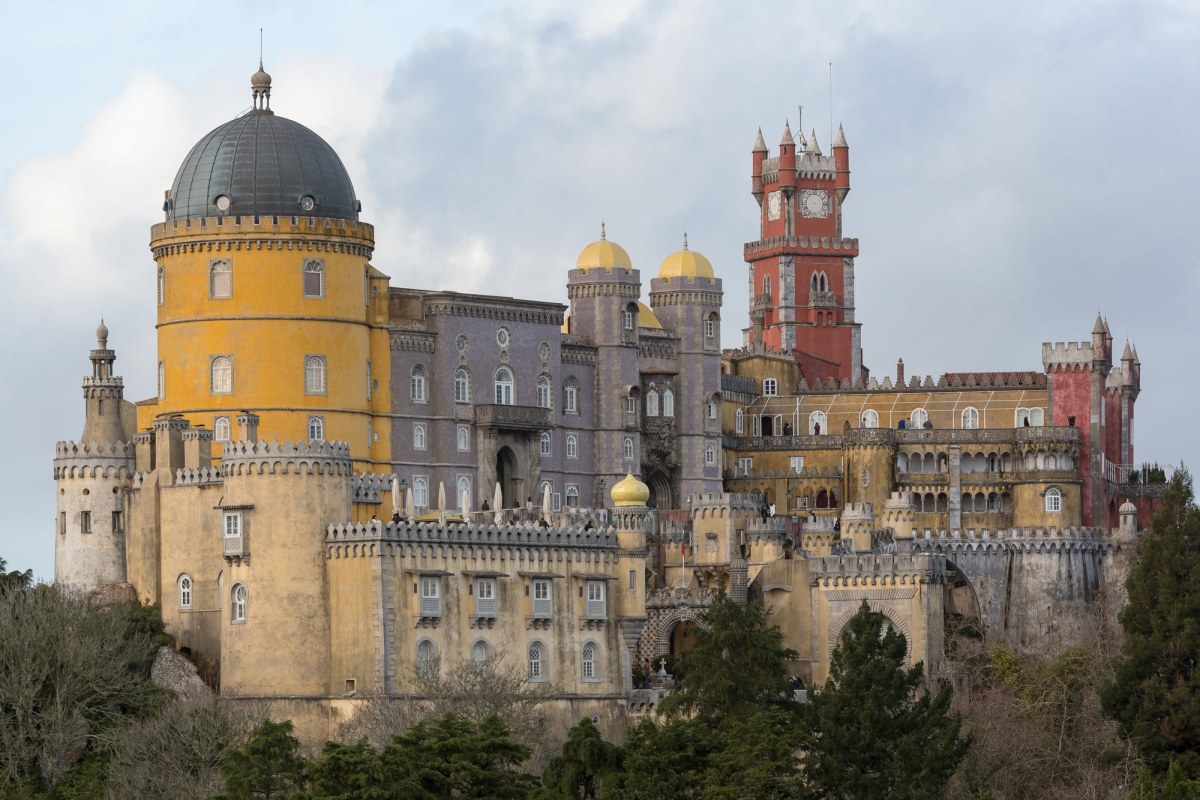
Lisbon Region
Region
The capital, the coast either side of it, and the wooded hills at Sintra where the court went to escape the summer.
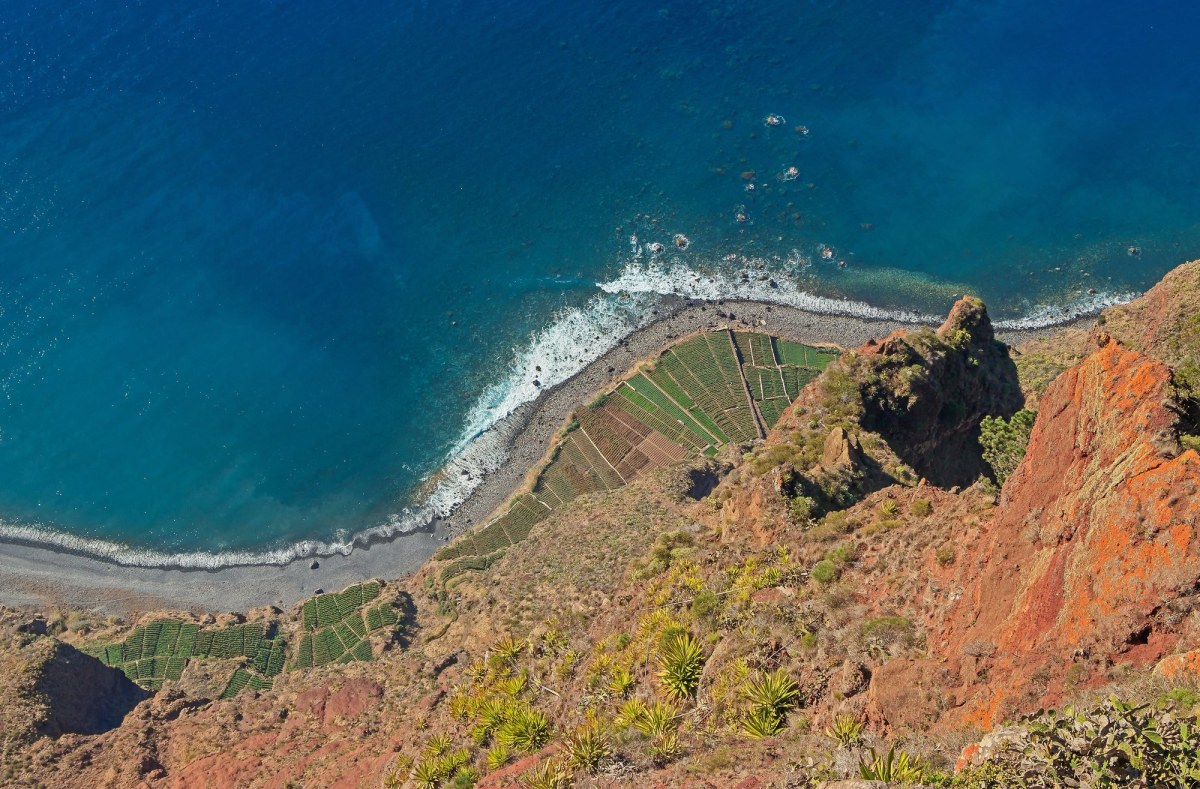
Madeira
Region
A volcanic island in the Atlantic with no beaches to speak of, and walking paths beside the water channels that made it habitable.
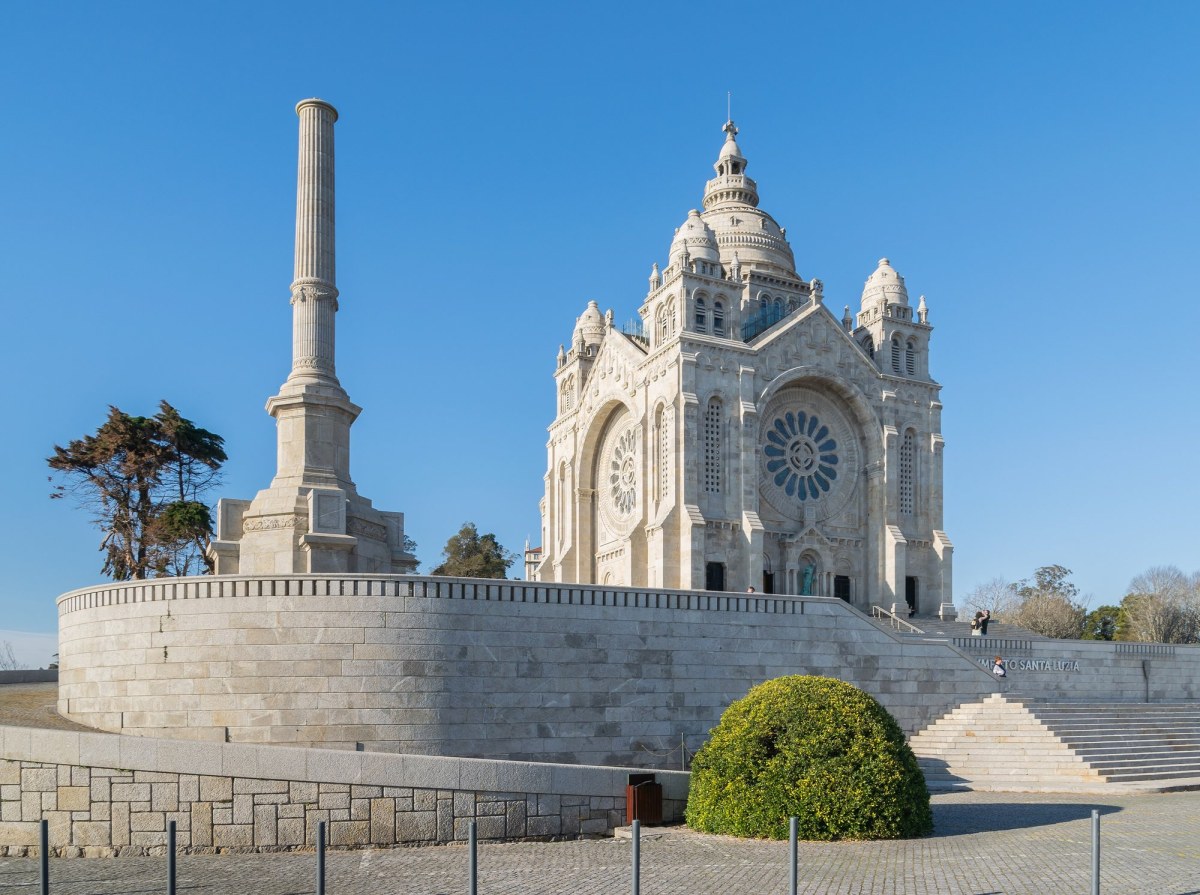
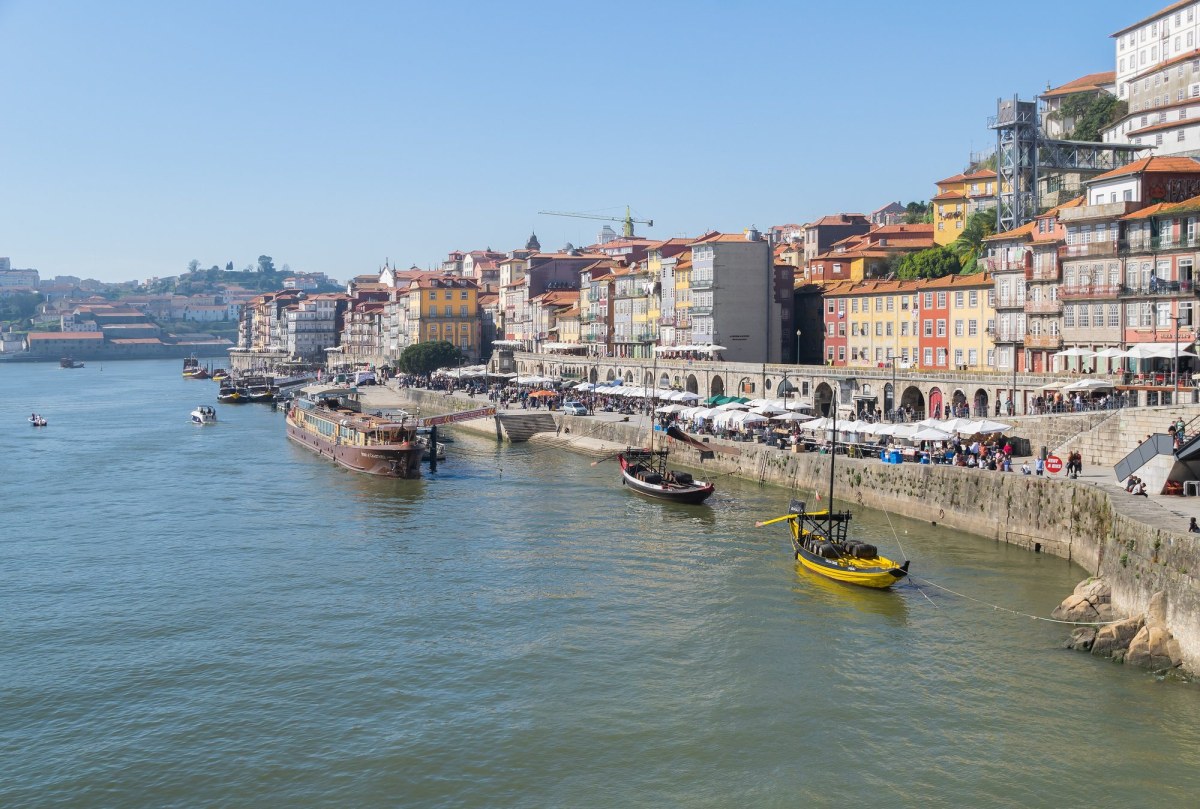
Norte
Region
Porto, the river that made it rich, and the granite country running up to the Spanish border.
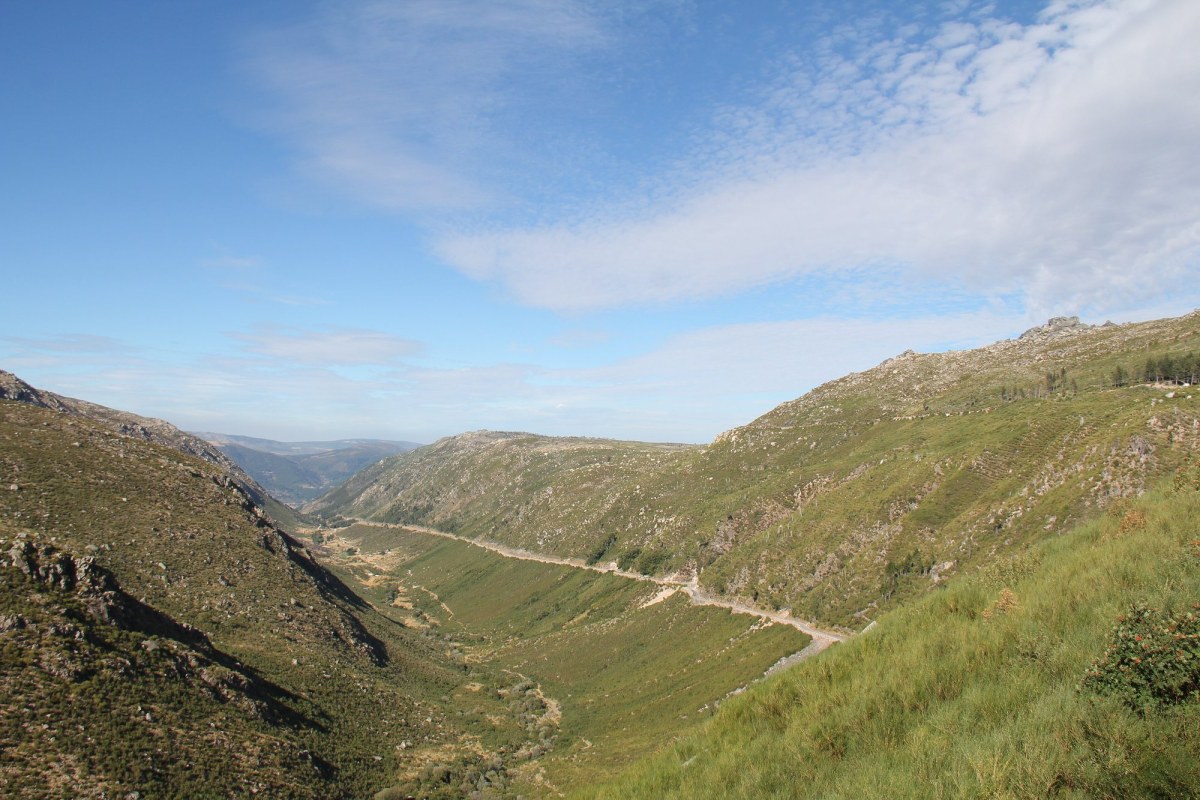
Serra da Estrela
Region
The highest ground on mainland Portugal: a glaciated granite plateau with snow in winter and a famous sheep’s cheese.
Inside Portugal
Towns and cities
12 to explore
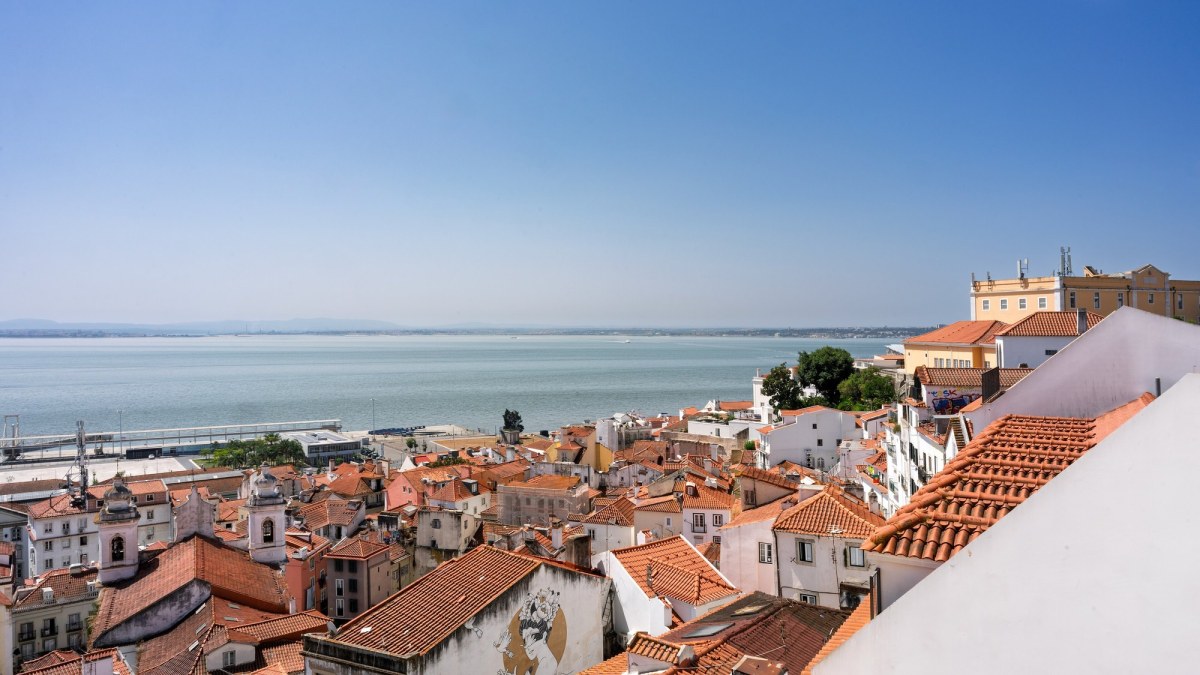
Braga
Town or city
One of the oldest Christian centres on the peninsula, with a baroque stairway climbing a wooded hill outside it.
Coimbra
Town or city
A university city stacked up a hill above the Mondego, with one of the great baroque libraries.
Évora
Town or city
A walled Alentejo town with a Roman temple in the middle and a chapel lined with bones.
Funchal
Town or city
Madeira’s capital in a bowl on the south coast, with a cable car up and wicker sledges down.
Guimarães
Town or city
Where Portugal began, with a castle, a ducal palace and a very well-kept medieval centre.
Lisbon
Town or city
A capital of hills, tiles and trams above a very wide river, rebuilt on a grid after the earthquake.
Óbidos
Town or city
A whitewashed village entirely inside its walls, which can be walked right round.
Sintra
Town or city
A hill town of palaces and follies in a wooded microclimate the Portuguese court used to escape the summer.
Inside Portugal
Landmarks
12 to explore
Batalha Monastery
Landmark
A late Gothic monastery built to mark a battle, with a chapel deliberately left open to the sky.
Belém Tower
Landmark
A fortified tower at the water’s edge, built when Portuguese ships were reaching India.
Benagil Sea Cave
Landmark
A domed sea cave with a hole in its roof and a beach inside, reachable only from the water.
Bom Jesus do Monte
Landmark
A baroque stairway climbing a wooded hill in symbolic stages, with a water-powered funicular beside it.
Convent of Christ
Landmark
A Templar stronghold that became the headquarters of the Order of Christ, with the most famous window in Portugal.
Jerónimos Monastery
Landmark
An enormous Manueline monastery paid for by the spice trade, with Vasco da Gama buried inside.
Levadas of Madeira
Landmark
Irrigation channels cut across a volcanic island, and the walking network that grew along them.
Livraria Lello
Landmark
A working bookshop with a crimson staircase, opened at the beginning of the twentieth century.
Mount Pico
Landmark
The highest point in Portugal, a volcanic cone rising straight out of the Atlantic.
Pena Palace
Landmark
A Romantic palace in yellow, red and tile on a crag above Sintra, built on a ruined monastery.
University of Coimbra
Landmark
One of the oldest universities in Europe, with a gilded baroque library guarded by bats.
Plan the trip
Explore Portugal
Start with the regions, then the towns, then the sights worth a detour — each with its own page and its own pin on the map.
Start anywhere and follow the links. The guides and itineraries join these places into routes you can actually travel.
Credit: Europe by Giddo
Every place above is on this map. The lists on this page are the same content in the same order.