

Where to stay in Poland
See the hotels and apartments available on Booking.com · This is an affiliate link with our partner. Europe by Giddo may earn a commission from a purchase made through it, at no extra cost to you.
Poland is large, varied and much less visited than it deserves. It has mountains in the south, a Baltic coast in the north, lake districts in between, and cities that carry the twentieth century very visibly.
Our partner
Travel insurance · 5% off for our readers
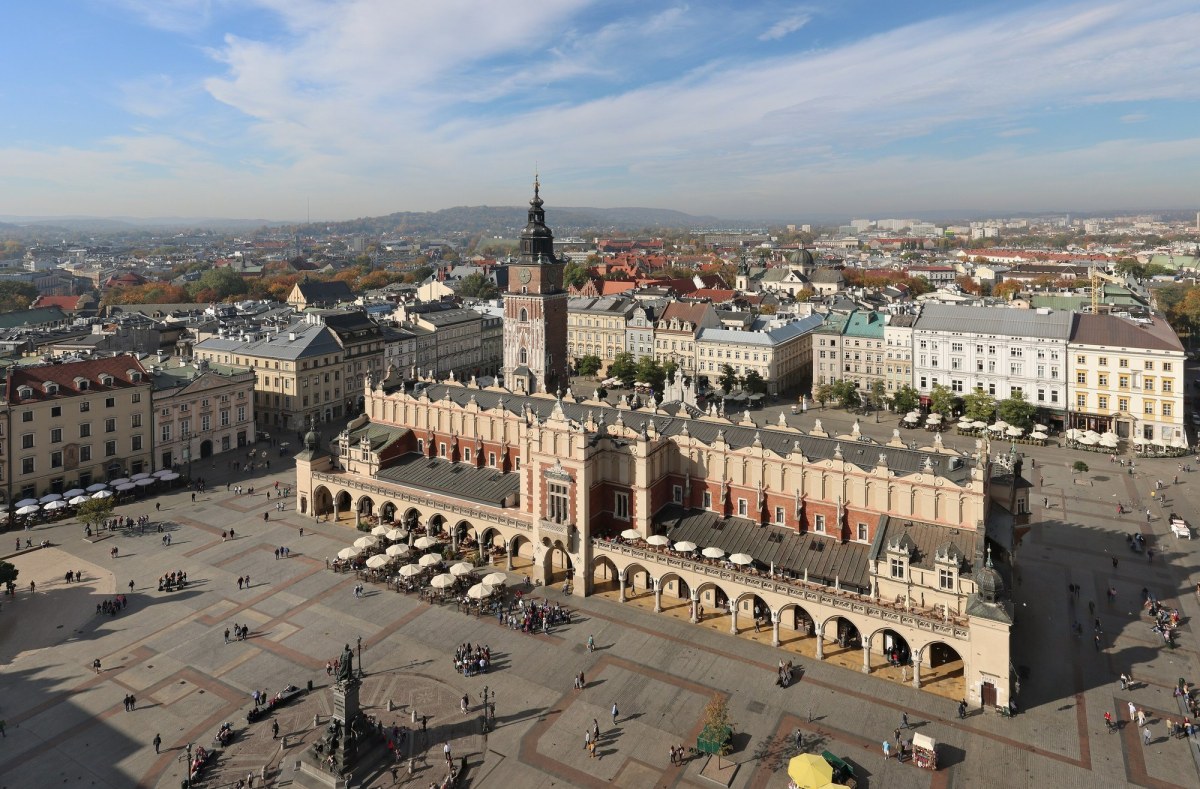
Get a quoteKraków survived the war almost intact and has the largest medieval market square in Europe, the Cloth Hall at its centre, and Wawel Castle and Cathedral on a hill above the Vistula. Kazimierz, the old Jewish quarter, is now the city's most atmospheric district. The Wieliczka salt mine nearby is a World Heritage site of chapels and chambers carved in rock salt.
Auschwitz-Birkenau lies about an hour west of Kraków. It is a memorial and museum, not a sight, and visitors are asked to treat it accordingly; free entry is available with an advance booking.
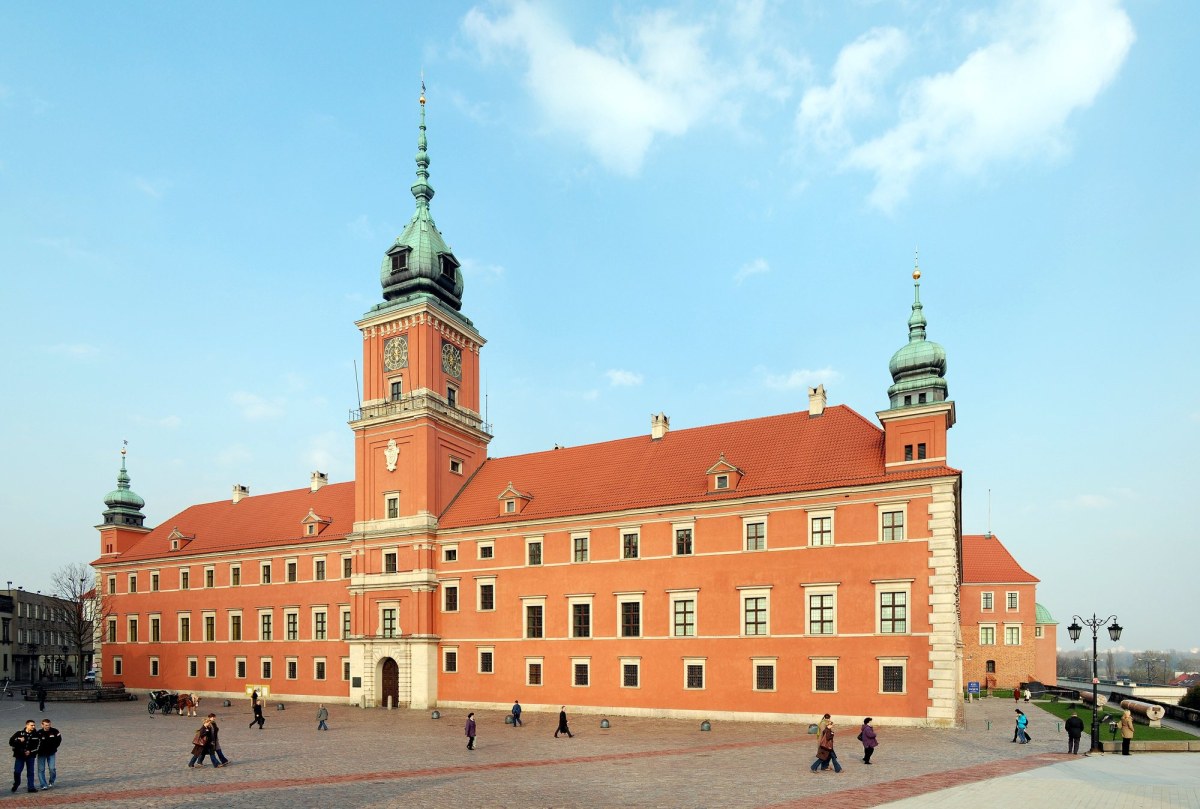
Warsaw was almost entirely destroyed in 1944 and rebuilt from paintings and photographs — the Old Town's reconstruction is itself World Heritage listed. The Warsaw Rising Museum and POLIN Museum of the History of Polish Jews are among the strongest museums in Central Europe.
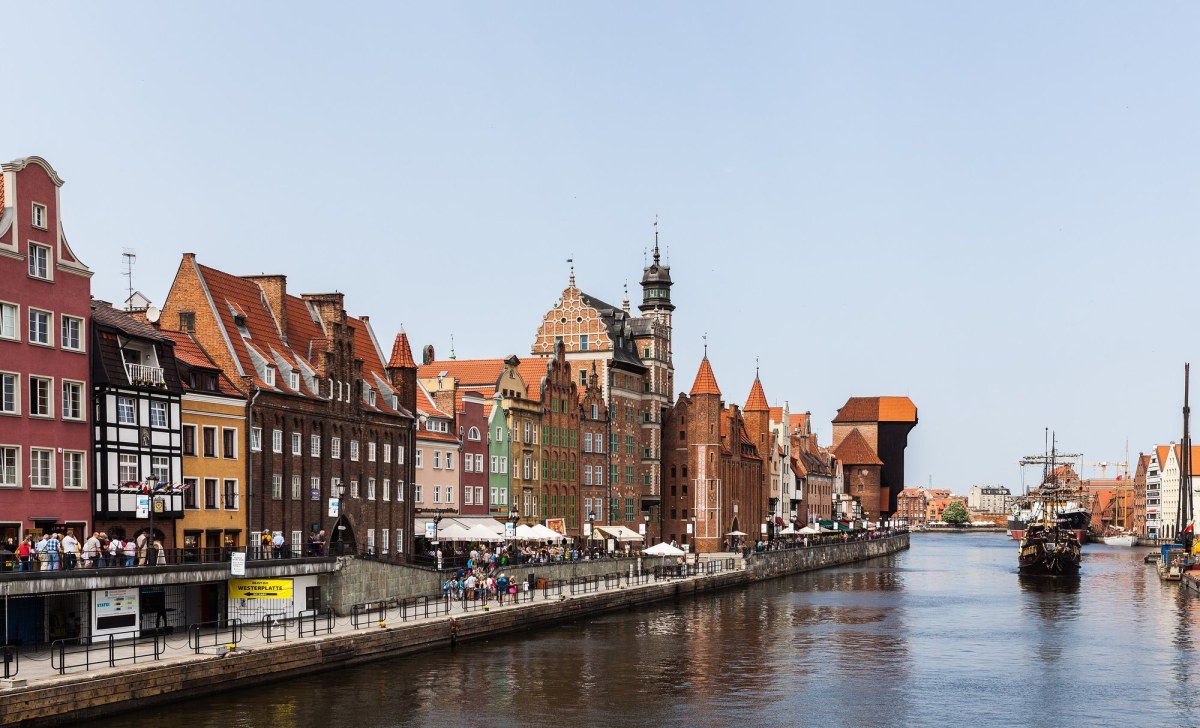
Gdańsk on the Baltic, with Sopot and Gdynia beside it, has a rebuilt Hanseatic waterfront, the Solidarity shipyards and long sandy beaches. The Masurian Lake District east of it is boating and canoeing country. Toruń, the birthplace of Copernicus, kept its Gothic centre.
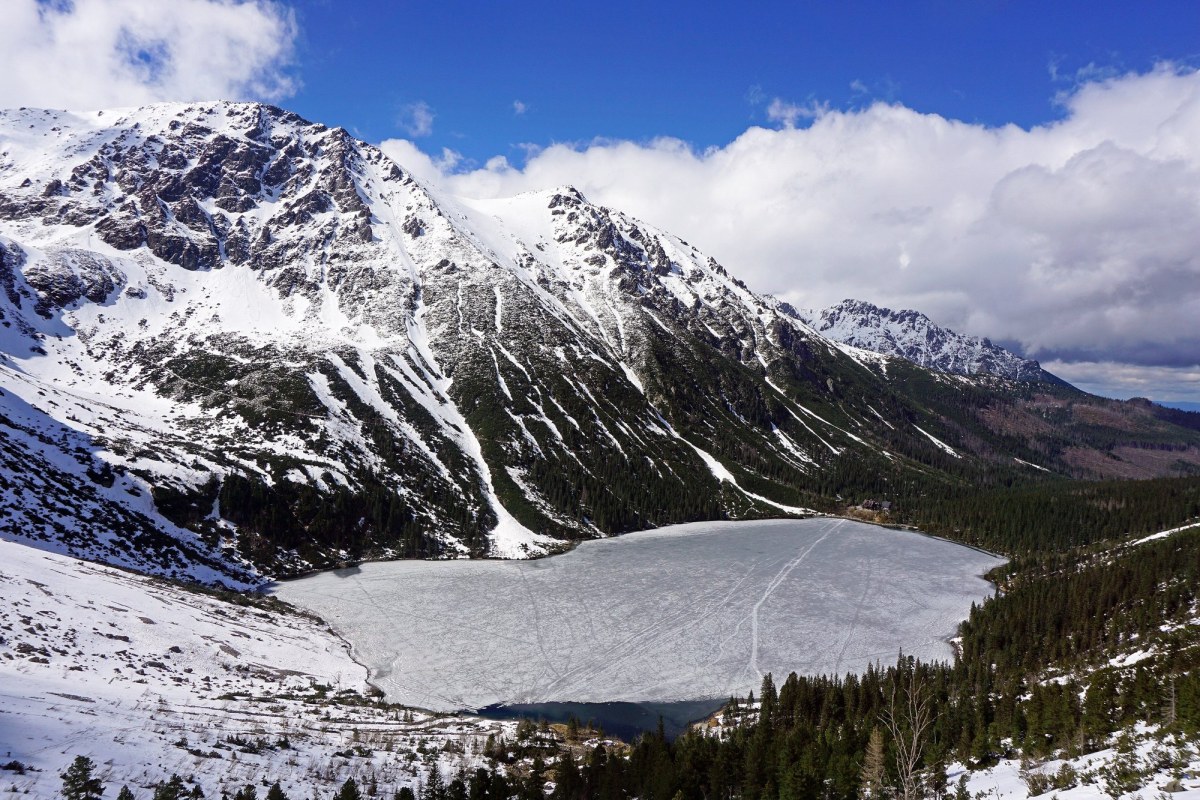
The south rises into the Tatras, the highest part of the Carpathians, with Zakopane as the mountain town and highland architecture and music of its own. In the far east, Białowieża Forest straddles the Belarusian border and is the last large remnant of the primeval lowland forest that once covered the continent, with a free-ranging population of European bison.
Poland is big, and the fast trains between Warsaw, Kraków, Gdańsk and Wrocław do most of the work. A car is worth having for the Masurian lakes, the Tatras and the eastern forests. The country borders seven others and combines easily with Germany, Czechia, Slovakia and the Baltic states. Summer is short and busy; the mountains have a genuine winter season.
Common questions
- What is the capital of Poland?
- The capital of Poland is Warsaw.
- What currency is used in Poland?
- Poland uses the Polish złoty (PLN).
- What language is spoken in Poland?
- The official language is Polish.
- When is the best time to visit Poland?
- Continental: cold snowy winters, warm summers, snow lying longest in the Tatras.
- Which side of the road do you drive on in Poland?
- In Poland you drive on the right.
- What plug sockets are used in Poland?
- Poland uses type C, E sockets.
- What is the dialling code for Poland?
- The international dialling code for Poland is +48.
Partner
Inside Poland
Regions
10 to explore
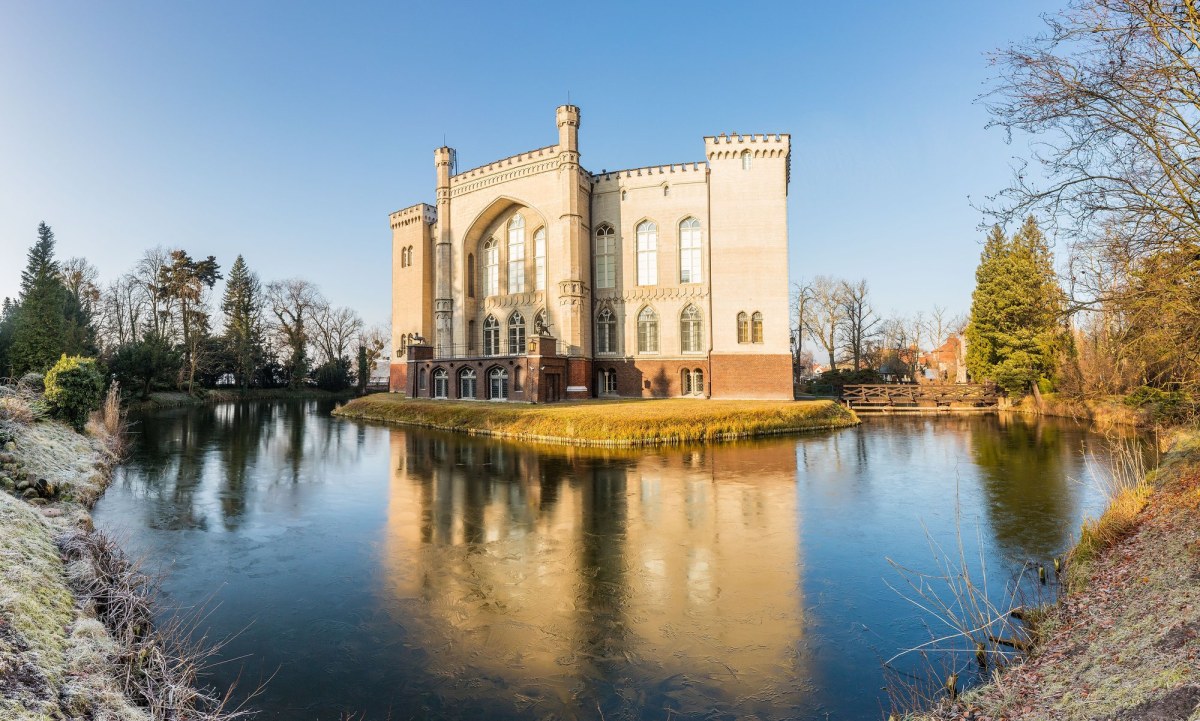
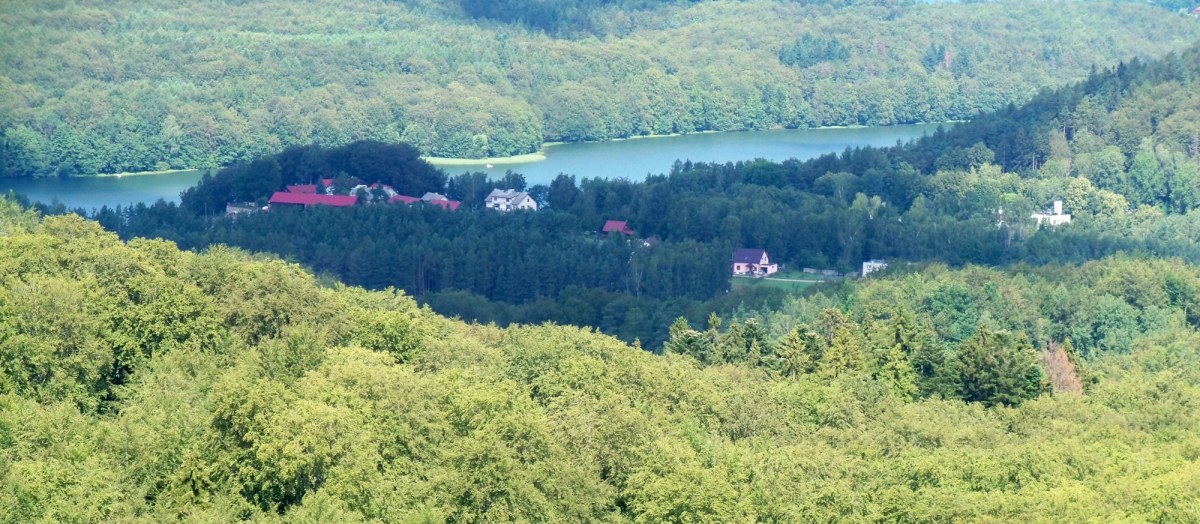
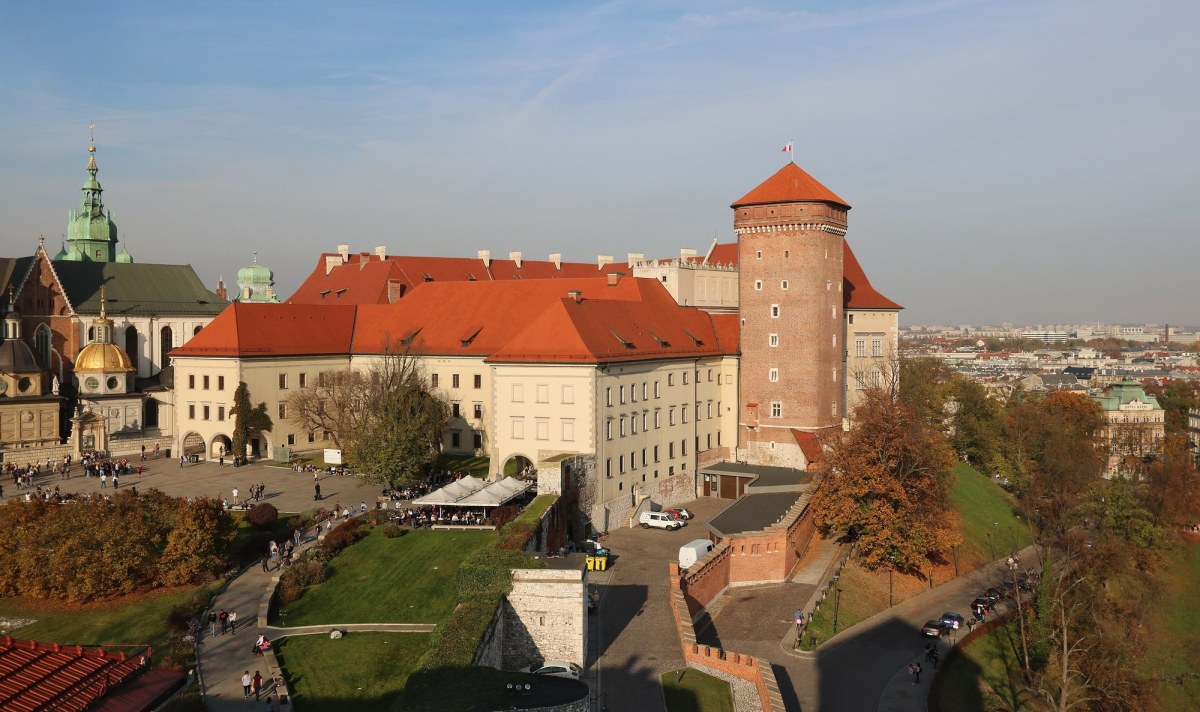
Lesser Poland
Region
The south: Kraków, the salt mines, the mountains, and the country’s oldest royal history.
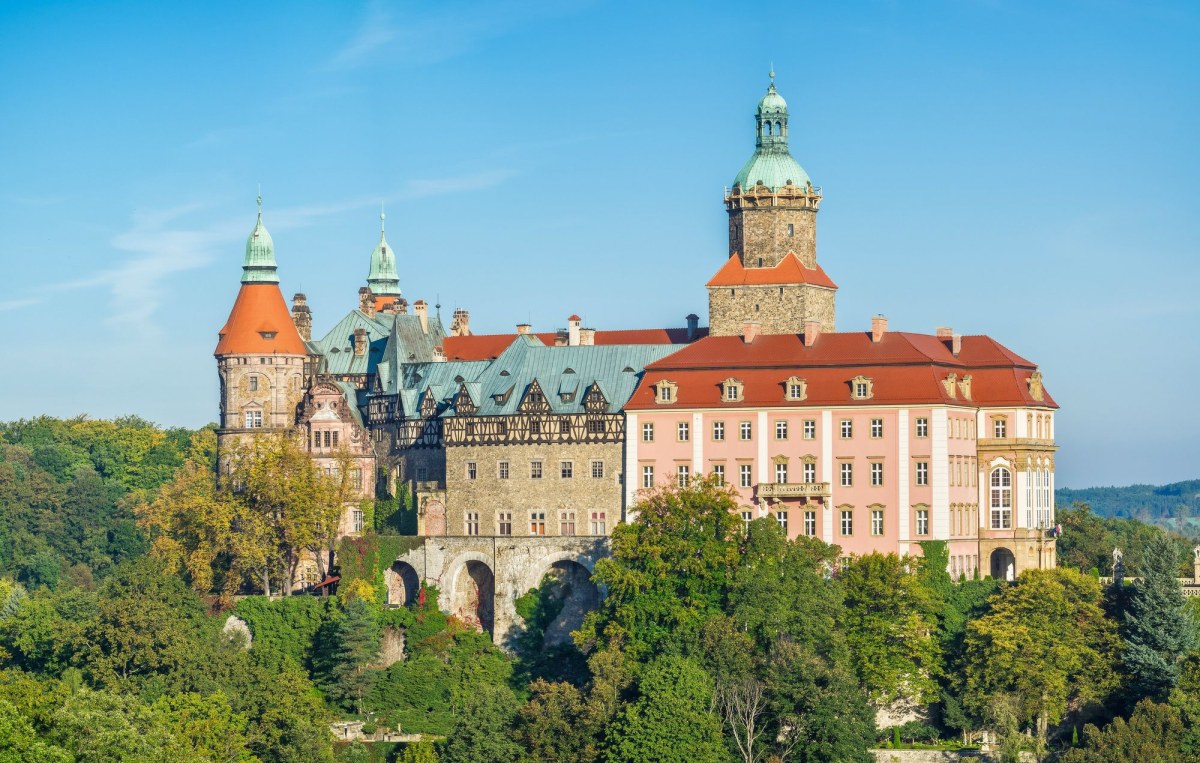
Lower Silesia
Region
The south-west: a city of islands and bridges, mountains on the Czech border, and a complicated past.
Pomerania
Region
The Baltic north: a great port city, long sand beaches, and lakes and forest inland.
Warmia and Masuria
Region
A thousand lakes in the north-east, joined by channels and sailed all summer.
Inside Poland
Towns and cities
12 to explore
Gdańsk
Town or city
A Hanseatic port rebuilt after the war, where two twentieth-century turning points happened.
Kraków
Town or city
The old royal capital, undamaged by the war, with the largest medieval square in Europe.
Malbork
Town or city
A small town on the Nogat that exists in the shadow of an enormous brick castle.
Toruń
Town or city
A brick Gothic Hanseatic town that survived the war, and Copernicus’s birthplace.
Wrocław
Town or city
A city built across islands, with a great many bridges and several hundred bronze dwarfs.
Inside Poland
Landmarks
12 to explore
Auschwitz-Birkenau Memorial
Landmark
The preserved site of the largest Nazi German concentration and extermination camp.
Białowieża Forest
Landmark
The last large fragment of the lowland forest that once covered Europe, and its bison.
Jasna Góra
Landmark
A monastery at Częstochowa holding the icon that is the focus of Polish pilgrimage.
Kraków Main Square
Landmark
The largest medieval square in Europe, with a cloth hall down the middle of it.
Malbork Castle
Landmark
The largest brick castle in the world, built as the headquarters of the Teutonic Order.
Masurian Lakes
Landmark
A connected system of lakes in the north-east, sailed from spring to autumn.
Wawel Castle
Landmark
The royal seat on a limestone hill above the Vistula, with the cathedral beside it.
Wieliczka Salt Mine
Landmark
A working salt mine since the Middle Ages, with chapels carved out of the rock salt.
Wrocław Market Square
Landmark
One of the largest medieval squares in Europe, with a block of buildings in the middle.
Plan the trip
Explore Poland
Start with the regions, then the towns, then the sights worth a detour — each with its own page and its own pin on the map.
Start anywhere and follow the links. The guides and itineraries join these places into routes you can actually travel.
Credit: Europe by Giddo
Every place above is on this map. The lists on this page are the same content in the same order.