

Where to stay in Netherlands
See the hotels and apartments available on Booking.com · This is an affiliate link with our partner. Europe by Giddo may earn a commission from a purchase made through it, at no extra cost to you.
The Netherlands is flat, densely populated and organised around water — which it has been reclaiming, draining and defending against for eight centuries. A quarter of the country sits below sea level, and the engineering that keeps it dry is a sight in its own right.
Our partner
Travel insurance · 5% off for our readers
Get a quoteAmsterdam is a ring of seventeenth-century canals lined with narrow gabled houses. The Rijksmuseum holds Rembrandt's Night Watch and the Vermeers; the Van Gogh Museum has the largest collection of his work anywhere; the Anne Frank House is a quiet and necessary hour. The city is small and best seen from a bicycle or a boat.
The other cities are close and worth their own days. Rotterdam was rebuilt after wartime destruction and is the country's modern-architecture showcase, with Europe's largest port. The Hague holds the government, the Mauritshuis with the Girl with a Pearl Earring, and a proper beach at Scheveningen. Utrecht has canals with wharf cellars at water level. Delft, Leiden, Haarlem and Gouda are compact historic towns.
Outside the cities the landscape is deliberate. The Keukenhof gardens and surrounding bulb fields flower from late March into May. Kinderdijk keeps nineteen windmills in a row. Zaanse Schans is a preserved working village. Giethoorn has canals instead of streets.
The north and the islands feel different again. The Wadden Sea, shared with Germany and Denmark, is a tidal World Heritage area where guided mudflat walking is a local tradition, and the Frisian islands string along behind it. The Afsluitdijk closes off the old Zuiderzee for thirty-two kilometres.
Dutch is the language and English is spoken almost universally. Distances are short, trains are frequent, and the national cycle network makes bicycles a genuine way to travel between towns rather than just around them.
Trains run frequently between every town of any size, and a bicycle is a genuine mode of intercity transport thanks to the national cycle route network. The country is small enough to base yourself in one city and day-trip the rest. Belgium and the German Rhineland are an easy extension. Bulb season runs from late March to mid-May and books out well in advance.
Common questions
- What is the capital of Netherlands?
- The capital of Netherlands is Amsterdam.
- What currency is used in Netherlands?
- Netherlands uses the Euro (EUR).
- What language is spoken in Netherlands?
- The official language is Dutch.
- When is the best time to visit Netherlands?
- Mild maritime climate, wind and rain in every season; bulb fields flower in spring.
- Which side of the road do you drive on in Netherlands?
- In Netherlands you drive on the right.
- What plug sockets are used in Netherlands?
- Netherlands uses type C, F sockets.
- What is the dialling code for Netherlands?
- The international dialling code for Netherlands is +31.
Partner
Inside Netherlands
Regions
11 to explore
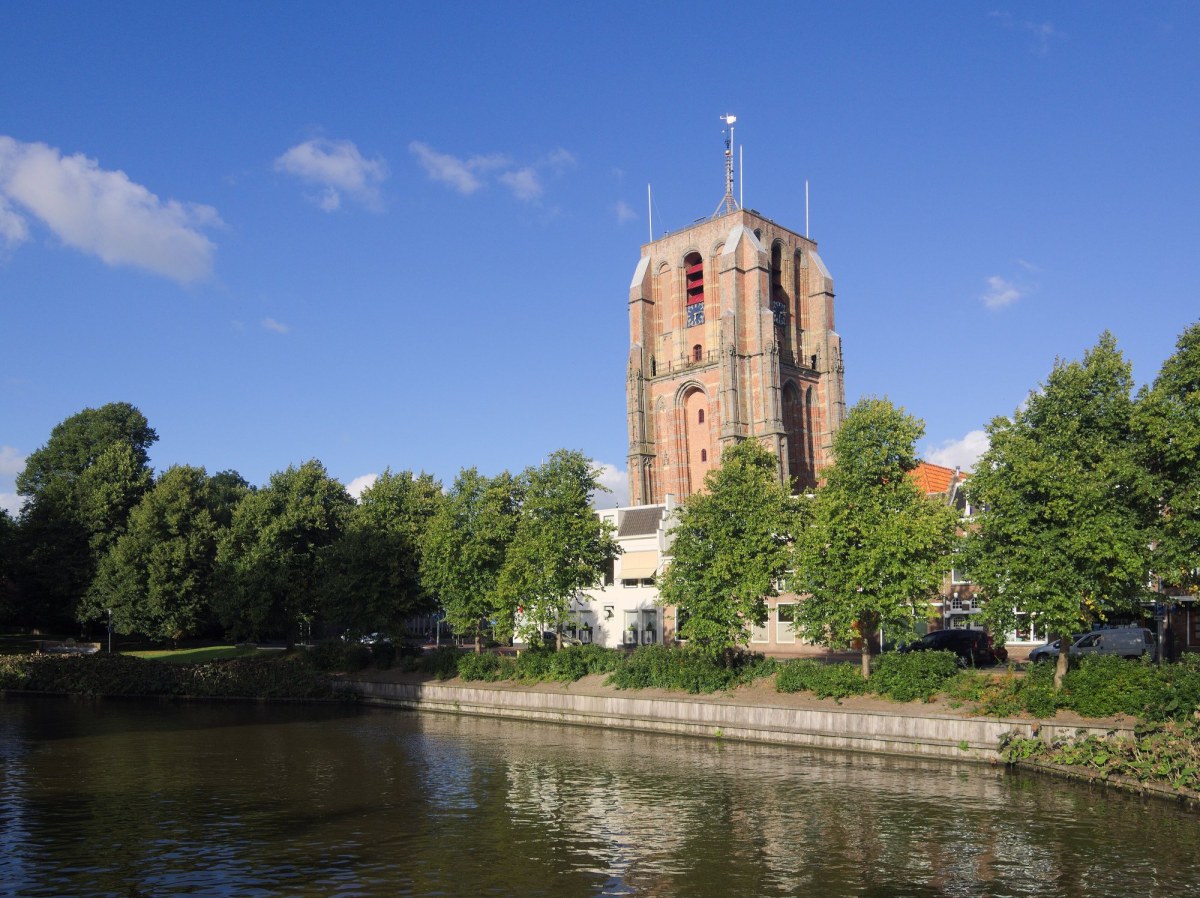
Friesland
Region
The northern province with its own language, a chain of lakes, and mudflats you can walk across at low tide.
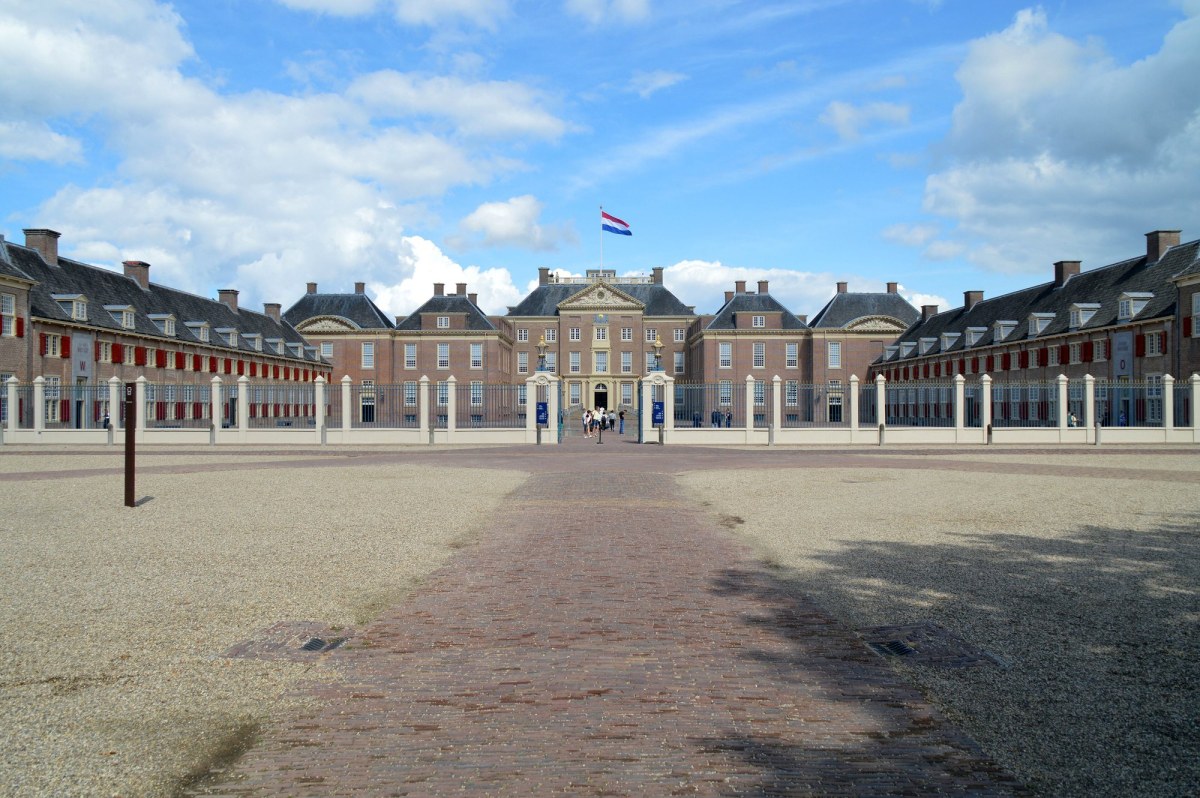
Gelderland
Region
The largest province: heath, forest and drifting sand, with a great art collection in the middle of a national park.
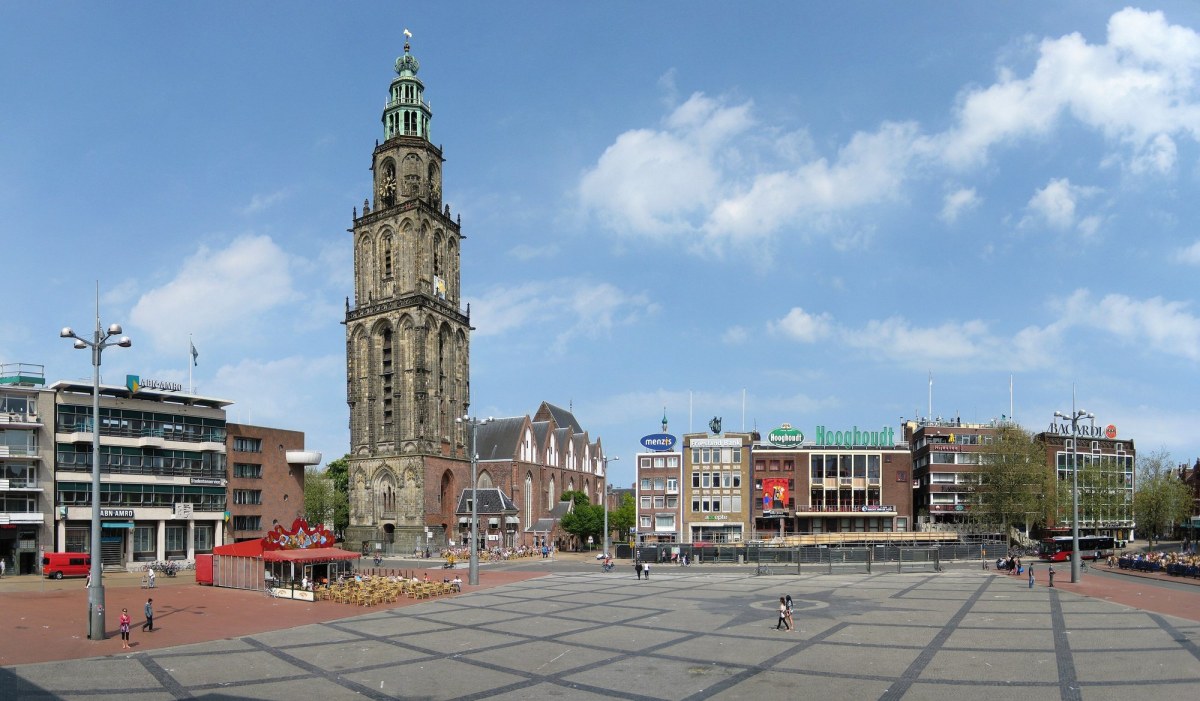
Groningen
Region
The far north-east: a student city, fortified villages, and the widest skies in the country.
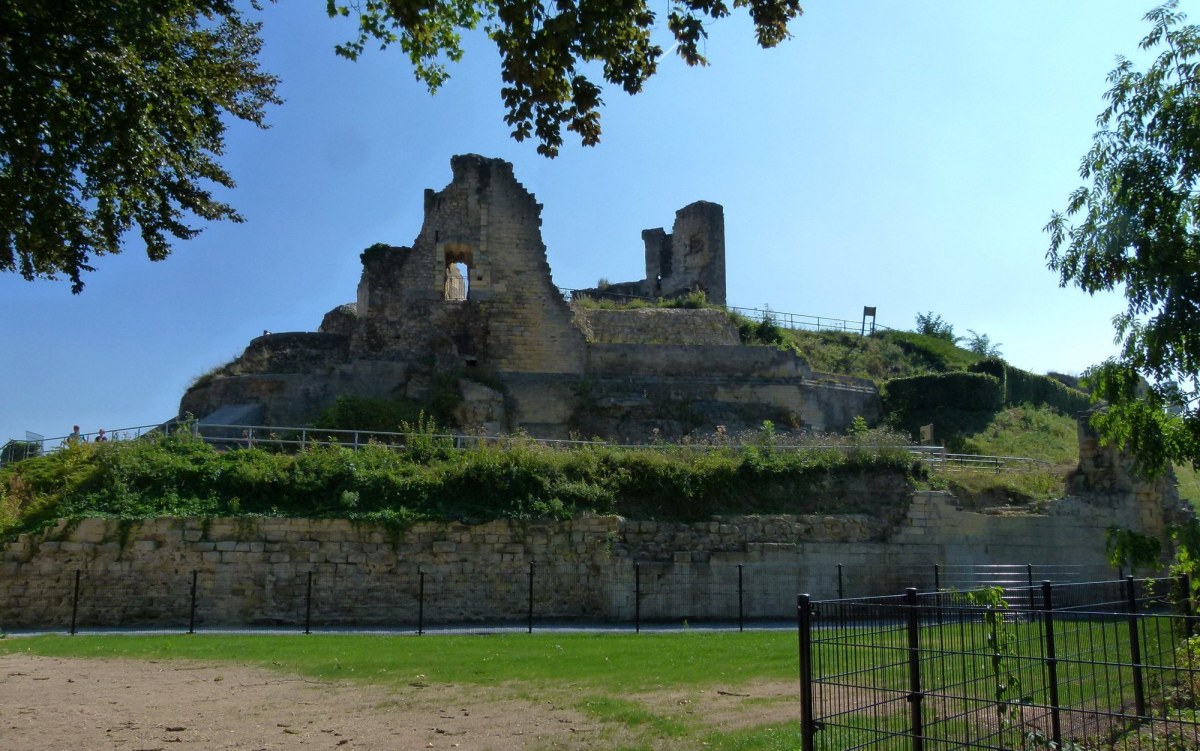
Limburg
Region
The southern strip: the only Dutch hills, a Roman city, and a carnival taken more seriously than anywhere else.
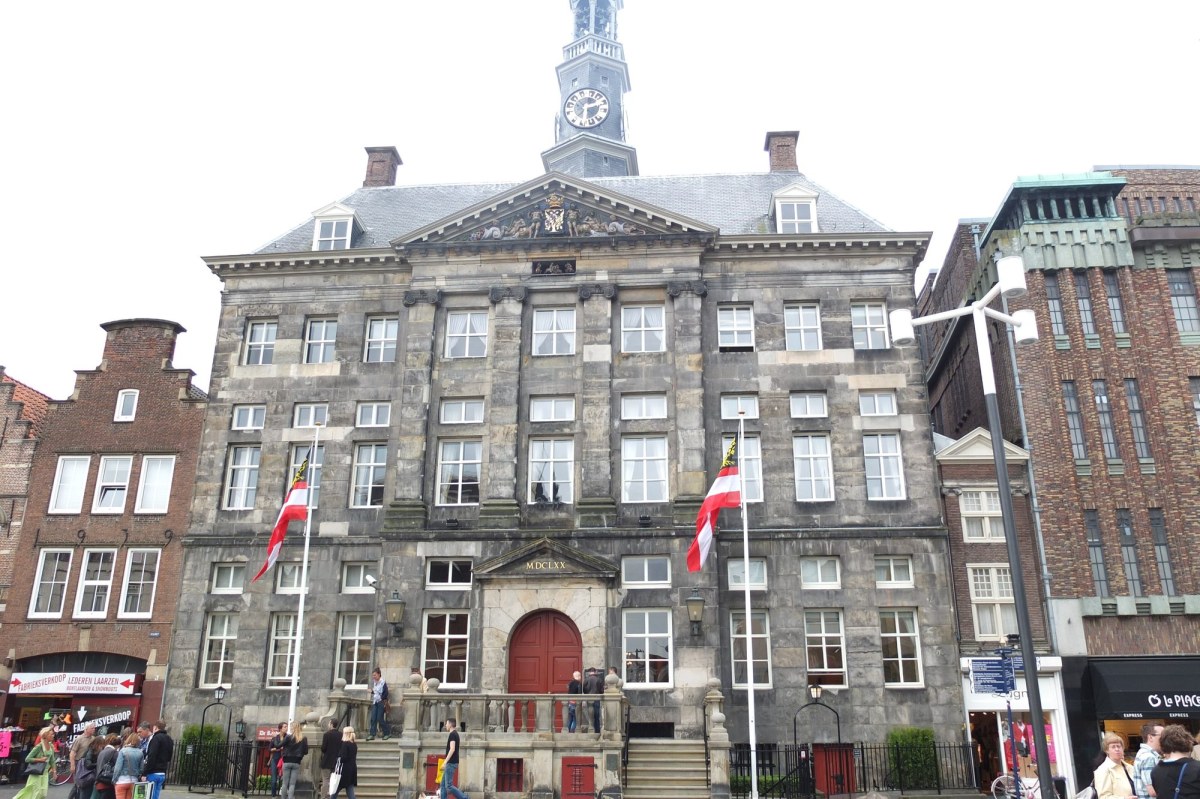
North Brabant
Region
The south: sandy heath and pine, medieval church towns, and Van Gogh’s beginnings.
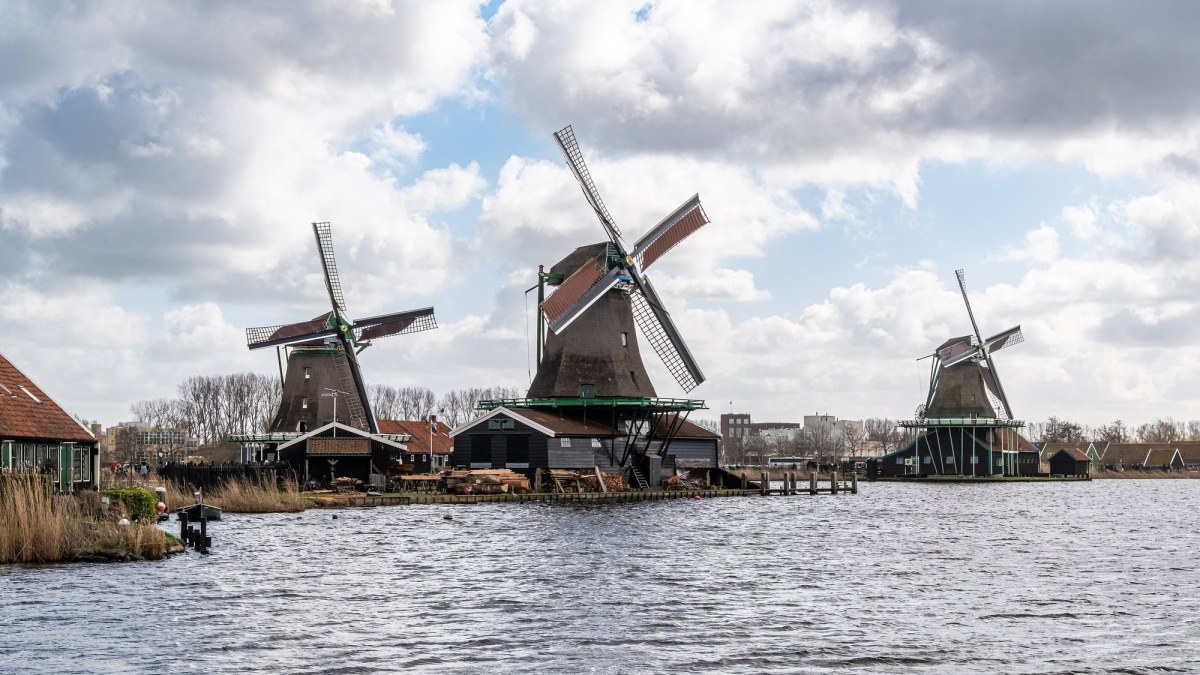
North Holland
Region
The province of Amsterdam: a peninsula between two seas, with polders, dunes and windmills on it.
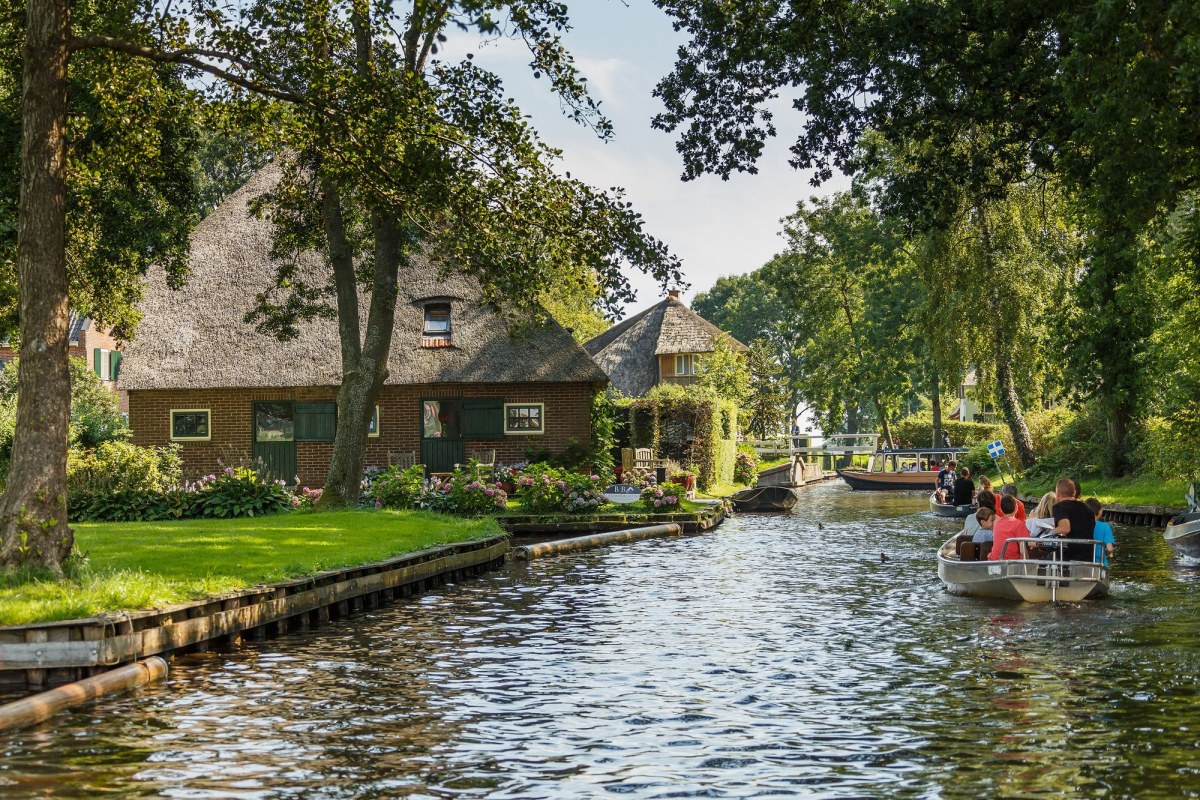
Overijssel
Region
The province across the IJssel: Hanseatic river towns, peat marsh and a village with no road through it.
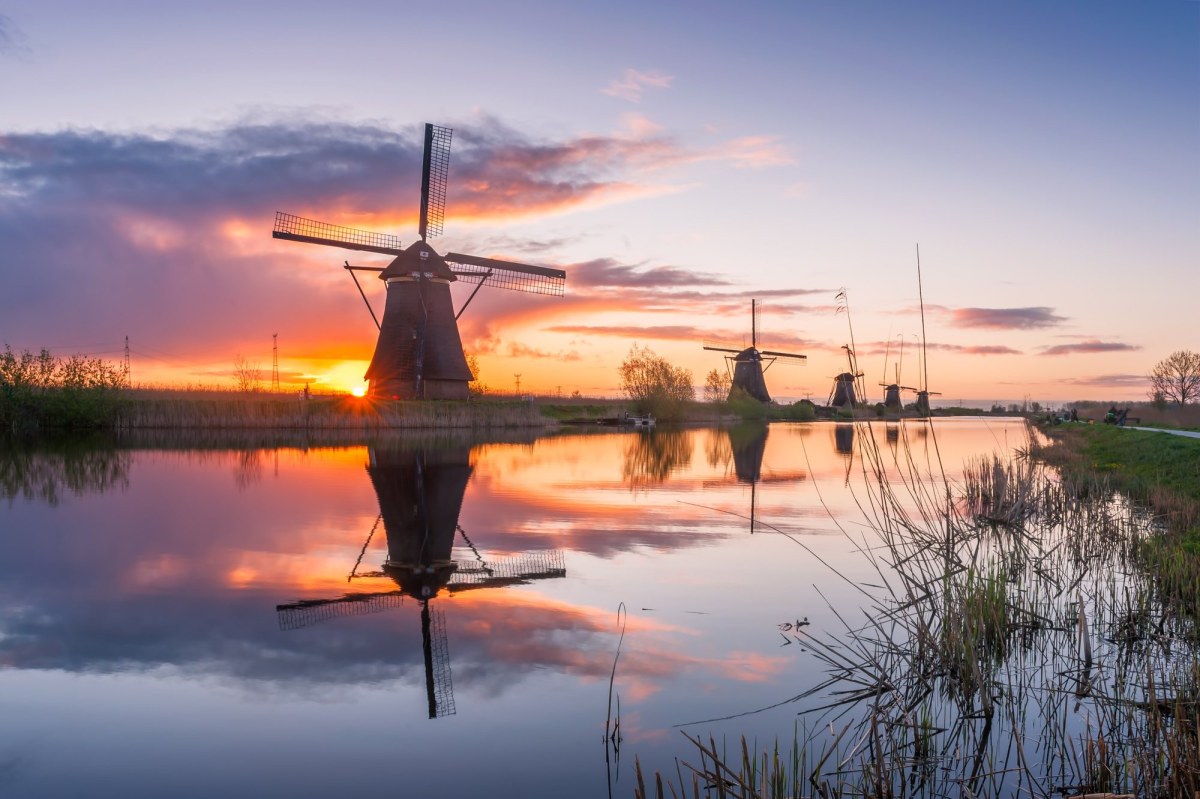
South Holland
Region
The busiest province: a modern port city, the seat of government, and the windmills at Kinderdijk.
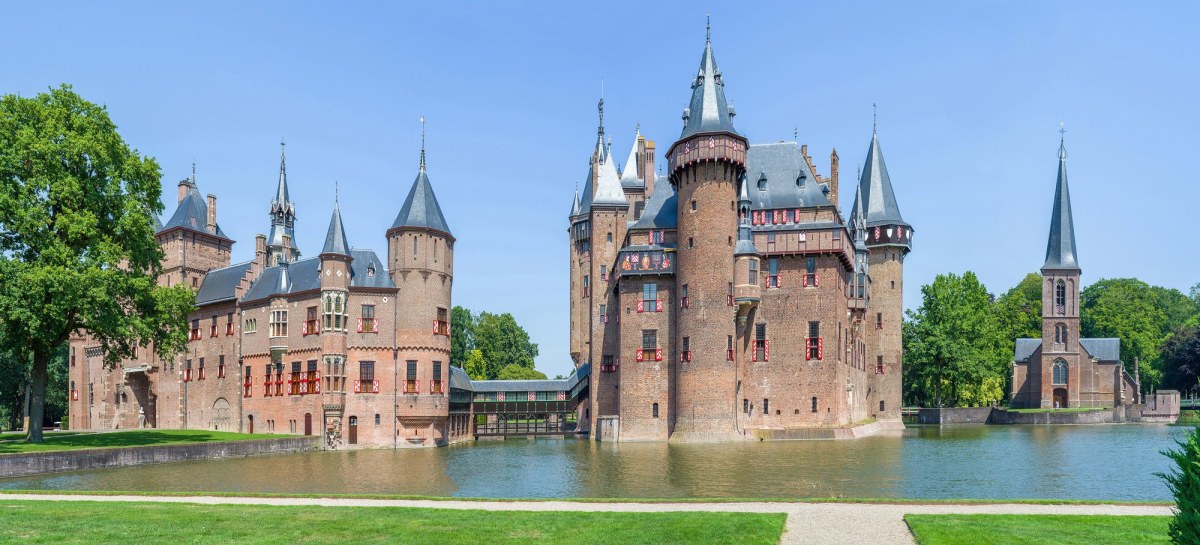
Utrecht
Region
The small central province: a canal city with two-level wharves, and wooded estates on the sandy ridge.
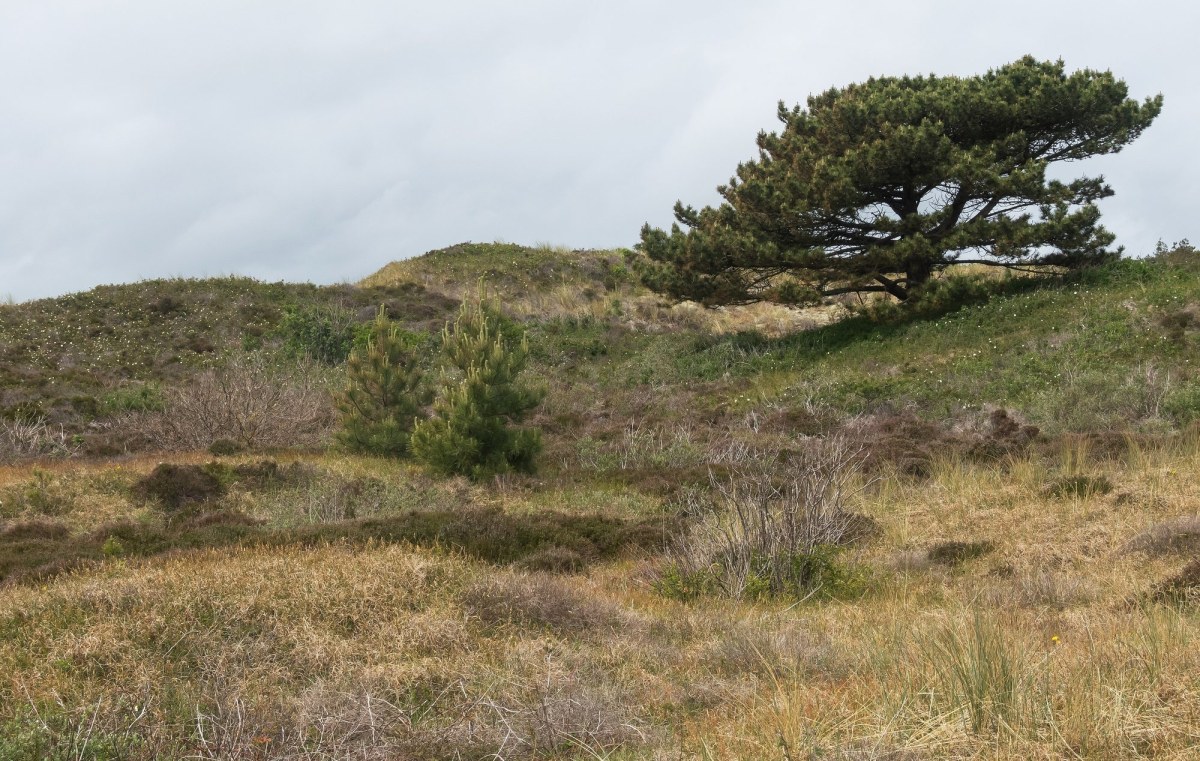
Wadden Islands
Region
A chain of sandy islands along the northern coast, with tidal mudflats between them and the mainland.
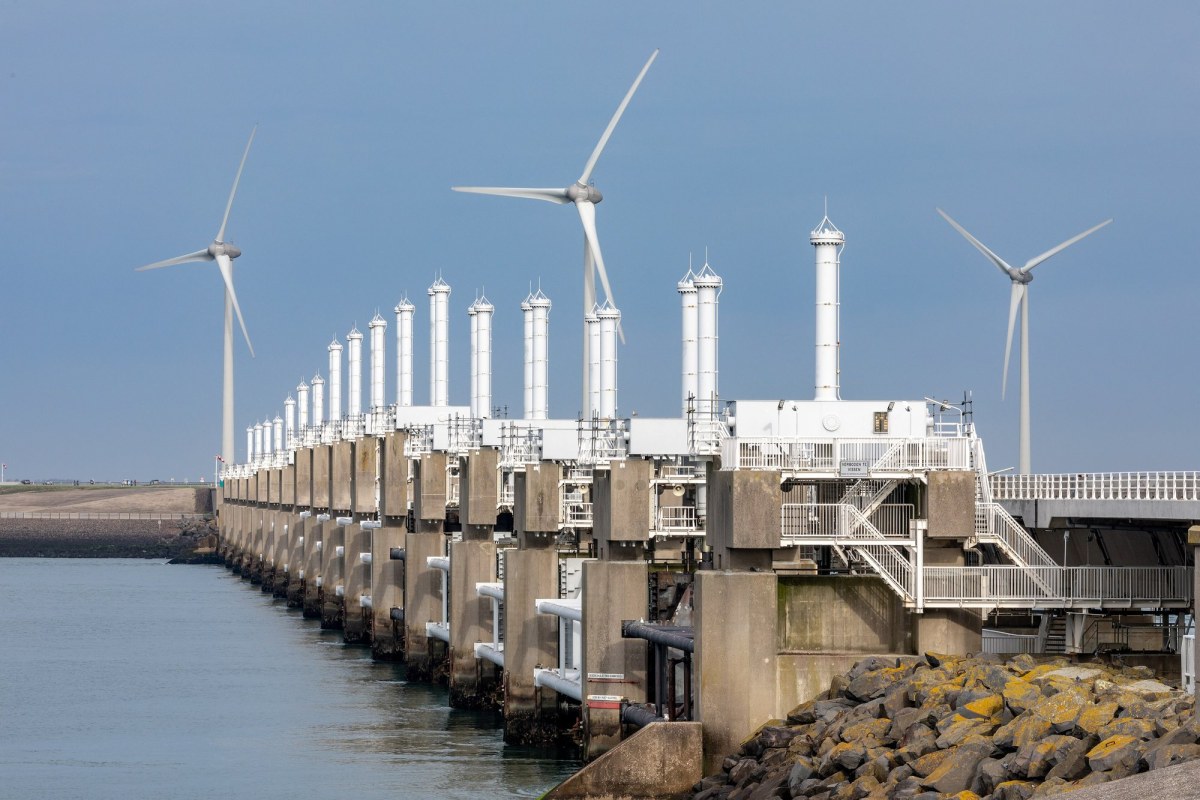
Zeeland
Region
A province of islands and estuaries in the south-west, and the flood defences built after 1953.
Inside Netherlands
Towns and cities
12 to explore
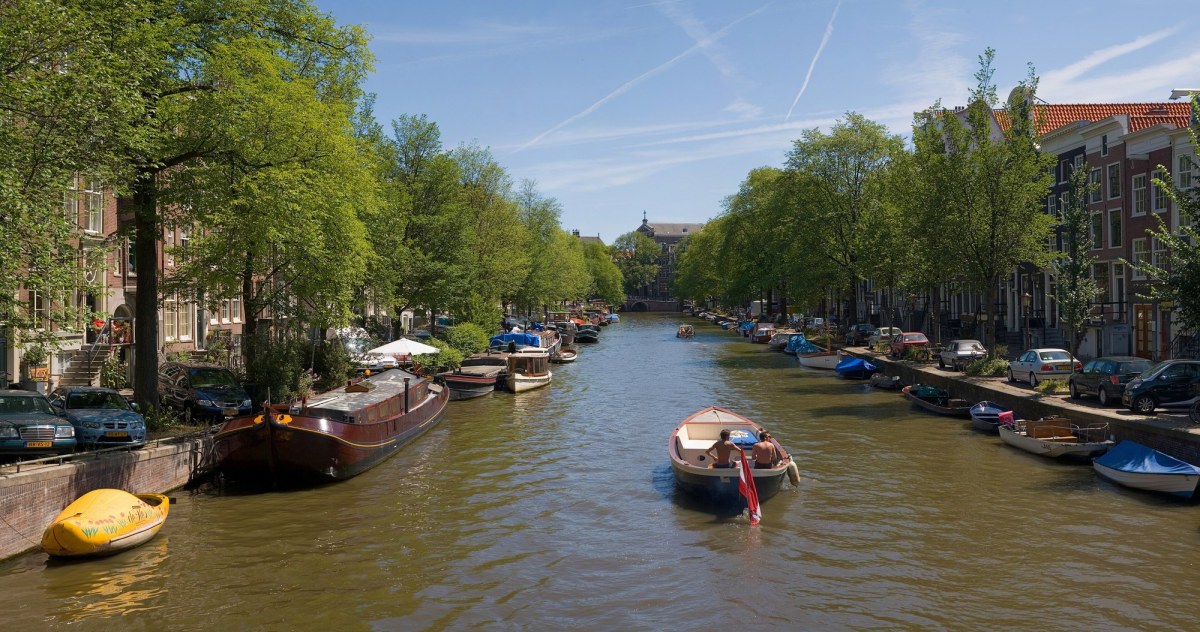
Amsterdam
Town or city
A city built on piles around a ring of seventeenth-century canals, with the art to match.
Delft
Town or city
A small canal town of blue-and-white pottery, Vermeer, and the royal burial church.
Giethoorn
Town or city
A village of thatched houses on islands, connected by footbridges rather than roads.
Gouda
Town or city
A small canal town with a Gothic town hall on the market square, and stained glass worth the stop.
Groningen
Town or city
A northern student city with more bicycles than people and a museum in the canal.
Leiden
Town or city
A university city of canals and hidden gardens, with poems painted on its walls.
Maastricht
Town or city
The oldest city in the country, on the Meuse, with quarry passages under it and three borders around it.
Nijmegen
Town or city
The oldest city in the country, on a hill above the Waal, with a bridge that was fought over.
Rotterdam
Town or city
A modern city on the Maas, rebuilt after 1940, with the largest port in Europe behind it.
The Hague
Town or city
The seat of government and of international courts, with a beach at the end of a tram line.
Utrecht
Town or city
A canal city with wharves below street level, and the tallest church tower in the country.
Inside Netherlands
Landmarks
12 to explore
Amsterdam Canal Ring
Landmark
A planned ring of seventeenth-century waterways, dug when the city outgrew its walls.
Anne Frank House
Landmark
The rooms behind a bookcase where eight people hid, kept deliberately empty.
Kinderdijk
Landmark
A group of eighteenth-century windmills built to drain a polder, kept together and still working.
Kröller-Müller Museum
Landmark
A great Van Gogh collection and a sculpture garden, in the middle of a national park.
Mauritshuis
Landmark
A small seventeenth-century house holding Girl with a Pearl Earring and the Goldfinch.
Nieuwe Kerk, Delft
Landmark
The church on Delft’s market square holding the tomb of William of Orange and the royal vault.
Van Gogh Museum
Landmark
The largest collection of Van Gogh anywhere, kept together by his brother’s family.
Zaanse Schans
Landmark
A collection of working windmills and green timber houses assembled on one site north of Amsterdam.
Plan the trip
Explore Netherlands
Start with the regions, then the towns, then the sights worth a detour — each with its own page and its own pin on the map.
Start anywhere and follow the links. The guides and itineraries join these places into routes you can actually travel.
Credit: Europe by Giddo
Every place above is on this map. The lists on this page are the same content in the same order.