

Where to stay in Montenegro
See the hotels and apartments available on Booking.com · This is an affiliate link with our partner. Europe by Giddo may earn a commission from a purchase made through it, at no extra cost to you.
Montenegro is one of the smallest countries in Europe and one of the most vertical. Mountains rise almost straight out of the Adriatic, and the drive from the coast to the northern peaks takes a couple of hours and changes the climate entirely.
Our partner
Travel insurance · 5% off for our readers
Get a quoteThe Bay of Kotor is the country's centrepiece — a deep, winding inlet that looks like a fjord but was carved by a river, walled by limestone cliffs. Kotor's medieval old town sits at the head of it under fortifications that climb the mountain behind; the walk up to the fortress is steep and worth it. Perast, across the water, has two islands, one of them artificial and topped by a church.
The coast continues south past Budva, the busiest resort town with a walled core of its own, to the island hotel of Sveti Stefan and the long beaches around Ulcinj near the Albanian border. Lovćen national park rises directly behind Kotor, with the mausoleum of the poet-prince Njegoš at the top of a serpentine road.
The north is a different country. Durmitor National Park has forty-eight peaks above two thousand metres, the glacial Black Lake and the Tara River canyon, the deepest in Europe and among the deepest in the world; rafting through it is the classic activity. Biogradska Gora protects one of Europe's few remaining primeval forests around a lake.
Cetinje, the old royal capital, is a small town of former embassies and museums that holds the country's history. Lake Skadar, shared with Albania, is the largest lake in the Balkans and a major bird reserve, with monasteries on its islands and vineyards on its shore.
Montenegrin is the official language and is mutually intelligible with its neighbours'. The coast is very busy in July and August; June and September are far more comfortable, and the mountains are best from late spring to early autumn.
Common questions
- What is the capital of Montenegro?
- The capital of Montenegro is Podgorica.
- What currency is used in Montenegro?
- Montenegro uses the Euro (EUR).
- What language is spoken in Montenegro?
- The official language is Montenegrin.
- When is the best time to visit Montenegro?
- Mediterranean on the coast; the mountains behind it are alpine and snowy in winter.
- Which side of the road do you drive on in Montenegro?
- In Montenegro you drive on the right.
- What plug sockets are used in Montenegro?
- Montenegro uses type C, F sockets.
- What is the dialling code for Montenegro?
- The international dialling code for Montenegro is +382.
Partner
Inside Montenegro
Regions
10 to explore
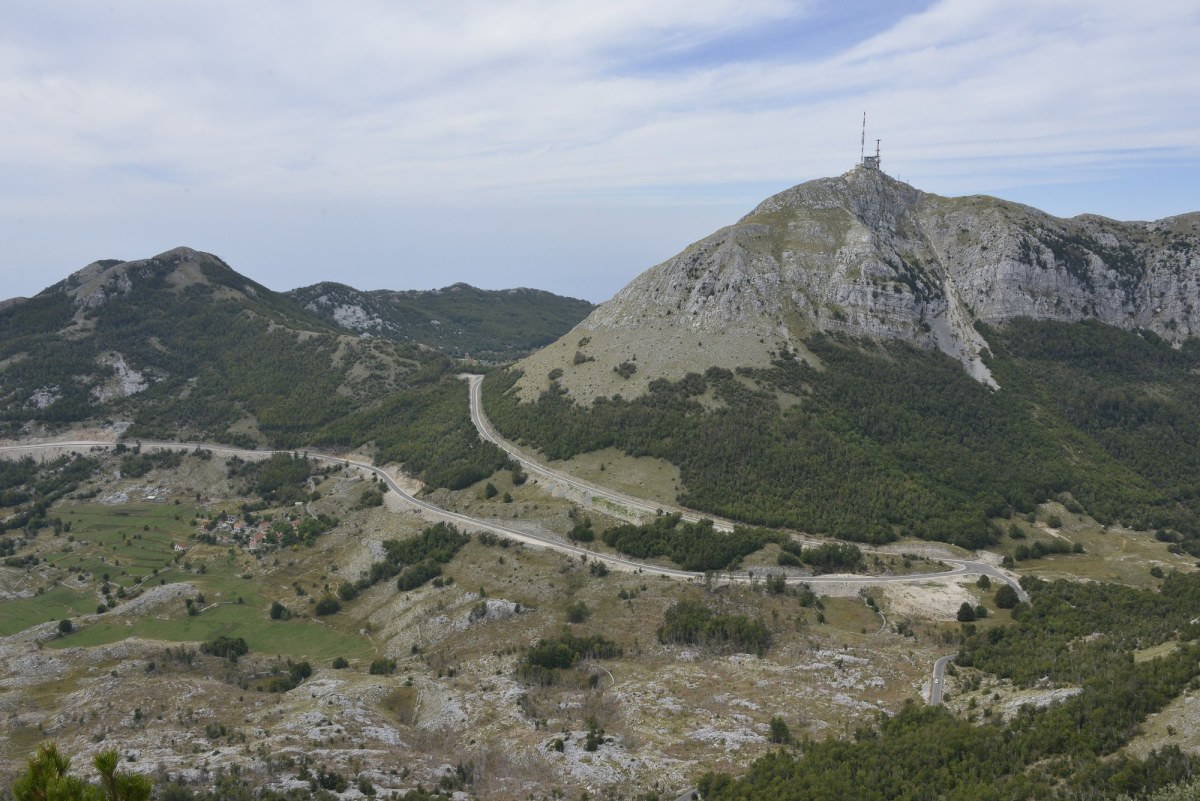
Cetinje and Lovćen
Region
The old royal capital in a karst field, under the mountain that carries the country’s shrine.
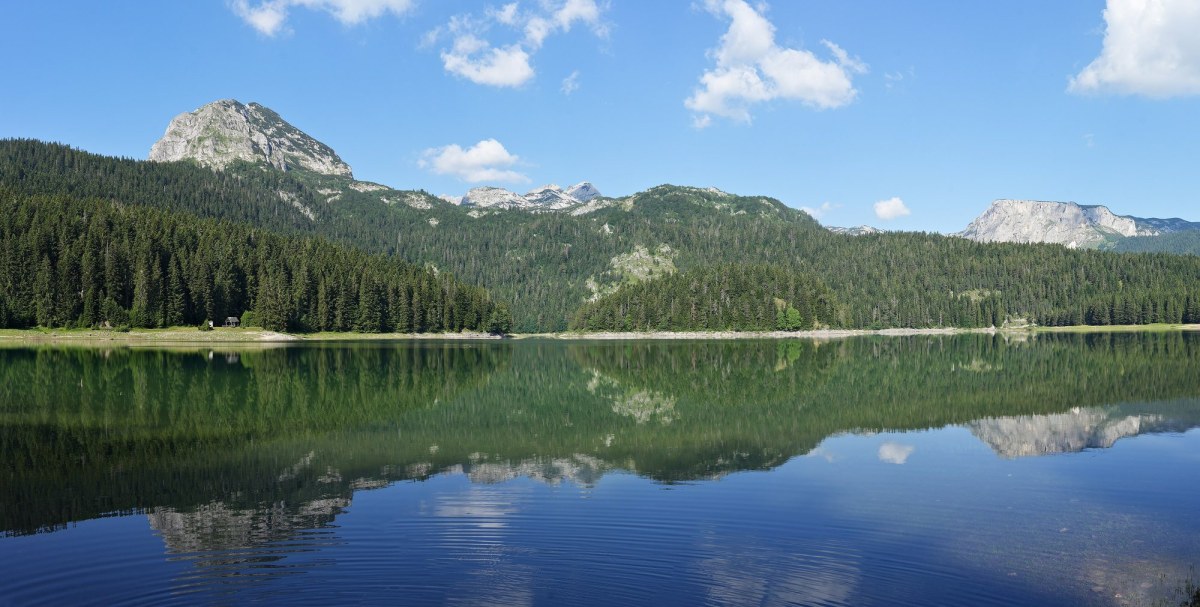
Durmitor and the North
Region
High limestone mountains, glacial lakes and the deepest canyon in Europe.
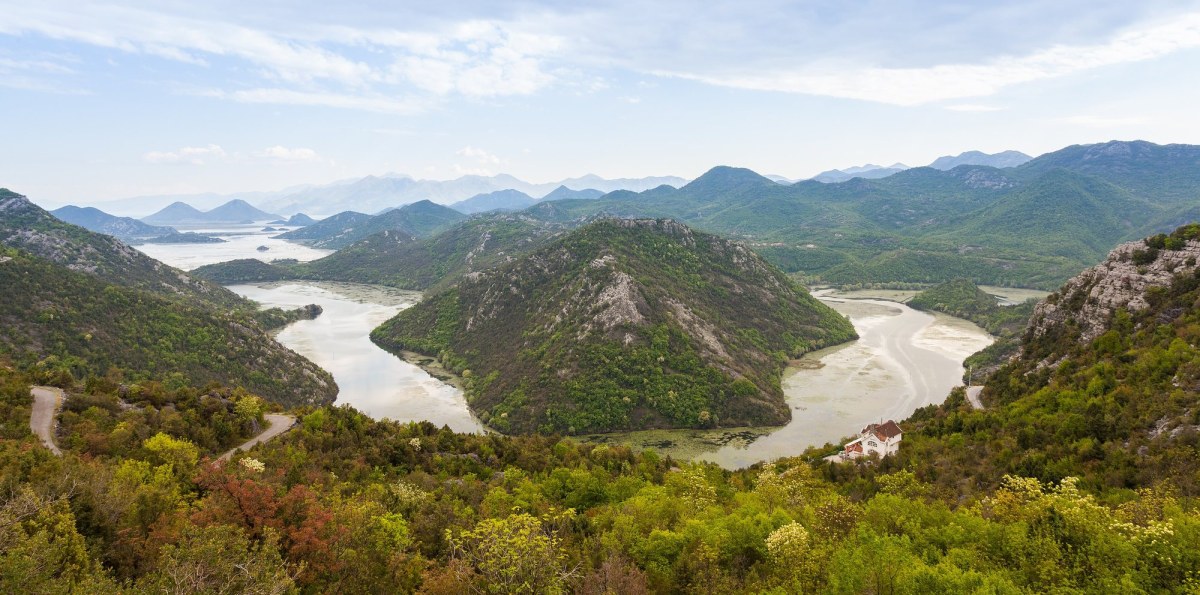
Lake Skadar
Region
The largest lake in the Balkans, half in Albania, full of birds, islands and monasteries.
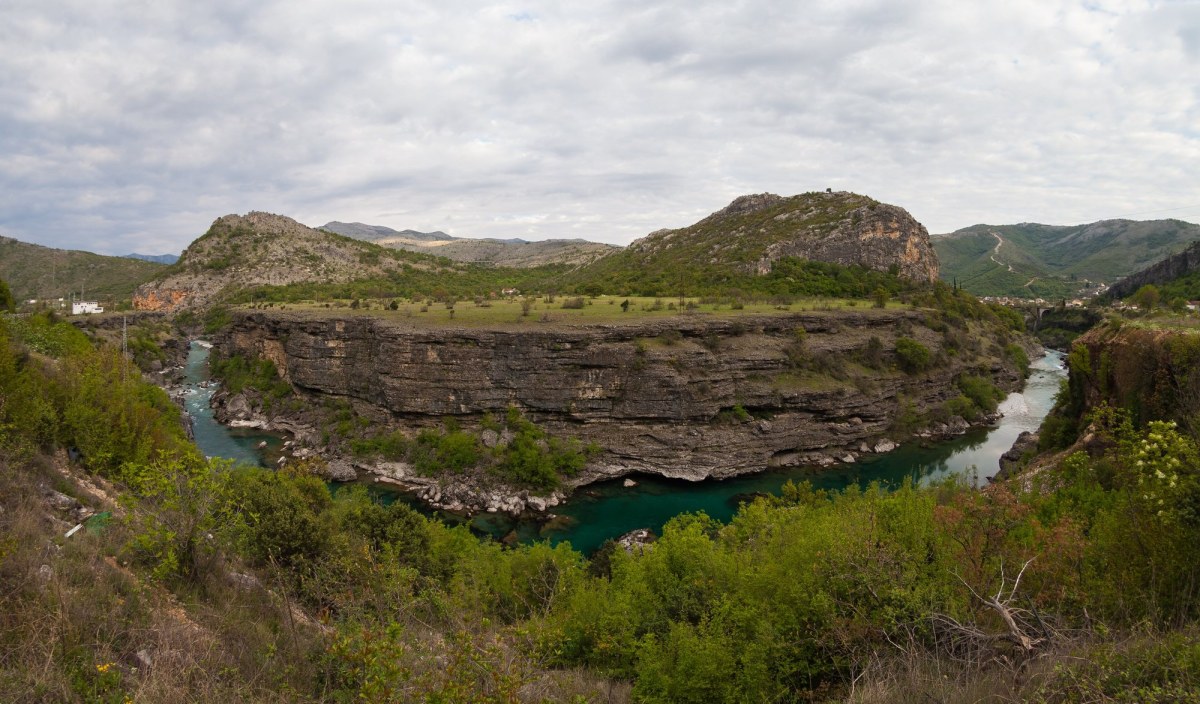
Podgorica and the Zeta Plain
Region
The flat, hot centre of the country: the capital, the vineyards and the road to everywhere.
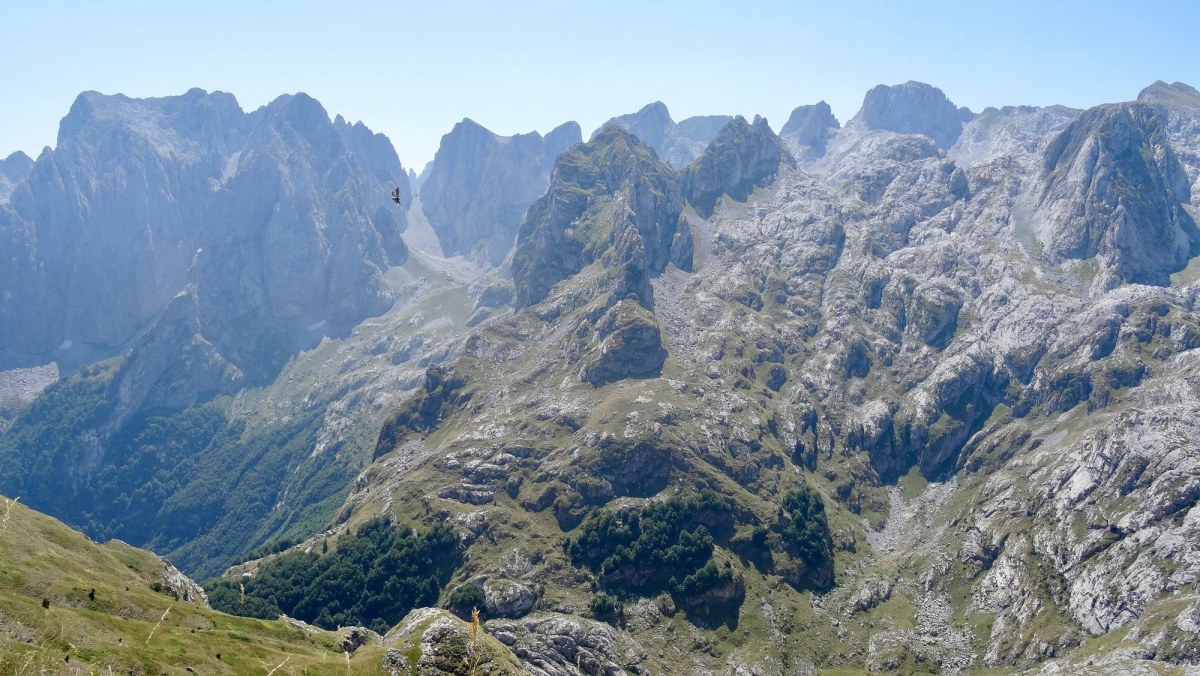
Prokletije
Region
The sharpest mountains in the country, on the Albanian border, and the least visited.
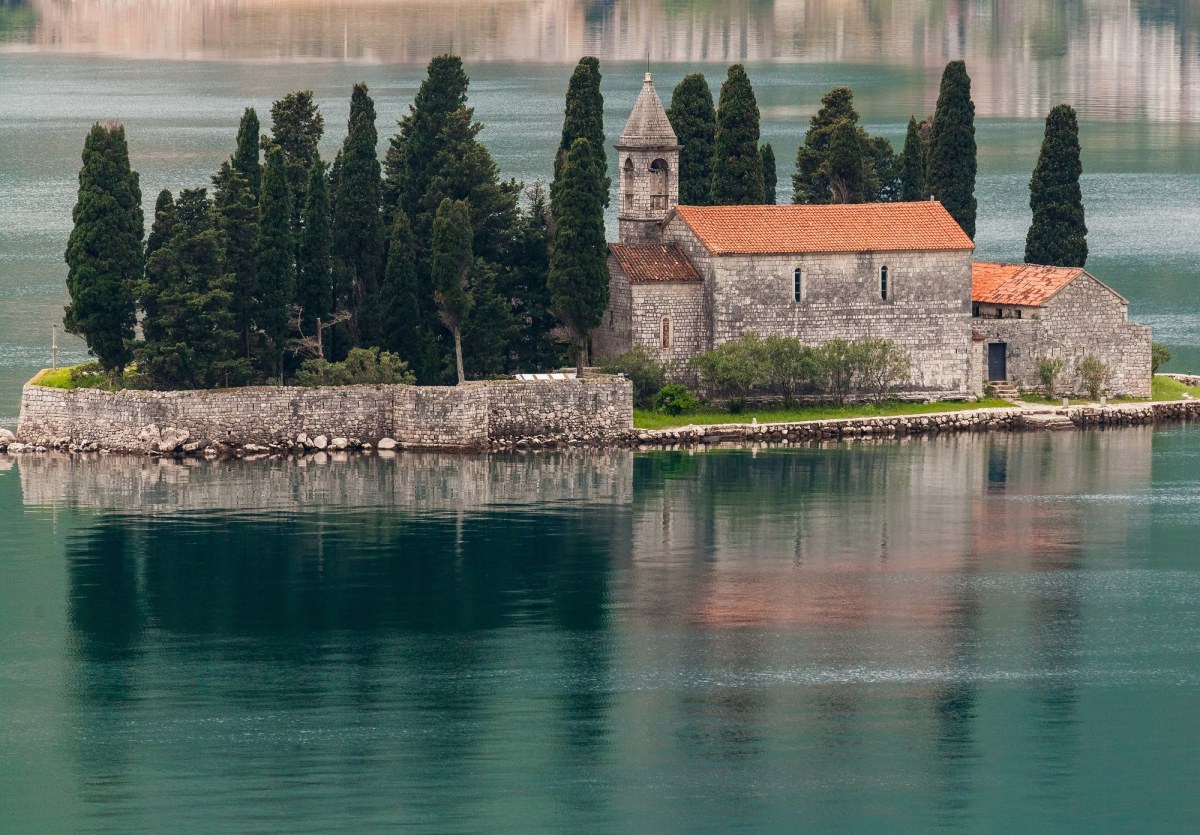
The Bay of Kotor
Region
A drowned river valley folded into four basins, with mountains rising straight out of the water.
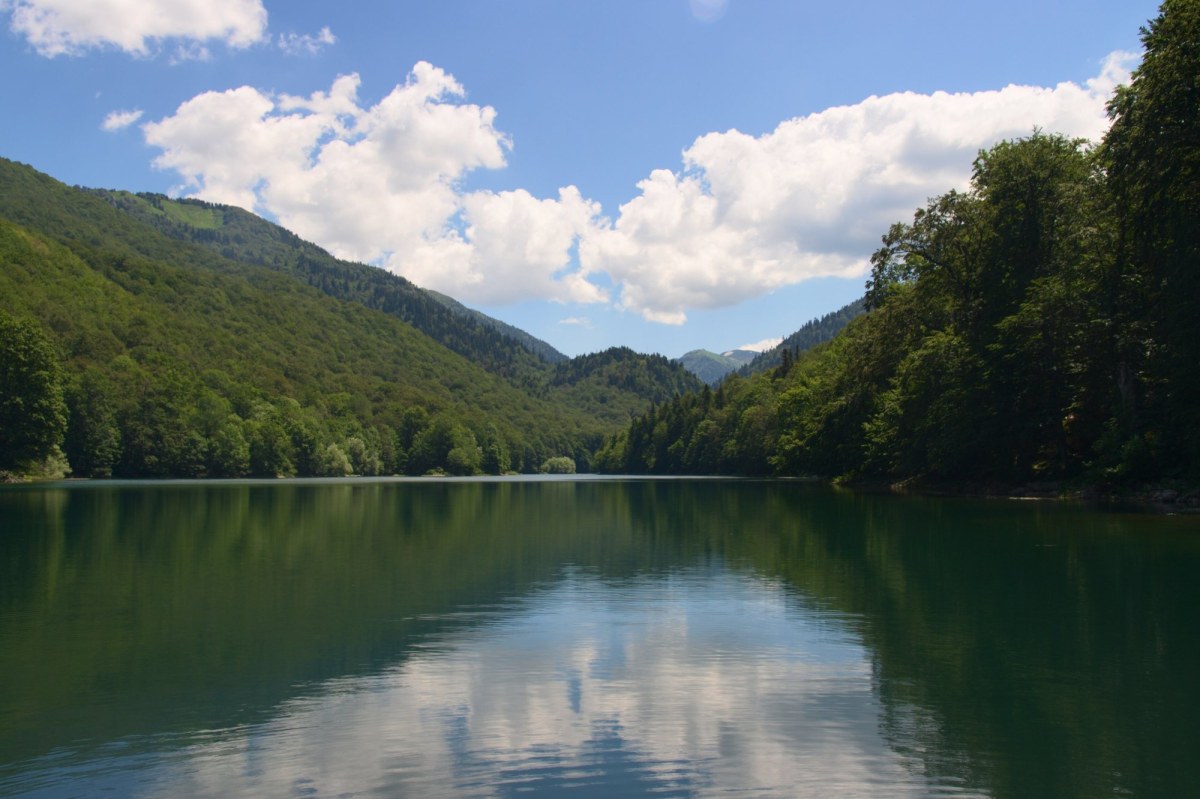
The Bjelasica Mountains
Region
Rounded green mountains of pasture and forest, with a primeval wood and a lake in a park.
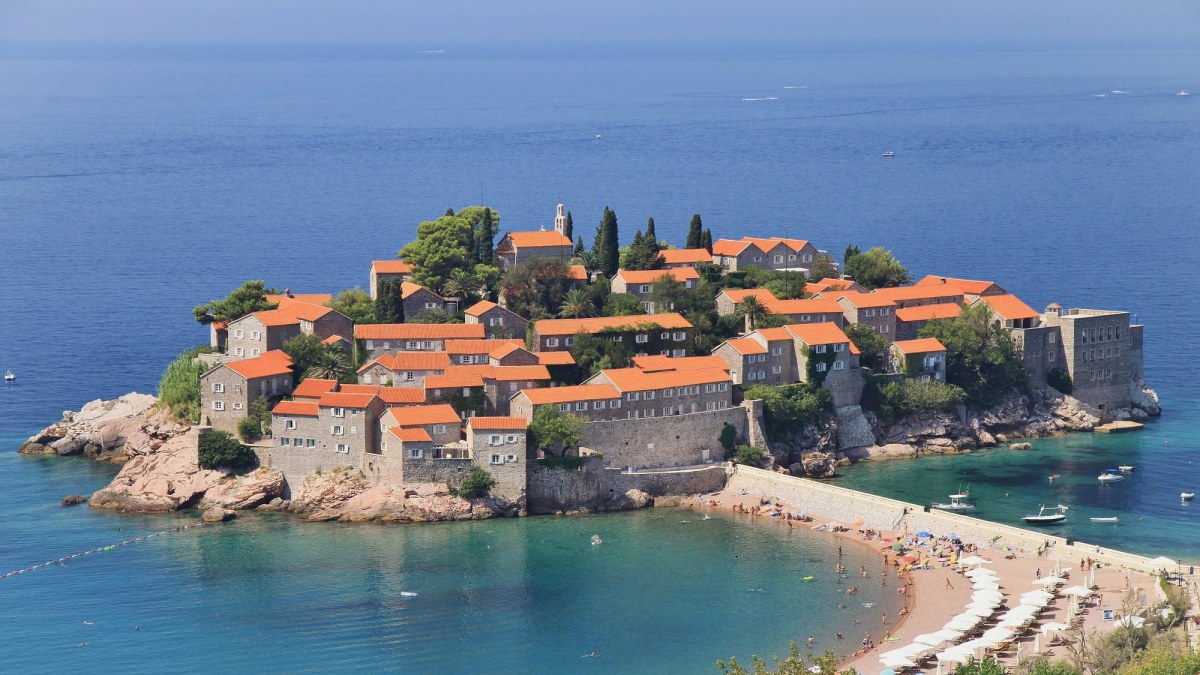
The Montenegrin Coast
Region
A short Adriatic shore of walled towns, pebble coves and one long sandy beach.
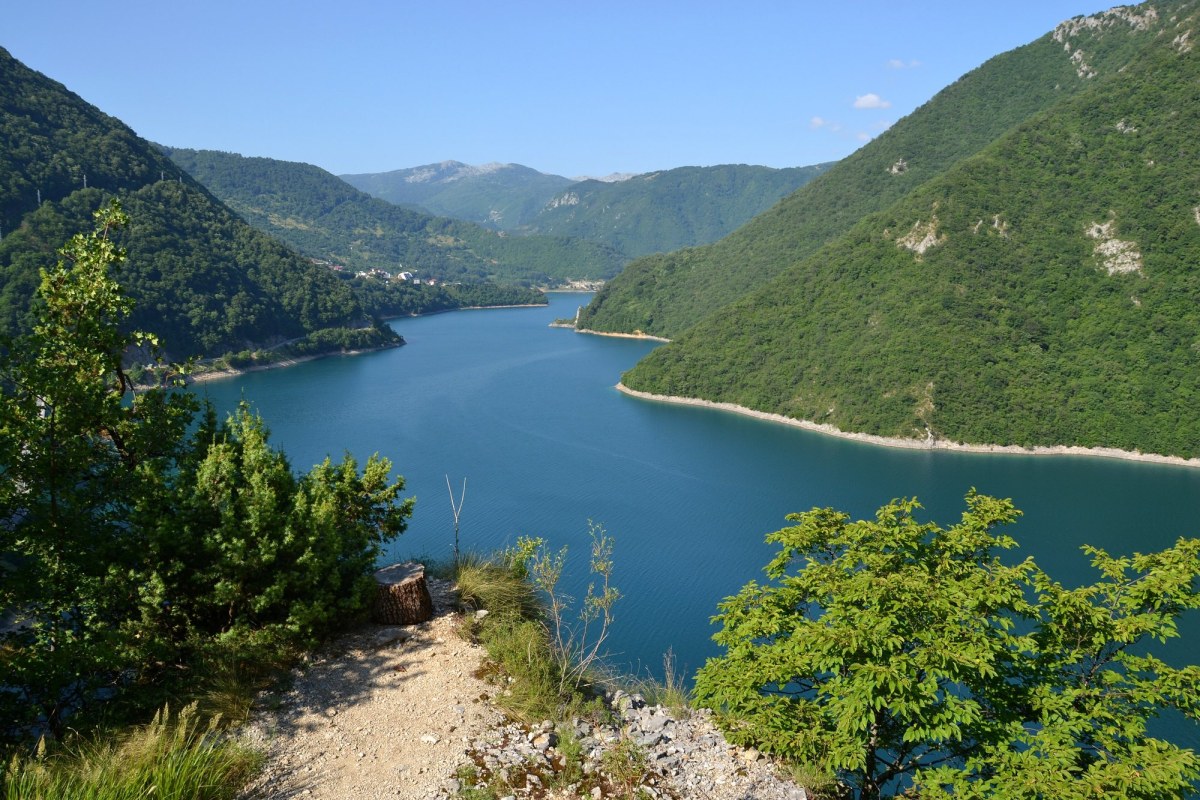
The Piva Region
Region
A canyon and a reservoir in the north-west, with a monastery that was moved uphill stone by stone.
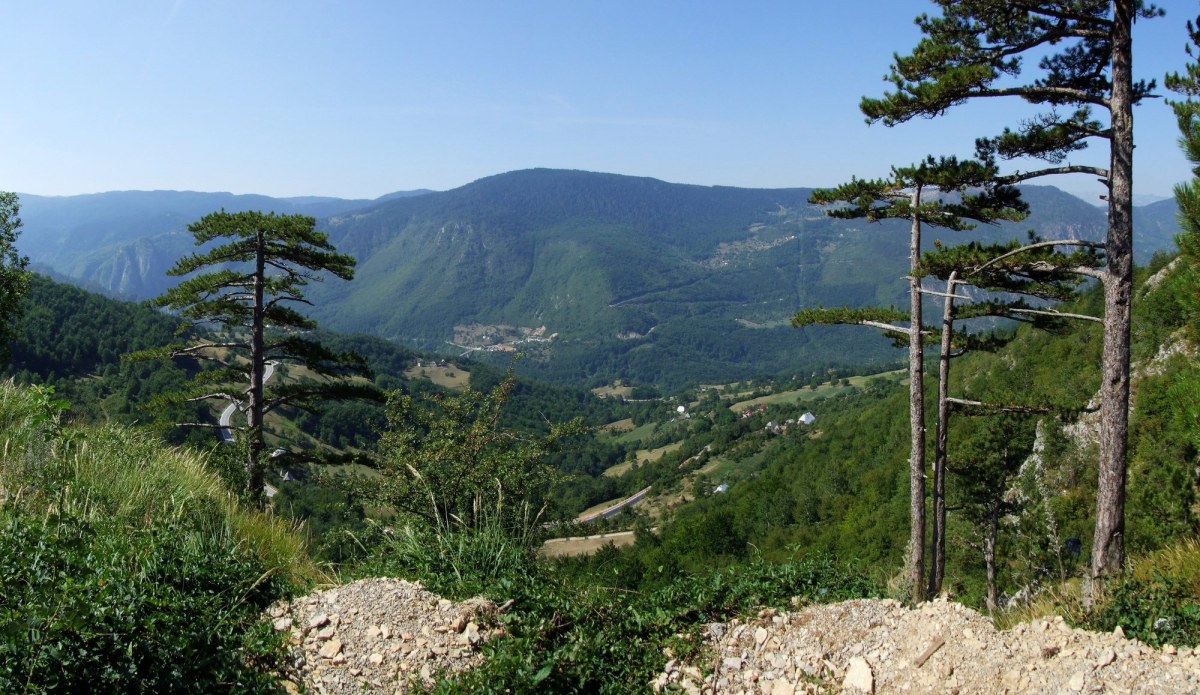
Inside Montenegro
Towns and cities
12 to explore
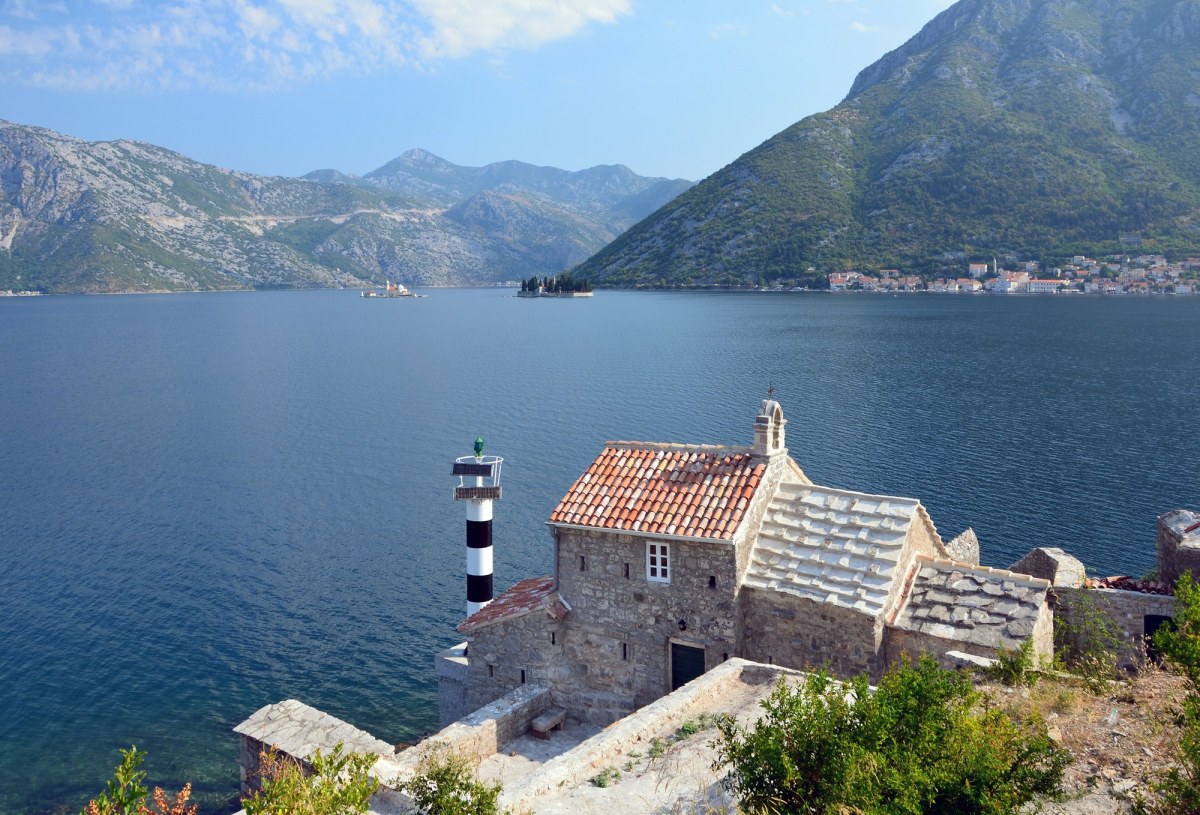
Bar
Town or city
The country’s port, with a ruined medieval city behind it and a very old olive tree.
Budva
Town or city
A walled old town on a promontory, with the busiest beaches and nightlife on the coast.
Cetinje
Town or city
The old royal capital: a small town holding the museums, the monastery and the former embassies of a state.
Herceg Novi
Town or city
A town of stairs at the mouth of the bay, built by six different powers and full of plants.
Kolašin
Town or city
A mountain town between two ranges, a ski resort in winter and a walking base in summer.
Kotor
Town or city
A walled Venetian town at the head of the bay, with fortifications climbing the mountain behind it.
Perast
Town or city
A single street of baroque palaces on the water, with two islands in front of it.
Tivat
Town or city
A former naval base turned marina town, with the airport and an island of gardens.
Ulcinj
Town or city
The southernmost town, Albanian-speaking, with an old town on a rock and a very long beach.
Žabljak
Town or city
The highest town in the Balkans, on the Durmitor plateau, and the base for the north.
Inside Montenegro
Landmarks
12 to explore
Ada Bojana
Landmark
A triangular river island between two arms of a river and the sea, with restaurants on stilts.
Biogradska Gora
Landmark
A glacial lake inside one of the last primeval forests in Europe, protected as a royal gift.
Durmitor National Park
Landmark
A limestone massif of peaks and glacial lakes above a high plateau, listed with its canyon.
Kotor City Walls
Landmark
Fortifications that enclose a town and then climb the mountain behind it to a fortress.
Lake Skadar National Park
Landmark
The largest lake in the Balkans, shallow and reeded, with pelicans and island monasteries.
Lovćen and the Njegoš Mausoleum
Landmark
A tomb on a mountain summit, reached through a tunnel and up a stair cut in the rock.
Ostrog Monastery
Landmark
A monastery built into a vertical cliff face, and the most visited pilgrimage site in the country.
Our Lady of the Rocks
Landmark
A church on an artificial island that boatmen built by dropping stones for four centuries.
Stari Bar
Landmark
A walled city standing roofless since an explosion during a siege, with fig trees in the streets.
Sveti Stefan
Landmark
An islet of stone houses joined to the shore by a causeway, and the image the country sells.
Tara River Canyon
Landmark
The deepest canyon in Europe, rafted in summer and crossed by a five-arched bridge.
The Blue Cave
Landmark
A sea cave on the Luštica peninsula where the light comes up through the water.
Plan the trip
Explore Montenegro
Start with the regions, then the towns, then the sights worth a detour — each with its own page and its own pin on the map.
Start anywhere and follow the links. The guides and itineraries join these places into routes you can actually travel.
Credit: Europe by Giddo
Every place above is on this map. The lists on this page are the same content in the same order.