

Where to stay in Moldova
See the hotels and apartments available on Booking.com · This is an affiliate link with our partner. Europe by Giddo may earn a commission from a purchase made through it, at no extra cost to you.
Moldova is a small landlocked country between Romania and Ukraine, made of rolling farmland, river valleys and vineyards. It is among the least visited countries in Europe, which is precisely the appeal for people who like arriving somewhere that has not been arranged for them.
Our partner
Travel insurance · 5% off for our readers
Get a quoteWine is the national story. Cricova and Mileștii Mici hold their collections in former limestone quarries, with tens of kilometres of tunnels navigated by car and street names underground; Mileștii Mici holds one of the largest wine collections in the world. Purcari in the south has been exporting since the nineteenth century. Smaller family wineries across Codru and Ștefan Vodă have opened to visitors in recent years.
Chișinău, the capital, is green and low-rise, laid out on a grid with parks, a triumphal arch, the central market and a Soviet-era architectural inheritance that is being reassessed rather than demolished.
Orheiul Vechi is the country's outstanding site: a cave monastery cut into a limestone cliff above a meander of the Răut, still used by monks, with archaeology from Dacian and Tatar periods around it. The setting alone justifies the trip from the capital.
Soroca has a circular fifteenth-century fortress on the Dniester and, on the hill above, the extraordinary self-built mansions of the local Roma community. The north has monasteries at Rudi and Saharna; the south has the Gagauz autonomous region with its own Turkic language and traditions.
Transnistria, along the eastern bank of the Dniester, is a breakaway territory not recognised internationally; it can be visited but has its own controls, and current official advice should be consulted first. Romanian is the state language and Russian is widely spoken. Buses cover the country; a car or a driver makes the wineries much easier.
Chișinău has the only international airport, and the city is a few hours by train or bus from Iași in Romania and from Odesa in Ukraine. The wineries and Orheiul Vechi are best reached by car or with a driver. Moldova is usually combined with Romania; given the situation in the wider region, current official travel advice should be checked before planning.
Common questions
- What is the capital of Moldova?
- The capital of Moldova is Chișinău.
- What currency is used in Moldova?
- Moldova uses the Moldovan leu (MDL).
- What language is spoken in Moldova?
- The official language is Romanian.
- When is the best time to visit Moldova?
- Continental: hot summers, cold winters, long warm autumns through the vineyards.
- Which side of the road do you drive on in Moldova?
- In Moldova you drive on the right.
- What plug sockets are used in Moldova?
- Moldova uses type C, F sockets.
- What is the dialling code for Moldova?
- The international dialling code for Moldova is +373.
Partner
Inside Moldova
Regions
10 to explore
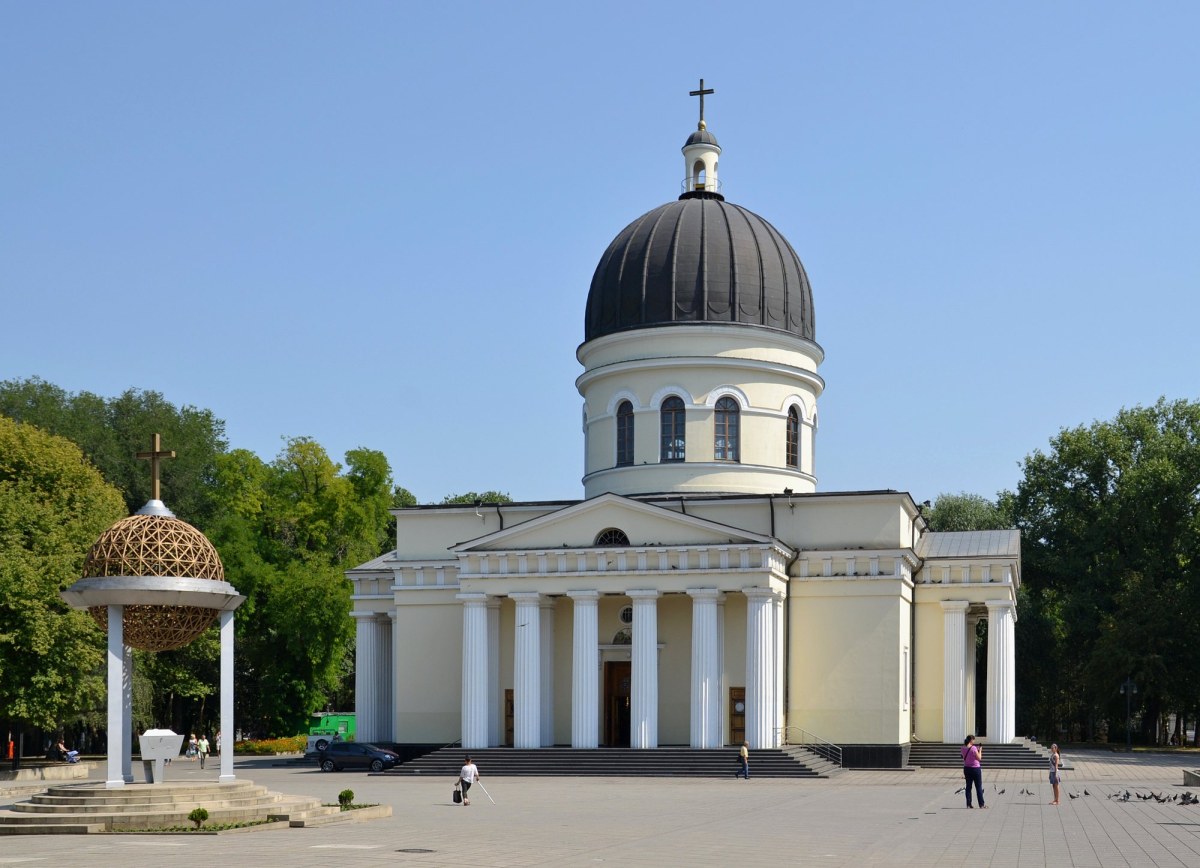
Chișinău and the Centre
Region
The capital in a valley of limestone hills, and the wine country immediately around it.
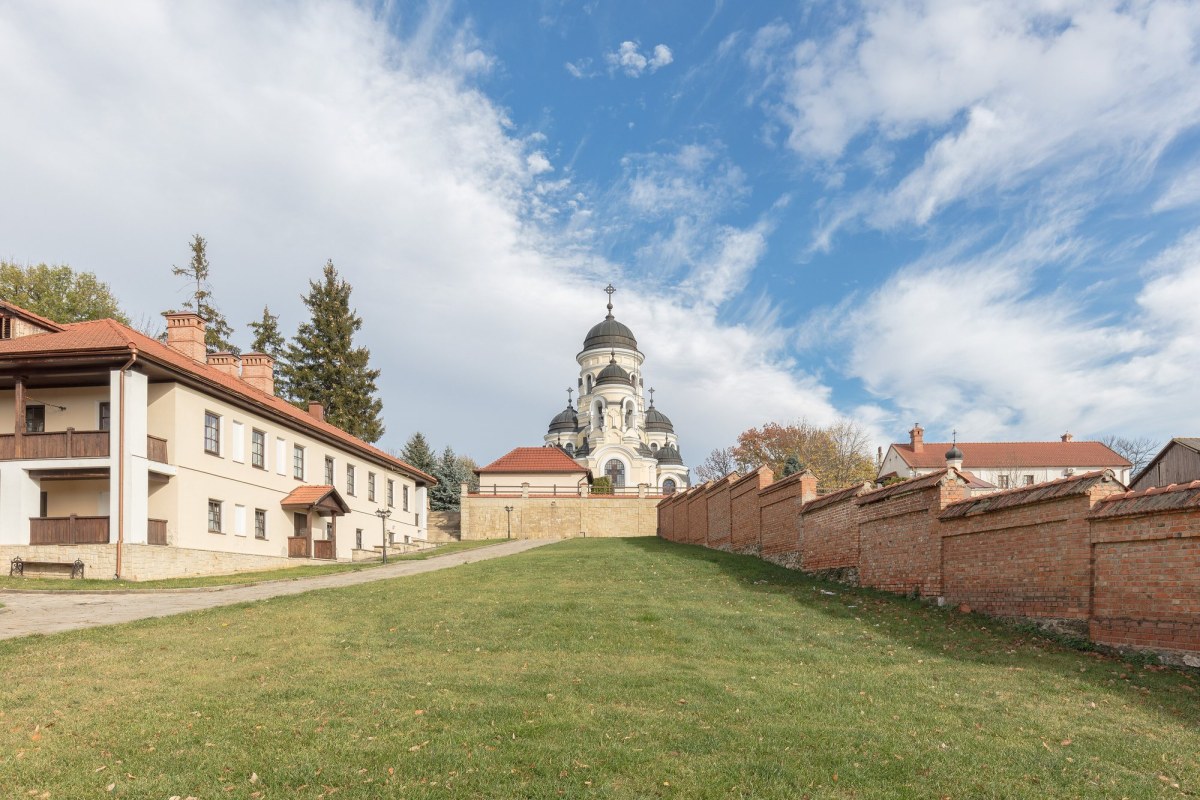
Codru
Region
The wooded hills at the centre of the country, the last of a forest that once covered it.
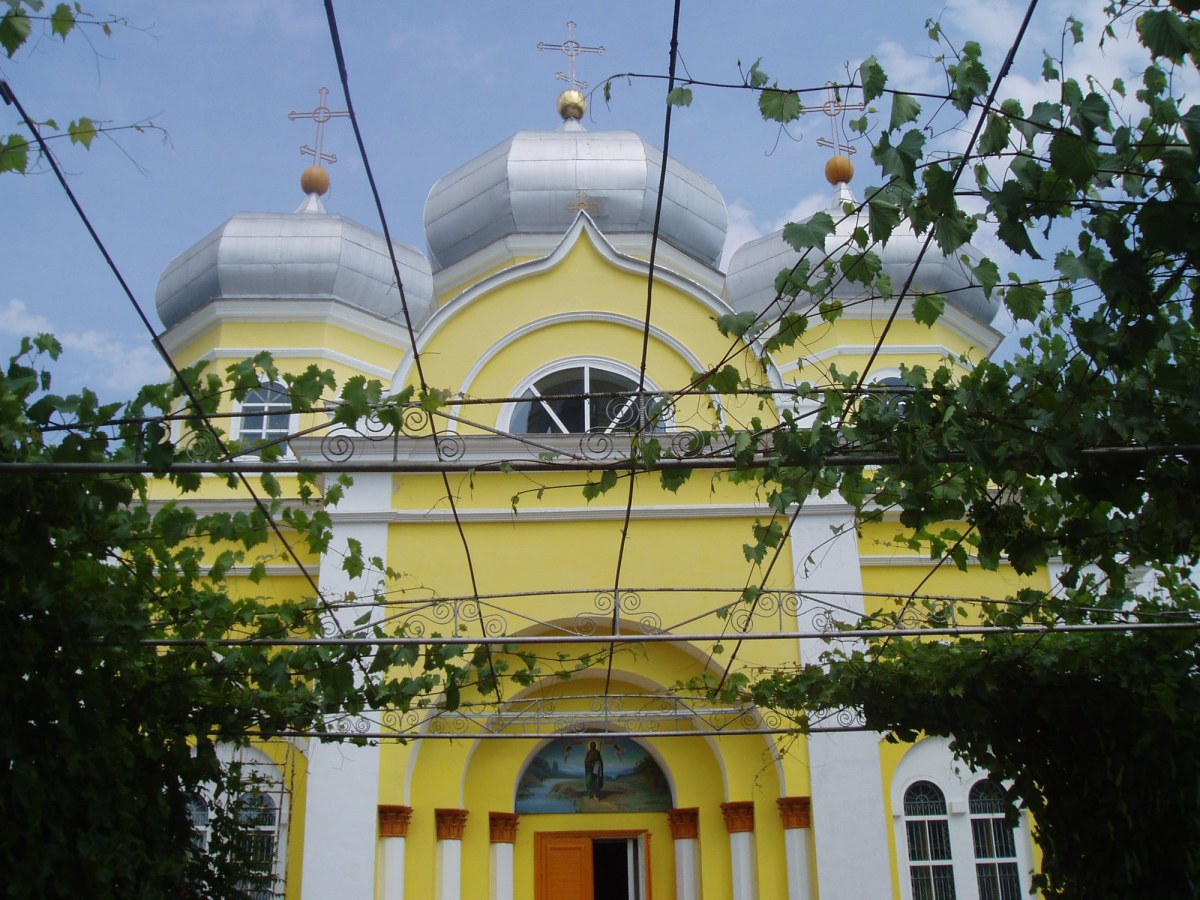
Gagauzia
Region
An autonomous region in the south whose people speak a Turkic language and are Orthodox Christians.
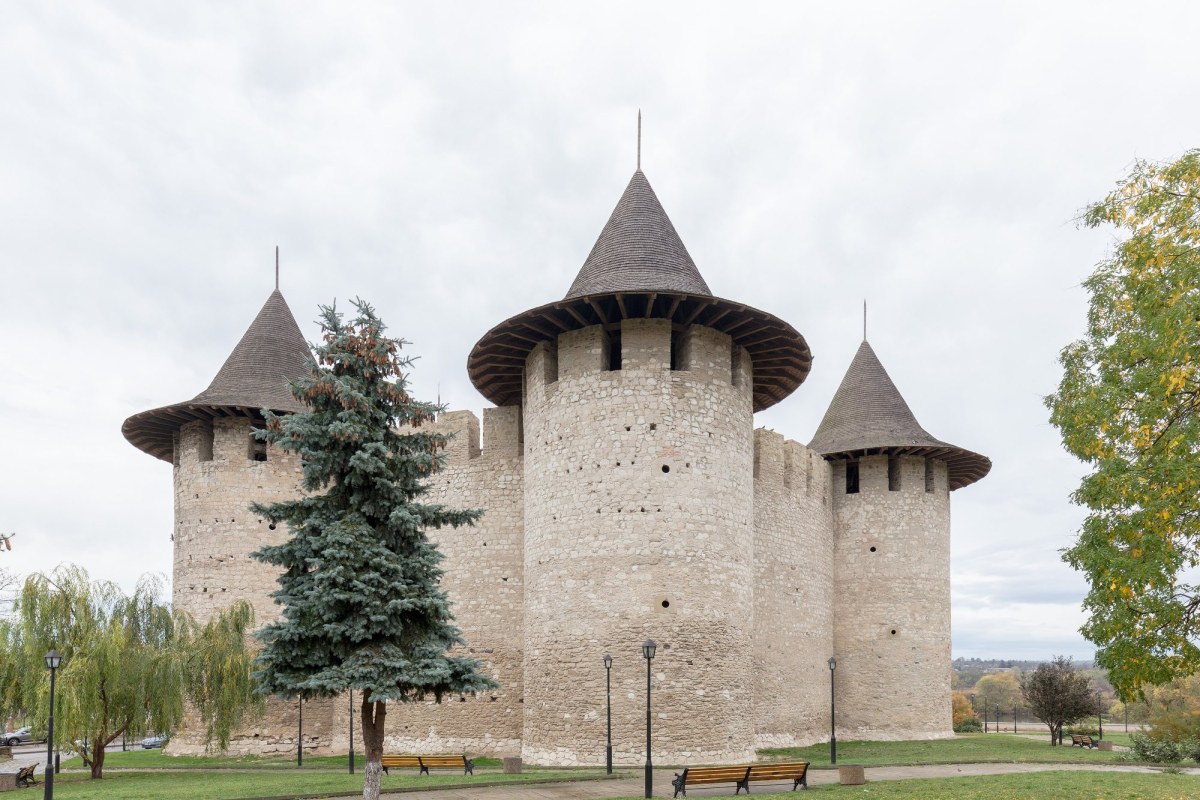
Northern Moldova
Region
Reef country: limestone ridges left by an ancient sea, with a fortress on the Dniester.
Southern Moldova
Region
The steppe end of the country: open, hot, and running down towards the Danube.
The Dniester Left Bank
Region
The strip east of the river, administered separately since 1992 and visited with care.
The Lower Dniester
Region
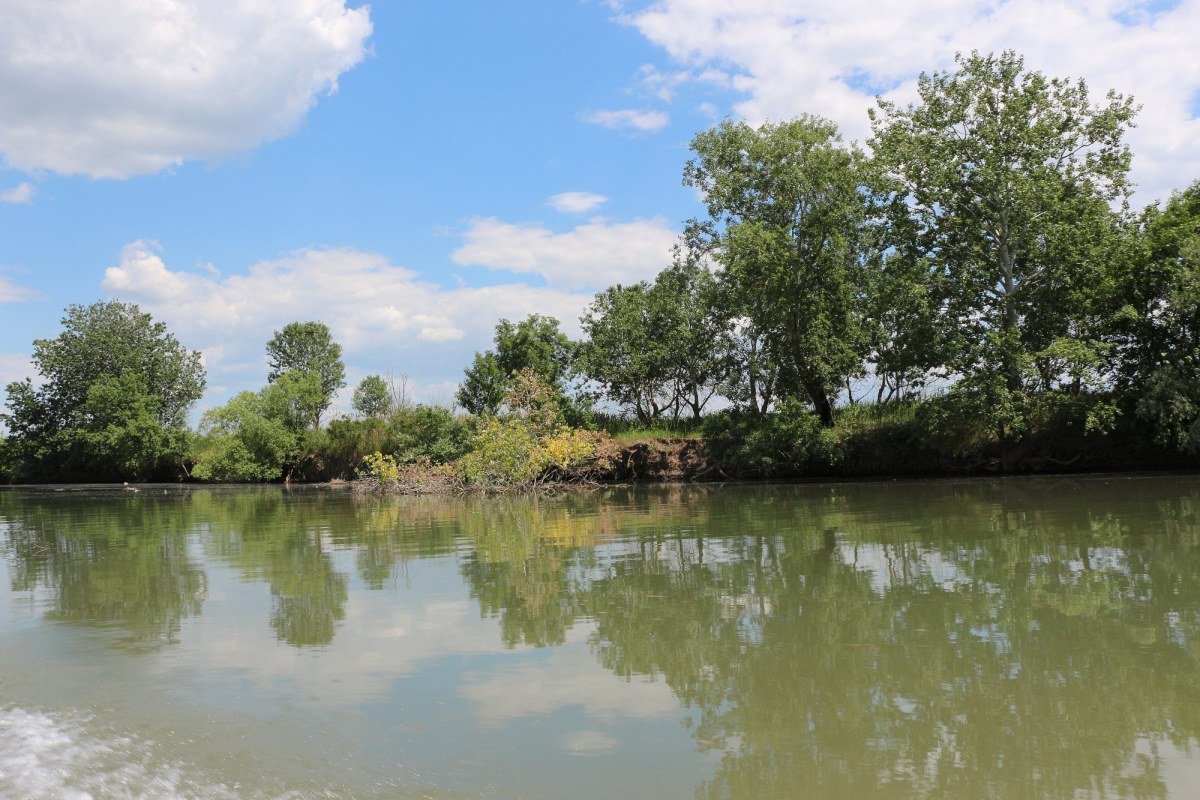
The river in the south-east, with wetlands, cave monasteries and a very large fortress on it.
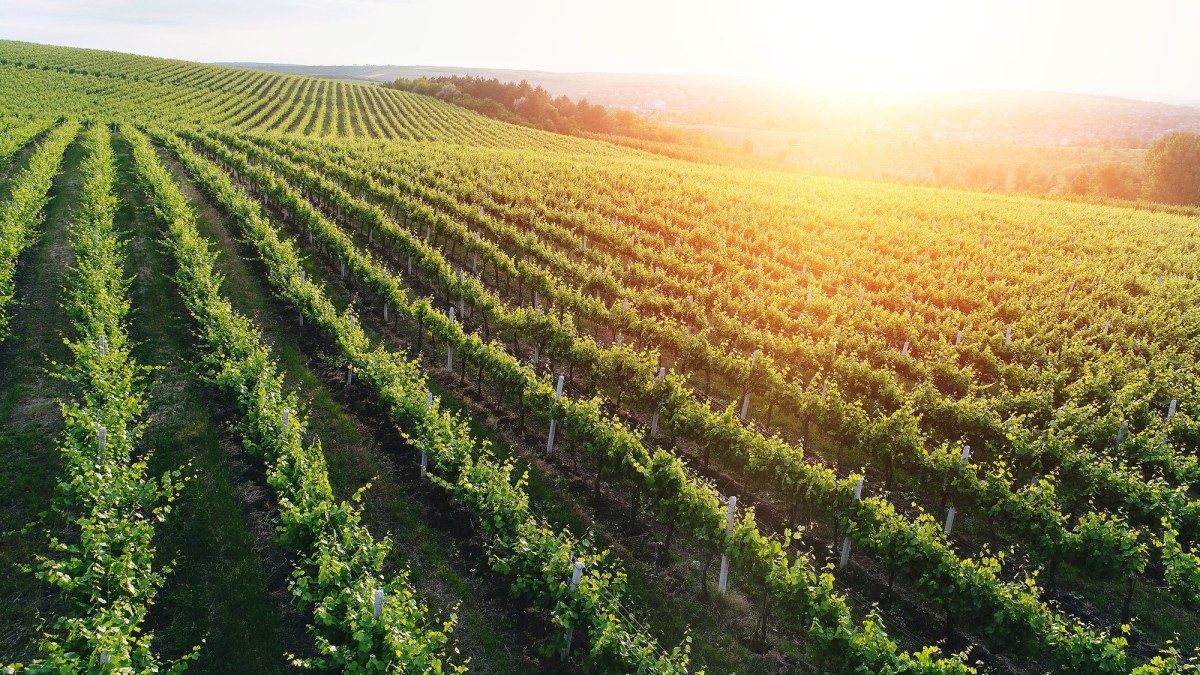
The Moldovan Wine Country
Region
One of the oldest wine regions in Europe, with the largest cellars in the world under it.
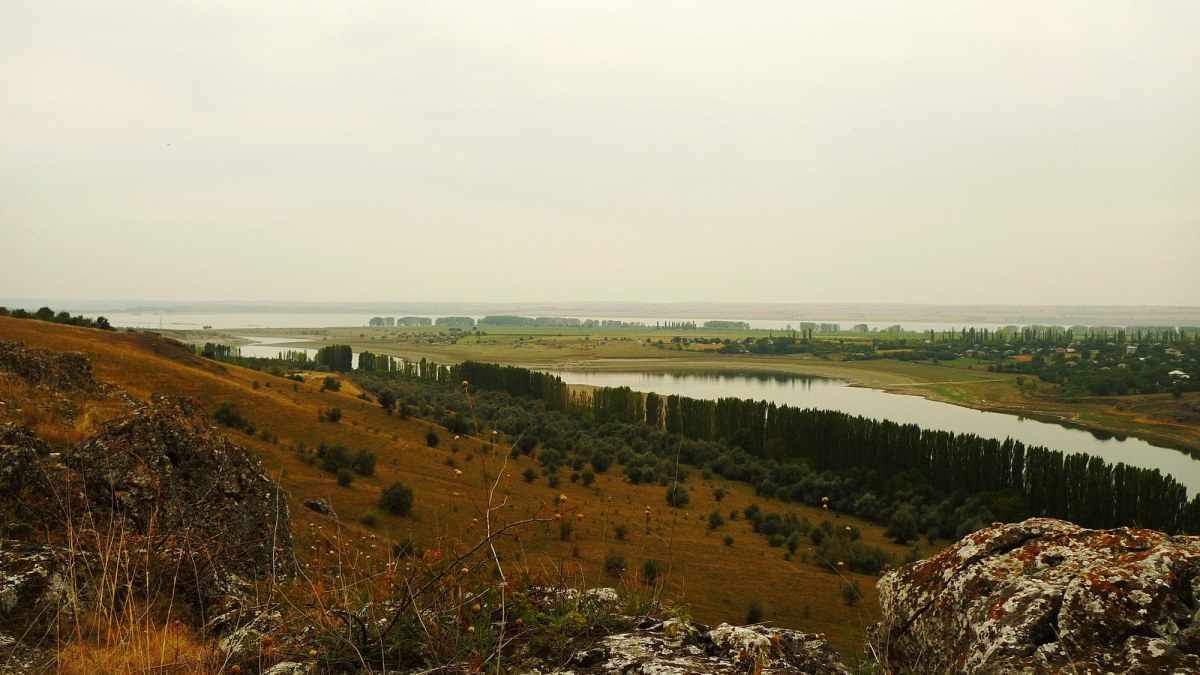
The Prut Valley
Region
The western border river, with reefs, floodplain lakes and the crossings into Romania.
Inside Moldova
Towns and cities
12 to explore
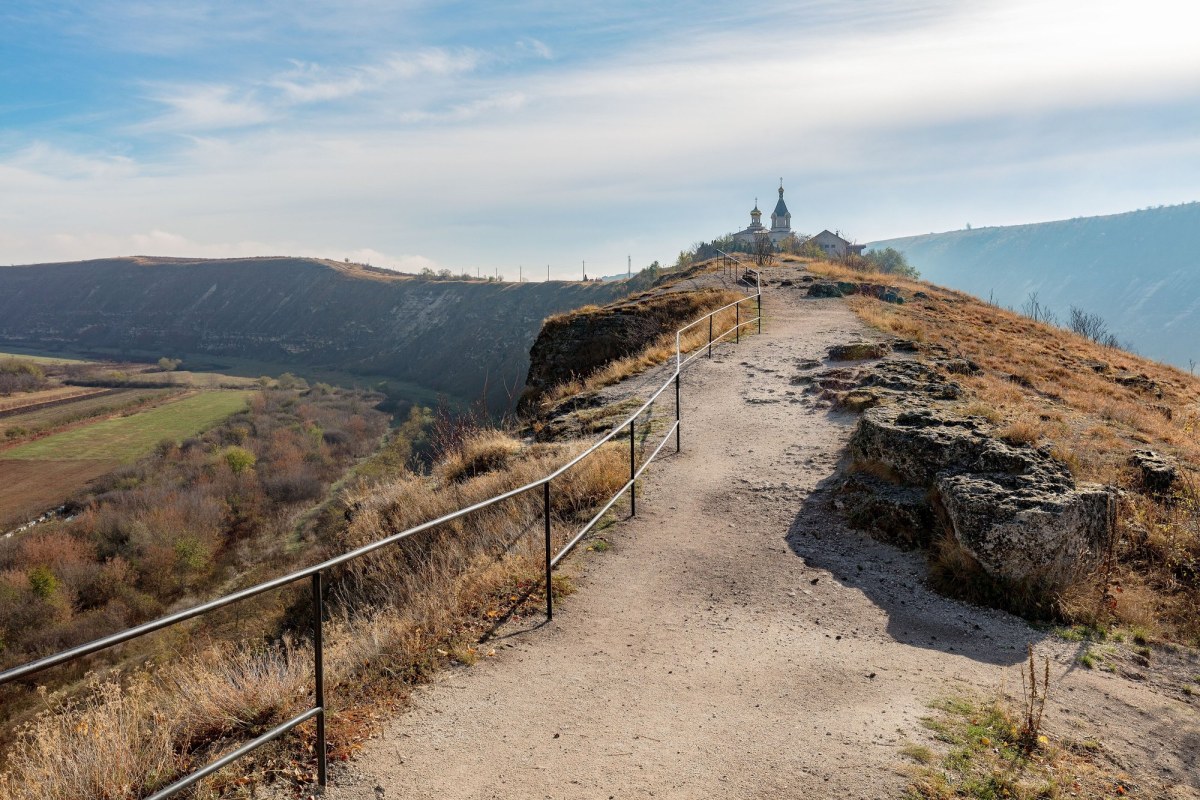
Bender
Town or city
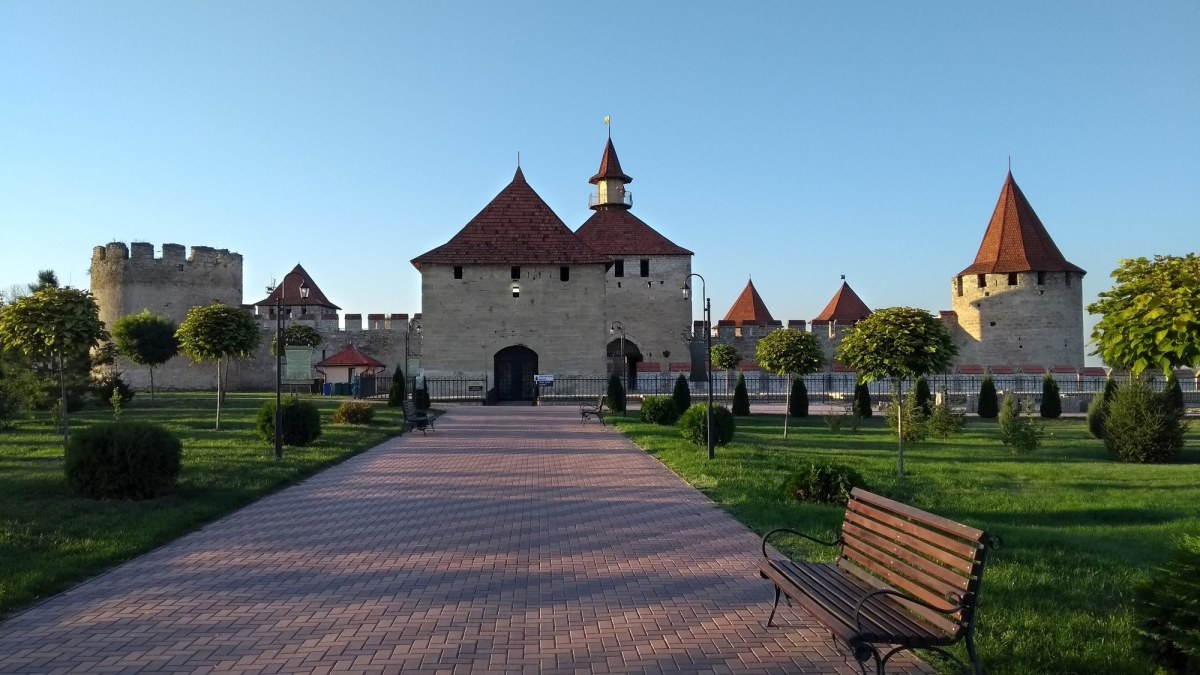
A river town on the right bank with one of the largest Ottoman fortresses in the region.
Comrat
Town or city
The capital of Gagauzia, on the steppe, with a university teaching in three languages.
Criuleni
Town or city
A small town on the Dniester close to the capital, with beaches and vineyards.
Soroca
Town or city
A Dniester town with a small round fortress and a hill of extravagant houses above it.
Tiraspol
Town or city
The main town east of the Dniester, with a very wide avenue and Soviet monuments still standing.
Ungheni
Town or city
A border town on the Prut with a railway bridge built by Eiffel’s company, where the gauge changes.
Inside Moldova
Landmarks
12 to explore
Bender Fortress
Landmark
A very large Ottoman fortress commanding the Dniester crossing, closed for centuries and now open.
Căpriana Monastery
Landmark
The oldest monastery in Moldova, a princely foundation in the Codru forest.
Chișinău Cathedral
Landmark
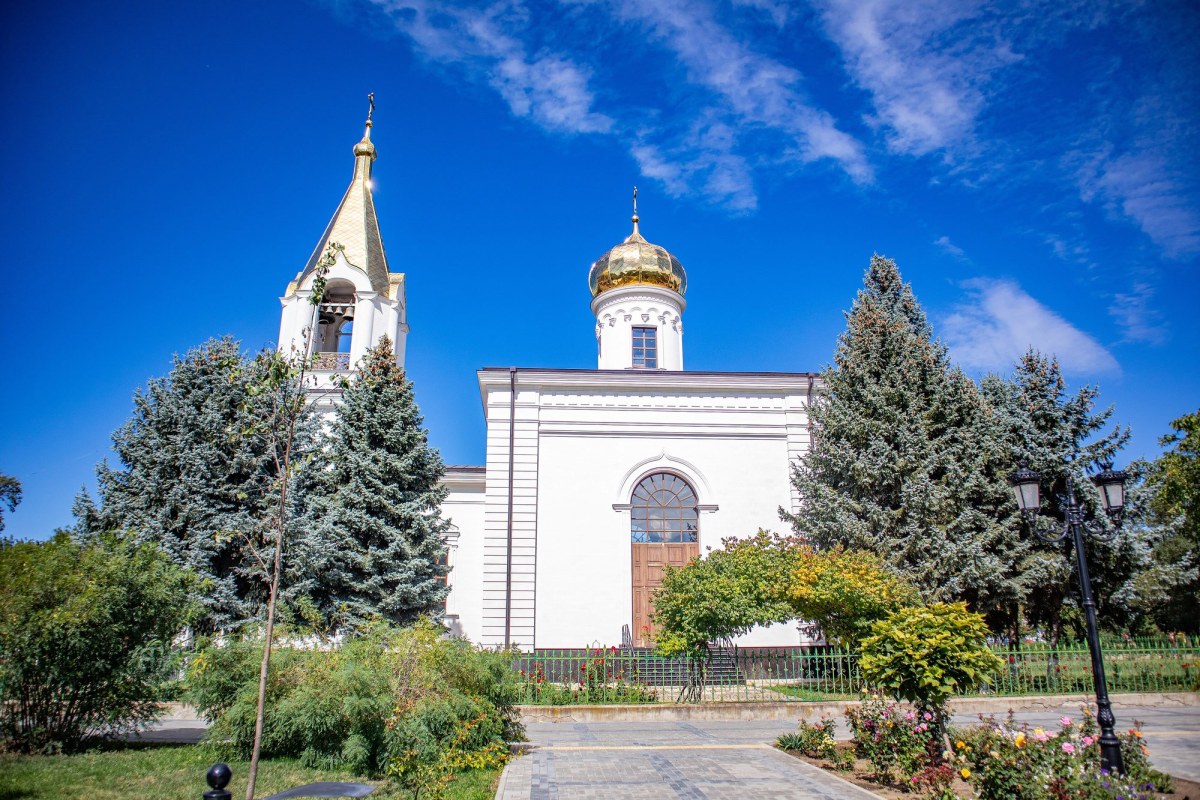
A neoclassical cathedral in a park at the centre of the capital, with its bell tower rebuilt.
Codru Nature Reserve
Landmark
The oldest protected area in the country, holding what is left of its forest.
Cricova
Landmark
An underground city of wine galleries with streets named after the wine stored along them.
Curchi Monastery
Landmark
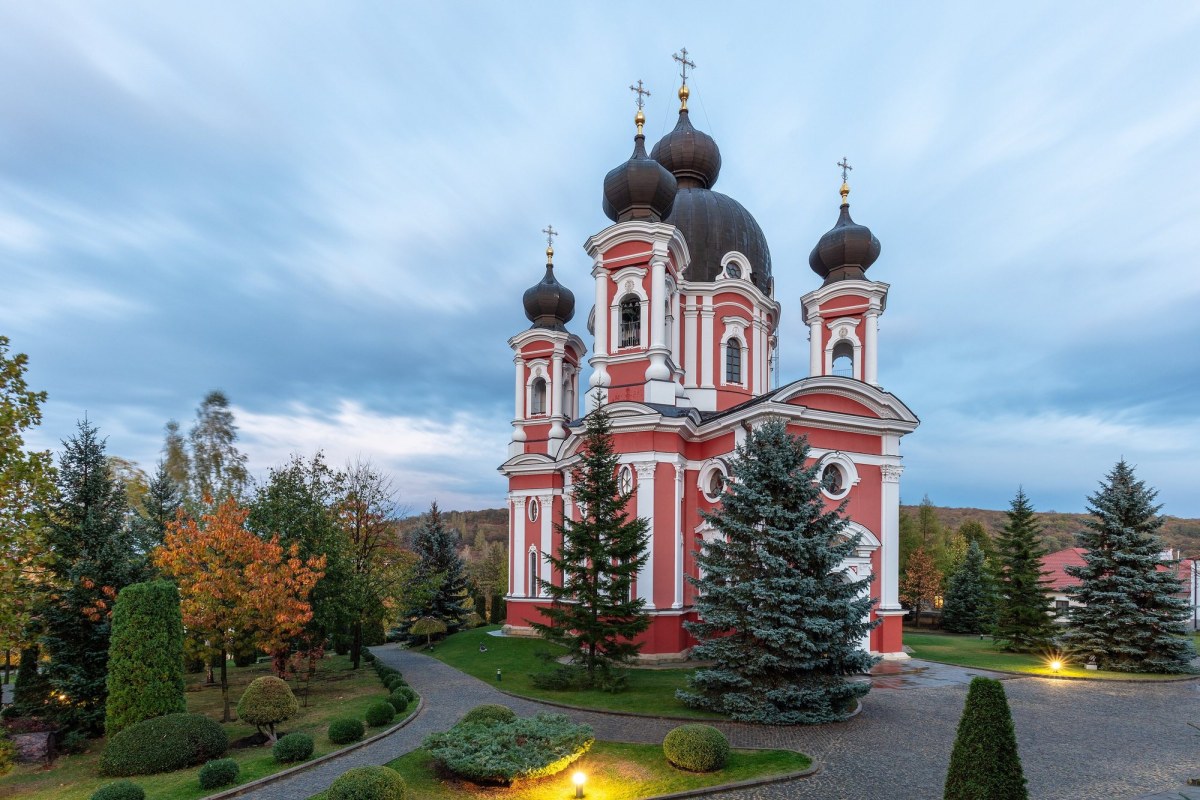
A baroque monastery complex in a wooded valley, restored after use as a psychiatric hospital.
Mileștii Mici
Landmark
The largest wine collection in the world, in limestone galleries you drive through.
Orheiul Vechi
Landmark
A cave monastery cut into a cliff above a river loop, with a lost city on the plateau above it.
Saharna Monastery
Landmark
A monastery in a wooded ravine with a chain of waterfalls and a footprint in the rock.
Soroca Fortress
Landmark
A small circular fortress on the Dniester, unusual in plan and almost complete.
The Hundred Hillocks
Landmark
Several hundred small mounds on a slope above the Prut, and nobody agrees how they got there.
Țipova Cave Monastery
Landmark
A monastery hollowed out of a vertical cliff above the Dniester, on several levels.
Plan the trip
Explore Moldova
Start with the regions, then the towns, then the sights worth a detour — each with its own page and its own pin on the map.
Start anywhere and follow the links. The guides and itineraries join these places into routes you can actually travel.
Credit: Europe by Giddo
Every place above is on this map. The lists on this page are the same content in the same order.