

Where to stay in Malta
See the hotels and apartments available on Booking.com · This is an affiliate link with our partner. Europe by Giddo may earn a commission from a purchase made through it, at no extra cost to you.
Malta is a small archipelago in the middle of the Mediterranean that has been fought over by everyone who ever wanted to control that sea: Phoenicians, Romans, Arabs, the Knights of St John, the French and the British. The result is a density of history that is remarkable for the size.
Our partner
Travel insurance · 5% off for our readers
Get a quoteValletta, the capital, was built by the Knights in the sixteenth century as a fortified city on a peninsula and is a World Heritage site in its entirety. St John's Co-Cathedral holds Caravaggio's Beheading of Saint John the Baptist. The Upper Barrakka Gardens look across the Grand Harbour to the Three Cities of Vittoriosa, Senglea and Cospicua.
Mdina, inland, was the old capital — a walled, largely silent town on a ridge, best seen in the evening after the day visitors leave. Rabat beside it has early Christian catacombs.
The prehistoric sites are the island's real surprise. Ġgantija on Gozo, and Ħaġar Qim, Mnajdra and Tarxien on Malta, are megalithic temples built before the Egyptian pyramids. The Hypogeum of Ħal Saflieni is an underground burial complex cut into rock, with strictly limited daily entry.
Gozo, the second island, is greener, slower and more rural, with the citadel above Victoria, salt pans on the north coast and good diving. Comino between them is tiny and holds the Blue Lagoon.
There is very little sand: swimming here means limestone shelves, ladders and extremely clear water. Maltese and English are both official languages, which makes the islands unusually easy to travel in. Summer is hot and dry; spring is green and mild, and the shoulder seasons are the most comfortable.
The islands are small enough that buses reach almost everywhere from Valletta, and ferries connect Malta, Gozo and Comino. Distances are short but roads are narrow and busy. Malta suits a week on its own or a few days added to a Sicilian trip — the two are linked by a fast ferry across the channel — and the long warm season stretches from spring well into November.
Common questions
- What is the capital of Malta?
- The capital of Malta is Valletta.
- What currency is used in Malta?
- Malta uses the Euro (EUR).
- What language is spoken in Malta?
- The official languages are Maltese, English.
- When is the best time to visit Malta?
- Hot dry summers and mild wet winters; among the sunniest countries in Europe.
- Which side of the road do you drive on in Malta?
- In Malta you drive on the left.
- What plug sockets are used in Malta?
- Malta uses type G sockets.
- What is the dialling code for Malta?
- The international dialling code for Malta is +356.
Partner
Inside Malta
Regions
4 to explore
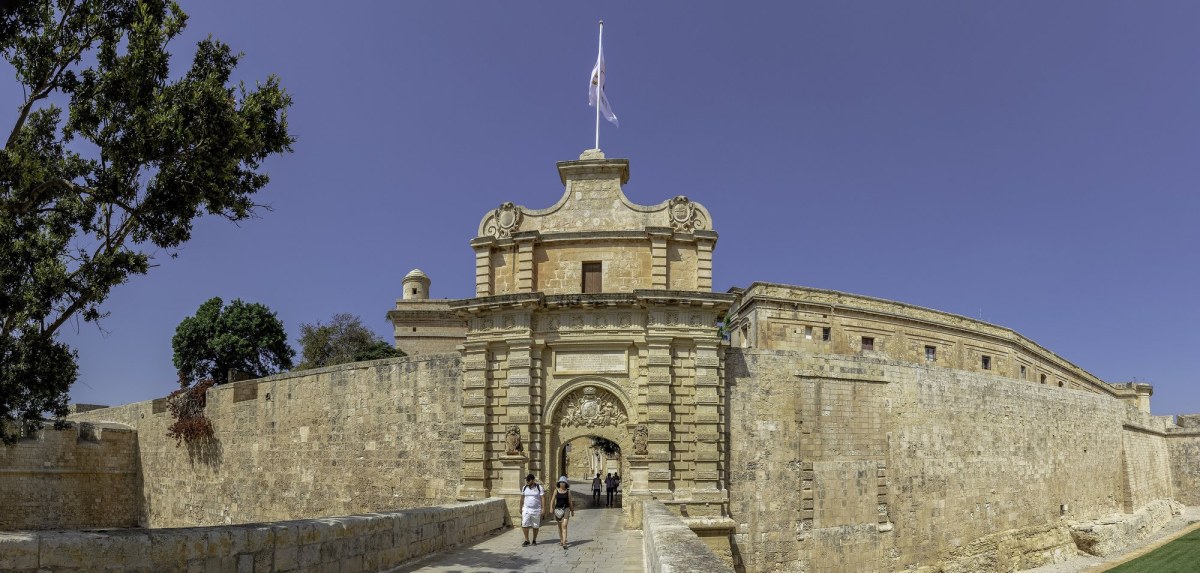
Central Malta and Mdina
Region
The old inland capital on its ridge, with the island’s farmland and cliffs around it.
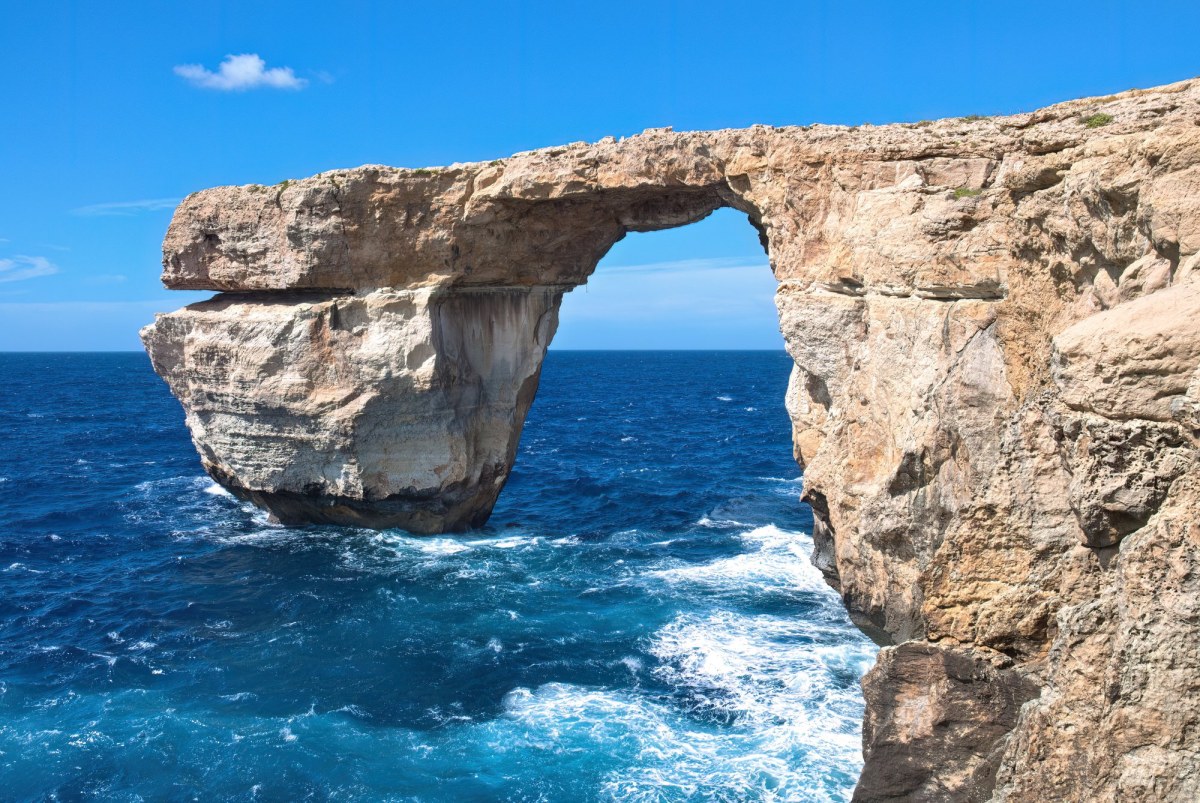
Gozo and Comino
Region
The green sister island and the small one between, quieter and slower than Malta.
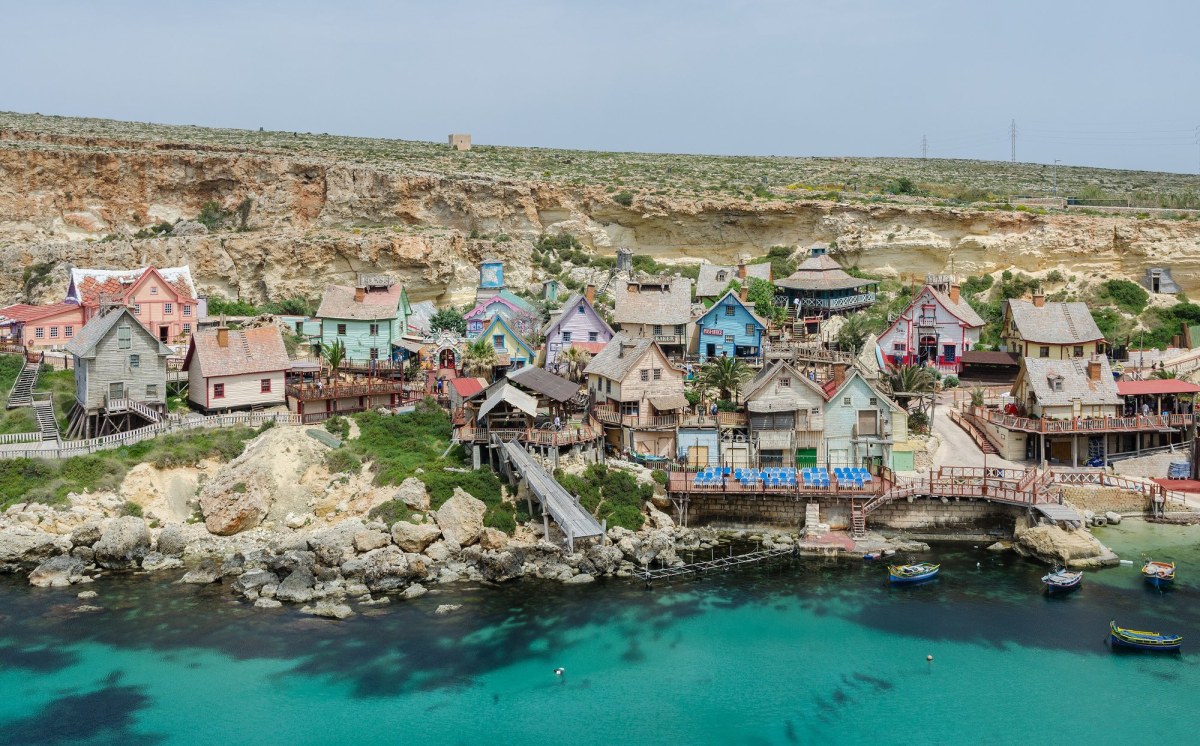
The North and the Coast
Region
Ridges and bays at the top of the island, with the beaches and the Gozo ferry.
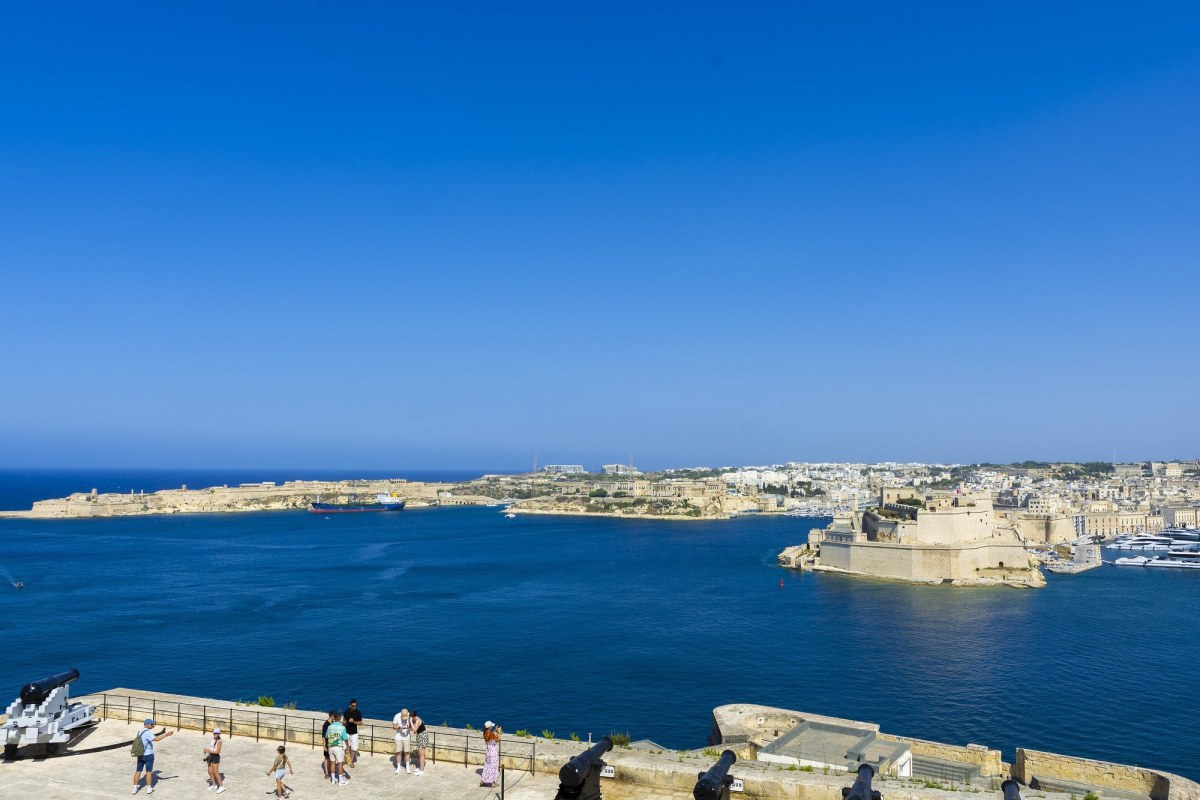
Valletta and the Grand Harbour
Region
A fortified capital on a peninsula, facing three fortified cities across one of the great harbours.
Inside Malta
Towns and cities
6 to explore
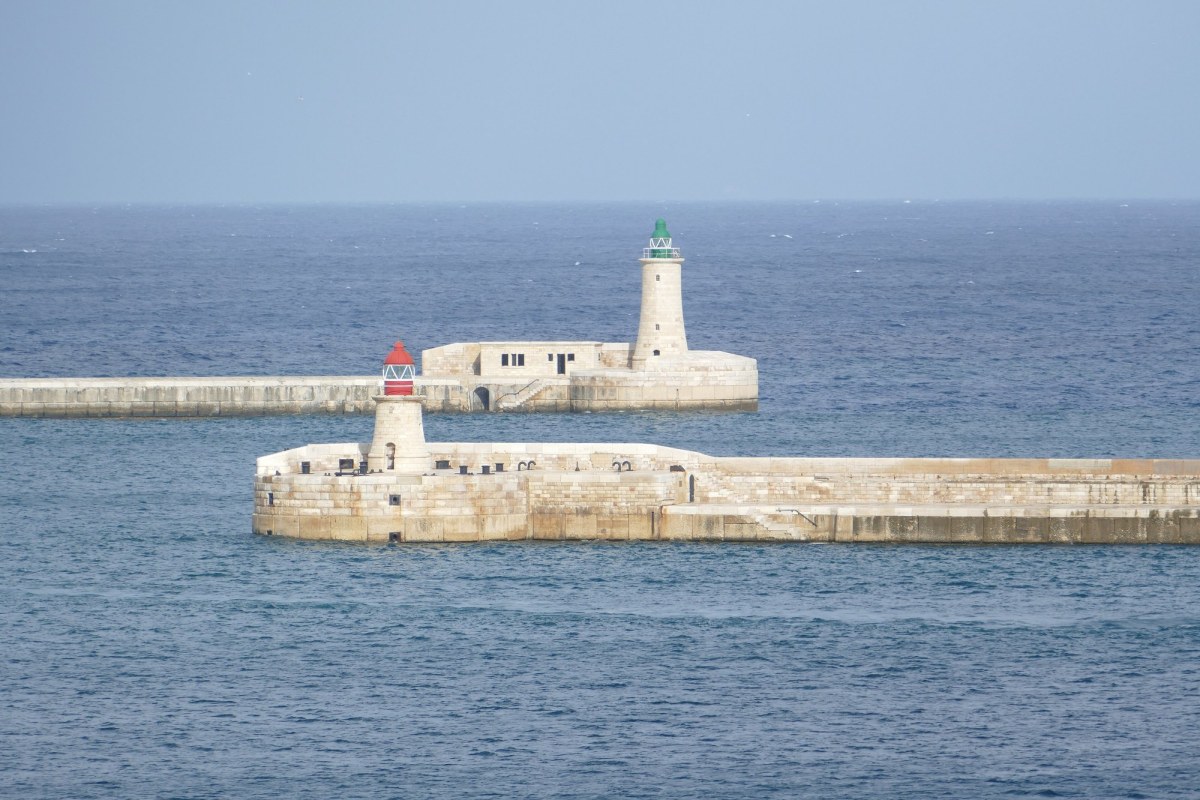
Birgu
Town or city
The first city of the Knights, on a finger of rock across the harbour from Valletta.
Mdina
Town or city
The silent walled city on the ridge, the island’s capital for most of its history.
Sliema
Town or city
The modern seafront town across Marsamxett from Valletta, with the best view of it.
Inside Malta
Landmarks
10 to explore
Blue Lagoon, Comino
Landmark
A channel of very shallow clear water between Comino and an islet, and no town anywhere near it.
Dingli Cliffs
Landmark
The highest point of Malta, where the plateau ends in a straight drop to the sea.
Ġgantija Temples
Landmark
Two megalithic temples on Gozo, among the oldest free-standing structures on earth.
Ħaġar Qim and Mnajdra
Landmark
Two temple groups on a slope above the southern cliffs, one of them aligned to the sun.
Ħal Saflieni Hypogeum
Landmark
A prehistoric burial complex cut three levels down into solid rock, found by workmen digging a cistern.
St John’s Co-Cathedral
Landmark
A plain stone box outside and one of the great baroque interiors inside, with two Caravaggios.
The Cittadella
Landmark
A walled citadel on a hill in the middle of Gozo, where the whole island once slept.
Upper Barrakka Gardens and the Saluting Battery
Landmark
A terrace of arcades on the bastion wall, with a gun battery below it fired every day.
Plan the trip
Explore Malta
Start with the regions, then the towns, then the sights worth a detour — each with its own page and its own pin on the map.
Start anywhere and follow the links. The guides and itineraries join these places into routes you can actually travel.
Credit: Europe by Giddo
Every place above is on this map. The lists on this page are the same content in the same order.