

Where to stay in Lithuania
See the hotels and apartments available on Booking.com · This is an affiliate link with our partner. Europe by Giddo may earn a commission from a purchase made through it, at no extra cost to you.
Lithuania is the largest and southernmost of the Baltic states, and the one with the longest independent history — it ran a grand duchy that reached the Black Sea before entering a commonwealth with Poland.
Our partner
Travel insurance · 5% off for our readers
Get a quoteVilnius has one of the biggest Baroque old towns in Eastern Europe, a World Heritage site of churches, courtyards and narrow lanes under Gediminas' castle hill. The self-declared artists' republic of Užupis across the river keeps its own constitution on a wall in several languages. The Gates of Dawn chapel is a major pilgrimage site.
Kaunas, the interwar capital, has a rebuilt castle, a well-preserved old town and an unusual concentration of 1920s and 1930s modernist architecture that earned it World Heritage recognition. Trakai, close to Vilnius, has an island castle on a lake and the small Karaim community that has lived there for six centuries.
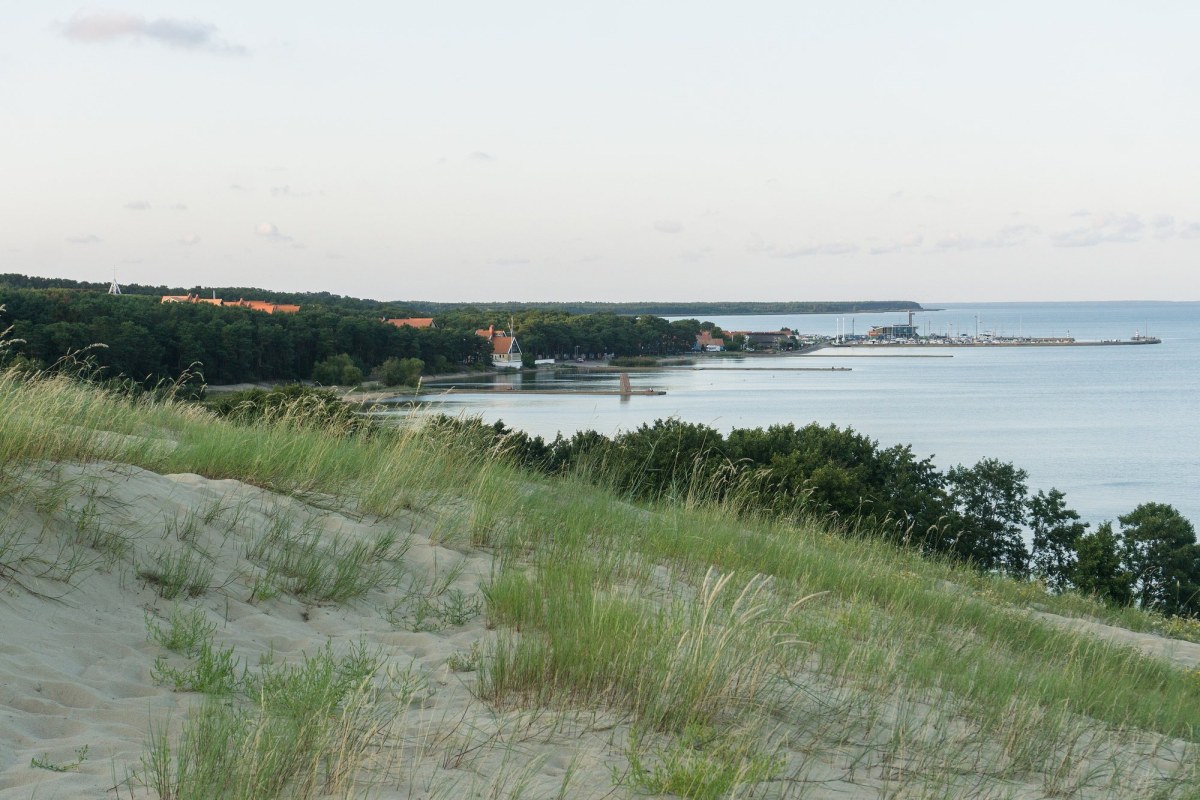
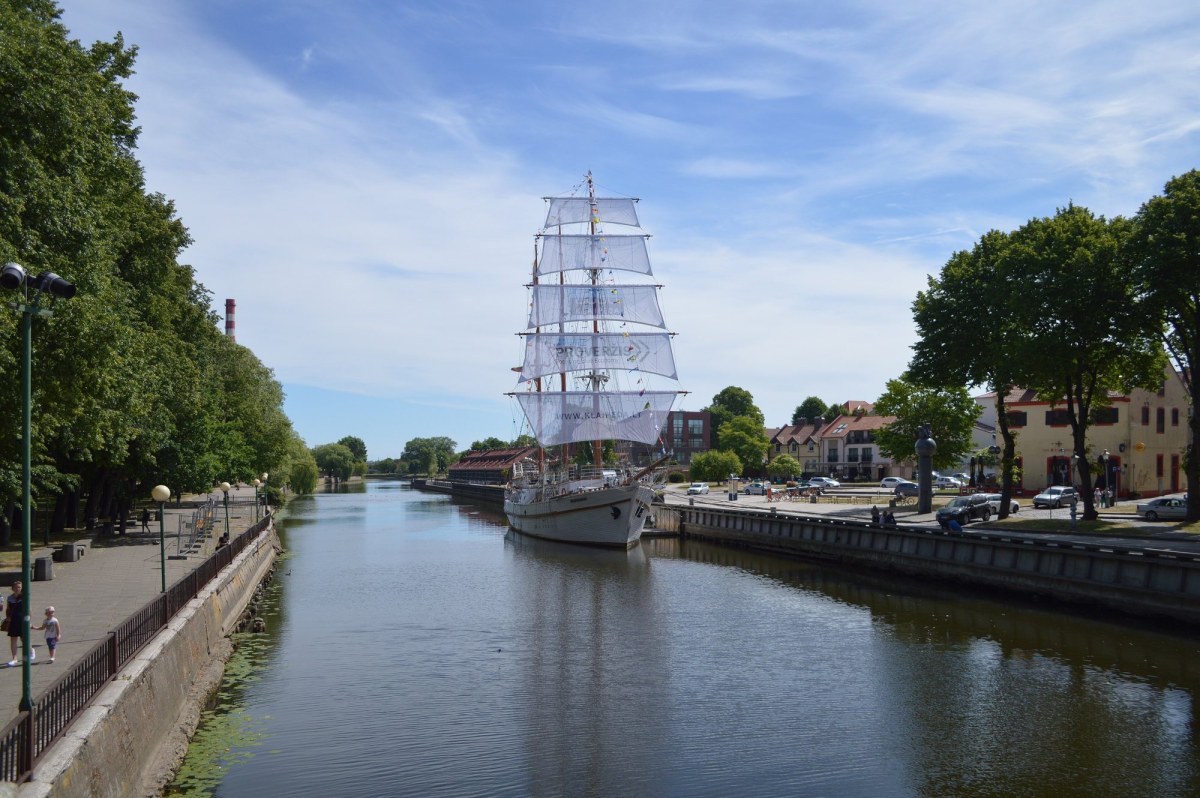
The coast is short but distinctive. Klaipėda is the port; beyond it the Curonian Spit runs for ninety-eight kilometres, a strip of enormous sand dunes and pine forest shared with the Russian exclave of Kaliningrad, and protected as a World Heritage cultural landscape. Nida is its best-known village. Palanga is the busy summer beach town, with an amber museum in a palace park.
Inland, Aukštaitija and Dzūkija national parks are lakes and forest with wooden villages and beekeeping traditions. The Hill of Crosses near Šiauliai is covered in hundreds of thousands of crosses left by pilgrims, replanted every time it was bulldozed under Soviet rule.
Amber from the Baltic has been traded here since antiquity and is still the characteristic souvenir. Lithuanian is one of the most archaic living Indo-European languages; English is widely spoken by younger people.
Vilnius and Kaunas both have airports, and buses link every town of any size. Lithuania is the natural southern end of a Baltic route, with Poland immediately below it and Latvia above. A car helps for the national parks and the Curonian Spit, though the spit itself is best enjoyed on foot or by bicycle. Summer is the season for the coast; the cities work all year.
Common questions
- What is the capital of Lithuania?
- The capital of Lithuania is Vilnius.
- What currency is used in Lithuania?
- Lithuania uses the Euro (EUR).
- What language is spoken in Lithuania?
- The official language is Lithuanian.
- When is the best time to visit Lithuania?
- Cold snowy winters; warm summers, warmest and busiest on the coast in July and August.
- Which side of the road do you drive on in Lithuania?
- In Lithuania you drive on the right.
- What plug sockets are used in Lithuania?
- Lithuania uses type C, F sockets.
- What is the dialling code for Lithuania?
- The international dialling code for Lithuania is +370.
Partner
Inside Lithuania
Regions
10 to explore
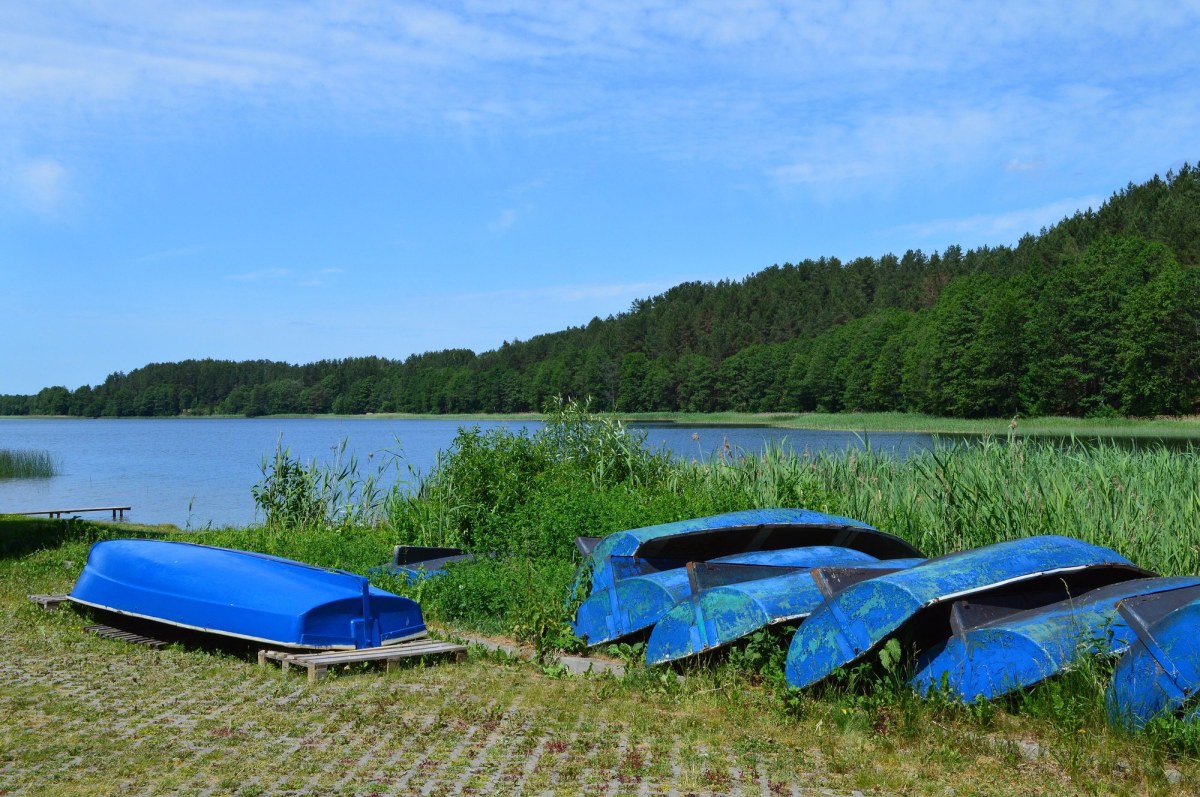
Aukštaitija
Region
The lake country of the north-east, with the oldest national park and a great many small waters.
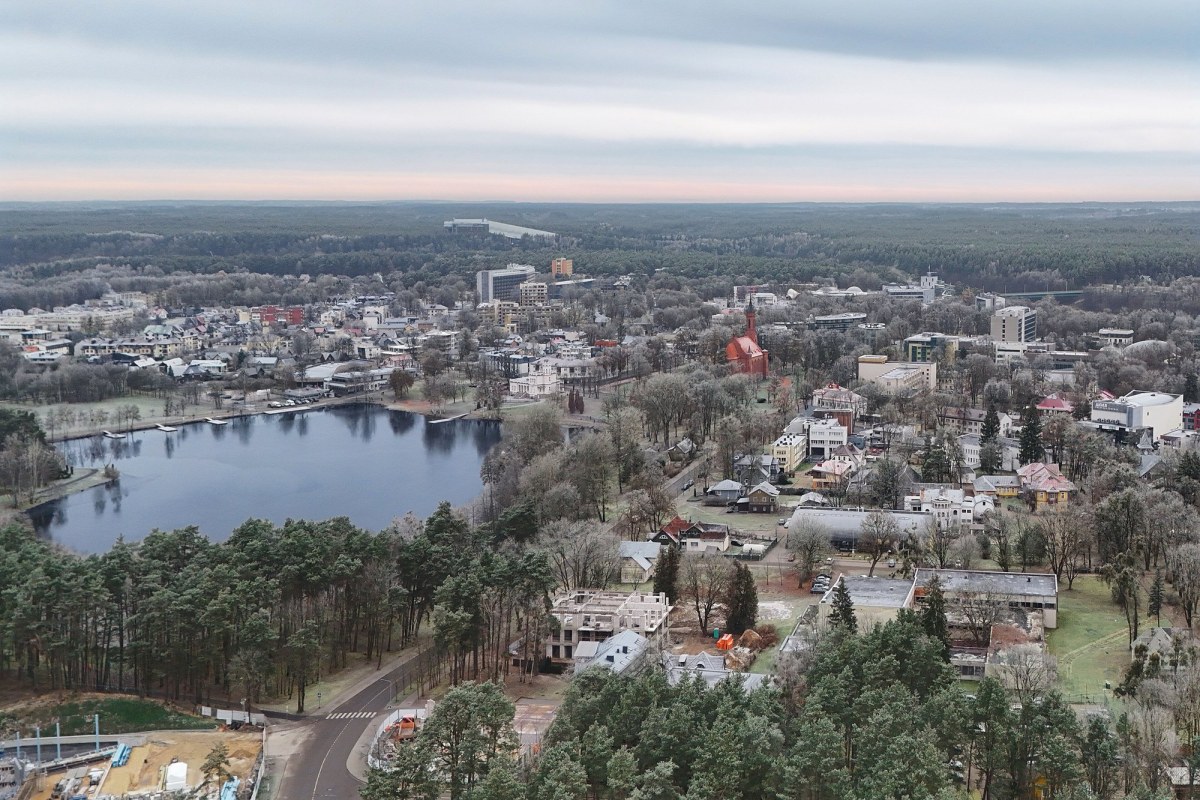
Dzūkija
Region
Sand, pine forest and mushrooms in the south, the poorest region and the most wooded.
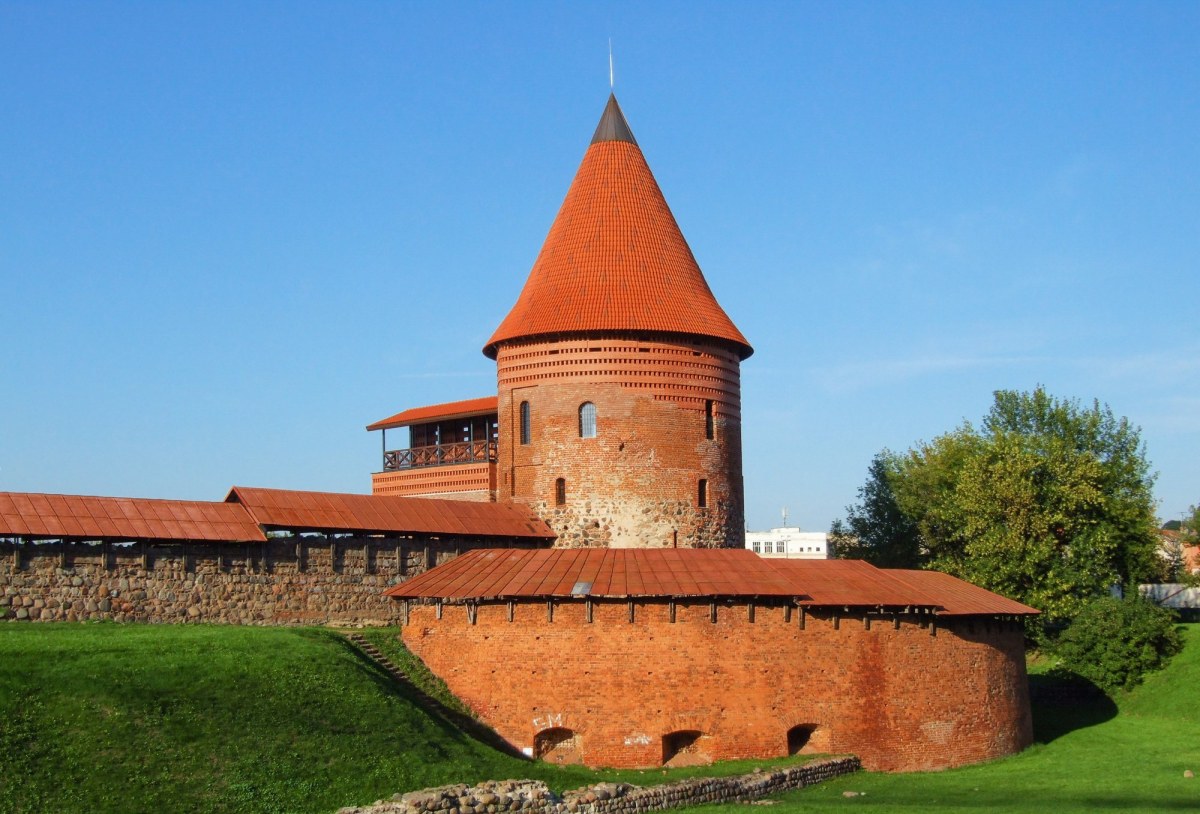
Kaunas and Central Lithuania
Region
The second city, a modernist capital between the wars, on the confluence of two rivers.
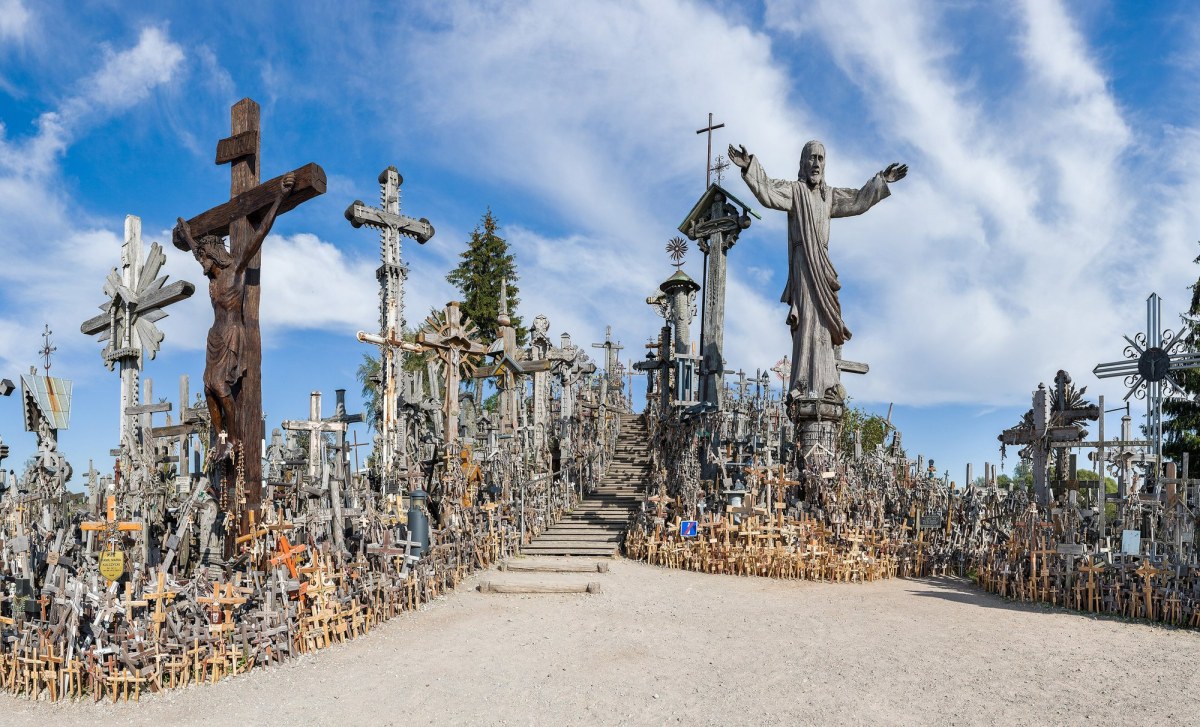
Samogitia
Region
The stubborn north-west: the last part of Europe to be Christianised, with its own dialect and temper.
Suvalkija
Region
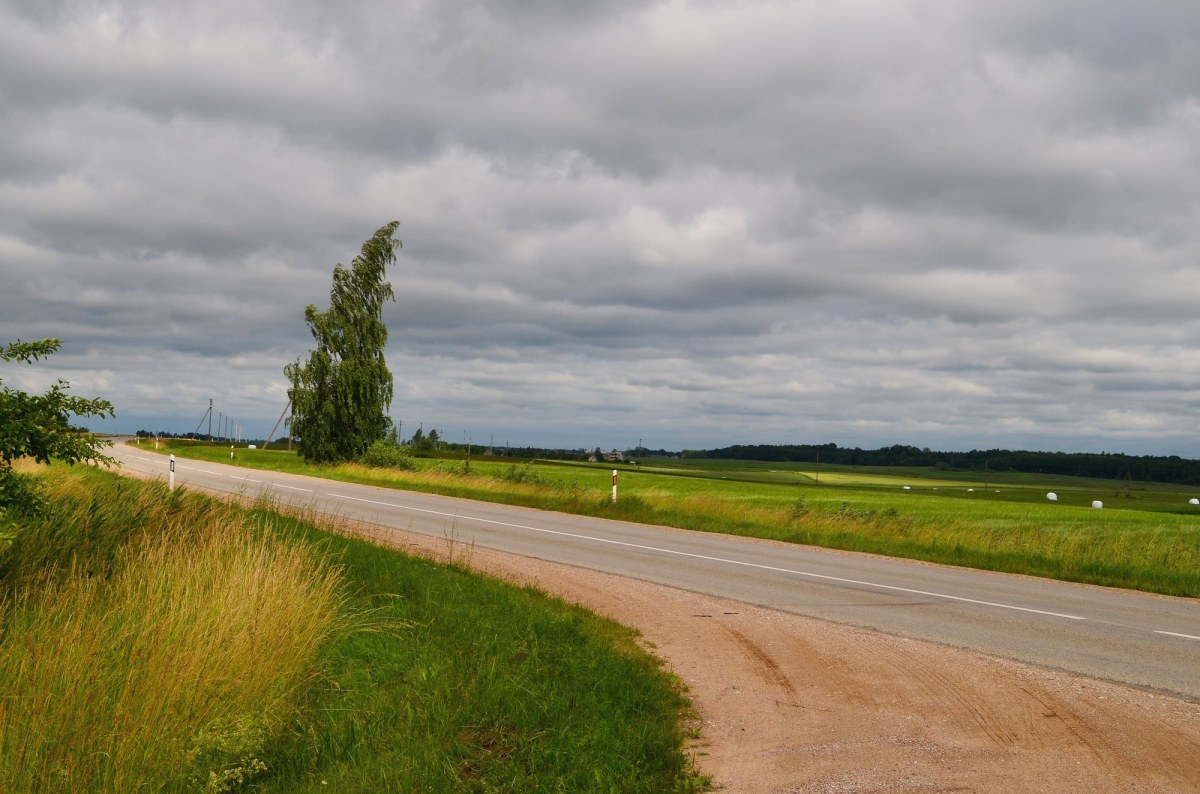
The flat, fertile south-west, the richest farmland and the source of the written language.
The Curonian Spit
Region
A very long sand dune between a lagoon and the sea, half Lithuanian and half Russian.
The Lithuanian Coast
Region
A short Baltic shore of sand and amber, with the country’s only port on it.
The Lithuanian Lakes
Region
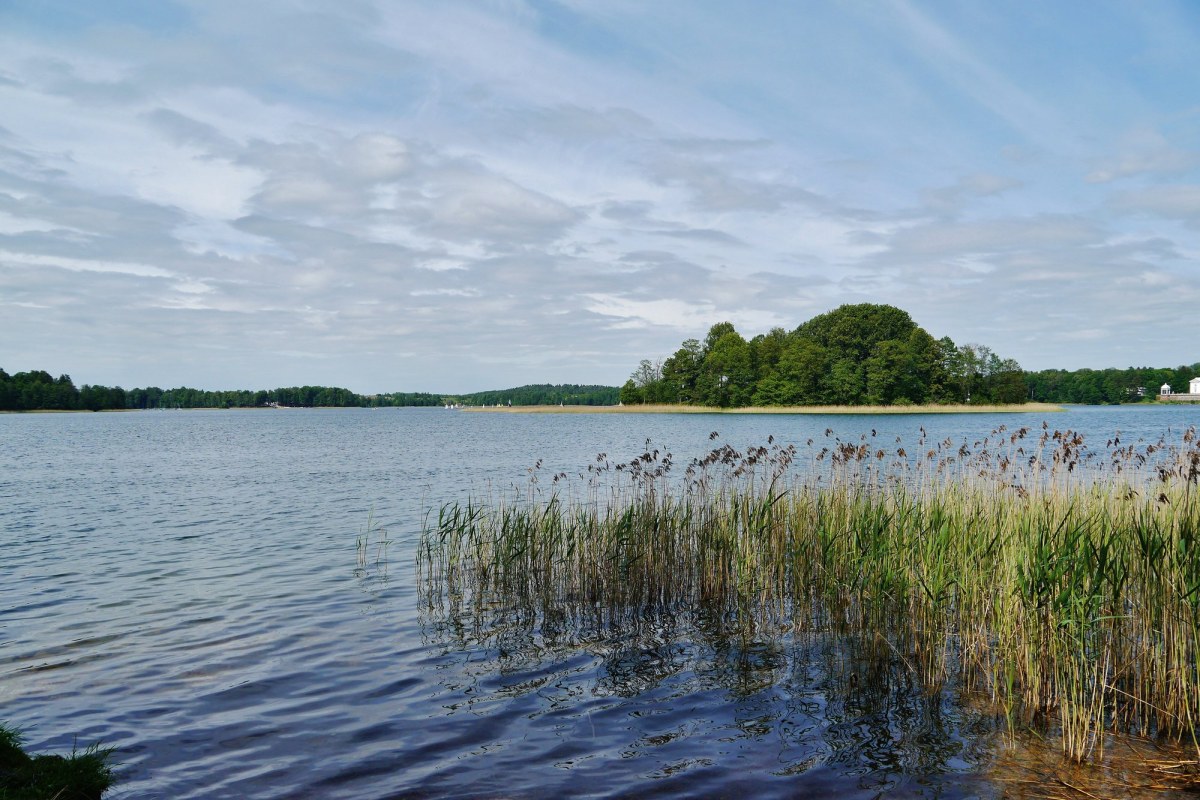
Several thousand lakes across the north and east, left by the ice and canoed between.
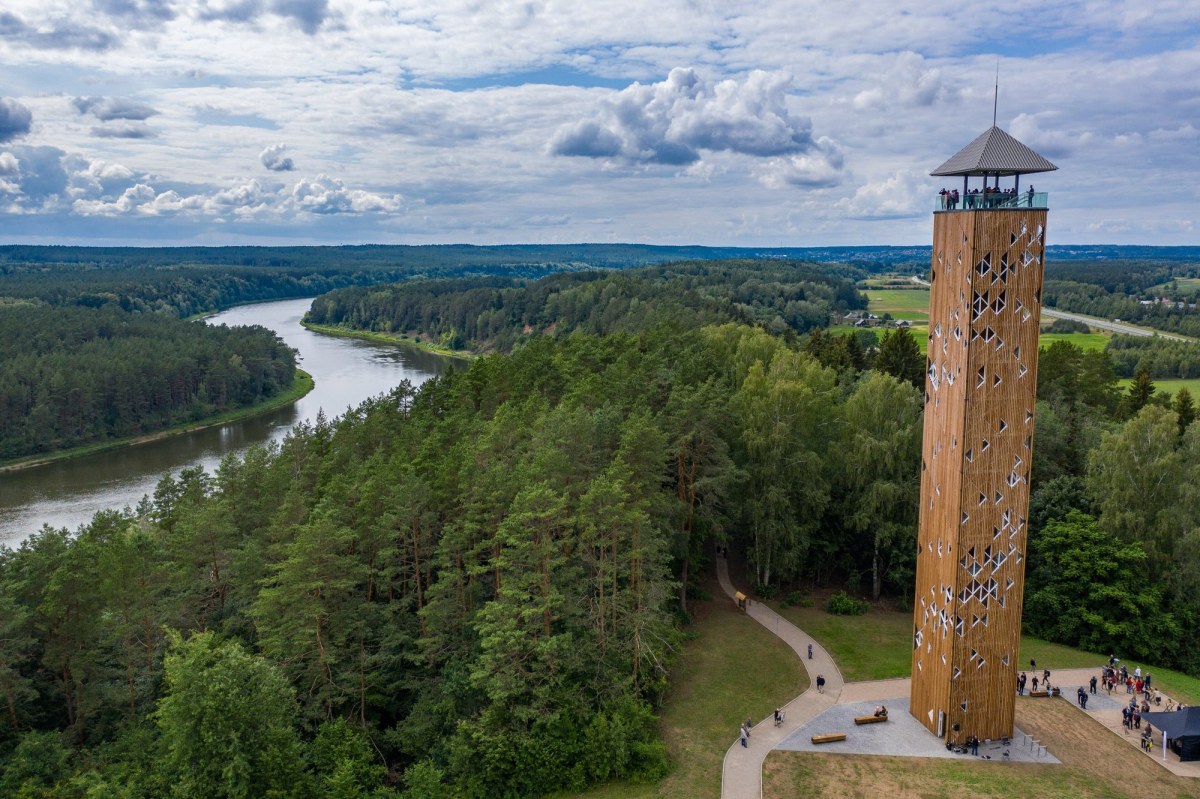
The Nemunas Valley
Region
The country’s great river, with castles on the bluffs and a delta at the end of it.
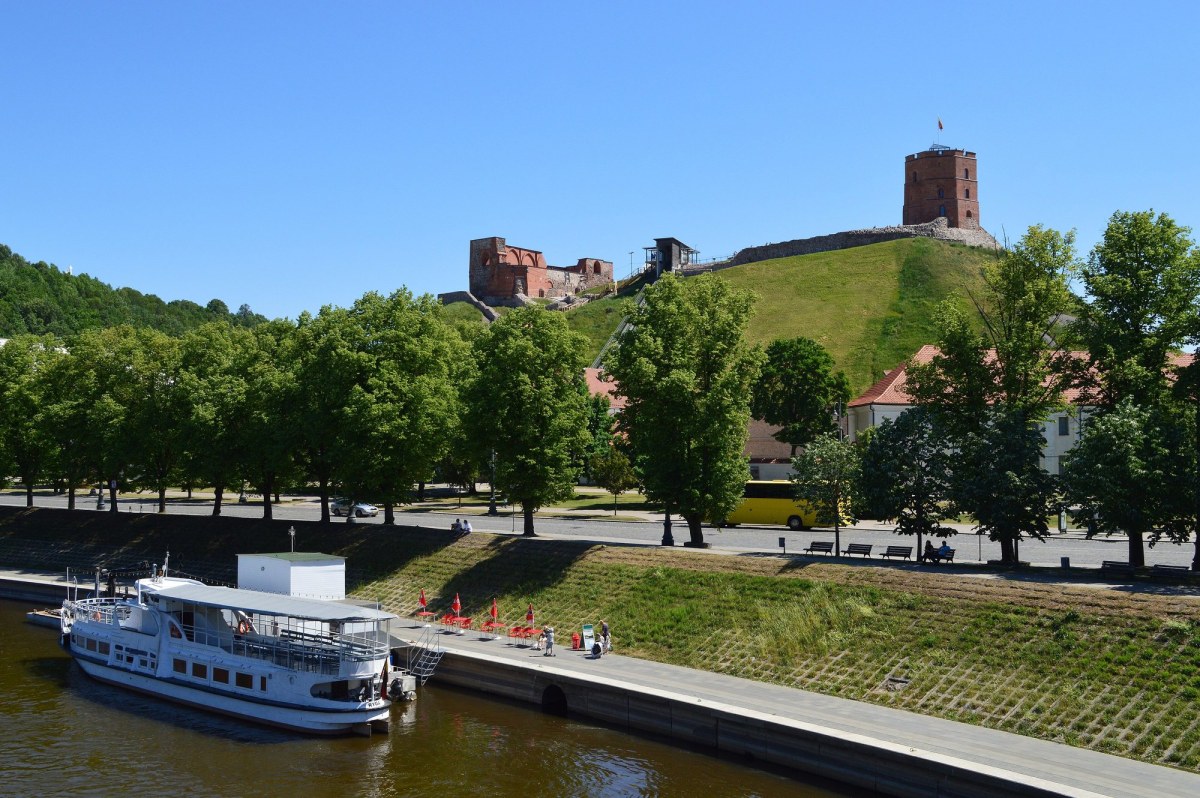
Vilnius and the South-East
Region
A baroque capital in a river valley, with lakes and forest immediately around it.
Inside Lithuania
Towns and cities
12 to explore
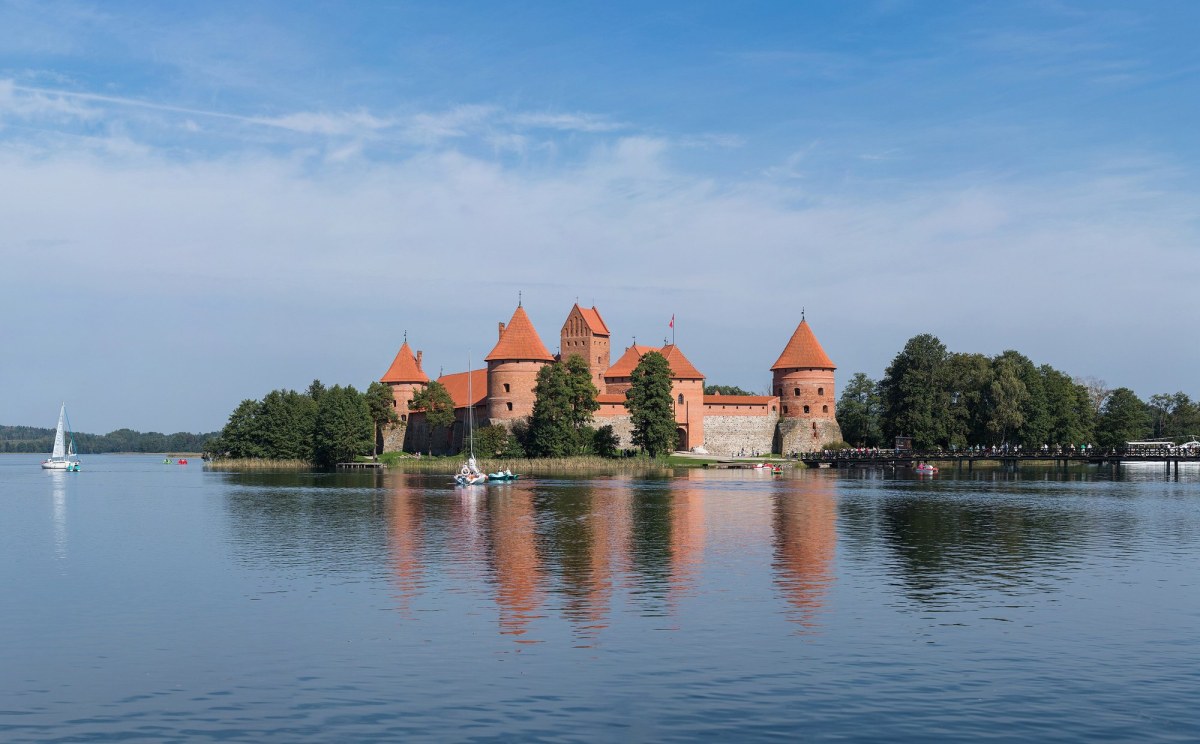
Anykščiai
Town or city
A small town with a treetop walkway, a very large boulder and the tallest church in the country.
Druskininkai
Town or city
A spa town on the Nemunas in the pine forest, with a Soviet sculpture park outside it.
Kaunas
Town or city
The second city: a provisional capital that built itself in twenty years of modernism.
Kėdainiai
Town or city
A Renaissance town with a Scottish merchant quarter and the tombs of a magnate family.
Palanga
Town or city
The seaside resort: a long beach, a pier walked at sunset and a palace full of amber.
Telšiai
Town or city
The capital of Samogitia, on a lake, filled with sculpture by its own art students.
Trakai
Town or city
A town on a peninsula between lakes, with a red brick castle on an island in front of it.
Vilnius
Town or city
A baroque capital of churches and courtyards, with a self-declared republic in one district.
Inside Lithuania
Landmarks
12 to explore
Aukštaitija National Park
Landmark
The first national park in Lithuania: a knot of connected lakes with wooden villages between them.
Gediminas’ Tower
Landmark
The last tower of the upper castle on the hill above Vilnius, and the national flag on it.
Grūtas Park
Landmark
Soviet monuments taken down from public squares, collected in a forest and argued about ever since.
Hill of Crosses
Landmark
A mound covered in hundreds of thousands of crosses, bulldozed repeatedly and rebuilt each time.
Kaunas Interwar Modernism
Landmark
Several hundred buildings put up in twenty years by a small state building itself a capital.
Kernavė
Landmark
Five mounds in a river valley, the earliest capital of Lithuania, and a World Heritage site.
Palanga Amber Museum
Landmark
A palace in a botanical park holding the material this coast has traded for four thousand years.
Rumšiškės Open-Air Museum
Landmark
A whole country reassembled on a reservoir shore, region by region, with people working in it.
The Curonian Spit Dunes
Landmark
Moving sand dunes that buried villages, held in place by two centuries of planting.
The Ninth Fort
Landmark
A Tsarist fortification used as a killing site in the Holocaust, now a memorial.
Trakai Island Castle
Landmark
A red brick ducal castle on an island, ruined for centuries and rebuilt in the twentieth.
Vilnius Old Town
Landmark
One of the largest baroque old towns in eastern Europe, on a medieval street plan.
Plan the trip
Explore Lithuania
Start with the regions, then the towns, then the sights worth a detour — each with its own page and its own pin on the map.
Start anywhere and follow the links. The guides and itineraries join these places into routes you can actually travel.
Credit: Europe by Giddo
Every place above is on this map. The lists on this page are the same content in the same order.