

Where to stay in Liechtenstein
See the hotels and apartments available on Booking.com · This is an affiliate link with our partner. Europe by Giddo may earn a commission from a purchase made through it, at no extra cost to you.
Liechtenstein is one of the smallest countries in the world, about twenty-five kilometres long, wedged between Switzerland and Austria along the upper Rhine. It is a principality still ruled by a reigning prince, and it can be walked end to end in a couple of days.
Our partner
Travel insurance · 5% off for our readers
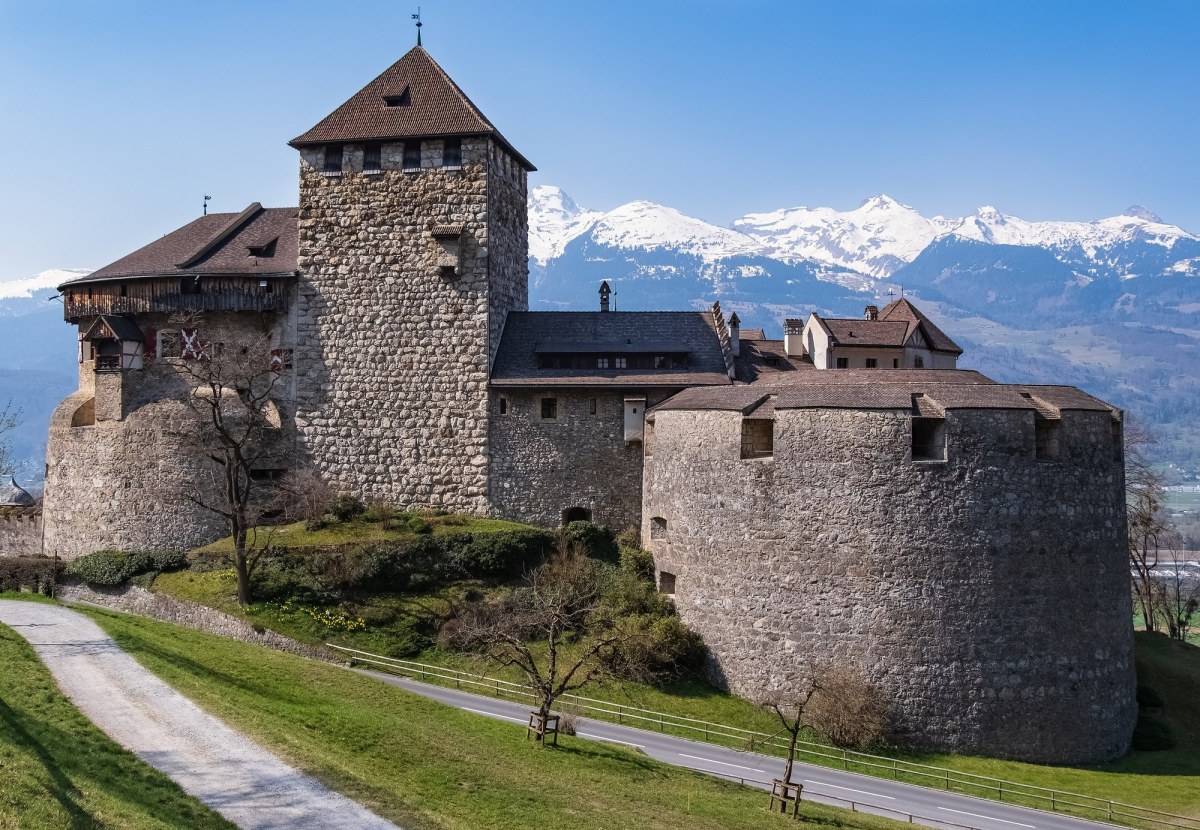
Get a quoteVaduz, the capital, sits on the valley floor under Vaduz Castle, the prince's residence, which is closed to the public but dominates every view. The town centre holds the Kunstmuseum with the princely art collections, the national museum and the postage stamp museum — stamps were a serious national industry for decades.
The lower country along the Rhine is flat and farmed, with the villages of Schaan, Triesen and Balzers, the last with its own hilltop castle. Above them the land climbs steeply into the Alps.
Malbun, at around 1,600 metres, is the mountain village and the country's small ski area in winter and a walking base in summer. The Fürstensteig is the best-known trail, a narrow and exposed ridge path with fixed cables and long views over the Rhine valley; it is not for anyone uneasy with heights.
The Liechtenstein Trail runs seventy-five kilometres through all eleven municipalities and is the simplest way to see the whole state on foot. Cycling along the Rhine is flat and easy by comparison.
German is the official language, spoken in an Alemannic dialect. The country uses Swiss infrastructure for much of daily life, and buses connect it to the Swiss rail network at Sargans and Buchs. Most visitors come for a day; staying overnight in the mountains is what makes it worthwhile.
There is no airport and no railway station of consequence: access is by bus from Sargans or Buchs in Switzerland, or by car from the Austrian side. Zurich airport is about an hour and a half away. Most people see Liechtenstein in a day from Switzerland or Austria, but staying up in Malbun turns it into a proper mountain destination rather than a passport stamp.
Common questions
- What is the capital of Liechtenstein?
- The capital of Liechtenstein is Vaduz.
- What currency is used in Liechtenstein?
- Liechtenstein uses the Swiss franc (CHF).
- What language is spoken in Liechtenstein?
- The official language is German.
- When is the best time to visit Liechtenstein?
- Alpine: cold snowy winters, mild summers, sharp differences with altitude.
- Which side of the road do you drive on in Liechtenstein?
- In Liechtenstein you drive on the right.
- What plug sockets are used in Liechtenstein?
- Liechtenstein uses type C, J sockets.
- What is the dialling code for Liechtenstein?
- The international dialling code for Liechtenstein is +423.
Partner
Inside Liechtenstein
Regions
3 to explore
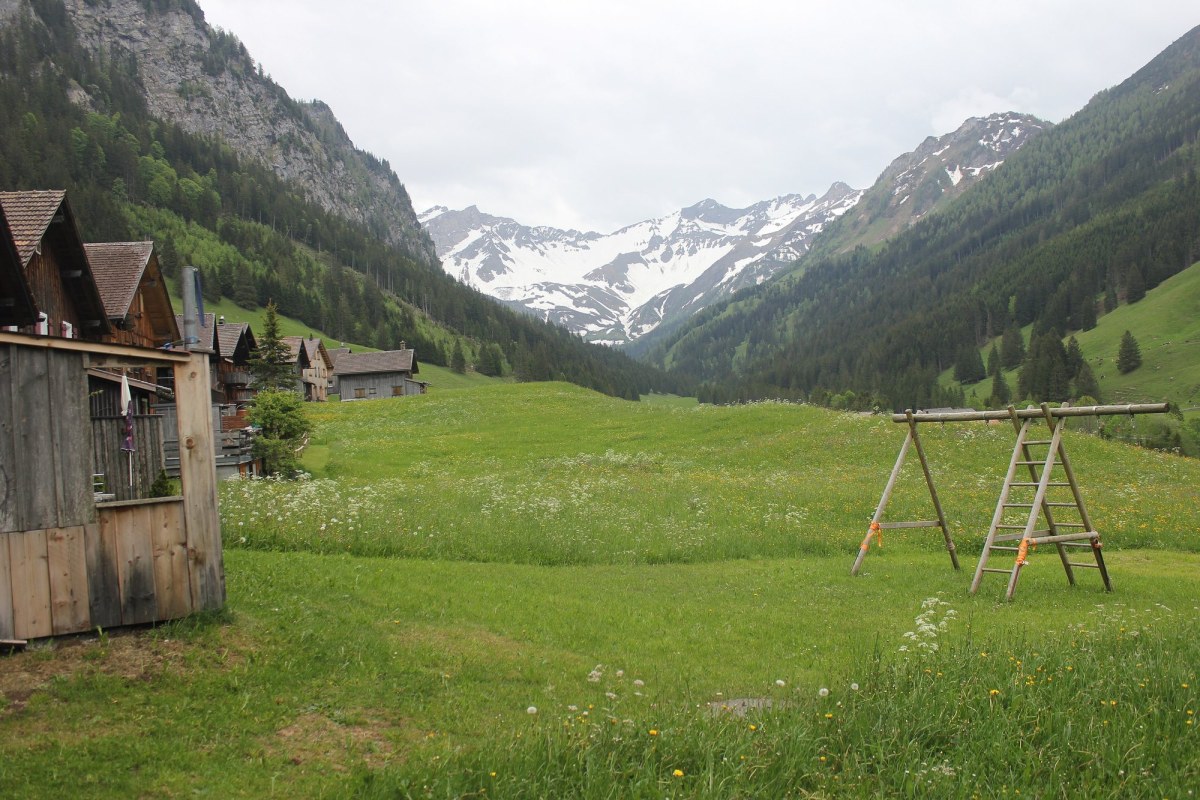
The Alps and Malbun
Region
The mountain half of the country: one high valley with a village in it, and paths along the ridges.
The Unterland
Region
The lower country north of the ridge, older in settlement and quieter than the capital half.
Inside Liechtenstein
Towns and cities
6 to explore
Balzers
Town or city
The southern town, with a castle on a rock in the middle of it that can be walked into.
Eschen
Town or city
The main town of the lower country, under the ridge that holds the oldest settlement in the land.
Malbun
Town or city
The one village in the high country, in a bowl of ridges, and the country’s only ski resort.
Schaan
Town or city
The largest place in the country, working rather than ceremonial, next door to the capital.
Triesenberg
Town or city
A Walser village strung along a mountain slope, with its own dialect and a bulbous church tower.
Vaduz
Town or city
A very small capital under a castle, with a modern art museum in the middle of it.
Inside Liechtenstein
Landmarks
8 to explore
Gutenberg Castle
Landmark
A medieval castle on a rock standing alone in the flat valley floor, and open to walk into.
Kunstmuseum Liechtenstein
Landmark
A black polished cube in the middle of the capital, holding modern art and the princely collections.
Liechtenstein National Museum
Landmark
The whole history of the country in an old inn and customs house on the main street.
Schellenberg Castles
Landmark
Two castle ruins on a wooded ridge, on the oldest settled ground in the country.
The Fürstensteig
Landmark
A path cut along a cliff face with cables and a chain, and a rite of passage in the country.
The Russian Monument
Landmark
A small stone at a border crossing, marking a night in 1945 when a country said no to a great power.
Vaduz Castle
Landmark
The residence of the princely family on a rock above the capital, and not open to visitors.
Walser Museum Triesenberg
Landmark
The story of the mountain migration that settled the slope, told in the village it settled.
Plan the trip
Explore Liechtenstein
Start with the regions, then the towns, then the sights worth a detour — each with its own page and its own pin on the map.
Start anywhere and follow the links. The guides and itineraries join these places into routes you can actually travel.
Credit: Europe by Giddo
Every place above is on this map. The lists on this page are the same content in the same order.