

Where to stay in Kosovo
See the hotels and apartments available on Booking.com · This is an affiliate link with our partner. Europe by Giddo may earn a commission from a purchase made through it, at no extra cost to you.
Kosovo is a small, mountainous, landlocked territory in the western Balkans with a very young population. It declared independence in 2008; recognition is not universal, and that status is worth understanding before travelling.
Our partner
Travel insurance · 5% off for our readers
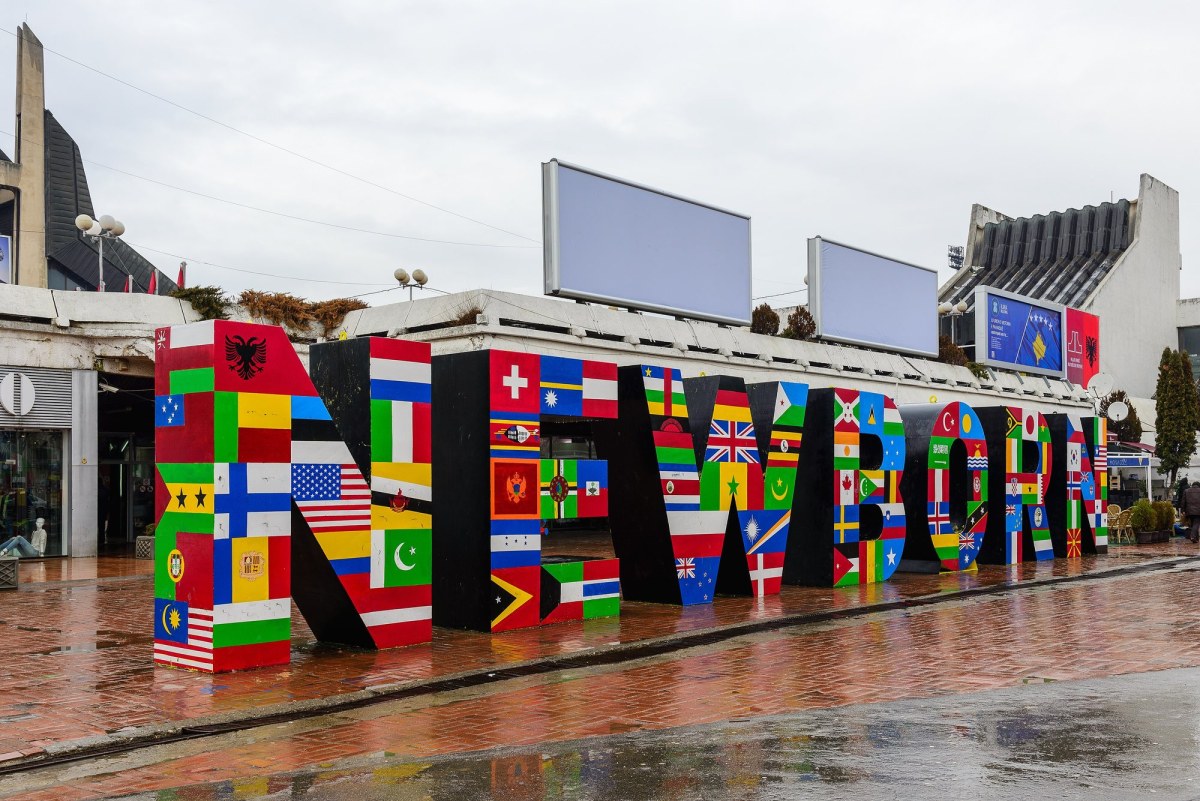
Get a quotePristina, the capital, is modern, informal and busy, with the National Library's much-argued-about architecture, the Newborn monument and a strong café culture. It works best as a base rather than a sight.
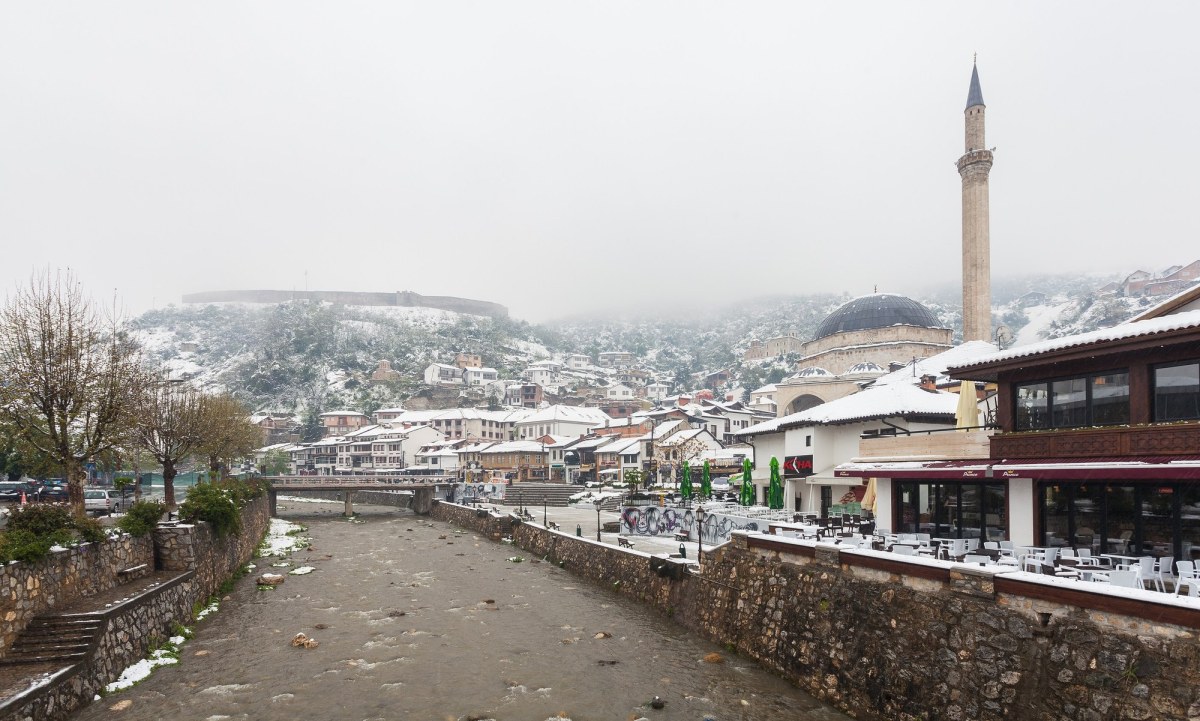
Prizren in the south is the country's most attractive town: an Ottoman bridge over a river, a hillside fortress, mosques, an Orthodox cathedral and a compact old quarter. It hosts a well-regarded documentary film festival each summer.
The medieval monasteries are the outstanding heritage. Gračanica, Visoki Dečani, the Patriarchate of Peć and the Church of the Virgin of Ljeviša are World Heritage listed for Byzantine-Serbian frescoes of the highest quality, painted in the thirteenth and fourteenth centuries. Some are protected sites and access can require identification.
The mountains are the other reason to come. The Accursed Mountains, called Bjeshkët e Nemuna here, are shared with Albania and Montenegro, and the Peaks of the Balkans trail crosses all three. Rugova Canyon near Peja is deep and dramatic; the Sharr range in the south has summer pastures and shepherd traditions.
Albanian and Serbian are both official. Travel is inexpensive by European standards, the hospitality is direct and generous, and infrastructure outside the main roads can be basic — which is part of what keeps the mountains as quiet as they are.
Pristina has an international airport, and buses connect the country with Skopje, Tirana and Belgrade in a few hours. A car is useful for the mountains and the monasteries. Note that entering Kosovo from Serbia and then leaving directly into Serbia can raise difficulties at the border; travelling in via Albania, North Macedonia or Montenegro avoids the issue. Summer is the season for the Peaks of the Balkans.
Common questions
- What is the capital of Kosovo?
- The capital of Kosovo is Pristina.
- What currency is used in Kosovo?
- Kosovo uses the Euro (EUR).
- What language is spoken in Kosovo?
- The official languages are Albanian, Serbian.
- When is the best time to visit Kosovo?
- Continental: hot summers, cold snowy winters, snow lying long in the mountains.
- Which side of the road do you drive on in Kosovo?
- In Kosovo you drive on the right.
- What plug sockets are used in Kosovo?
- Kosovo uses type C, F sockets.
- What is the dialling code for Kosovo?
- The international dialling code for Kosovo is +383.
Partner
Inside Kosovo
Regions
4 to explore
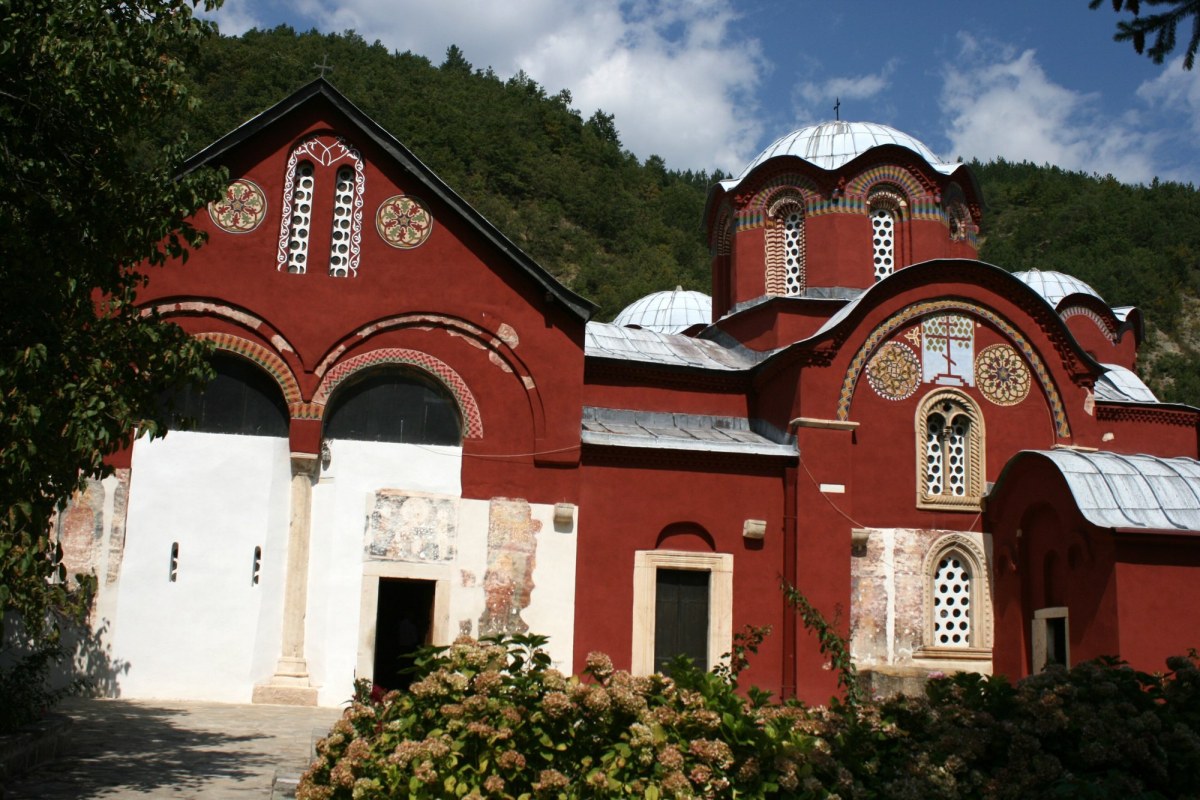
The Dukagjin Plain
Region
The western basin: bazaar towns, orchards and the country’s greatest monuments.
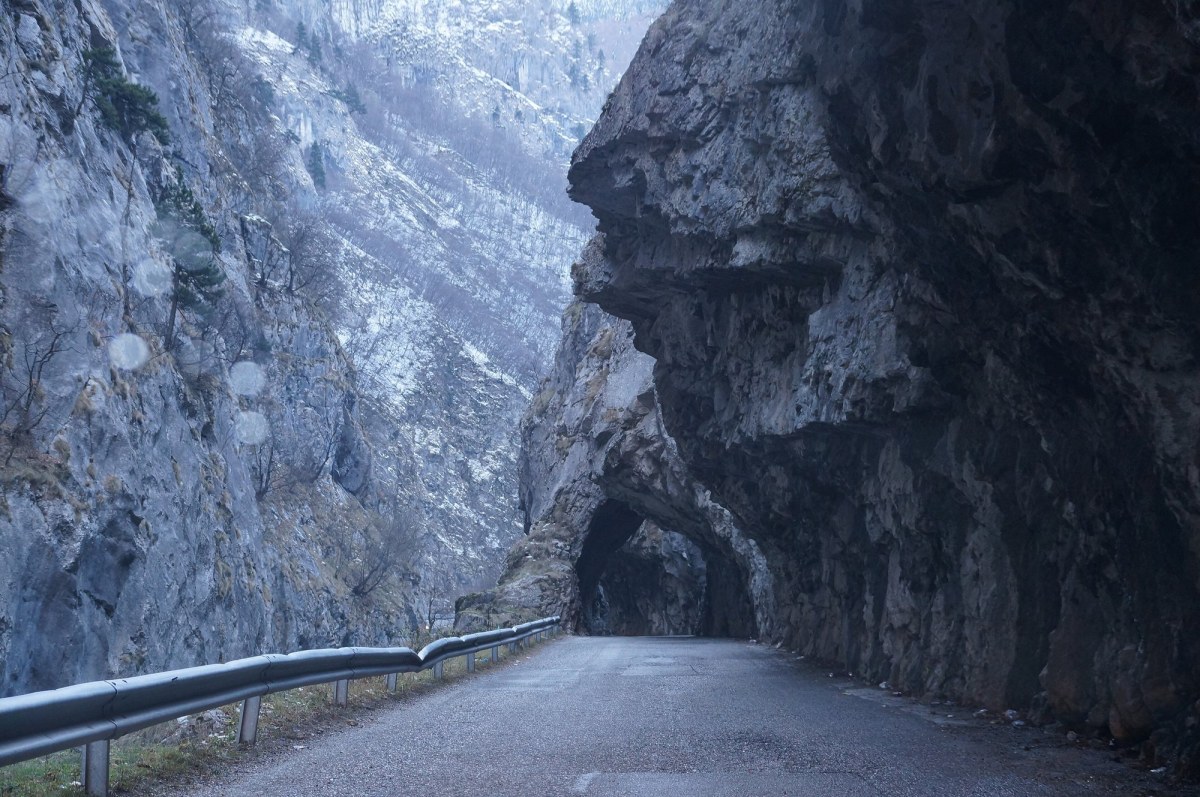
The Rugova Mountains
Region
A deep limestone gorge and the high peaks behind it, on the Montenegrin border.
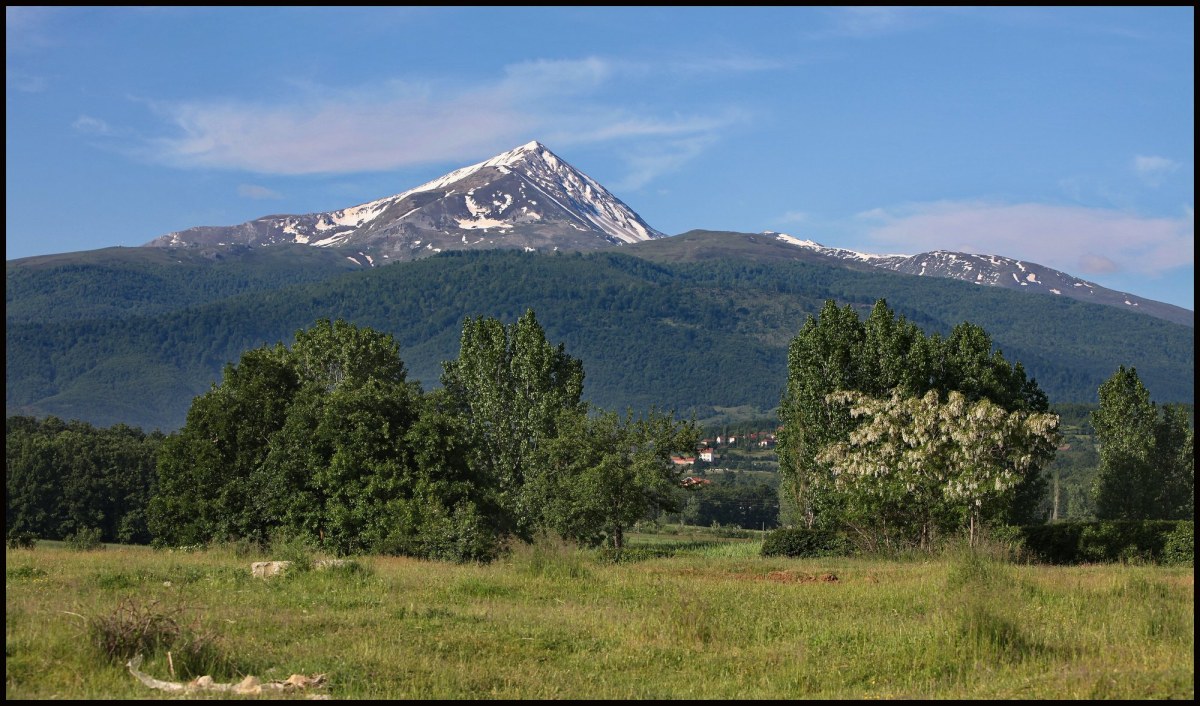
The Sharr Mountains
Region
The long southern range: high pasture, shepherd country and the country’s ski slopes.
Inside Kosovo
Towns and cities
6 to explore
Inside Kosovo
Landmarks
10 to explore
Gadime Cave
Landmark
A marble cave found by a man digging in his cellar, full of crystals that grow sideways.
Gracanica Monastery
Landmark
A five-domed church of 1321, the most refined thing King Milutin built.
Mirusha Waterfalls
Landmark
A chain of falls and rock pools cut into a limestone gorge in the middle of the plain.
Our Lady of Ljevisa
Landmark
A fourteenth-century church in the middle of Prizren, burnt in 2004 and brought back.
Patriarchate of Peja
Landmark
Four churches joined under one roof at the mouth of a gorge, the historic seat of a church.
Prizren Fortress
Landmark
A hilltop citadel above the town, climbed for the best view in the country.
Prizren Old Town
Landmark
Cobbled lanes, a stone bridge and a fountain square between a mosque and a river.
Sharr Mountains National Park
Landmark
The country’s largest protected area: high pasture, rare pine and shepherd country.
Visoki Dečani Monastery
Landmark
The largest medieval church in the Balkans, with the most complete fresco cycle of its age anywhere.
Plan the trip
Explore Kosovo
Start with the regions, then the towns, then the sights worth a detour — each with its own page and its own pin on the map.
Start anywhere and follow the links. The guides and itineraries join these places into routes you can actually travel.
Credit: Europe by Giddo
Every place above is on this map. The lists on this page are the same content in the same order.