

Where to stay in Ireland
See the hotels and apartments available on Booking.com · This is an affiliate link with our partner. Europe by Giddo may earn a commission from a purchase made through it, at no extra cost to you.
Ireland is small enough to cross in a day and slow enough that you should not. The Atlantic edge is the draw: cliffs, bogs, stone walls, sudden weather and villages where music happens in the evening without being scheduled.
Our partner
Travel insurance · 5% off for our readers
Get a quoteDublin sits on the east coast and carries an outsized literary history — Joyce, Yeats, Beckett, Wilde. Trinity College holds the Book of Kells, Kilmainham Gaol tells the independence story plainly, and the Georgian squares and the Guinness Storehouse fill the rest of a couple of days.
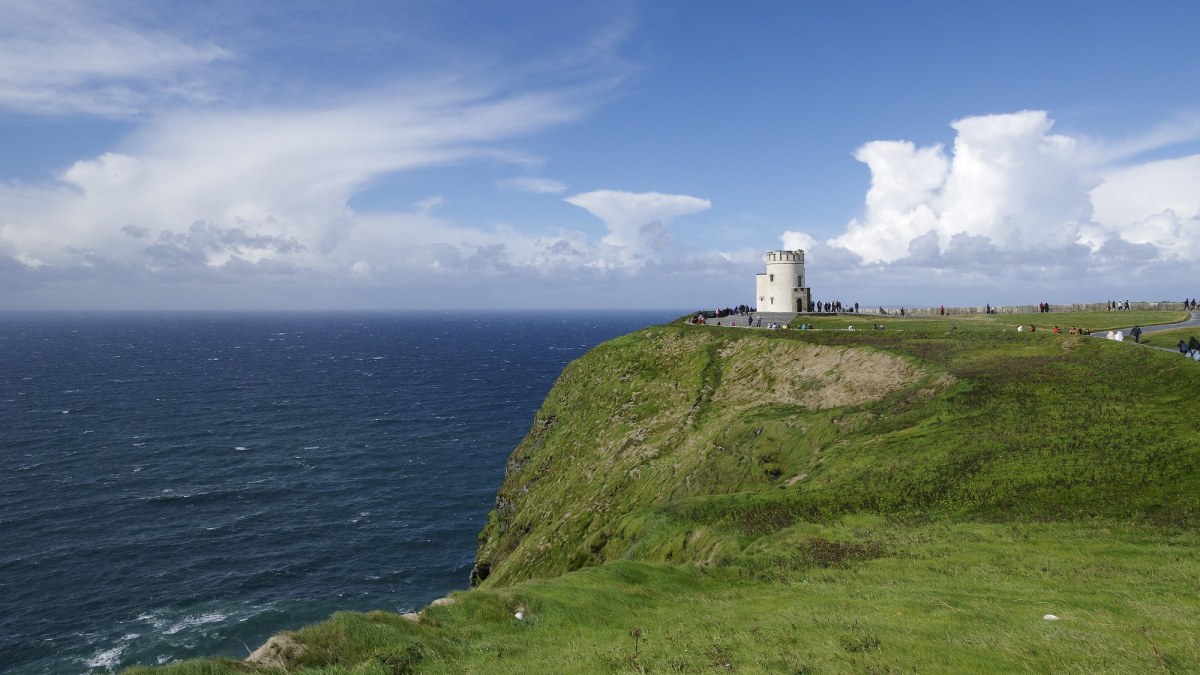
The west is where most travellers head. The Wild Atlantic Way runs along the entire western seaboard, taking in the Cliffs of Moher, the limestone pavement of the Burren, Connemara's mountains and lakes, and the Dingle and Iveragh peninsulas in Kerry, the latter better known as the Ring of Kerry. Galway is the natural base — compact, coastal and musical.
The south has Cork, the harbour town of Kinsale, the Rock of Cashel rising from the plain in Tipperary, and Waterford, the oldest city in the country. The Ancient East strings together monastic sites, Norman castles and the passage tomb of Newgrange, older than the pyramids at Giza.
The north-west is quieter still: Donegal's cliffs at Slieve League, Sligo under Ben Bulben, and long empty beaches. The Aran Islands off Galway keep Irish as an everyday language, as do parts of Donegal, Kerry and Connemara.
The climate is mild and wet year round; there is no dry season, only luckier weeks. Late spring and early autumn give the longest usable days without the peak-summer traffic on the narrow western roads.
A car is close to essential outside Dublin, Galway and Cork — the coastal roads are the point, and buses are infrequent once you leave the main corridors. Ireland pairs naturally with Northern Ireland, which is part of the United Kingdom but has no hard border, so the Wild Atlantic Way and the Causeway Coast can be driven as one long circuit.
Common questions
- What is the capital of Ireland?
- The capital of Ireland is Dublin.
- What currency is used in Ireland?
- Ireland uses the Euro (EUR).
- What language is spoken in Ireland?
- The official languages are Irish, English.
- When is the best time to visit Ireland?
- Mild and wet all year with few extremes; driest and brightest May to August.
- Which side of the road do you drive on in Ireland?
- In Ireland you drive on the left.
- What plug sockets are used in Ireland?
- Ireland uses type G sockets.
- What is the dialling code for Ireland?
- The international dialling code for Ireland is +353.
Partner
Inside Ireland
Regions
10 to explore
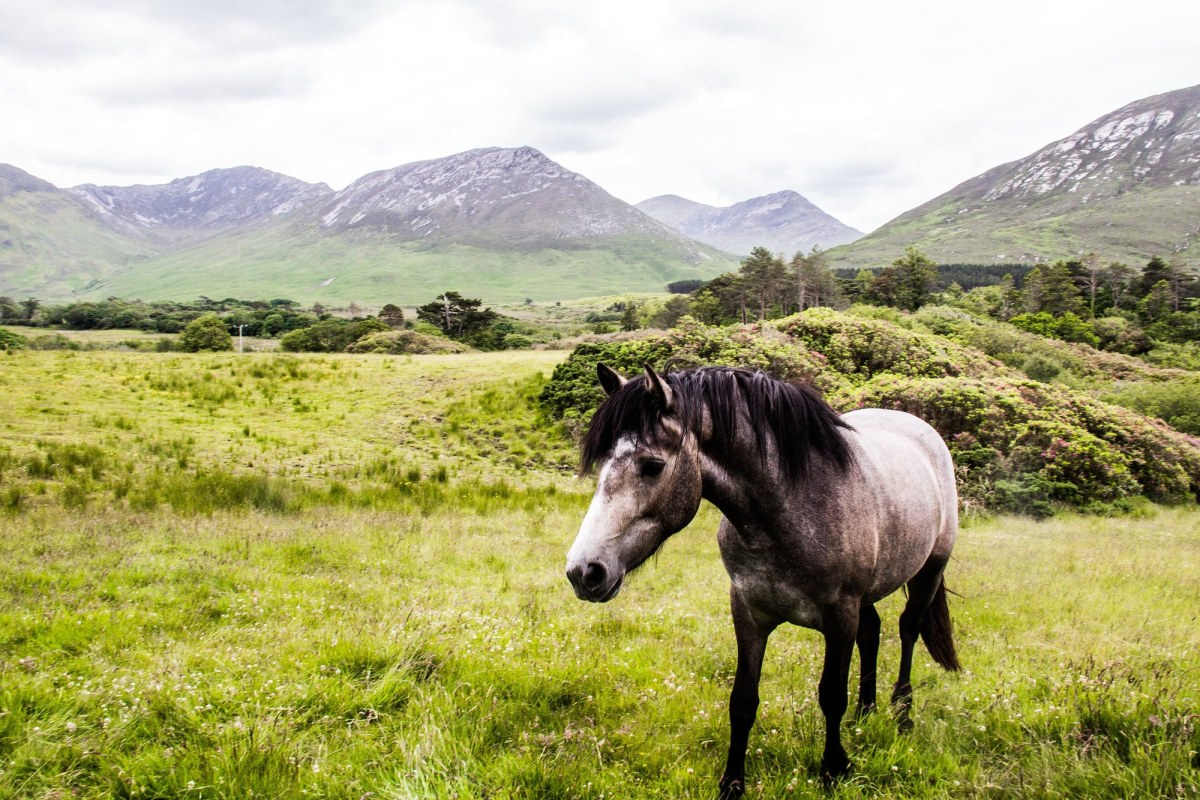
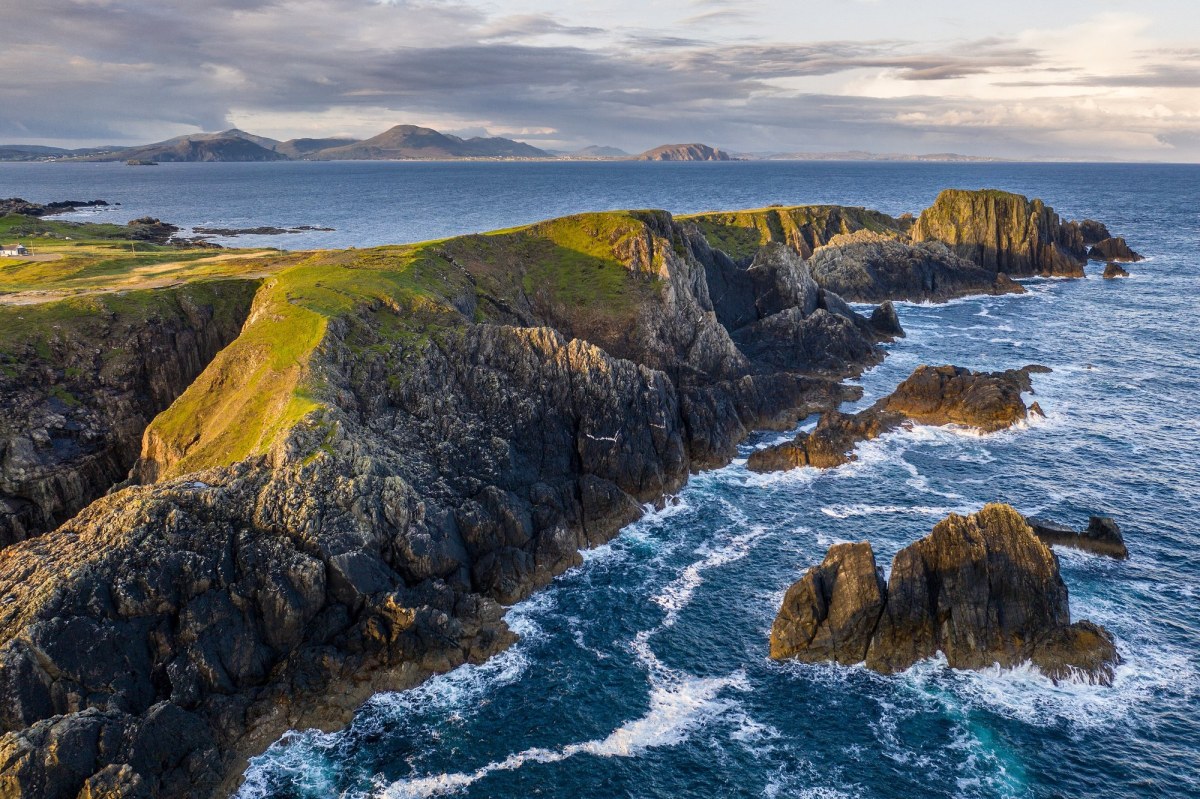
County Donegal
Region
The north-west corner of the Republic: sea cliffs, empty beaches and a strong Gaeltacht.
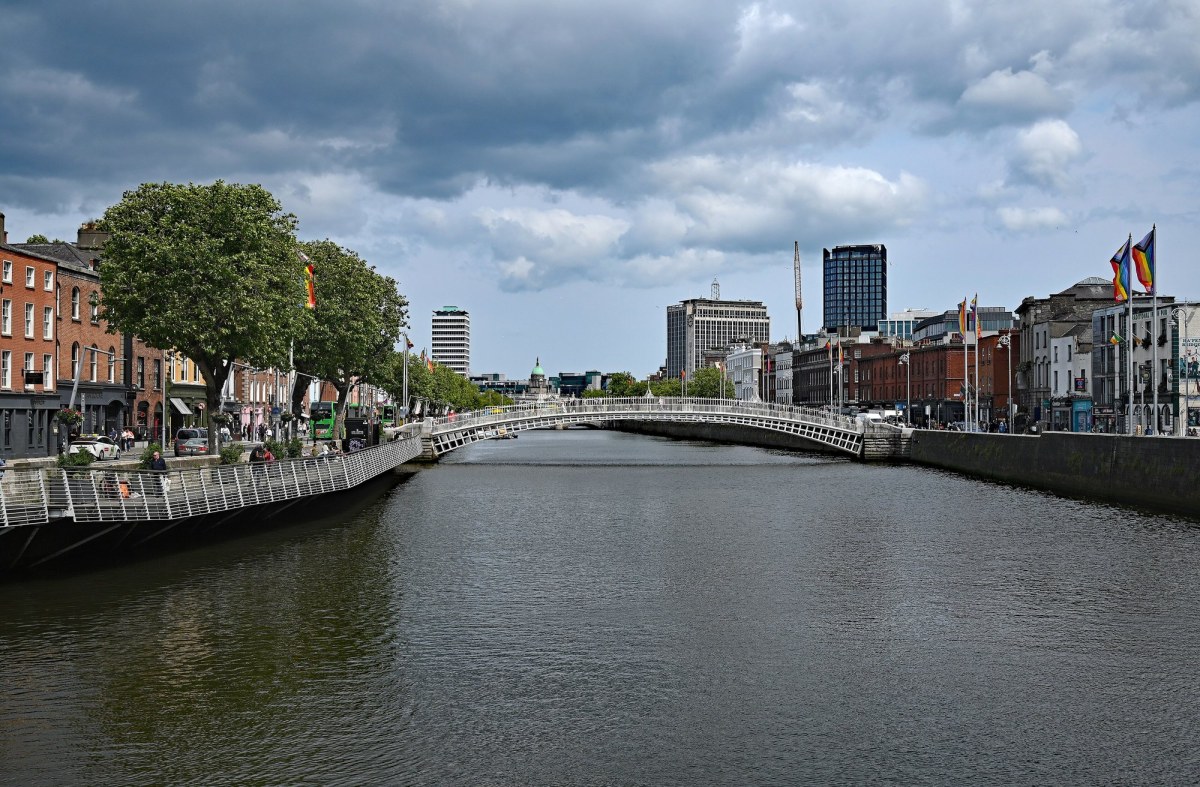
Dublin and the East
Region
The capital, the mountains behind it, and the oldest built things in the country.
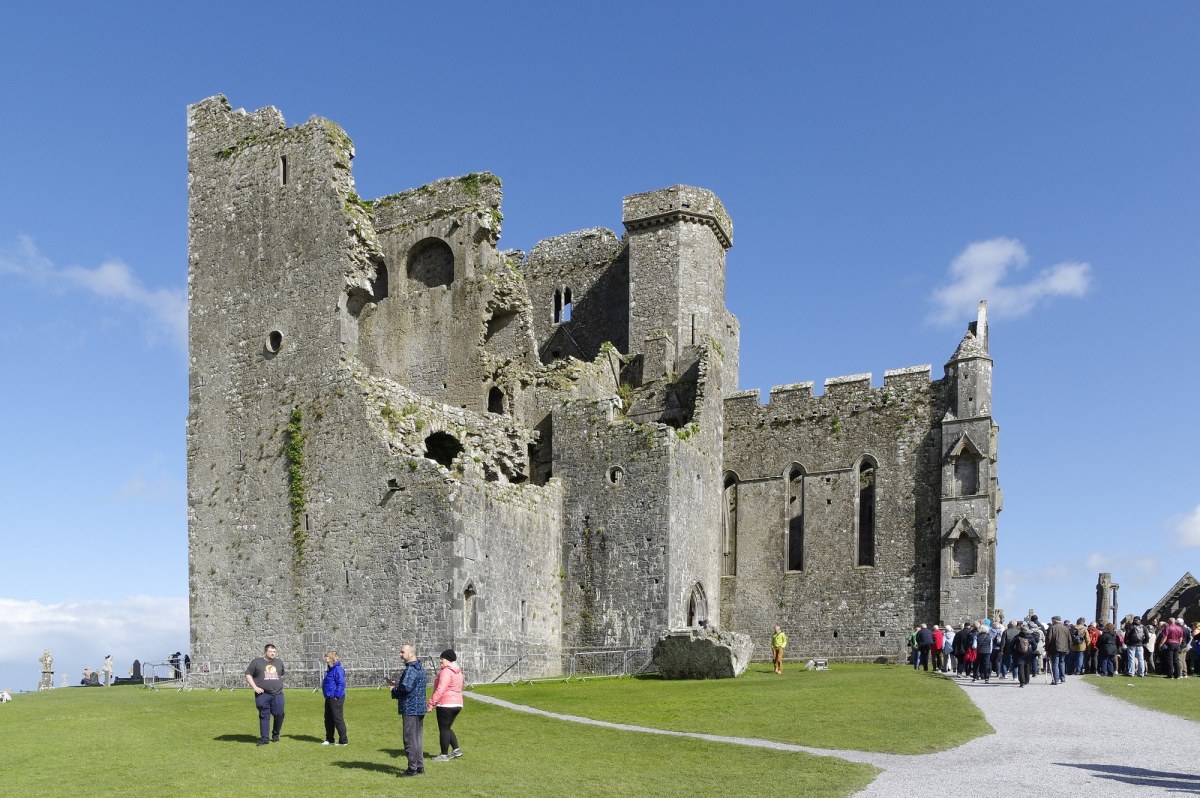
Ireland’s Ancient East
Region
The eastern and midland counties, taken together for their monasteries, castles and tombs.
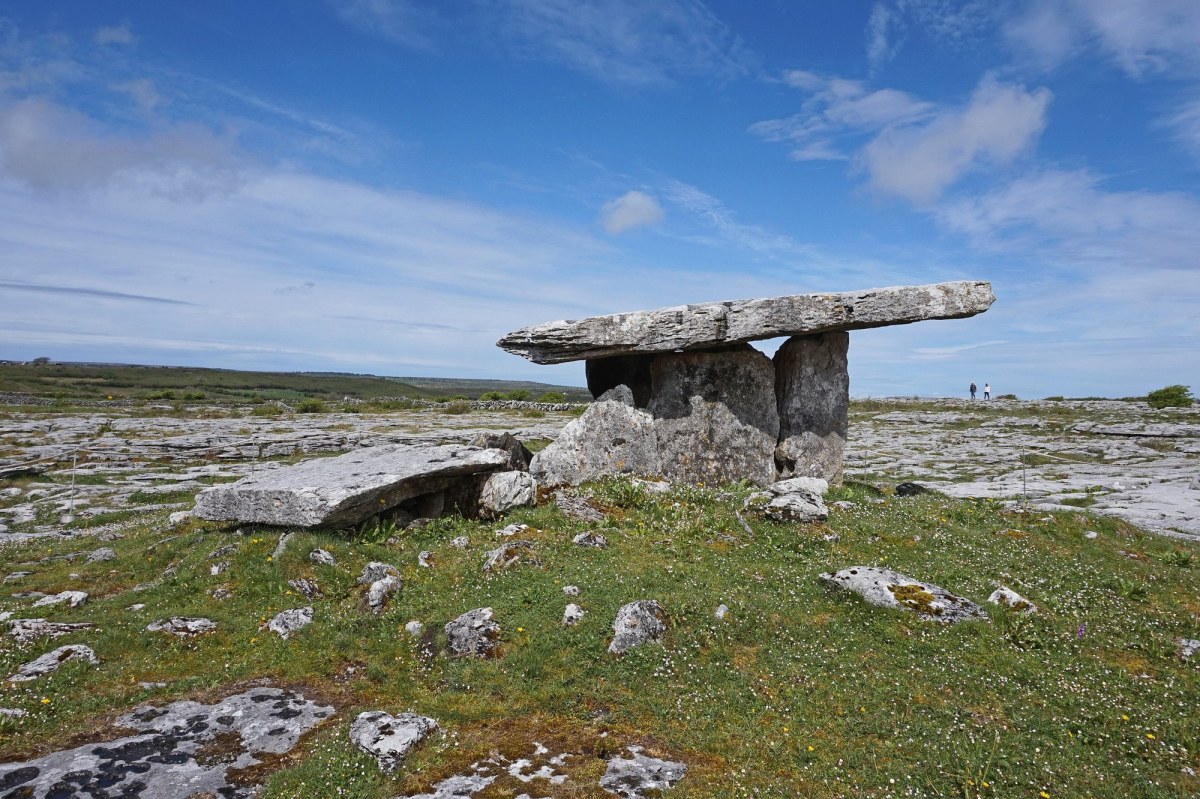
The Burren
Region
A limestone pavement in County Clare where Arctic and Mediterranean plants grow together.
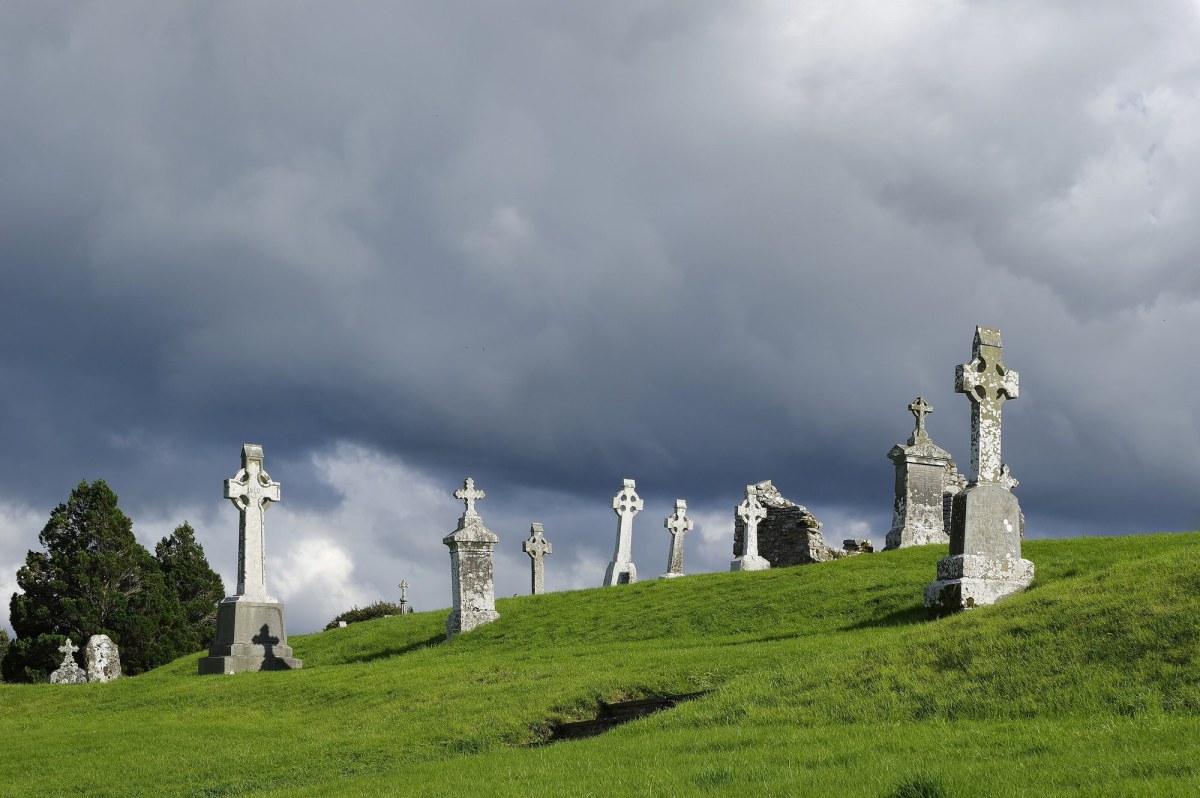
The Shannon and the Midlands
Region
The longest river in Ireland, its lakes, and the bog country either side.
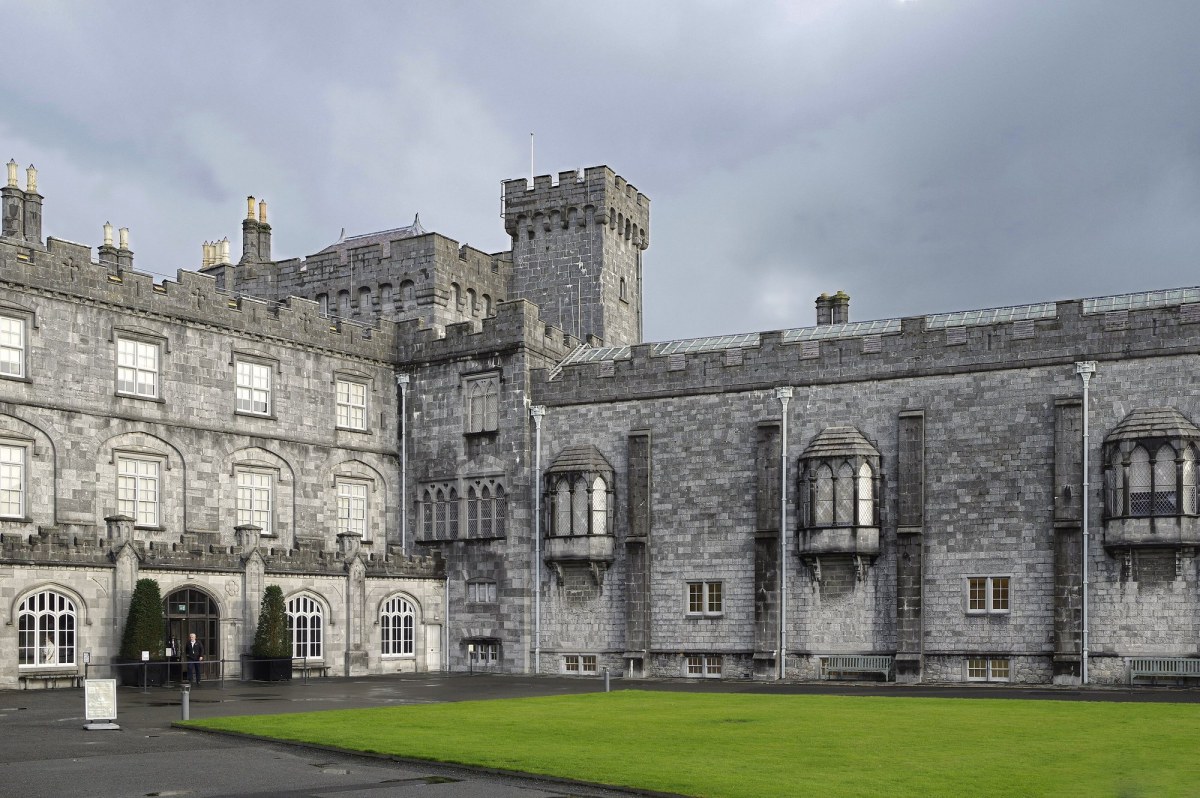
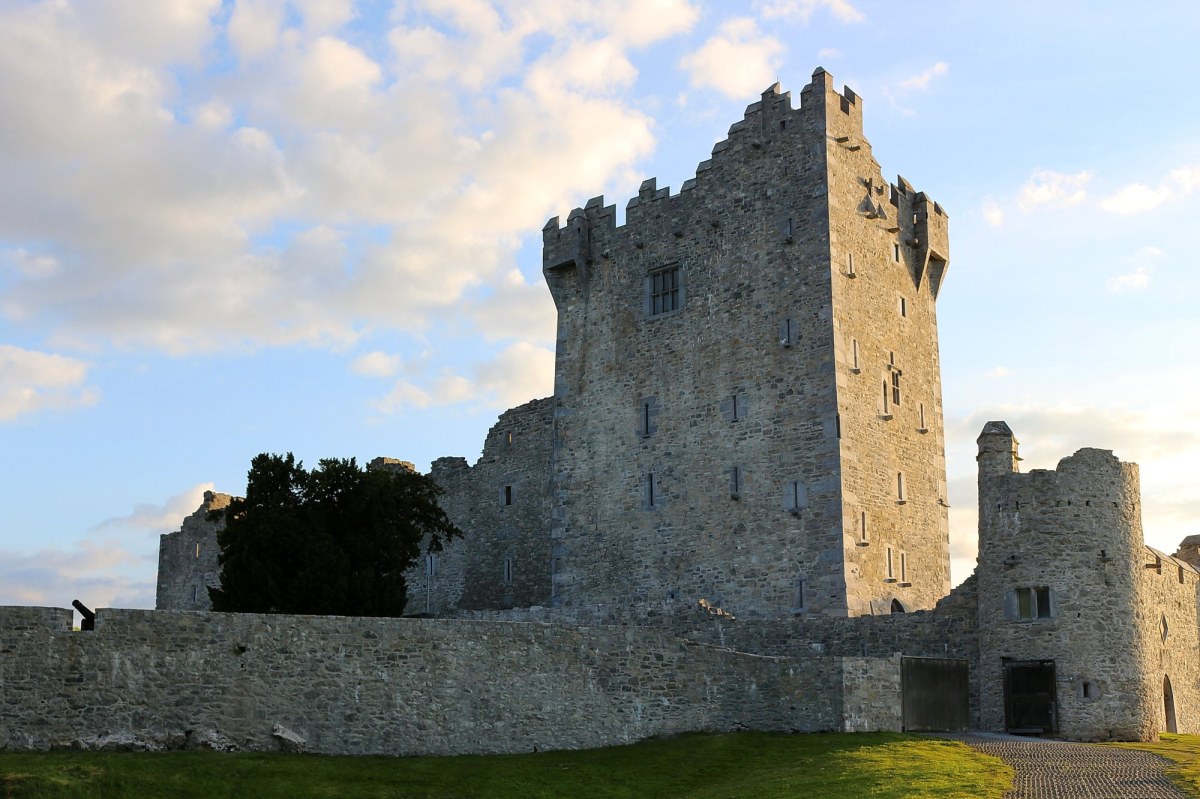
The South-West
Region
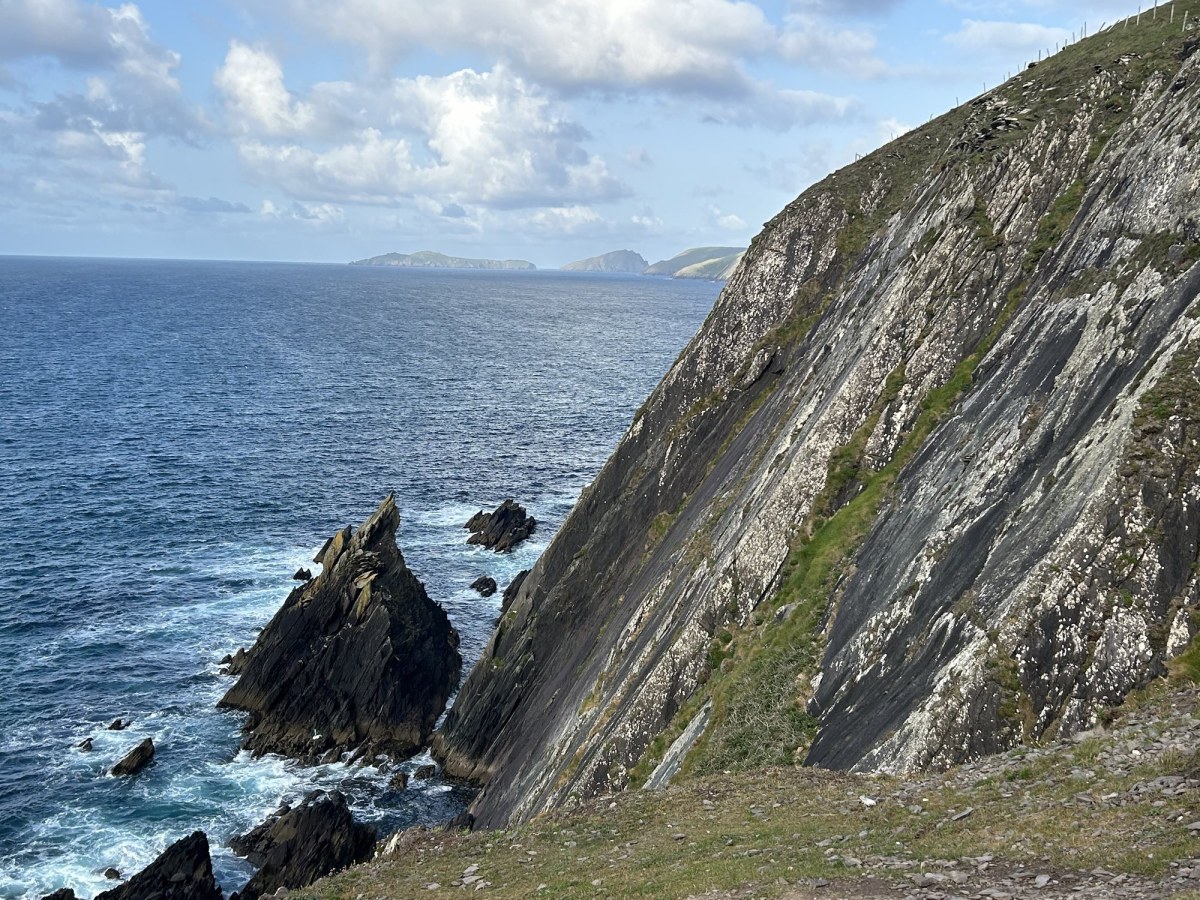
Kerry and west Cork: peninsulas, the highest mountains, and a mild wet climate.
Inside Ireland
Towns and cities
12 to explore
Cork
Town or city
The second city, built on an island in a river, with an indoor market at its heart.
Dublin
Town or city
A Georgian capital on the Liffey, with a library, a brewery and a great deal of literature.
Kilkenny
Town or city
The best-preserved medieval city in Ireland, with a castle at one end and a cathedral at the other.
Limerick
Town or city
A Shannon city with a Norman castle, a Georgian quarter and a serious rugby following.
Waterford
Town or city
The oldest city in Ireland, founded by Vikings, with three museums in a triangle.
Inside Ireland
Landmarks
12 to explore
Aran Islands
Landmark
Three limestone islands off Galway Bay, walled into small fields and Irish-speaking.
Clonmacnoise
Landmark
A monastic city on the Shannon, at the crossing of the two great routes of early Ireland.
Guinness Storehouse
Landmark
A brewery visitor centre in a former fermentation plant, built round a glass pint.
Newgrange
Landmark
A passage tomb older than the pyramids, built so the sun enters it at the solstice.
Rock of Cashel
Landmark
A group of medieval buildings on a limestone outcrop rising out of the Tipperary plain.
Trinity College and the Book of Kells
Landmark
A ninth-century illuminated gospel book, in the library of Ireland’s oldest university.
Plan the trip
Explore Ireland
Start with the regions, then the towns, then the sights worth a detour — each with its own page and its own pin on the map.
Start anywhere and follow the links. The guides and itineraries join these places into routes you can actually travel.
Credit: Europe by Giddo
Every place above is on this map. The lists on this page are the same content in the same order.