

Where to stay in Greece
See the hotels and apartments available on Booking.com · This is an affiliate link with our partner. Europe by Giddo may earn a commission from a purchase made through it, at no extra cost to you.
Greece is where a great deal of European civilisation was written down first, and the physical evidence is still standing. It is also a country of some six thousand islands, of which fewer than three hundred are inhabited, spread across two seas.
Our partner
Travel insurance · 5% off for our readers
Get a quoteAthens is the starting point. The Acropolis with the Parthenon stands over the city, the Acropolis Museum below it holds the sculpture, and the Ancient Agora, the Temple of Olympian Zeus and the National Archaeological Museum fill several more days. Plaka and Monastiraki are the old quarters at its feet.
The mainland holds more than most visitors see. Delphi clings to the slopes of Parnassus where the oracle spoke. Meteora balances six monasteries on top of sandstone pillars. Olympia was the original games site, Mycenae and Epidaurus anchor the Peloponnese, and Nafplio is its most attractive town. In the north, Thessaloniki is the second city with Byzantine walls and a strong food culture, and Mount Olympus is walkable to the summit.
The islands divide into groups with distinct characters. The Cyclades — Santorini on its volcanic caldera, Mykonos, Naxos, Paros and quiet Sifnos — are the white-and-blue image of Greece. The Ionians in the west, including Corfu, Kefalonia and Zakynthos, are greener and were Venetian rather than Ottoman. The Dodecanese hold Rhodes with its intact crusader old town and Patmos with its cave of the Apocalypse.
Crete is large enough to be its own destination, with the Minoan palace of Knossos, the Samaria Gorge, mountain villages and beaches at either end. The Sporades, the northern Aegean islands and the Saronic islands near Athens are easier for short trips.
Greek uses its own alphabet, but signs are transliterated and English is widely spoken in tourism. Ferries are the backbone of island travel and thin out sharply outside summer. May, June and September are the most comfortable months; August is the busiest and the hottest.
Common questions
- What is the capital of Greece?
- The capital of Greece is Athens.
- What currency is used in Greece?
- Greece uses the Euro (EUR).
- What language is spoken in Greece?
- The official language is Greek.
- When is the best time to visit Greece?
- Hot dry summers and mild wet winters; the northern mountains get snow.
- Which side of the road do you drive on in Greece?
- In Greece you drive on the right.
- What plug sockets are used in Greece?
- Greece uses type C, F sockets.
- What is the dialling code for Greece?
- The international dialling code for Greece is +30.
Partner
Inside Greece
Regions
10 to explore
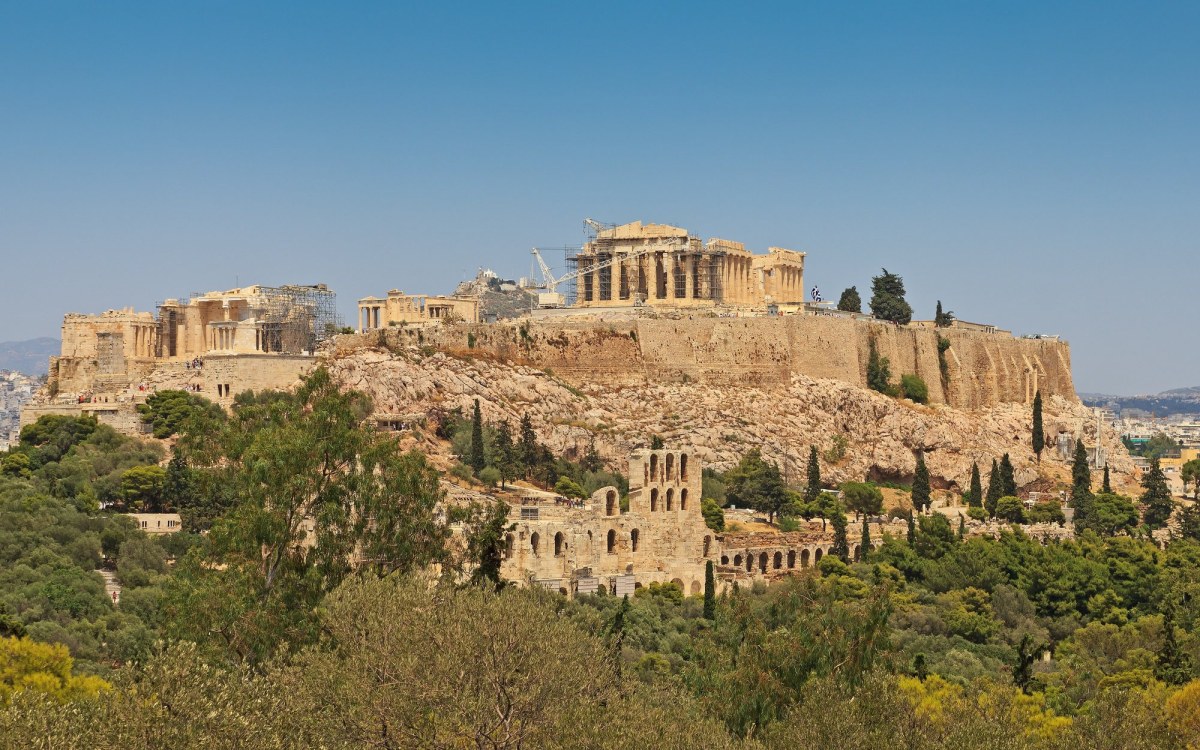
Attica
Region
The region around Athens: the classical city, a long coastline, and the temple on the cape where the Aegean begins.
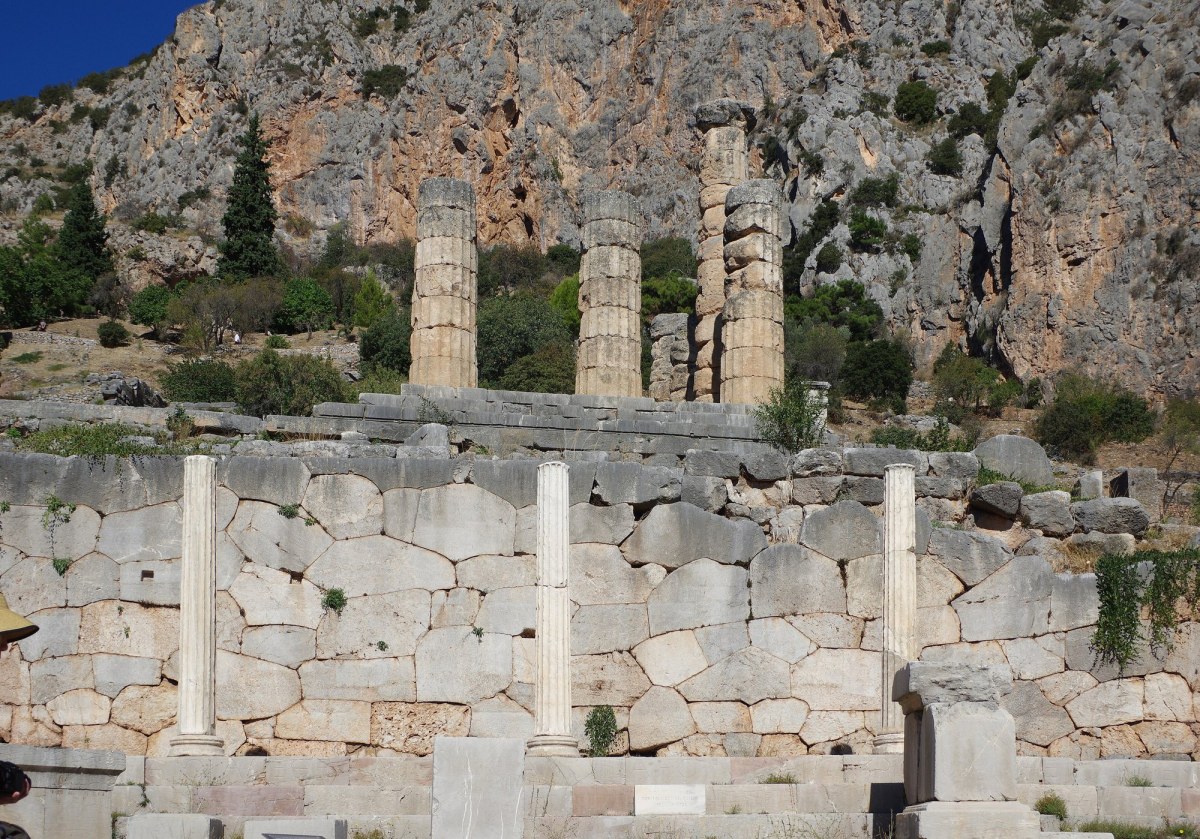
Central Greece
Region
The mainland between Athens and Thessaly, holding Delphi on the slope of Parnassus.
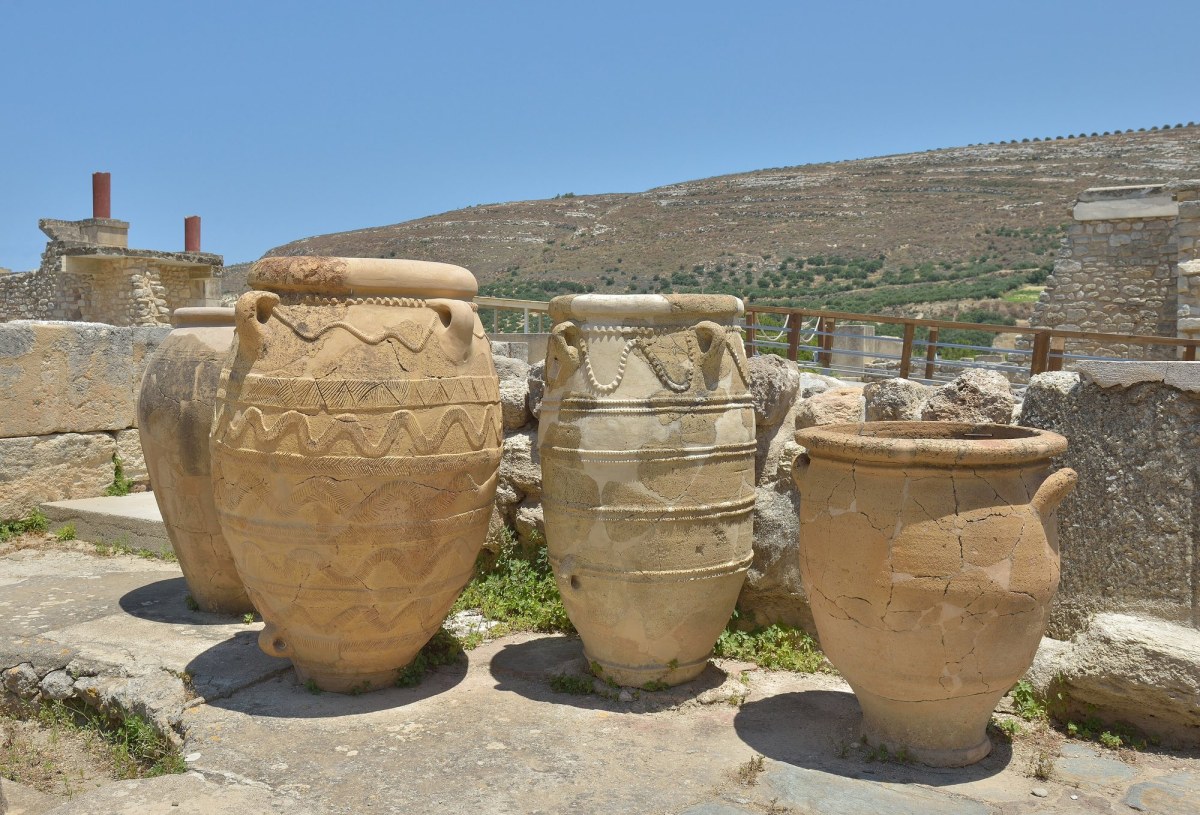
Crete
Region
The largest Greek island, big enough to be its own country: Minoan palaces, a mountain spine, and gorges running down to two different seas.
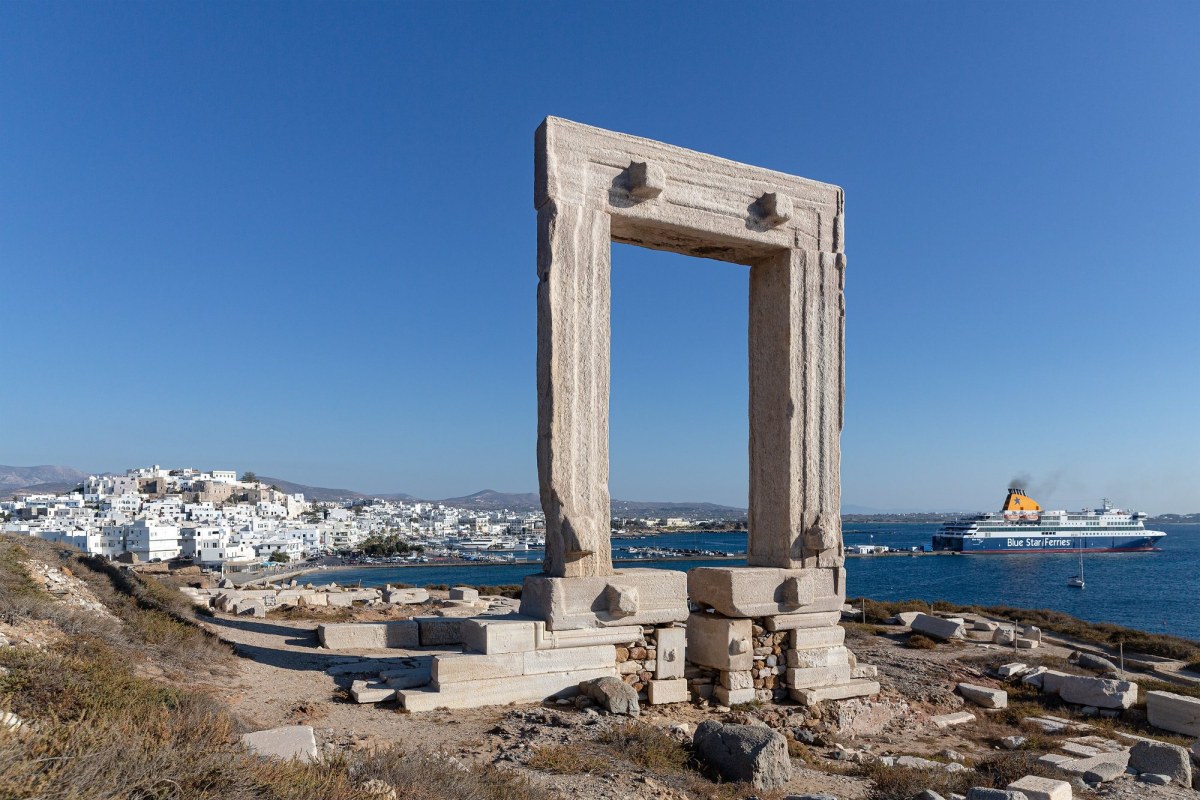
Cyclades
Region
The islands the postcards come from: white cube villages on dry rock, in the middle of the Aegean.
Dodecanese
Region
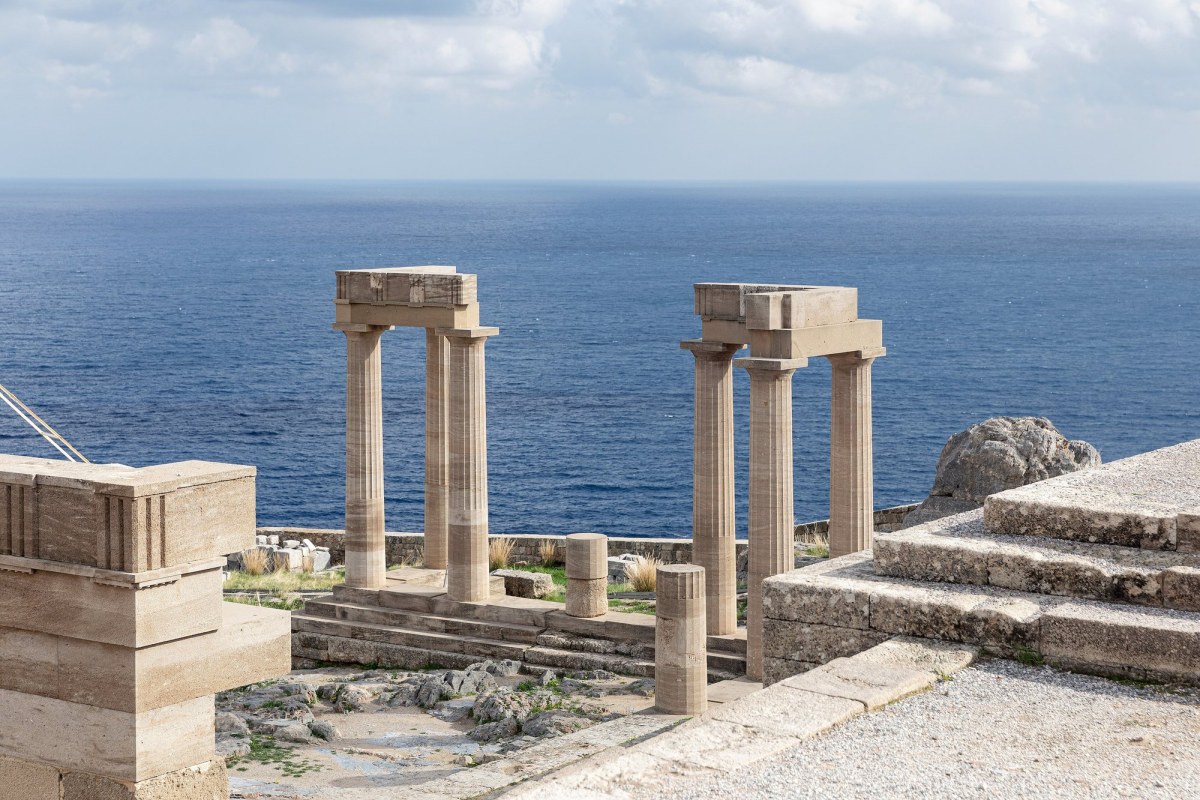
The islands along the Turkish coast, with a crusader city, Italian architecture and a working volcano among them.
Epirus
Region
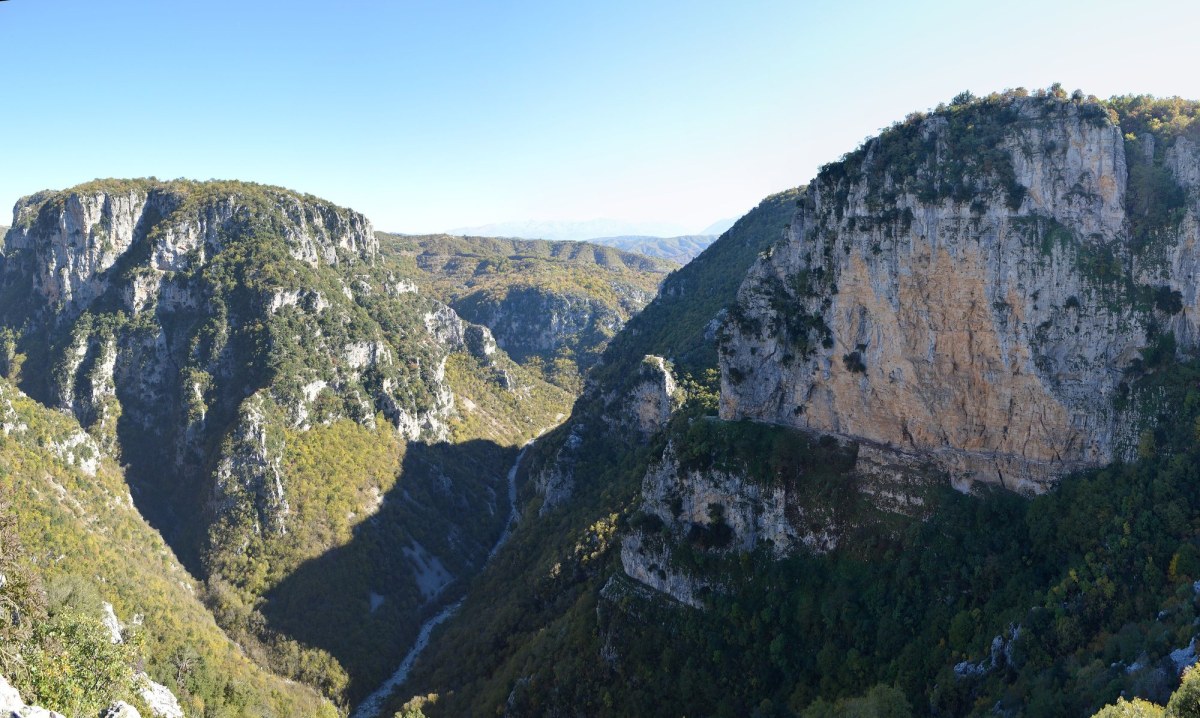
The mountainous north-west: stone villages above gorges, and the oracle the Greeks consulted before Delphi.
Greek Macedonia
Region
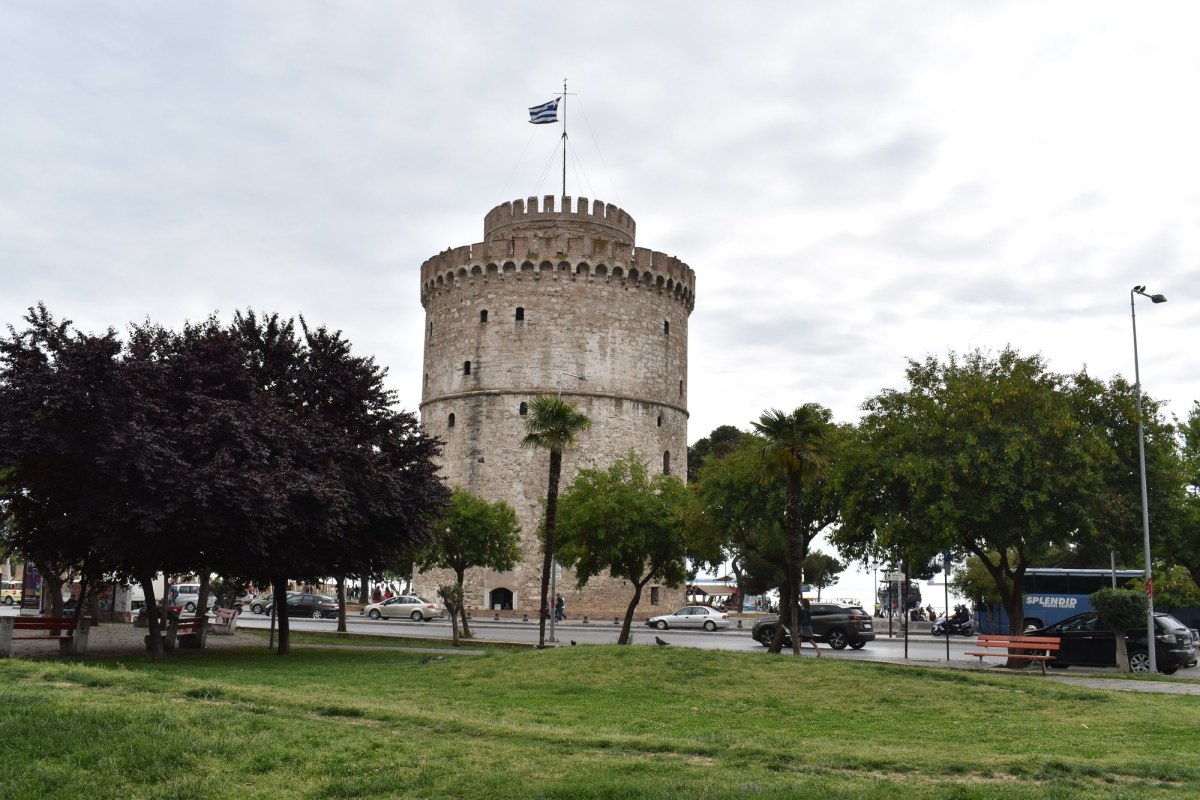
The north: Thessaloniki, the tombs of Alexander’s family, and the monastic republic on Mount Athos.
Ionian Islands
Region
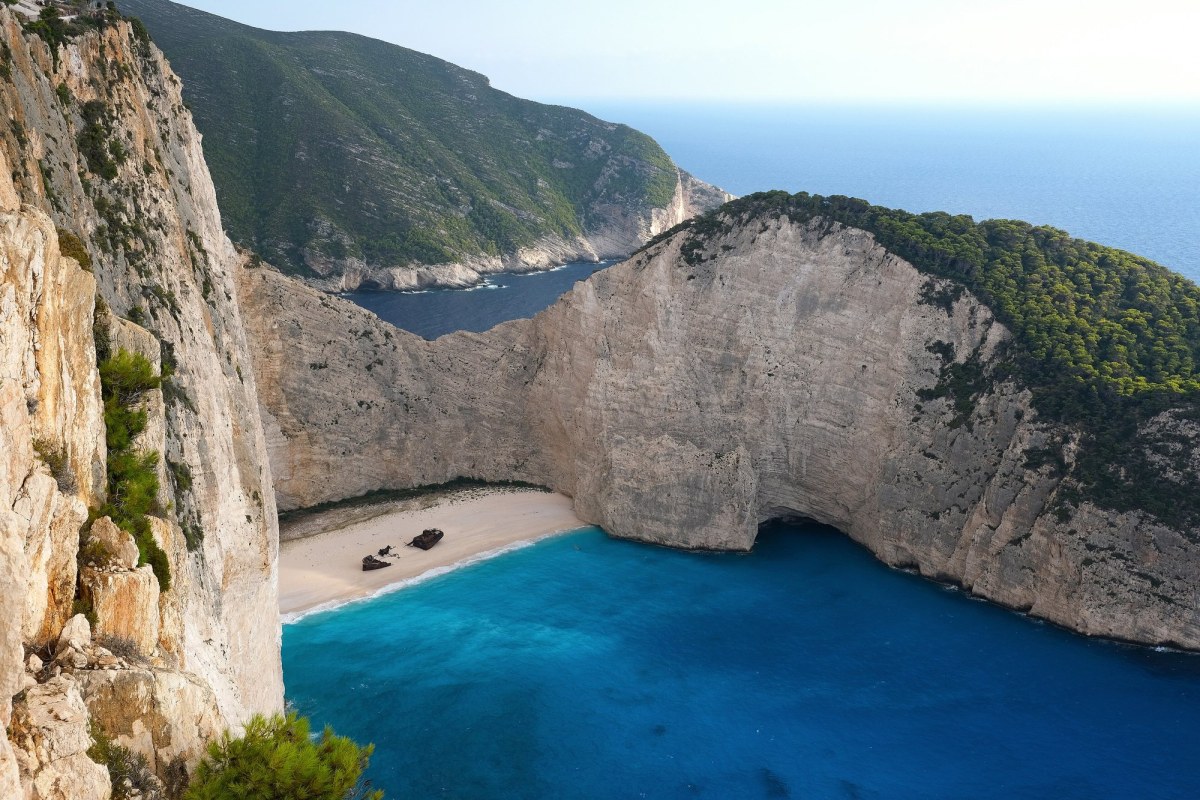
Green islands on the west coast, Venetian rather than Ottoman, and wetter than the Aegean.
Peloponnese
Region
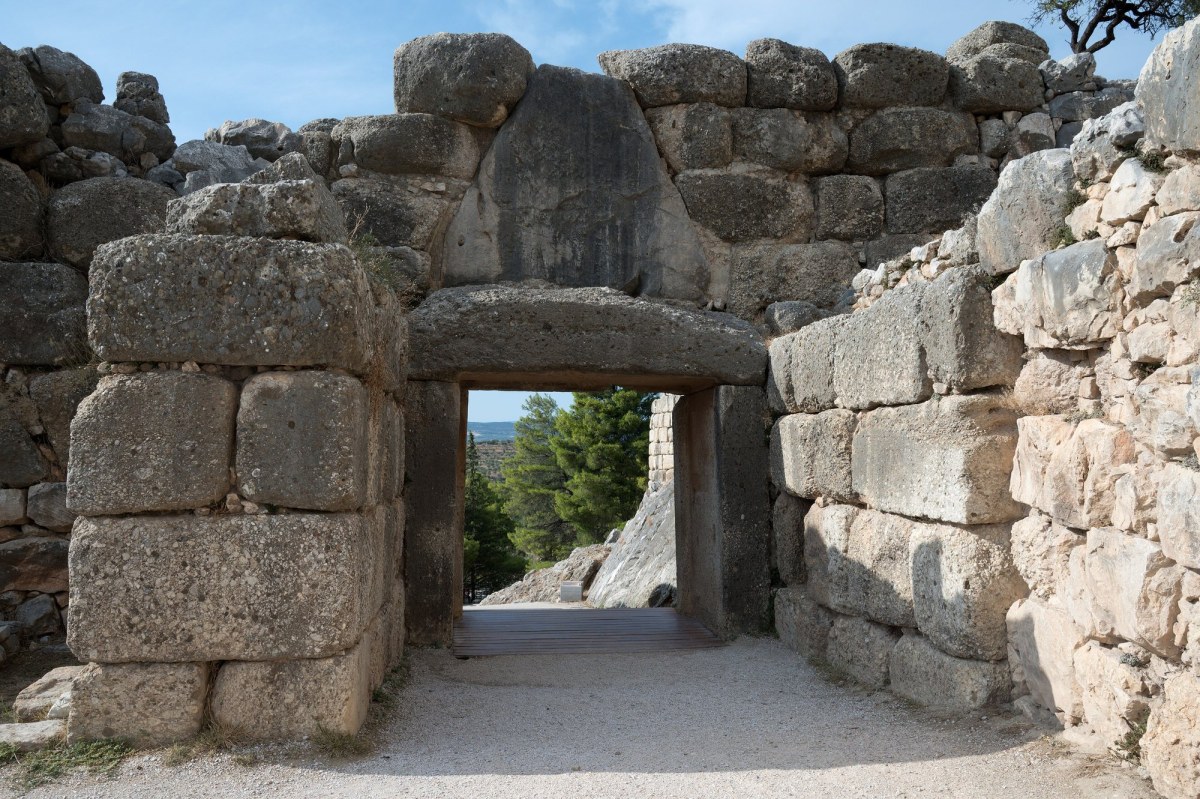
The peninsula south-west of Athens, holding Mycenae, Olympia and Epidaurus, and more castles than anywhere else in Greece.
Thessaly
Region
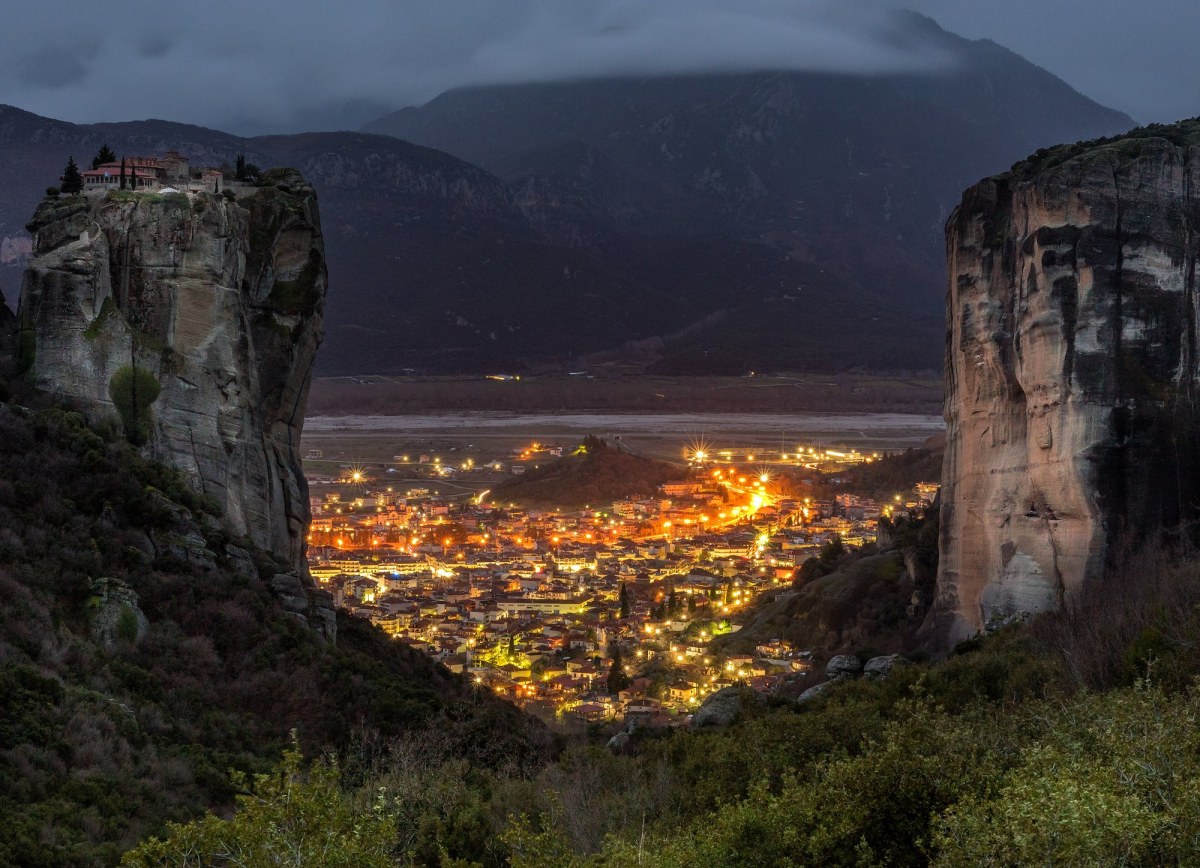
A wide farming plain with monasteries on rock pillars at one edge and a wooded peninsula at the other.
Inside Greece
Towns and cities
12 to explore
Athens
Town or city
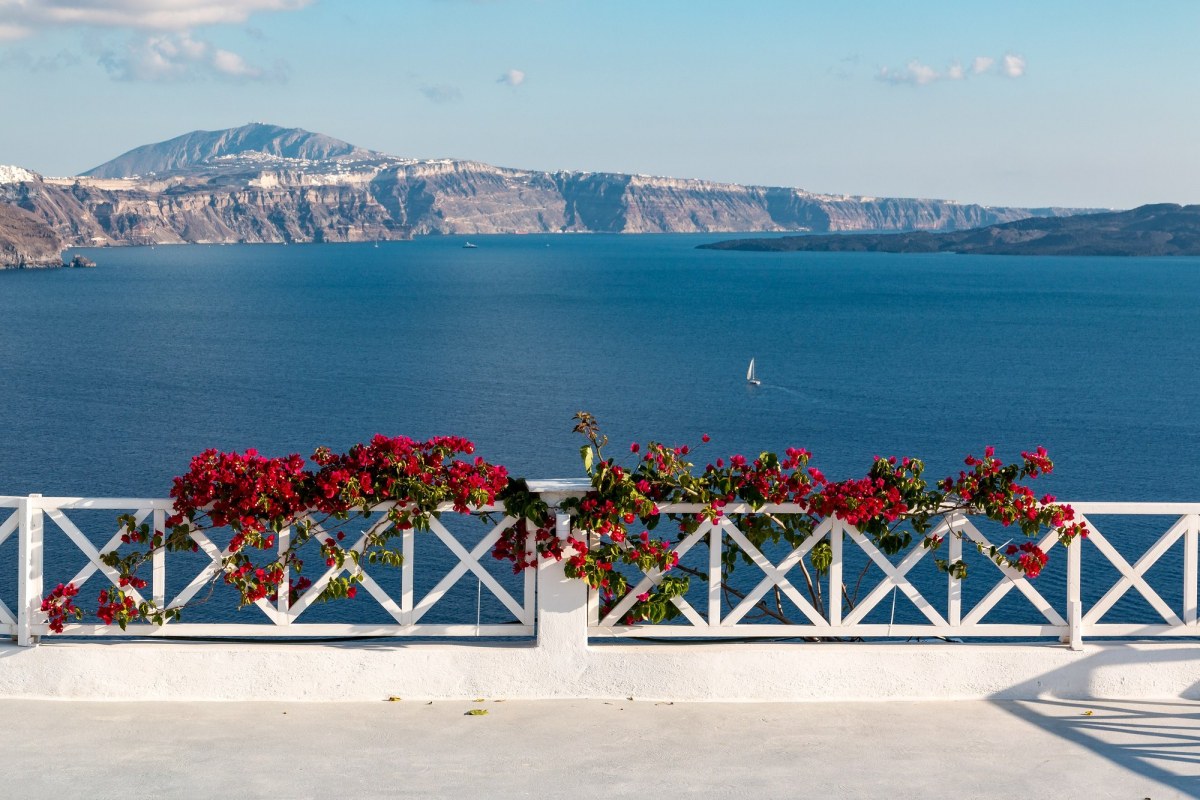
A capital with a fifth-century BC temple on a rock in the middle of it, and a great deal more underneath.
Corfu Town
Town or city
A Venetian town with a British parade ground and an Italian arcade, and cricket on the green.
Heraklion
Town or city
Crete’s capital and the way in to Knossos, with the museum that holds what the Minoans left.
Thessaloniki
Town or city
The second city: Roman, Byzantine and Ottoman layers in the same streets, and the best eating in Greece.
Thira
Town or city
The town on the rim of Santorini’s caldera, three hundred metres above the water.
Inside Greece
Landmarks
12 to explore
Acropolis of Athens
Landmark
The rock above Athens and the buildings put on it in a single generation of the fifth century BC.
Ancient Olympia
Landmark
The sanctuary where the games were held every four years for a thousand years.
Archaeological Site of Delphi
Landmark
The oracle the whole Greek world consulted, on a terrace above a valley of olives.
Mycenae
Landmark
The Bronze Age citadel Homer wrote about, with a lion gate and shaft graves full of gold.
Oia
Landmark
The village at the northern tip of Santorini, and the most photographed sunset in Greece.
Old Harbour of Chania
Landmark
A Venetian harbour with a lighthouse on the mole and the galley docks still standing.
Palace of the Grand Master
Landmark
The crusader palace at the top of Rhodes, rebuilt in the 1930s as an Italian idea of one.
Theatre of Epidaurus
Landmark
A fourth-century BC theatre whose acoustics still work, and which is still used.
White Tower of Thessaloniki
Landmark
The Ottoman tower on the Thessaloniki seafront, and the city museum inside it.
Plan the trip
Explore Greece
Start with the regions, then the towns, then the sights worth a detour — each with its own page and its own pin on the map.
Start anywhere and follow the links. The guides and itineraries join these places into routes you can actually travel.
Credit: Europe by Giddo
Every place above is on this map. The lists on this page are the same content in the same order.