

Where to stay in France
See the hotels and apartments available on Booking.com · This is an affiliate link with our partner. Europe by Giddo may earn a commission from a purchase made through it, at no extra cost to you.
France packs an improbable amount of landscape into one country. In a single week you can stand under the glass roof of a Paris railway station, walk a Normandy beach, taste your way through a Burgundy village and end up on a Mediterranean beach with mountains behind you. Few European countries reward slow travel as generously, and few are as easy to cross by train.
Our partner
Travel insurance · 5% off for our readers
Get a quoteParis is the obvious beginning: the Louvre, the Musée d'Orsay, Notre-Dame, Montmartre and the long formal sweep of the Champs-Élysées. But the capital is only one France among many. The Loire Valley strings together Renaissance châteaux along a wide, lazy river. Normandy and Brittany face the Atlantic with cliffs, oyster beds, walled ports and the tidal island of Mont-Saint-Michel. Alsace, on the German border, keeps half-timbered villages and its own cuisine.
The south changes the light entirely. Provence is the France of stone villages, Roman amphitheatres at Nîmes and Arles, and the Pont du Gard aqueduct. The Côte d'Azur runs from Marseille through Cannes and Nice to the Italian border. Inland, the Dordogne hides prehistoric painted caves and fortified market towns, while the Camargue is flat, salty and full of birds.
Then there are the mountains. The French Alps rise to Mont Blanc, the highest summit in Western Europe, with Chamonix and Annecy at their feet. The Pyrenees form the Spanish frontier, quieter and wilder. The Massif Central in the middle of the country is volcanic, green and largely unvisited by outsiders.
Food and wine are not a side attraction here; they are the reason many people come. Bordeaux, Burgundy, Champagne, the Rhône and the Loire each have their own wine landscape, and every region has bread, cheese and a market morning worth planning a day around. The language is French, and even a few words of it changes how a visit feels.
France works well in every season. Spring and early autumn are kindest for cities and vineyards, high summer belongs to the coasts and the mountains, and winter turns the Alps into one of the largest ski regions on earth.
The high-speed rail network makes long distances painless — Paris to Marseille, Bordeaux or Strasbourg all take a few hours — while the countryside opens up properly with a car. France shares borders with eight countries, so it combines with almost any European route. Book the coast and the Alps early for July and August, when the whole country takes its holiday at once.
Common questions
- What is the capital of France?
- The capital of France is Paris.
- What currency is used in France?
- France uses the Euro (EUR).
- What language is spoken in France?
- The official language is French.
- When is the best time to visit France?
- Temperate in the north and west, Mediterranean in the south, alpine in the mountains.
- Which side of the road do you drive on in France?
- In France you drive on the right.
- What plug sockets are used in France?
- France uses type C, E sockets.
- What is the dialling code for France?
- The international dialling code for France is +33.
Partner
Inside France
Regions
9 to explore
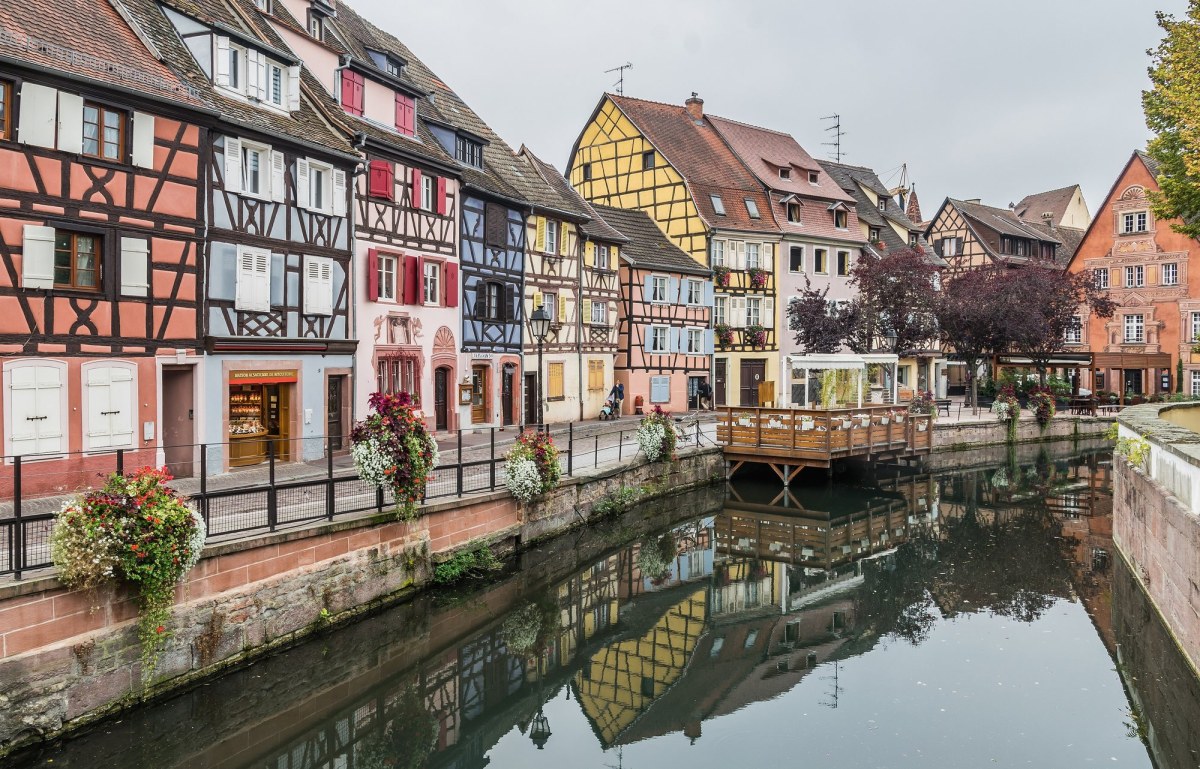
Alsace
Region
Timbered villages and vineyards on the German border, with a food and building tradition that belongs to both sides of the Rhine.
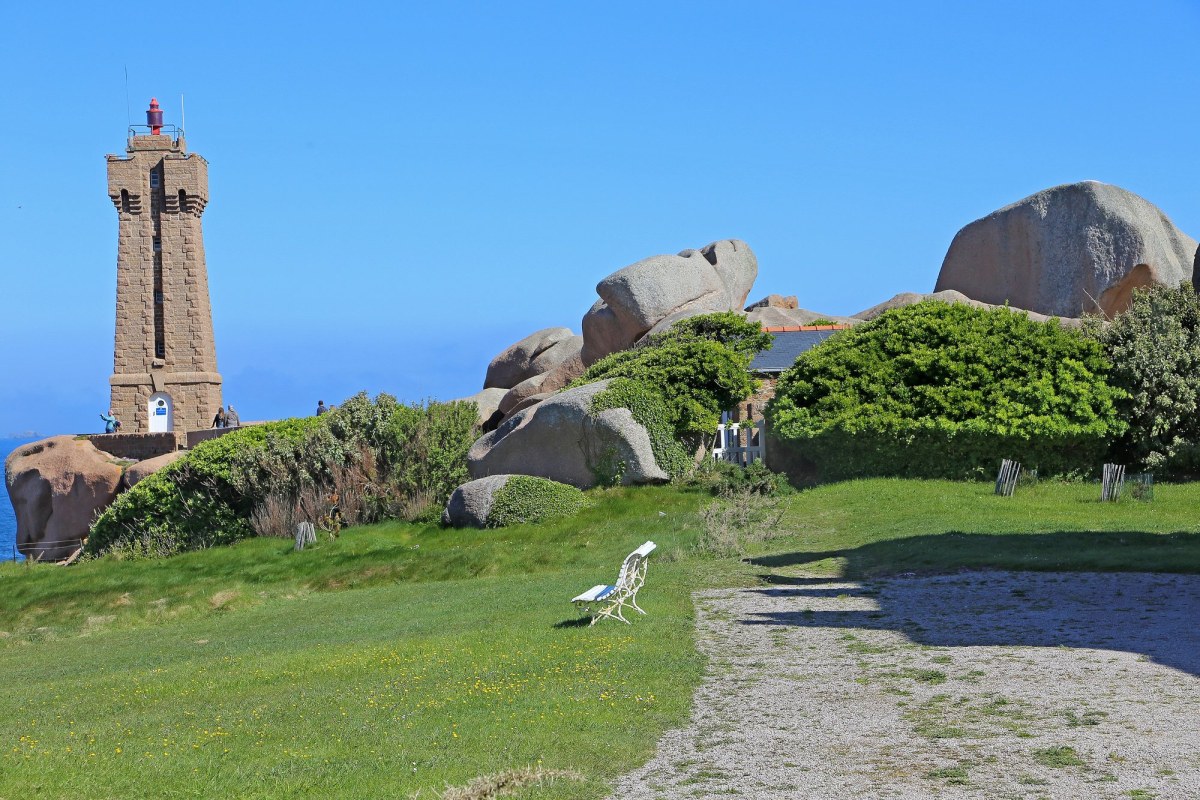
Brittany
Region
A granite peninsula with its own language, a coastline of pink rock and long tides, and standing stones older than the pyramids.
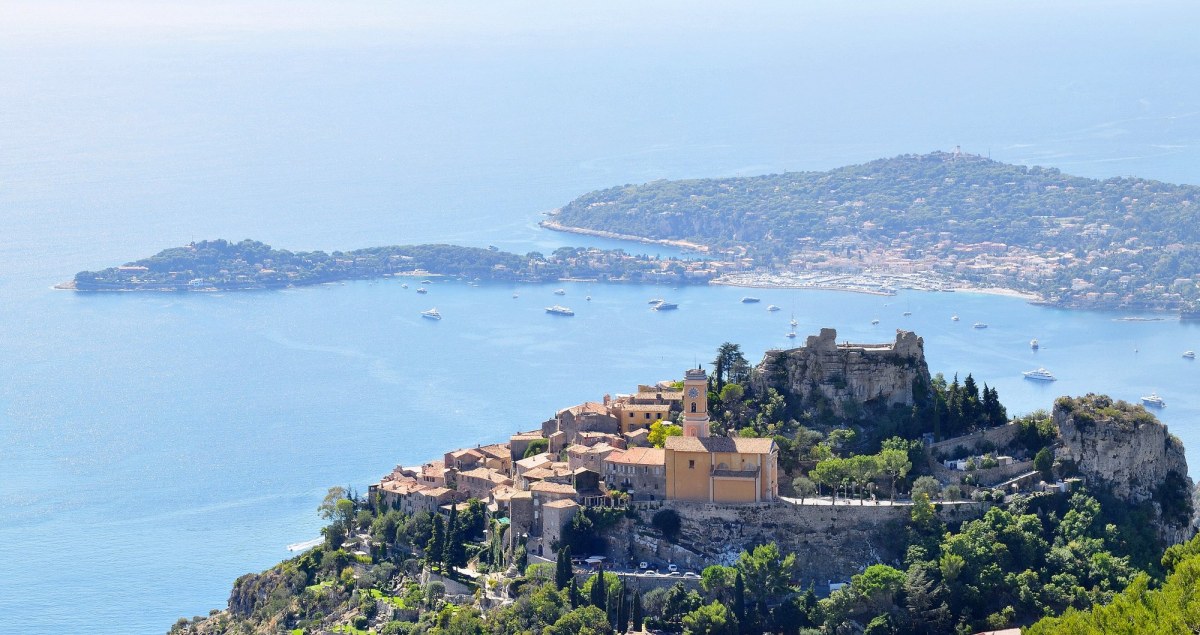
Côte d’Azur
Region
The Mediterranean coast from Saint-Tropez to the Italian border — resort towns, corniche roads and a run of modern-art museums.
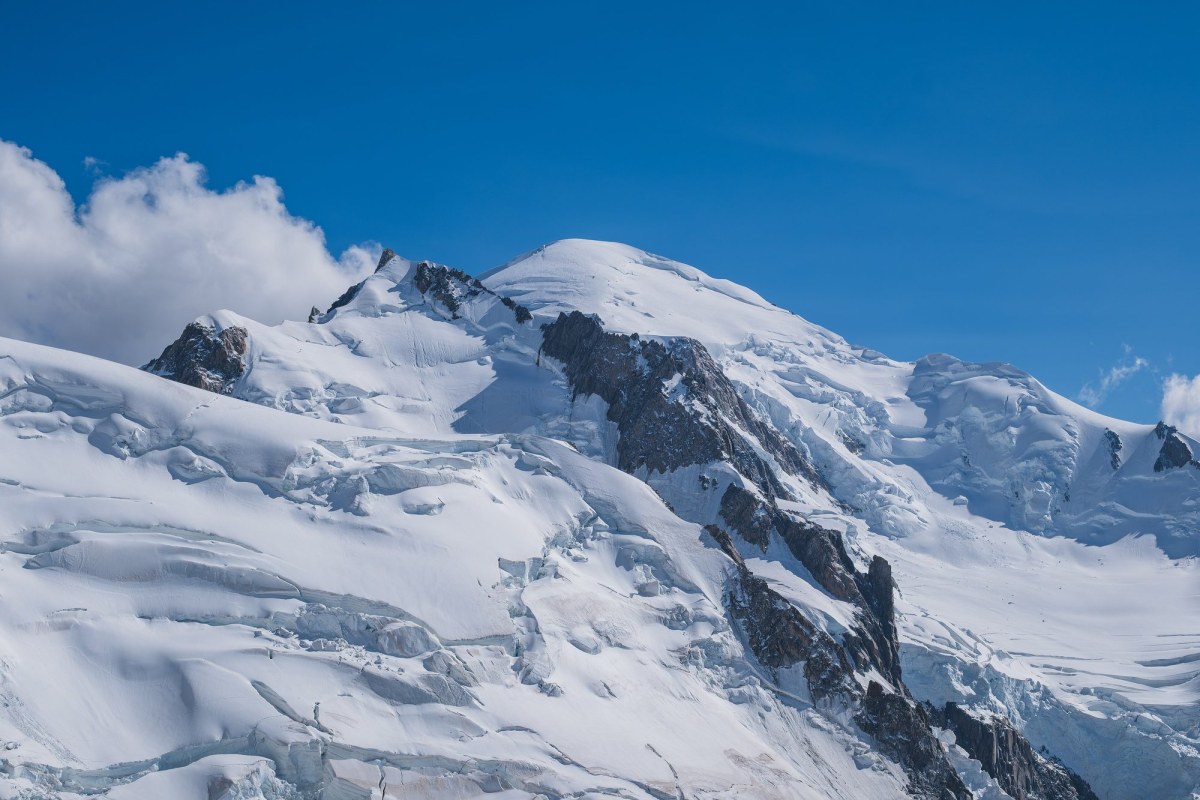
French Alps
Region
The highest mountains in western Europe, with the largest linked ski areas in winter and long valley walks the rest of the year.
Île-de-France
Region
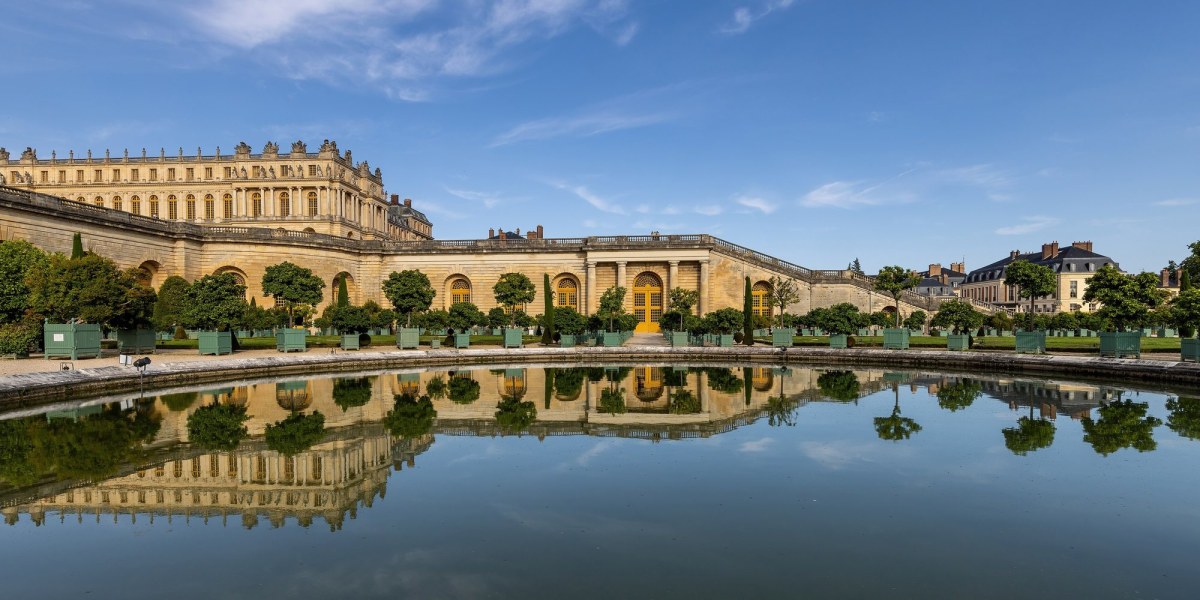
The region around Paris, where the capital, the royal châteaux and the cathedral towns that shaped Gothic architecture all sit within an hour of one another.
Loire Valley
Region
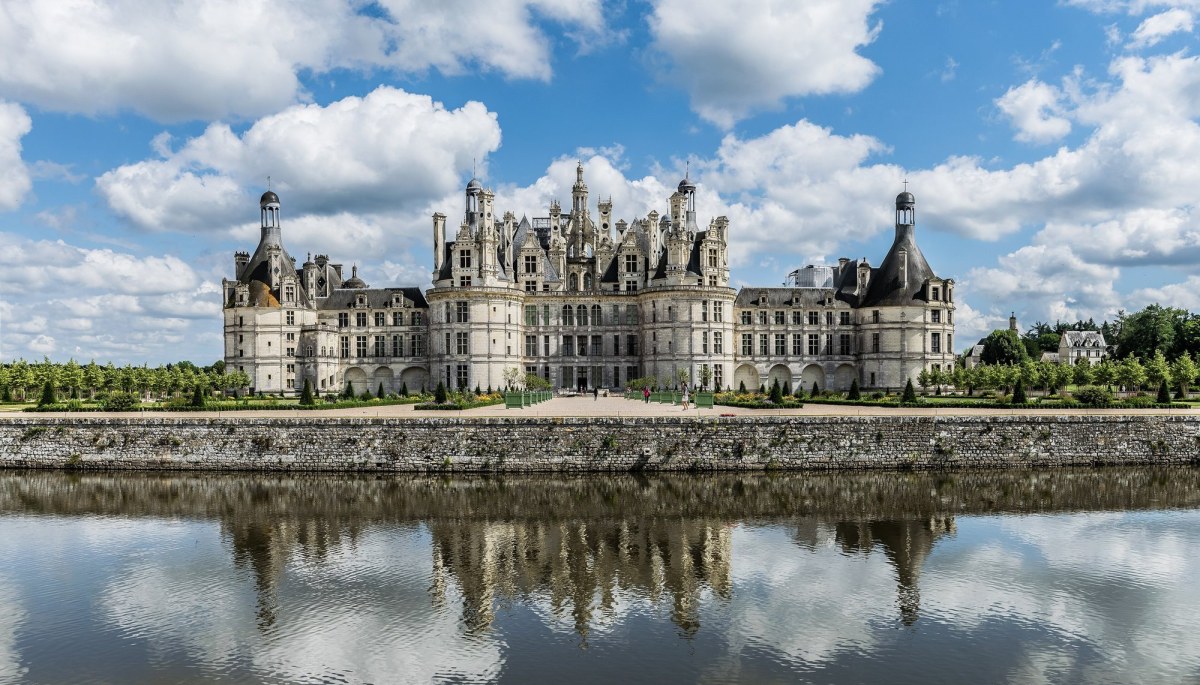
A slow river with a run of Renaissance châteaux along it, close enough together to see several in a day and grand enough that you should not.
Normandy
Region
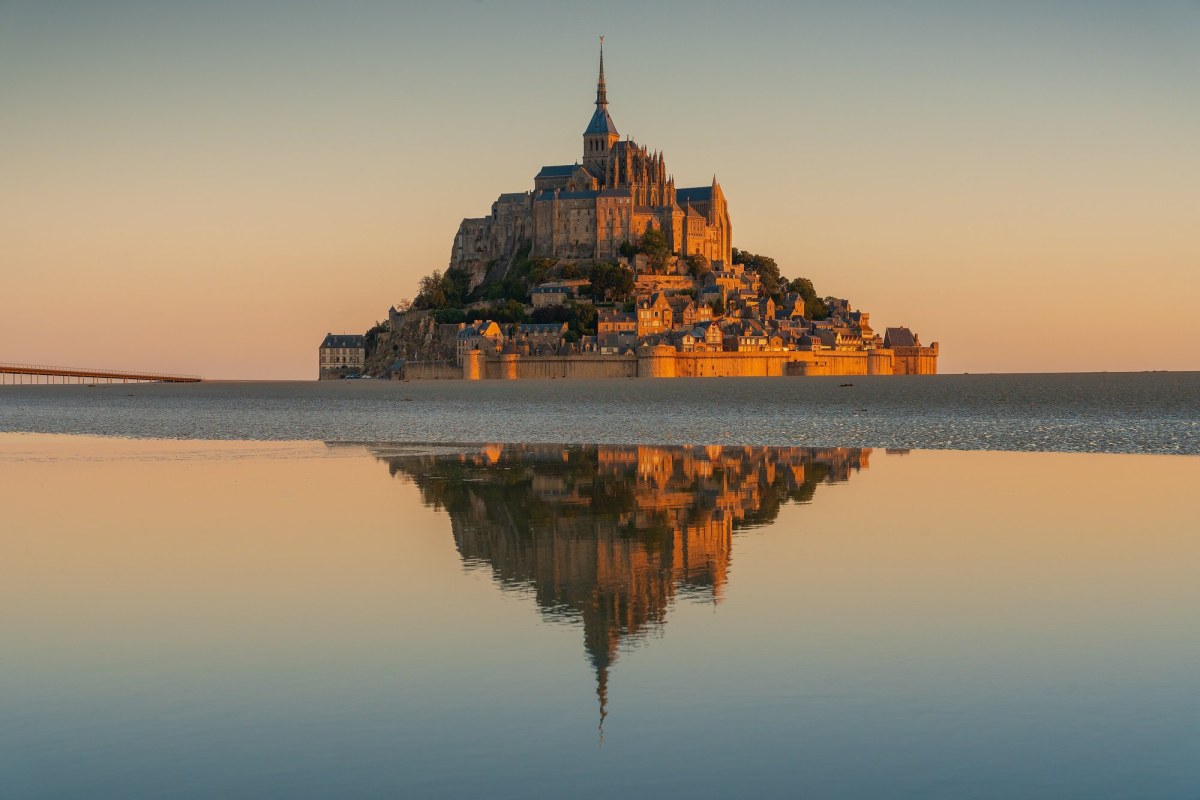
Chalk cliffs, apple country and the landing beaches, with an abbey on a tidal island that is the most photographed building in France after the Eiffel Tower.
Occitania
Region
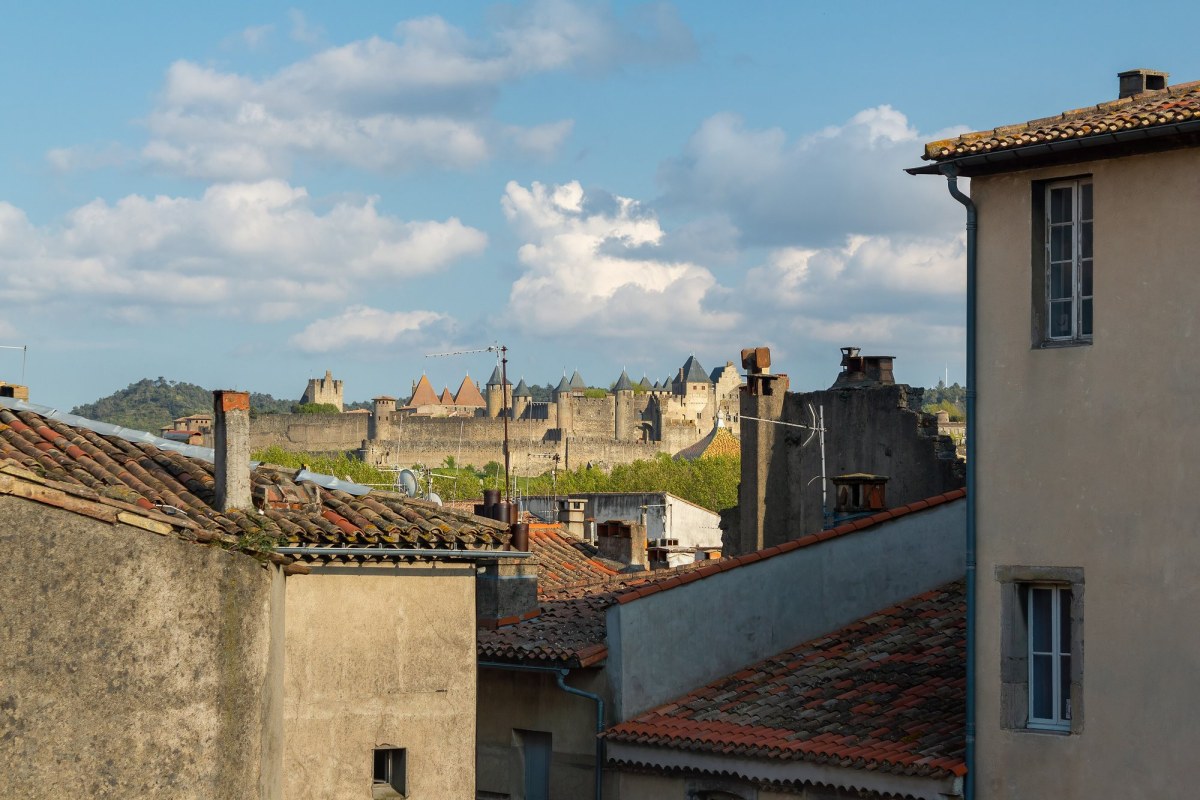
The south-west and the Mediterranean south: Toulouse and Carcassonne, the Pyrenees, and a language that gave the region its name.
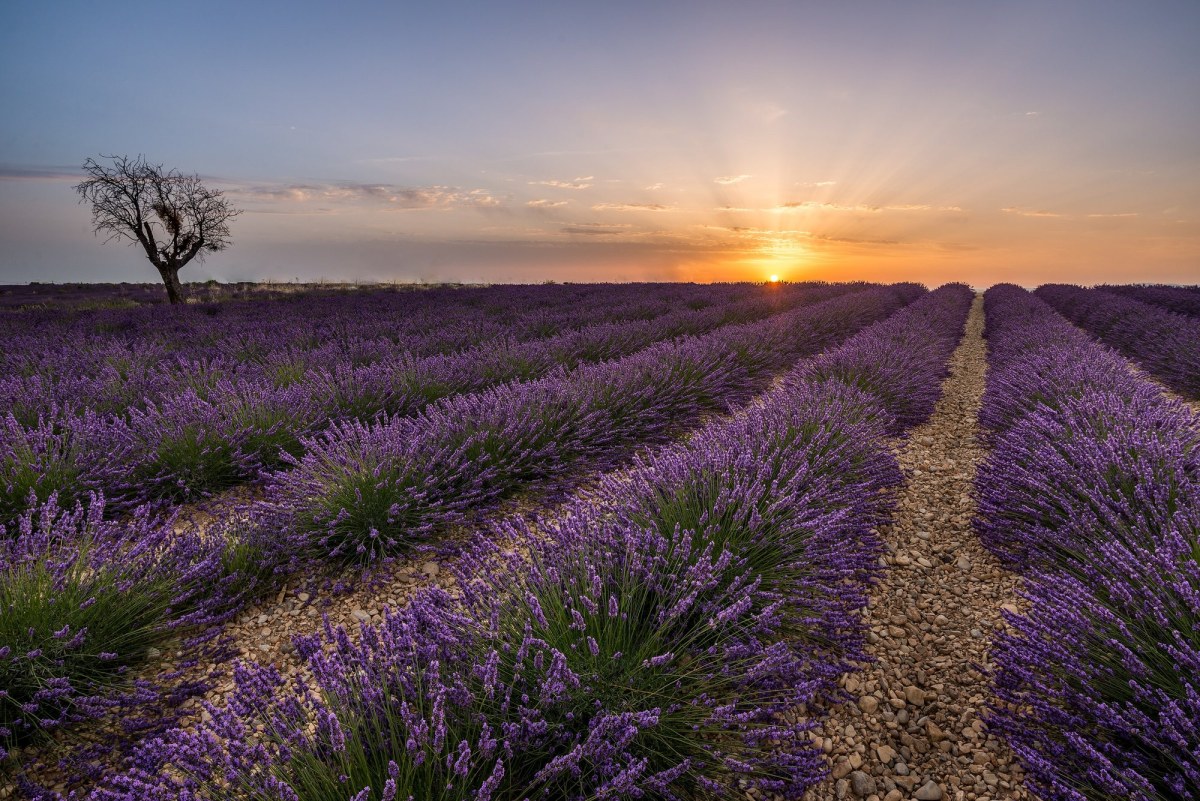
Provence
Region
Stone villages, Roman theatres and lavender plateaus between the Rhône and the Alps, in the light that pulled painters south.
Inside France
Towns and cities
11 to explore
Annecy
Town or city
An alpine lake town with canals running through its old quarter and mountains standing directly behind it.
Avignon
Town or city
A walled city on the Rhône that was the seat of the papacy for most of the fourteenth century, and still has the palace to prove it.
Bordeaux
Town or city
A river city of pale eighteenth-century stone, at the centre of the best-known wine region in the world.
Cannes
Town or city
A resort town on a sand bay, known worldwide for two weeks in May and pleasant for the other fifty.
Lyon
Town or city
Two rivers, two thousand years of building and a reputation for eating that the city takes seriously.
Marseille
Town or city
France’s oldest city and its largest port, rougher and more Mediterranean than anywhere else in the country.
Nice
Town or city
The working capital of the Riviera: an Italianate old town, a long pebble bay and the best transport links on the coast.
Paris
Town or city
The capital, and a city dense enough that the walk between two sights is usually as good as the sights themselves.
Rouen
Town or city
The Norman capital on the Seine, with a cathedral Monet painted repeatedly and a medieval centre rebuilt after the war.
Strasbourg
Town or city
A cathedral of pink sandstone, an island of timbered houses and canals, and the seat of the European Parliament.
Toulouse
Town or city
The pink brick city of the south-west, with a vast Romanesque basilica and Europe’s aerospace industry on its edge.
Inside France
Landmarks
11 to explore
Carcassonne
Landmark
A double-walled medieval city on a hill, with fifty-two towers and a nineteenth-century restoration that is now part of its history.
Château de Chambord
Landmark
The largest château on the Loire, built for François I, with a double-helix staircase and a roofline like a small town.
Dune du Pilat
Landmark
The tallest sand dune in Europe, on the Atlantic coast south of Arcachon, with forest on one side and ocean on the other.
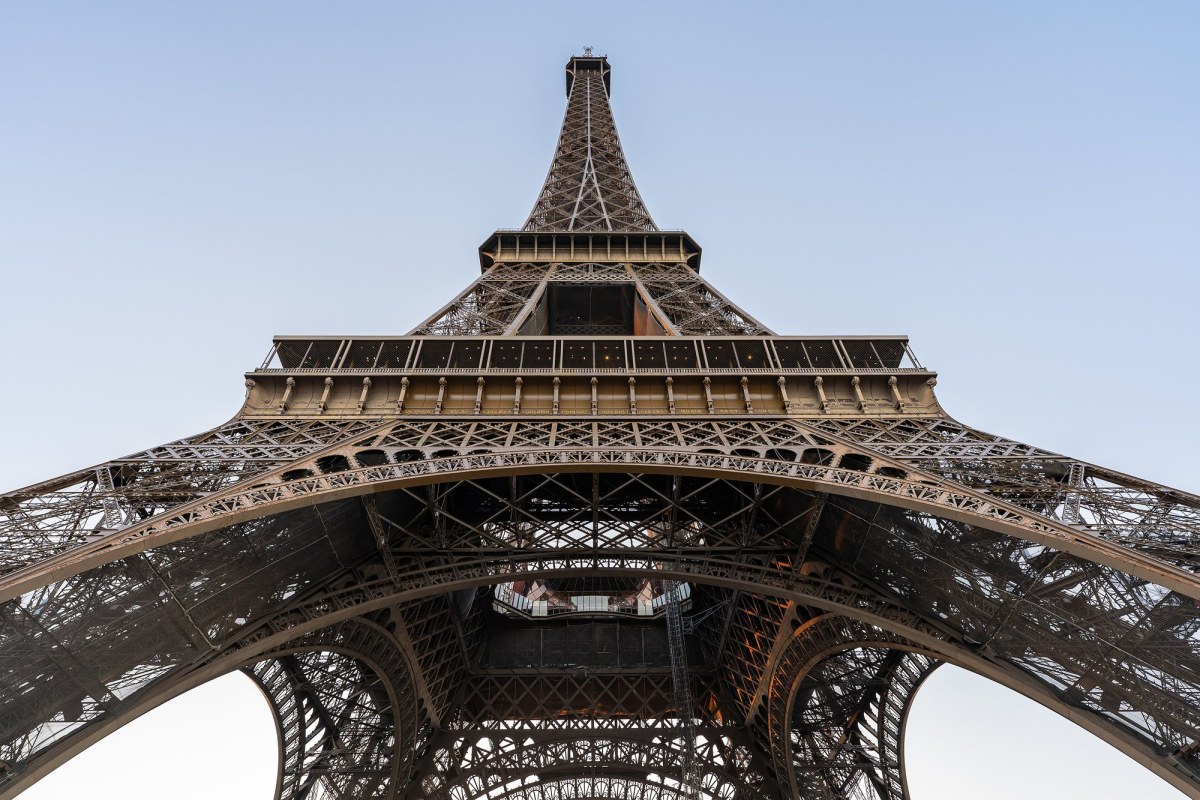
Eiffel Tower
Landmark
The iron tower built for the 1889 World’s Fair, meant to be temporary and never taken down.
Mont Blanc
Landmark
The highest summit in the Alps and in western Europe, above Chamonix, with a cable car to nearly 3,800 metres.
Mont-Saint-Michel
Landmark
An abbey stacked on a rock in a bay with one of the largest tidal ranges in Europe, surrounded by water at the highest tides.
Notre-Dame de Paris
Landmark
The Gothic cathedral on the Île de la Cité, begun in 1163, damaged by fire in 2019 and reopened in December 2024.
Palace of Versailles
Landmark
The palace Louis XIV moved the French court to in 1682, built to make the monarchy visible and the nobility dependent.
Palais des Papes
Landmark
The largest Gothic palace in Europe, built when the papacy moved from Rome to Avignon in the fourteenth century.
Pont du Gard
Landmark
A three-tiered Roman aqueduct bridge over the Gardon, part of a channel that carried water about fifty kilometres to Nîmes.
The Louvre
Landmark
A former royal palace holding one of the largest art collections in the world, entered through a glass pyramid.
Plan the trip
Explore France
Start with the regions, then the towns, then the sights worth a detour — each with its own page and its own pin on the map.
Start anywhere and follow the links. The guides and itineraries join these places into routes you can actually travel.
Credit: Europe by Giddo
Every place above is on this map. The lists on this page are the same content in the same order.