

Where to stay in Estonia
See the hotels and apartments available on Booking.com · This is an affiliate link with our partner. Europe by Giddo may earn a commission from a purchase made through it, at no extra cost to you.
Estonia is the northernmost of the Baltic states, closer in language and outlook to Finland than to its southern neighbours. It is small, flat, heavily forested and dotted with bogs, and about half the country is woodland.
Our partner
Travel insurance · 5% off for our readers
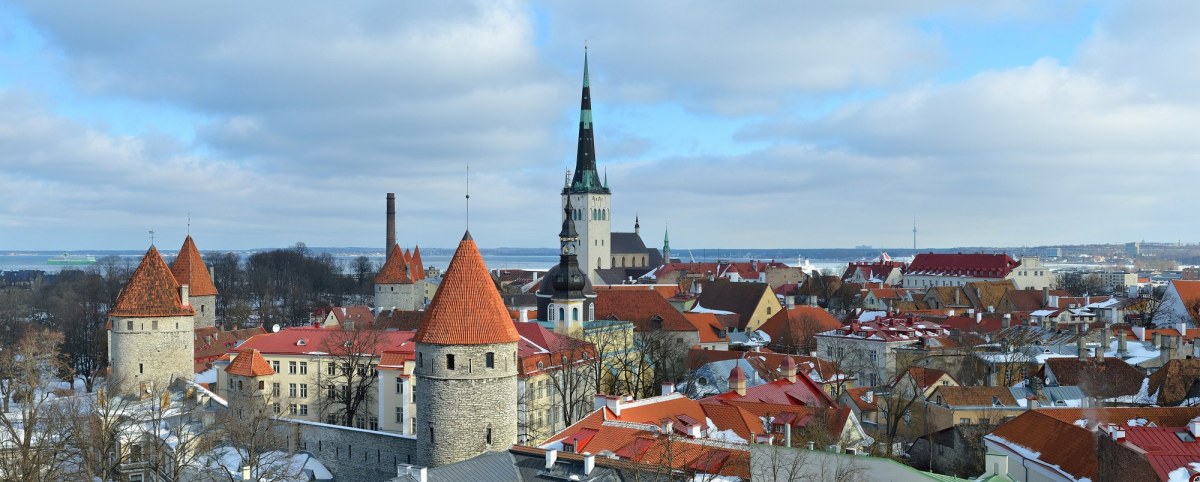
Get a quoteTallinn's old town is among the best-preserved medieval centres in Europe: complete town walls, defensive towers, a Gothic town hall and merchant houses from the Hanseatic period, all on a compact hill above the Baltic. The Kadriorg palace and park and the striking Seaplane Harbour maritime museum sit just outside it.
Tartu, inland to the south, is the university city and the intellectual counterweight to the capital, with a classical main building, a hilltop park and a lively student population. Pärnu on the west coast is the summer capital, with a long sandy beach and a spa tradition.
The islands are a world of their own. Saaremaa, the largest, has a moated castle at Kuressaare, juniper heaths, windmills and a meteorite crater at Kaali. Hiiumaa is quieter still, with old lighthouses. Both keep customs and dialects that faded on the mainland.
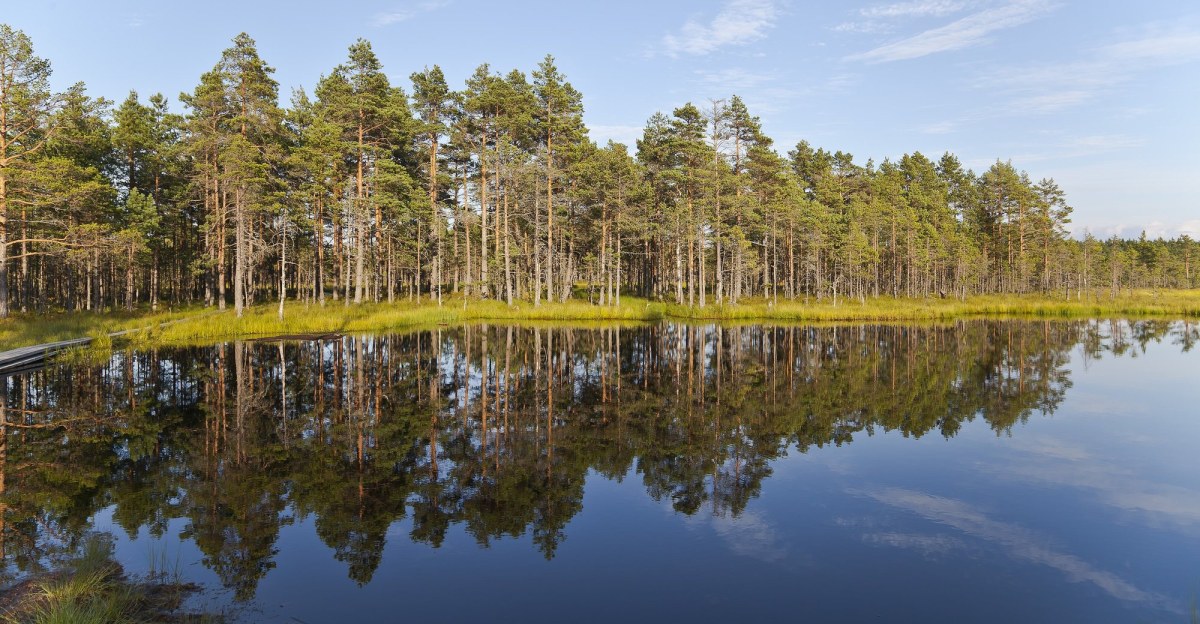
The national parks are the other draw. Lahemaa on the north coast combines bog boardwalks, boulder fields, manor houses and fishing villages; Soomaa is known for its fifth season, when spring meltwater floods the forest and canoes replace paths. Bog walking on raised wooden trails is a genuinely Estonian pastime.
Song is central to national identity: the Song Festival grounds in Tallinn hold tens of thousands of singers every five years, and the Singing Revolution took the country to independence. Estonian is unrelated to Russian or Latvian; English is widely spoken, and the country is one of the most digitally organised in Europe.
Tallinn is two hours from Helsinki by ferry and an easy bus ride from Riga and St Petersburg's border, which makes Estonia a natural part of a Baltic or Nordic route. Buses cover the mainland well; the islands run on ferry timetables that thin out sharply in winter. Summer is short, green and busy; the shoulder seasons are quiet and cheap.
Common questions
- What is the capital of Estonia?
- The capital of Estonia is Tallinn.
- What currency is used in Estonia?
- Estonia uses the Euro (EUR).
- What language is spoken in Estonia?
- The official language is Estonian.
- When is the best time to visit Estonia?
- Cold snowy winters and very short days; mild summers with long light evenings.
- Which side of the road do you drive on in Estonia?
- In Estonia you drive on the right.
- What plug sockets are used in Estonia?
- Estonia uses type C, F sockets.
- What is the dialling code for Estonia?
- The international dialling code for Estonia is +372.
Partner
Inside Estonia
Regions
10 to explore
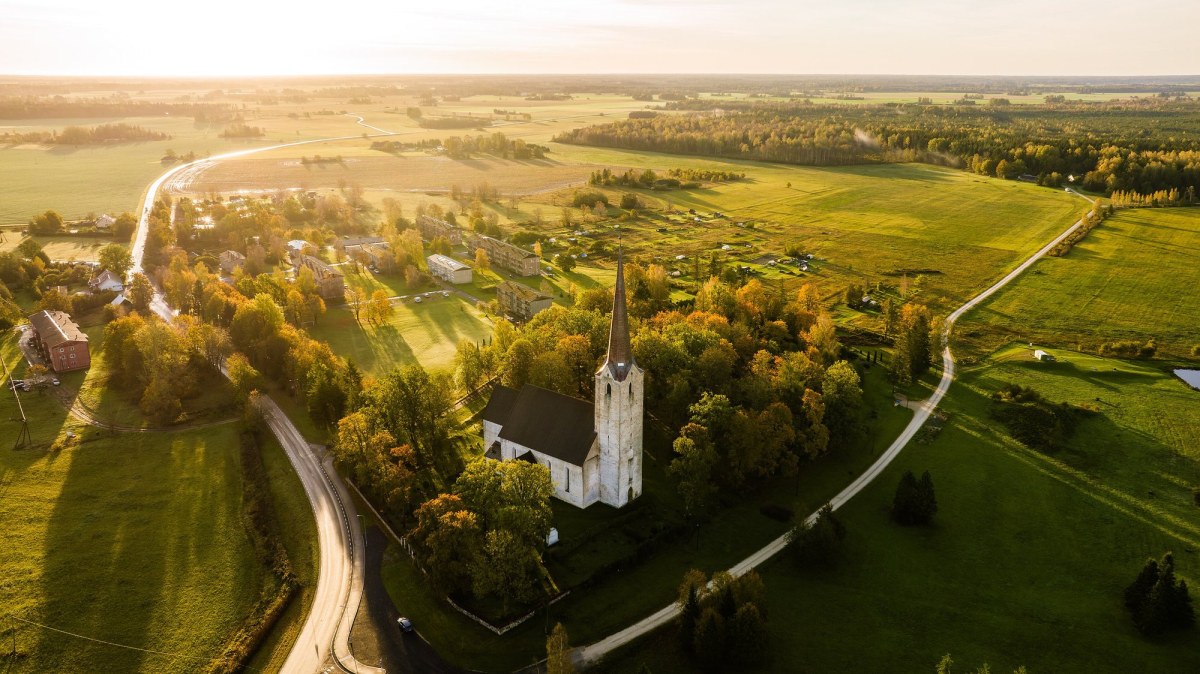
Central Estonia
Region
The quiet middle: farmland, the country’s longest river, and a spring that fills a river in a day.
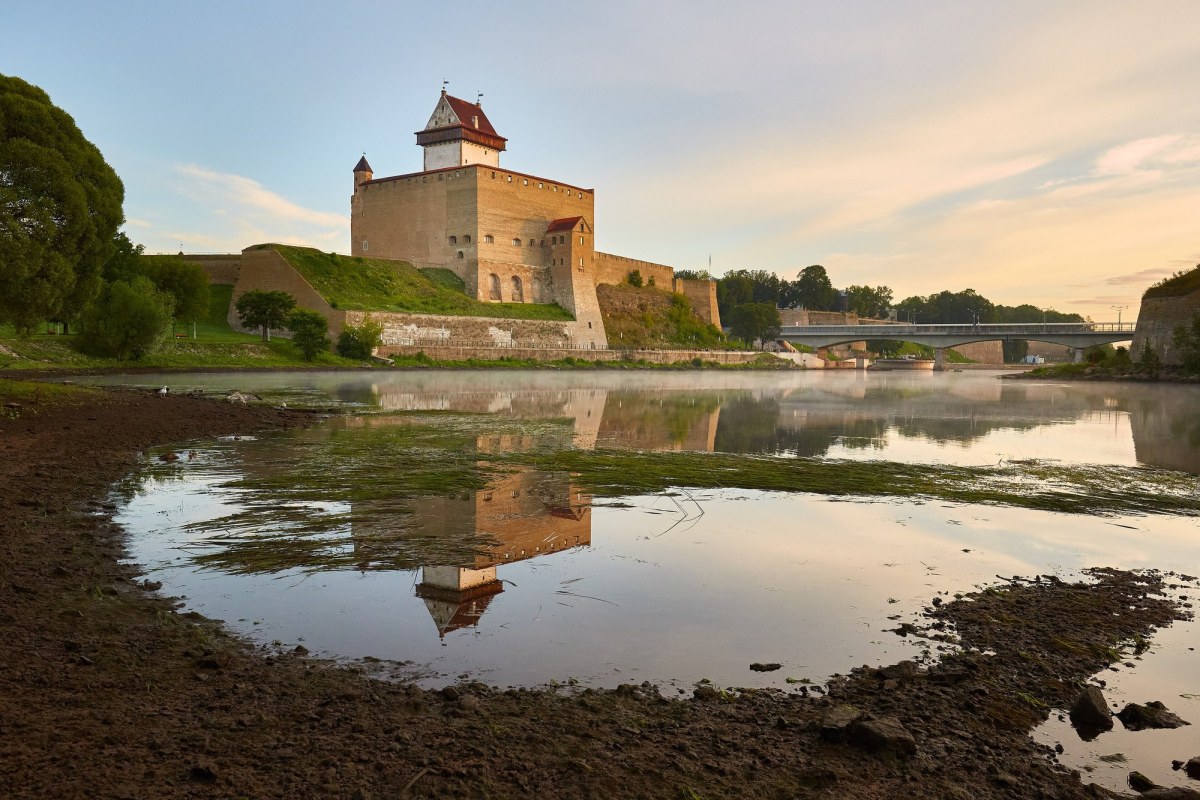
Lake Peipus and the East
Region
A very large lake on the Russian border, with Old Believer villages along one shore.
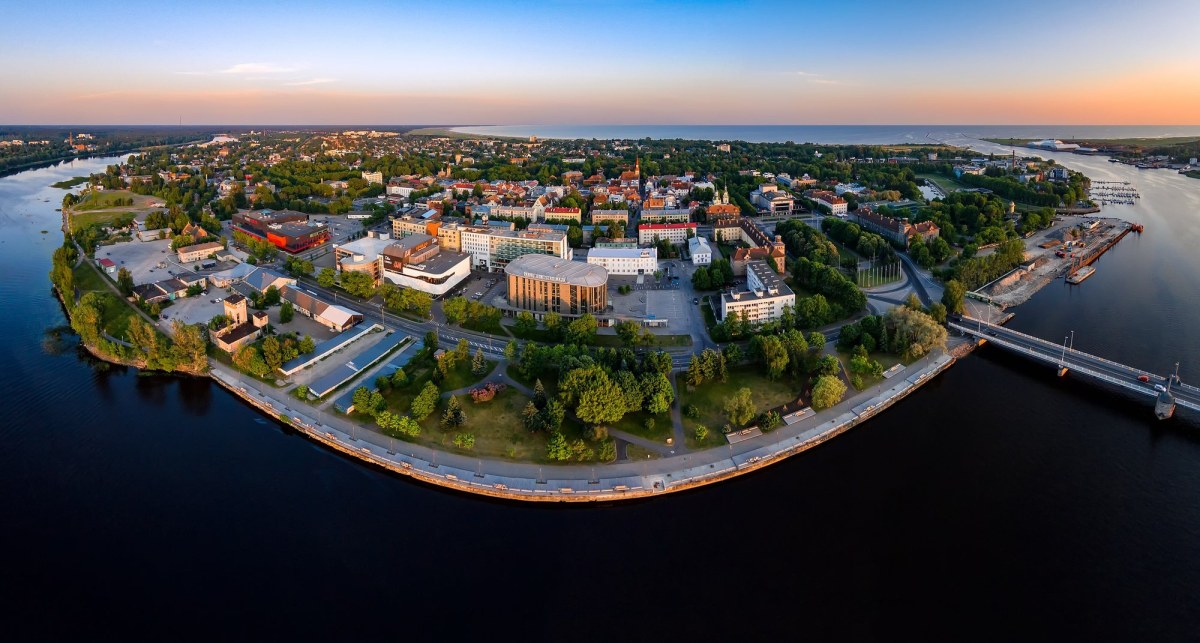
Pärnu and the West Coast
Region
The summer capital: a long sandy beach, a spa tradition and flat coastal meadow behind.
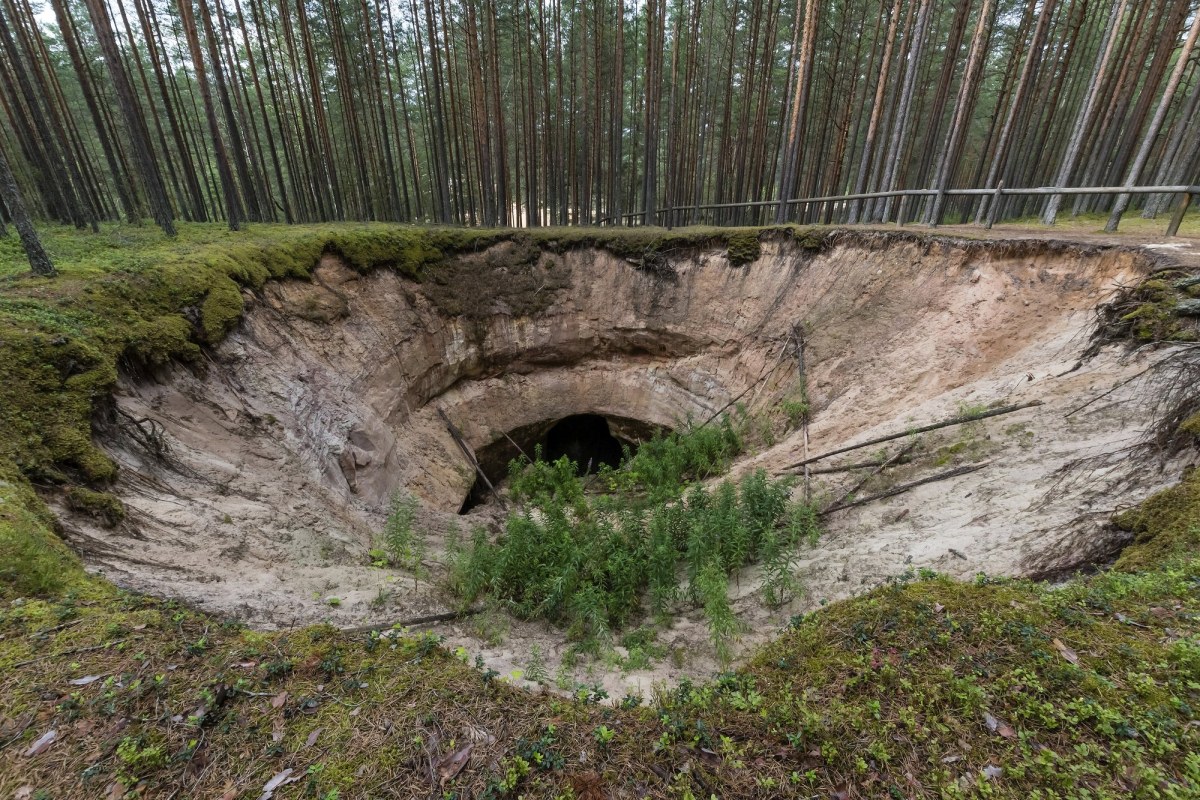
Setomaa
Region
A small region in the south-east corner with its own people, faith and singing tradition.
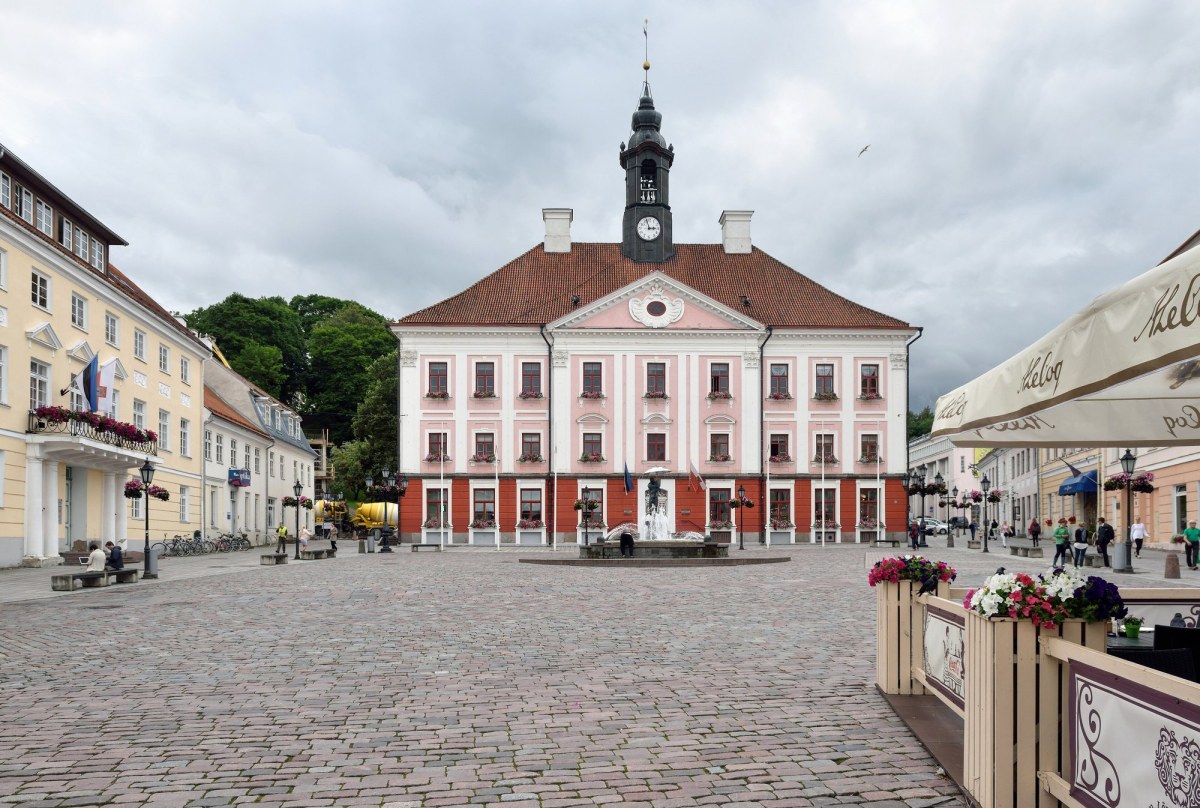
Southern Estonia
Region
Hills, lakes and forest, with the university town and the highest ground in the Baltics.
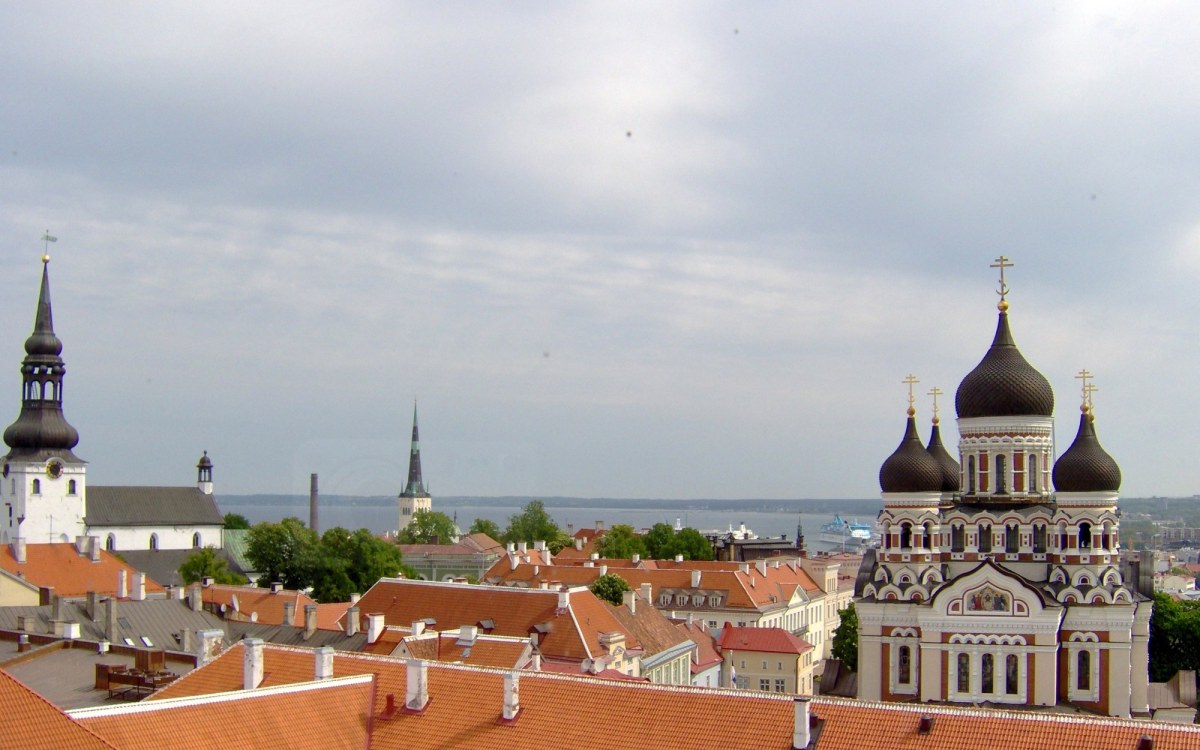
Tallinn and Harju
Region
The capital with a walled medieval town, and a coast of limestone cliffs behind it.
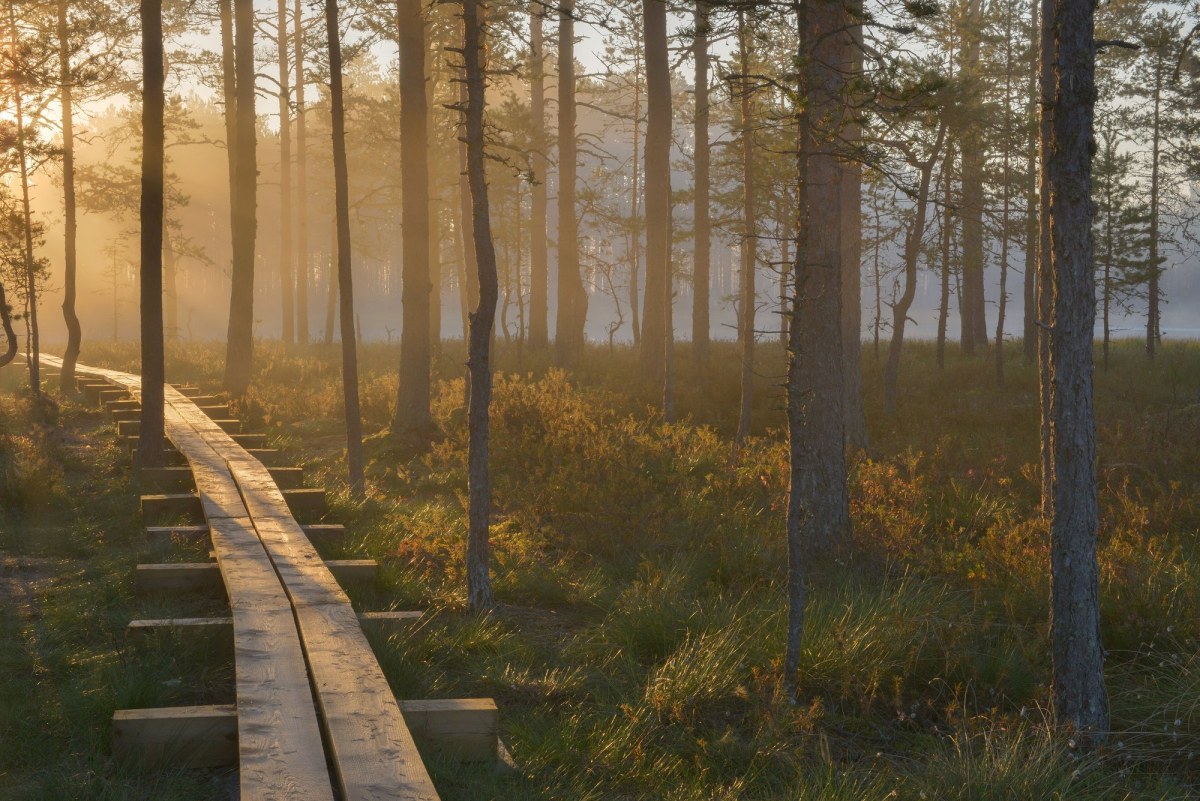
The Bogs and Forests
Region
Raised peat bogs and forest across half the country, walked on boardwalks.
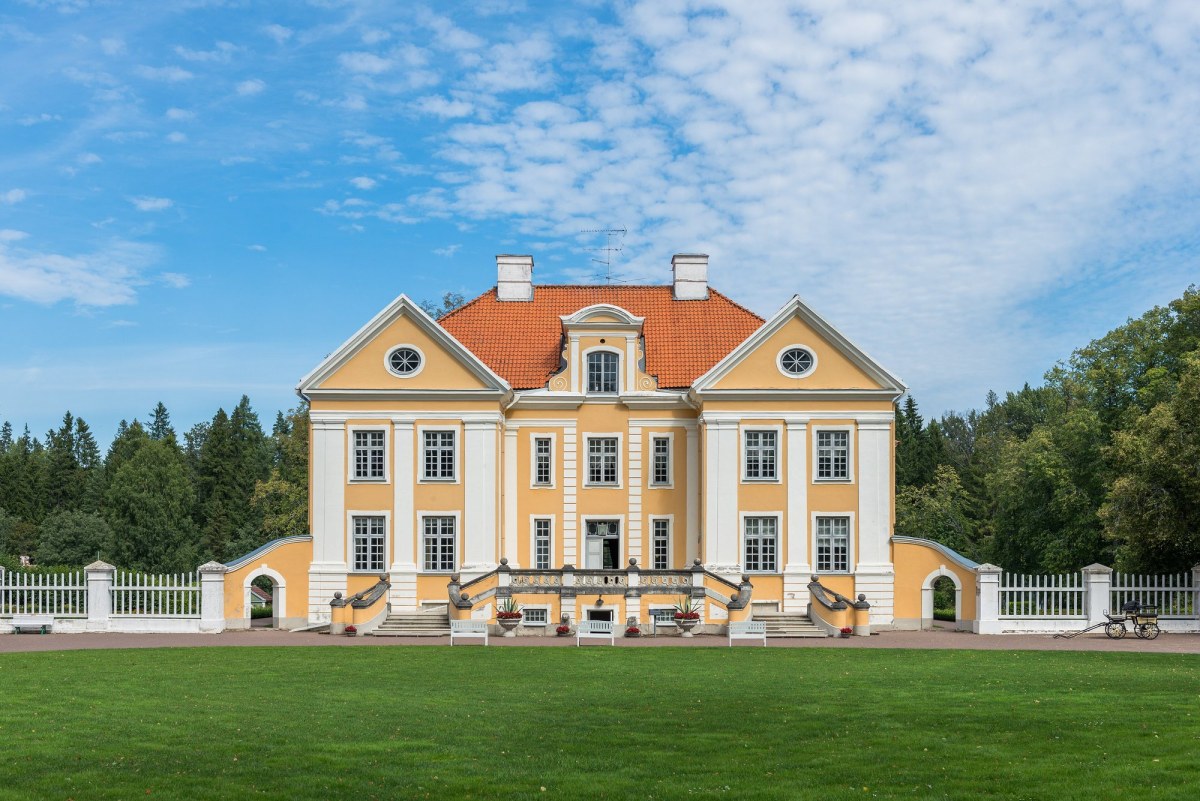
The Estonian Manors
Region
Baltic German country houses across the whole country, several hundred of them.
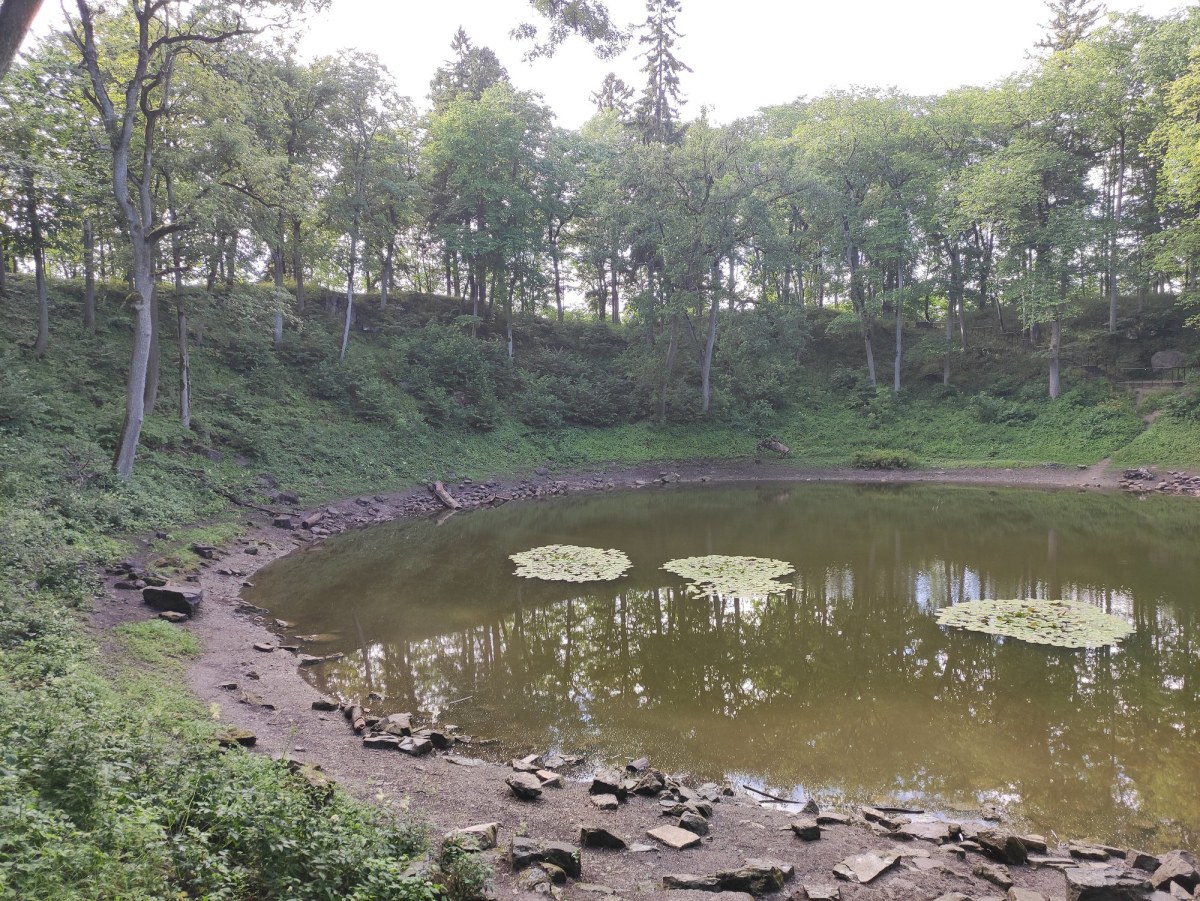
The West Estonian Islands
Region
Saaremaa, Hiiumaa and a great many smaller islands, slower and older than the mainland.
Virumaa
Region
The north-east: manor houses, a limestone coast and the country’s oil shale industry.
Inside Estonia
Towns and cities
12 to explore
Haapsalu
Town or city
A small resort town of wooden lace and mud cures, with a bishop’s castle and a ghost.
Kuressaare
Town or city
The town of Saaremaa, built around the best-preserved medieval castle in the Baltics.
Narva
Town or city
A border city where two castles face each other across a river, one in each country.
Obinitsa
Town or city
A Seto village above a lake, where a minority language and its singing are still held on to.
Paide
Town or city
The town at the geographical centre of the country, with a tower on a hill in the middle of it.
Rakvere
Town or city
A northern town with a castle ruin, a very large bronze bull and a manor belt around it.
Tallinn
Town or city
A walled medieval trading town on the Gulf of Finland, and the capital of a digital state.
Tartu
Town or city
The university town, older than the capital in spirit and considerably younger in population.
Viljandi
Town or city
A town above a lake with castle ruins on the ridge and the largest folk festival in the Baltics.
Inside Estonia
Landmarks
12 to explore
Alexander Nevsky Cathedral, Tallinn
Landmark
A Russian revival cathedral placed on Toompea to face the seat of Estonian power.
Estonian National Museum
Landmark
A very long building on a Soviet runway, deliberately pointing down it.
Kaali Meteorite Craters
Landmark
A field of craters on Saaremaa made by a meteorite that fell within human memory.
Kihnu Island
Landmark
A small island whose culture is on the UNESCO list and is run largely by women.
Kuressaare Castle
Landmark
The most completely preserved medieval castle in the Baltic states, in a moat on an island.
Lahemaa National Park
Landmark
Bog, forest, manor houses and fishing villages on the northern coast, and the first national park in the USSR.
Narva Castle
Landmark
A Danish and Livonian keep on a border river, staring at a Russian fortress across the water.
Rummu Quarry
Landmark
A flooded limestone quarry with a prison at the bottom of it, visible through the water.
Seaplane Harbour
Landmark
A maritime museum in a concrete seaplane hangar, with a submarine inside it.
Suur Munamägi
Landmark
The highest point in the Baltic states, with a tower on it because the trees are taller than the view.
Tallinn Old Town
Landmark
A Hanseatic town inside its walls, with the merchants below and the rulers above.
Valaste Waterfall
Landmark
The highest waterfall in Estonia, going over the limestone cliff of the Baltic Klint.
Plan the trip
Explore Estonia
Start with the regions, then the towns, then the sights worth a detour — each with its own page and its own pin on the map.
Start anywhere and follow the links. The guides and itineraries join these places into routes you can actually travel.
Credit: Europe by Giddo
Every place above is on this map. The lists on this page are the same content in the same order.