

Where to stay in Denmark
See the hotels and apartments available on Booking.com · This is an affiliate link with our partner. Europe by Giddo may earn a commission from a purchase made through it, at no extra cost to you.
Denmark is the smallest and flattest of the Nordic countries and the easiest to reach from continental Europe. It is made of a peninsula and some four hundred islands, and no point is far from the sea.
Our partner
Travel insurance · 5% off for our readers
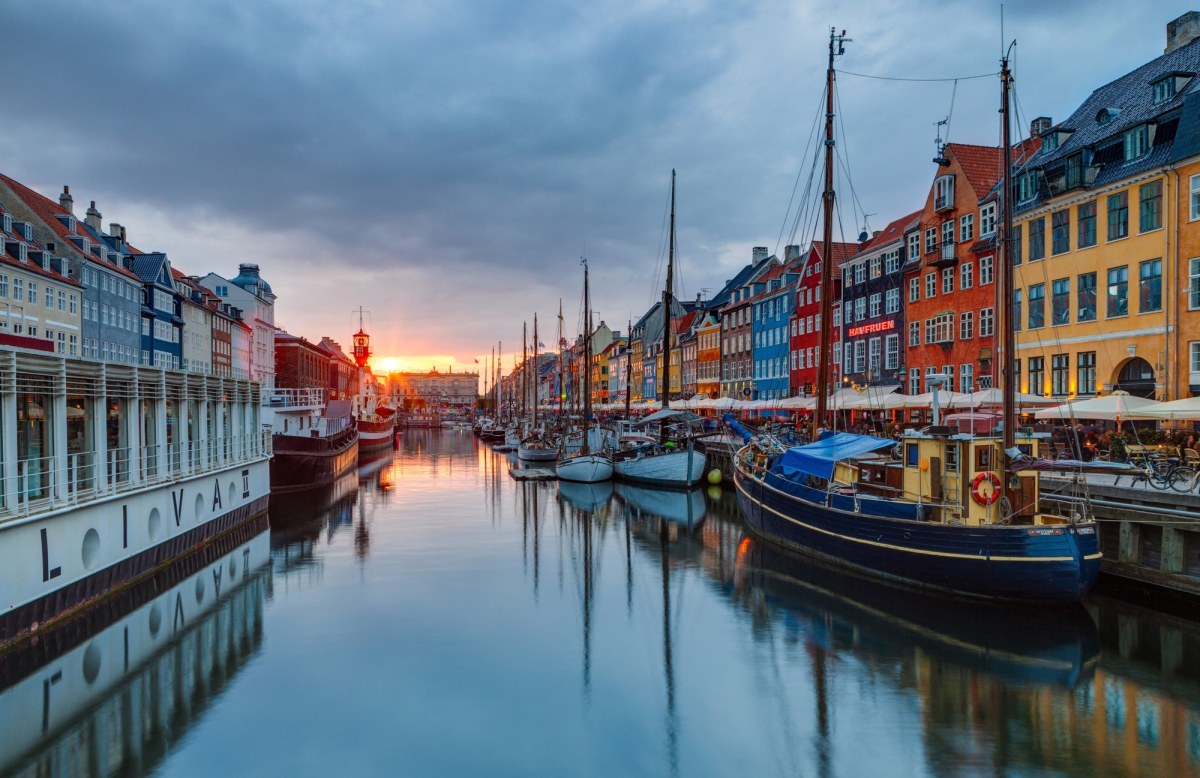
Get a quoteCopenhagen sits on Zealand facing Sweden across a narrow strait. Nyhavn's painted houses, the Tivoli Gardens, the royal palaces at Amalienborg and the modern architecture along the harbour give the city its shape; the design museums and the food scene give it its reputation. Bicycles outnumber cars, and the harbour is clean enough to swim in.
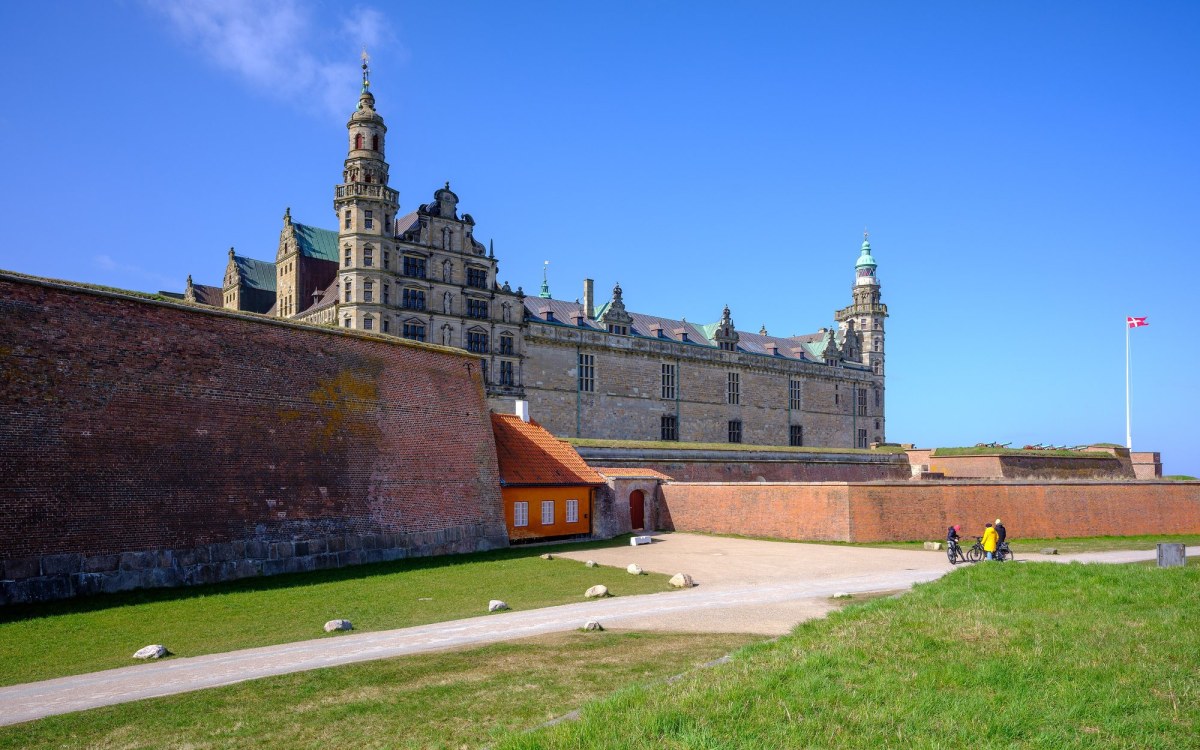
North of the capital, the Øresund coast holds Kronborg Castle at Helsingør — Shakespeare's Elsinore — and the Louisiana Museum of Modern Art, which has one of the best settings of any gallery in Europe. Roskilde has a royal cathedral and five excavated Viking ships in a purpose-built museum.
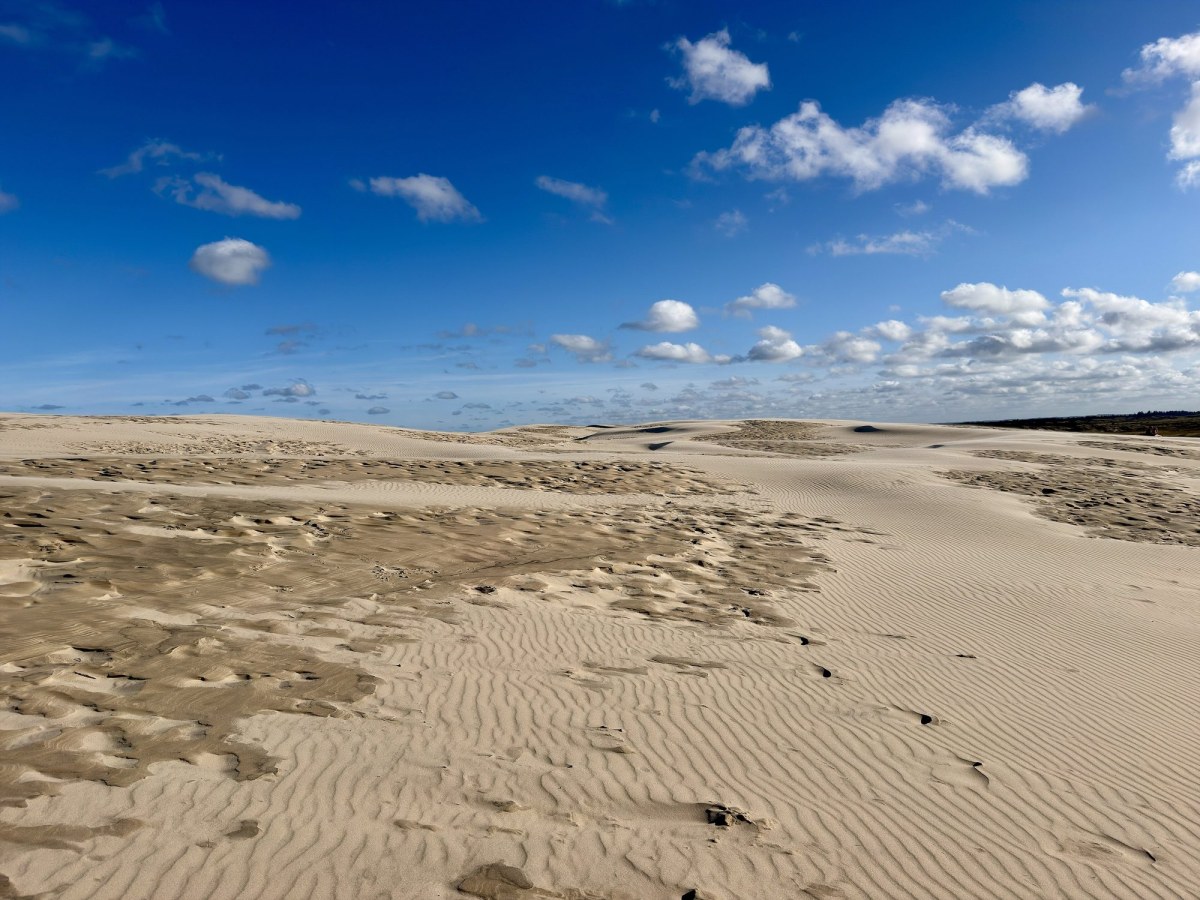
Jutland, the mainland peninsula, has the country's other cities: Aarhus with its art museum and reconstructed old town, and Aalborg further north. The very top at Skagen is where two seas meet visibly on a spit of sand, and the shifting dunes and long beaches of the west coast face the North Sea.
Funen in the middle is orchard country with manor houses and Odense, where Hans Christian Andersen was born. Bornholm, out in the Baltic, is a granite island with round churches, smokehouses and its own light.
Denmark is expensive, small and very well connected: trains and bridges link most of it, and the Øresund Bridge puts Malmö in Sweden half an hour from Copenhagen. Summer days are extremely long; winter days are short, and that is when the interiors, candles and cafés make sense.
Trains and bridges tie the islands and the peninsula together, and Copenhagen's airport is one of the best-connected in northern Europe. The Øresund Bridge puts Malmö and southern Sweden half an hour away, and ferries reach Norway and Germany, so Denmark is a natural first or last stop on a Nordic trip. Cycling infrastructure is excellent across the whole country.
Common questions
- What is the capital of Denmark?
- The capital of Denmark is Copenhagen.
- What currency is used in Denmark?
- Denmark uses the Danish krone (DKK).
- What language is spoken in Denmark?
- The official language is Danish.
- When is the best time to visit Denmark?
- Mild maritime climate; long light summer days, short grey winter ones.
- Which side of the road do you drive on in Denmark?
- In Denmark you drive on the right.
- What plug sockets are used in Denmark?
- Denmark uses type C, E, F, K sockets.
- What is the dialling code for Denmark?
- The international dialling code for Denmark is +45.
Partner
Inside Denmark
Regions
10 to explore
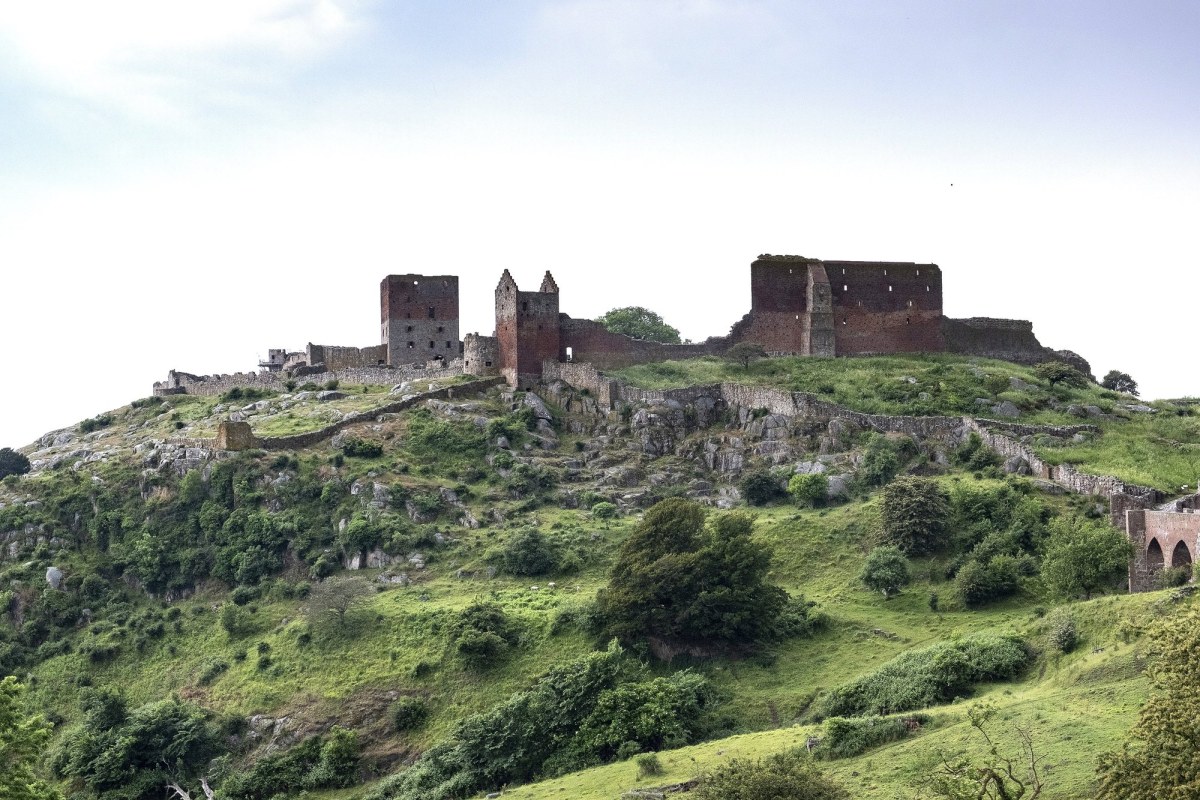
Bornholm
Region
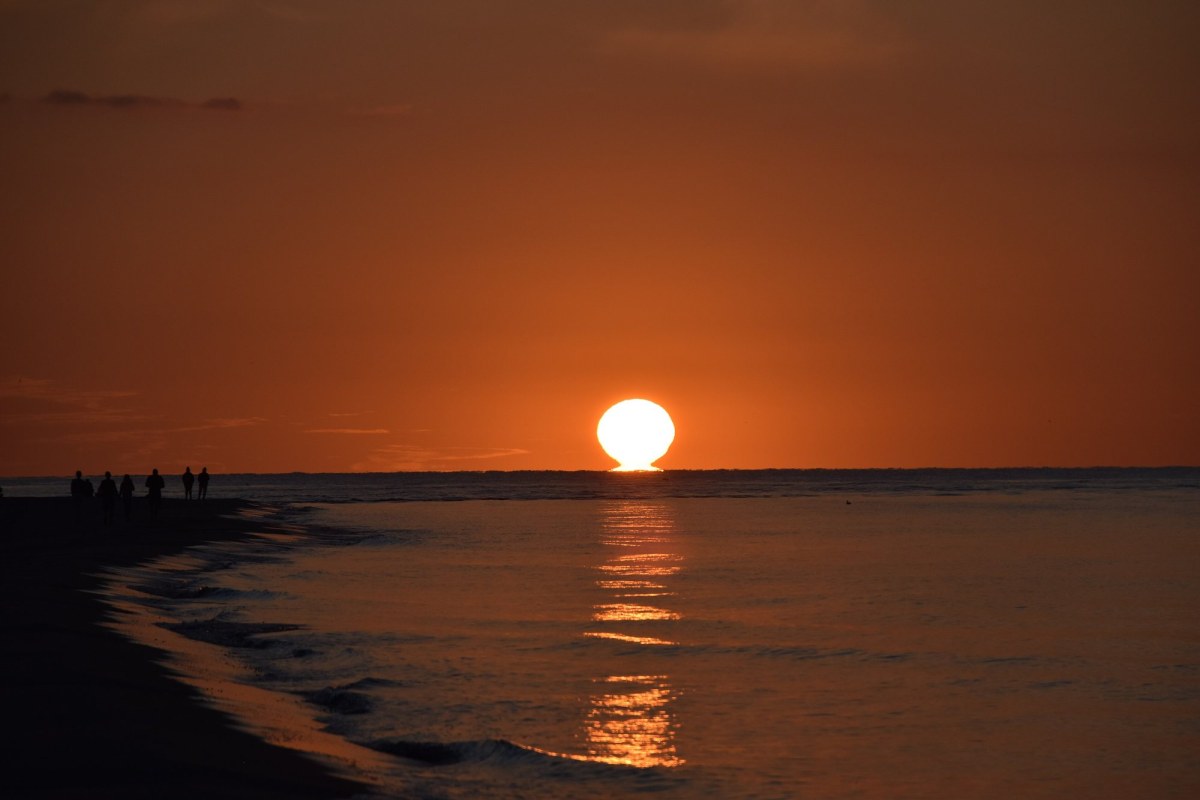
A granite island far east in the Baltic, with round churches and a smokehouse tradition.
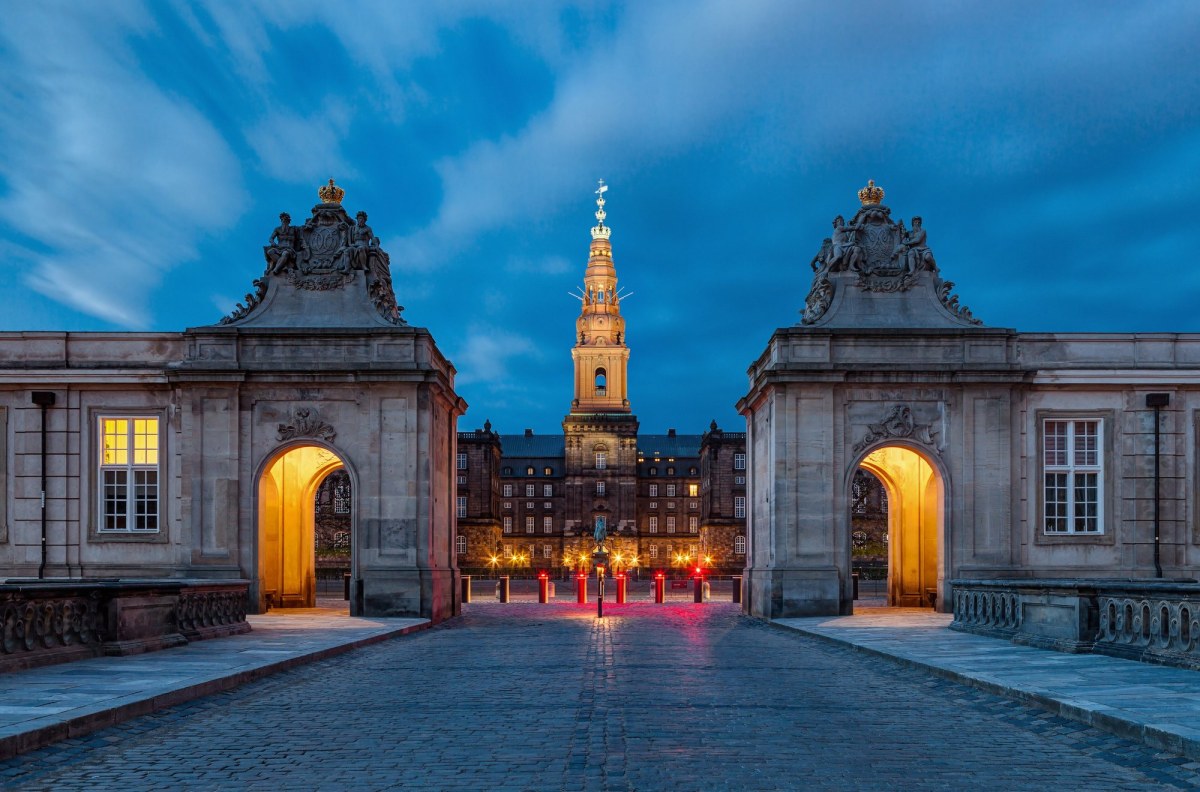
East Jutland
Region
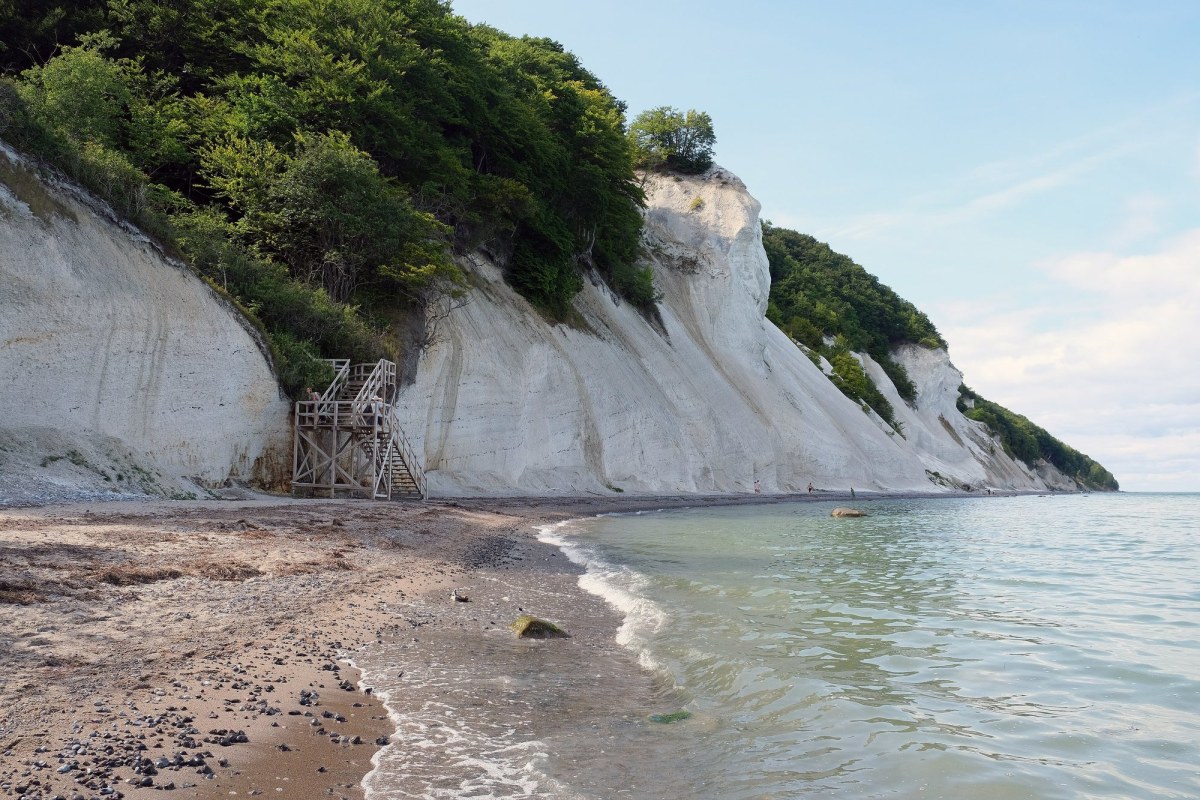
The sheltered side of the peninsula: fjords, beech woods, hills and the second city.
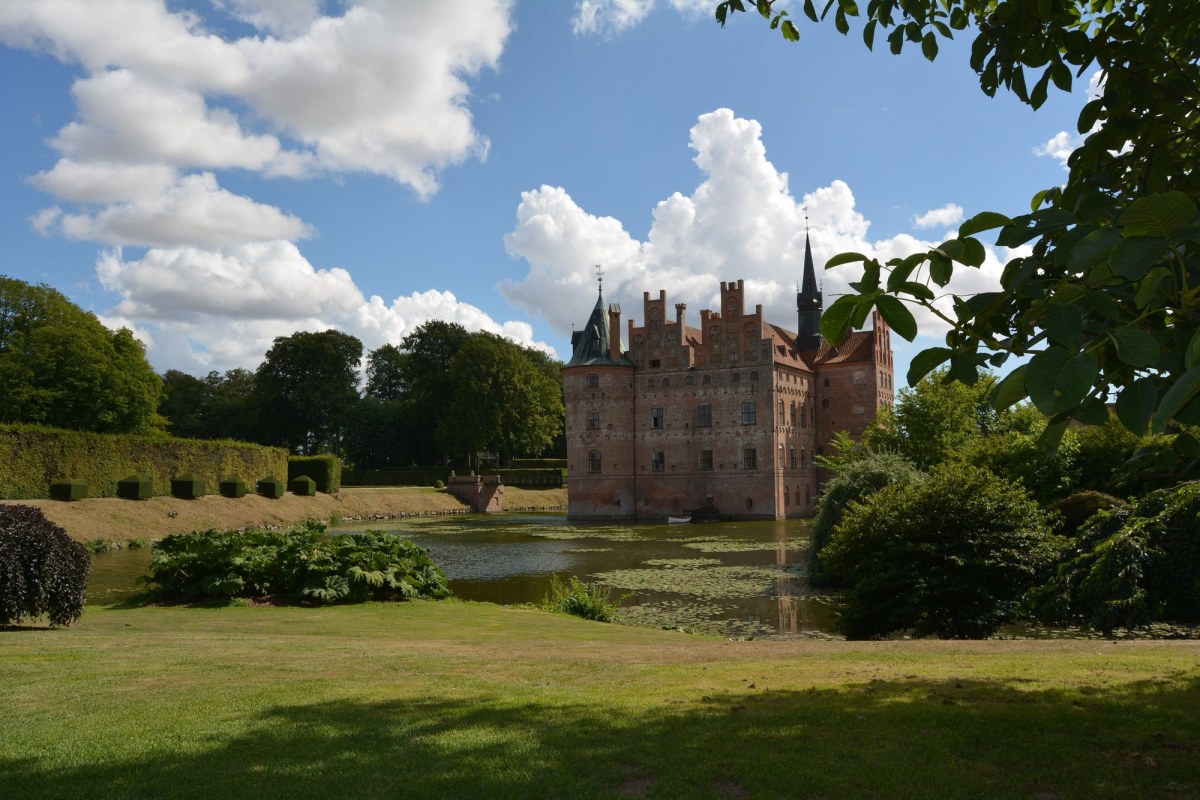
North Jutland
Region
The top of the country, where two seas meet on a sandspit and the light drew painters.
South Funen Archipelago
Region
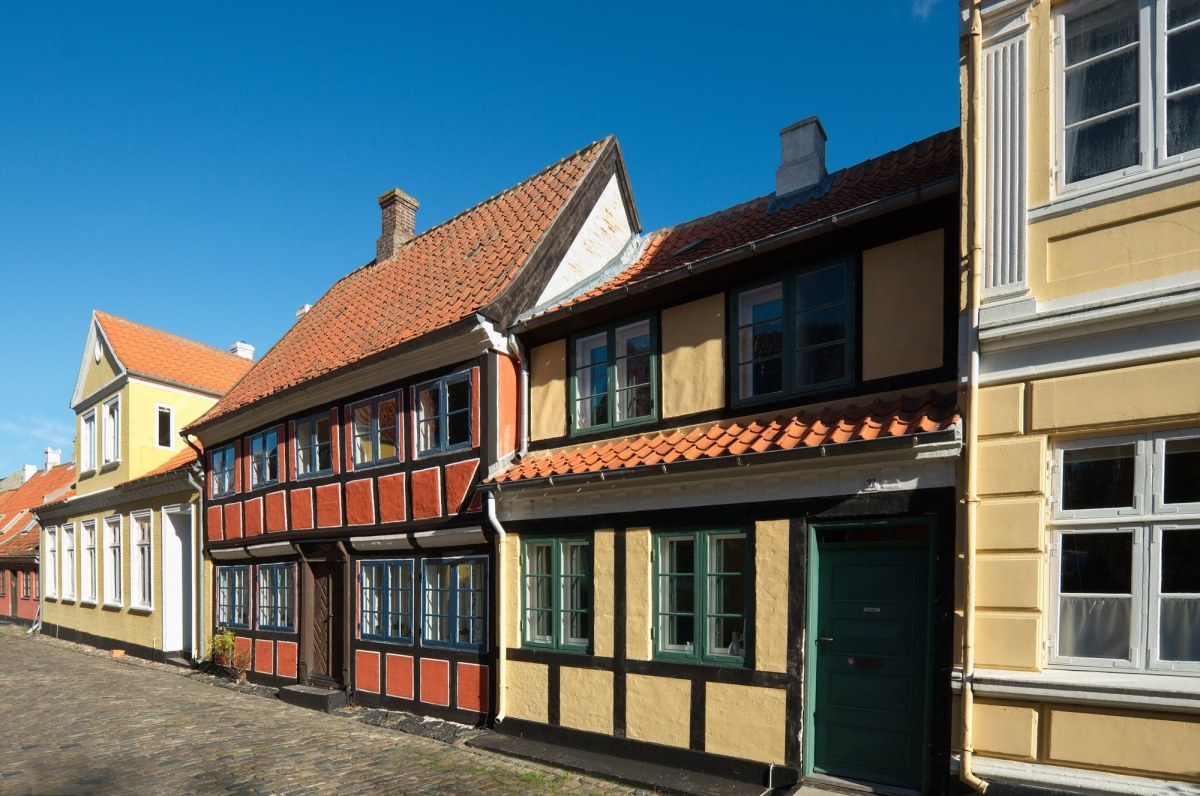
A scatter of small islands south of Funen, sailed and cycled in summer.
Inside Denmark
Towns and cities
12 to explore
Aalborg
Town or city
A Limfjord city with a Viking burial ground above it and a waterfront it rebuilt.
Aarhus
Town or city
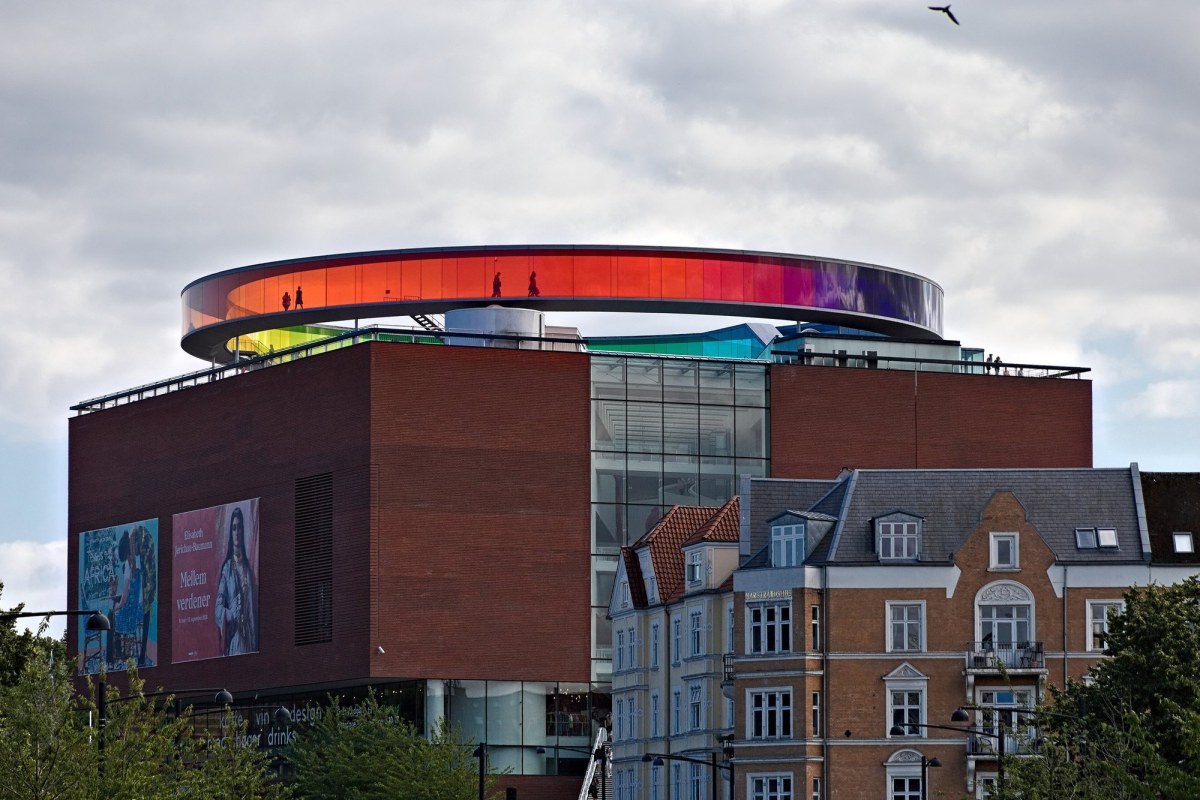
The second city, with a rainbow on the roof of its art museum and a reconstructed old town.
Copenhagen
Town or city
A harbour capital of bicycles, canal-side houses and a great deal of design.
Esbjerg
Town or city
A North Sea port built from nothing in the nineteenth century, with four white men watching the sea.
Helsingør
Town or city
A sound-side town with a Renaissance castle and a museum built in a dry dock.
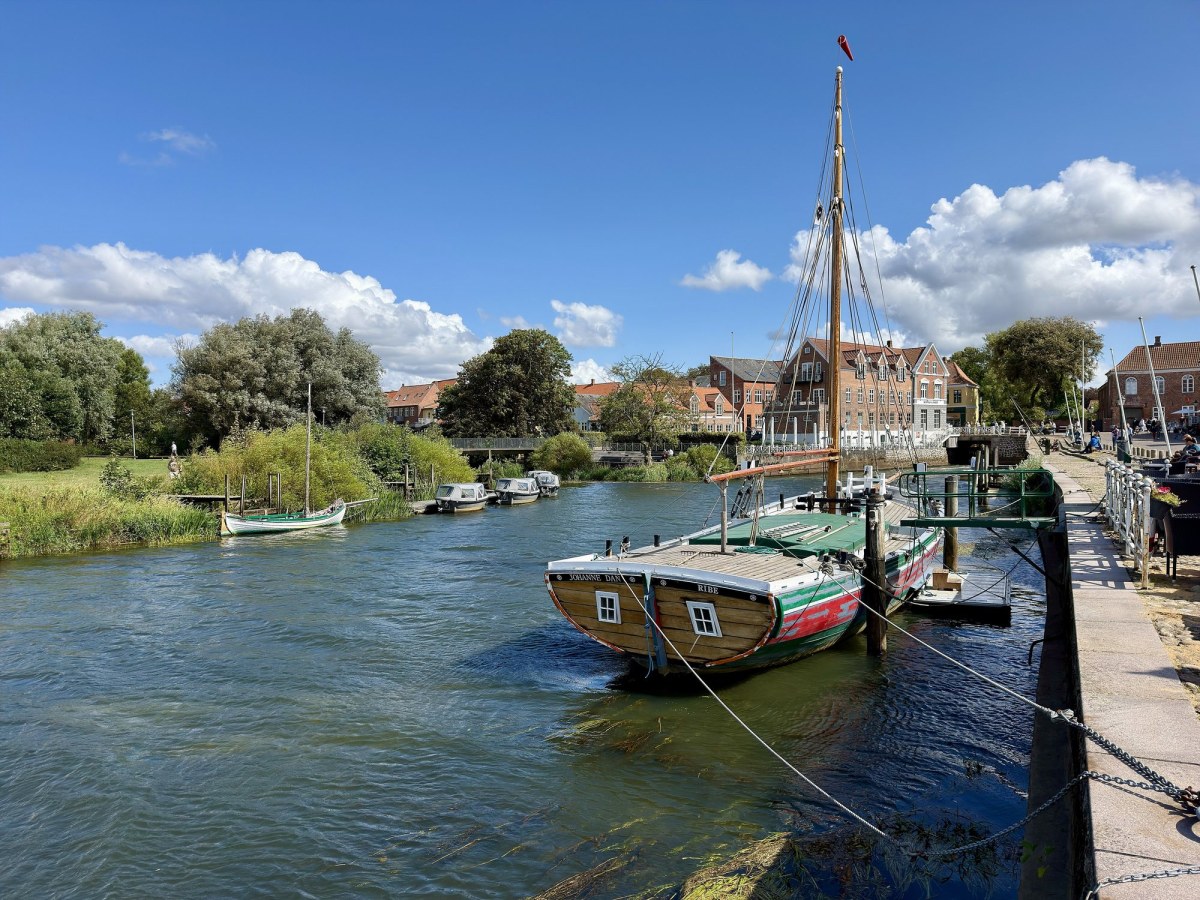
Ribe
Town or city
The oldest town in Denmark, with storks on the roofs and a cathedral tower to climb.
Roskilde
Town or city
The old royal seat, with a cathedral of kings and five Viking ships raised from the fjord.
Inside Denmark
Landmarks
12 to explore
Frederiksborg Castle
Landmark
A Renaissance palace on three islets in a lake, rebuilt after fire by a brewer.
Jelling Stones
Landmark
Two runestones between burial mounds, called the birth certificate of Denmark.
Kronborg Castle
Landmark
A Renaissance fortress at the narrowest point of the Øresund, and Hamlet’s Elsinore.
Louisiana Museum of Modern Art
Landmark
A modern art museum strung through a park above the Øresund.
The Little Mermaid
Landmark
A small bronze on a rock in the harbour, and a monument to managed expectations.
Wadden Sea Black Sun
Landmark
Very large flocks of starlings moving as one shape over the marshes at dusk.
Plan the trip
Explore Denmark
Start with the regions, then the towns, then the sights worth a detour — each with its own page and its own pin on the map.
Start anywhere and follow the links. The guides and itineraries join these places into routes you can actually travel.
Credit: Europe by Giddo
Every place above is on this map. The lists on this page are the same content in the same order.