

Where to stay in Czechia
See the hotels and apartments available on Booking.com · This is an affiliate link with our partner. Europe by Giddo may earn a commission from a purchase made through it, at no extra cost to you.
Czechia — also called the Czech Republic — sits in the middle of Europe and has been a crossroads for as long as there have been roads. It is compact, easy to travel and unusually rich in preserved architecture, having escaped much of the destruction that flattened its neighbours.
Our partner
Travel insurance · 5% off for our readers
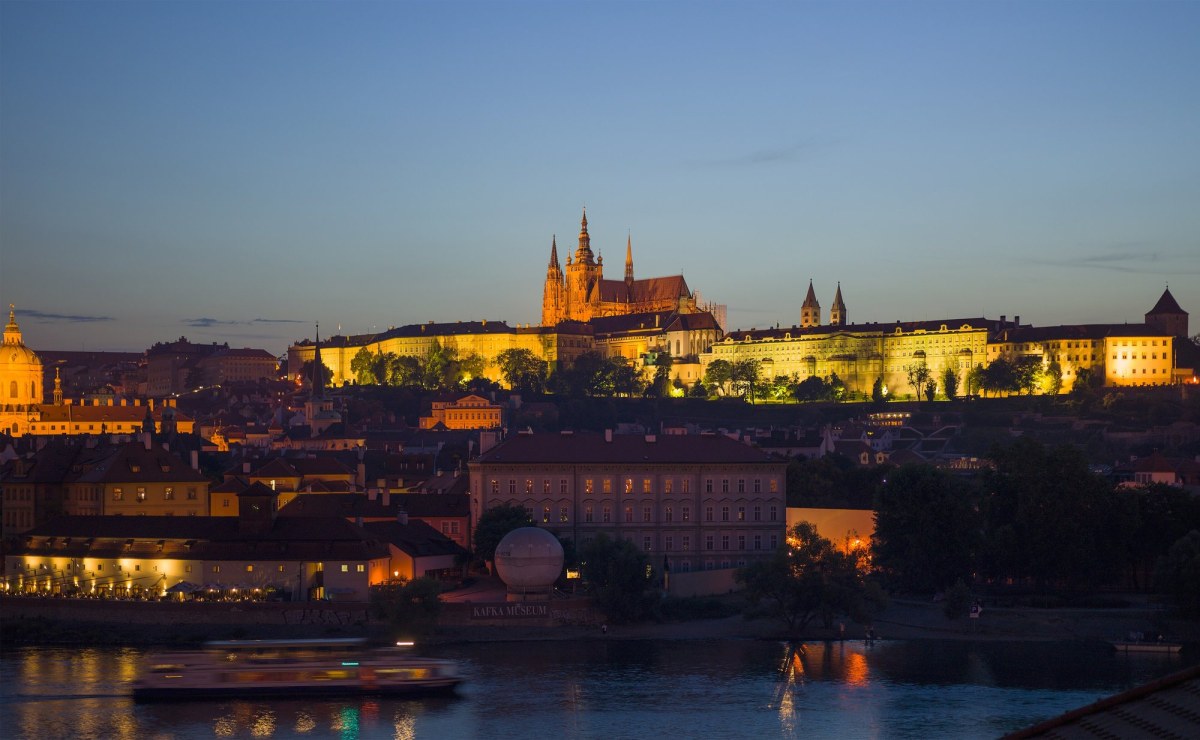
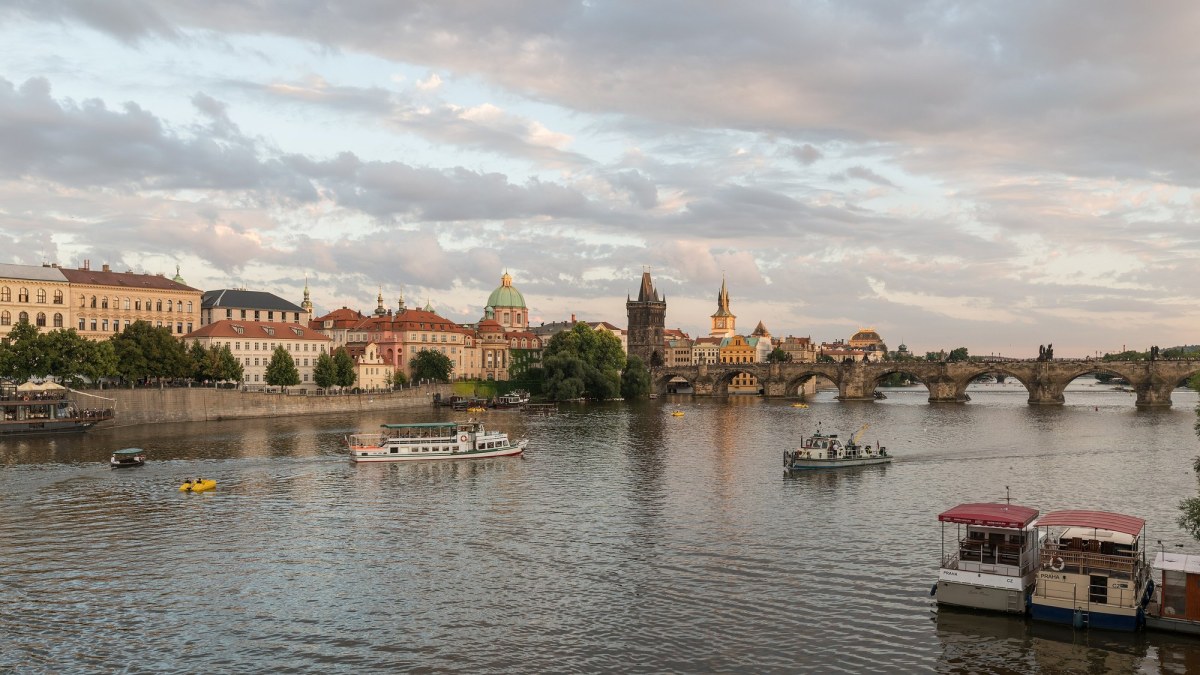
Get a quotePrague is the obvious centre: the largest ancient castle complex in the world above the river, the Charles Bridge with its statues, the Astronomical Clock on the Old Town Square, the Jewish Quarter and a skyline of Gothic and Baroque towers. It is busy year round, and the early morning is the way to see it.
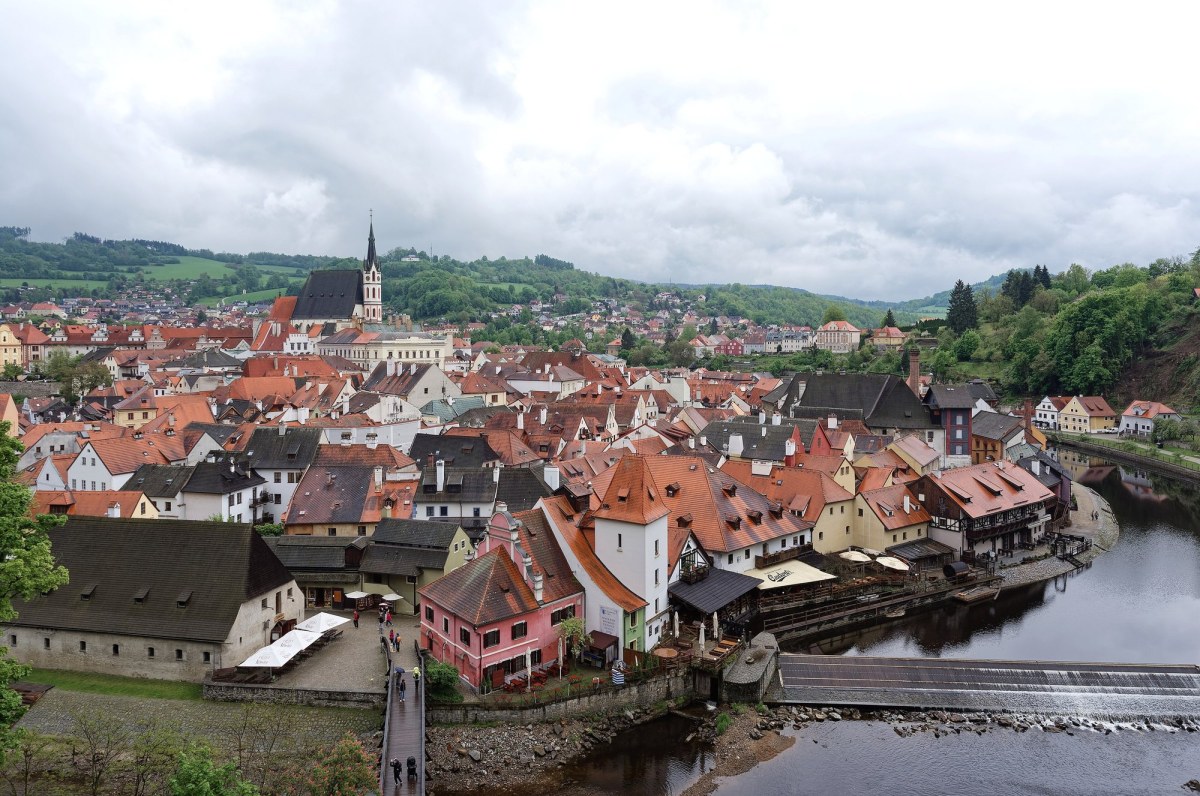
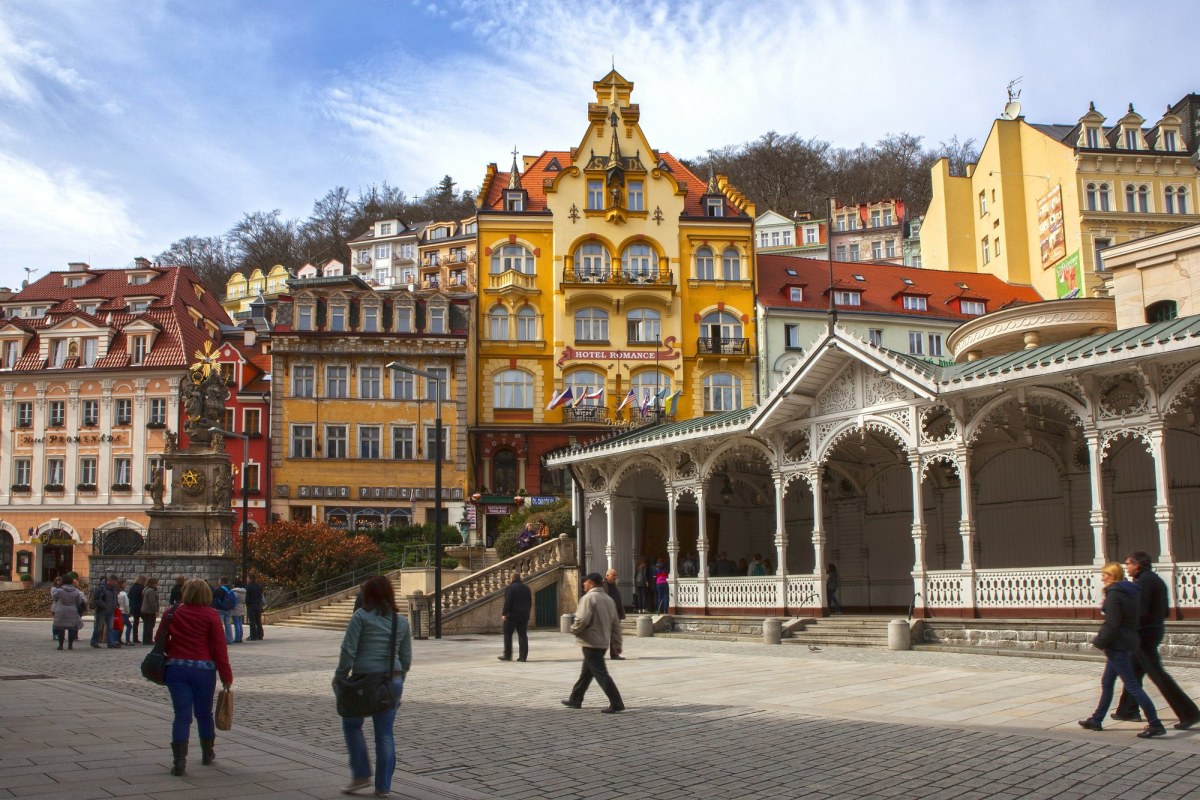
Beyond the capital, Bohemia holds Český Krumlov, a small town wrapped in a bend of the Vltava under its own castle, and Karlovy Vary and Mariánské Lázně, spa towns built for taking the waters in colonnaded style. Kutná Hora has a Gothic cathedral funded by silver and an ossuary decorated with bones.
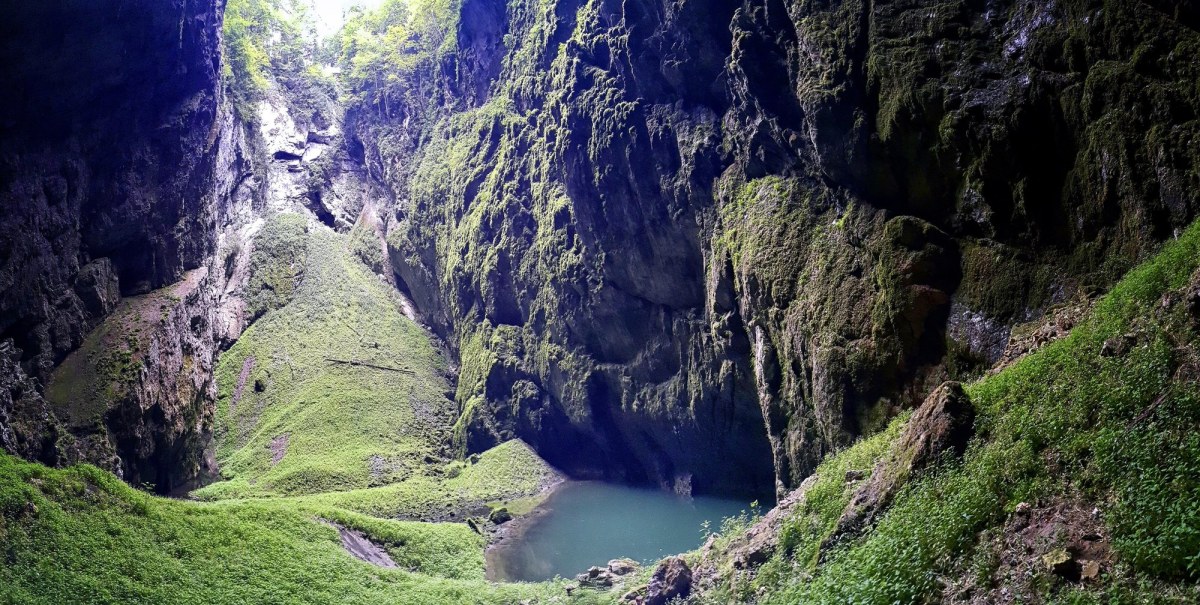
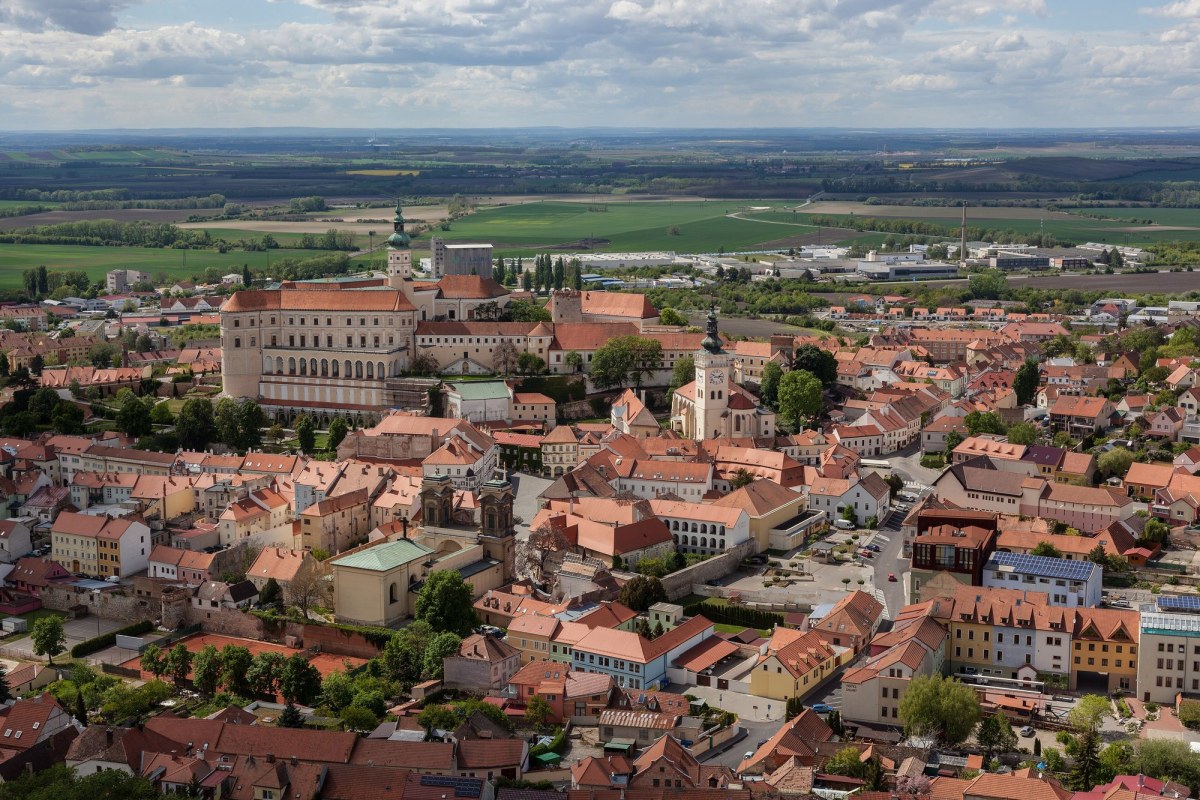
Moravia in the east is a different country in temperament: Brno is the second city with functionalist architecture including the Villa Tugendhat, the Moravian Karst has caves and an abyss, and the south is wine country with cellars and vineyards around Mikulov and Valtice.
The mountains ring the country. The Krkonoše in the north have the highest peaks; Bohemian Switzerland on the German border is sandstone towers, gorges and a natural rock arch; Šumava along the Bavarian border is deep forest and peat bog.
Beer is not a cliché here. Pilsner was invented in Plzeň, České Budějovice gave its German name to another famous brand, and per-head consumption is the highest on earth. Czech is the language; English is common in Prague and less so in the countryside.
Trains and buses connect the whole country cheaply, and nothing is more than a few hours from Prague, which makes day trips realistic. Prague, Vienna, Dresden, Kraków and Bratislava form a tight circuit that can be done entirely by rail. Spring and autumn are the most comfortable seasons in the cities; the mountains have their own winter.
Common questions
- What is the capital of Czechia?
- The capital of Czechia is Prague.
- What currency is used in Czechia?
- Czechia uses the Czech koruna (CZK).
- What language is spoken in Czechia?
- The official language is Czech.
- When is the best time to visit Czechia?
- Continental: cold winters, warm summers, changeable spring and autumn.
- Which side of the road do you drive on in Czechia?
- In Czechia you drive on the right.
- What plug sockets are used in Czechia?
- Czechia uses type C, E sockets.
- What is the dialling code for Czechia?
- The international dialling code for Czechia is +420.
Partner
Inside Czechia
Regions
10 to explore
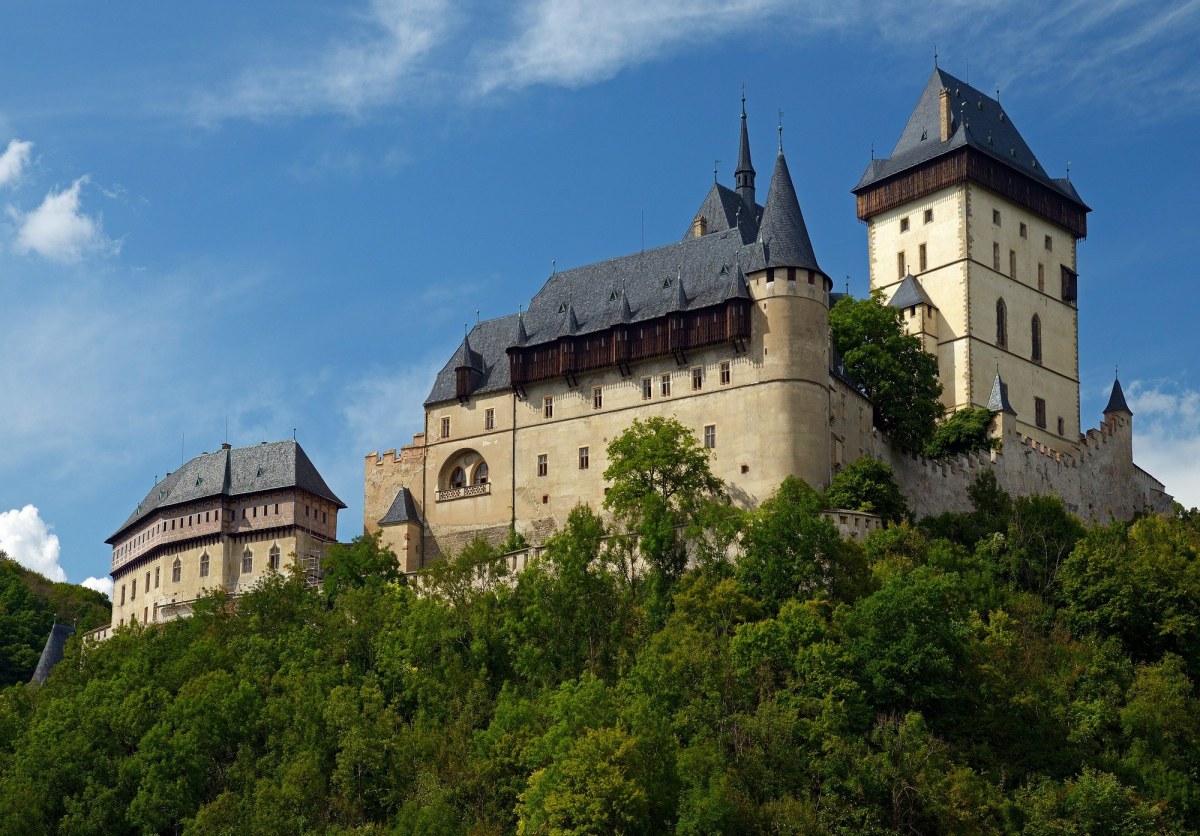
Bohemia
Region
The western two thirds of the country: Prague, spa towns, castles on crags and hop fields.
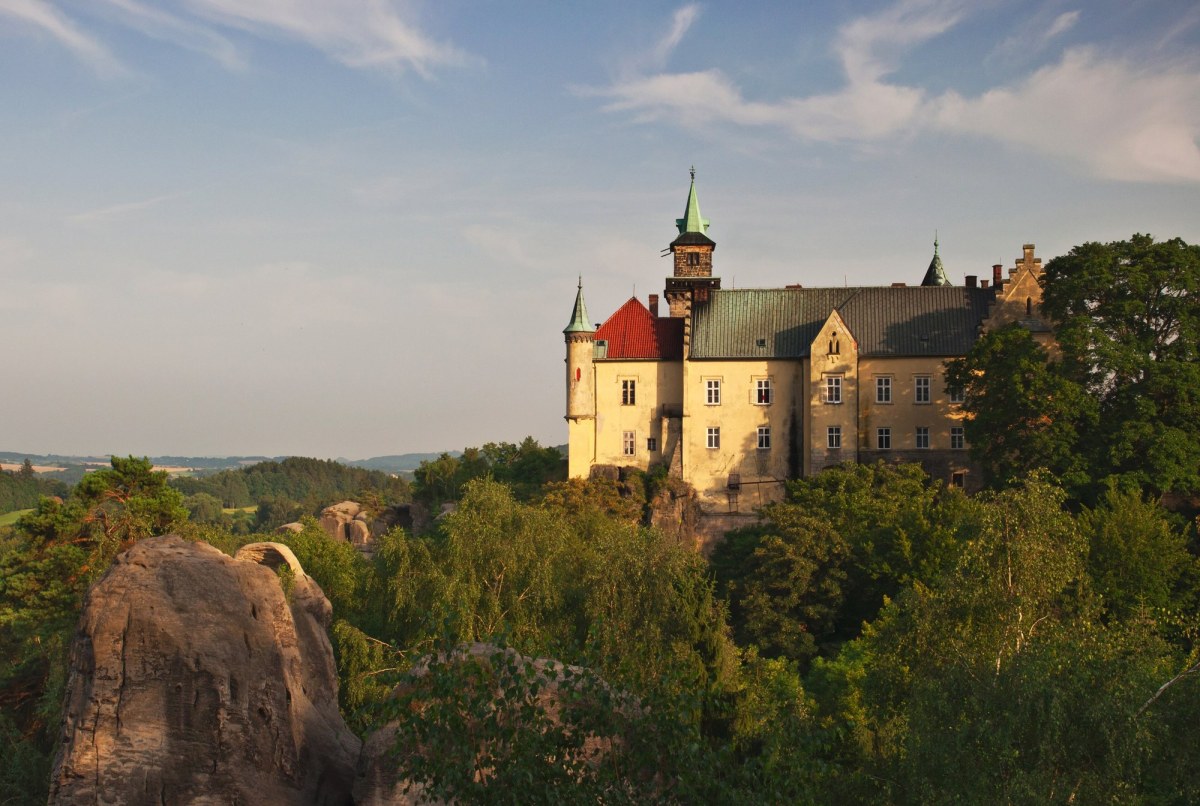
Bohemian Paradise
Region
A small area of sandstone rock towns, castles and ruins north-east of Prague.
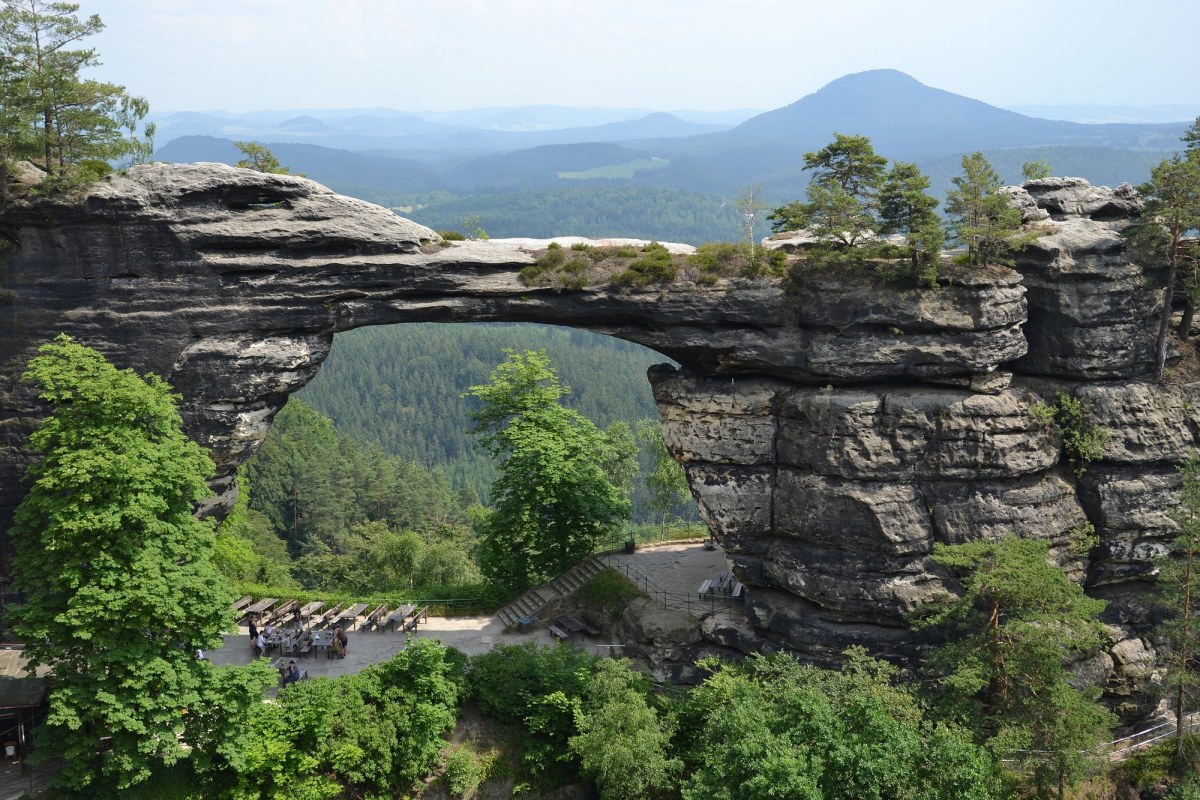
Bohemian Switzerland
Region
Sandstone towers, gorges and the largest natural arch in Europe, on the German border.
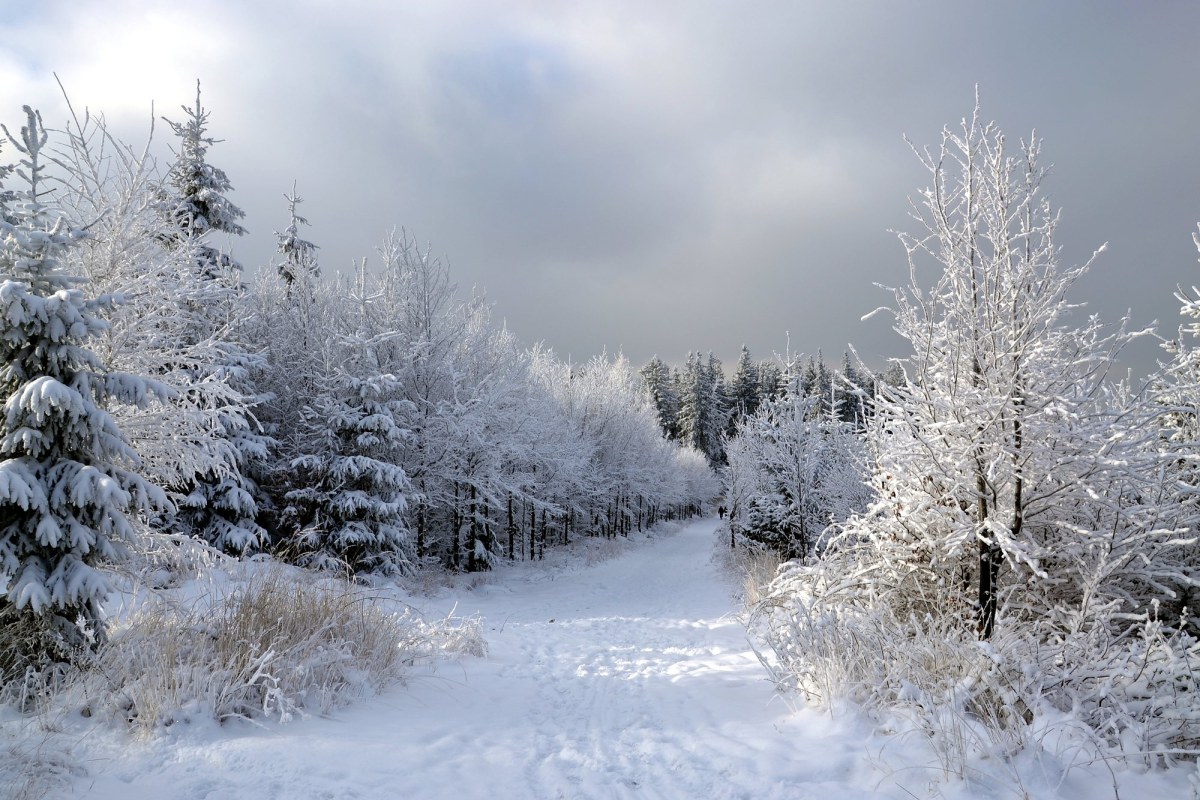
Czech Silesia
Region
The industrial north-east, with mountains behind it and a mine that is now a museum.
Moravia
Region
The eastern part: wine country, folk tradition that is still lived, and a second city with modern architecture.
West Bohemian Spa Region
Region
Three nineteenth-century spa towns built on mineral springs, in wooded valleys near the German border.
Inside Czechia
Towns and cities
12 to explore
Brno
Town or city
The Moravian capital: a functionalist villa, a cathedral that rings noon at eleven, and a serious student city.
České Budějovice
Town or city
A South Bohemian town with an enormous arcaded square and its own brewing history.
Český Krumlov
Town or city
A medieval town inside a double bend of the Vltava, under a very large castle.
Karlovy Vary
Town or city
A spa town in a narrow wooded valley, built around hot springs and colonnades.
Kutná Hora
Town or city
A silver town that rivalled Prague, with a Gothic cathedral built by miners.
Litomyšl
Town or city
A Renaissance chateau covered in scratched decoration, above a long market square.
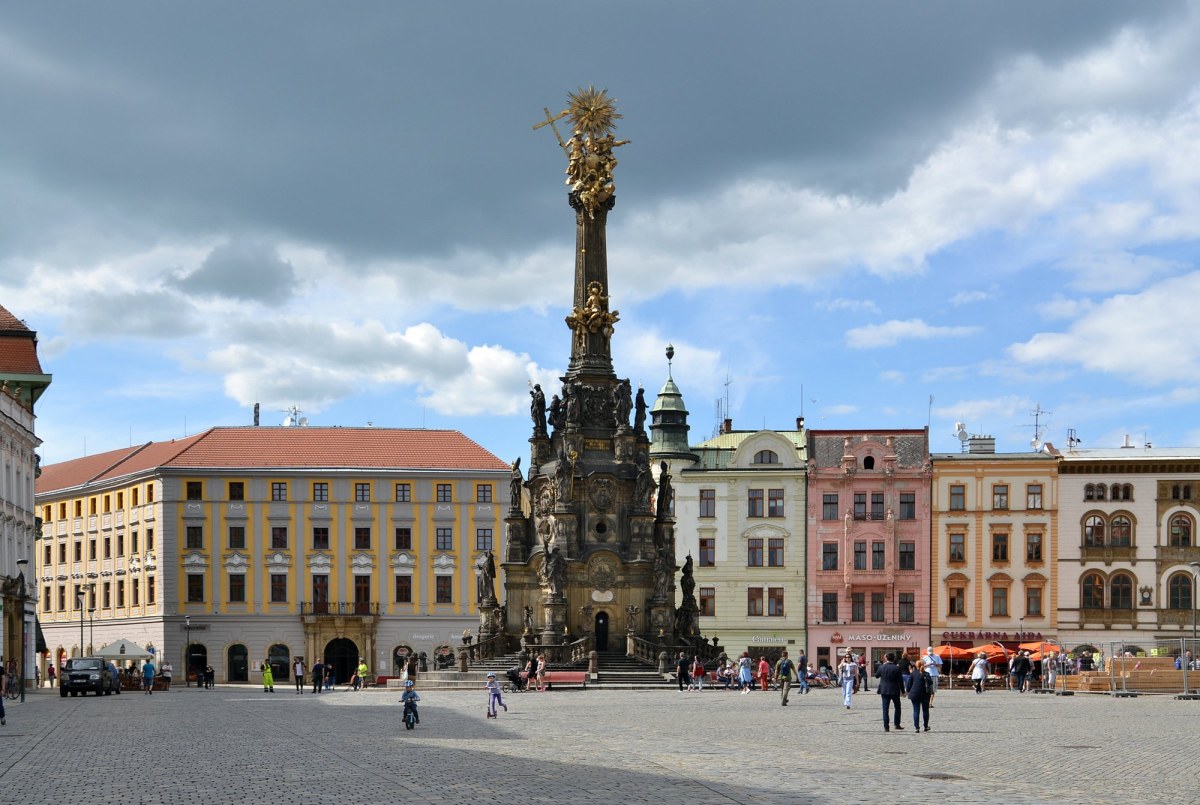
Olomouc
Town or city
A university town with a plague column, two squares and a great many fountains.
Ostrava
Town or city
A steel and coal city that kept its ironworks and turned them into something else.
Prague
Town or city
A capital that came through the wars intact, stacked along both banks of the Vltava.
Inside Czechia
Landmarks
12 to explore
Český Krumlov Castle
Landmark
A very large castle on a ridge above a river bend, with bears in the moat and an intact baroque theatre.
Charles Bridge
Landmark
A stone bridge over the Vltava, lined with baroque statues, walked by everyone.
Karlštejn Castle
Landmark
A Gothic castle built to hold the imperial crown jewels, on a crag above a valley.
Lednice-Valtice Cultural Landscape
Landmark
A whole district landscaped as a single park, with two chateaux and a set of follies.
Old Town Square, Prague
Landmark
The medieval heart of Prague, with the clock on one side and a Hussite memorial in the middle.
Prague Astronomical Clock
Landmark
A medieval clock on the Old Town Hall that shows more than the time.
Prague Castle
Landmark
One of the largest castle complexes in the world, on the hill above the river.
Pravčická brána
Landmark
The largest natural sandstone arch in Europe, on a ridge near the German border.
Punkva Caves
Landmark
Limestone chambers, an underground river journey and the bottom of a collapsed abyss.
Plan the trip
Explore Czechia
Start with the regions, then the towns, then the sights worth a detour — each with its own page and its own pin on the map.
Start anywhere and follow the links. The guides and itineraries join these places into routes you can actually travel.
Credit: Europe by Giddo
Every place above is on this map. The lists on this page are the same content in the same order.