

Where to stay in Cyprus
See the hotels and apartments available on Booking.com · This is an affiliate link with our partner. Europe by Giddo may earn a commission from a purchase made through it, at no extra cost to you.
Cyprus is the third-largest island in the Mediterranean, lying in its eastern corner. It has been Greek, Phoenician, Roman, Byzantine, Venetian, Ottoman and British in turn, and every layer is still visible on the ground.
Our partner
Travel insurance · 5% off for our readers
Get a quoteThe island has been divided since 1974 between the Republic of Cyprus, which controls the south, and the north; Nicosia remains the last divided capital in Europe, with crossing points through the buffer zone. Travel arrangements differ between the two sides and current official guidance is the place to start.
Paphos in the south-west is a World Heritage site for the Roman villas whose floor mosaics — the House of Dionysus in particular — are among the finest anywhere, along with the Tombs of the Kings cut into rock. Kourion near Limassol has a theatre above the sea.
The Troodos mountains rise in the middle of the island, cool and pine-covered, with ski slopes in winter above villages that make wine and preserve fruit. Ten small painted churches there, with barn-like roofs hiding complete Byzantine fresco cycles inside, are collectively World Heritage listed. Kykkos Monastery is the wealthiest and best known.
The coasts differ. The Akamas peninsula in the west is undeveloped, with the Baths of Aphrodite and turtle nesting beaches. Ayia Napa and Protaras in the east have the brightest water and the busiest resorts. Limassol and Larnaca are the working coastal cities, the latter with a salt lake that fills with flamingos in winter.
Greek and Turkish are both official, and English is very widely spoken. The swimming season is long, running well into autumn, and spring covers the island in wildflowers.
The island has two airports in the south, at Larnaca and Paphos, and a good road network; a hire car is the practical way to reach the mountain villages and the western beaches. Buses connect the main towns but thin out quickly. Cyprus has one of the longest warm seasons in Europe, and it pairs naturally with Greece or with a stop in Israel, Lebanon or Türkiye.
Common questions
- What is the capital of Cyprus?
- The capital of Cyprus is Nicosia.
- What currency is used in Cyprus?
- Cyprus uses the Euro (EUR).
- What language is spoken in Cyprus?
- The official languages are Greek, Turkish.
- When is the best time to visit Cyprus?
- Long hot dry summers and mild winters; the Troodos mountains hold snow in winter.
- Which side of the road do you drive on in Cyprus?
- In Cyprus you drive on the left.
- What plug sockets are used in Cyprus?
- Cyprus uses type G sockets.
- What is the dialling code for Cyprus?
- The international dialling code for Cyprus is +357.
Partner
Inside Cyprus
Regions
10 to explore
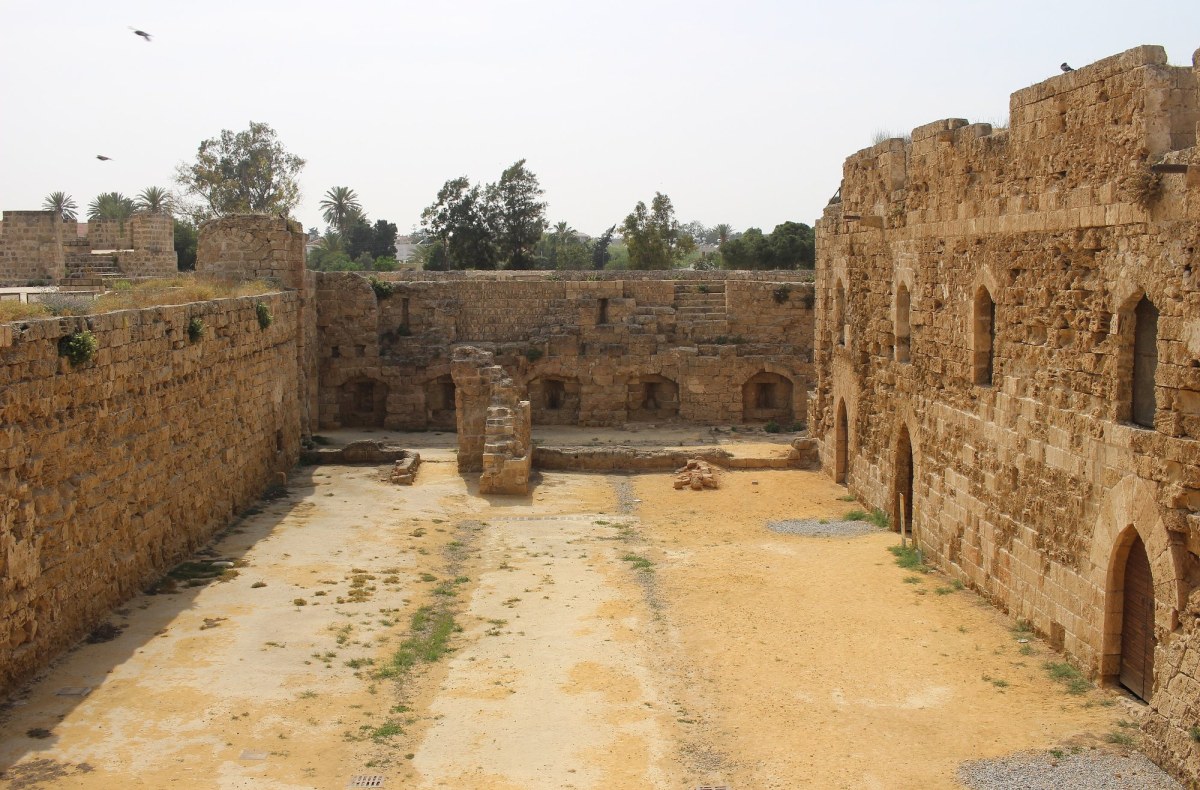
Famagusta and the East
Region
A walled medieval city on the east coast, once among the richest in the Mediterranean.
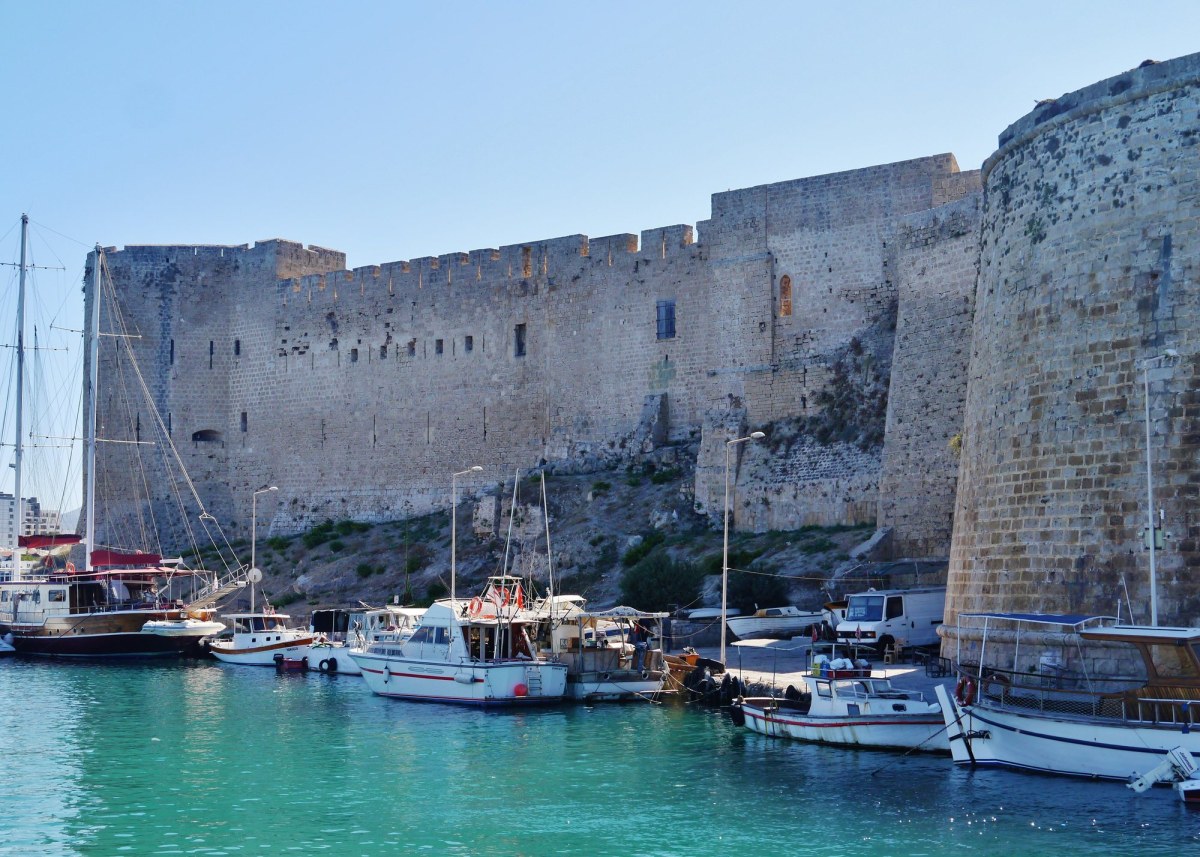
Kyrenia and the North Coast
Region
A harbour under a mountain wall, with three crusader castles on the ridge above it.
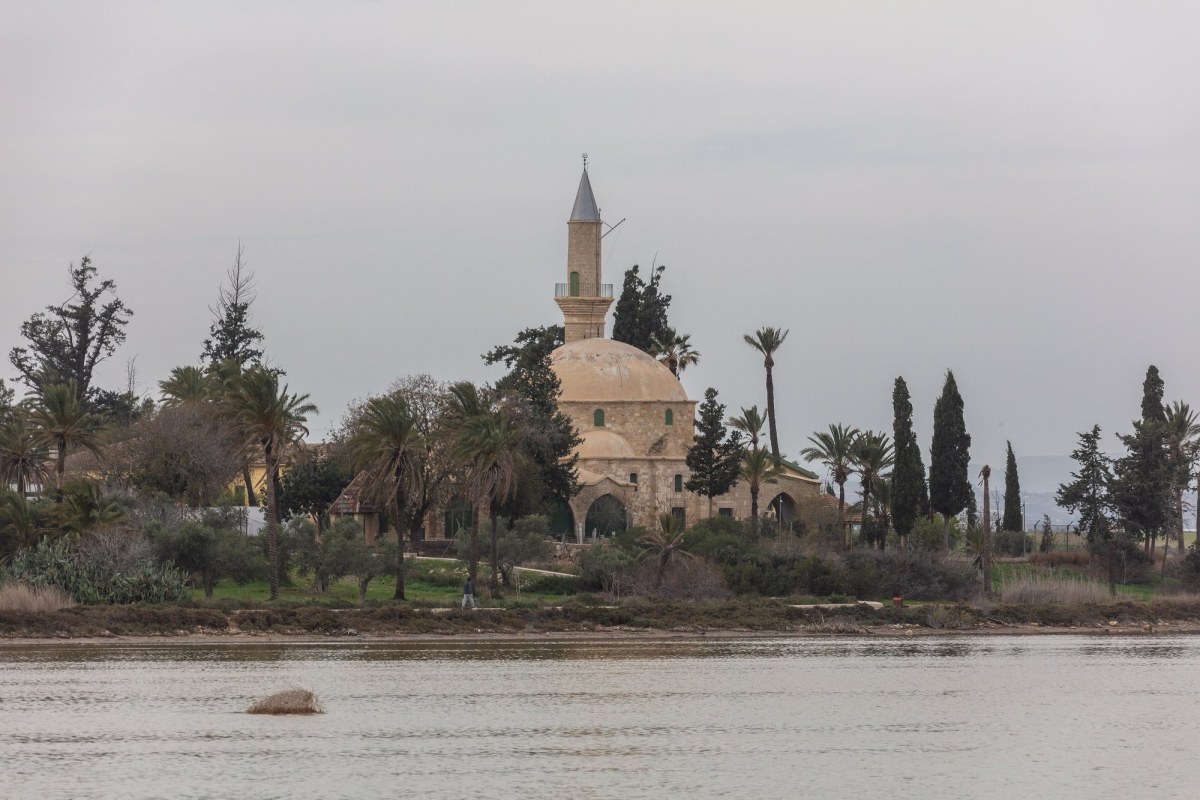
Larnaca and the South-East
Region
The airport coast: a salt lake with flamingos, a mosque beside it and a very old church in town.
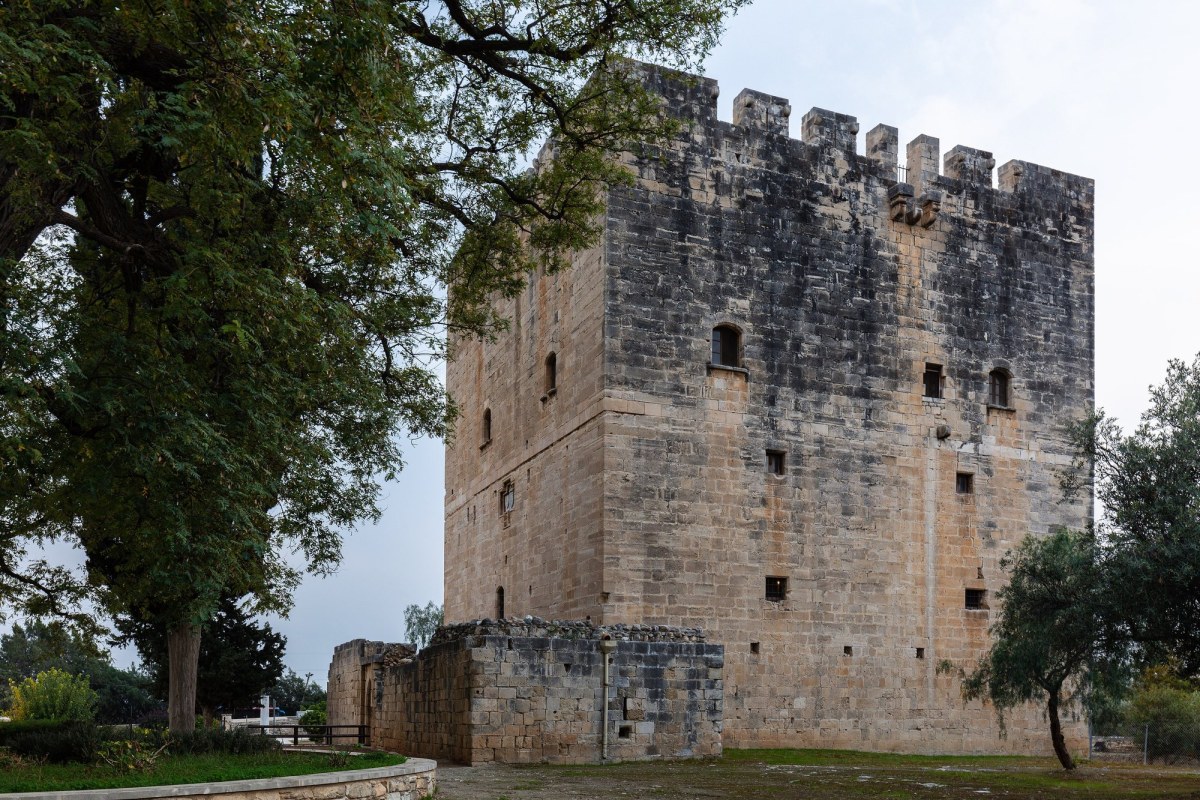
Limassol and the South Coast
Region
The busiest coast: a working port, a long seafront, and an ancient city on the cliff beside it.
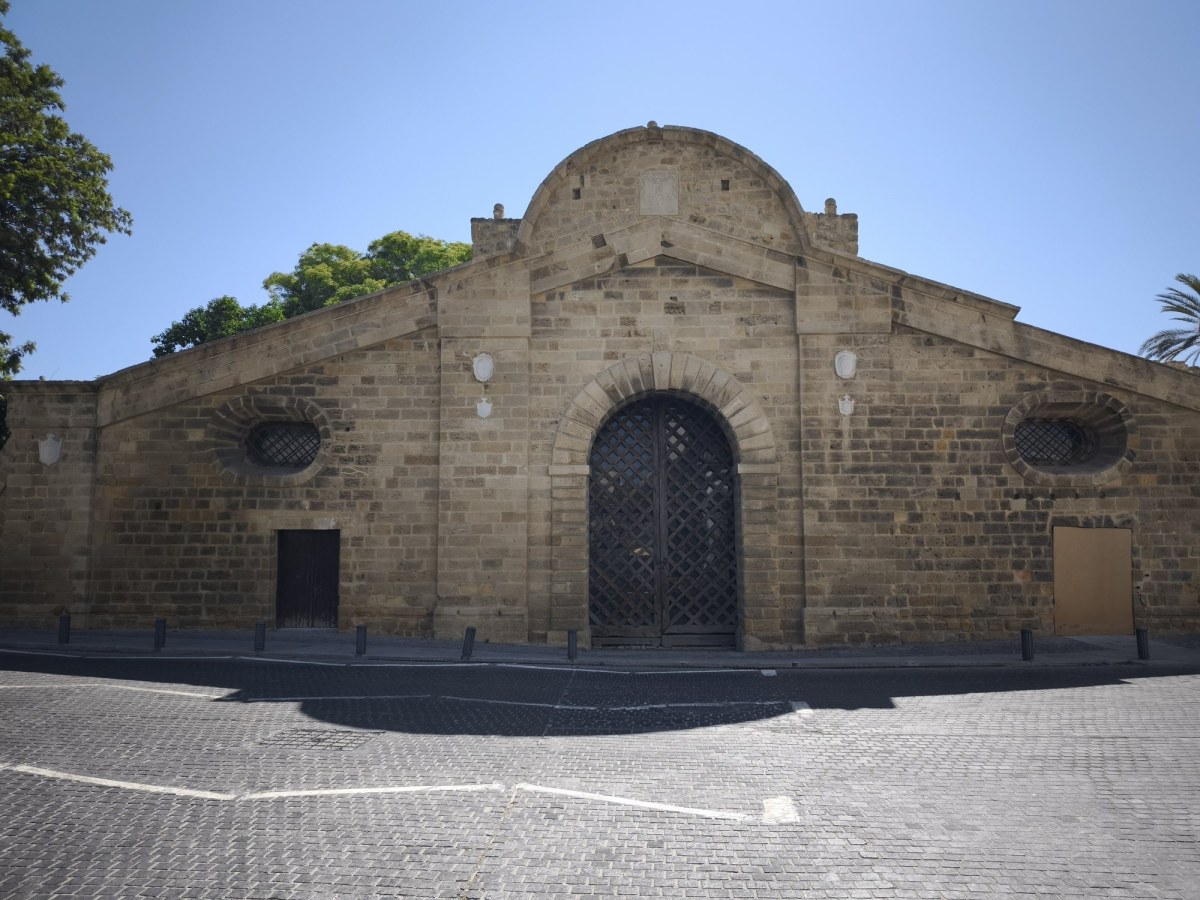
Nicosia and the Centre
Region
The capital in the middle of the island, and the last divided capital in Europe.
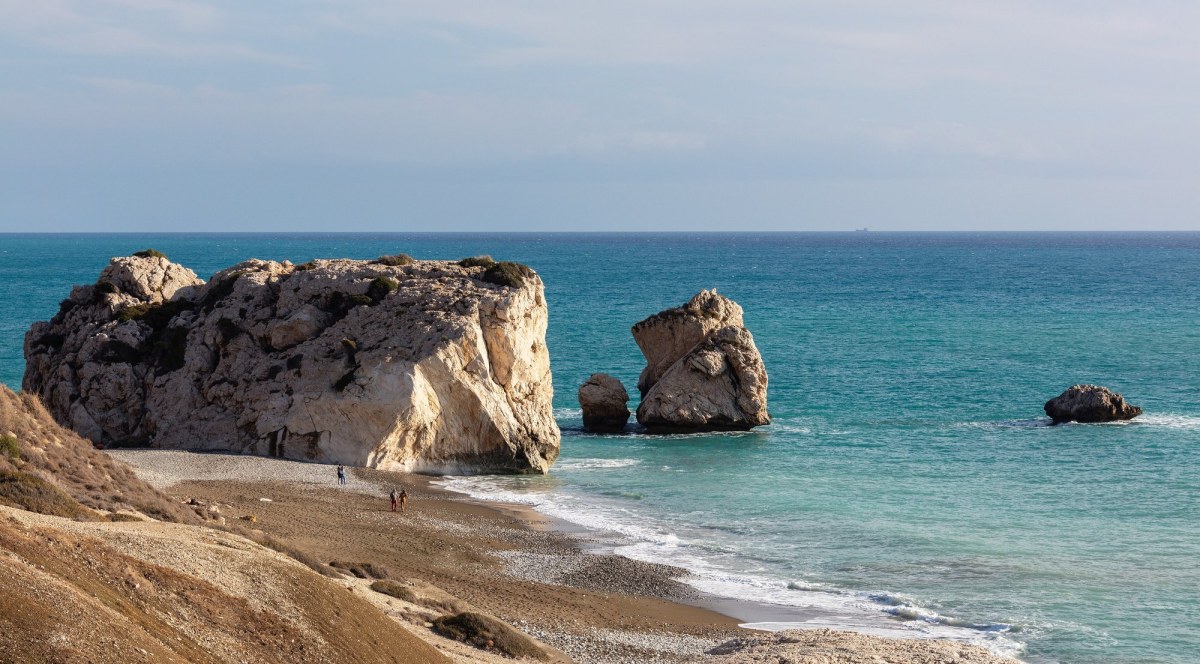
Paphos and the West
Region
The mythological birthplace of Aphrodite, with mosaics, rock tombs and a wild peninsula beyond.
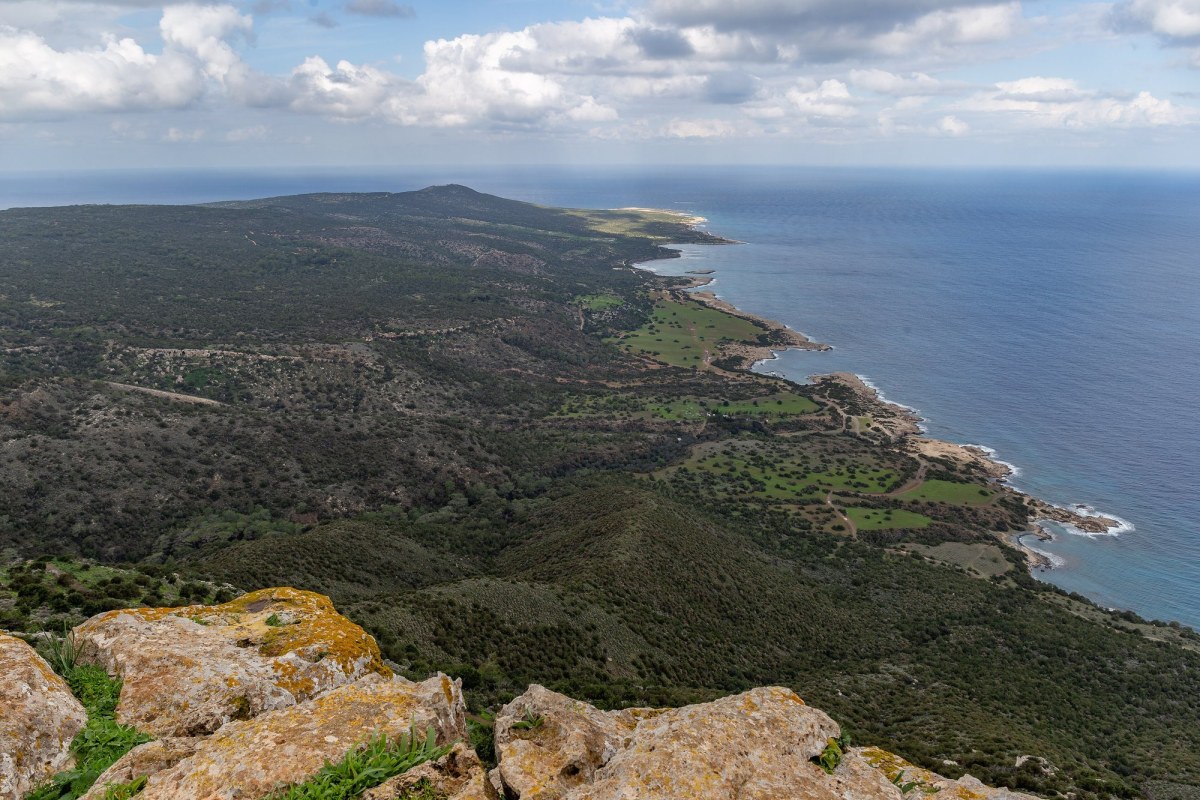
The Akamas Peninsula
Region
The wild north-western corner: no development, rough tracks, gorges and turtle beaches.
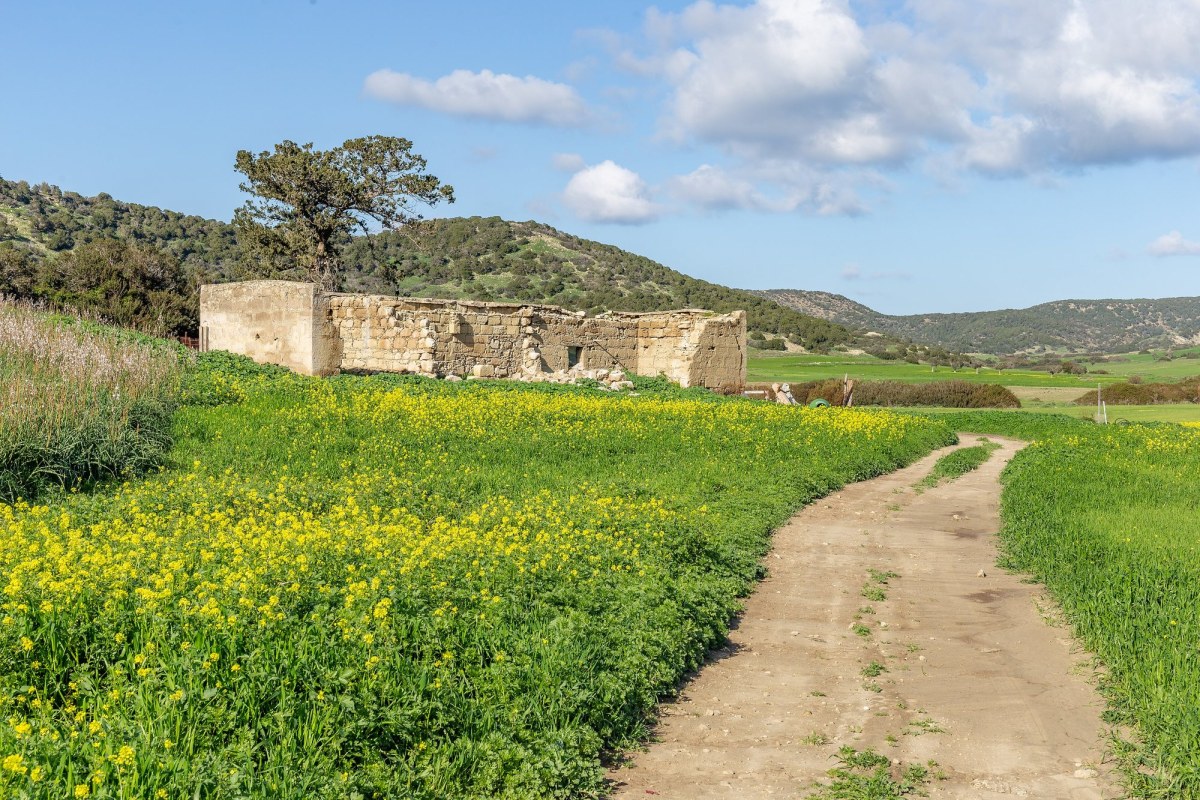
The Karpas Peninsula
Region
The long finger reaching north-east: empty beaches, wild donkeys and a monastery at the end.
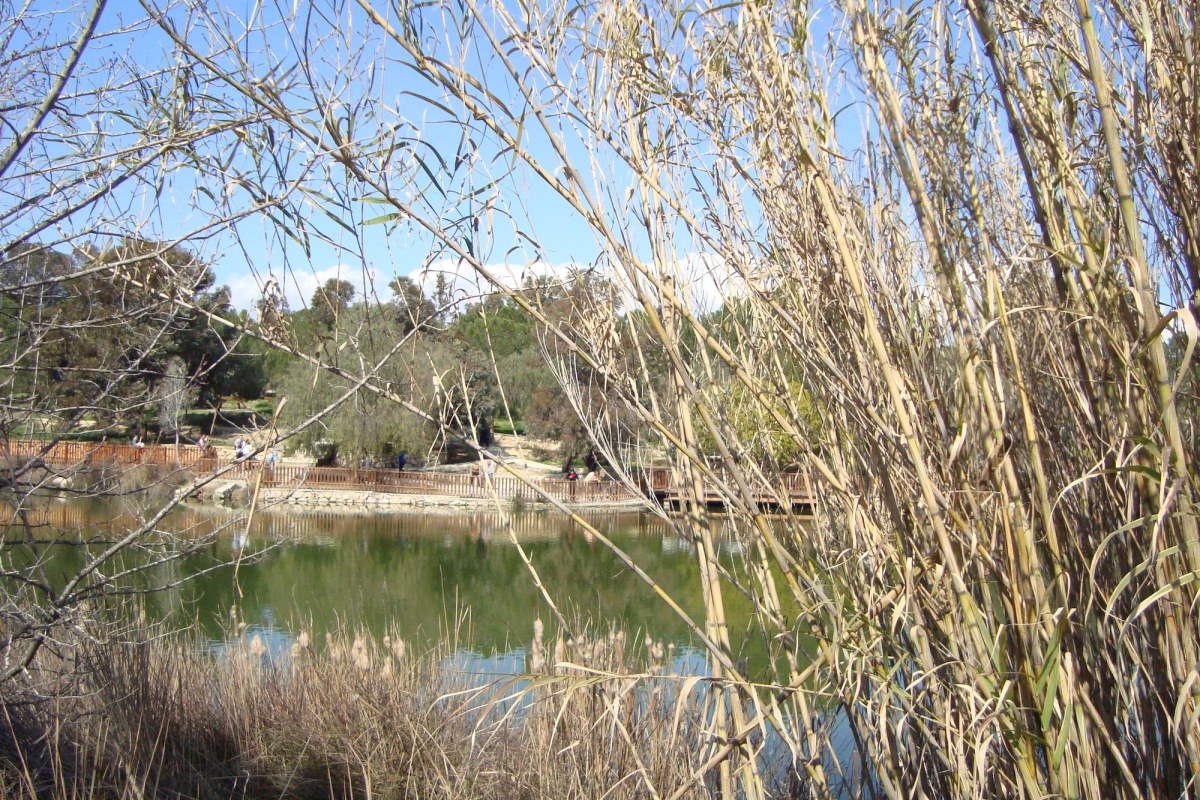
The Mesaoria Plain
Region
The flat wheat plain between the two mountain ranges, with the capital in the middle of it.
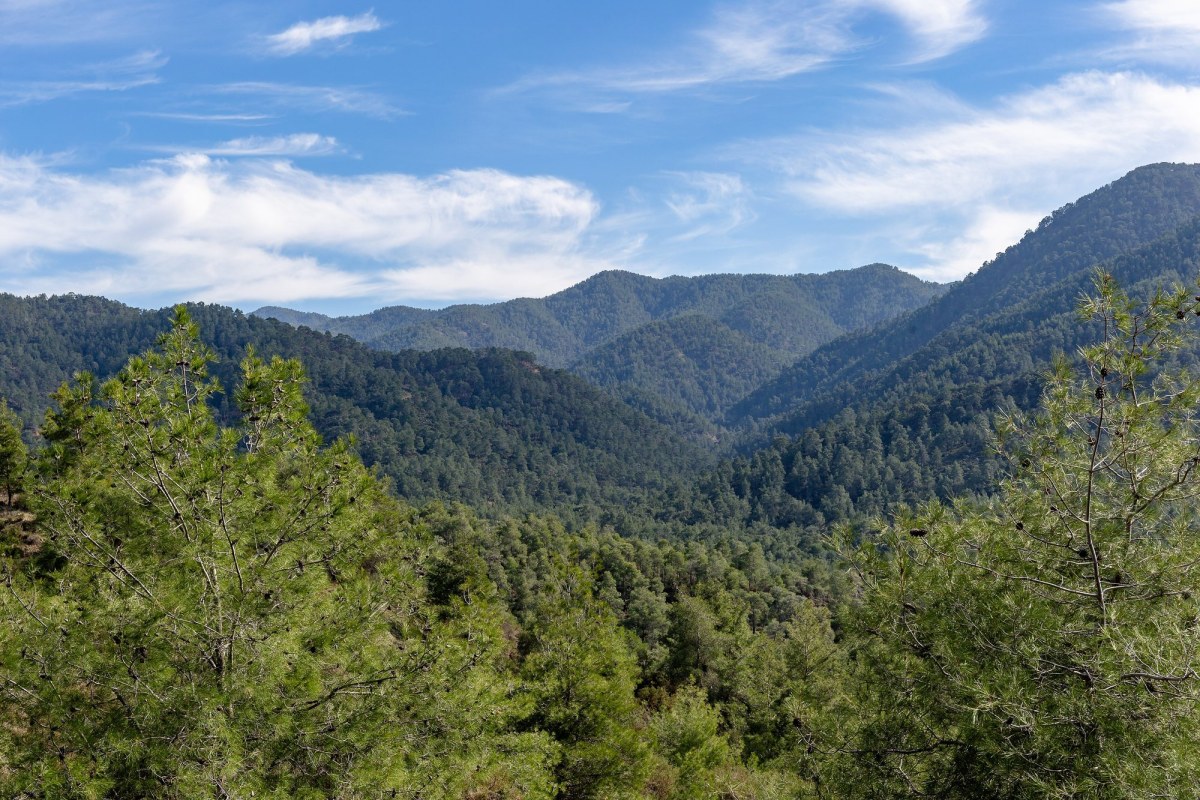
The Troodos Mountains
Region
The island’s mountain core: pine forest, painted Byzantine churches and snow in winter.
Inside Cyprus
Towns and cities
12 to explore
Ayia Napa
Town or city
A resort at the eastern tip with sea caves, clear water and a very loud season.
Famagusta
Town or city
A walled city of ruined Gothic churches, once one of the richest ports in the Mediterranean.
Kyrenia
Town or city
A horseshoe harbour under the mountains, with a castle and a very old shipwreck in it.
Larnaca
Town or city
The airport city, built on ancient Kition, with a palm promenade and a salt lake.
Limassol
Town or city
The second city: a working port, a long promenade and a small old town under a castle.
Omodos
Town or city
A stone wine village on the southern Troodos slopes, built around a monastery courtyard.
Protaras
Town or city
A quieter resort along the coast from Ayia Napa, built around one very good bay.
Rizokarpaso
Town or city
The last large village before the tip of the Karpas, and one where a community stayed.
Inside Cyprus
Landmarks
12 to explore
Bellapais Abbey
Landmark
A Gothic monastery on a shelf of the mountain, roofless and the finest medieval building on the island.
Choirokoitia
Landmark
A Neolithic village of round houses on a hillside, among the oldest settlements in the Mediterranean.
Hala Sultan Tekke
Landmark
A mosque and tomb among palms on the shore of a salt lake full of flamingos.
Kourion
Landmark
A Greek and Roman city on a cliff above the sea, with a theatre still used for performances.
Kykkos Monastery
Landmark
The wealthiest monastery on the island, high in the Troodos, holding a much-venerated icon.
Kyrenia Castle and the Shipwreck
Landmark
A Venetian artillery fort holding a Greek merchant ship raised from the seabed.
Painted Churches of the Troodos
Landmark
Ten small barn-roofed churches in mountain valleys, covered inside with Byzantine painting.
Paphos Archaeological Park
Landmark
Four Roman houses whose floor mosaics were found by a farmer ploughing.
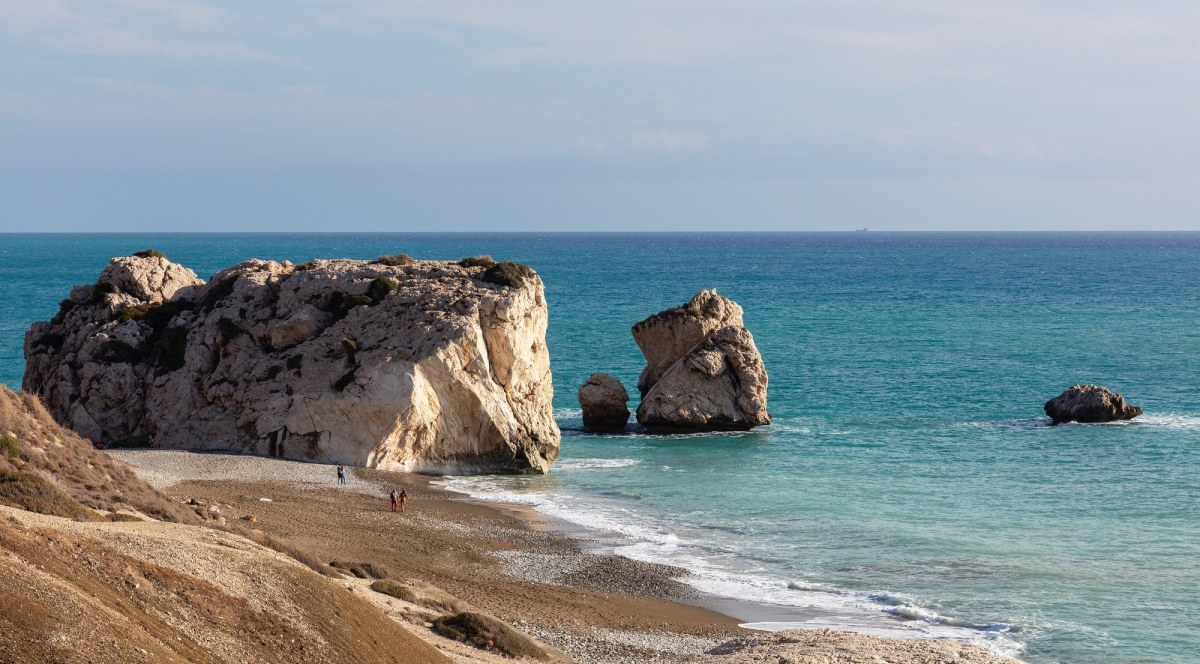
Petra tou Romiou
Landmark
A sea stack on a pebble shore where Aphrodite is said to have come out of the water.
Saint Hilarion Castle
Landmark
A castle on twin crags of the Kyrenia range, climbed in three stages with the sea below.
Salamis
Landmark
The largest ancient city on the island, spread through sand and pines beside the sea.
Tombs of the Kings
Landmark
Chambers with peristyle courtyards cut down into solid rock, and no kings in them.
Plan the trip
Explore Cyprus
Start with the regions, then the towns, then the sights worth a detour — each with its own page and its own pin on the map.
Start anywhere and follow the links. The guides and itineraries join these places into routes you can actually travel.
Credit: Europe by Giddo
Every place above is on this map. The lists on this page are the same content in the same order.