

Where to stay in Croatia
See the hotels and apartments available on Booking.com · This is an affiliate link with our partner. Europe by Giddo may earn a commission from a purchase made through it, at no extra cost to you.
Croatia is shaped like a crescent around Bosnia, with a long Adriatic coastline, a mountainous spine and a flat, green interior that most visitors never reach. The coast is the draw: clear water, more than a thousand islands, and Roman and Venetian towns strung along it.
Our partner
Travel insurance · 5% off for our readers
Get a quoteDubrovnik in the far south is a walled city on the sea, and walking the complete circuit of its walls is the single best hour on the Croatian coast. It is extremely busy in summer and much better early or late in the day. Split further north grew inside the walls of Diocletian's Roman palace, and the palace is still the living centre of the city.
Between and beyond them lie the islands. Hvar is the fashionable one, with lavender fields and a Venetian square; Korčula has a fishbone-plan old town; Vis was closed to visitors for decades and is quieter for it; Brač has the Zlatni Rat beach that shifts with the current. Mljet is largely national park with two saltwater lakes.
Istria in the north-west feels Italian, because it was: hill towns like Motovun and Grožnjan, truffles in the Mirna valley, the Roman amphitheatre at Pula and the Byzantine mosaics of Poreč. Opatija and the Kvarner gulf below it were the Habsburg empire's seaside.
Inland, Plitvice Lakes is the country's best-known national park, sixteen terraced lakes linked by waterfalls and boardwalks; Krka has waterfalls you can reach more easily. Zagreb, the capital, is a Central European city of Austro-Hungarian streets, museums and a large market, and has nothing to do with the coast in feel.
Croatian is the language, and Italian and German are widely understood along the coast. Ferries and catamarans connect the islands from Split, Zadar and Dubrovnik. July and August are crowded and hot; June and September are the sweet spots.
Common questions
- What is the capital of Croatia?
- The capital of Croatia is Zagreb.
- What currency is used in Croatia?
- Croatia uses the Euro (EUR).
- What language is spoken in Croatia?
- The official language is Croatian.
- When is the best time to visit Croatia?
- Mediterranean on the coast with hot dry summers; continental and colder inland.
- Which side of the road do you drive on in Croatia?
- In Croatia you drive on the right.
- What plug sockets are used in Croatia?
- Croatia uses type C, F sockets.
- What is the dialling code for Croatia?
- The international dialling code for Croatia is +385.
Partner
Inside Croatia
Regions
10 to explore
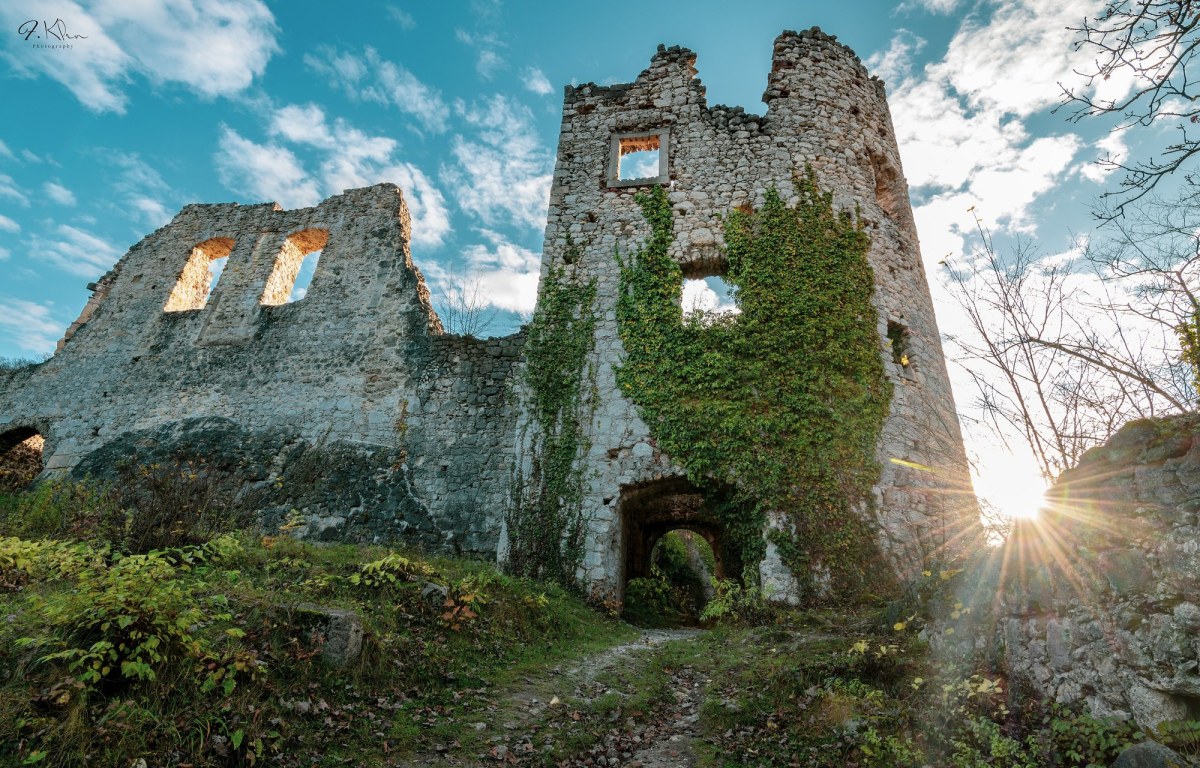
Central Croatia
Region
The country around the capital: wooded hills, spa towns, and the rivers that ring Zagreb.
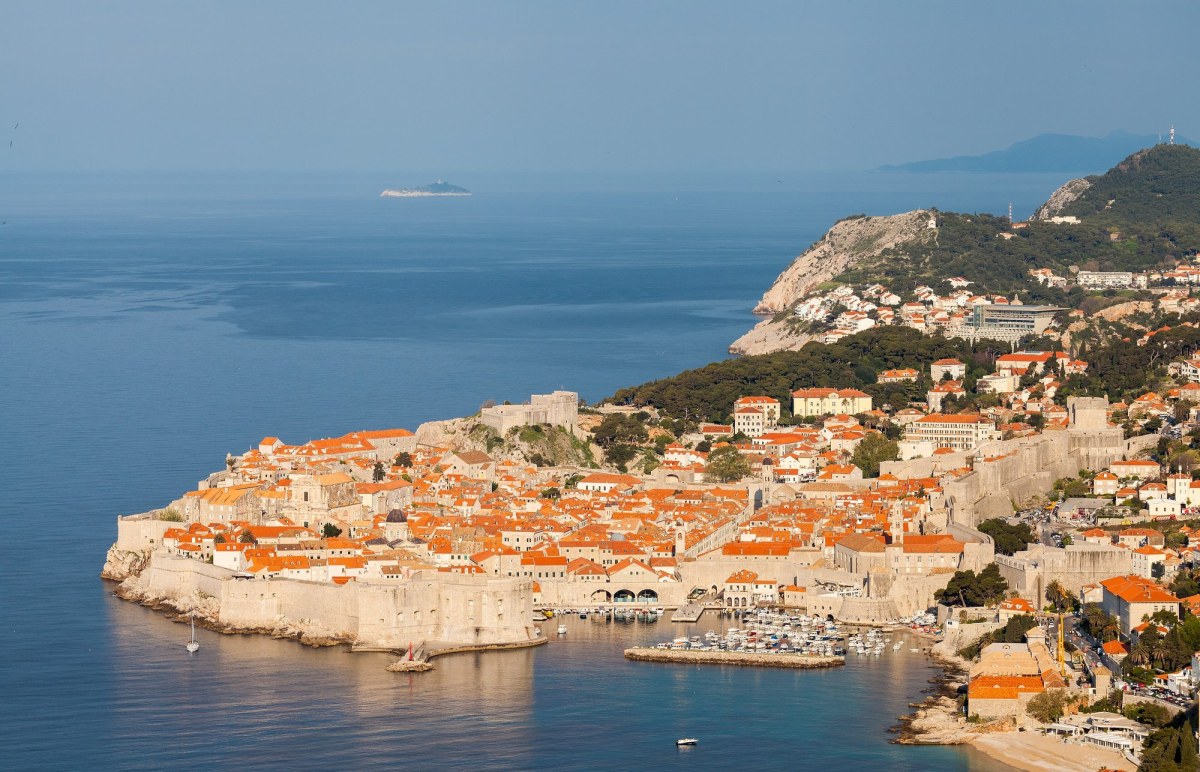
Dalmatia
Region
The long Adriatic coast: karst mountains dropping into clear water, Roman and Venetian towns along it.
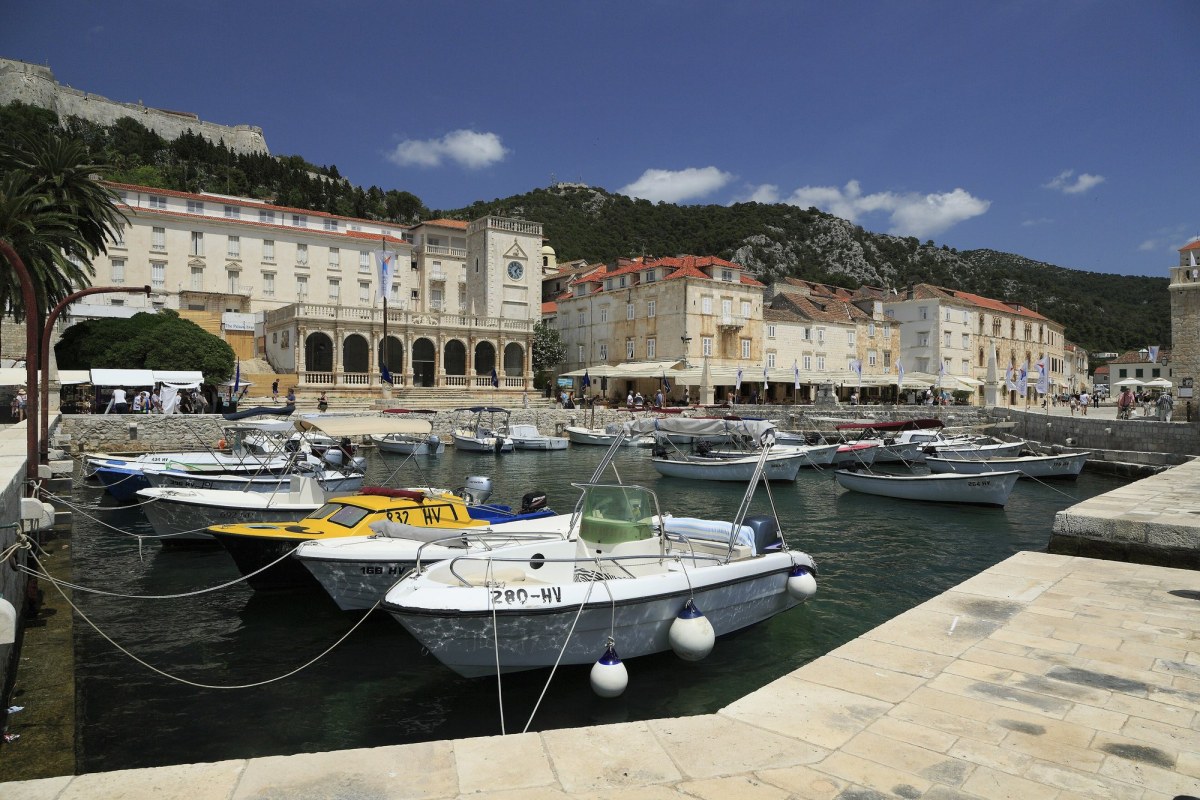
Dalmatian Islands
Region
More than a thousand islands off the Dalmatian coast, of which a few dozen are inhabited.
Gorski Kotar
Region
A forested mountain region between Zagreb and the sea, the greenest and wettest part of the country.
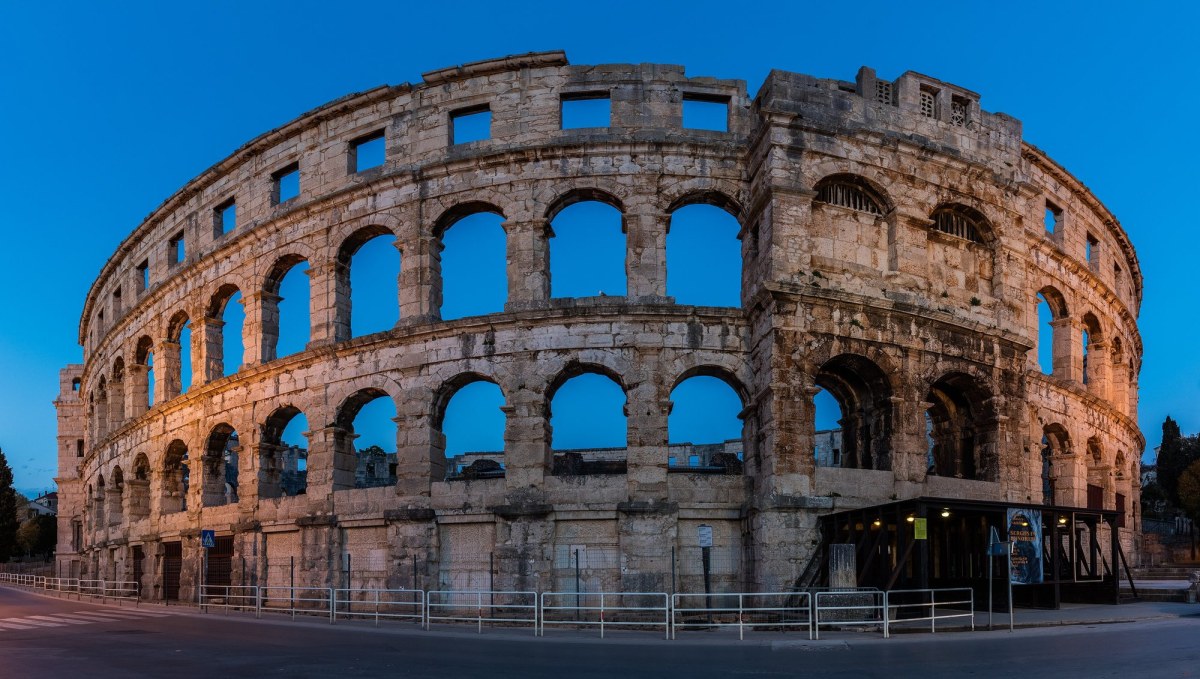
Istria
Region
A heart-shaped peninsula at the top of the Adriatic, Venetian on the coast and hill-town Italian inland.
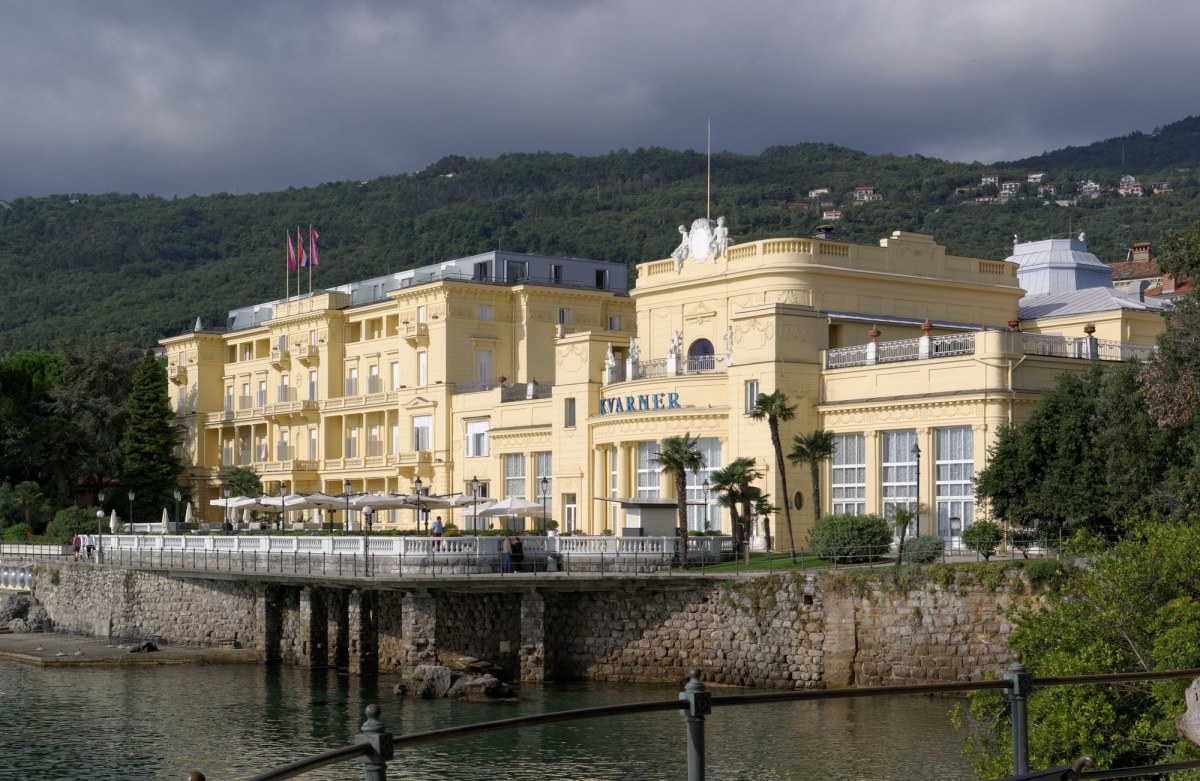
Kvarner
Region
The gulf between Istria and Dalmatia, with big islands, a belle-époque resort and mountains behind.
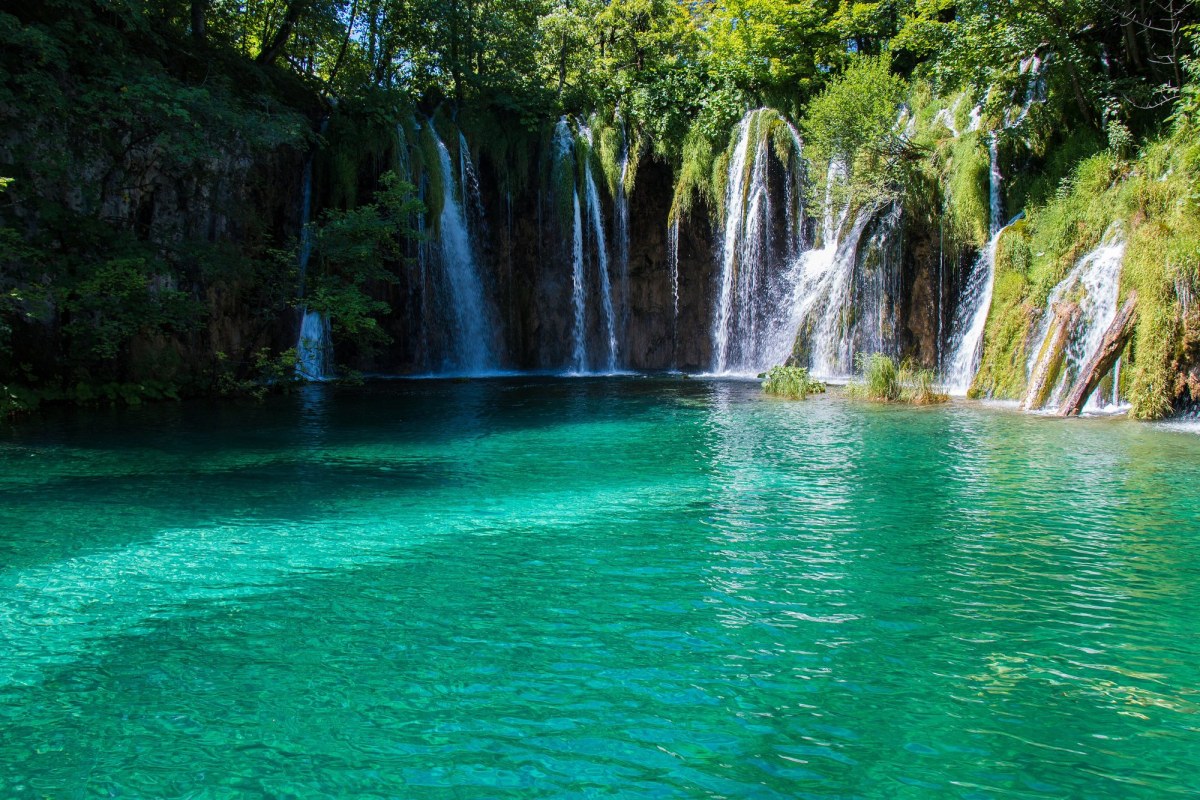
Lika
Region
A high, cold, empty karst plateau between the mountains and the coast, with the country’s best-known lakes on it.
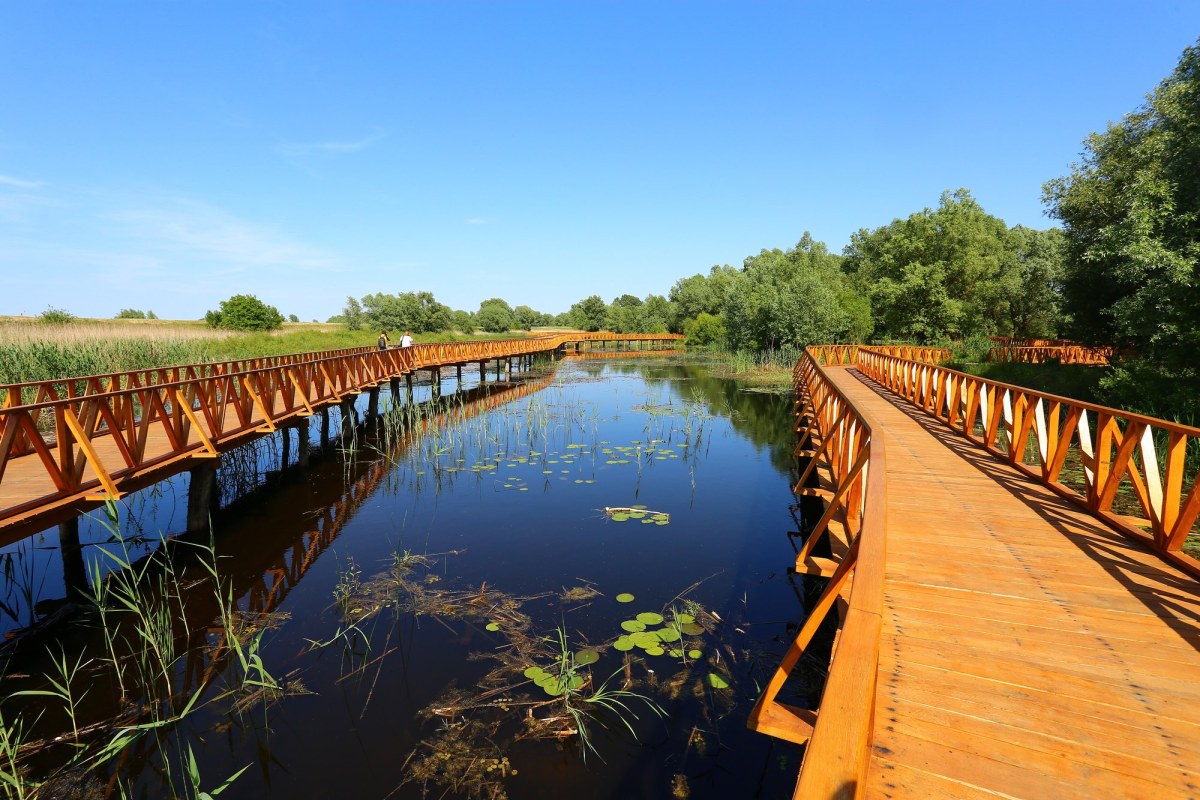
Slavonia
Region
The flat, fertile east: farmland, wetlands full of birds, and a baroque fortress town on the Drava.
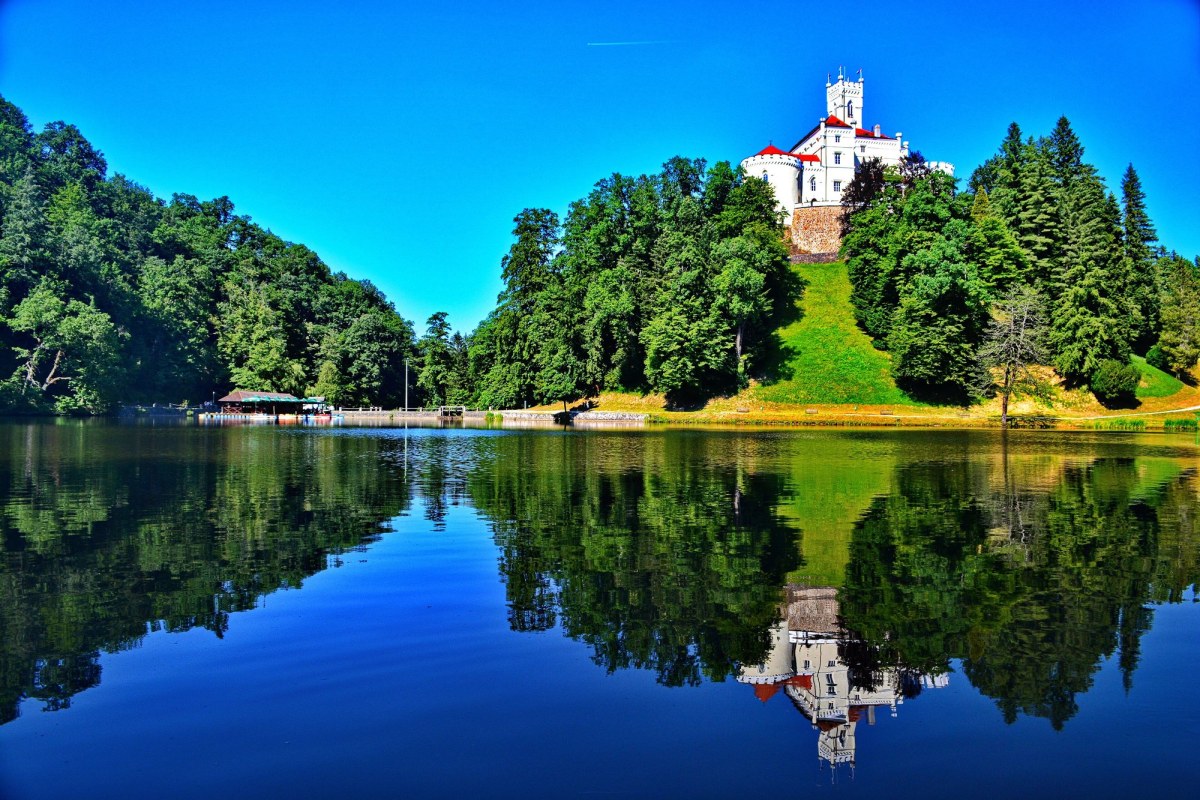
Zagorje
Region
Small green hills north of Zagreb, thick with castles, vineyards and thermal springs.
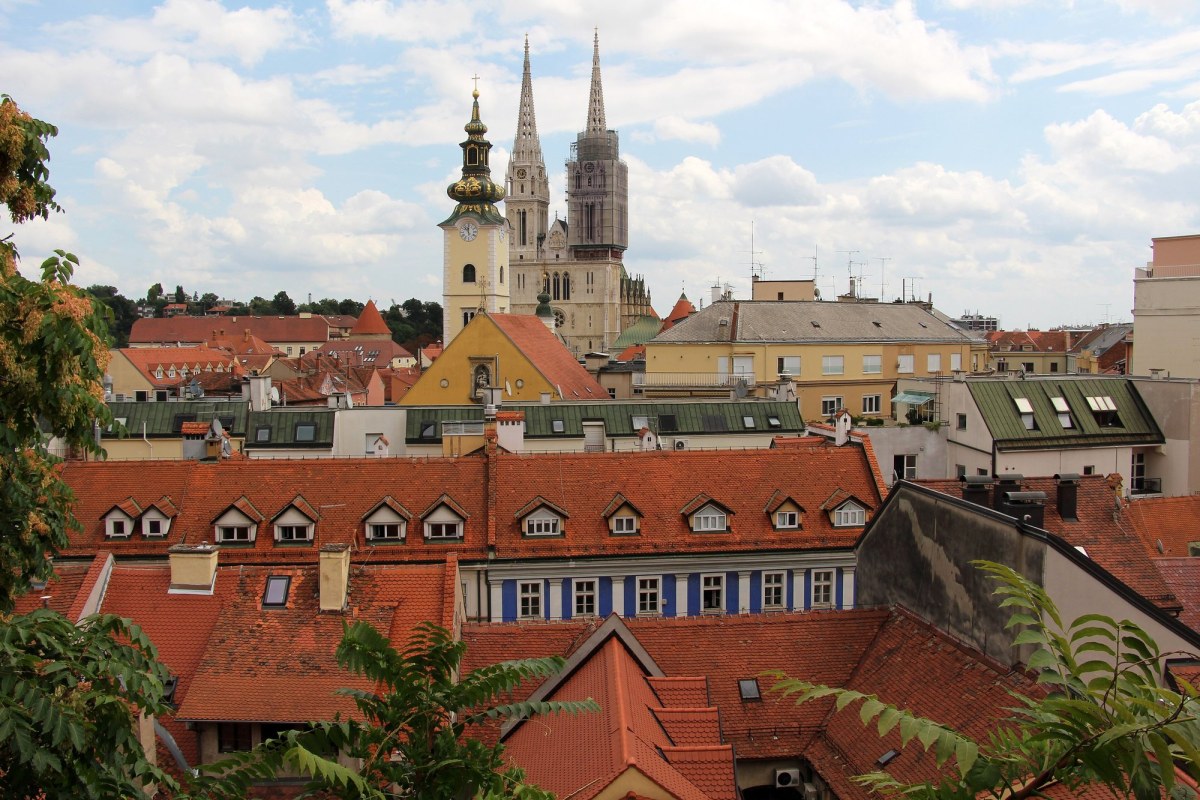
Zagreb
Region
The capital and its immediate surroundings: two medieval hills that became one city, with a wooded ridge behind.
Inside Croatia
Towns and cities
12 to explore
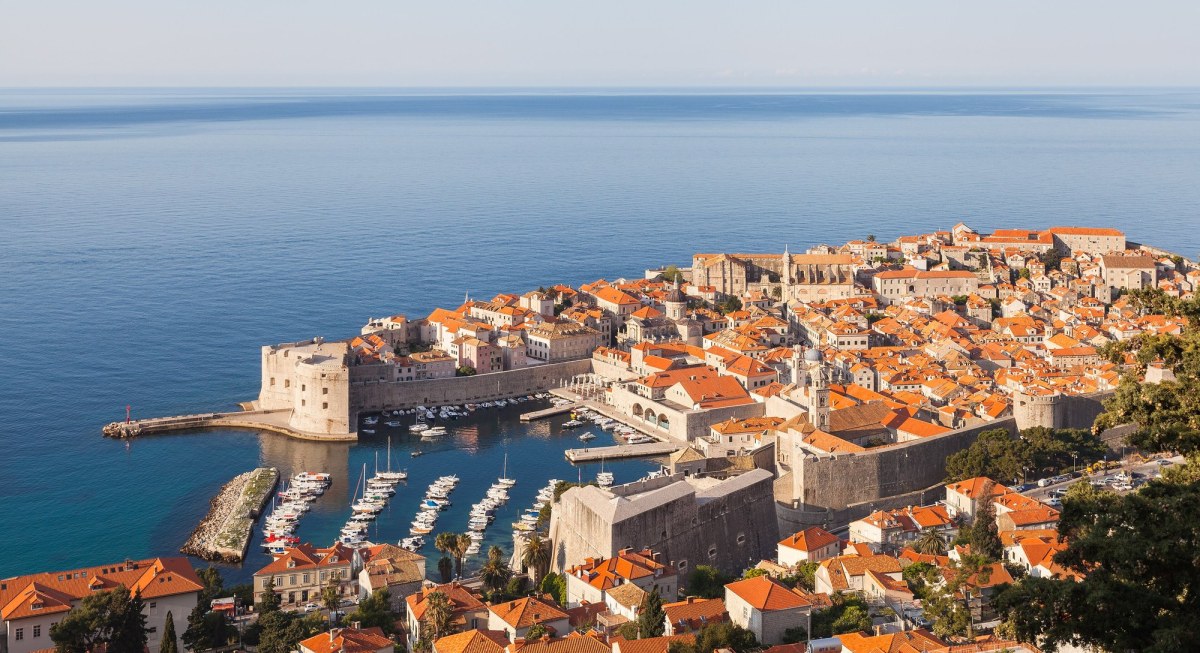
Dubrovnik
Town or city
A walled city on the sea that governed itself as an independent republic for centuries.
Hvar
Town or city
A Venetian town on an island of lavender and vines, with a fortress above and small islands offshore.
Opatija
Town or city
A belle-époque resort built for the Habsburg winter, with a coastal promenade running for kilometres.
Osijek
Town or city
A Slavonian city on the Drava, with a baroque fortress quarter and a wetland next door.
Rovinj
Town or city
An Istrian town packed onto a former island, with a Venetian bell tower over it.
Trogir
Town or city
A small island town of Romanesque and Venetian stone, joined to the mainland by a bridge.
Varaždin
Town or city
A baroque town that was briefly the Croatian capital, with a white castle and a cemetery laid out as a garden.
Zadar
Town or city
A Roman forum lying where it fell, and two modern installations powered by the sea and the sun.
Zagreb
Town or city
A central European capital of two hills, a planned green Lower Town, and serious coffee-drinking.
Inside Croatia
Landmarks
12 to explore
Cathedral of St James
Landmark
A cathedral built entirely of interlocking stone, with a frieze of ordinary faces around it.
Diocletian’s Palace
Landmark
A Roman emperor’s retirement palace that became, and remains, the centre of a city.
Euphrasian Basilica
Landmark
A sixth-century basilica in Poreč with its original gold mosaics still in the apse.
Kornati Islands
Landmark
A national park of bare white islands with almost nothing on them, reached only by boat.
Krka National Park
Landmark
A river dropping through a limestone canyon in a series of travertine falls.
Mljet National Park
Landmark
Two connected saltwater lakes on a wooded island, with a monastery on an island inside one of them.
Plitvice Lakes
Landmark
A chain of lakes stepping down a valley, divided by barriers the water is still building.
Trogir Old Town
Landmark
A complete small medieval town on an island, with a carved Romanesque doorway at its centre.
Walls of Dubrovnik
Landmark
A complete circuit of city walls around the old town, walked in one direction with the sea below.
Zagreb Upper Town
Landmark
The two medieval hills the capital grew from, with a tiled church roof and a daily cannon.
Plan the trip
Explore Croatia
Start with the regions, then the towns, then the sights worth a detour — each with its own page and its own pin on the map.
Start anywhere and follow the links. The guides and itineraries join these places into routes you can actually travel.
Credit: Europe by Giddo
Every place above is on this map. The lists on this page are the same content in the same order.