

Where to stay in Bosnia and Herzegovina
See the hotels and apartments available on Booking.com · This is an affiliate link with our partner. Europe by Giddo may earn a commission from a purchase made through it, at no extra cost to you.
Bosnia and Herzegovina is mountainous, green and cut through by fast rivers. It is where the Ottoman and Austro-Hungarian worlds met, and both are still legible in the architecture, the food and the skyline of minarets and church towers.
Our partner
Travel insurance · 5% off for our readers
Get a quoteSarajevo is the reason many people come. Baščaršija, the Ottoman bazaar, sits a few streets from Habsburg boulevards, and a line in the pavement marks where one empire's town plan meets the other's. The city hosted the 1984 Winter Olympics and endured the longest siege in modern European history a decade later; the Tunnel of Hope museum and the war memorials tell that story directly.
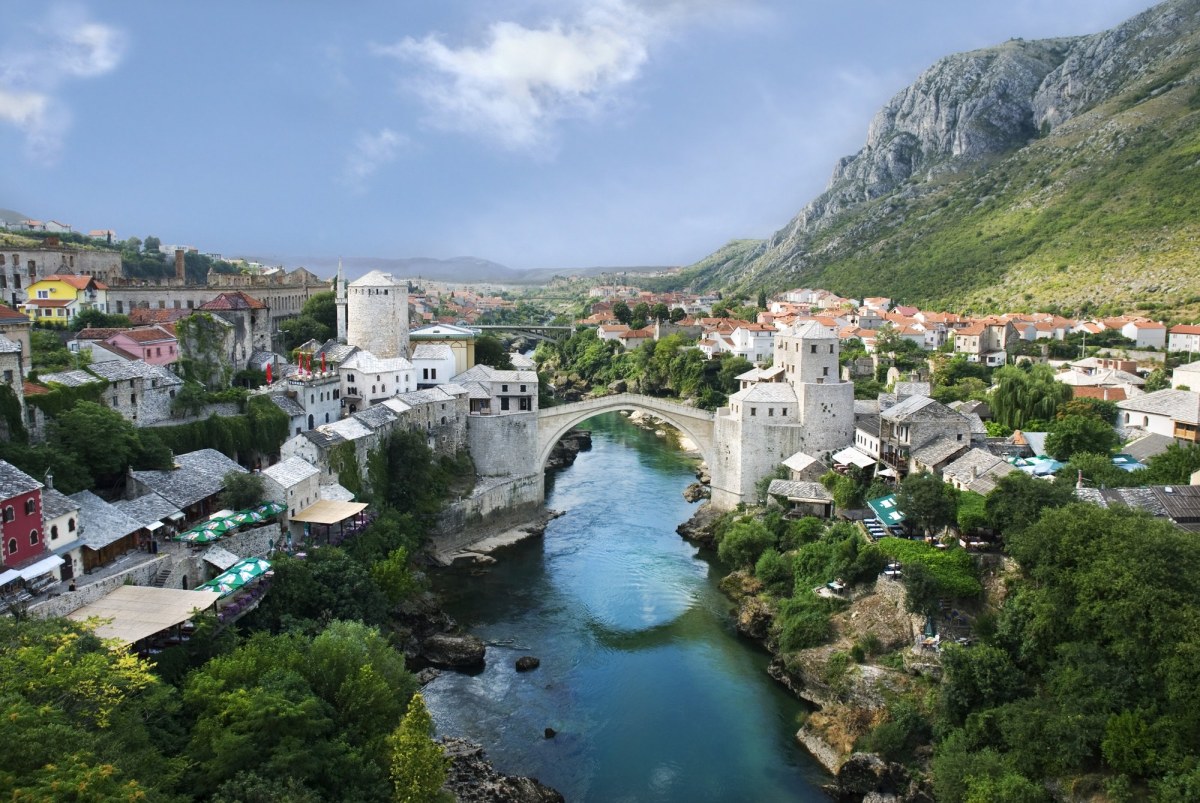
Mostar in Herzegovina is built around the Stari Most, the sixteenth-century Ottoman bridge destroyed in 1993 and rebuilt stone by stone, now World Heritage listed. Divers still jump from it in summer. Nearby are the dervish house at Blagaj, built against a cliff where a river emerges, the Kravica waterfalls and the vineyards of the Neretva valley.
The rivers are the country's natural signature. The Una, the Tara and the Neretva run clear green through canyons and provide some of the best whitewater rafting in Europe. Una National Park in the north-west has waterfalls you can walk behind.
The mountains around Sarajevo — Bjelašnica, Jahorina and Igman — still carry the Olympic infrastructure and have become affordable ski areas. Sutjeska National Park protects Perućica, one of the last primeval forests on the continent, and Maglić, the highest peak.
Bosnian, Croatian and Serbian are all official and mutually intelligible; both alphabets are in use. Coffee is served in the Ottoman way and taken slowly. Buses are the practical way to travel, and the Sarajevo-to-Mostar railway is one of the most scenic short journeys in the Balkans.
Sarajevo and Mostar have airports, and buses reach almost everywhere; the roads are winding, so journeys take longer than the distances suggest. The country combines easily with Croatia — Dubrovnik and Split are a few hours from Mostar — and with Montenegro and Serbia. Summer is the rafting and walking season; the mountains above Sarajevo have a proper winter.
Common questions
- What is the capital of Bosnia and Herzegovina?
- The capital of Bosnia and Herzegovina is Sarajevo.
- What currency is used in Bosnia and Herzegovina?
- Bosnia and Herzegovina uses the Convertible mark (BAM).
- What language is spoken in Bosnia and Herzegovina?
- The official languages are Bosnian, Croatian, Serbian.
- When is the best time to visit Bosnia and Herzegovina?
- Continental inland with snowy winters; Mediterranean and much hotter in the south.
- Which side of the road do you drive on in Bosnia and Herzegovina?
- In Bosnia and Herzegovina you drive on the right.
- What plug sockets are used in Bosnia and Herzegovina?
- Bosnia and Herzegovina uses type C, F sockets.
- What is the dialling code for Bosnia and Herzegovina?
- The international dialling code for Bosnia and Herzegovina is +387.
Partner
Inside Bosnia and Herzegovina
Regions
10 to explore
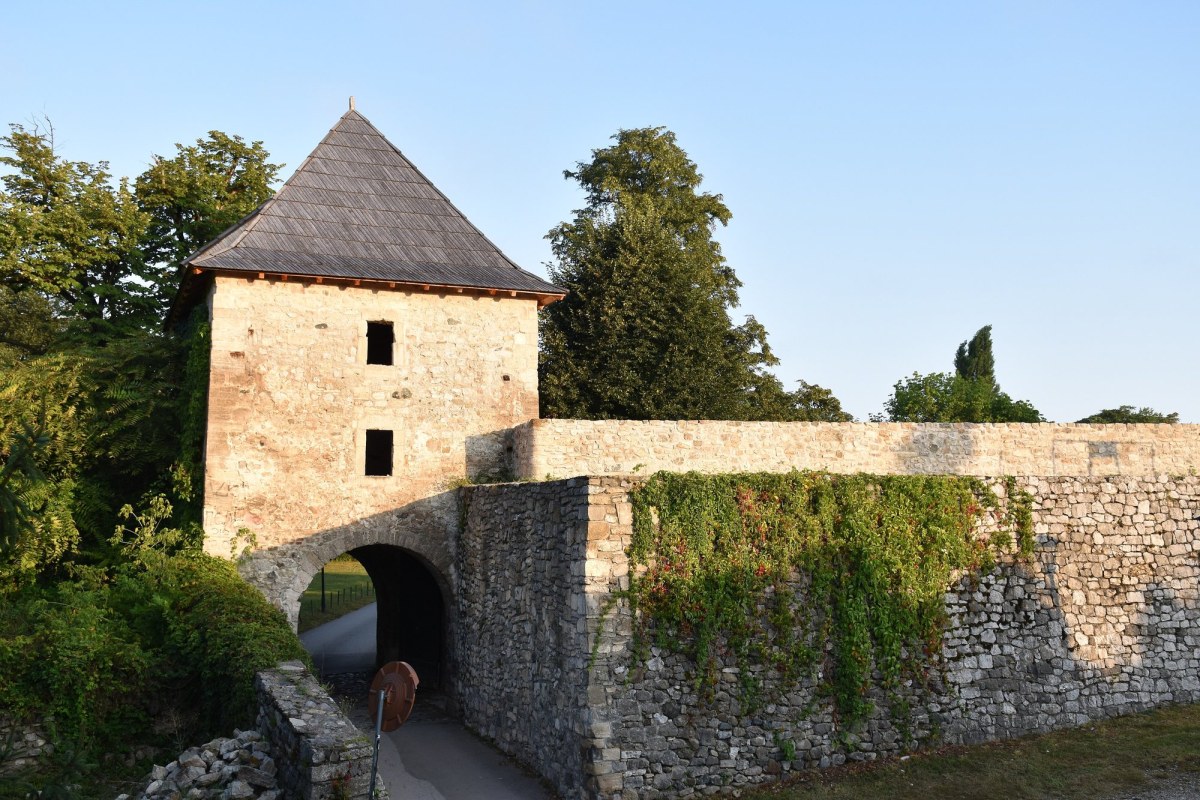
Bosanska Krajina
Region
The north-west: rivers, waterfalls, fortified towns and the largest city outside Sarajevo.
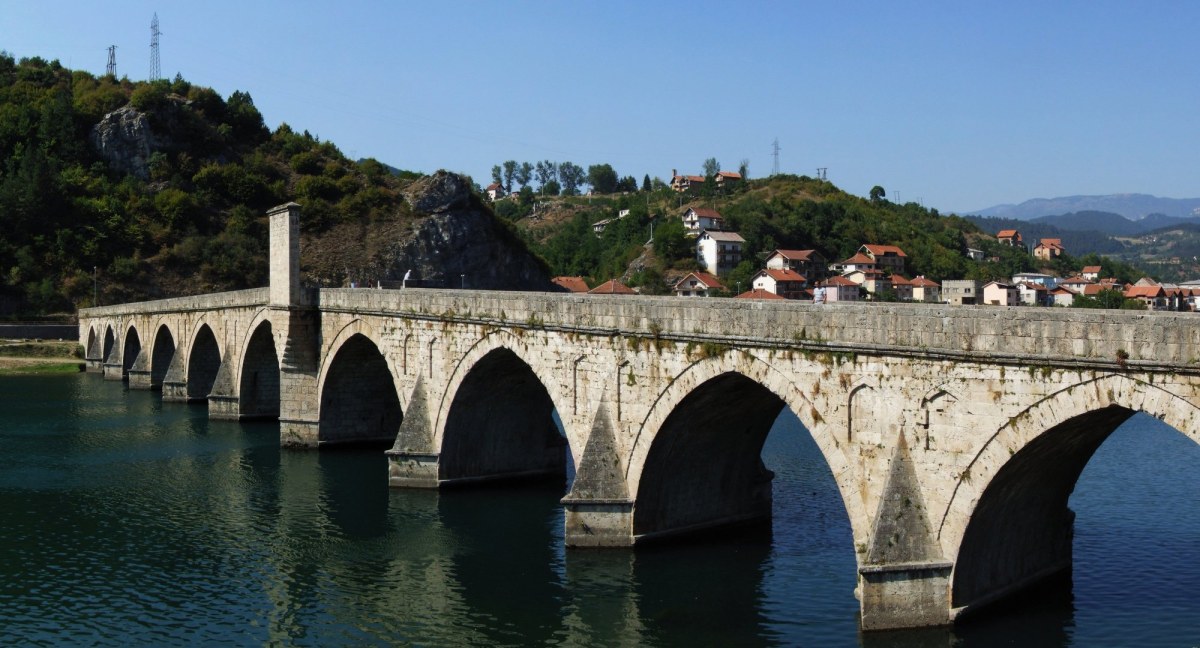
Eastern Bosnia
Region
The Drina country along the Serbian border: gorges, an Ottoman bridge and a heavy recent history.
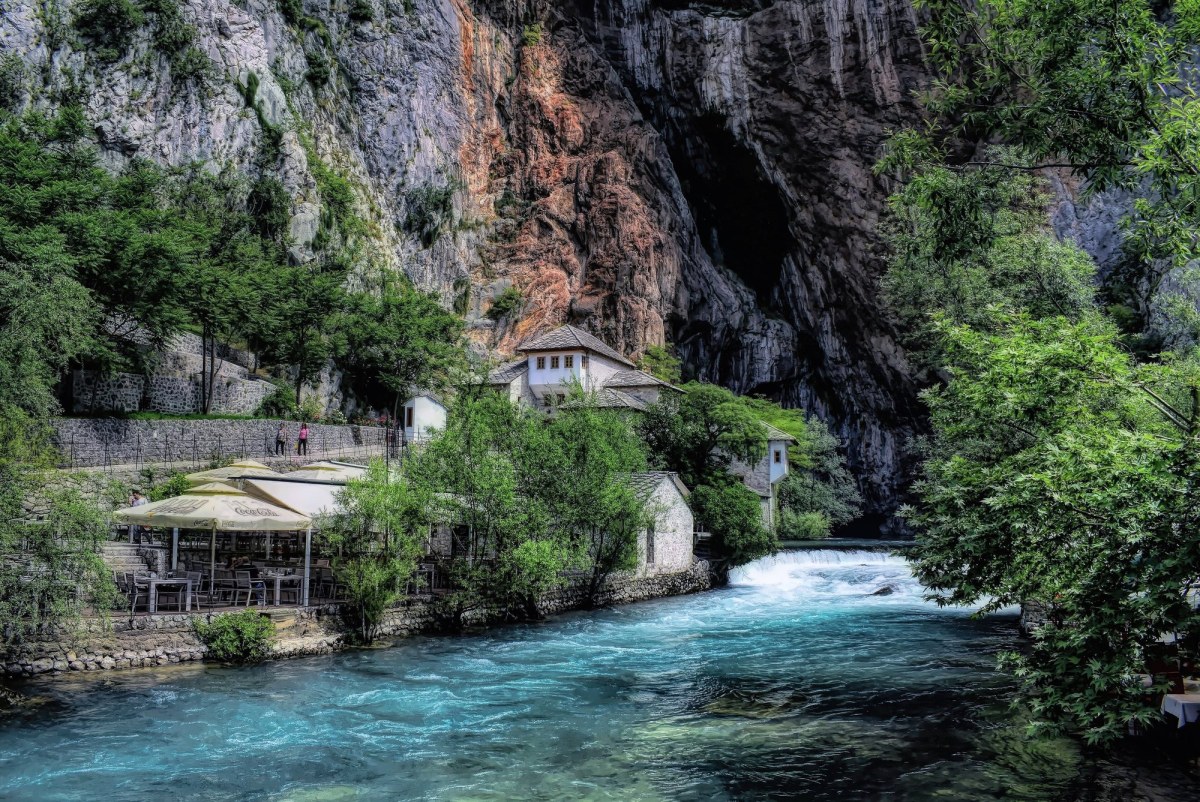
Herzegovina
Region
The dry southern half: karst, vineyards, stone towns and a Mediterranean climate.
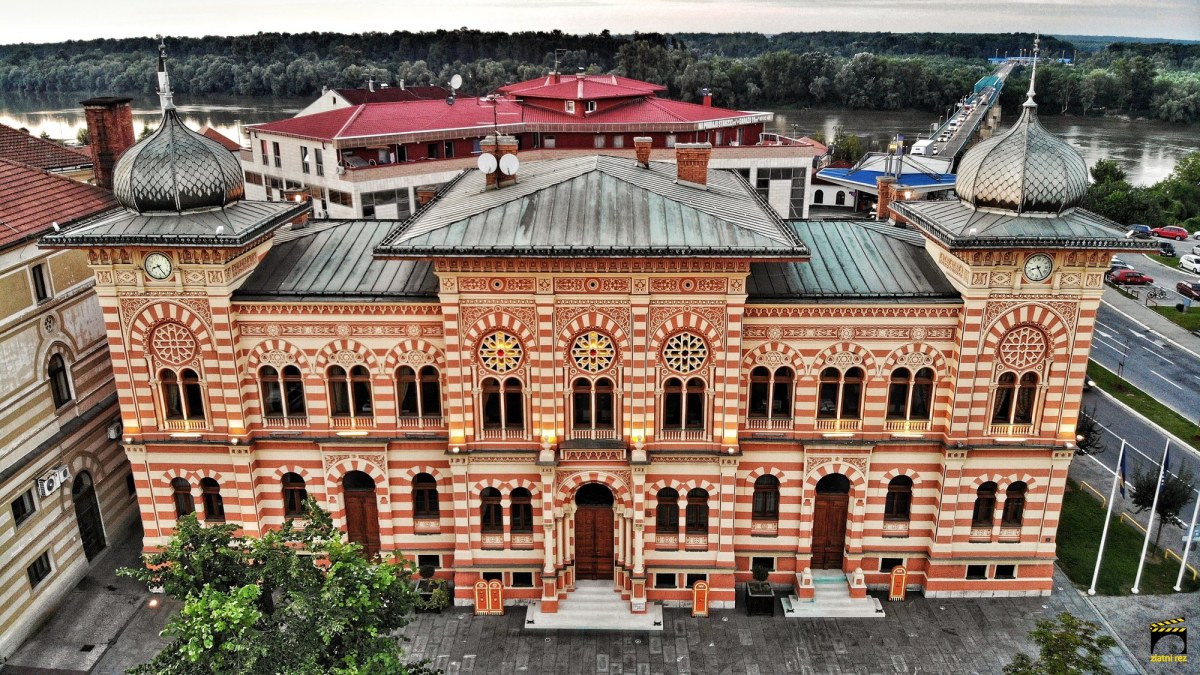
Posavina
Region
The flat Sava plain in the north, farming country with a border river along its whole length.
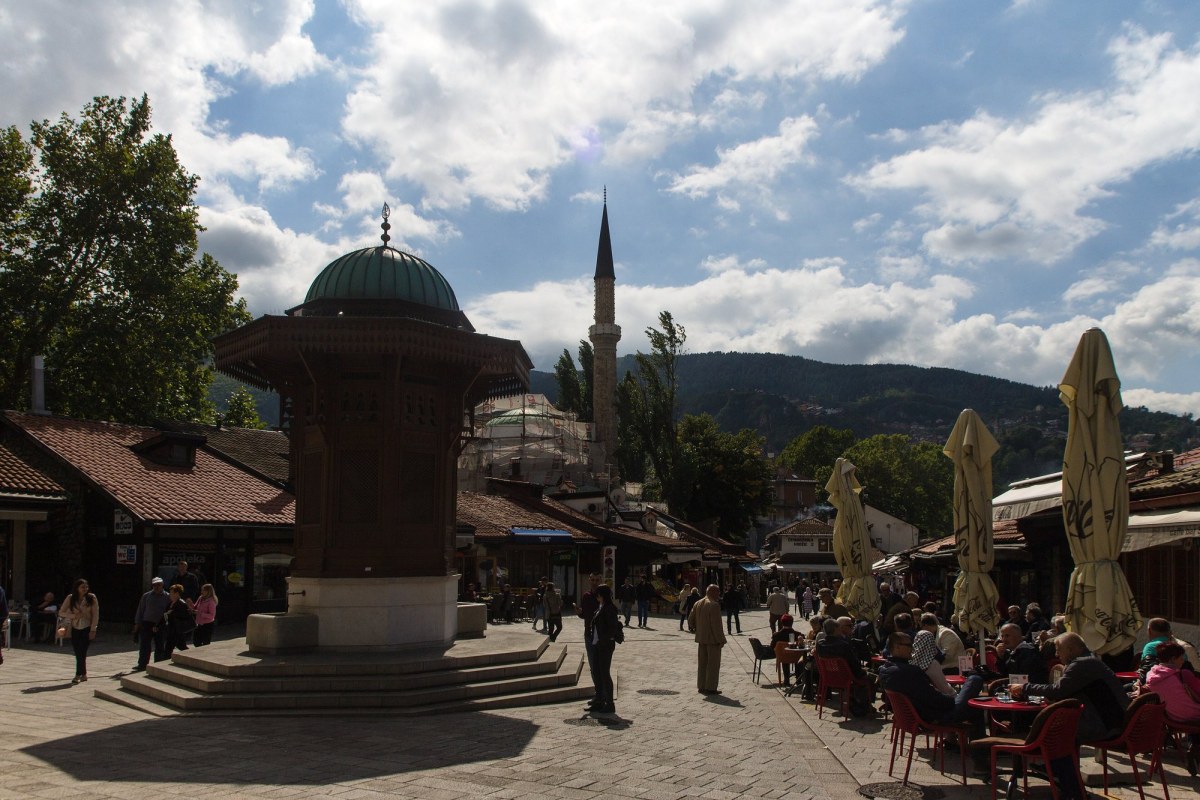
Sarajevo and Central Bosnia
Region
The capital in its valley, and the mountain towns and mining country around it.
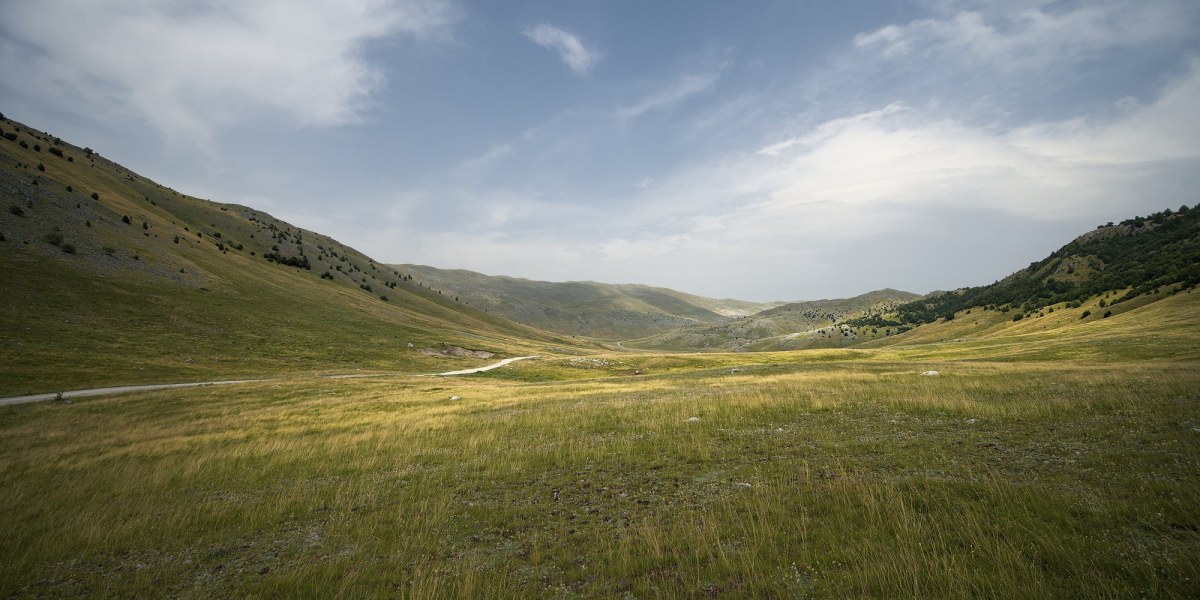
The Bosnian Highlands
Region
The high Dinaric interior: bare limestone, glacial lakes, high villages and the last primeval forest.
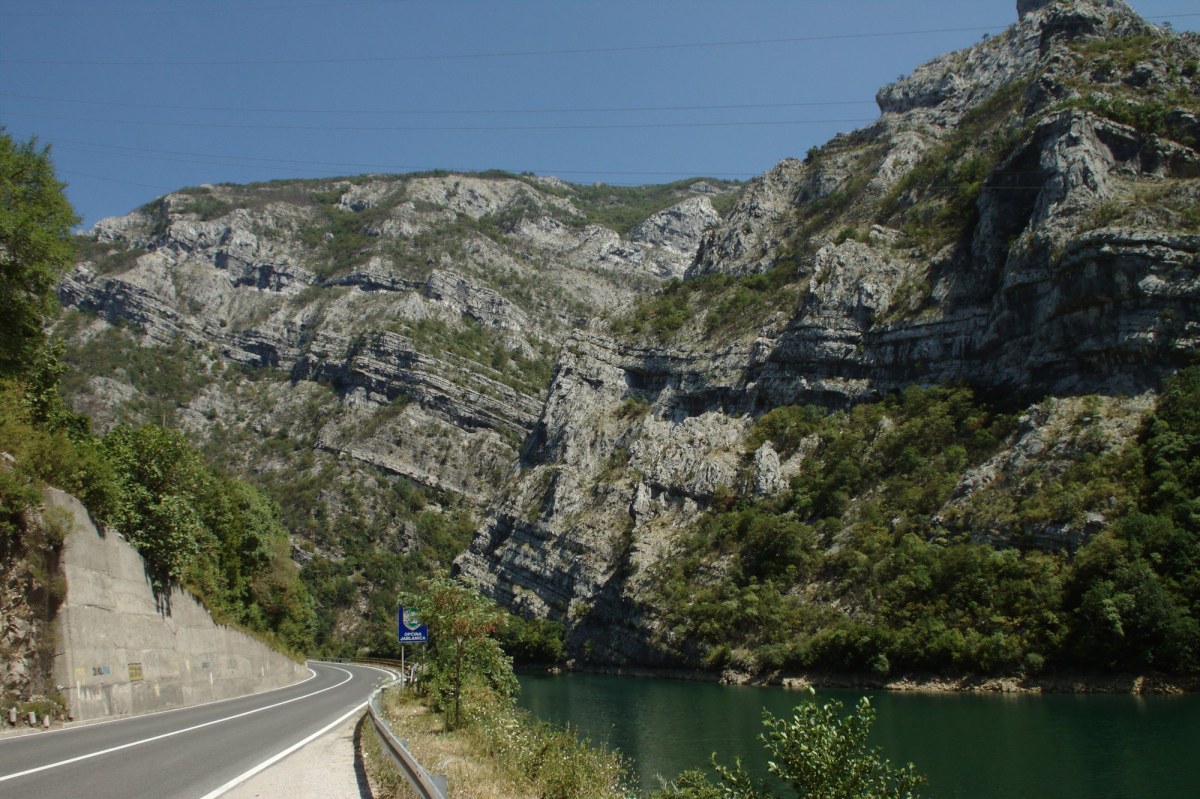
The Neretva Valley
Region
A green river running from the mountains to the Adriatic through gorges and orchards.
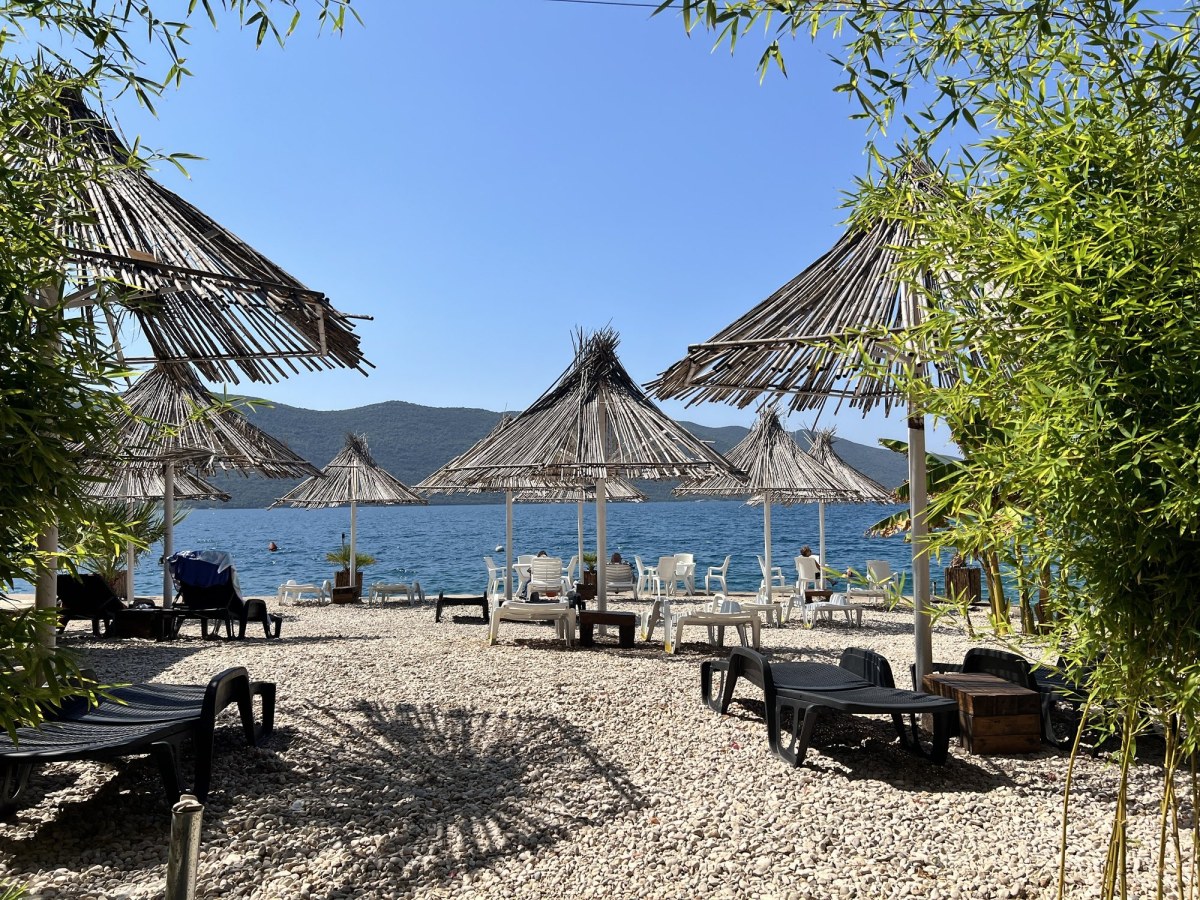
The Neum Coast
Region
The country’s only stretch of sea: a short strip of Adriatic between two pieces of Croatia.
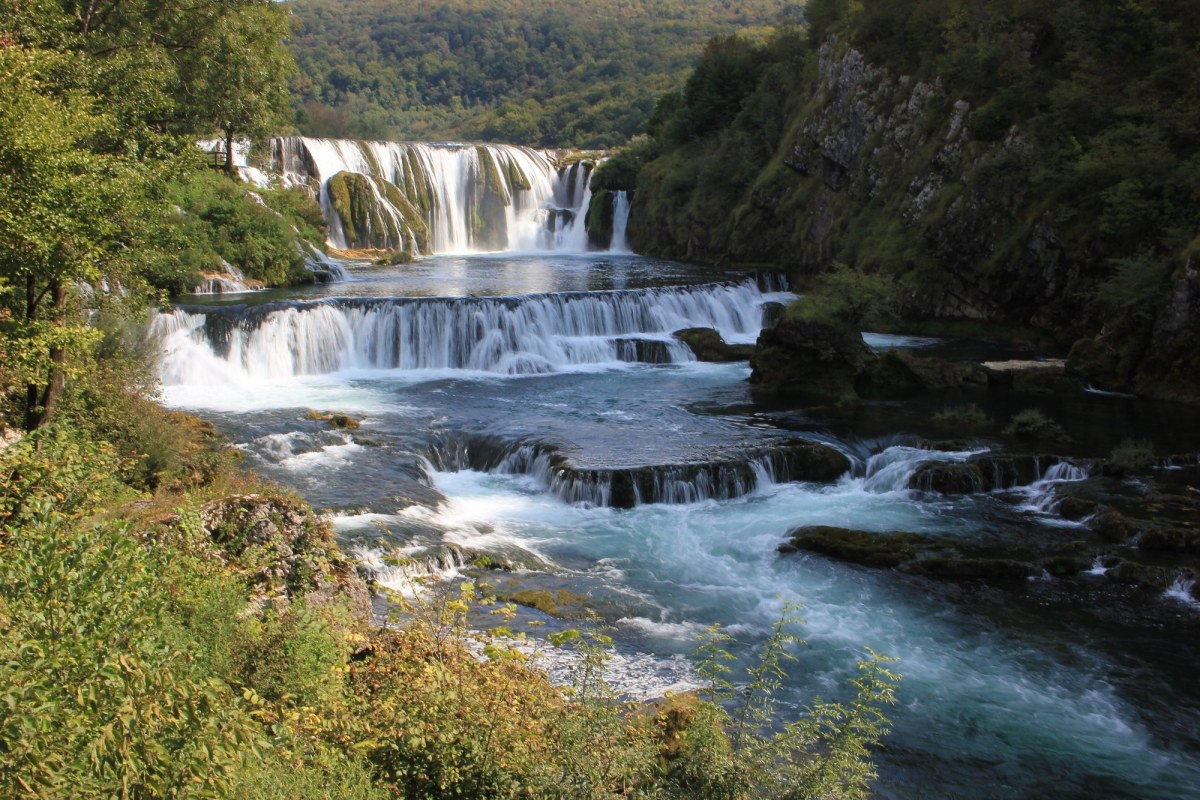
The Una Valley
Region
A river of extraordinary clarity running over travertine in a chain of falls, protected as a park.
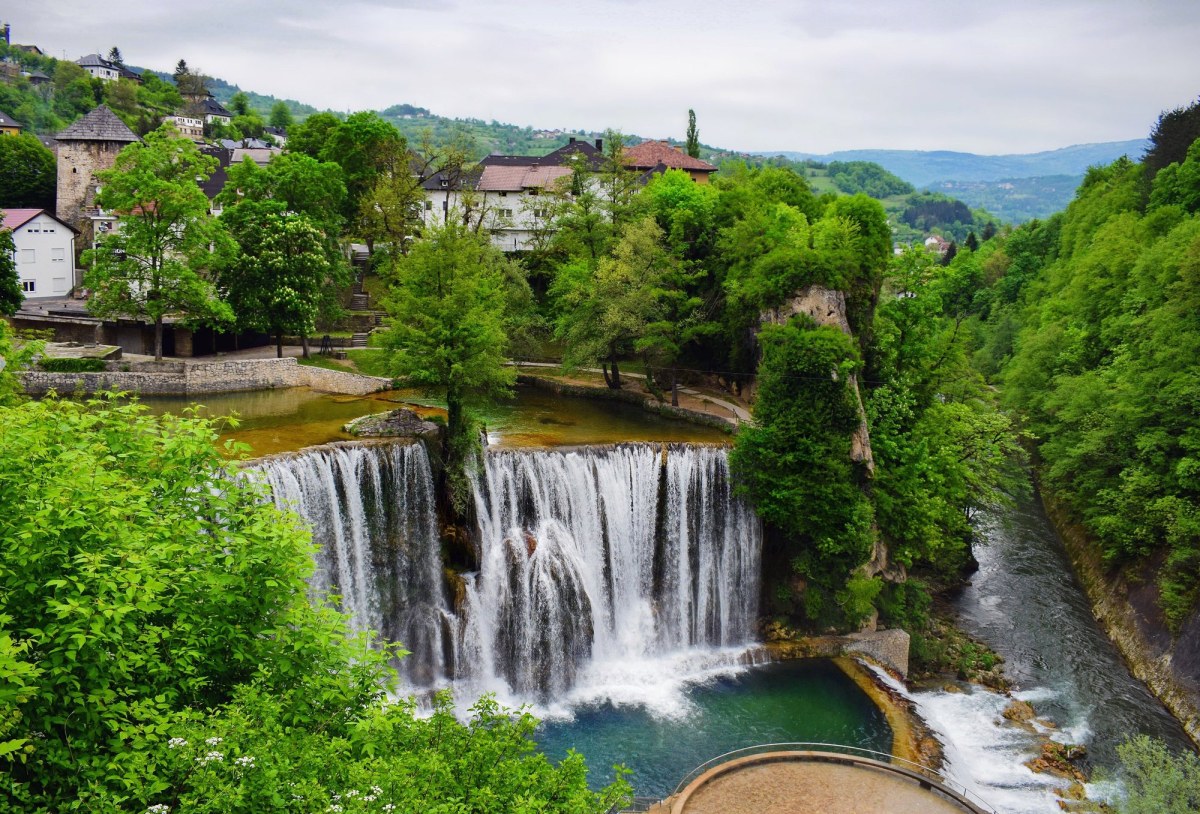
The Vrbas Valley
Region
A river cutting a canyon from the central highlands down to the northern plain.
Inside Bosnia and Herzegovina
Towns and cities
12 to explore
Banja Luka
Town or city
A green city of avenues on the Vrbas, with a fortress on the bank and rafting upstream.
Blagaj
Town or city
A village at the foot of a cliff where a river comes out of the rock, with a dervish house beside it.
Jajce
Town or city
A fortified town with a waterfall in the middle of it, where Bosnian kings were crowned.
Mostar
Town or city
A Herzegovinian town on a green river, with a bridge destroyed in 1993 and rebuilt in 2004.
Sarajevo
Town or city
A capital in a narrow valley where four religions meet in a few hundred paces, and a siege is still visible.
Travnik
Town or city
The vizier’s town in a narrow valley, with a fortress above it and Andrić born in it.
Trebinje
Town or city
A southern stone town of plane trees and vineyards, an easy drive from the Adriatic.
Tuzla
Town or city
A salt city in the north-east, sinking slowly, with saltwater lakes in the middle of it.
Višegrad
Town or city
A Drina town built around an Ottoman bridge that a Nobel Prize was written about.
Inside Bosnia and Herzegovina
Landmarks
12 to explore
Blagaj Tekke
Landmark
A dervish house built against a cliff at the mouth of one of Europe’s strongest springs.
Gazi Husrev-beg Mosque
Landmark
The great mosque of Sarajevo and the endowment that built half the city around it.
Kravica Waterfall
Landmark
A wide travertine amphitheatre of falls on the Trebižat, swum in all summer.
Latin Bridge
Landmark
A small Ottoman bridge in Sarajevo beside the corner where the First World War began.
Mehmed Paša Sokolović Bridge
Landmark
Sinan’s bridge on the Drina, and the frame of a Nobel Prize-winning novel.
Sarajevo War Tunnel
Landmark
The tunnel dug under the airport runway that kept the besieged city supplied.
Stari Most
Landmark
The old bridge of Mostar: a single Ottoman arch, shelled in 1993 and rebuilt in 2004.
Stećci Medieval Tombstones
Landmark
Carved stone tombs standing in fields across the country, and nobody is certain who made them all.
Sutjeska National Park
Landmark
The oldest national park in the country, holding the highest peak and a primeval forest.
Una National Park
Landmark
A park along the clearest river in the country, built around a chain of travertine falls.
Plan the trip
Explore Bosnia and Herzegovina
Start with the regions, then the towns, then the sights worth a detour — each with its own page and its own pin on the map.
Start anywhere and follow the links. The guides and itineraries join these places into routes you can actually travel.
Credit: Europe by Giddo
Every place above is on this map. The lists on this page are the same content in the same order.