

Where to stay in Belgium
See the hotels and apartments available on Booking.com · This is an affiliate link with our partner. Europe by Giddo may earn a commission from a purchase made through it, at no extra cost to you.
Belgium is small, layered and split between Dutch-speaking Flanders in the north, French-speaking Wallonia in the south and a bilingual capital in the middle. That division produces two quite different travel experiences within an hour of each other.
Our partner
Travel insurance · 5% off for our readers
Get a quoteBrussels has the Grand-Place, arguably the most ornate market square in Europe, plus Art Nouveau by Victor Horta, the Magritte Museum, the European institutions and a comic-strip tradition that is taken seriously. It is also a very good eating city.
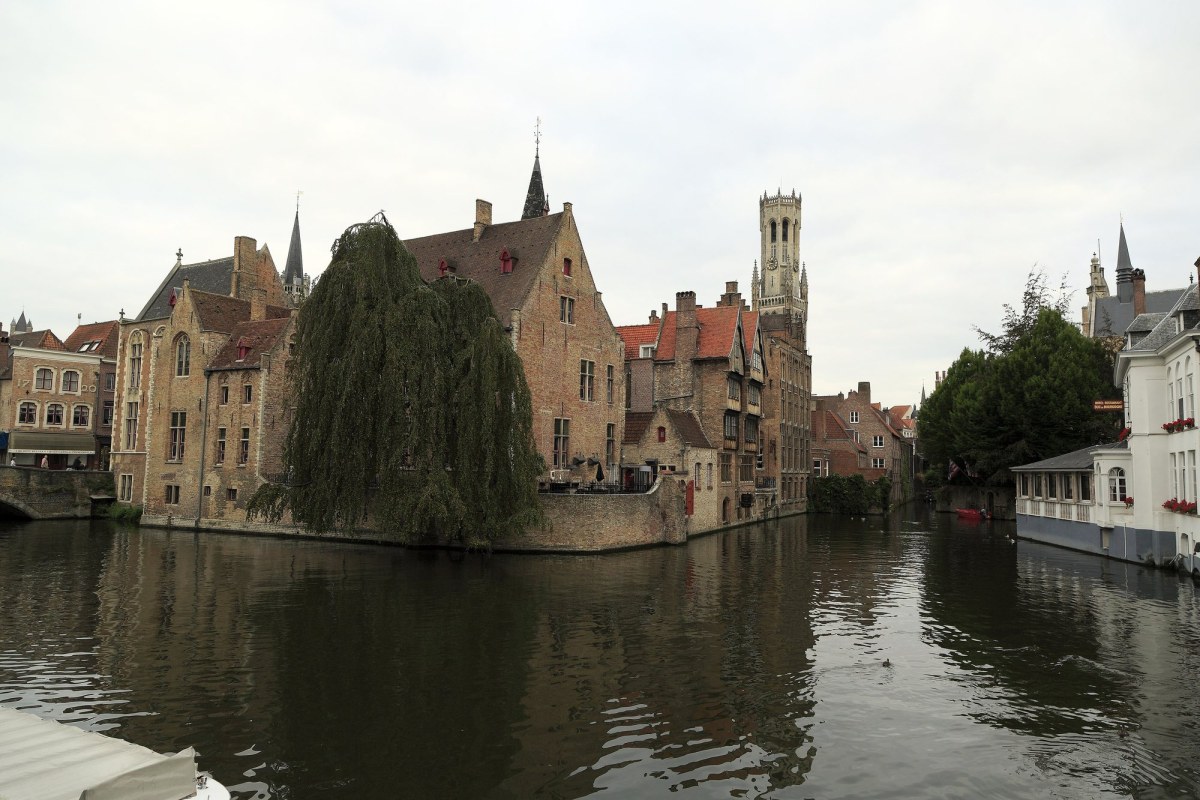
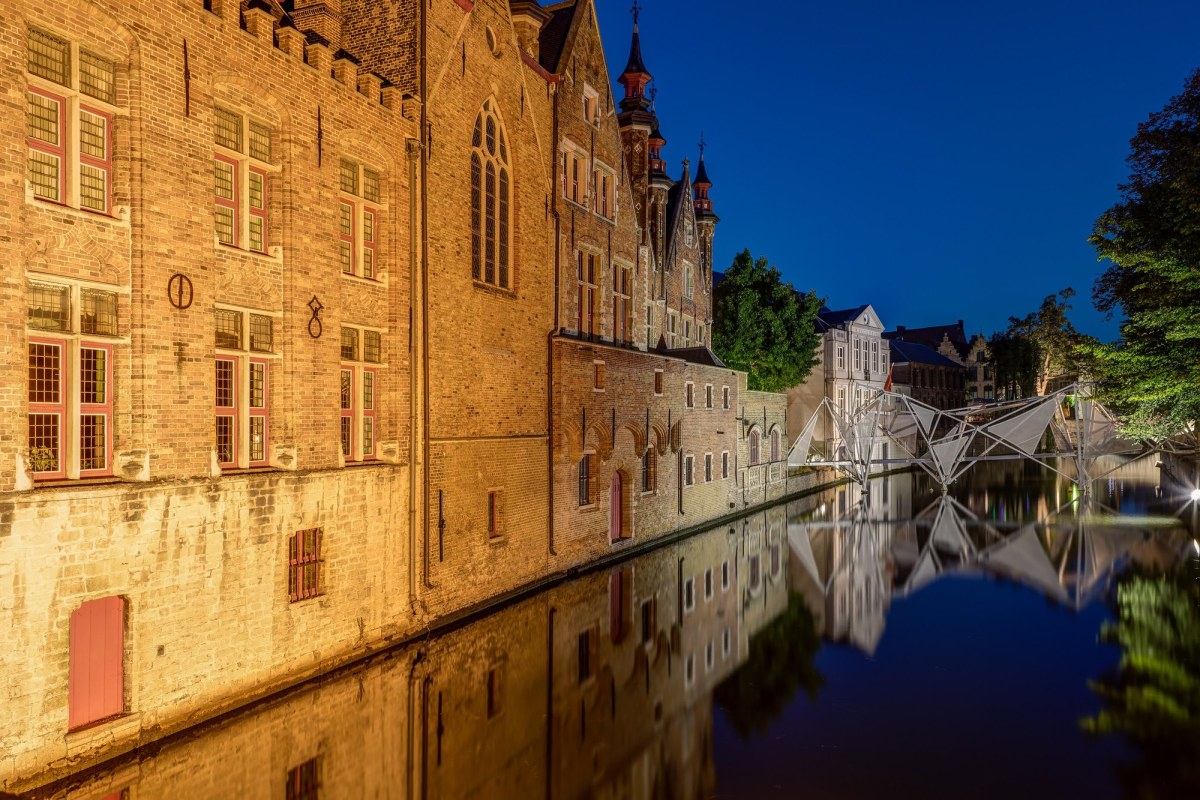
Flanders holds the medieval showpieces. Bruges kept its canals, brick gables and belfry almost intact and is compact enough to walk in an afternoon. Ghent is larger, younger and less polished, with the Ghent Altarpiece in St Bavo's Cathedral. Antwerp has Rubens, a diamond quarter, a spectacular railway station and the country's strongest fashion scene. Leuven and Mechelen are quieter and equally old.
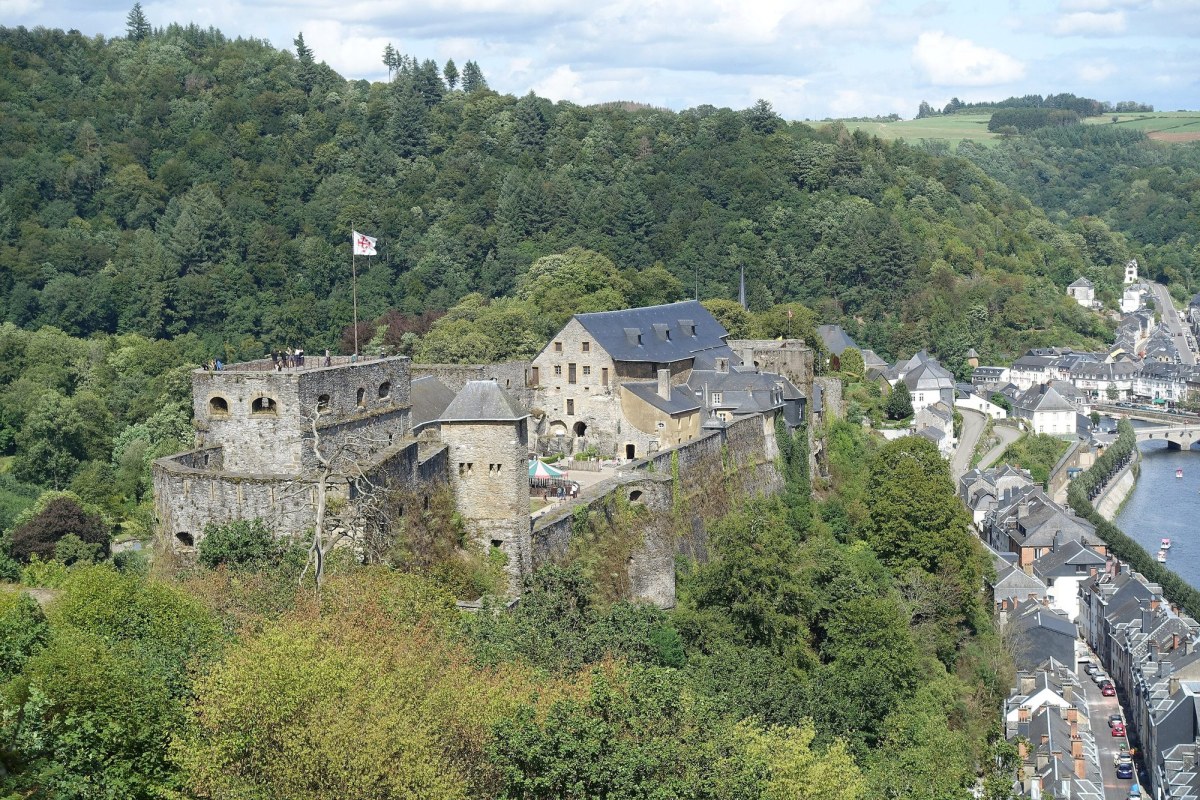
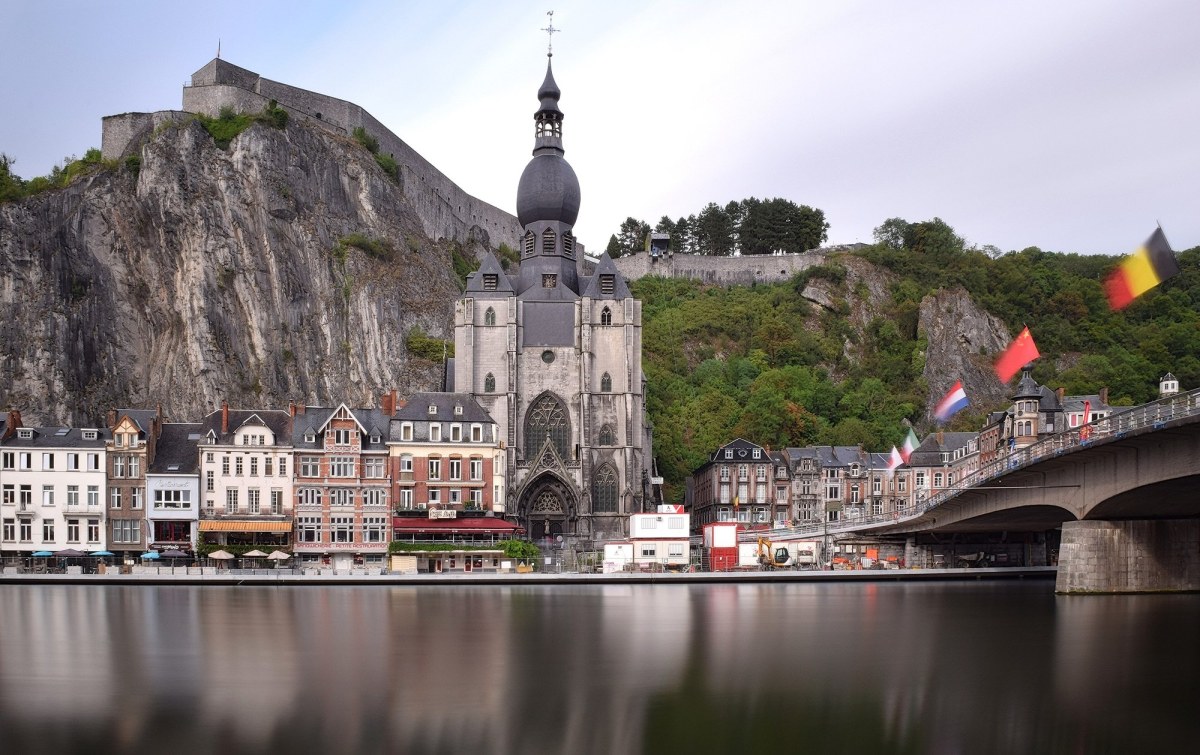
Wallonia in the south is green and hilly. The Ardennes forest gives walking, kayaking and castles at Bouillon and Durbuy; Dinant sits under a cliff on the Meuse; Liège and Namur are the main cities. The Battle of the Bulge was fought through these forests, and the memorial sites are extensive.
The Flemish coast is a single long sand beach served by a tram line that runs its entire length. Inland from it, the Westhoek around Ypres holds the First World War cemeteries and the Menin Gate, where the Last Post has been sounded every evening for a century.
Belgian beer is a UNESCO-recognised cultural practice, with Trappist breweries, lambics and hundreds of styles. Chocolate, waffles and chips are the other national arguments. Everything is close: no two cities are more than a couple of hours apart.
Nothing in Belgium is far from anything else: the train network is dense and the whole country fits inside a couple of hours' travel. That makes it easy to base in Brussels, Ghent or Antwerp and see the rest on day trips. It slots naturally between the Netherlands, northern France and the German Rhineland on a longer route.
Common questions
- What is the capital of Belgium?
- The capital of Belgium is Brussels.
- What currency is used in Belgium?
- Belgium uses the Euro (EUR).
- What language is spoken in Belgium?
- The official languages are Dutch, French, German.
- When is the best time to visit Belgium?
- Mild maritime climate with rain spread through the year; warmest June to August.
- Which side of the road do you drive on in Belgium?
- In Belgium you drive on the right.
- What plug sockets are used in Belgium?
- Belgium uses type C, E sockets.
- What is the dialling code for Belgium?
- The international dialling code for Belgium is +32.
Partner
Inside Belgium
Regions
10 to explore
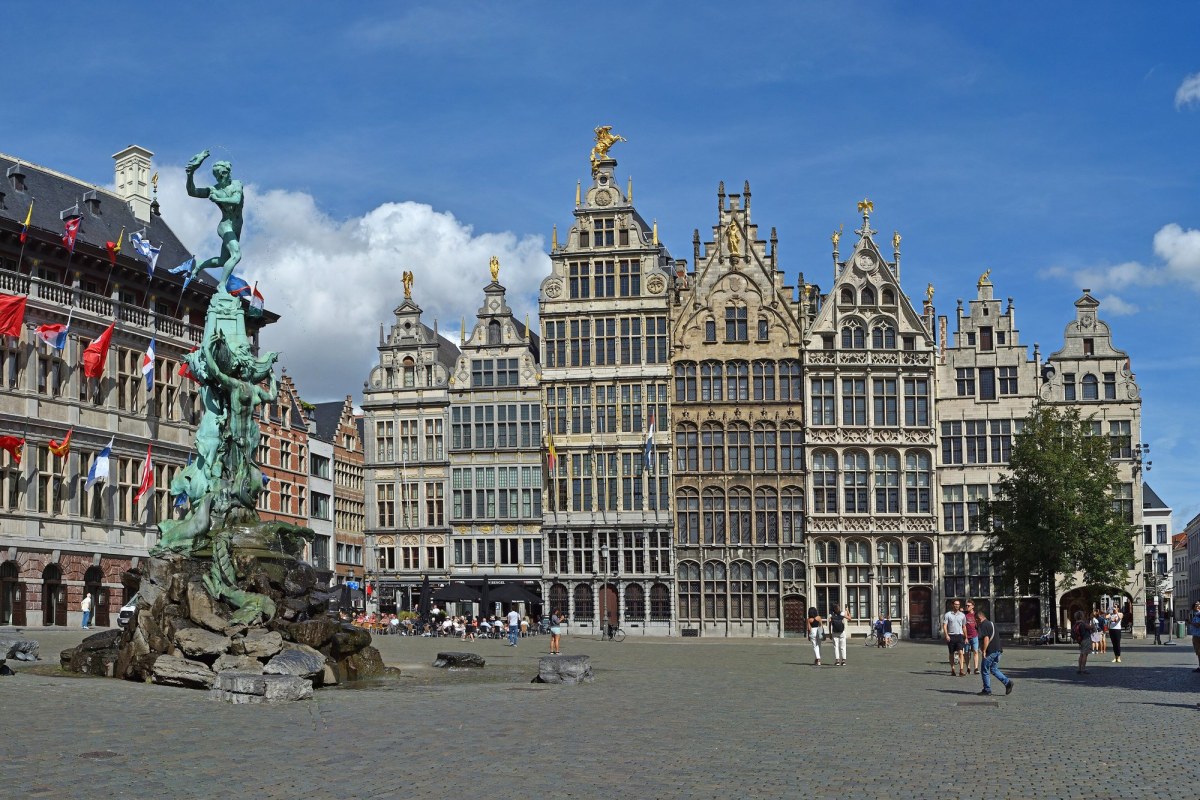
Antwerp Province
Region
A major port city, the diamond trade, and quiet heath and pine to the north of it.
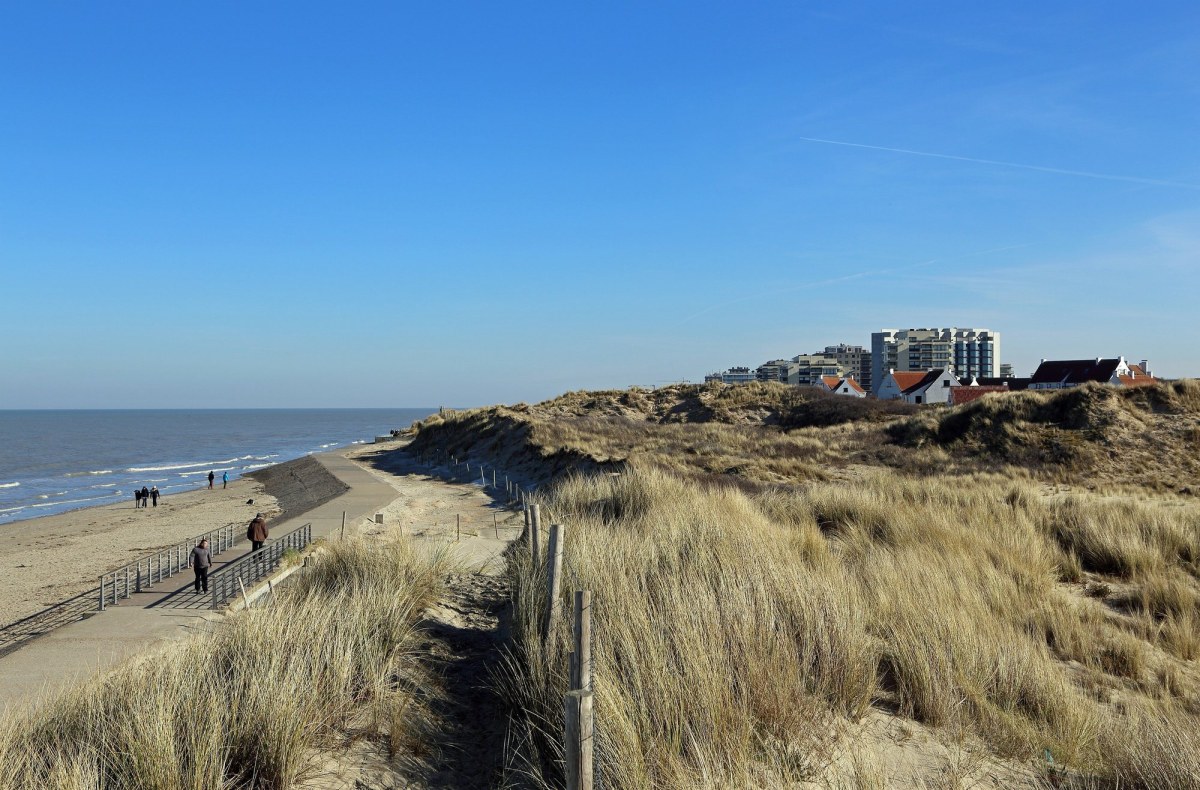
Belgian Coast
Region
A short strip of North Sea beach and dune, with a tram running the whole length of it.
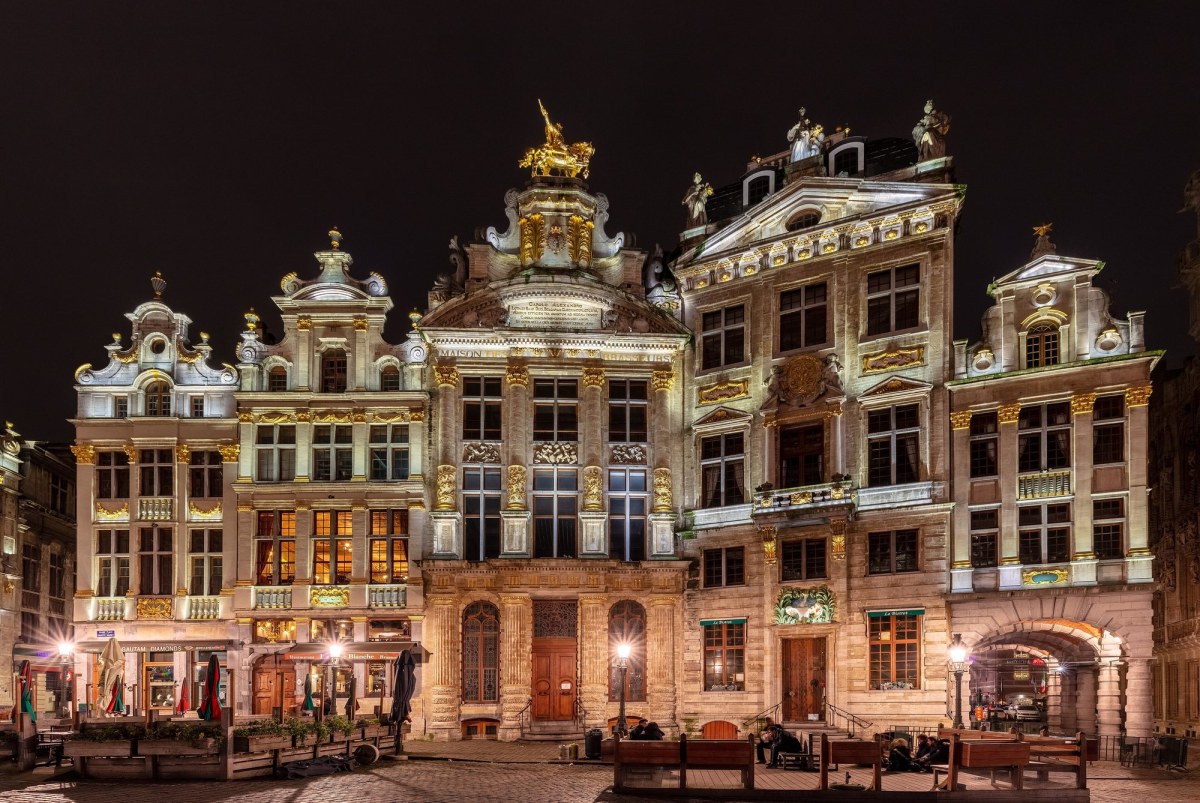
Brussels-Capital Region
Region
A bilingual city-region in the middle of the country, and the working capital of the European Union.
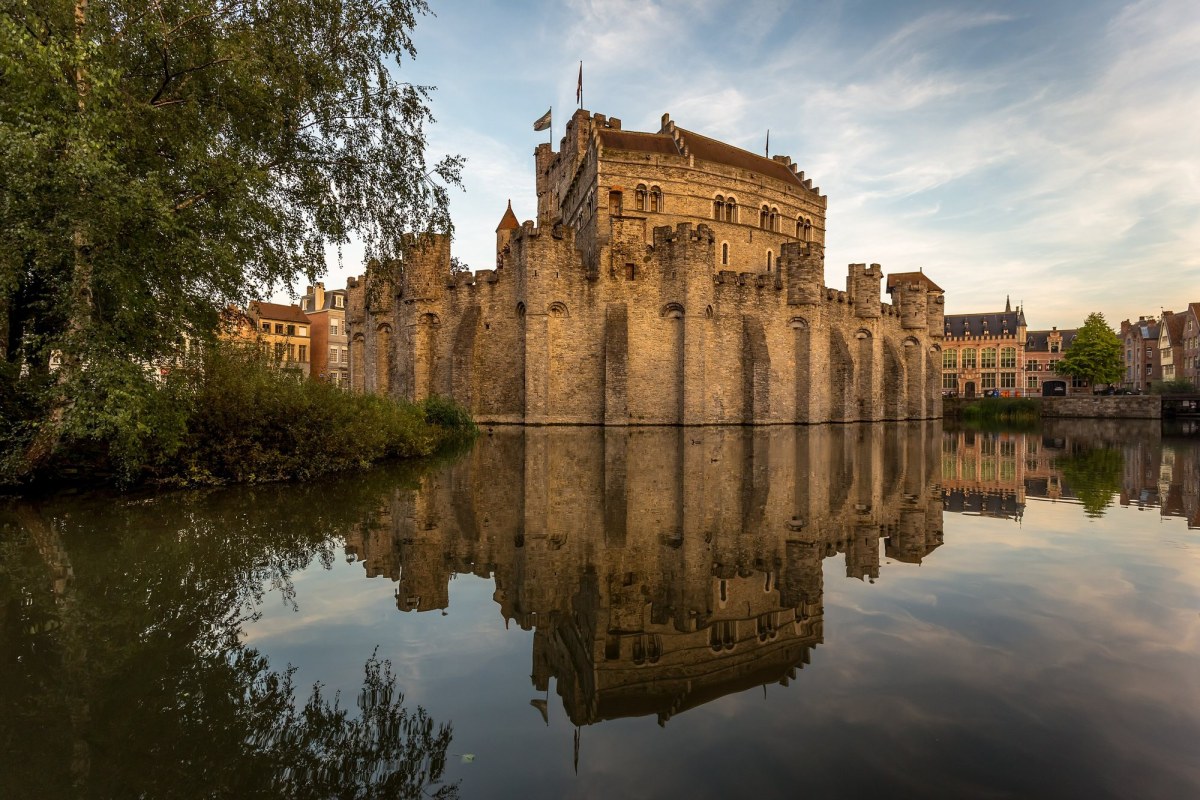
Flanders
Region
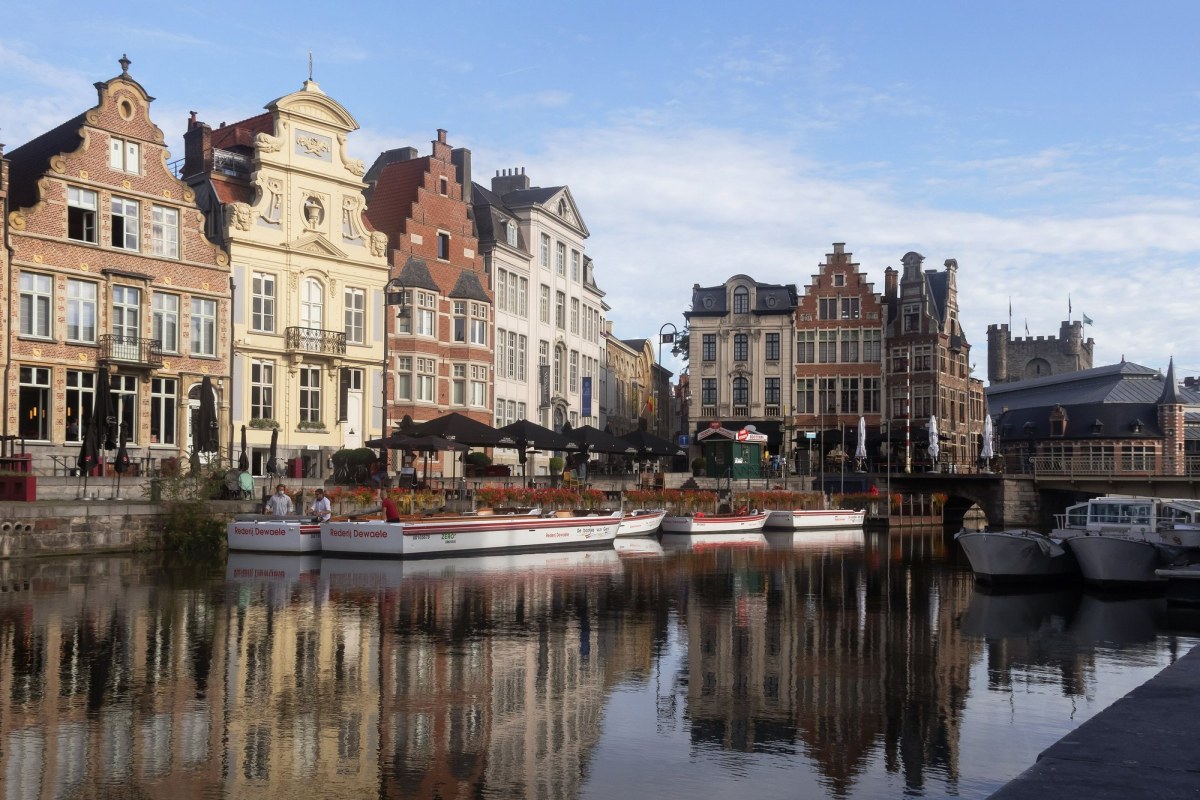
The Dutch-speaking north: medieval cloth towns, a flat landscape made for cycling, and the best beer culture in Europe.
Flemish Brabant
Region
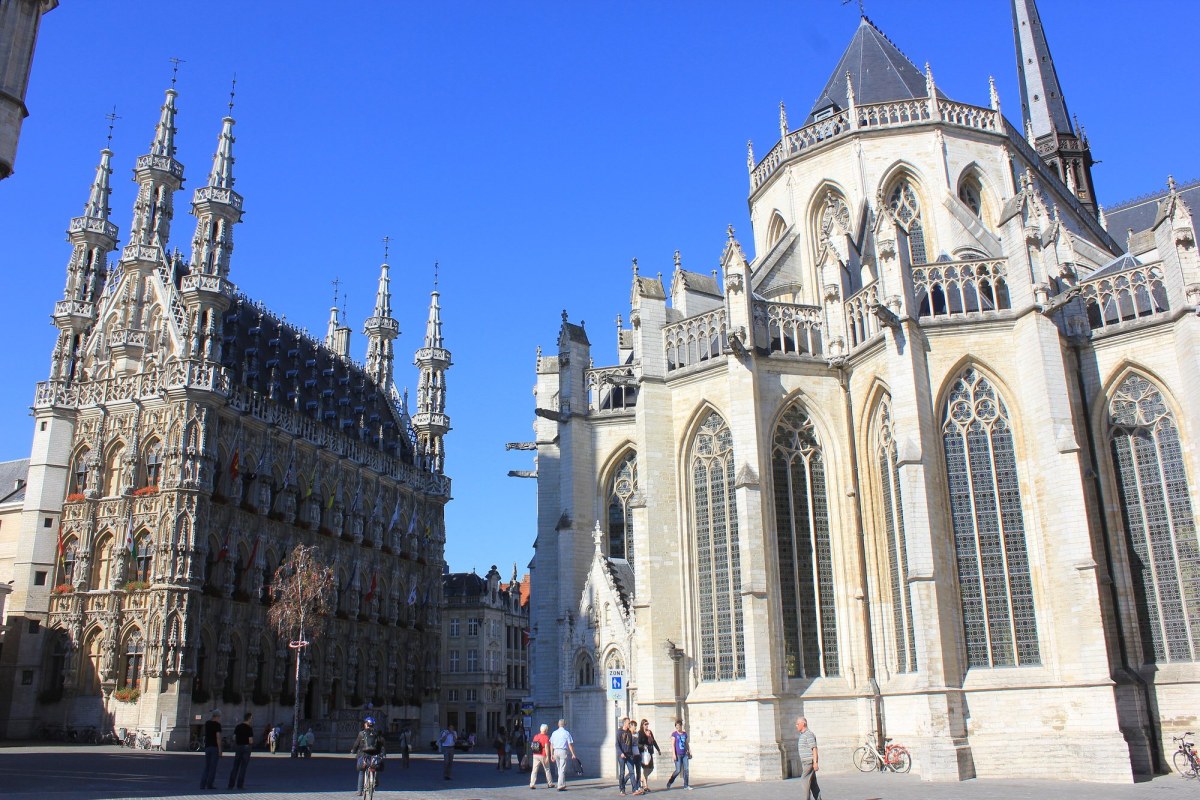
The province wrapped around Brussels, with a great university town and the lambic breweries.
Liège Province
Region
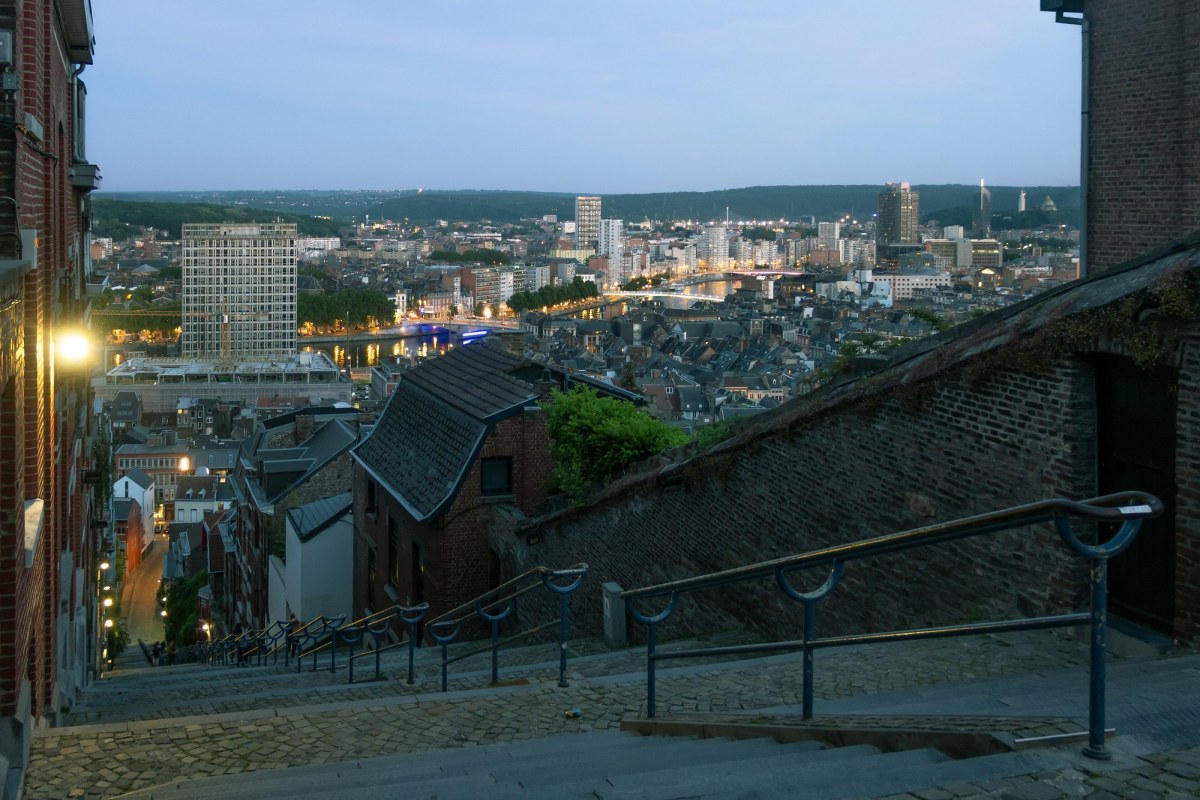
A river city with a strong local character, and the high moorland of the Hautes Fagnes behind it.
The Ardennes
Region
Forested hills and river valleys in the south-east, walked in summer and remembered for a winter battle.
Wallonia
Region
The French-speaking south: river valleys, castles and caves, and the industrial history that once powered the country.
Inside Belgium
Towns and cities
12 to explore
Antwerp
Town or city
A port city of diamonds, Rubens and fashion, with a railway station worth the trip on its own.
Brussels
Town or city
A bilingual capital with one of the finest squares in Europe and an unusual amount of art nouveau.
Dinant
Town or city
A town squeezed between a cliff and the Meuse, with a citadel above and a bulb-domed church below.
Ghent
Town or city
A medieval city that never became a museum, with a castle in the middle and a great many students.
Leuven
Town or city
A university town with an extravagantly carved town hall and a great deal of beer.
Liège
Town or city
A Meuse city with a stair of hundreds of steps, a Sunday market and a strong local accent.
Mechelen
Town or city
A quiet Habsburg capital between Brussels and Antwerp, with a tower that was never finished.
Mons
Town or city
A Hainaut town with a bell tower unlike any other, and a dragon fought in the square each summer.
Ostend
Town or city
The largest coastal town, with a working fishing harbour and the painter James Ensor.
Ypres
Town or city
A medieval cloth town shelled to nothing and rebuilt to its own plans, at the centre of the Salient.
Inside Belgium
Landmarks
12 to explore
Belfry of Bruges
Landmark
A medieval bell tower over the market square, climbed by a narrow winding stair.
Cathedral of Our Lady, Antwerp
Landmark
The largest Gothic church in the Low Countries, holding the Rubens paintings it was built for.
Citadel of Dinant
Landmark
A fortress on a cliff above the Meuse, reached by cable car or by a very long stair.
Flanders Fields
Landmark
The farmland around Ypres where the Salient was fought over for four years.
Grand-Place
Landmark
A square of gilded guild houses, rebuilt in a few years after a bombardment flattened it.
Historic Centre of Bruges
Landmark
A complete medieval town centre, listed whole rather than building by building.
Horta Town Houses
Landmark
Four Brussels houses where art nouveau was worked out, kept as they were built.
Saint Bavo’s Cathedral
Landmark
The Ghent church that holds the Van Eyck altarpiece, the most stolen artwork in history.
Waterloo Battlefield
Landmark
The farmland south of Brussels where the Napoleonic Wars ended, with an artificial hill over it.
Plan the trip
Explore Belgium
Start with the regions, then the towns, then the sights worth a detour — each with its own page and its own pin on the map.
Start anywhere and follow the links. The guides and itineraries join these places into routes you can actually travel.
Credit: Europe by Giddo
Every place above is on this map. The lists on this page are the same content in the same order.