

Where to stay in Austria
See the hotels and apartments available on Booking.com · This is an affiliate link with our partner. Europe by Giddo may earn a commission from a purchase made through it, at no extra cost to you.
Austria is a small country with an outsized cultural inheritance: it ran an empire from Vienna for six centuries, and the music, architecture and coffee houses that came out of it are still the reason most people visit.
Our partner
Travel insurance · 5% off for our readers
Get a quoteVienna is the starting point. The Hofburg and Schönbrunn palaces, St Stephen's Cathedral, the Kunsthistorisches Museum, the Belvedere with Klimt's Kiss, the State Opera and the Ringstrasse that circles the old city all sit within a walkable centre. The coffee house is a listed cultural practice, not a cliché.
Salzburg, closer to the German border, is compact and Baroque, built under a fortress with Mozart's birthplace in the middle and the Salzkammergut lake district just beyond. Hallstatt, on its lake under steep cliffs, is one of the most photographed villages in Europe; the salt mine above it has been worked since prehistory.
The west is Alpine. Tirol, around Innsbruck, and the Vorarlberg and Salzburg mountains hold the country's best-known ski areas — St Anton, Kitzbühel, Ischgl, Zell am See — and in summer the same valleys turn into walking and cycling country. The Grossglockner High Alpine Road crosses the highest massif in Austria.
Graz in the south-east has a well-preserved old town and a distinctly Mediterranean feel, and southern Styria is a green wine region of steep hills. Lake Constance in the far west is shared with Germany and Switzerland.
German is the language, distances are short, and public transport reaches valleys most countries would leave to cars. Winter and high summer are the two peak seasons; late spring and early autumn are quieter and often the most pleasant.
Trains reach almost everywhere worth going, including deep Alpine valleys, and the scenic lines over the Semmering and through the Arlberg are attractions in their own right. Austria sits at the centre of a very easy region: Munich, Prague, Bratislava, Budapest, Ljubljana and Venice are all within a few hours of Vienna or Salzburg, which makes it a natural hub for a longer European trip.
Common questions
- What is the capital of Austria?
- The capital of Austria is Vienna.
- What currency is used in Austria?
- Austria uses the Euro (EUR).
- What language is spoken in Austria?
- The official language is German.
- When is the best time to visit Austria?
- Cold alpine winters with reliable snow; warm summers in the valleys and cities.
- Which side of the road do you drive on in Austria?
- In Austria you drive on the right.
- What plug sockets are used in Austria?
- Austria uses type C, F sockets.
- What is the dialling code for Austria?
- The international dialling code for Austria is +43.
Partner
Inside Austria
Regions
10 to explore
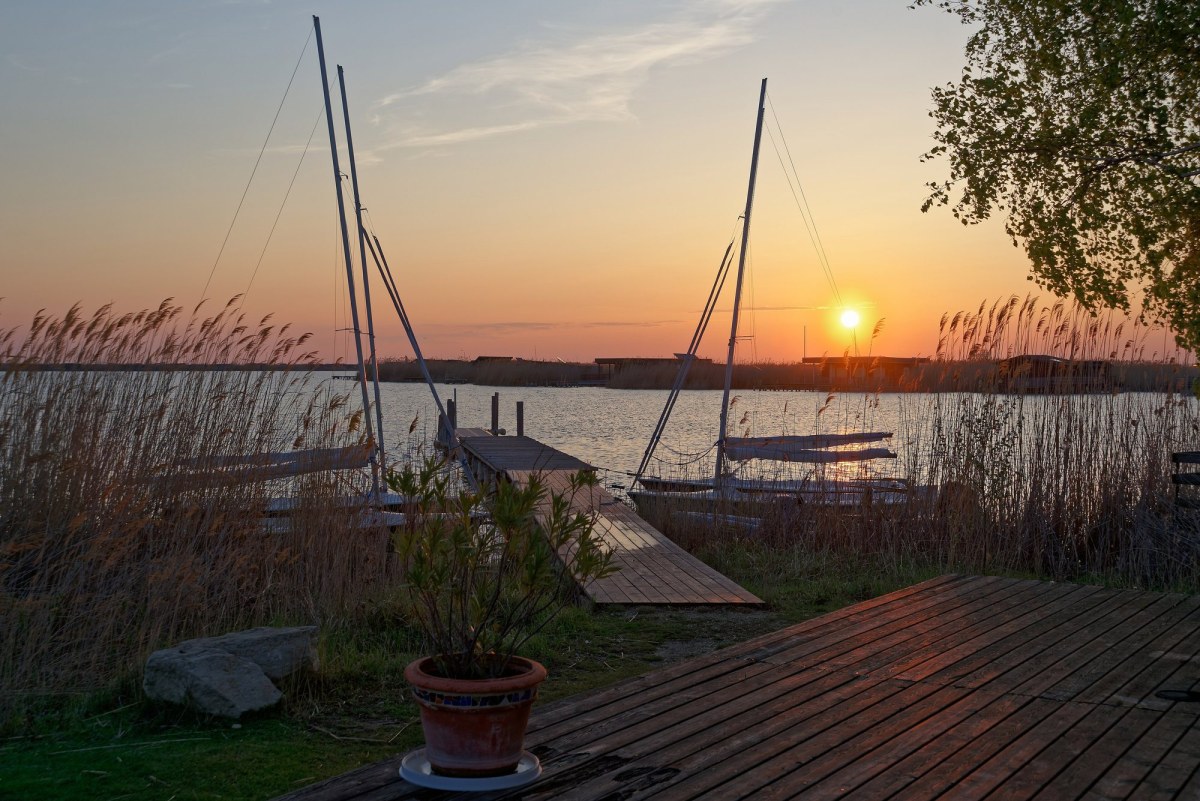
Burgenland
Region
The flat eastern edge: a steppe lake, reed beds, storks and the warmest vineyards in Austria.
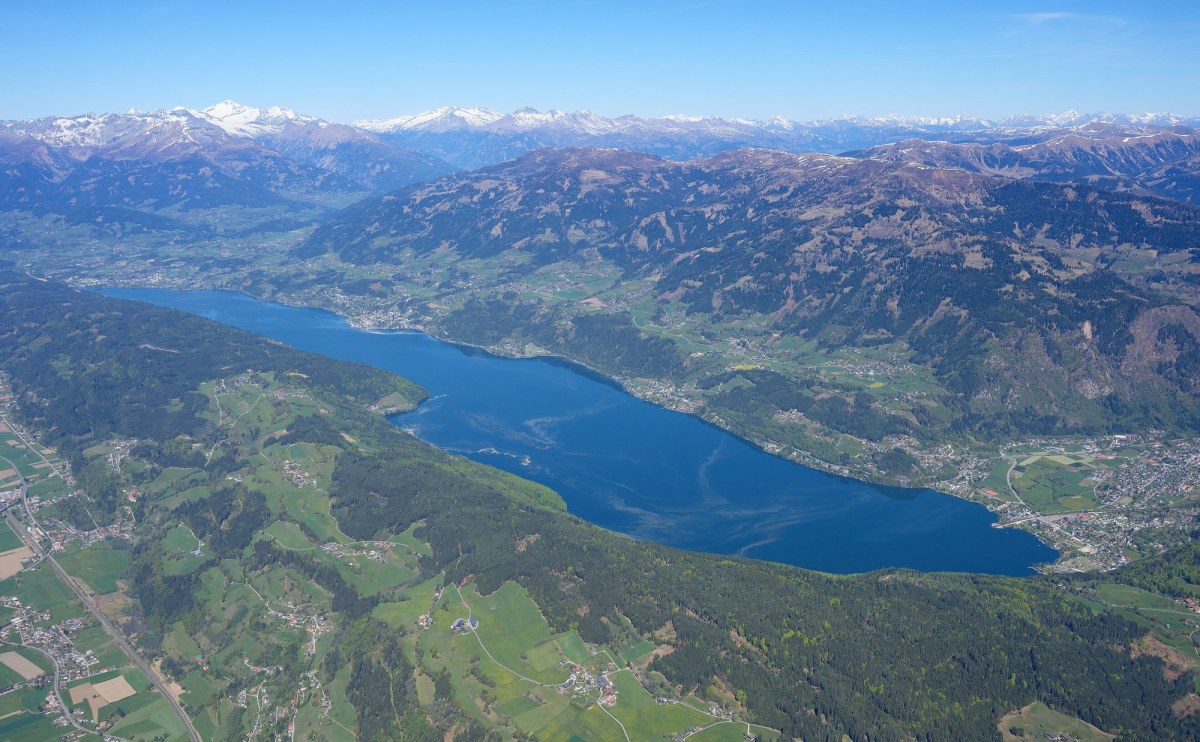
Carinthia
Region
The southern state: warm lakes under high mountains, and a Mediterranean feel that stops at the ridge.
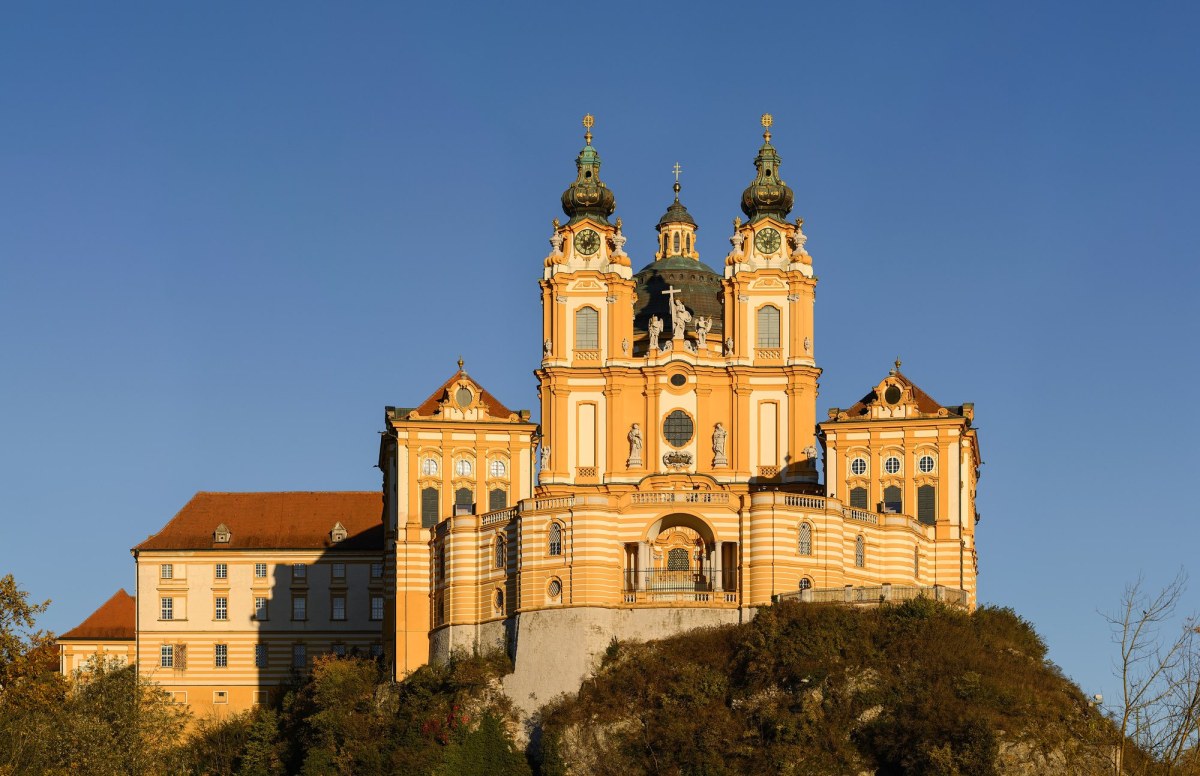
Lower Austria
Region
The state that surrounds Vienna: the Wachau vineyards, abbeys above the Danube, and the wine country north of the city.
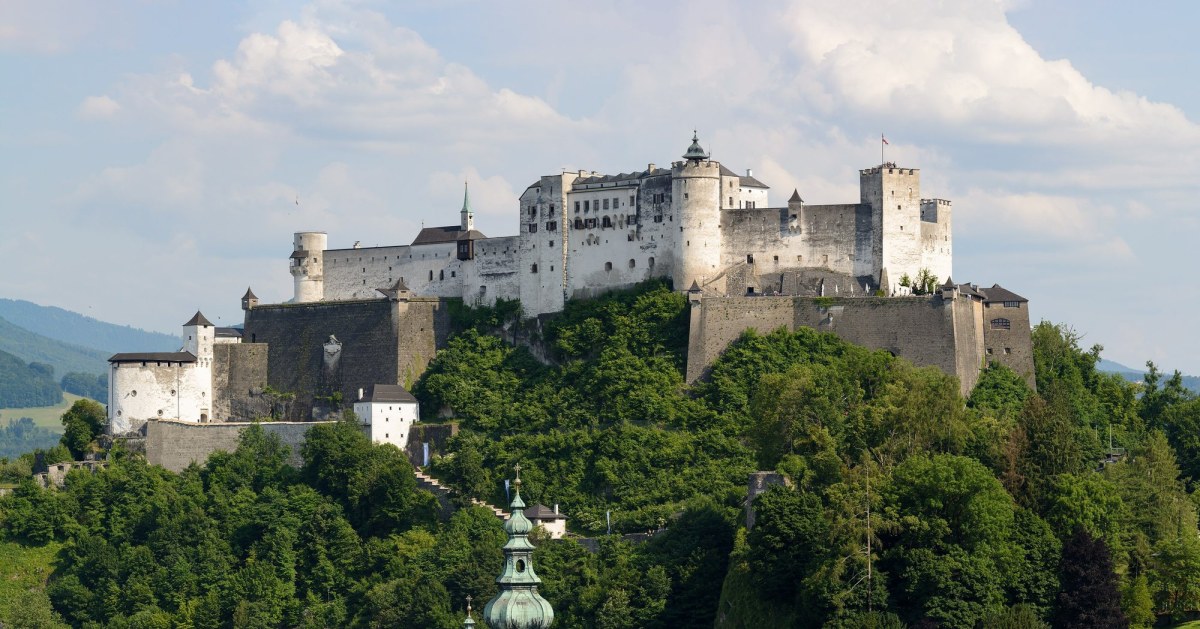
Salzburgerland
Region
The state around Salzburg: a baroque city, salt mines that paid for it, and the lakes and high road behind.
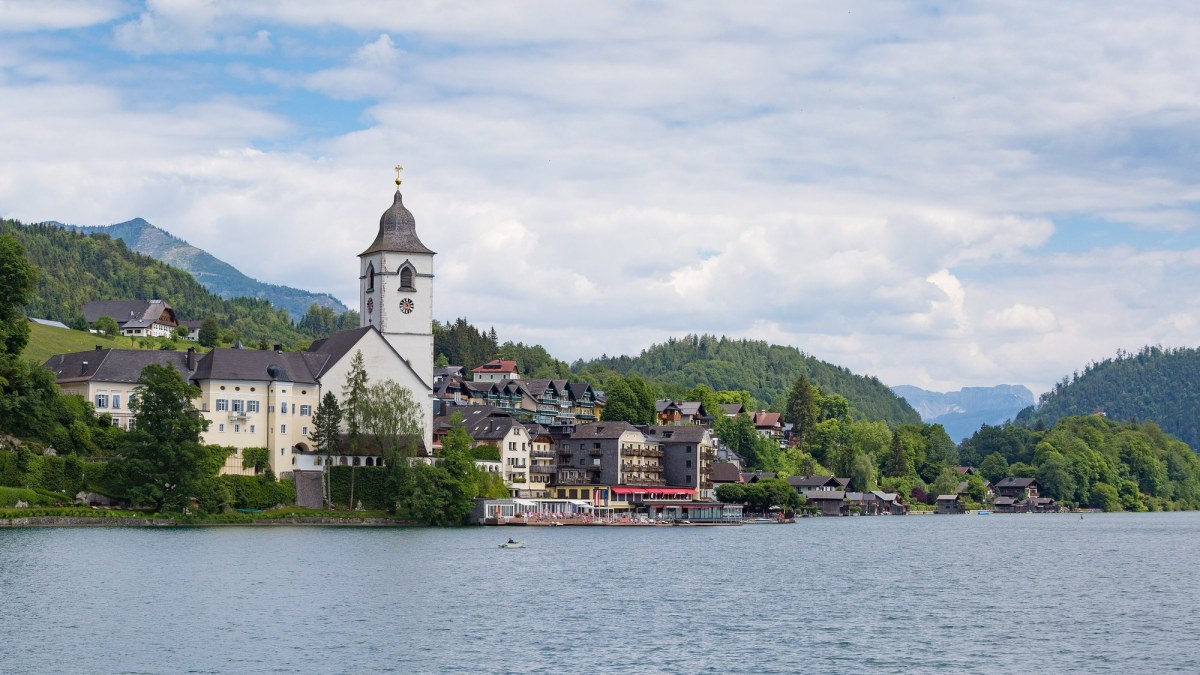
Salzkammergut
Region
The lake district: seventy-odd lakes between limestone walls, and the salt that gave it its name.
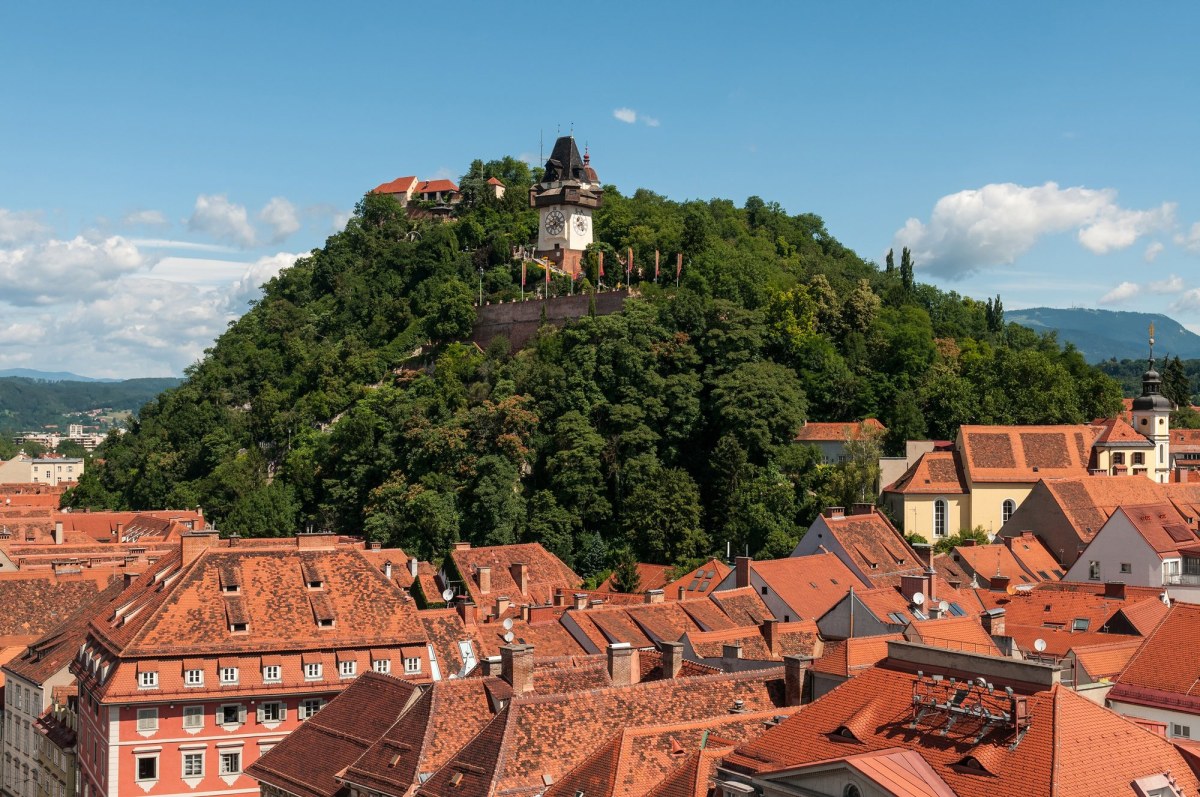
Styria
Region
The green march: forested hills, an iron mountain, and the wine and pumpkin-seed oil country in the south.
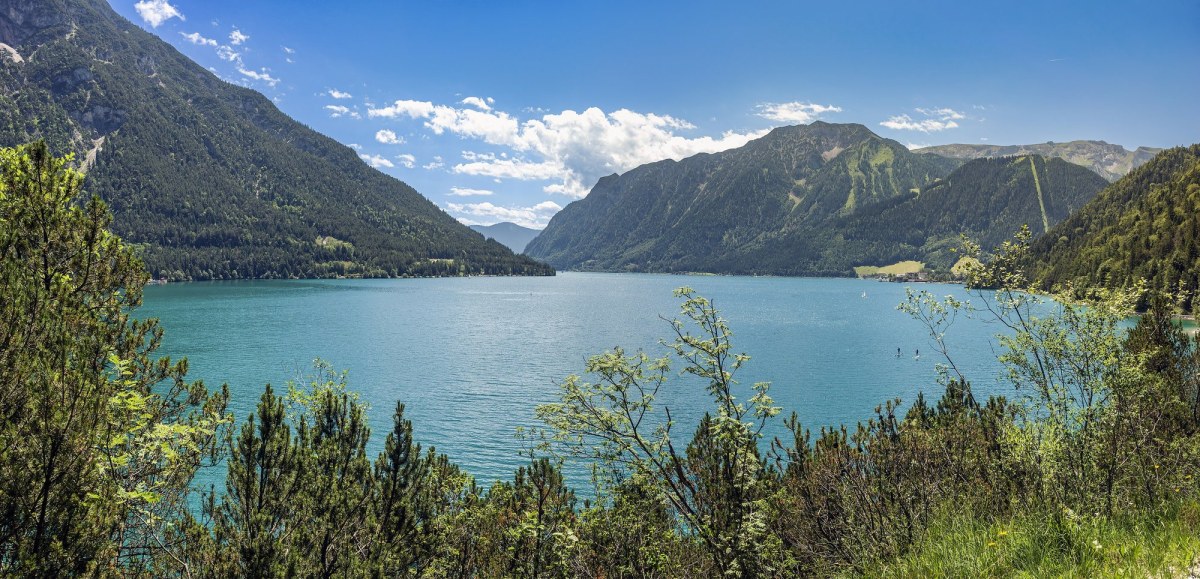
Tyrol
Region
The Alpine heart of Austria: high valleys, glaciers, and the mountains that made it a country of passes and tolls.
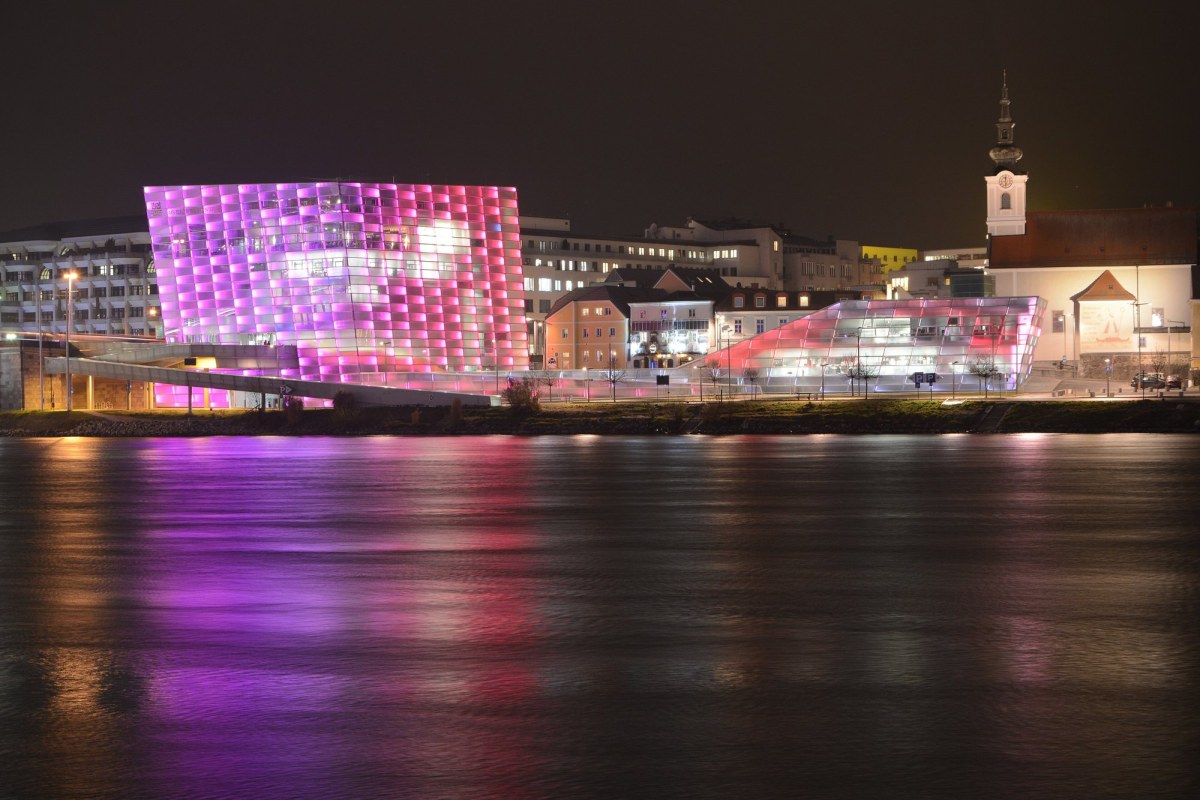
Upper Austria
Region
The Danube, the Salzkammergut lakes, and the towns along a river that has always been a road.
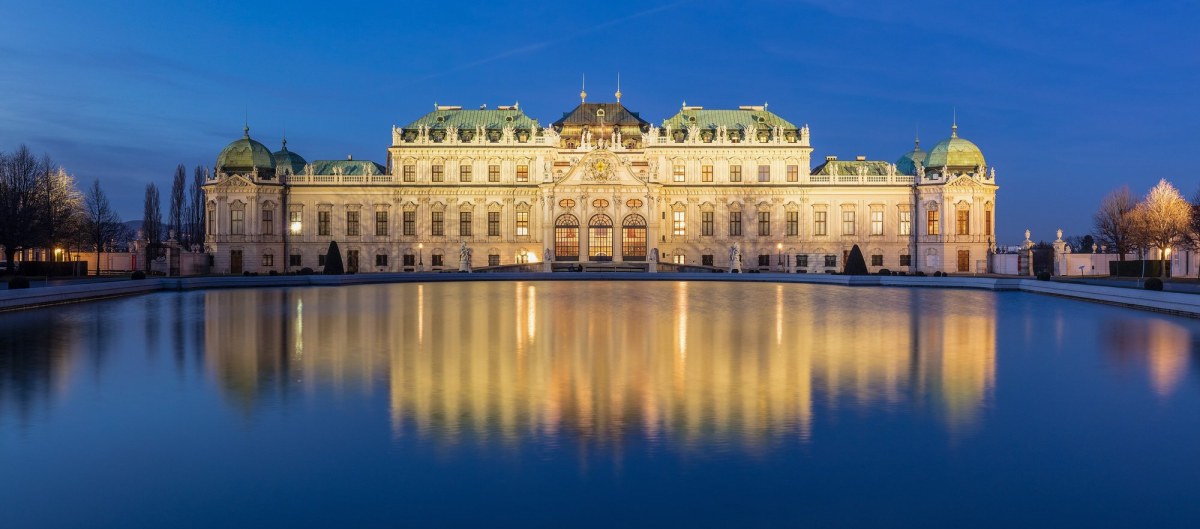
Vienna
Region
A city that is also a federal state: the Habsburg capital, its palaces, and the vineyards inside the city boundary.
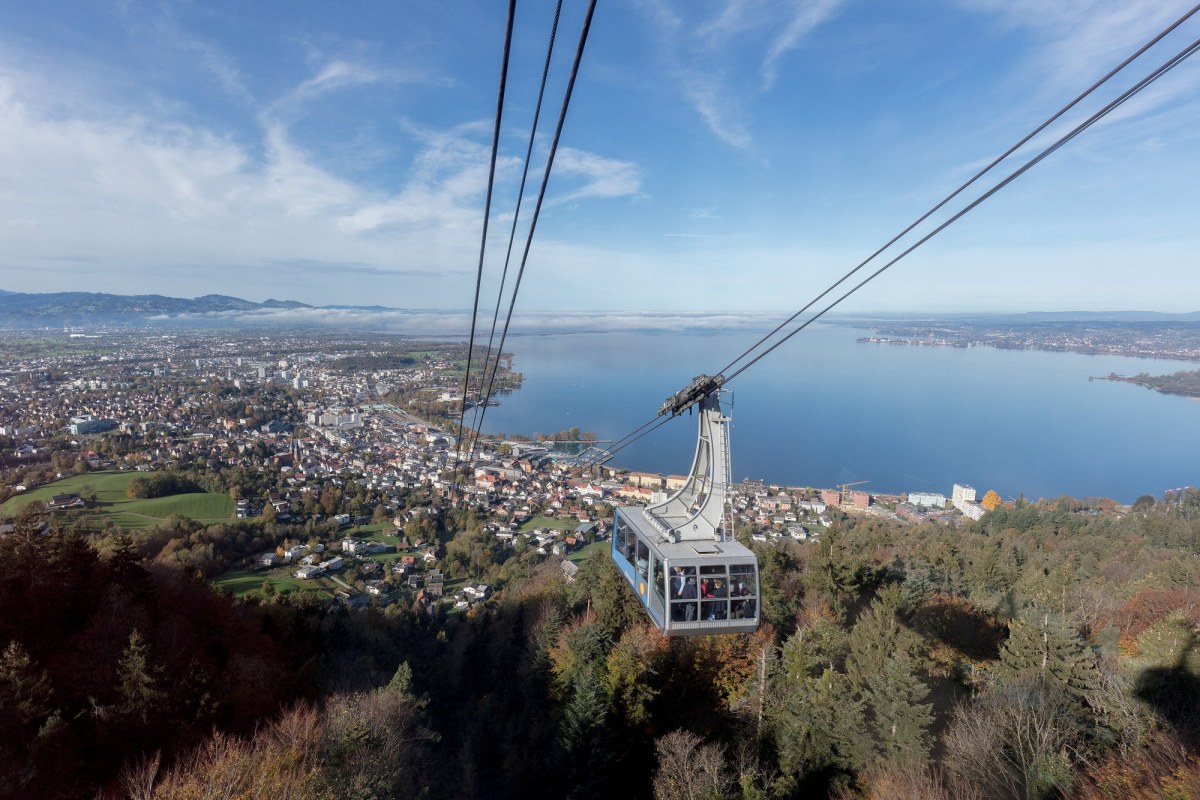
Vorarlberg
Region
The far west: Lake Constance at one end, the Arlberg at the other, and the most interesting modern architecture in the Alps.
Inside Austria
Towns and cities
12 to explore
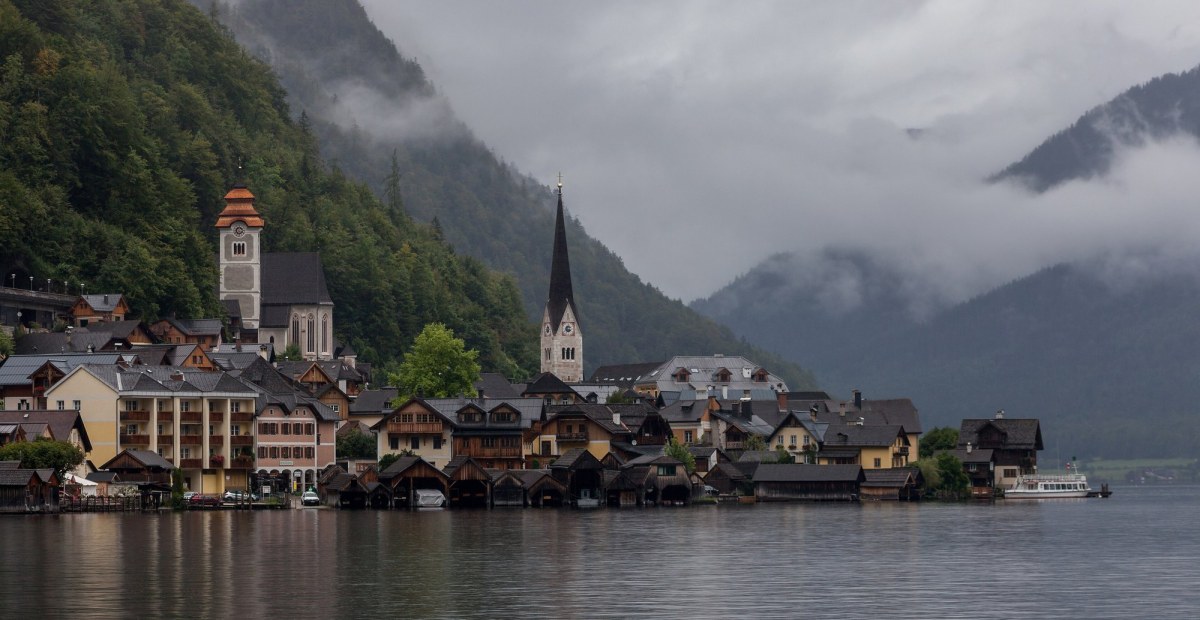
Eisenstadt
Town or city
Burgenland’s small capital, and the palace where Haydn worked for thirty years.
Graz
Town or city
Austria’s second city: a World Heritage old town of tiled roofs with a bright blue art museum dropped into it.
Hallstatt
Town or city
A village on a shelf between a lake and a cliff, with three thousand years of salt mining above it.
Innsbruck
Town or city
A city in a valley with a two-thousand-metre mountain wall rising straight out of it.
Klagenfurt
Town or city
Carinthia’s capital at the end of a warm lake, with a dragon in the main square.
Linz
Town or city
A steel city on the Danube that rebuilt its identity around technology and contemporary art.
Salzburg
Town or city
A baroque city between two hills, with the largest surviving medieval fortress in central Europe over it.
Vienna
Town or city
The Habsburg capital: palaces, coffee houses, and more music history per street than anywhere else.
Zell am See
Town or city
A lake town under a glacier, and the northern end of the Grossglockner road.
Inside Austria
Landmarks
12 to explore
Goldenes Dachl
Landmark
A balcony in Innsbruck roofed with 2,657 gilded copper tiles, built for an emperor to watch from.
Grossglockner High Alpine Road
Landmark
Forty-eight kilometres and thirty-six hairpins over the main Alpine ridge, open only in summer.
Hallstätter See
Landmark
The lake under the Dachstein, with a village on a shelf at its western edge.
Hofburg
Landmark
Six centuries of Habsburg building in the middle of Vienna, still the seat of the state.
Hohensalzburg Fortress
Landmark
One of the largest fully preserved medieval castles in Europe, on the hill over Salzburg.
Kunsthaus Graz
Landmark
A bright blue biomorphic gallery dropped into a World Heritage roofscape, on purpose.
Melk Abbey
Landmark
A three-hundred-metre baroque abbey on a rock above the Danube, with a library of a hundred thousand volumes.
Schönbrunn Palace
Landmark
The Habsburgs’ summer palace, with 1,441 rooms and the oldest zoo in the world in its park.
Wachau Valley
Landmark
Forty kilometres of the Danube between Melk and Krems, terraced for wine and topped with ruins.
Zugspitze Massif seen from Tyrol
Landmark
The mountain on the German border, reached from the Austrian side by a cog railway through the rock.
Plan the trip
Explore Austria
Start with the regions, then the towns, then the sights worth a detour — each with its own page and its own pin on the map.
Start anywhere and follow the links. The guides and itineraries join these places into routes you can actually travel.
Credit: Europe by Giddo
Every place above is on this map. The lists on this page are the same content in the same order.